

Foot support for everyday activities is the foundation most people ignore until pain forces them to pay attention. Whether you are standing behind a counter for eight hours, chasing kids around the house, or simply walking the dog each morning, your feet absorb every ounce of impact before it travels up through your ankles, knees, hips, and spine. Without the right support, that impact accumulates quietly — until one day a dull ache becomes a sharp, limiting pain.
This guide goes further than a typical list of tips. In addition to explaining exactly what foot support for everyday activities means and why it matters, we cover the daily habits that protect your feet, the real differences between custom orthotics and store-bought insoles, a step-by-step selection process, activity-specific recommendations, and the warning signs that mean it is time to act. By the end, you will know precisely what to do next — no additional searching required.
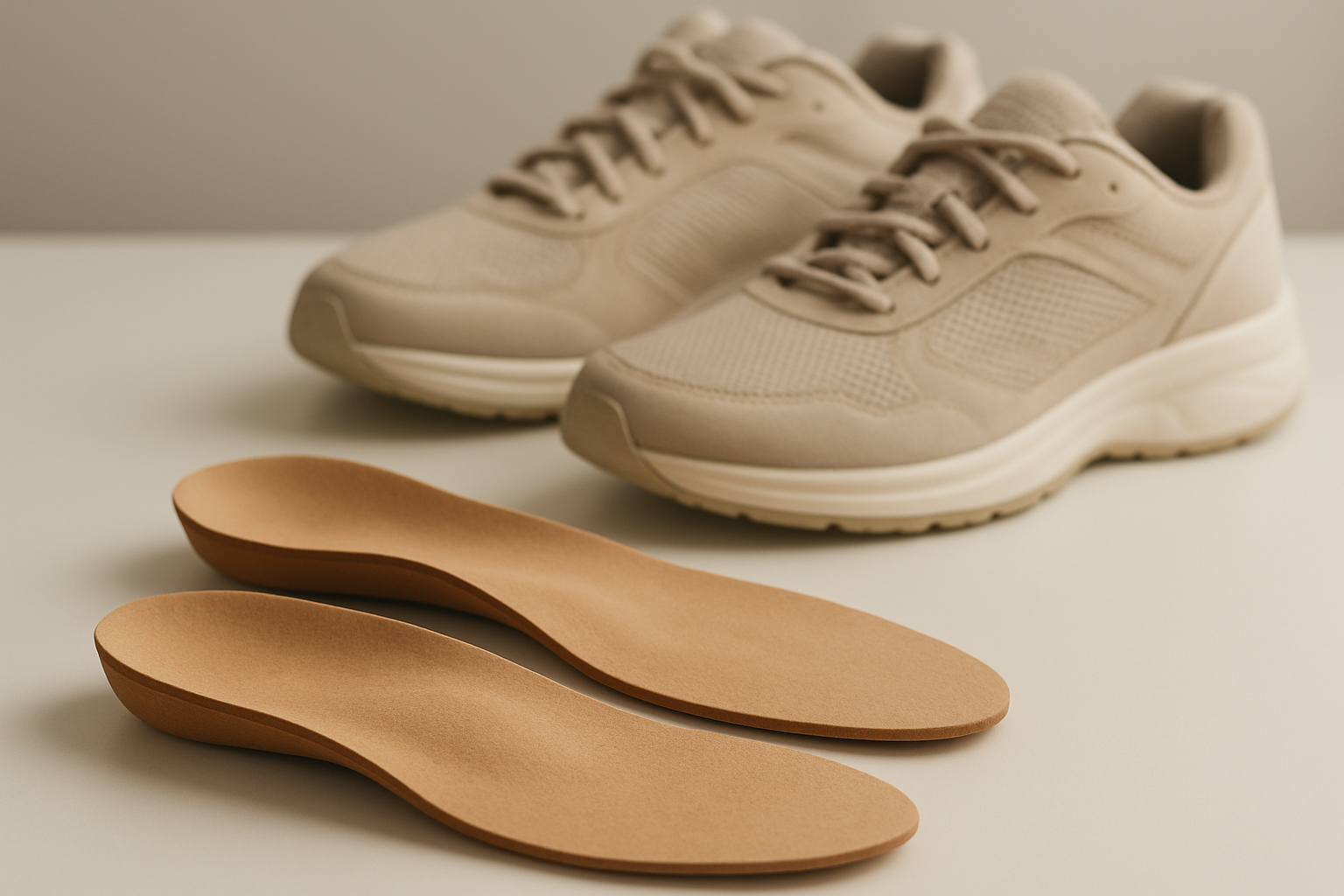
Custom-molded orthotics are engineered to deliver precise foot support for everyday activities, unlike generic store-bought insoles. For a deeper walkthrough, see our Custom Orthotic Insoles for Sports: Complete Guide.
What Is Foot Support for Everyday Activities?
Foot support for everyday activities refers to orthotics, insoles, or supportive footwear designed to cushion, align, and stabilize your feet during normal daily movement — not just intense exercise. The goal is straightforward: distribute your body weight evenly, reduce strain on joints and soft tissue, and correct the structural imbalances that quietly cause chronic discomfort.
According to the American Podiatric Medical Association, roughly 77% of Americans experience significant foot pain at some point — yet fewer than a third ever seek professional care. That gap represents millions of people quietly tolerating pain that is often preventable.
Furthermore, research published in the Journal of Foot and Ankle Research found that custom foot orthoses meaningfully reduced pain and improved function in patients with plantar fasciitis — one of the most common causes of heel pain. Therefore, choosing the right support is not just a comfort decision. It is a preventive health decision with consequences that extend well beyond your feet.
Why Your Feet Bear More Stress Than You Realize
Each foot contains 26 bones, 33 joints, and more than 100 muscles, tendons, and ligaments. Consequently, even a minor structural imbalance can send strain up through your entire kinetic chain — meaning your ankles, knees, hips, and spine are all affected by what happens at ground level, every single step.
The average person takes between 6,000 and 10,000 steps per day. Over a year, that adds up to millions of foot strikes, each one transmitting force upward. Without proper support, that repetitive stress accumulates and can lead to:
- Plantar fasciitis — inflammation of the band of tissue running along the bottom of the foot
- Overpronation — excessive inward rolling of the foot during walking or running
- Flat feet or fallen arches — collapse of the arch that shifts weight distribution
- Heel spurs — bony growths at the base of the heel caused by chronic tension
- Metatarsalgia — pain and inflammation in the ball of the foot
In particular, people who stand for extended periods — nurses, teachers, retail workers, and tradespeople — face a heightened risk. If that describes you, our detailed guide to the best insoles for standing all day covers targeted picks for your exact situation.
Everyday Habits That Strengthen Your Foot Support
Orthotics and insoles are only half of the equation. Above all, the daily habits surrounding your feet determine whether that support actually works — or whether it fights an uphill battle against poor footwear, weak muscles, and neglected skin. Below are the habits that make the biggest difference.
Rotate Your Footwear Daily
Wearing the same pair of shoes every day compresses cushioning unevenly and locks your feet into the same pressure pattern. Instead, alternate between two or three supportive pairs so each set of midsoles has time to decompress and recover its shape between wears.
Stretch and Strengthen Your Feet Each Morning
Simple calf stretches, towel scrunches, and rolling your arch over a frozen water bottle for two minutes each morning keep the plantar fascia flexible before it bears weight. As a result, many people notice a measurable drop in first-step morning pain within a few weeks of consistent practice.
Maintain a Healthy Body Weight
Every extra pound adds roughly one and a half pounds of pressure through the feet with each step. Consequently, gradual, sustainable weight management is one of the most overlooked forms of foot support for everyday activities — it reduces load before any device even comes into play.
Practice Proper Foot Hygiene and Skin Care
Dry, cracked skin and untreated calluses change the way pressure is distributed across the sole of the foot. Therefore, washing and thoroughly drying your feet daily, moisturizing the heels, and trimming nails straight across all help prevent secondary problems that compound existing pain. The Mayo Clinic notes that ignoring early foot symptoms often allows minor irritation to develop into more serious inflammatory conditions.
Choose Moisture-Wicking, Properly Fitted Socks
Cotton socks trap moisture, which increases friction and blister risk. In contrast, moisture-wicking synthetic or merino wool blends keep feet dry and reduce the chance of skin breakdown, especially when paired with orthotics. For more everyday comfort strategies, see our comprehensive guide to comfortable insoles for everyday use.
Set Up an Ergonomic Standing or Sitting Workstation
If your job keeps you upright for hours, an anti-fatigue mat combined with supportive insoles reduces cumulative strain significantly. Similarly, sitting workers benefit from keeping feet flat on the floor rather than tucked under a chair, which preserves healthy circulation and posture throughout the day. If foot tiredness is a recurring problem, our article on relief from foot fatigue covers causes, fixes, and prevention in depth.
Custom Orthotics vs. Over-the-Counter Insoles
Not all foot support solutions are created equal. Understanding the difference between custom orthotics and over-the-counter (OTC) insoles is essential before you spend money on either one.
Over-the-counter insoles are mass-produced to fit a broad range of foot sizes and shapes. They offer general cushioning and can provide temporary relief for mild discomfort. However, because they are not shaped to your individual foot, they cannot correct specific biomechanical problems, and they tend to compress and lose effectiveness within a few months of regular use.
Custom orthotics, by contrast, are fabricated directly from molds of your feet. Every contour, arch height, and pressure point is accounted for in the final device. As a result, custom orthotics address the root cause of foot problems rather than simply masking symptoms, and they are built from durable materials designed to last two to five years under regular use. For a deeper technical breakdown, read our complete guide to orthotic foot support.
If you are weighing budget options, our breakdown of affordable insoles for foot pain can help you strike the right balance between cost and effectiveness.
Quick Answer: Which Is Better?
For mild, occasional discomfort, a quality OTC insole may suffice. However, for chronic pain, structural issues, or a condition diagnosed by a podiatrist, custom orthotics deliver superior, lasting foot support for everyday activities because they are built specifically for your feet.
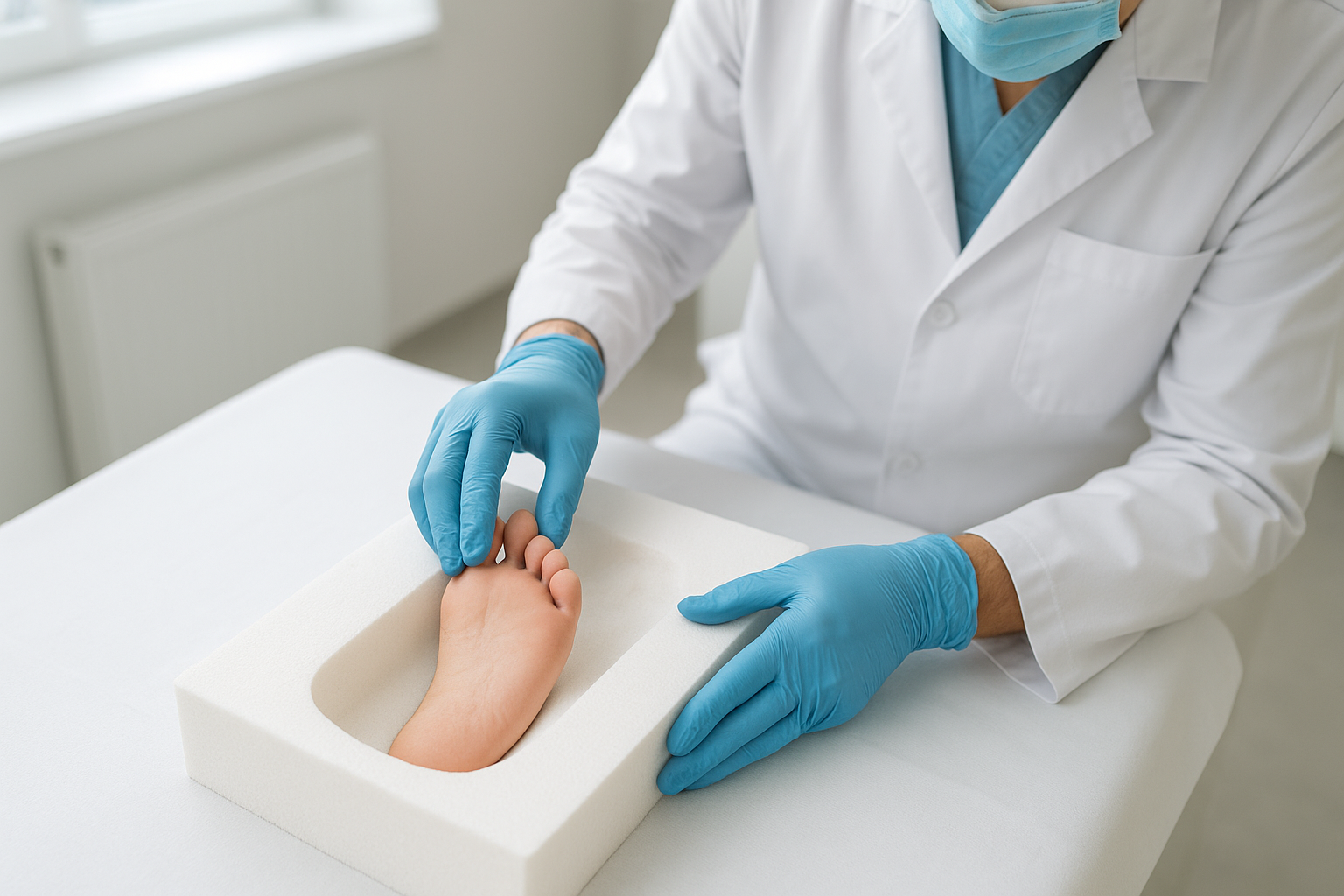
Custom orthotics begin with an individual foot mold — the key step that separates precision-fit support from generic solutions.
How to Choose the Right Foot Support: A Step-by-Step Process
Selecting the right foot support does not have to be overwhelming. In fact, following a clear process makes it straightforward. Below is a practical, five-step guide to get you started today.
- Assess your foot type and pain points. Determine whether you have flat feet, high arches, or neutral arches. Note where discomfort occurs — heel, arch, ball of foot — and when it is worst.
- Consult a podiatrist for a professional evaluation. A licensed podiatrist can analyze your gait, identify structural imbalances, and recommend the most appropriate type of support for your condition.
- Choose between custom orthotics and over-the-counter insoles. Based on the evaluation, decide which solution fits your needs and budget. For moderate to severe conditions, custom orthotics are generally the stronger long-term choice.
- Select compatible footwear. Choose shoes with removable insoles, a wide toe box, and a firm heel counter so your orthotics function as designed without creating new pressure points.
- Break in your orthotics gradually. Start with two to three hours of wear per day and increase usage steadily over two to four weeks so your muscles and posture adapt without soreness.
What to Expect During the Break-In Period
Some mild soreness in the arches or calves is normal during the first week of wearing new orthotics. This occurs because your muscles are adapting to a corrected alignment they may not be used to. However, sharp pain or worsening discomfort is a signal to consult your podiatrist for adjustments.
Similarly, avoid switching between orthotics and flat shoes frequently during the break-in phase, as this slows the adaptation process. Consistency is the key to achieving the full benefit of your new support.
Foot Support for Active and Recreational Lifestyles
Daily foot support needs extend well beyond the workplace. Whether you enjoy hiking, cycling, playing tennis, or simply walking in the park, your feet face unique demands during recreational movement. Moreover, recreational activities often involve lateral movement, uneven terrain, and higher impact forces than standard walking.
Custom orthotics can be designed specifically for sport and activity-specific footwear, including running shoes and cleats. For a deeper look at how orthotics support active lifestyles, explore our full resource on custom orthotics for recreational activities.
According to World Health Organization guidelines, adults should engage in at least 150 minutes of moderate-intensity physical activity per week. Proper foot support makes it far easier to meet those goals without pain sidelining your progress.
Full-Length Orthotics for All-Day Comfort
For individuals seeking comprehensive support throughout the entire foot — from heel to toe — full-length orthotics are often the best choice. They provide consistent alignment across all weight-bearing surfaces and are especially effective for people who are on their feet for extended periods.
You can explore full-length custom orthotic options directly through the full-length orthotics product page at customorthotics.com, where each device is crafted from an individual foot mold by an experienced podiatrist.
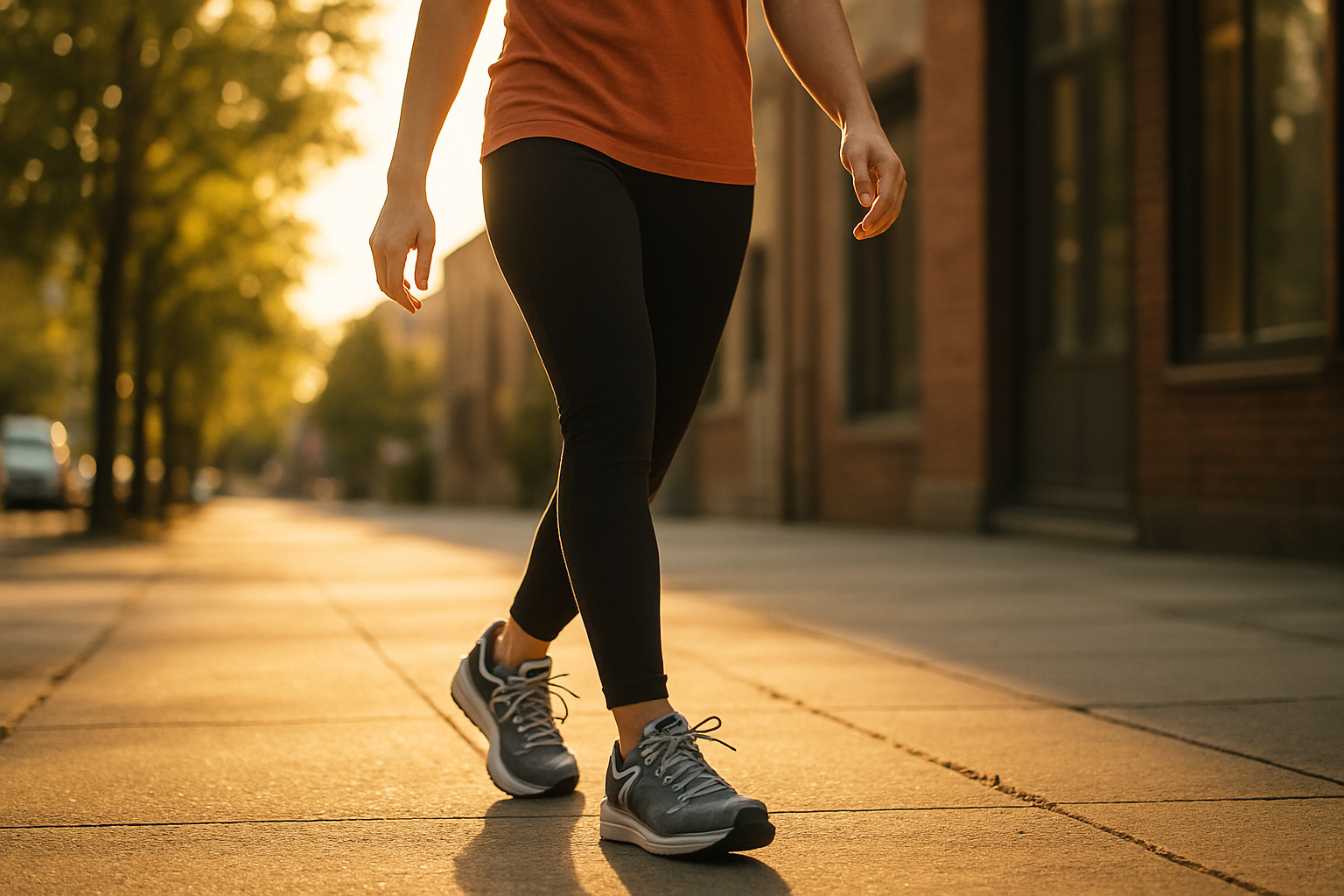
The right foot support makes everyday walking more comfortable and helps prevent long-term joint damage.
Matching Foot Support to Your Daily Activity Type
Not every daily routine puts the same demands on your feet. Consequently, the ideal foot support for everyday activities often varies depending on how you actually spend your time. Below is a quick breakdown by lifestyle category.
Standing Jobs (Retail, Healthcare, Food Service)
Full-length cushioned orthotics with reinforced arch support hold up best against eight- to twelve-hour shifts. Our guide to the best insoles for standing all day walks through specific material and firmness recommendations for this group.
Office and Desk Work
Even seated jobs benefit from arch support, particularly during the walk to and from your car, transit stops, or building lobbies. Lightweight, low-profile orthotics that slip into dress shoes work well here without adding bulk.
Travel and Airport Walking
Long terminal walks combined with hours of sitting create a punishing cycle for the feet. Therefore, travelers should prioritize supportive, slip-resistant shoes with orthotics already inserted rather than relying on airport-provided cushioning alone.
Home, Chores, and Flat-Foot Considerations
Barefoot or slipper-only movement around the house is one of the most common reasons foot pain flares up at home. If you have flat feet, this effect is magnified, since there is no arch to absorb shock naturally. Our resource on foot support options for flat feet details supportive house shoes and insert options built for this exact scenario.
Signs You Need Better Foot Support
In particular, watch for these warning signs — they typically indicate that your current footwear or insoles are no longer doing their job:
- Sharp heel pain during the first few steps out of bed
- Uneven wear patterns on the outer or inner edge of your shoe soles
- Aching arches or a burning sensation by mid-afternoon
- Recurring knee, hip, or lower-back discomfort with no other clear cause
- Visible flattening of the arch when standing barefoot
If you recognize two or more of these signs, it is worth scheduling a professional evaluation rather than waiting for symptoms to worsen.
Finding Professional Foot Care Near You
Access to quality podiatric care is important regardless of where you live. Fortunately, modern orthotic providers have made it possible to receive professional-grade foot care without needing to visit a clinic in person. customorthotics.com — a podiatrist-owned and operated practice with over 20 years of experience and an A+ Better Business Bureau rating — offers both phone consultations and a streamlined online ordering process so patients anywhere can access custom orthotics.
If you are looking for local or remote options, our guide on where to find personalized foot care in your area offers practical direction for connecting with the right provider.
Frequently Asked Questions About Foot Support for Everyday Activities
What is foot support for everyday activities?
Foot support for everyday activities refers to devices — such as custom orthotics, arch support insoles, or supportive footwear — designed to cushion, align, and stabilize the feet during daily movement. These tools help distribute body weight evenly, reduce strain on joints, and prevent or relieve common foot pain conditions.
How do custom orthotics differ from over-the-counter insoles?
Custom orthotics are fabricated from individual molds of a patient's feet, ensuring a precise fit that addresses specific structural issues. Over-the-counter insoles use generic sizing and provide general cushioning but cannot correct individualized biomechanical problems.
Who needs foot support for daily use?
Anyone experiencing foot pain, arch discomfort, heel pain, or fatigue from prolonged standing or walking can benefit from daily foot support. People with plantar fasciitis, flat feet, or overpronation especially benefit from proper orthotic support.
How long does it take to get used to wearing orthotics?
Most people adjust within two to four weeks. It is recommended to start by wearing them for a few hours each day and gradually increase usage. Mild arch or calf soreness during this period is normal and typically resolves on its own.
Can foot support help with back and knee pain?
Yes, proper foot support can significantly reduce back and knee pain by correcting the alignment of the lower limbs. When feet are properly supported, the chain reaction of misalignment through the ankles, knees, hips, and spine is reduced.
What conditions can orthotics help treat?
Orthotics can help treat plantar fasciitis, flat feet, high arches, overpronation, bunions, heel spurs, Achilles tendinitis, and general foot fatigue. They are also used to manage diabetic foot complications and post-surgical recovery.
How much do custom orthotics cost compared to store-bought insoles?
Custom orthotics typically cost more upfront than store-bought insoles, but they last significantly longer and address specific foot conditions more effectively. Some insurance plans cover custom orthotics when prescribed for a diagnosed medical condition.
How do I know if I need arch support or full-length orthotics?
A podiatrist can assess your gait, foot structure, and pain points to recommend the right type of support. Full-length orthotics support the entire foot, while arch-only inserts focus on the midfoot region.
Can I order custom orthotics online?
Yes, customorthotics.com offers an online ordering process where patients can obtain custom orthotics remotely, including a podiatrist consultation by phone, making professional-grade foot care accessible regardless of location.
How long do custom orthotics last?
High-quality custom orthotics typically last between two and five years with proper care. Lifespan depends on activity level, body weight, and how consistently they are worn.
What is the best type of shoe to wear with orthotics?
Shoes with removable insoles, a wide toe box, and firm heel counters work best. Athletic shoes, walking shoes, and certain work boots are generally the most compatible styles, while flat sandals and narrow dress shoes are poor choices.
Are orthotics covered by insurance?
Coverage varies by plan. Many health insurance policies, including some Medicare plans, cover custom orthotics when prescribed by a podiatrist for a diagnosed medical condition. It is advisable to verify your specific benefits beforehand.
Can foot support for everyday activities help during pregnancy?
Yes. Pregnancy shifts your center of gravity and increases fluid retention, both of which add strain to the arches. Supportive insoles or custom orthotics can ease swelling-related discomfort and reduce lower-back strain caused by altered posture.
Do children need foot support for everyday activities?
Most children do not need corrective orthotics unless a podiatrist identifies a structural issue such as severe flat feet or in-toeing. However, well-fitted, supportive shoes during growth years help establish healthy walking patterns for life.
Conclusion: Take the First Step Toward Better Foot Health
Investing in proper foot support for everyday activities is one of the most effective steps you can take to protect your overall musculoskeletal health. From building better daily habits to choosing between custom orthotics and OTC insoles, every recommendation in this guide addresses the root cause rather than masking symptoms. Whether you are exploring simple over-the-counter insoles for mild discomfort or considering custom orthotics for a diagnosed condition, the key is to act on the information rather than tolerate pain unnecessarily. For personalized guidance from a podiatrist with over two decades of experience, visit customorthotics.com to start your complimentary consultation today.