

Relief from foot fatigue often feels like the one thing standing between you and getting through the rest of your day. If you spend eight, ten, or even twelve hours on your feet, you already know that tired, heavy, aching feet are more than a minor inconvenience — they can drain your energy, sour your mood, and make it harder to focus on your job or your family. The good news is that foot fatigue is one of the most well-understood conditions in podiatry, and there are proven, science-backed ways to ease the ache right now while fixing the root cause for good.
Quick answer: The fastest way to get relief from foot fatigue is to elevate your feet, roll the arches over something cold, stretch the calves, and switch into supportive footwear. For lasting relief, custom orthotics correct the structural imbalances that cause fatigue in the first place — something generic cushioned insoles simply cannot do.
What Is Foot Fatigue, and Why Does It Happen?
Foot fatigue is a feeling of tiredness, heaviness, or dull aching that builds up in the feet after extended activity. It typically shows up as soreness in the arch, tightness in the heel, or a general sense that your feet simply cannot support you anymore. In most cases, foot fatigue is your body's response to repetitive stress. However, it can also point to a structural issue such as flat feet, high arches, or poor circulation.
Unlike a sudden injury, foot fatigue tends to build gradually throughout the day. As a result, many people dismiss it as normal until the discomfort starts interfering with sleep, mood, or the ability to keep working. According to the National Institute of Arthritis and Musculoskeletal and Skin Diseases, repetitive strain on the feet is one of the leading contributors to chronic lower-limb discomfort in working adults.
Foot Anatomy 101: Why Your Arches and Heels Bear the Brunt
Each foot contains 26 bones, 33 joints, and more than a hundred muscles, tendons, and ligaments working together to absorb shock with every single step. Specifically, the plantar fascia — a thick band of tissue running along the sole — and the arch itself act like natural shock absorbers. When these structures are overworked without adequate support, they fatigue in the same way any other muscle would after a long workout. In particular, the arch and heel take on far more pressure than most people realize, which is exactly why they ache first.
Common Causes of Tired, Aching Feet
Several everyday factors combine to cause foot fatigue, and identifying yours is the first step toward relief. For example, standing on hard surfaces for eight or more hours puts continuous pressure on the same points of the foot. In addition, worn-out or unsupportive shoes fail to absorb shock, forcing the arch and heel to do all the work.
Excess body weight, poor circulation, and structural conditions such as flat feet or high arches also play a role. Notably, a survey conducted by the American Podiatric Medical Association found that roughly 77% of U.S. adults have experienced foot pain significant enough to affect their daily activities. Consequently, foot fatigue is far more widespread than most people realize, and it rarely resolves on its own without a change in footwear or support.
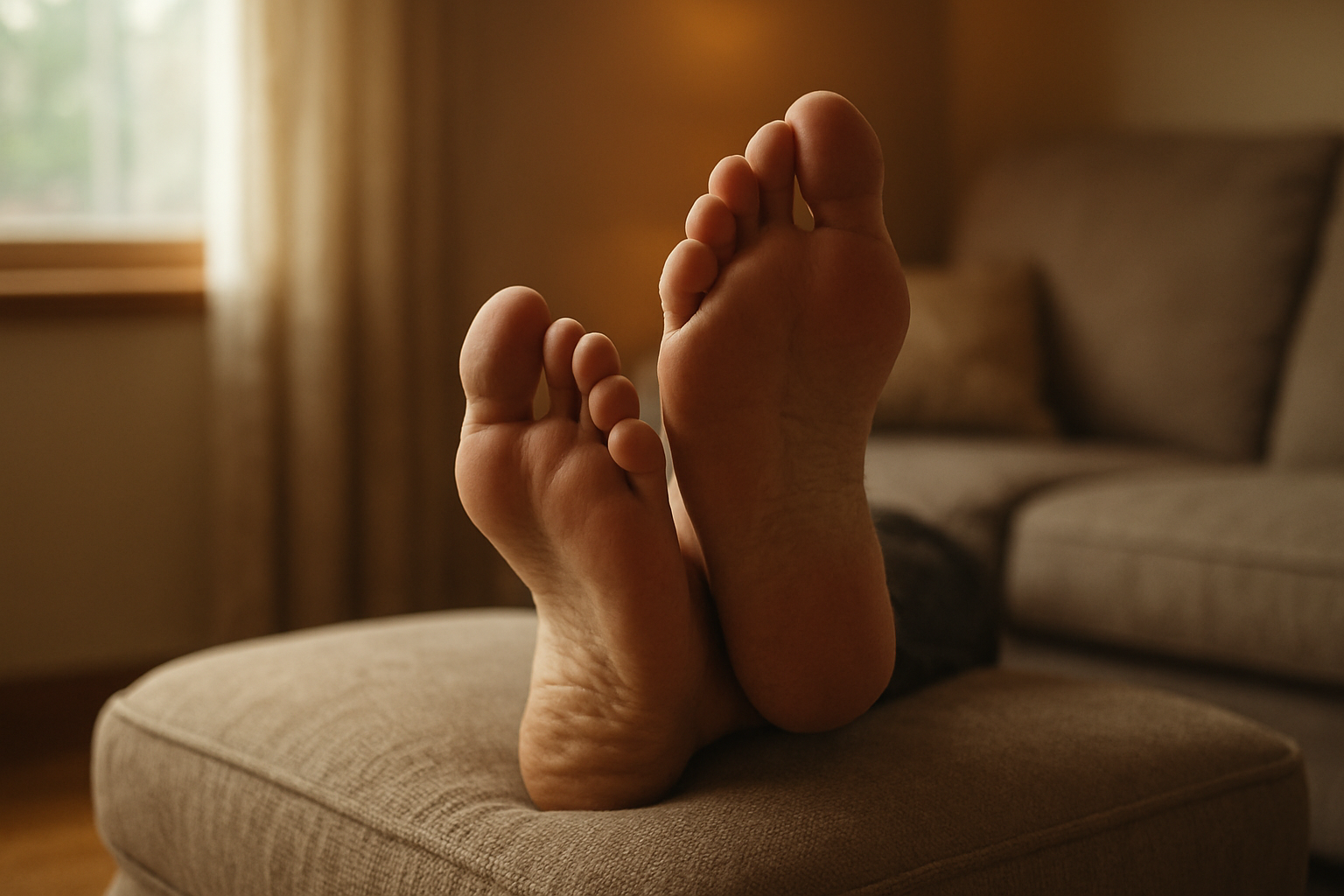
Elevating tired feet is one of the simplest first steps toward relief from foot fatigue.
Recognizing the Symptoms: Is It Just Fatigue, or Something More?
Not every ache means the same thing, so it helps to know what typical fatigue feels like compared with warning signs that deserve closer attention. Ordinary foot fatigue usually improves with rest overnight. In contrast, the symptoms below suggest it is time to dig deeper into the cause.
- General fatigue: A dull, heavy ache across the sole that eases after elevating your feet for a night.
- Arch strain: Soreness concentrated along the arch, often worse first thing in the morning — a hallmark of early plantar fasciitis.
- Swelling or heat: Puffiness or warmth in the foot or ankle, which can signal inflammation or circulation issues.
- Numbness or tingling: A pins-and-needles sensation that may point to nerve compression rather than simple fatigue.
- Fatigue that never resolves: Aching that persists even after a full night's rest, which usually means a structural cause is involved.
How to Find Relief From Foot Fatigue Fast
When your feet are aching right now, a few quick actions can bring noticeable relief within minutes. The following steps are easy to do at home or even during a short break at work.
- Elevate and rest your feet. Sit down and raise your feet above heart level for ten to fifteen minutes so blood can circulate back more efficiently and swelling can subside.
- Roll feet over a cold surface. Rolling the arch over a frozen water bottle for a few minutes numbs soreness and calms inflamed tissue quickly.
- Stretch the calves and arches. Wall calf stretches and toe curls release the tension that builds up throughout a long shift.
- Switch to supportive footwear. Replace flat or worn shoes with pairs that offer firm arch support and cushioned heels.
- Add custom orthotics for daily support. Fitting your shoes with orthotics molded to your feet distributes pressure evenly and targets the root cause of fatigue.
The Role of Custom Orthotics in Long-Term Fatigue Relief
While rest and stretching help in the moment, they rarely solve the underlying issue. Custom orthotics, by contrast, are fabricated from an individual mold of your foot, which allows them to correct alignment problems that generic insoles simply cannot address. Because they support the exact contours of your arch and heel, custom orthotics distribute weight more evenly across the foot throughout the day.
This is precisely the approach taken by podiatrist-led practices such as customorthotics.com, where devices are crafted directly from patient molds rather than mass-produced templates. Consequently, patients often report meaningful relief from foot fatigue within the first few weeks of consistent use. For readers who also deal with plantar fasciitis, a related condition, our guide on whether custom orthotics really help with plantar fasciitis explains the connection in more depth, and our complete relief guide to foot orthotics for plantar fasciitis covers treatment options step by step.
Custom Orthotics vs. Store-Bought Insoles: What's the Real Difference?
Drugstore gel insoles can feel soothing on day one, but they are built to a generic template rather than your foot. Therefore, they cushion pressure without correcting the alignment issues that cause fatigue to return. The table below breaks down the practical differences.
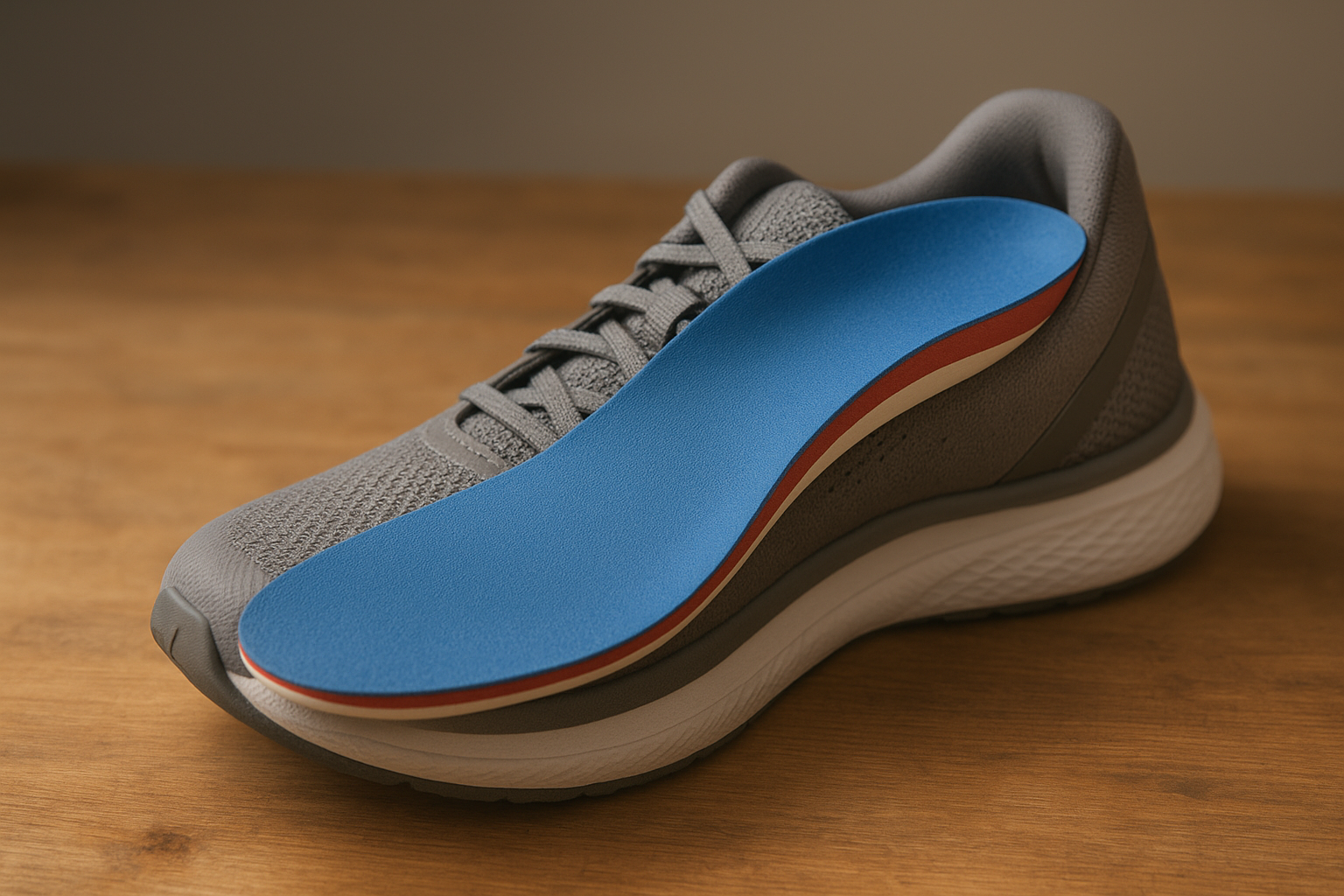
Custom-molded orthotics are built to match the exact shape of each foot.
Relief From Foot Fatigue for Specific Groups and Professions
Certain professions and foot types face a much higher risk of chronic fatigue. Understanding your specific situation makes it easier to choose the right fix.
Nurses and Healthcare Workers
Nurses often work twelve-hour shifts on hard hospital floors, which places extreme strain on the arch and heel. Our detailed guide on orthotics for nursing professionals covers strategies tailored specifically to that demanding schedule.
People With Flat Feet or High Arches
People with flat feet experience fatigue faster because their arches cannot absorb shock as effectively. If this sounds familiar, the article on foot support options for flat feet outlines the best relief strategies available. Similarly, our guide covering flat feet causes, symptoms, and solutions explains why this foot type accelerates fatigue in the first place.
Anyone Who Stands All Day
Retail associates, teachers, and factory workers all share the same problem: hours of standing on unforgiving floors. If that describes your day, our resource on custom insoles for people who stand all day breaks down which options work best for your job.
Forefoot Pain and Metatarsalgia
Those dealing with forefoot pain may benefit from reviewing our resource on metatarsalgia pain treatments and orthotic strategies, since burning pain under the ball of the foot often mimics general fatigue at first.
Stretches and Exercises That Ease Tired Feet
Beyond immediate first aid, a short nightly routine builds resilience over time. In particular, these five movements target the muscles most responsible for fatigue.
- Calf wall stretch: Press your palms against a wall, step one foot back, and hold for 30 seconds per side.
- Towel scrunch: Use your toes to scrunch a towel toward you, strengthening the small stabilizing muscles in the arch.
- Tennis ball roll: Roll a tennis ball under the arch for two minutes per foot to release tight fascia.
- Ankle circles: Rotate each ankle ten times in both directions to improve circulation after hours of standing still.
- Toe raises: Lift your toes off the floor while keeping your heel planted, holding for five seconds, ten repetitions per foot.
Workplace and Lifestyle Habits That Prevent Foot Fatigue
Above all, small daily habits add up to significant relief over weeks and months. For instance, standing on an anti-fatigue mat rather than bare concrete or tile reduces cumulative joint stress considerably. In addition, the CDC's workplace ergonomics guidance recommends alternating between sitting and standing tasks whenever possible to reduce lower-limb strain.
Staying hydrated matters too, since dehydration thickens circulating fluid and can worsen swelling in the lower legs. Meanwhile, moisture-wicking, cushioned socks reduce friction that contributes to hot spots and blisters during long shifts. Finally, weighing yourself periodically and maintaining a healthy body weight lightens the daily load your arches must carry.
When to Consult a Podiatrist About Persistent Foot Fatigue
Occasional tiredness after a long day is normal, but persistent or worsening fatigue is a signal that something structural may be at play. If your feet ache even after a full night's rest, or if the discomfort is paired with swelling, numbness, or sharp pain, it may be time to speak with a specialist. Our article on when to consult a podiatrist for foot pain walks through the warning signs worth watching for.
For a broader overview of foot health basics, the Mayo Clinic's resource on foot pain is a useful reference point. Similarly, the Wikipedia entry on orthotics offers helpful background on how these devices are classified and used across medicine.
Preventing Foot Fatigue Before It Starts
Prevention is ultimately more effective than treating fatigue after it sets in. Above all, rotating between two or three pairs of supportive shoes prevents any single pair from breaking down too quickly. Furthermore, taking short seated breaks every couple of hours gives the arches a chance to recover before strain accumulates.
Staying hydrated and maintaining a healthy weight also reduce the load placed on your feet each day. Finally, scheduling a complimentary consultation with a podiatrist can help you determine whether custom orthotics are the right long-term solution for your specific foot shape and lifestyle.

Supportive footwear paired with custom orthotics offers the most complete daily relief.
Frequently Asked Questions About Relief From Foot Fatigue
What is foot fatigue?
Foot fatigue is a feeling of tiredness, heaviness, or dull aching in the feet, usually caused by prolonged standing, walking, or poor support. It often improves with rest but can become chronic without proper intervention.
How do I get relief from foot fatigue quickly?
You can get quick relief from foot fatigue by elevating your feet, rolling them over a cold water bottle, and switching to supportive footwear. Stretching the calves and arches also helps reduce tension fast.
What causes tired, aching feet at the end of the day?
Tired feet at day's end are usually caused by hours of standing or walking on hard surfaces, unsupportive shoes, or an underlying structural issue like flat feet. Poor circulation and excess body weight can also contribute.
Can custom orthotics help with foot fatigue?
Yes, custom orthotics are molded to your exact foot shape and can correct alignment issues that cause fatigue. Unlike generic insoles, they distribute pressure evenly and support the arch throughout the day.
How long does it take to notice relief with orthotics?
Many people notice reduced foot fatigue within one to two weeks of consistent orthotic use. Full adaptation and maximum comfort typically take three to six weeks as the feet adjust.
Are custom orthotics better than store-bought insoles?
Custom orthotics are generally more effective than store-bought insoles because they are built from a mold of your individual foot. Off-the-shelf inserts offer generic cushioning but cannot correct specific structural imbalances.
How much do custom orthotics typically cost?
Custom orthotics often range from a few hundred dollars per pair depending on the provider and materials used. Many practices, including podiatrist-led ones, offer consultations to outline exact pricing before committing.
What is the biggest mistake people make when dealing with foot fatigue?
The most common mistake is ignoring early symptoms and continuing to wear unsupportive shoes. This allows minor fatigue to progress into chronic pain or conditions like plantar fasciitis.
Does foot fatigue mean something is medically wrong?
Occasional foot fatigue after a long day is usually normal, but persistent or worsening fatigue can signal flat feet, poor circulation, or nerve issues. A podiatrist can determine the underlying cause.
Which jobs are most likely to cause foot fatigue?
Jobs requiring long hours of standing or walking, such as nursing, retail, teaching, and food service, are the most common causes of foot fatigue. Hard flooring and long shifts intensify the strain.
What stretches help relieve tired feet?
Calf stretches, toe curls, and rolling the arch over a tennis ball are effective stretches for tired feet. Performing them for five to ten minutes in the evening can noticeably ease tension.
Can shoes alone fix foot fatigue?
Supportive shoes help, but they may not fully resolve fatigue caused by structural issues like flat feet or high arches. Combining proper footwear with custom orthotic support usually produces better, lasting results.
When should I see a podiatrist for foot fatigue?
You should see a podiatrist if foot fatigue lasts more than a few weeks, worsens over time, or is accompanied by swelling or sharp pain. Early evaluation can prevent more serious complications.
Is foot fatigue more common with age?
Yes, foot fatigue tends to become more common with age as the fat pad on the sole thins and arches naturally flatten. This makes supportive footwear and orthotics increasingly important over time.
Can compression socks help with foot fatigue?
Compression socks can improve circulation and reduce swelling during long shifts, which helps some people feel less fatigued. However, they do not correct arch alignment, so they work best alongside supportive footwear or orthotics.
What's the difference between foot fatigue and plantar fasciitis?
Foot fatigue is general tiredness that usually eases with rest, while plantar fasciitis is a specific inflammation of the arch tissue that causes sharp heel pain, especially with the first steps in the morning. Untreated fatigue can eventually contribute to plantar fasciitis.
Do custom orthotics work for high arches too, not just flat feet?
Yes, custom orthotics are molded for each individual foot, so they support high arches just as effectively as flat ones. In fact, high arches often need more cushioning and shock absorption than flat feet do.
Can diabetic patients safely use custom orthotics for tired feet?
Many diabetic patients benefit from custom orthotics because even pressure distribution helps prevent ulcers and skin breakdown. That said, anyone with diabetes should have orthotics fitted and monitored by a podiatrist for safety.
Conclusion: Your Path to Lasting Relief From Foot Fatigue
In summary, relief from foot fatigue starts with understanding why your feet ache in the first place and then addressing both the immediate discomfort and its root cause. Simple habits like elevating your feet, stretching, and choosing supportive shoes can ease symptoms quickly. However, for lasting results, custom orthotics remain one of the most effective ways to correct the structural imbalances behind chronic fatigue. If tired, aching feet have become a daily struggle, reaching out to a podiatrist-led practice like customorthotics.com for a consultation is a practical next step toward long-term comfort.