

Comfortable walking insoles are purpose-built shoe inserts that cushion, support, and realign your feet so every step feels lighter, whether you're strolling the block or logging ten thousand steps at work. If your feet, knees, or lower back ache by mid-afternoon, the insole hiding inside your shoe is very likely part of the problem. In this guide, you'll learn exactly what separates a genuinely comfortable walking insole from a flat factory filler, how arch height and cushioning material affect all-day comfort, and why custom orthotics often outperform anything sold off a shelf. We'll also cover sizing, trimming, care, pricing, and the specific foot conditions that respond best to better support.
What Are Comfortable Walking Insoles?
Comfortable walking insoles are cushioned, contoured inserts placed inside footwear to reduce impact, support the arch, and improve alignment while walking. Unlike flat factory insoles, they're shaped to mirror the natural curves of the foot, which helps distribute pressure more evenly across the sole with every stride.
Most quality insoles combine a firmer base layer with a softer top layer of foam or gel. Specifically, the base controls motion and helps prevent the foot from rolling too far inward or outward, while the cushioned layer absorbs shock with every heel strike. As a result, walking feels smoother even on unforgiving surfaces like concrete, tile, or warehouse flooring.
For people with flat feet, high arches, or general foot fatigue, this combination of structure and cushioning is often what separates a mediocre insole from one that genuinely delivers all-day comfort. If arch pain is your main concern, this guide on which insoles provide good arch support for daily use offers additional detail worth reading before you buy.
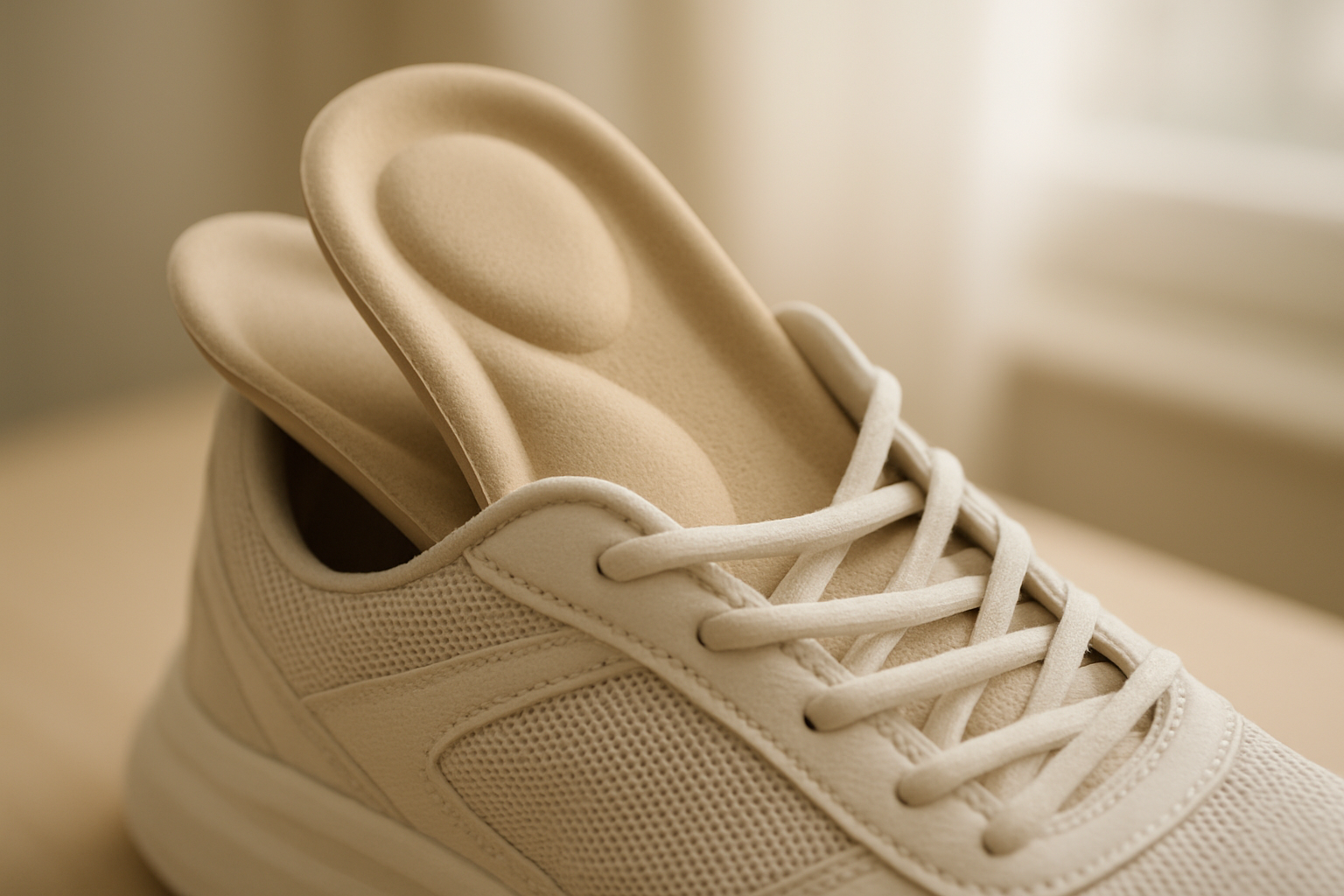
Comfortable walking insoles are contoured to support the arch and cushion every step.
Comfortable Walking Insoles vs. Standard Factory Inserts
The insole that ships inside a new pair of shoes is rarely built for comfort — it's built to be cheap and disposable. In contrast, dedicated walking insoles are engineered around three variables that factory liners ignore entirely: arch height, motion control, and cushioning density. Understanding these variables makes shopping far less confusing.
Arch Height Options: Low, Medium, and High Profiles
Most walking insole lines, whether generic or custom, come in low, medium, and high arch profiles. A low-profile arch suits flatter feet or anyone who overpronates, since it offers gentle guidance without crowding the shoe. A medium profile fits the majority of neutral arches and is the safest starting point if you've never measured your arch type. Meanwhile, a high-profile arch is designed for pronounced, rigid arches and typically pairs with deeper, roomier footwear. Choosing the wrong height is, in fact, the single fastest way to turn a promising insole into an uncomfortable one.
Foam, Gel, and Cork: Comparing Cushioning Materials
Memory foam molds to the foot quickly and feels plush from the first wear, though it can compress faster under heavier body weight. Gel cushioning absorbs shock exceptionally well and holds up longer under repeated impact, which makes it popular for long-distance walkers. Cork and cork-composite bases, on the other hand, resist compression the longest and provide firmer, more structured support — a common choice inside custom orthotics because the material holds its shape for years rather than months.
Why Supportive Insoles for Walking Matter
Foot pain affects far more people than most realize. According to the American Podiatric Medical Association, roughly 77% of Americans have experienced some form of foot pain, and much of it stems from unsupportive footwear. Consequently, the insole sitting inside your shoe plays a much bigger role in daily comfort than most people assume.
In addition, the CDC notes that walking remains one of the most common forms of physical activity in the United States, which means the cumulative impact on your feet adds up over weeks and months. Therefore, investing in insoles built specifically for walking, rather than generic all-purpose cushioning, can meaningfully reduce daily strain.
Above all, supportive insoles help correct minor imbalances before they turn into chronic issues like plantar fasciitis or heel pain. For a closer look at how support quality varies between products, this comparison of supportive insoles for walking is a useful next stop.
Key Features to Look for in Comfortable Insoles for Walking
Not every insole labeled "comfortable" actually performs well over a full day of walking. Specifically, look for the following:
- Arch support matched to your specific foot type and arch height
- Shock-absorbing cushioning made from foam, gel, or cork composite
- Breathable top fabric that reduces moisture buildup and odor
- A durable base layer that resists compressing over time
- A stabilizing heel cup that keeps the foot centered
- Proper sizing and compatibility with your existing shoes
Furthermore, thickness matters. Insoles that are too thick can crowd your shoe and change the fit, while insoles that are too thin may not provide enough cushioning for long walks. Similarly, the material used in the base layer affects how long the insole lasts before needing replacement. If you're shopping on a budget, this guide to affordable insoles for foot pain highlights budget-friendly picks that still hold up well.
Comfortable Walking Insoles for Every Shoe and Situation
A single insole design rarely works everywhere. For everyday sneakers and casual walking shoes, a medium-cushion, low-profile insole usually slides in without crowding the toe box. For work boots or shifts spent on hard flooring, a firmer, deeper heel cup helps absorb repetitive impact across an eight-to-twelve-hour day. Meanwhile, dress shoes and low-volume footwear typically need a slim, low-profile design so the insole doesn't push your heel out of the shoe. If your everyday routine mixes several of these scenarios, this detailed guide to comfortable insoles for everyday use walks through matching insole type to shoe type in more depth.
Hikers and long-distance walkers, in particular, benefit from insoles with reinforced arch shells that resist flattening under a loaded pack, while people who walk primarily on flat, even surfaces can usually get by with a lighter, more flexible design.
Sizing, Trimming, and Fit: Getting It Right the First Time
Most off-the-shelf insoles are sold in size ranges rather than exact shoe sizes, so trimming along the printed guideline at the toe is normal and expected. However, trim conservatively: remove a small amount, try the insole in the shoe, and trim again if needed, since cutting off too much material at once cannot be undone. In contrast, a properly fitted insole should sit flat against the factory footbed or replace it entirely, without bunching at the heel or curling up at the edges.
Wide feet generally do better with insoles that offer a slightly wider forefoot platform rather than simply going up a size, since sizing up in the insole alone can shift the arch support out of position. If off-the-shelf trimming and sizing never quite solve your fit issues, that's usually a strong signal that a custom-molded option, built to your exact foot outline, is worth exploring.
Custom Orthotics vs. Off-the-Shelf Comfortable Walking Insoles
Off-the-shelf insoles are mass-produced in a handful of standard shapes and sizes. In contrast, custom orthotics are fabricated from an individual mold of your own foot, which means the support matches your exact arch height, foot shape, and gait pattern. For people with structural imbalances, chronic pain, or mobility challenges, this difference is often the reason generic inserts stop helping after a few weeks.
At customorthotics.com, for example, a podiatrist-owned team builds each device directly from a patient's foot mold rather than a generic template, drawing on more than two decades of hands-on fabrication experience. Patients can request a complimentary consultation by phone before ordering, whether they visit in person or place an order remotely through the website. This kind of direct involvement from a podiatrist is something most drugstore insoles simply cannot offer, since those products are designed for an average foot rather than yours specifically.
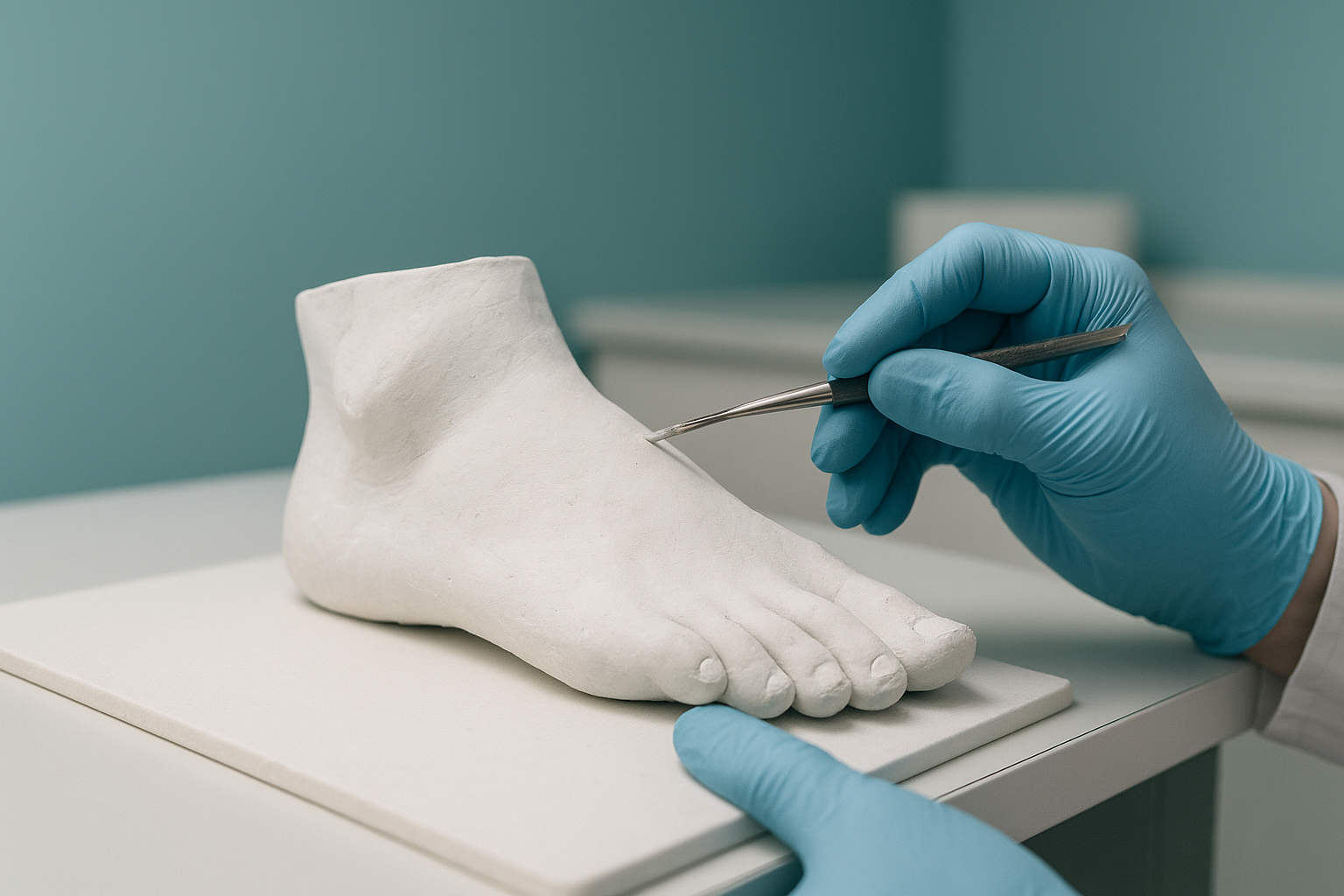
Custom orthotics start with an individual foot mold rather than a one-size-fits-all template. For a deeper walkthrough, see our Affordable Sports Orthotics: Custom Fit for Less Money.
How Custom Orthotics Are Fabricated
Custom orthotic fabrication begins with a detailed mold of your foot, capturing its unique arch height and pressure points. Next, a podiatrist reviews the mold alongside your specific pain points, activity level, and footwear needs. Afterward, the orthotic is built layer by layer from durable materials chosen to match your body weight and gait. Finally, most practices offer a fitting check to confirm the device performs well during real walking, which is why many patients turn to a dedicated podiatrist team after off-the-shelf comfortable walking insoles have failed to resolve their pain.
How to Choose the Right Comfortable Walking Insoles
Selecting the right pair does not have to be complicated. Follow these steps in order:
- Identify your foot type. Check whether you have flat feet, a neutral arch, or a high arch, since this determines how much structure and cushioning you actually need.
- Match insoles to your main activity. Choose an insole built specifically for walking rather than running or standing, because cushioning placement and flex points differ between activities.
- Test arch height and depth. Make sure the arch support fits comfortably under your foot without pinching, since an overly aggressive arch shape can create new pressure points.
- Check shoe compatibility. Confirm the insole fits inside your existing shoes without crowding your toes or forcing you to loosen the laces excessively for extra room.
- Consider a custom fit for persistent pain. If pain continues after trying several off-the-shelf options, request a professional foot mold so a podiatrist can fabricate an orthotic matched to your exact foot shape. For a deeper walkthrough, see our Consult a Podiatrist for Foot Pain: The Complete Guide to When, Why & What to Ex.
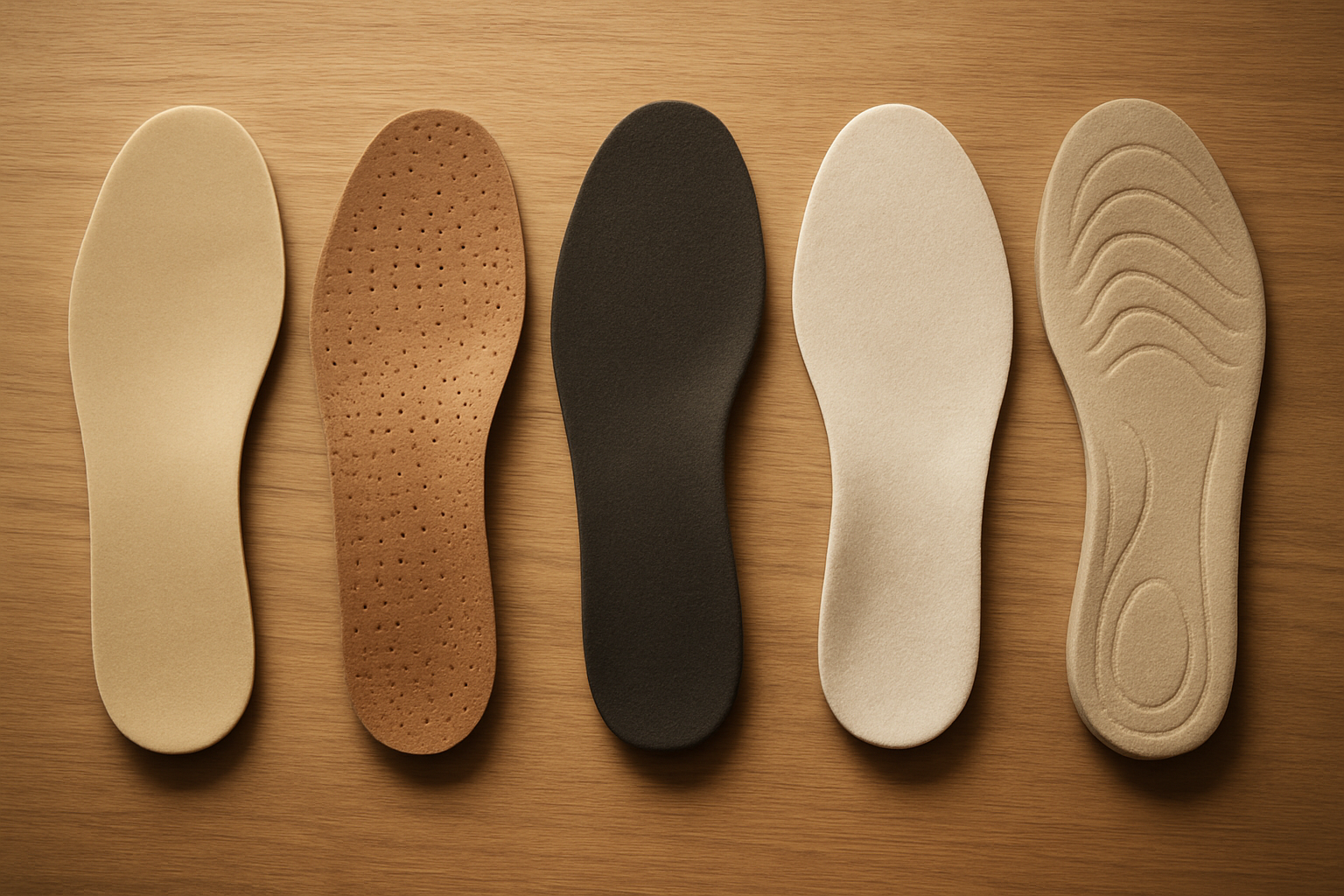
Comparing arch height, cushioning, and thickness helps narrow down the right fit.
Foot Conditions That Improve With Better Walking Support
Plantar fasciitis, one of the most common causes of heel pain, often responds well to insoles with firm arch support and a deep heel cup. Similarly, people with flat feet or overpronation frequently notice less knee and ankle strain once structured support is added to their shoes. If flat feet are your specific concern, this complete relief guide for comfortable insoles for flat feet goes considerably deeper into that topic. For readers managing broader pain patterns, this collection of foot pain relief insoles and custom orthotics that work covers additional condition-specific advice.
In addition, anyone who spends long shifts on their feet, such as retail or healthcare workers, tends to benefit from firmer, more supportive designs than someone who only walks occasionally. If that describes your daily routine, the tips in this guide on the best insoles for standing all day pair well with the walking-focused advice here. Foot and ankle pain also remain among the more common musculoskeletal complaints reported by adults, according to the National Institutes of Health, which underscores why proper support matters over the long term.
Caring for, Cleaning, and Replacing Your Walking Insoles
Even the most comfortable walking insoles need regular upkeep. Remove them from your shoes periodically and let them air out fully, since trapped moisture accelerates foam breakdown and encourages odor-causing bacteria. Hand-wash with mild soap and cool water when needed, then let the insoles dry naturally away from direct heat, because high heat can warp the base layer and shrink the cushioning.
Watch for flattened cushioning, visible cracking, or a heel cup that no longer holds its shape — these are reliable signs it's time to replace your insoles rather than continue wearing them. Most off-the-shelf insoles need replacing every six to twelve months, while custom orthotics, thanks to their denser, more durable base materials, commonly last several years with proper care.
Comfortable Walking Insoles Price Guide: Budget vs. Custom
Basic off-the-shelf walking insoles generally fall between $20 and $60, depending on brand and material quality. Mid-range options with reinforced arch shells and premium foam often land between $40 and $80. Custom orthotics, by comparison, cost more upfront because the price covers the foot mold, podiatrist review, and individualized fabrication rather than mass production. That said, since custom orthotics typically last several years rather than several months, the cost per year of wear frequently ends up comparable to — or even lower than — repeatedly replacing off-the-shelf inserts. For shoppers weighing every option, this guide to affordable insoles for foot pain breaks down the best value picks at each price tier.
Frequently Asked Questions About Comfortable Walking Insoles
What are comfortable walking insoles?
Comfortable walking insoles are cushioned, contoured shoe inserts that support the arch, absorb shock, and align the foot during walking. They differ from flat factory insoles by matching the natural shape of the foot more closely.
How do comfortable walking insoles differ from regular insoles?
Regular factory insoles are thin, flat, and mainly designed to fill shoe space. Comfortable walking insoles add structured arch support and shock-absorbing cushioning specifically engineered to reduce fatigue over long distances.
How long does it take to break in new walking insoles?
Most people adjust to new insoles within one to two weeks of gradual daily wear. Custom orthotics may need a slightly longer break-in period since they introduce more targeted support than generic inserts.
Are custom orthotics better than store-bought insoles for walking?
For chronic pain or structural foot issues, custom orthotics generally outperform store-bought insoles because they are built from an individual foot mold rather than a generic template. Off-the-shelf insoles can still help with mild, occasional discomfort. For a deeper walkthrough, see our Chronic Foot Pain Solutions: Custom Orthotics That Work.
How much do comfortable walking insoles cost?
Basic off-the-shelf walking insoles typically range from $20 to $60, while custom orthotics from a podiatrist usually cost more due to the personalized mold and fabrication process. Pricing varies by provider and materials used.
Can insoles help with plantar fasciitis while walking?
Yes, insoles with firm arch support and a deep heel cup can reduce strain on the plantar fascia during walking. Many patients notice less heel pain once proper support is added to their daily footwear.
What is the most common mistake people make when choosing walking insoles?
The most common mistake is picking an insole based on price or brand alone rather than foot type. Choosing the wrong arch height or thickness often causes new discomfort instead of relief.
How often should I replace my walking insoles?
Most off-the-shelf insoles should be replaced every six to twelve months, depending on usage and foam compression. Custom orthotics are more durable and often last several years with proper care. For a deeper walkthrough, see our Children's Custom Orthotics: A Parent's Complete Guide.
Do comfortable walking insoles work for flat feet?
Yes, insoles designed with structured arch support can help redistribute pressure for people with flat feet. In more severe cases, a custom orthotic molded to the individual foot often provides more consistent relief.
Can I use the same insoles for walking and running?
Walking and running place different stresses on the foot, so insoles optimized for one activity may not perform as well for the other. Walking insoles typically prioritize steady arch support over the extra shock absorption running demands.
How do I know if my insoles fit correctly?
A correctly fitted insole should sit flat inside the shoe without curling at the edges or crowding your toes. If your foot slides forward or the arch support pinches, the size or shape likely needs adjusting.
Are custom orthotics covered by insurance?
Coverage varies by insurance plan and whether the orthotics are deemed medically necessary. It is best to confirm directly with your provider and the fabricating practice before ordering.
Can comfortable walking insoles be trimmed to fit any shoe?
Most off-the-shelf insoles include a trim guide at the toe so they can be cut down to match your shoe size. It's best to trim conservatively and check the fit before removing more material, since over-trimming cannot be reversed.
Do comfortable walking insoles work well for wide feet?
Insoles built with a wider forefoot platform tend to work better for wide feet than simply sizing up, since sizing up alone can shift the arch support out of its intended position. A custom mold accounts for width automatically.
What materials make insoles comfortable for all-day walking?
Durable foam, gel, or cork-composite cushioning combined with a firm supportive base layer typically creates the most comfortable all-day walking insoles. Breathable top fabric also helps reduce moisture and irritation during long wear.
Final Thoughts on Comfortable Walking Insoles
Choosing comfortable walking insoles does not have to be a guessing game. Start by understanding your foot type, match the insole to how you actually use your shoes, and pay close attention to arch depth, cushioning material, and thickness. If off-the-shelf options keep falling short despite proper sizing and trimming, a custom-molded orthotic built specifically for your foot is often the more reliable long-term solution — and, over time, frequently the better value as well.
Ultimately, the goal is simple: insoles that support your natural gait, reduce fatigue, and let you walk further without pain. For anyone ready to move past trial-and-error shopping, scheduling a complimentary consultation at customorthotics.com is a practical next step toward genuinely comfortable walking insoles.