

Foot pain relief insoles are designed to cushion, support, and correct the way your feet absorb impact with every step you take. If you have ever finished a workday with aching arches or throbbing heels, you already know how disruptive foot pain can be. In fact, according to the American Podiatric Medical Association, roughly 77% of adults have experienced foot pain that affects their daily routine. As a result, finding the right insole often makes the difference between constant discomfort and lasting comfort. This guide explains how foot pain relief insoles work, when custom orthotics make sense, and how to choose the right option for your feet.
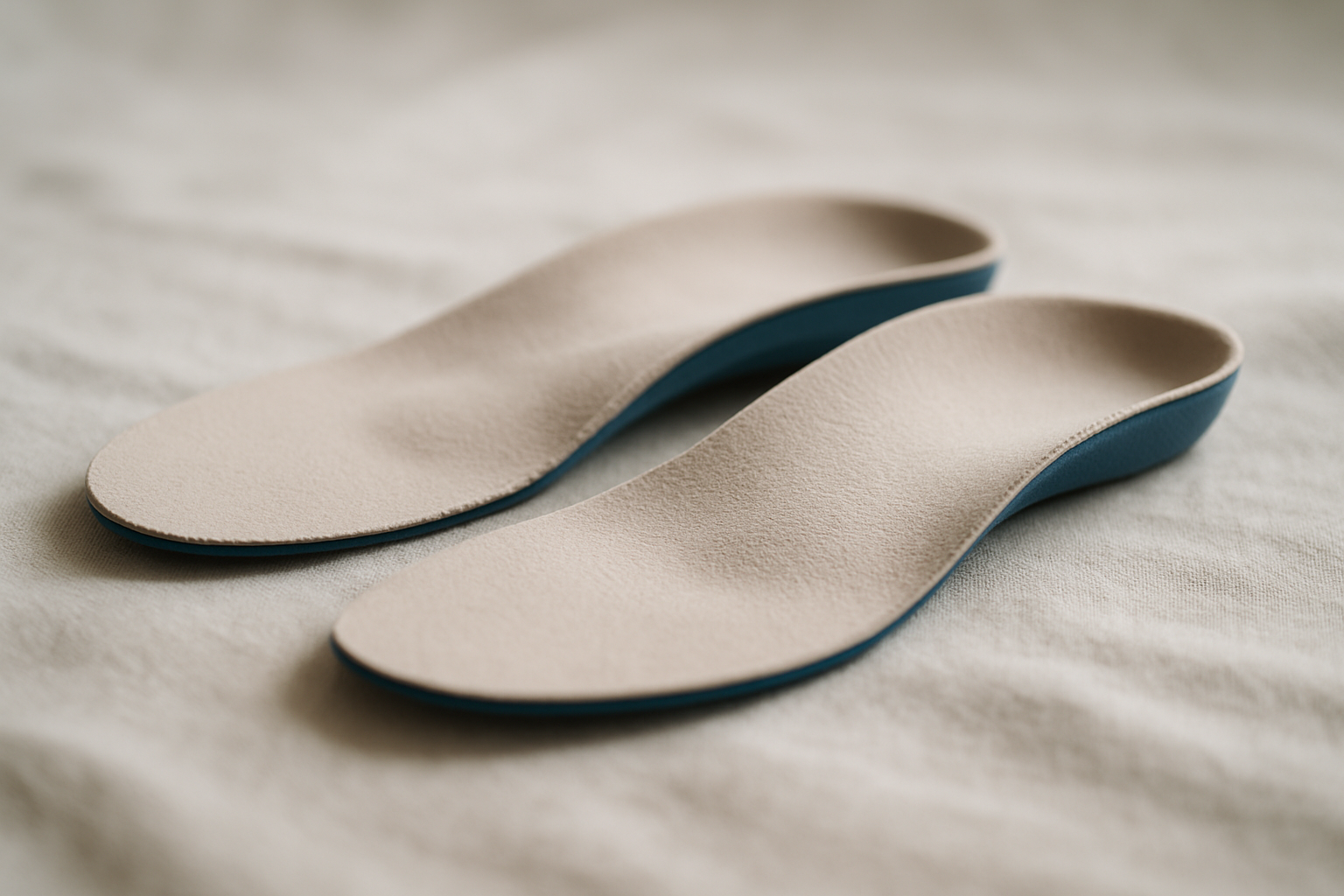
Custom-molded foot pain relief insoles are shaped to match each patient's unique arch and pressure points.
What Are Foot Pain Relief Insoles?
Foot pain relief insoles are shoe inserts built to cushion pressure points, support the arch, and correct minor alignment issues that cause chronic discomfort. In short, they act as a buffer between your foot and the ground, absorbing shock that would otherwise travel straight into your heel, ankle, and knee joints.
There are two broad categories: prefabricated insoles sold in drugstores, and custom orthotics molded directly from your feet by a podiatrist. Because everyone's foot shape and gait pattern differ, a custom-molded device (an orthotic shaped from an exact impression of your foot rather than a generic template) generally addresses the underlying cause of pain more precisely than a generic insert.
For a deeper technical breakdown, Wikipedia's overview of orthotics explains how these devices are classified in clinical practice.
Common Foot Conditions That Cause Chronic Pain
Understanding what triggers your pain helps determine which insole approach will actually help. Plantar fasciitis, for example, involves inflammation of the thick tissue band running along the bottom of the foot, and it remains one of the most common causes of heel pain treated with supportive insoles.
Similarly, flat feet or fallen arches force the foot to roll inward excessively, a pattern known as overpronation, which places extra stress on the ankles and knees. If this describes your situation, our guide on foot support for flat feet covers targeted relief strategies in more detail.
In addition, bunions, metatarsalgia (pain in the ball of the foot), and diabetic nerve sensitivity are frequently managed with supportive insoles as part of a broader treatment plan. Consequently, identifying your specific condition first makes it far easier to choose an insole that actually solves the problem rather than one that only masks it temporarily. For a full breakdown of plantar fasciitis specifically, see our custom shoe inserts guide for plantar fasciitis.
Custom Orthotics vs. Off-the-Shelf Insoles: Which Wins?
Off-the-shelf insoles are convenient and inexpensive, which makes them a reasonable first step for mild, occasional discomfort. However, because they are built to a generic shape, they cannot account for the unique contours of your individual arch or pressure distribution.
Custom orthotics, in contrast, are fabricated directly from a mold of your foot. As a result, they tend to correct structural imbalances more effectively and often last several years longer than drugstore alternatives. Our detailed comparison of custom orthotics versus prefabricated insoles walks through the tradeoffs in cost, durability, and effectiveness.
That said, budget matters for many patients. If cost is a primary concern, our roundup of affordable insoles for foot pain highlights budget-friendly picks worth considering before committing to a custom device.
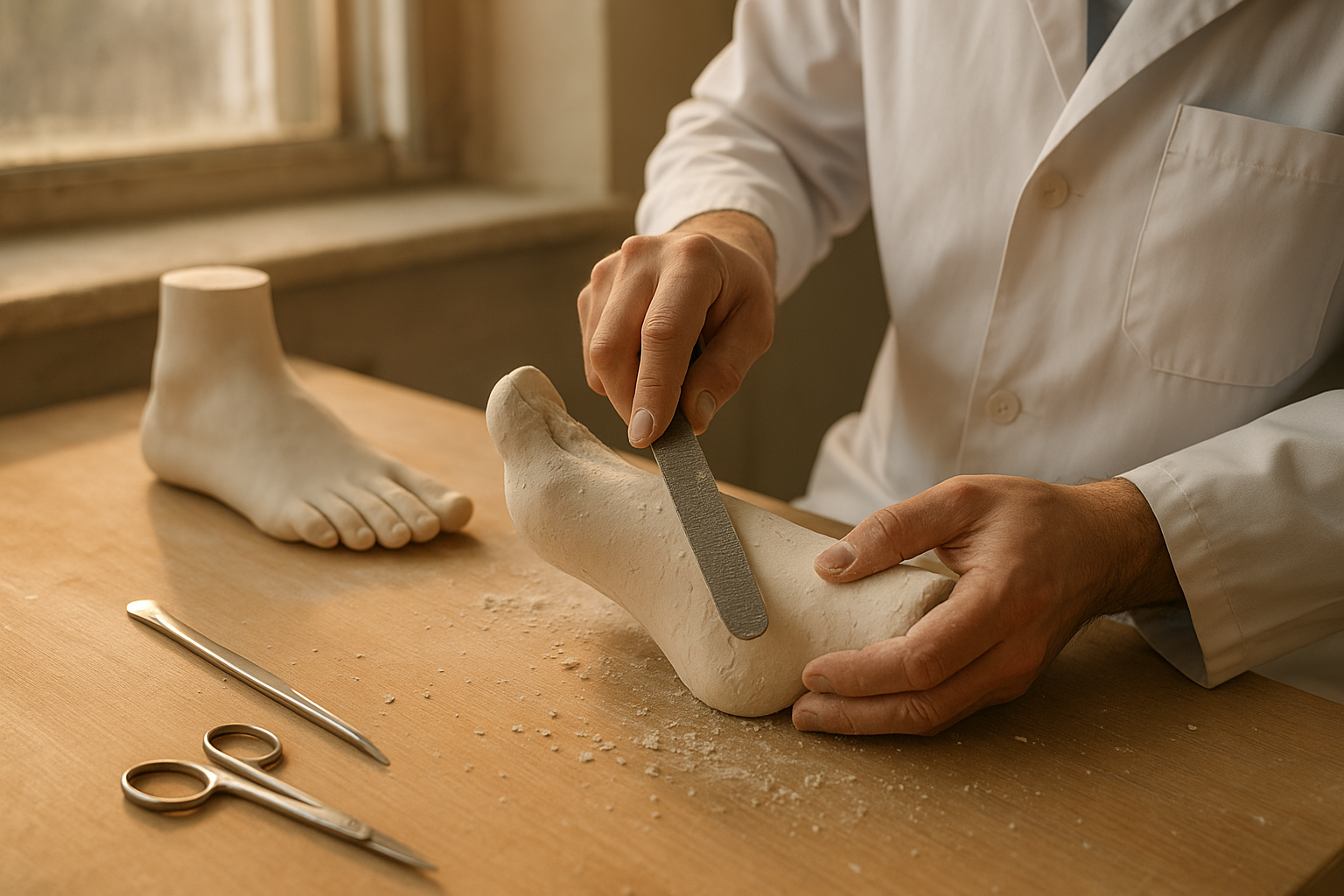
Custom orthotic fabrication starts with a precise mold of the patient's foot.
How to Choose the Right Insoles for Your Feet
Choosing correctly starts with identifying your arch type, since high, neutral, and flat arches each require different support levels. Above all, matching insole firmness to your actual foot shape prevents new discomfort from developing elsewhere.
Next, consider your daily activity. Runners and people who stand for long shifts typically need more cushioning in the heel and forefoot, while office workers may prioritize arch support instead. For patients dealing specifically with forefoot pain, a targeted option like metatarsal support insoles can relieve pressure right where it hurts most.
Finally, do not overlook shoe compatibility. Even the best insole will underperform if it does not fit properly inside your existing footwear, so check removable liner space before purchasing.
Step-by-Step: Getting Fitted for Custom Orthotics
If off-the-shelf insoles have not resolved your pain, a custom fitting process is usually the next step. Here is what that typically involves:
- Contact a podiatrist-owned practice for a complimentary phone consultation to discuss your symptoms, daily activity level, and any prior foot injuries or conditions.
- Get an accurate mold or digital scan of your foot so the technician can capture your exact arch height, heel shape, and pressure points.
- Review the resulting foot analysis with the podiatrist to understand which structural imbalances are contributing to your ongoing pain.
- Select the shell material and support firmness that best matches your lifestyle, whether that means daily walking, standing at work, or athletic training.
- Wear the finished custom orthotics gradually over one to two weeks, slowly increasing daily wear time until your feet fully adapt.
Patients can request this exact process directly through customorthotics.com, where a free consultation with a podiatrist is available by phone or online, with more than 20 years of fabrication experience behind every device.
Caring for Your Pain-Relief Insoles
Proper care extends the life of any insole, custom or otherwise. Therefore, wipe them down regularly and let them air dry fully before placing them back in your shoes, since trapped moisture breaks down cushioning materials faster.
In addition, rotate insoles between pairs of shoes if possible, and inspect them every few months for flattened arch support or worn edges. Similarly, replace basic foam insoles roughly every six to twelve months, while custom orthotics can often last three to five years with reasonable care, according to guidance published by the American Podiatric Medical Association.

The right insoles can restore comfortable, pain-free movement for everyday activities.
Frequently Asked Questions About Foot Pain Relief Insoles
What are foot pain relief insoles?
Foot pain relief insoles are supportive inserts placed inside shoes to cushion the foot, correct alignment, and reduce pressure on painful areas like the heel and arch. They range from soft foam pads to rigid, custom-molded orthotics prescribed by a podiatrist.
How do insoles actually reduce foot pain?
Insoles redistribute body weight more evenly across the foot, which lowers pressure on sensitive spots such as the heel or ball of the foot. They also help correct poor alignment, so joints and tendons work under less strain.
What is the difference between custom orthotics and store-bought insoles?
Custom orthotics are built from a direct mold of your foot, so they match your exact arch height and pressure points. Store-bought insoles use generic shapes that only approximate an average foot, which limits how much correction they can provide.
How much do custom foot pain relief insoles cost?
Custom orthotics typically cost more upfront than drugstore insoles because they involve a mold, fitting, and podiatrist oversight. However, many patients find the higher initial cost worthwhile since custom devices last longer and treat the root cause rather than just cushioning symptoms.
How long do foot pain relief insoles last?
Basic foam insoles usually wear out within six to twelve months of regular use. Custom orthotics, by contrast, are built from durable materials and can often last three to five years with proper care.
Can insoles help with plantar fasciitis?
Yes, insoles designed with strong arch support and heel cushioning are one of the most recommended conservative treatments for plantar fasciitis. Custom orthotics can target the exact tension pattern in your plantar fascia for more consistent relief.
Are custom orthotics covered by insurance?
Coverage varies by provider and plan, but many insurance policies partially reimburse custom orthotics when prescribed by a podiatrist for a diagnosed condition. It is worth checking your benefits or asking the fitting clinic to help verify coverage.
What common mistakes do people make when choosing insoles?
A frequent mistake is buying insoles based on shoe size alone instead of arch type or specific foot condition. Another common error is expecting instant relief, when in reality most insoles need one to two weeks of consistent wear to show full benefit.
How long does it take to get used to new insoles?
Most people need one to two weeks of gradual wear to adjust to new insoles, especially custom orthotics that shift foot alignment. Starting with a few hours per day and slowly increasing wear time helps avoid soreness.
Do insoles help with flat feet?
Yes, insoles with firm arch support can significantly reduce the strain flat feet place on the ankles, knees, and lower back. Custom orthotics are especially effective because they are shaped to your specific arch collapse pattern.
Can foot pain relief insoles be used in running shoes?
Most insoles, including custom orthotics, can be trimmed or fitted to work inside running shoes as long as there is enough removable interior volume. Runners often benefit the most since insoles reduce repetitive impact stress.
What is the best practice for breaking in new orthotics?
Start by wearing new orthotics for two to three hours on the first day, then gradually increase wear time over one to two weeks. This slow introduction allows muscles and tendons to adapt without triggering new discomfort.
Are over-the-counter insoles effective for chronic foot pain?
Over-the-counter insoles can help with mild, temporary discomfort, but they rarely resolve chronic or structural foot pain. For long-standing pain, a podiatrist-fitted custom orthotic usually delivers more consistent and lasting results, as noted by clinical overviews of plantar fasciitis treatment.
Conclusion: Finding Lasting Foot Pain Relief
Ultimately, foot pain relief insoles work best when matched to your specific condition, arch type, and daily activity level. While off-the-shelf options offer a low-cost starting point, custom orthotics generally provide more precise, longer-lasting correction for chronic pain caused by plantar fasciitis, flat feet, or structural imbalances.
Above all, getting a proper assessment makes the biggest difference. If you are ready to take the next step, a complimentary consultation through customorthotics.com can help determine whether custom foot pain relief insoles are the right fit for your feet and lifestyle.