

Comfortable insoles for flat feet are often the single most effective upgrade you can make to your daily footwear routine. When your arches collapse — or never fully formed in the first place — every single step sends extra strain through your heels, knees, and lower back. However, the right insole redistributes that pressure and restores a more natural walking pattern almost immediately. In this guide, we'll cover everything a typical product page won't: what actually makes an insole comfortable, how arch type and pronation change what you need, how custom orthotics compare to off-the-shelf inserts, and the exact steps to find lasting relief.
What Are Comfortable Insoles for Flat Feet?
Comfortable insoles for flat feet are shoe inserts built with reinforced arch support, deep heel cups, and cushioned foam that adapt to a low or fallen arch. Unlike generic insoles, they distribute body weight evenly across the whole foot instead of concentrating pressure on the heel and forefoot. As a result, they reduce fatigue, correct minor alignment issues, and ease pressure on the plantar fascia — the thick band of tissue, or connective tissue, running along the bottom of the foot.
In particular, the best insoles combine three elements: structural support, shock absorption, and a proper fit inside your existing shoes. For example, a rigid arch support paired with a soft top layer keeps the foot stable while still feeling gentle underfoot. Furthermore, insoles that are too soft fail to correct arch collapse, while insoles that are too rigid can feel uncomfortable during long wear. Therefore, the ideal insole balances firmness with cushioning tailored to your specific foot shape — not a one-size-fits-all mold.
Flat Feet vs. Fallen Arches vs. Overpronation: Untangling the Terms
Shoppers frequently see the terms "flat feet," "fallen arches," and "overpronation" used interchangeably, yet they describe slightly different things. Specifically, flat feet is a structural description — the arch is low or absent whether you're standing or sitting. Fallen arches, in contrast, usually refers to an arch that used to be normal but has collapsed over time due to age, weight gain, or tendon strain. Overpronation, meanwhile, describes a movement pattern: the ankle rolls inward excessively with each step, which often happens as a direct result of a flat or collapsing arch.
Because these three conditions are so closely linked, comfortable insoles for flat feet typically need to address all three at once. In other words, an insole that only cushions the heel but ignores motion control will do little to stop the inward rolling that causes overpronation. Consequently, the strongest insoles combine a stabilizing heel cup, a firm arch shelf, and a slightly raised medial edge to physically resist that inward roll during your gait cycle — the natural sequence of movements your foot makes with every step, as described in Wikipedia's overview of foot pronation.
Understanding Flat Feet: Causes, Symptoms, and Risk Factors
Flat feet, medically known as pes planus, occur when the arch along the inside of the foot flattens so that the entire sole touches the ground while standing. According to Wikipedia's overview of the condition, flat feet can be present from birth or develop later due to injury, aging, or prolonged stress on the tendons that support the arch. In addition, obesity, pregnancy, and repetitive high-impact activity can all accelerate arch collapse over time.
Common Symptoms That Signal You Need Better Arch Support
Common symptoms include heel pain, swelling along the inside of the ankle, and fatigue after standing for long periods. Similarly, some people experience knee or hip discomfort, simply because flat feet change how the entire leg aligns during walking. Consequently, many people search for comfortable insoles for flat feet only after pain has already become a daily problem, rather than addressing arch collapse early with proper support.
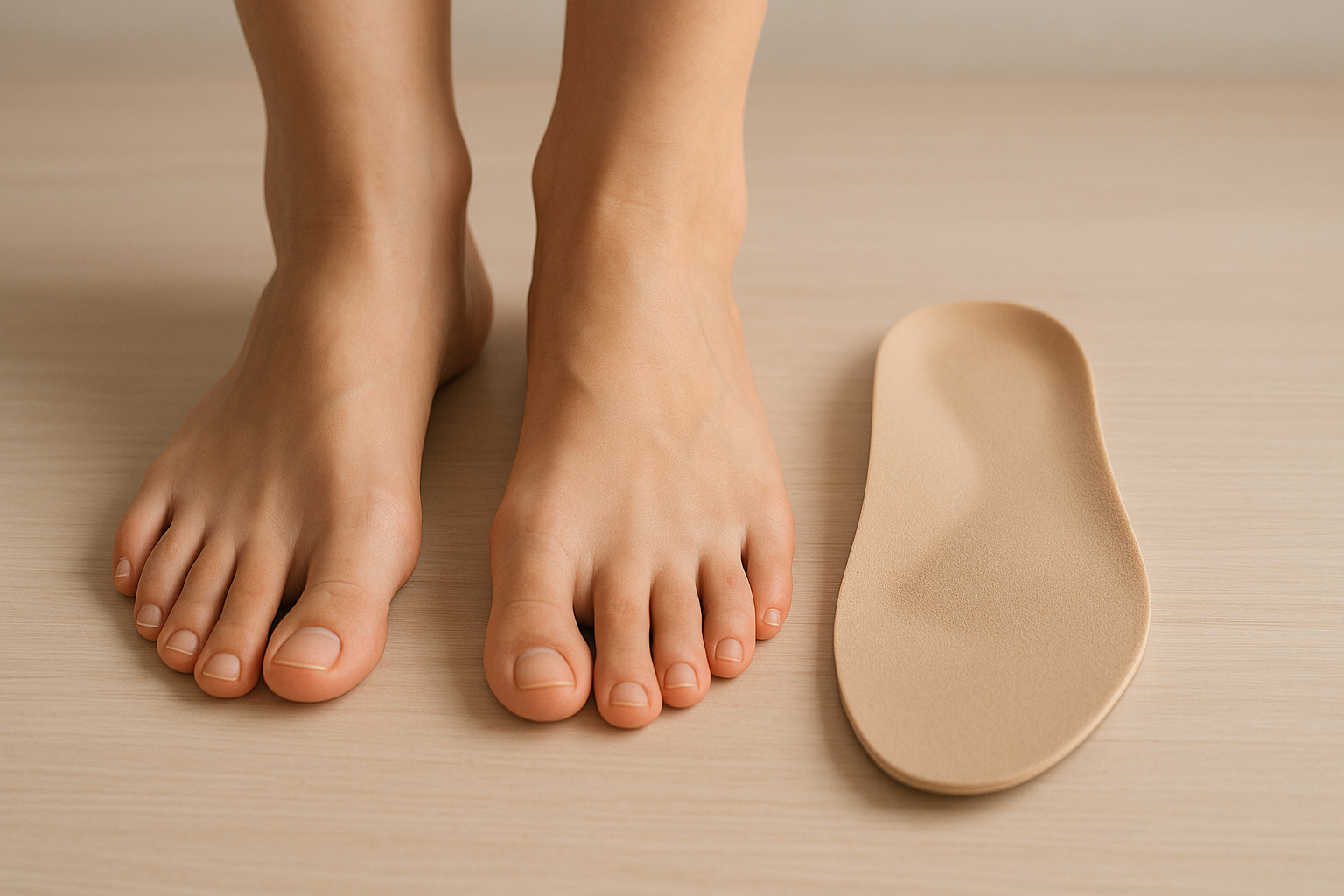
Comfortable insoles for flat feet are shaped to reinforce a collapsed arch and cushion pressure points.
Why Comfortable Insoles for Flat Feet Matter for Your Whole-Body Health
Comfortable insoles for flat feet matter because untreated arch collapse can lead to compounding problems throughout the body. Specifically, poor foot alignment changes how force travels up through the ankles, knees, hips, and spine. Over time, this can contribute to conditions such as plantar fasciitis, shin splints, and even chronic lower back pain.
According to MedlinePlus, a service of the National Institutes of Health, flat feet affect roughly 20 to 30 percent of the general population, though not everyone experiences symptoms.
Nevertheless, when symptoms do appear, proper insoles are often the first line of treatment recommended by podiatrists before considering more invasive options. As a result, investing in quality arch support early can prevent years of unnecessary discomfort, appointments, and lost activity time.
Key Features of the Best Arch Support Insoles for Flat Feet
Not all insoles are created equal. When shopping for arch support insoles, look for these features:
- Deep heel cup – stabilizes the heel bone and prevents it from rolling inward during overpronation.
- Firm arch support – matches the height and shape of your specific arch rather than a generic curve.
- Shock-absorbing cushioning – softens impact during walking, running, or standing on hard floors.
- Motion-control shell – a semi-rigid base that resists twisting and limits excessive inward rolling of the ankle.
- Breathable top cover – reduces moisture and odor during all-day wear.
- Proper sizing – fits your shoe without crowding the toe box or slipping underfoot.
Above all, the insole should feel supportive without pinching or pressing uncomfortably against the arch. If an insole causes pain within the first few wears, it likely does not match your foot's specific shape, and further trial and error is often needed.
Matching Insole Technology to Your Arch Type and Pronation Pattern
Choosing comfortable insoles for flat feet becomes far easier once you understand your own arch type. Podiatrists generally classify arches as low, neutral, or high, and each type responds differently to cushioning and support.
Low, Neutral, and High Arches: Why Shape Matters
A quick way to estimate your arch type is the classic wet foot test: wet the sole of your foot, step onto a dry surface such as cardboard, and examine the resulting print. A print showing almost the entire foot suggests a low or flat arch, while a print showing only the heel, forefoot, and a thin outer strip suggests a high arch. In contrast, a moderate curve along the inner edge points to a neutral arch. Specifically, low arches need firm, structured support; high arches typically need more cushioning to absorb shock since they don't distribute pressure as evenly.
How Overpronation Changes What Your Feet Need
If your arch type is low and your ankle rolls inward as you walk, you're dealing with overpronation as well as flat feet. In that case, look specifically for insoles labeled for "motion control" or "pronation control," since these include a firmer medial post that physically blocks the excess inward roll. Otherwise, cushioning alone won't correct the underlying mechanical issue, and pain often returns within weeks.
Custom Orthotics vs. Store-Bought Insoles for Flat Feet
Store-bought insoles offer a convenient, low-cost starting point, and they can help mild cases of flat feet. However, they are built to a generic shape that only approximates the average foot, so they rarely address unique structural imbalances such as one leg being slightly longer than the other or an asymmetric arch collapse.
Custom orthotics, in contrast, are fabricated from a direct mold of your own foot, which allows for pinpoint correction of your specific arch height and pressure points. For example, the team at customorthotics.com fabricates orthotics directly from individual foot molds, combining more than 20 years of podiatric experience with an A+ Better Business Bureau rating. Because each device is built around your exact foot structure, custom orthotics tend to last longer and provide more consistent relief than generic insoles.
If you are unsure which route fits your situation, this guide to foot support for flat feet compares both approaches in more detail, while this comparison of the best shoe inserts for flat feet breaks down specific product categories. For a full breakdown of professional-grade options, see this podiatrist's complete guide to custom orthotics for flat feet. Additionally, this tailored insoles for flat feet resource walks through how custom fitting differs, step by step, from grabbing an insole off a shelf.

Proper arch support allows for a more natural, pain-free stride throughout the day.
Choosing Comfortable Insoles for Flat Feet by Shoe Type and Lifestyle
The best insole for your feet also depends heavily on the shoes you wear most often. In other words, a bulky orthotic that feels great in a work boot may crowd out a dress shoe entirely.
Best Insoles for Athletic Shoes and Everyday Sneakers
Athletic shoes and everyday sneakers usually have a removable factory insole and a roomy interior, which makes them the easiest category to fit with a full-length insole. For runners and walkers specifically, prioritize shock absorption in the forefoot alongside firm arch support, since repetitive impact places extra strain on an already-collapsed arch.
Best Insoles for Work Boots, Dress Shoes, and Standing All Day
Work boots benefit from a rigid, motion-control insole because standing on concrete for eight-plus hours magnifies the effects of poor alignment. Dress shoes, on the other hand, generally require a thinner, three-quarter-length insole so it doesn't push your foot out of a narrow toe box. Therefore, if you switch between shoe types throughout the week, it's often worth owning more than one insole rather than forcing a single pair to do every job.
How to Choose the Best Shoe Inserts for Flat Feet
Choosing the right insert starts with understanding your arch type and daily activity level. For instance, someone who stands all day at work needs different cushioning than a runner covering long distances on pavement.
In particular, consider these factors before buying: your shoe type, the severity of your arch collapse, and whether you need a temporary fix or a long-term solution. If pain persists despite trying several off-the-shelf insoles, it may be time to explore what orthotics are recommended for flat feet by a podiatrist, since a professional evaluation often reveals issues generic products cannot fix. For a broader look at pain-relief strategies beyond insoles alone, this complete guide to orthotics for flat feet pain relief is a useful next step.
Step-by-Step: Getting Fitted for Comfortable Custom Orthotics
Getting properly fitted for custom orthotics is a straightforward process when you know what to expect. Here's how it typically works:
- Schedule a complimentary consultation with a podiatrist to discuss your symptoms, footwear habits, and any prior treatments you have tried.
- Undergo a foot examination and gait assessment so the podiatrist can identify exactly where pressure builds up during standing and walking.
- Have a direct mold taken of each foot, capturing the precise shape and arch height rather than relying on a generic template.
- Select your footwear intentions, such as work shoes, athletic shoes, or dress shoes, so the orthotic thickness and shape match your daily use.
- Receive your finished custom orthotics, then break them in gradually over one to two weeks while your feet adjust to the new support.
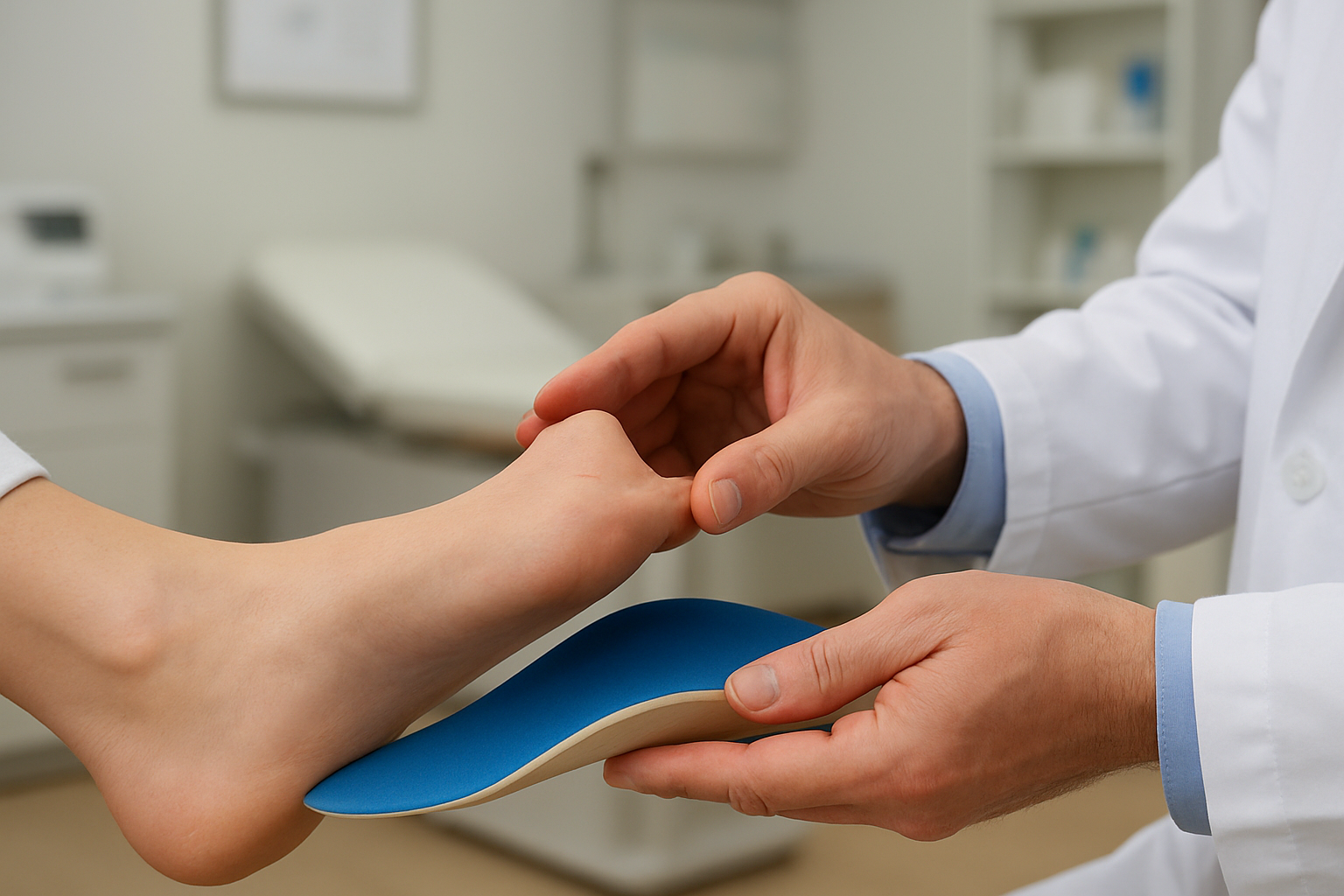
A podiatrist-led fitting ensures the orthotic matches your exact foot shape.
How to Break In, Size, and Care for New Flat Feet Insoles
Even the best insole can feel uncomfortable if it's sized or broken in incorrectly. Follow these practical steps to get it right:
- Remove your shoe's factory insole first, then place the new insole inside to check that it lies flat without bunching at the heel or toe.
- Trim along the marked guideline at the toe if the insole is designed to be sized down, cutting a little at a time to avoid removing too much.
- Wear the new insole for two to four hours on the first day, then gradually increase wear time by an hour or two each subsequent day.
- Watch for any sharp or persistent pain during the break-in period; mild pressure is normal, but sharp pain means the fit needs adjusting.
- Air out and wipe down the insole regularly, and replace it once cushioning feels flattened or the arch support no longer feels firm.
Common Mistakes to Avoid When Choosing Insoles for Flat Feet
Even well-intentioned shoppers make mistakes when selecting insoles. First, many people choose based on price alone, without considering arch height or foot width. Second, wearing an insole in the wrong shoe type, such as a rigid orthotic in a soft slipper, can cause more discomfort than relief.
In addition, some people expect immediate results and give up too soon, when most feet actually need one to two weeks to adjust. The American Podiatric Medical Association advises seeking podiatric care when foot pain lasts more than a few weeks, rather than relying solely on over-the-counter products. Research summarized on PubMed, the NIH's biomedical literature database, similarly supports custom foot orthoses as an effective conservative treatment for pain linked to flat feet and overpronation. For a deeper look at symptoms and long-term solutions, this overview of causes, symptoms, and relief options for flat feet is worth reviewing before making a purchase decision.
Frequently Asked Questions About Comfortable Insoles for Flat Feet
What are comfortable insoles for flat feet?
Comfortable insoles for flat feet are cushioned inserts with reinforced arch support designed to reduce pressure on a collapsed or low arch. They help distribute body weight more evenly, easing strain on the heel and plantar fascia.
How do insoles help with flat feet pain?
Insoles help by supporting the arch so the foot doesn't collapse fully with each step, which reduces strain on tendons and ligaments. This can noticeably reduce heel pain, arch fatigue, and related knee or back discomfort.
What's the difference between flat feet and fallen arches?
Flat feet describes a low or absent arch that has typically existed since childhood, while fallen arches usually refers to an arch that was once normal but collapsed later due to aging, weight, or tendon strain. Both conditions often benefit from the same style of supportive insole.
Can insoles help control overpronation caused by flat feet?
Yes, insoles with a firm medial post and deep heel cup can meaningfully limit the inward ankle roll associated with overpronation. However, cushioning alone rarely fixes overpronation without added structural support.
What is the difference between custom orthotics and store-bought insoles?
Custom orthotics are molded directly from your own foot for a precise fit, while store-bought insoles use a generic, one-size-fits-most shape. As a result, custom orthotics typically offer more targeted correction for structural issues.
How much do custom orthotics cost?
Custom orthotics generally cost more upfront than drugstore insoles, often ranging from a few hundred dollars depending on the provider and materials used. However, many patients find the longer lifespan and targeted relief worth the investment.
Are custom orthotics covered by insurance?
Some insurance plans and flexible spending accounts partially cover custom orthotics, especially when a podiatrist documents medical necessity. Even so, coverage varies widely, so it's worth confirming details with your provider before your fitting appointment.
How long does it take to get used to new insoles?
Most people need one to two weeks to fully adjust to new insoles as their feet and lower legs adapt to the added support. Breaking them in gradually, starting with a few hours a day, helps minimize discomfort.
Can insoles fix flat feet permanently?
Insoles cannot permanently change bone structure, but they can significantly reduce pain and improve alignment while worn. For structural correction, a podiatrist may recommend additional treatment alongside orthotic support.
What shoes work best with orthotic insoles?
Shoes with a removable factory insole and a roomy toe box work best, since they leave enough space for the orthotic without crowding the foot. Athletic shoes and structured walking shoes are typically the easiest to fit.
How often should I replace my insoles?
Most insoles need replacing every 6 to 12 months, though custom orthotics can last several years with proper care. Signs of wear include flattened cushioning or reduced arch support.
What are common mistakes people make when choosing insoles for flat feet?
Common mistakes include choosing based on price alone, ignoring arch height, and expecting instant results without an adjustment period. Skipping a professional evaluation for persistent pain is another frequent error.
Are gel insoles good for flat feet?
Gel insoles offer good shock absorption but usually lack the firm arch support needed to correct flat feet on their own. They work best when combined with structured arch support rather than as a standalone solution.
How do I know if I have flat feet?
A simple wet foot test, where you check the shape of a wet footprint on a dry surface, can indicate a low or absent arch. However, a podiatrist can confirm flat feet through a physical exam and gait analysis.
Do children with flat feet need special insoles?
Many children have flexible flat feet that resolve naturally as they grow, so special insoles aren't always necessary. If a child experiences pain or difficulty walking, a podiatrist can evaluate whether supportive insoles are appropriate.
Final Thoughts on Choosing Comfortable Insoles for Flat Feet
Finding comfortable insoles for flat feet doesn't have to be a guessing game. By understanding your arch type, the role of overpronation, the difference between generic and custom options, and the common mistakes to avoid, you can make a confident choice that actually reduces pain. Whether you start with an over-the-counter insole or move directly to a custom-molded orthotic, the goal remains the same: consistent support that keeps you moving comfortably through every day. If you're ready for a personalized fit, reaching out for a free podiatrist consultation is often the fastest path to lasting relief, and it's a far more direct route than sorting through generic product listings on your own.