

Affordable sports orthotics let athletes correct the root cause of foot pain without paying premium medical-device prices for the privilege. Runners, basketball players, soccer players, and weekend warriors alike often assume custom foot support is out of reach financially. That assumption is usually wrong. Podiatrist-fabricated inserts molded directly from your own feet frequently cost less than people expect — especially once you factor in the price of untreated injuries, missed training blocks, and repeatedly replacing premium sneakers that never actually fix the problem. This guide covers everything a search for affordable sports orthotics should answer: what they are, how they're priced, how they compare to at-home impression kits and mobile-scanning apps, what to watch for with insurance and HSA/FSA coverage, and how to choose a provider you can trust.
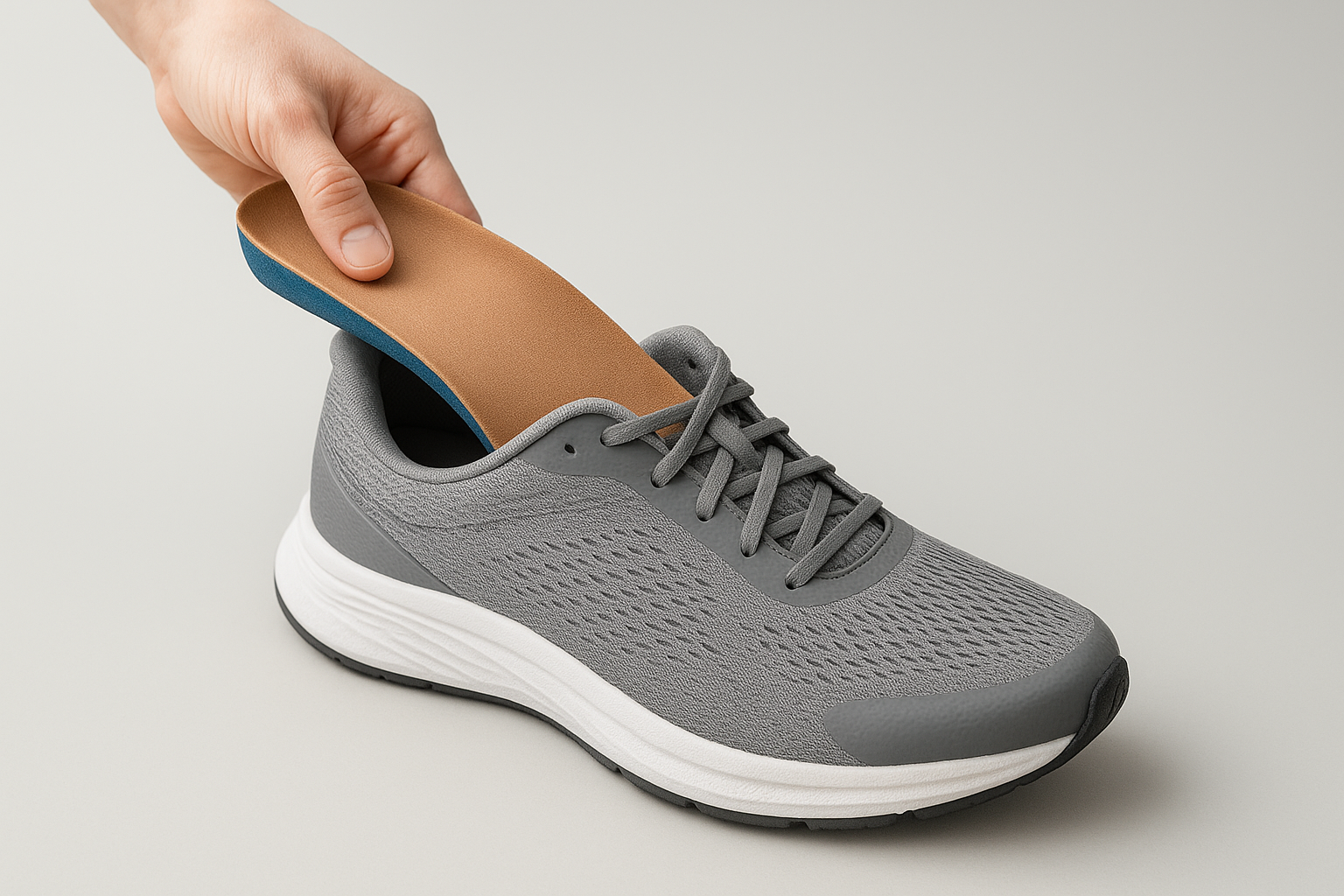
Custom-molded affordable sports orthotics are shaped to match each athlete's unique foot structure.
What Are Affordable Sports Orthotics?
Affordable sports orthotics are custom-molded shoe inserts built from an actual impression of your foot, designed for athletic movement, and priced to fit a typical training budget. Unlike mass-produced insoles, they correct individual biomechanical imbalances — for example, overpronation (when the foot rolls inward excessively during a stride) or unusually high arches. Because each pair is fabricated to match the exact shape and gait pattern of the wearer, they generally last longer and perform more reliably under repeated impact than anything bought off a shelf.
In particular, orthotics differ from over-the-counter insoles in one key way: they are shaped from a real mold of your foot rather than a generic average. As a result, pressure is distributed exactly where an individual foot needs it, rather than in a one-size-fits-most pattern that ignores your specific arch height or heel strike. For a deeper look at how custom devices influence athletic performance, this guide on custom orthotics for sports explains the biomechanics in more detail.
Cost-Effective Athletic Orthotics vs. Off-the-Shelf Insoles
Off-the-shelf insoles are inexpensive, but they rarely correct the underlying cause of foot pain. In contrast, cost-effective athletic orthotics are built specifically for a person's arch height, foot width, and movement pattern. Consequently, athletes often find that a properly fitted custom device resolves recurring pain that generic insoles never touched, even after months of trying different store-bought products. Furthermore, a custom shell holds its shape under repeated loading far longer than foam padding, which compresses and loses support within a season of hard training.
Why Cost-Effective Athletic Orthotics Matter for Everyday Athletes
Foot pain rarely stays contained to the foot. For example, an untreated arch imbalance can travel upward, contributing to knee, hip, or lower back discomfort over time. Therefore, addressing the root biomechanical cause early with properly fitted orthotics is often more cost-effective than repeatedly treating downstream symptoms with physical therapy, medication, or missed training cycles.
According to research summarized by the National Institutes of Health, running-related injuries affect a wide range of regular runners each year, with many cases linked to biomechanical imbalances that supportive devices are designed to correct. Similarly, the American Podiatric Medical Association notes that proper foot support plays a meaningful role in injury prevention for active individuals. In addition, conditions like plantar fasciitis (inflammation of the tissue connecting the heel to the toes) are among the most common reasons athletes seek custom orthotic support. Overpronation itself is a well-documented gait pattern — the Wikipedia entry on foot pronation offers a useful plain-language overview of how this movement affects impact distribution during running and jumping.
The Real Cost of Ignoring Foot Pain
Above all, delaying treatment tends to be the most expensive option. A single season of ignored heel pain can turn into months away from a sport, several rounds of physical therapy, and eventually a specialist visit anyway. In contrast, a properly molded orthotic purchased early often resolves the same issue for a fraction of that total cost — which is exactly why "affordable" and "effective" are not opposites when it comes to sports orthotics.
Affordable Sports Orthotics vs. At-Home Foam Kits and Scanning Apps
Many online orthotic sellers now offer a phone app scan or a mail-in foam impression box instead of an in-person mold. These options are convenient, and they are not necessarily bad — however, accuracy varies considerably depending on how the impression is captured and reviewed. A foam box that is pressed unevenly, or a phone scan taken while standing incorrectly, can produce a mold that bakes an error directly into the finished device.
Therefore, the real question is not "app vs. no app," but whether a licensed podiatrist reviews the impression before fabrication begins. A guided consultation with a professional catches problems a purely automated process misses, such as an unusually rigid arch or a leg-length discrepancy that changes how the device should be built.
Why an In-Person or Guided Mold Still Wins on Accuracy
In-person and podiatrist-guided at-home molds share one advantage over unsupervised app scans: a trained professional confirms the impression is correct before it goes to the lab. As a result, fewer devices need remakes, and athletes are less likely to end up with an orthotic that feels "close but not quite right." For readers weighing DIY convenience against fit accuracy, this guide to affordable custom orthotics with a quality fit for less walks through how experienced labs balance convenience with precision.
How Much Do Affordable Sports Orthotics Cost?
Pricing for custom orthotics varies more than most shoppers expect, largely because of where and how the device is made. In particular, four factors drive most of the cost difference between providers:
- Mold method: a professionally guided mold typically costs about the same as an unsupervised app scan, but delivers a more reliable result the first time.
- Shell material: rigid carbon-fiber-style shells for high-impact sports usually cost more than flexible everyday shells. For a deeper walkthrough, see our Comfortable Insoles for Everyday Use: Full Guide.
- Practice overhead: podiatrist-owned labs that sell direct to patients often charge less than large clinical chains with multiple layers of markup.
- Consultation inclusion: providers that fold a complimentary consultation into the price avoid surprise add-on fees later.
For a closer look at how pricing stacks up across providers without cutting corners on fabrication, this resource on discount custom orthotics that still deliver quality relief breaks down where corners typically get cut — and where they should never be cut.
HSA, FSA, and Insurance Coverage Explained
Custom orthotics that are medically necessary are frequently eligible for Health Savings Account (HSA) or Flexible Spending Account (FSA) reimbursement in the United States. According to IRS Publication 502, orthopedic devices prescribed to treat a specific medical condition generally qualify as eligible medical expenses. Consequently, it is worth asking any provider for an itemized receipt and, when needed, documentation from the podiatrist confirming medical necessity for insurance reimbursement.
How to Get Affordable Sports Orthotics: A Step-by-Step Process
Getting fitted for affordable sports orthotics is more straightforward than many athletes expect. Below is the typical process used by podiatrist-owned practices that fabricate orthotics directly from individual molds.
- Schedule a consultation. Contact a podiatrist-owned practice for a complimentary phone consultation to discuss foot pain, sport-specific demands, and budget before committing to any order. For a deeper walkthrough, see our Consult a Podiatrist for Foot Pain: The Complete Guide to When, Why & What to Ex.
- Review pricing and coverage. Ask about total cost upfront, whether a consultation is included, and whether the device qualifies for HSA, FSA, or insurance reimbursement before your mold is taken.
- Get your feet molded. Complete an impression of each foot in person or through a guided at-home mold kit so the lab can capture exact arch contours.
- Choose the right shell and cushioning. Work with the provider to select rigidity and cushioning suited to your sport, since running and court sports demand different support.
- Wait for fabrication. Allow roughly two to four weeks for the lab to build the orthotic from your mold, matching the measurements from your consultation.
- Break in and follow up. Gradually break in the new orthotics over one to two weeks of light activity, then follow up with the provider if adjustments are needed.
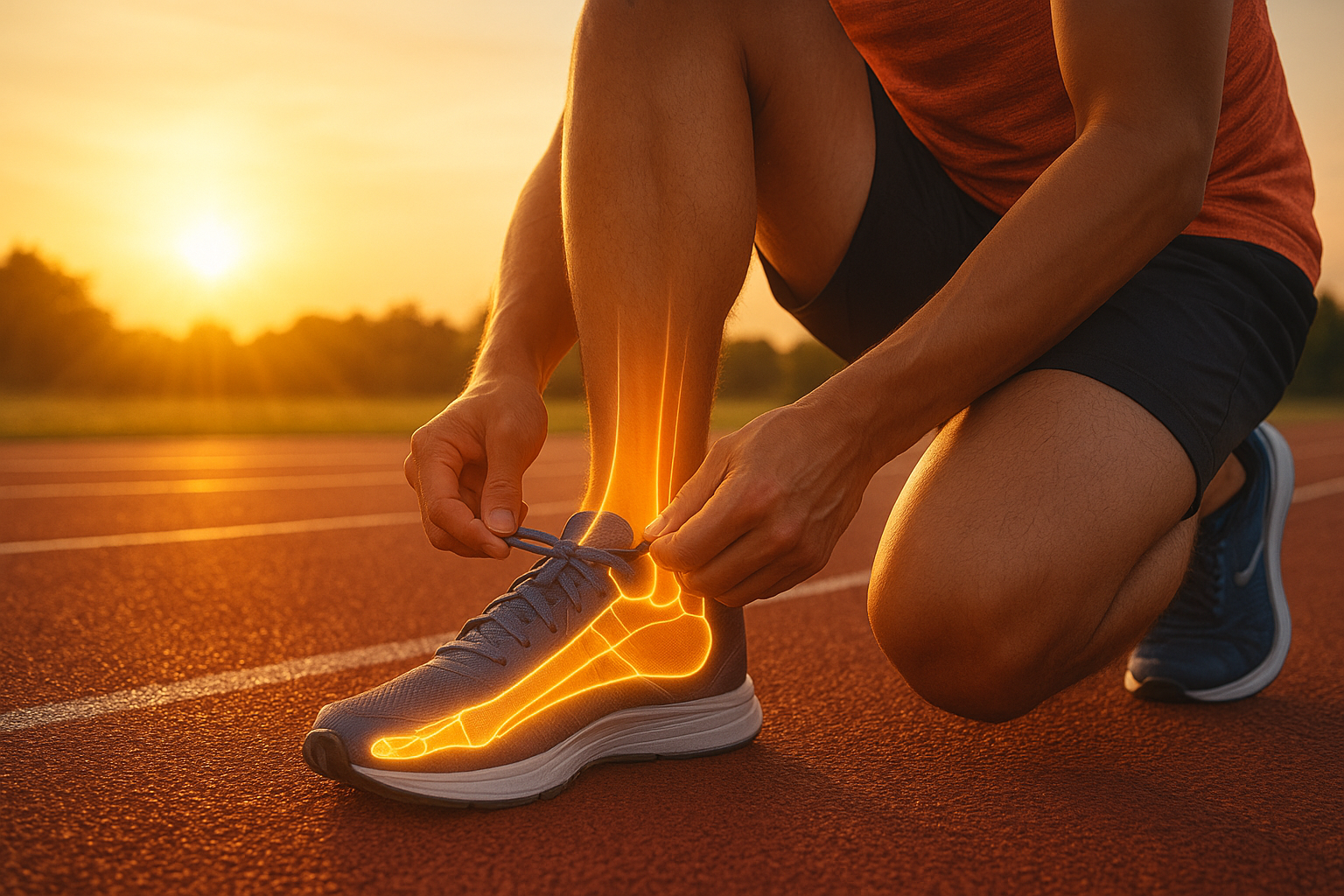
A proper fitting process ensures budget-friendly sports orthotics perform like premium devices.
Budget-Friendly Sports Orthotics for Every Activity
Not every athlete needs the same type of support. Runners typically need more shock absorption through the heel, while court-sport athletes benefit from lateral stability during quick direction changes. Similarly, soccer players often need a lower-profile shell that fits inside a cleat, while basketball and tennis players tend to need firmer arch support to control lateral forces during pivots. Consequently, a good provider will tailor the orthotic shape and material to the specific sport rather than offering one generic template.
For readers managing an active lifestyle beyond structured sports, this guide to orthotics for active lifestyles covers everyday movement patterns, while this recreational activities guide explains support options for hiking, cycling, and casual play. In addition, athletes training for multiple sports often find that a single well-fitted device, paired with a second lower-profile pair for dress or casual shoes, covers most of their needs without buying several specialty pairs.
Comparing Prices Without Sacrificing Quality
Price comparisons matter, but they should never come at the expense of an accurate mold. Therefore, it helps to review a few resources before ordering, such as this breakdown of affordable custom orthotics with a quality fit for less, which explains how experienced labs keep prices reasonable without cutting corners on fabrication.
Warranties, Guarantees, and Return Policies to Look For
A fair guarantee protects the investment you make in affordable sports orthotics. In particular, look for three things before ordering: a break-in adjustment period during which the provider will refine the fit at no extra charge, a clearly stated warranty length against material defects, and a straightforward return process if the mold needs to be redone. In contrast, providers that only offer store credit or charge remake fees for their own fitting errors should raise a flag. Above all, a provider confident in its fabrication process will put its guarantee in writing before you pay.
Choosing the Right Provider for Affordable Sports Orthotics
Above all, the provider matters as much as the product itself. A podiatrist-owned and operated practice with more than 20 years of experience and an A+ Better Business Bureau rating brings a level of craftsmanship that generic online sellers often cannot match. For instance, customorthotics.com offers a complimentary phone consultation directly with a podiatrist before any order is placed, which helps confirm the right fit before committing to a purchase.
Ordering online has also made professional-grade foot care more accessible than ever. In fact, this resource on finding affordable orthotics online walks through what to look for when ordering remotely, including mold kits, return policies, and turnaround time.
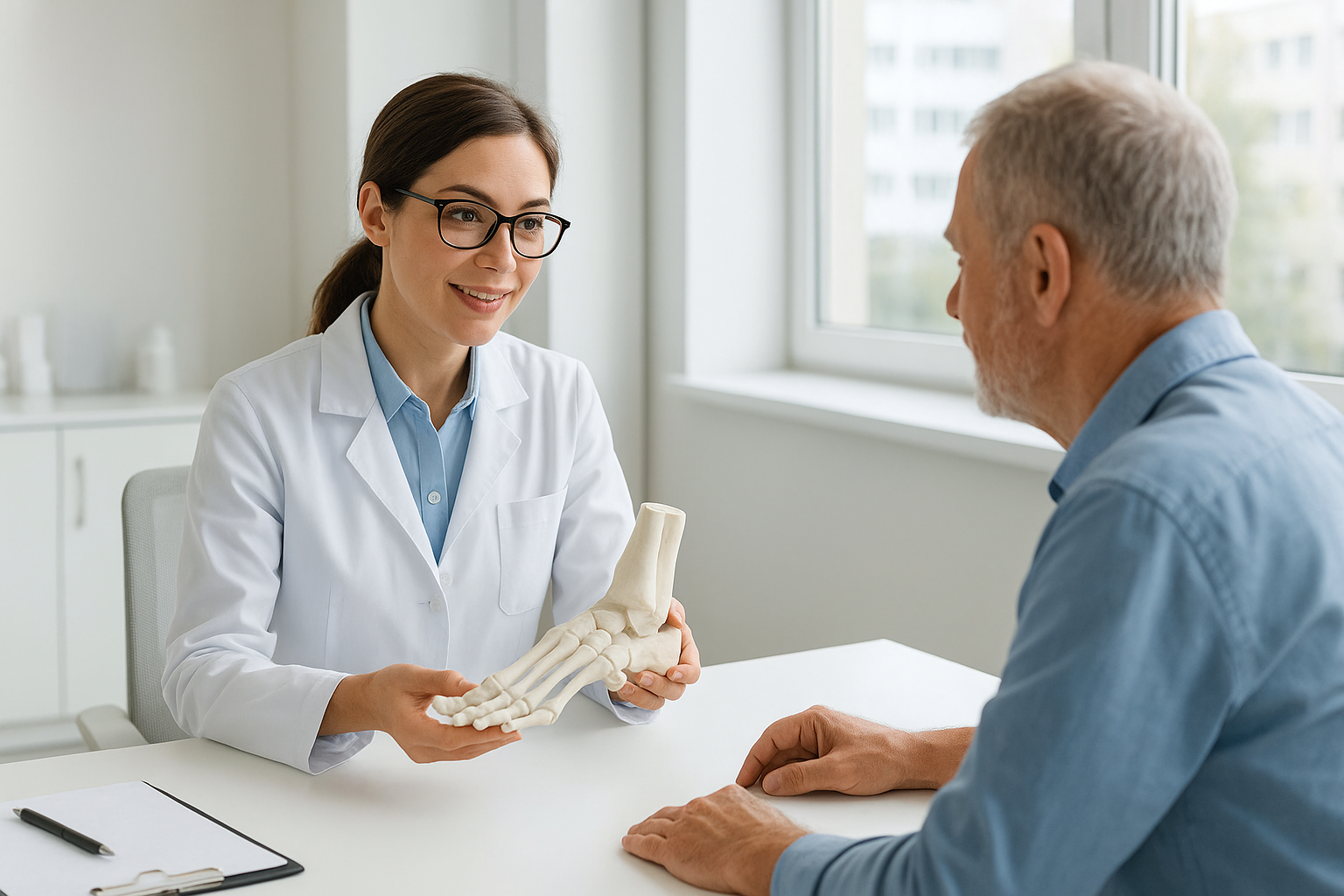
A direct podiatrist consultation helps confirm the right fit before ordering.
Common Mistakes When Shopping for Affordable Sports Orthotics
One common mistake is choosing a device based on price alone without confirming that a proper foot mold or scan is involved. Another mistake is ignoring sport-specific needs, since a device built for walking rarely holds up under the demands of sprinting or jumping. Similarly, skipping the consultation step can lead to a poor fit even when the fabrication quality itself is high. In addition, relying entirely on an unsupervised phone-scan quiz without any professional review can lock in a mold error before fabrication even starts. Finally, athletes sometimes expect immediate relief and abandon a new orthotic after a single wear — however, most devices need a short break-in period before they feel fully comfortable.
Signs You May Need Sports Orthotics
Not sure whether custom support is worth the investment? Consider these common warning signs before deciding:
- Recurring heel, arch, or ball-of-foot pain that returns after every hard training session.
- Uneven wear patterns on the outsole of your training shoes, which often signal overpronation or supination.
- Fatigue or cramping in the feet or calves during activity that does not improve with rest or new shoes.
- Knee, hip, or lower-back discomfort that appears only during or after weight-bearing sports.
- A history of ankle sprains or a noticeably high or flat arch when standing barefoot.
If any of these sound familiar, a podiatrist consultation is the logical next step. For general activity injury data, the CDC's physical activity resources provide helpful context on how common movement-related strain actually is among active adults.
Frequently Asked Questions About Affordable Sports Orthotics
What are affordable sports orthotics?
Affordable sports orthotics are custom-molded shoe inserts made from an impression of your own foot, priced to fit a typical training budget. They correct biomechanical issues like overpronation or high arches without the premium cost of some specialty medical devices.
How much do custom sports orthotics typically cost?
Prices vary widely depending on the provider, but custom orthotics from a podiatrist-owned practice often cost significantly less than those sold through large clinical chains. Ordering directly online can further reduce overhead costs passed on to patients.
How long does it take to get custom orthotics made?
Most custom orthotics take between two and four weeks to fabricate after the foot mold is taken. Rush options may be available depending on the lab and provider.
Are affordable sports orthotics as effective as expensive custom orthotics?
Yes, effectiveness depends more on an accurate mold and proper biomechanical assessment than on price alone. A well-fabricated affordable orthotic from an experienced podiatrist can outperform an overpriced device with a poor fit.
Can affordable sports orthotics help with plantar fasciitis?
Custom orthotics are frequently recommended for plantar fasciitis because they redistribute pressure away from the inflamed tissue. Many patients report noticeable relief within a few weeks of consistent use.
What is the difference between orthotics and regular insoles?
Regular insoles are mass-produced and offer generic cushioning, while orthotics are built from a mold of an individual foot to correct specific alignment issues. This custom fit is why orthotics tend to last longer and address root causes rather than symptoms.
How long do sports orthotics last?
Most custom sports orthotics last between one and three years depending on activity level and materials used. High-impact athletes may need replacements sooner due to compressed cushioning.
What common mistakes should I avoid when buying orthotics?
A common mistake is choosing a generic insole without a proper foot assessment, which can worsen existing imbalances. Another mistake is ignoring the specific demands of a sport, since running orthotics differ from those built for court sports.
Can I order custom orthotics online?
Yes, many providers now offer at-home mold kits or guided consultations so patients can order custom orthotics without visiting a clinic in person. This process typically starts with a phone consultation followed by a mailed impression kit.
Do I need a prescription for custom orthotics?
A prescription is not always required, though a consultation with a podiatrist helps ensure the orthotic addresses the correct issue. Insurance reimbursement may require documentation from a licensed provider.
What sports benefit most from custom orthotics?
Running, basketball, soccer, and tennis athletes tend to benefit most because these sports involve repetitive impact and quick directional changes. However, any activity that stresses the feet can benefit from proper biomechanical support.
How do I know if I need orthotics?
Signs include recurring heel or arch pain, uneven shoe wear, and fatigue during activity that does not improve with rest. A podiatrist consultation can confirm whether custom support would help.
Are affordable sports orthotics covered by insurance?
Some insurance plans cover part of the cost when orthotics are deemed medically necessary and prescribed by a podiatrist. Coverage varies, so it is worth checking with your provider before ordering.
How often should I replace my sports orthotics?
Most athletes should replace orthotics every one to two years, or sooner if cushioning feels compressed or pain returns. Regular high-mileage training can shorten this lifespan.
Is an at-home foam impression kit as accurate as a podiatrist mold?
A guided at-home kit reviewed by a podiatrist can be nearly as accurate as an in-person visit, but an unsupervised app scan carries more risk of error. Therefore, it helps to choose a provider who checks every impression before fabrication begins.
Are affordable sports orthotics eligible for HSA or FSA reimbursement?
Custom orthotics prescribed for a medical condition are often eligible for HSA or FSA reimbursement under IRS guidelines. It is worth requesting an itemized receipt and a note of medical necessity from your podiatrist just in case.
What kind of warranty or guarantee should I look for when buying sports orthotics?
Look for a written warranty against material defects, a no-cost break-in adjustment period, and a clear remake policy if the original mold turns out to be inaccurate. Providers confident in their process put these terms in writing upfront.
Can affordable sports orthotics fit into multiple pairs of shoes, or do I need a separate pair for each sport?
One well-fitted pair can often move between similar shoe types, but high-impact sports like running or basketball usually perform best with a shell built specifically for that footwear. Discuss your full shoe rotation during the consultation so the provider can recommend the right number of pairs.
Final Thoughts on Finding Affordable Sports Orthotics
Ultimately, affordable sports orthotics are within reach for most athletes willing to work with an experienced, podiatrist-owned practice. As discussed above, the key is prioritizing an accurate foot mold, sport-specific design, transparent pricing, and a provider with a proven track record rather than choosing based on price or a quick app scan alone. In addition, resources like the ones linked throughout this article, along with a direct consultation through customorthotics.com, make it easier to compare options confidently. Whether the goal is recovering from plantar fasciitis, preventing future injury, or simply training more comfortably, affordable sports orthotics offer a practical path toward lasting relief without an unreasonable price tag.