

Orthotics for active lifestyles are precision-engineered shoe inserts that support, align, and cushion your feet during movement-intensive activity — from morning trail runs to long days on a job site. If you stay active and deal with foot pain, fatigue, or recurring injuries, the right orthotic can genuinely transform how you move. According to the American Podiatric Medical Association, more than 77% of Americans experience significant foot pain at some point — and a large share of those cases trace directly back to inadequate foot support during physical activity.
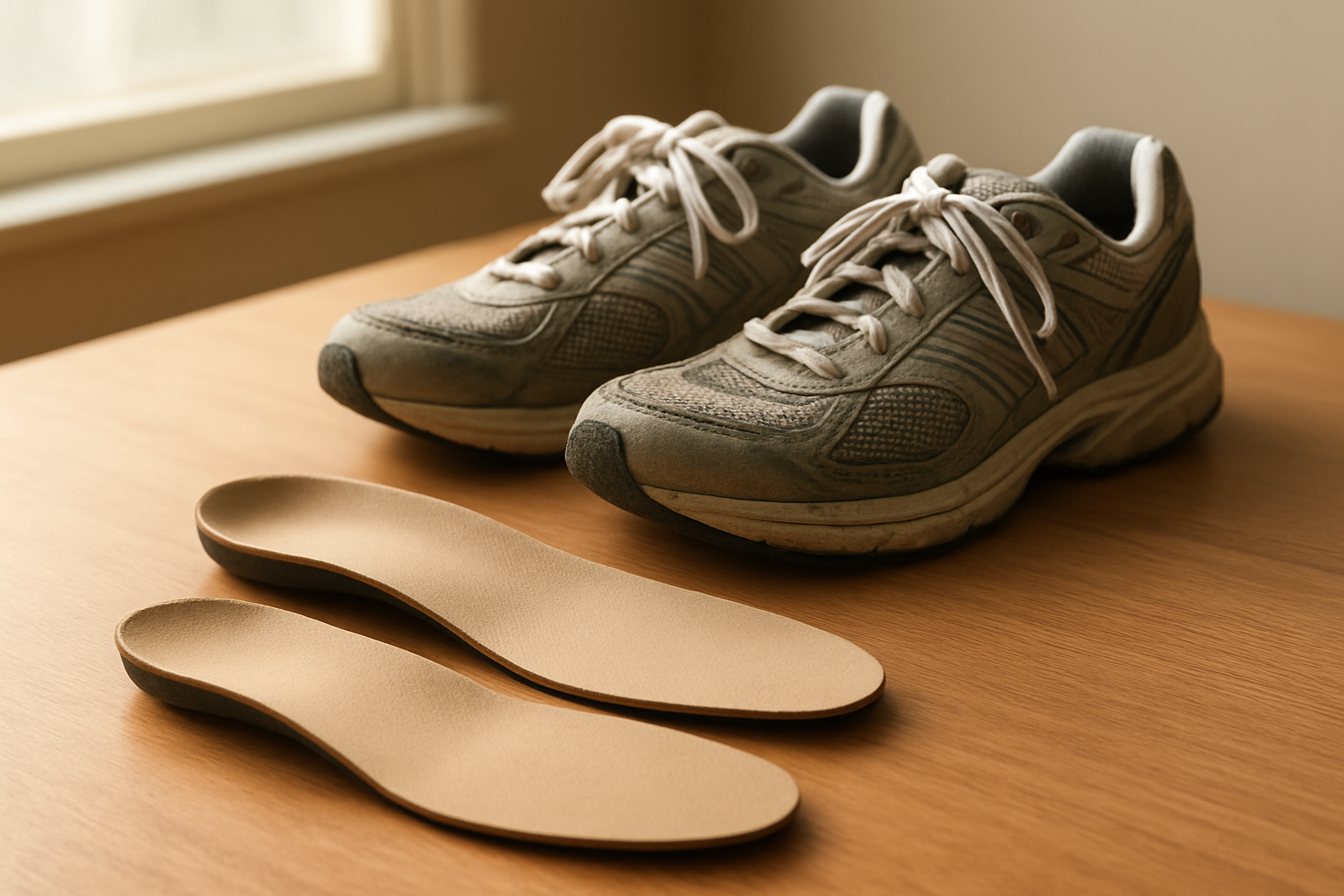
Custom orthotics for active lifestyles are fabricated from individual foot molds — engineered for your foot, not an average approximation of it.
What Are Orthotics for Active Lifestyles?
Orthotics for active lifestyles are custom or semi-custom foot devices placed inside shoes to correct biomechanical imbalances, reduce pain, and improve foot function during physical activity. They differ fundamentally from standard cushioned insoles, which only add padding without addressing the root cause of discomfort.
Specifically, custom orthotics are fabricated from an individual mold of each patient's foot. Every contour, arch height, and pressure point is captured. The result is a device that works with your foot rather than simply under it. For active individuals, this precision matters enormously — even small biomechanical inefficiencies compound quickly under repetitive exercise stress.
Furthermore, orthotics can be tailored to specific activities. A runner's orthotic may prioritize shock absorption and forefoot flexibility. A hiker's device, however, might emphasize lateral stability and heel control. This level of customization is simply not possible with over-the-counter options, which are shaped around a statistical average rather than your actual foot.
The Three Core Functions of an Activity Orthotic
Every well-designed orthotic for active use serves three core functions simultaneously. First, it provides structural support — holding the arch and heel in proper alignment. Second, it absorbs and redistributes impact forces so no single area bears excessive load. Third, it improves proprioception — your nervous system's awareness of foot position — which leads to more stable, confident movement.
Together, these functions reduce fatigue, lower injury risk, and allow you to stay active longer without compensating through poor movement patterns. In other words, the right orthotic does not just make activity more comfortable — it makes it mechanically safer.
Why Foot Support Matters During Physical Activity
Every step you take places roughly 1.5 times your body weight through your foot. During running, that force increases to three times your body weight or more, according to research published by the National Institutes of Health. Without proper support, this repetitive loading leads to structural stress, inflammation, and eventually injury.
Common conditions that develop from inadequate foot support during activity include:
- Plantar fasciitis — inflammation of the thick connective band along the bottom of the foot; the leading cause of heel pain in active adults
- Shin splints (medial tibial stress syndrome) — pain along the inner shinbone caused by overuse and poor shock absorption
- Achilles tendinopathy — progressive degeneration of the Achilles tendon, strongly linked to overpronation
- Metatarsalgia — ball-of-foot pain from uneven pressure distribution during push-off
- Stress fractures — small bone cracks caused by repetitive impact without adequate force dissipation
- IT band syndrome — lateral knee pain driven by hip and lower-limb misalignment originating at the foot
- Patellofemoral pain (runner's knee) — kneecap discomfort caused by abnormal tracking, often tied to foot pronation patterns
In contrast, a well-fitted orthotic redistributes these forces more evenly across the entire foot. As a result, muscles and tendons experience less localized strain, and the likelihood of overuse injury decreases substantially — especially when logging high mileage or training volume.
How Overpronation and Supination Cause Chain Reactions
Overpronation — where the foot rolls excessively inward during the gait cycle — is one of the most common biomechanical issues in active individuals. It causes the ankle, knee, and hip to rotate internally in a chain reaction that stresses joints well above the foot. Supination (underpronation), the opposite pattern, concentrates force on the outer edge of the foot and increases stress fracture risk.
Importantly, neither pattern is corrected by standard cushioning alone. An orthotic that controls motion and guides the foot into neutral alignment addresses the actual mechanical source of these problems — rather than simply dampening their symptoms.
Custom vs. Off-the-Shelf: What Active People Need to Know
Off-the-shelf insoles are widely available and inexpensive. However, they are designed around an average foot shape — which means they may not address your specific structural needs at all. For casual, low-impact use, they might provide temporary comfort. For genuinely active individuals, though, they often fall short in meaningful ways.
Custom orthotics, by contrast, begin with a precise mold of your foot taken by a qualified podiatrist. According to Wikipedia's overview of orthotics, custom devices are prescribed and fabricated to address specific pathological conditions — making them a clinical tool, not just a comfort accessory.
Custom vs. Off-the-Shelf: A Quick Comparison
- Custom orthotics: Fabricated from your individual foot mold — addresses your exact arch height, pressure distribution, and biomechanical patterns
- Off-the-shelf insoles: Mass-produced to a generic shape — provides generalized cushioning without correcting structural imbalances
- Activity-specific customization: Available only with custom devices — material, thickness, and profile can be matched to your sport
- Longevity: Custom orthotics typically last 1–3 years under active use; most OTC insoles compress and lose function within months
- Clinical backing: Custom devices are prescribed by licensed podiatrists following gait and biomechanical assessment
The podiatrist-owned team at customorthotics.com takes this further. With more than 20 years of experience, they fabricate every orthotic directly from individual foot molds — ensuring the precision fit that truly active people require. Their A+ Better Business Bureau rating reflects a consistent commitment to quality and patient outcomes.
Orthotic Types for Active Lifestyles: Which Style Fits Your Sport?
Not all orthotics are built the same way. Selecting the right style for your activity is essential — the wrong profile in the wrong shoe can reduce performance or cause new discomfort. Below is a breakdown of the main orthotic types suited to active use.
Full-Length Orthotics
Full-length orthotics run from the heel to the toes and work best in roomy athletic shoes, hiking boots, and work footwear. They provide comprehensive support across the entire plantar surface — the underside of the foot. Therefore, they suit runners, walkers, and anyone logging extended time on their feet.
Three-Quarter-Length Orthotics
A three-quarter-length orthotic ends just behind the ball of the foot. This makes it ideal for tighter-fitting footwear — cycling shoes, cleats, slim running trainers, and dress shoes — where a full-length device would crowd the toe box. Despite the shorter profile, it still delivers full arch and heel support where it matters most.
Quad-Layer Orthotics for High-Impact Sports
Quad-layer orthotics use an advanced multi-material construction in which each layer serves a distinct purpose: deep shock absorption, motion control, cushioning, and a comfortable top contact surface. This layered approach is particularly well-suited to runners, team sport athletes, and anyone whose activity demands sustained high-impact management over extended periods.
Rigid vs. Semi-Flexible vs. Soft Orthotics
Material stiffness is another critical variable. Rigid orthotics — made from polypropylene or carbon fiber — primarily control motion and alignment. They are most effective for high-impact, high-mileage activities where biomechanical control is the priority. Semi-flexible orthotics balance control with cushioning and suit most general athletic use cases. Soft orthotics, made from EVA foam or similar materials, prioritize shock absorption and work best for walking, cycling, and low-impact training.
Consequently, the best material choice depends on your specific sport, intensity level, and foot structure — another reason a podiatrist's input is valuable before you commit to a device.
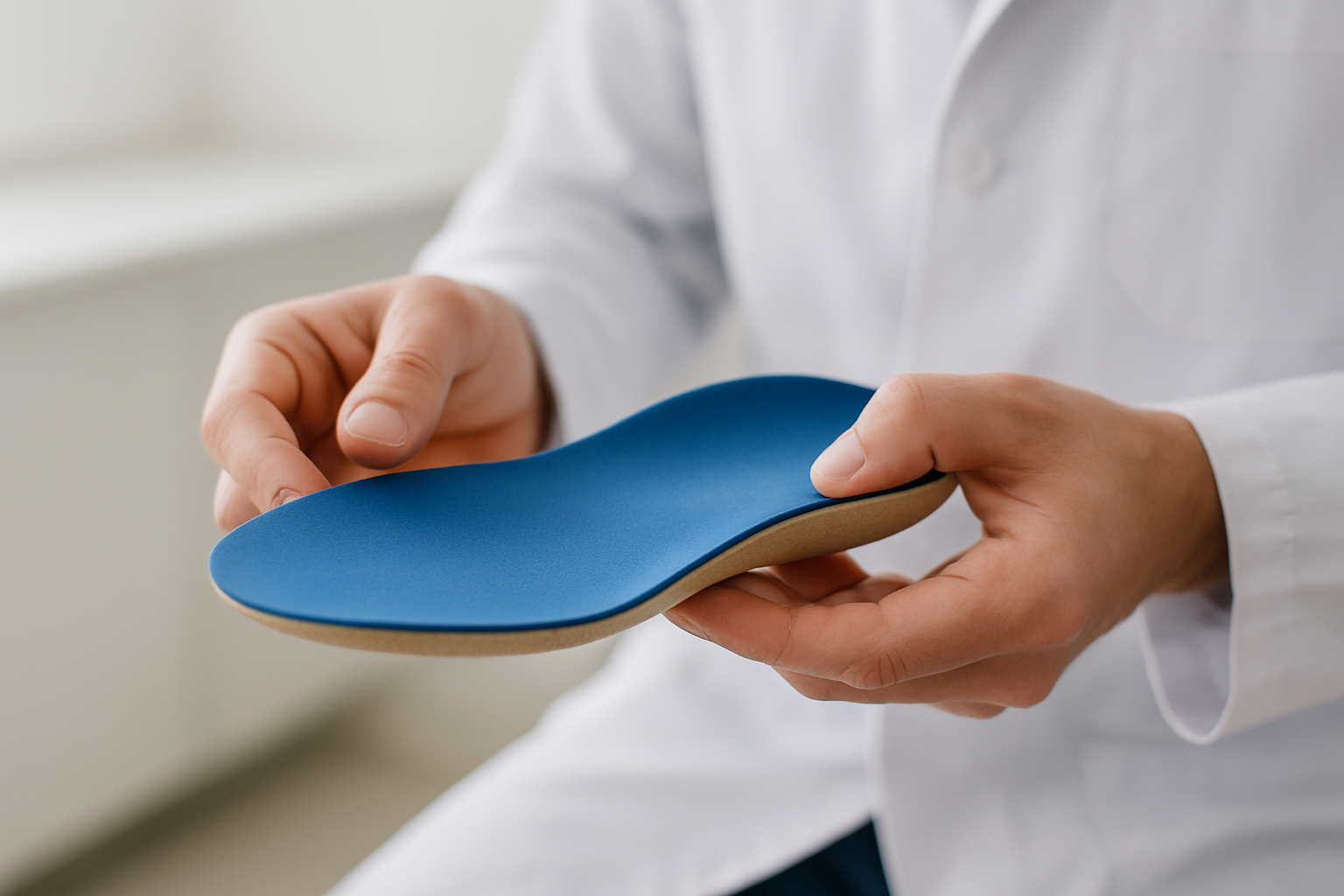
A podiatrist's assessment ensures your orthotic addresses biomechanical root causes — not just surface-level symptoms.
Sport-by-Sport Guide: Orthotics for Every Active Pursuit
Different sports place unique demands on the foot. As a result, the ideal orthotic varies significantly from one activity to the next. Below is a sport-specific breakdown to help you match the right device to your lifestyle.
Running and Distance Training
Runners subject their feet to thousands of repetitive impact cycles per session. For this reason, running orthotics prioritize shock absorption, arch support, and forefoot flexibility. A semi-rigid device with a cushioned top layer is typically most effective. Overpronation is especially common in runners — so motion control features are often incorporated for those with flat arches.
Hiking and Trail Activities
Hiking demands lateral stability on uneven terrain. Therefore, hiking orthotics tend to emphasize heel cupping and mediolateral — side-to-side — control. A firm shell material with a cushioned top layer works well in the stiff, roomy footwear common in trail use.
Cycling
Cycling shoes are narrow and stiff, making three-quarter-length orthotics the obvious choice. Cyclists benefit from metatarsal support to prevent hot spots and ball-of-foot pain during long rides. Arch support also improves pedaling efficiency by maintaining a stable foot platform against the pedal.
Team Sports (Soccer, Basketball, Football)
Team sports involve cutting, pivoting, jumping, and sudden directional changes — all of which stress the foot differently than straight-line activities. Orthotics for team sport athletes typically emphasize motion control, ankle stability, and shock absorption at the heel and forefoot. Quad-layer constructions are frequently recommended for these demands.
Walking and Everyday Active Use
Not every active person is a competitive athlete. Many simply want to stay on their feet longer — walking the dog, working a physically demanding job, or keeping up with their children. For these individuals, a full-length orthotic with moderate arch support and cushioning can make daily movement significantly more comfortable. The complete guide to the best orthotics for everyday use outlines how different orthotic designs address the demands of daily wear.
How to Get Custom Orthotics for an Active Lifestyle
Getting the right orthotic support does not have to be complicated. Below is a clear, step-by-step process for obtaining custom orthotics tailored to your activity level and foot structure.
- Assess your foot and activity needs. Begin by identifying your primary activity, any existing foot pain, and the footwear you use most often. Note whether you experience arch pain, heel discomfort, overpronation, or instability during or after exercise. This self-assessment helps the podiatrist understand your starting point quickly and accurately.
- Consult a licensed podiatrist. Schedule a consultation with a qualified podiatrist who can evaluate your gait, foot structure, and biomechanics. This clinical assessment — which may include walking or running observation — forms the foundation for a correctly prescribed device. A podiatrist also rules out other conditions that may require treatment alongside orthotic support.
- Have a foot mold or impression taken. The podiatrist creates a precise mold of your foot using plaster casting, foam impressions, or 3D scanning technology. This captures every individual contour — arch height, heel width, forefoot spread — so the finished orthotic matches your foot exactly, not a standard template.
- Select the appropriate orthotic type and material. Work with your podiatrist to choose the orthotic style — full-length, three-quarter, or quad-layer — and the material that best suits your activity intensity, footwear type, and comfort preferences. Your podiatrist may also recommend specific top covers or additions such as metatarsal pads or heel lifts.
- Break in your orthotics gradually. Begin wearing them for one to two hours daily. Increase usage incrementally over two to four weeks to allow your muscles, tendons, and joints to adapt comfortably without soreness or overload. Most active users reach full-time wear within three weeks.
- Schedule follow-up adjustments as needed. After the break-in period, return to your podiatrist if you notice pressure points, discomfort, or alignment concerns. Minor modifications — trimming, padding, or shell adjustments — can fine-tune the fit and ensure the device continues to perform optimally as your activity evolves.
Additionally, customorthotics.com makes this process accessible whether you are local or ordering remotely. Patients can connect directly with the podiatrist for a complimentary phone consultation or place orders conveniently through their online platform.
Performance Benefits Beyond Pain Relief
Many active individuals initially seek orthotics for pain relief. However, the performance benefits extend well beyond simply reducing discomfort — and understanding them can shift how you think about foot support entirely.
Improved Gait Efficiency and Energy Return
Properly fitted orthotics improve gait efficiency — the ratio of energy input to distance covered. When your foot strikes and pushes off in a mechanically optimal pattern, your muscles do less corrective work with every stride. Over time, this translates to reduced fatigue and measurably better endurance. For runners, even a small efficiency gain compounds across thousands of steps per session.
Enhanced Proprioception and Balance
Orthotics also improve proprioception — your body's real-time sense of foot position, pressure, and balance. Better proprioceptive feedback leads to more stable landings, faster directional changes, and a measurably lower risk of ankle sprains. For team sport athletes and trail runners, this advantage can be the difference between a confident stride and a twisted ankle.
Lower-Limb Alignment and Secondary Injury Prevention
Similarly, orthotics help maintain proper lower-limb alignment throughout the kinetic chain — the connected sequence of bones and joints from foot to hip. When the foot is correctly supported, the ankle, knee, and hip follow a more neutral mechanical path. This reduces the risk of secondary injuries such as IT band syndrome, patellofemoral pain (runner's knee), and lower back strain — all of which are common in active populations and often trace back to foot mechanics.
For a deeper look at how orthotics support recreational activities specifically, the full guide to custom orthotics for recreational activities covers a wide range of sports and use cases in detail.
Force Transfer and Athletic Output
Research suggests that optimized foot mechanics improve the consistency of force transfer through the foot during push-off. In practical terms, this means more of the power your muscles generate actually reaches the ground — rather than being lost to compensatory movement. For athletes who rely on explosive acceleration or repeated jumping, this can represent a tangible performance advantage.
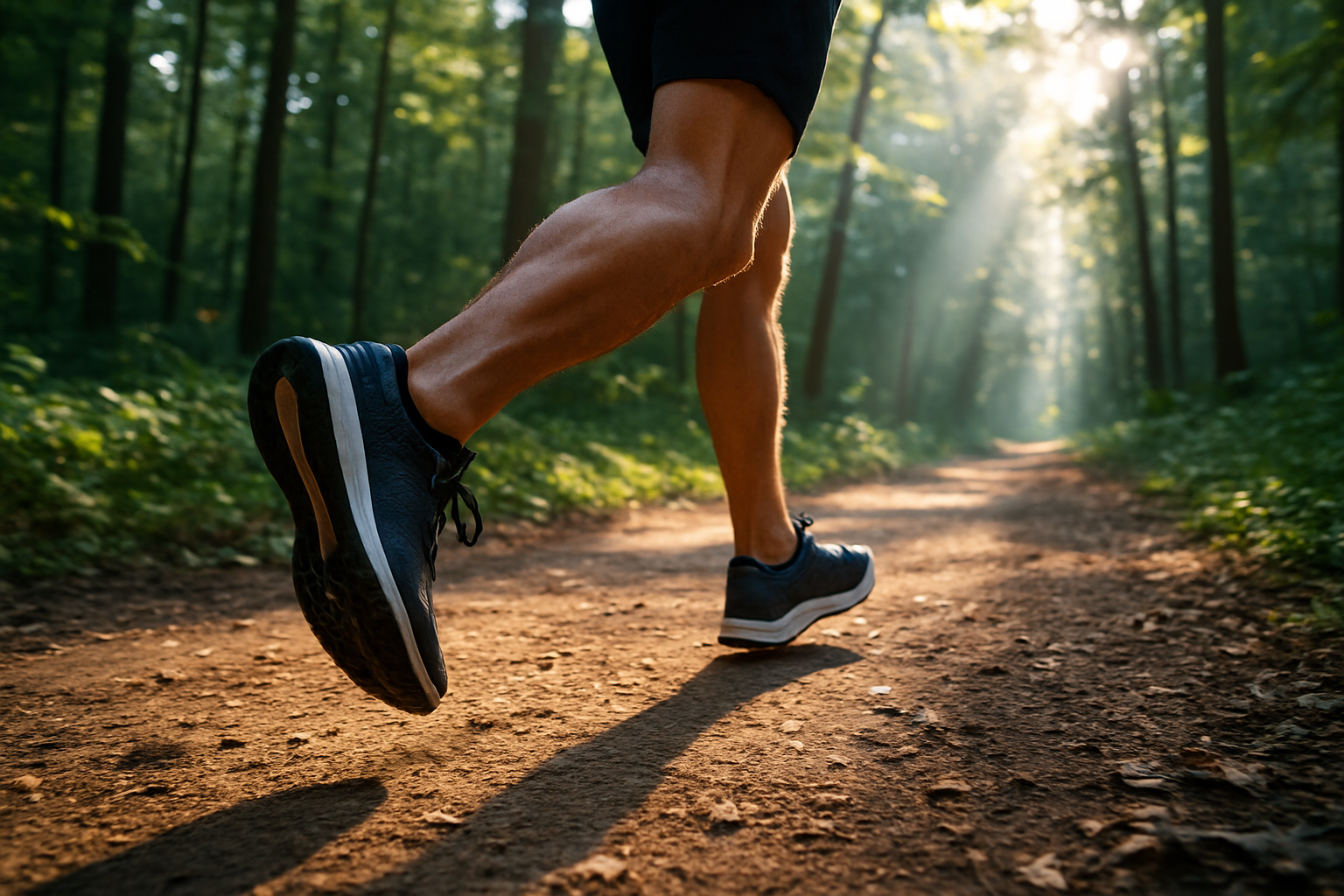
Orthotics for active lifestyles support every stride — from morning trail runs to long days on your feet at work.
Materials Used in Performance Orthotics: What to Know
The material composition of an orthotic determines how it performs under load. Understanding the main options helps you have a more informed conversation with your podiatrist and choose a device that matches your activity demands.
- Polypropylene — a rigid thermoplastic used in the shell of functional orthotics; excellent for motion control in high-impact sports
- Carbon fiber — extremely rigid and lightweight; preferred for performance athletes who need maximum control with minimal added weight
- EVA foam (ethylene-vinyl acetate) — a compressible, cushioning material used in soft orthotics and top covers; well-suited to walking and low-impact activities
- Thermoplastic composites — semi-flexible materials that balance structural control with some cushioning; popular for general athletic use
- Poron and Plastazote — specialty foams used in accommodative top covers for added comfort and pressure redistribution
The American Podiatric Medical Association notes that material selection should always be guided by a clinical assessment of the patient's needs — not by general preference alone. A podiatrist considers your weight, activity intensity, foot structure, and existing pathology before recommending a specific material combination.
How to Care for and Maintain Your Activity Orthotics
Orthotics for active lifestyles take a beating. Proper care extends their functional lifespan and ensures they continue to perform as intended. Here are the key maintenance practices to follow.
- Clean regularly: Wipe the top cover with a damp cloth and mild soap after heavy use. Avoid submerging the orthotic in water, which can delaminate adhesive layers or warp thermoplastic shells.
- Air dry completely: After cleaning, allow the orthotic to air dry fully before reinserting it. Trapped moisture accelerates material breakdown and promotes odor.
- Rotate between shoes when possible: Using the same pair of orthotics in multiple shoes across different activities reduces daily wear and extends lifespan.
- Inspect for compression or cracking: Periodically press on the cushioning layers. If they no longer spring back, the shock-absorbing capacity is diminished and replacement is likely needed.
- Watch for returning symptoms: If the pain you originally sought orthotics for begins to return, this is a reliable indicator that the device has worn past its functional threshold — regardless of how it looks externally.
For active users, orthotics typically last one to three years depending on activity intensity, body weight, and material quality. High-mileage runners and heavy users may find annual replacement optimal for maintaining consistent support.
What to Expect: Common Myths and Misconceptions
Despite their proven benefits, several persistent myths prevent active individuals from seeking orthotic support. Addressing them directly helps you make a more confident, informed decision.
Myth 1: Orthotics Are Only for People With Serious Foot Problems
Not true. Orthotics are highly effective as a preventive tool — correcting minor biomechanical inefficiencies before they develop into significant injuries. Many elite athletes use orthotics not because they are injured, but because they want to stay uninjured.
Myth 2: Custom Orthotics Will Weaken Your Foot Muscles
This concern is common but largely unsupported by evidence. A well-prescribed orthotic does not replace muscle function — it creates the mechanical environment in which muscles can work correctly. In many cases, orthotics are paired with targeted strengthening exercises for best results. According to research available through the National Institutes of Health, orthotic use does not produce measurable intrinsic foot muscle weakness in most populations.
Myth 3: Any Insole From a Pharmacy Will Do the Same Job
Unfortunately, this is one of the most common and costly misconceptions. Over-the-counter insoles are not fabricated to your foot — they are manufactured to statistical averages. For low-impact, occasional use, they may provide temporary comfort. For genuinely active individuals, they do not correct the biomechanical patterns that lead to injury. The difference between a custom and OTC device is not minor — it is structural and clinical.
Myth 4: You Only Need One Pair for All Your Activities
In some cases, one versatile custom orthotic works well across multiple activities. In others — particularly for athletes who train across very different disciplines — activity-specific devices deliver meaningfully better results. Your podiatrist can advise whether one pair or multiple pairs make more sense for your training schedule and footwear mix.
Frequently Asked Questions About Orthotics for Active Lifestyles
What are orthotics for active lifestyles?
Orthotics for active lifestyles are custom or semi-custom shoe inserts designed to support, align, and cushion the feet during high-movement activities such as running, hiking, cycling, and team sports. They differ from standard insoles by addressing the individual biomechanics of each foot rather than providing generic cushioning.
How do custom orthotics differ from over-the-counter insoles?
Custom orthotics are fabricated from a precise mold of your individual foot — addressing your specific structural needs, arch height, and pressure distribution. Over-the-counter insoles are mass-produced to a generic shape and provide only generalized cushioning without correcting underlying biomechanical issues.
Can orthotics improve athletic performance?
Yes. Research suggests that properly fitted orthotics can improve gait efficiency, enhance proprioception, and allow athletes to generate more consistent force transfer through the foot. Over time, this translates to reduced fatigue, better endurance, and a lower risk of overuse injury.
What foot conditions do activity orthotics commonly treat?
Orthotics commonly address plantar fasciitis, shin splints, Achilles tendinopathy, overpronation, supination, flat feet, metatarsalgia, IT band syndrome, and patellofemoral pain. They also help manage stress fractures and general overuse injuries prevalent in active individuals.
How long does it take to get used to wearing orthotics?
Most people adapt to orthotics within two to four weeks. It is generally recommended to start wearing them for one to two hours per day and gradually increase usage. This allows muscles, tendons, and joints to adjust without discomfort.
Are three-quarter-length orthotics suitable for sports shoes?
Yes. Three-quarter-length orthotics are particularly popular for sports and athletic footwear because they fit more easily into tight-fitting shoes without displacing the toe box. They still provide full arch and heel support while leaving adequate room at the front of the shoe.
How often should active individuals replace their orthotics?
For active users, orthotics typically last one to three years depending on activity intensity, body weight, and material quality. Signs of wear include visible compression, reduced cushioning, cracking of the shell, or the return of previous pain symptoms.
Do I need a podiatrist to get custom orthotics?
Working with a podiatrist is strongly recommended. A podiatrist assesses your gait, foot structure, and specific activity demands to ensure the orthotic is fabricated correctly. Providers like customorthotics.com also offer remote consultations and online ordering for added convenience.
What materials are used in performance orthotics?
Performance orthotics are commonly made from polypropylene, carbon fiber, EVA foam, thermoplastic composites, Poron, and Plastazote. Material choice depends on the level of rigidity, cushioning, and durability required for the specific activity and patient profile.
Can orthotics prevent sports injuries?
Orthotics significantly reduce the risk of overuse injuries by correcting biomechanical imbalances and distributing pressure more evenly across the foot. However, they are most effective as part of a broader injury prevention strategy that also includes appropriate footwear, strength training, and load management.
What is the difference between rigid and soft orthotics for sports?
Rigid orthotics are made from firm materials and primarily control motion and alignment — making them suitable for high-impact sports. Soft orthotics provide cushioning and shock absorption, which benefits activities like walking, cycling, or low-impact training. Semi-flexible options balance both functions for general athletic use.
Are quad-layer orthotics better for high-impact activities?
Quad-layer orthotics combine multiple material layers to balance support, cushioning, motion control, and surface comfort. They are well suited for high-impact activities because each layer serves a specific function — from deep shock absorption at the base to a comfortable top surface against the foot.
Will orthotics weaken my foot muscles over time?
A well-prescribed orthotic does not weaken foot muscles — it creates the mechanical environment in which muscles can function correctly. Most podiatrists pair orthotics with targeted foot and ankle strengthening exercises for comprehensive, long-term results. Research available through the National Institutes of Health does not support measurable intrinsic muscle weakness from orthotic use in most populations.
Do I need different orthotics for different sports?
In some cases, one versatile custom orthotic works well across multiple activities. However, athletes who train across very different disciplines — such as running and cycling — may benefit from activity-specific devices. Your podiatrist can advise whether one pair or multiple pairs better suits your training schedule and footwear variety.
Conclusion: Keep Moving with the Right Foot Support
Orthotics for active lifestyles are one of the most effective, evidence-backed tools available for anyone who wants to stay active, reduce pain, and protect their long-term foot health. Whether you're a competitive runner, a weekend hiker, a cyclist, or simply someone who spends long hours on their feet — the right custom orthotic addresses the biomechanical root causes of discomfort rather than masking the symptoms.
In summary, custom orthotics outperform generic insoles because they are fabricated precisely for your foot. They reduce injury risk across the entire lower limb, improve gait efficiency and athletic output, extend your capacity to stay active, and support daily comfort across a wide range of activities. Furthermore, working with an experienced podiatrist ensures the device is correctly prescribed, properly fitted, and fine-tuned for your specific needs and sport.
If you're ready to take the first step toward healthier, pain-free movement, consider reaching out to the podiatrist-owned team at customorthotics.com for a complimentary consultation. With over 20 years of experience, precision craftsmanship, and a podiatrist-led approach to every device, they deliver orthotics for active lifestyles that are built to last — and built specifically for you.