

The best orthotics for everyday use are shoe inserts or insoles that support, align, cushion, and correct your foot mechanics during the full demands of daily life. In other words, they are the single most impactful in-shoe tool for reducing foot pain, improving posture, and preventing long-term joint damage — whether you stand for eight hours a day or simply want all-day comfort while walking. For a deeper walkthrough, see our Best Insoles for Standing All Day: Expert Guide to Relief and Support.
Best orthotics for everyday use is defined as: a category of footwear inserts — ranging from custom-fabricated orthoses to premium over-the-counter insoles — specifically engineered for continuous, all-day wear across a variety of shoes and activities. Choosing the right pair depends on your foot type, activity level, existing conditions, and budget. For a deeper walkthrough, see our Best Insoles for Standing All Day: Top Picks & Tips.
However, finding the right everyday orthotic is far more nuanced than picking a product off a pharmacy shelf. This complete guide covers every factor that matters — from foot type assessment and material science to condition-specific recommendations, break-in strategies, and long-term care — so you leave with everything you need to make a confident, well-informed decision.
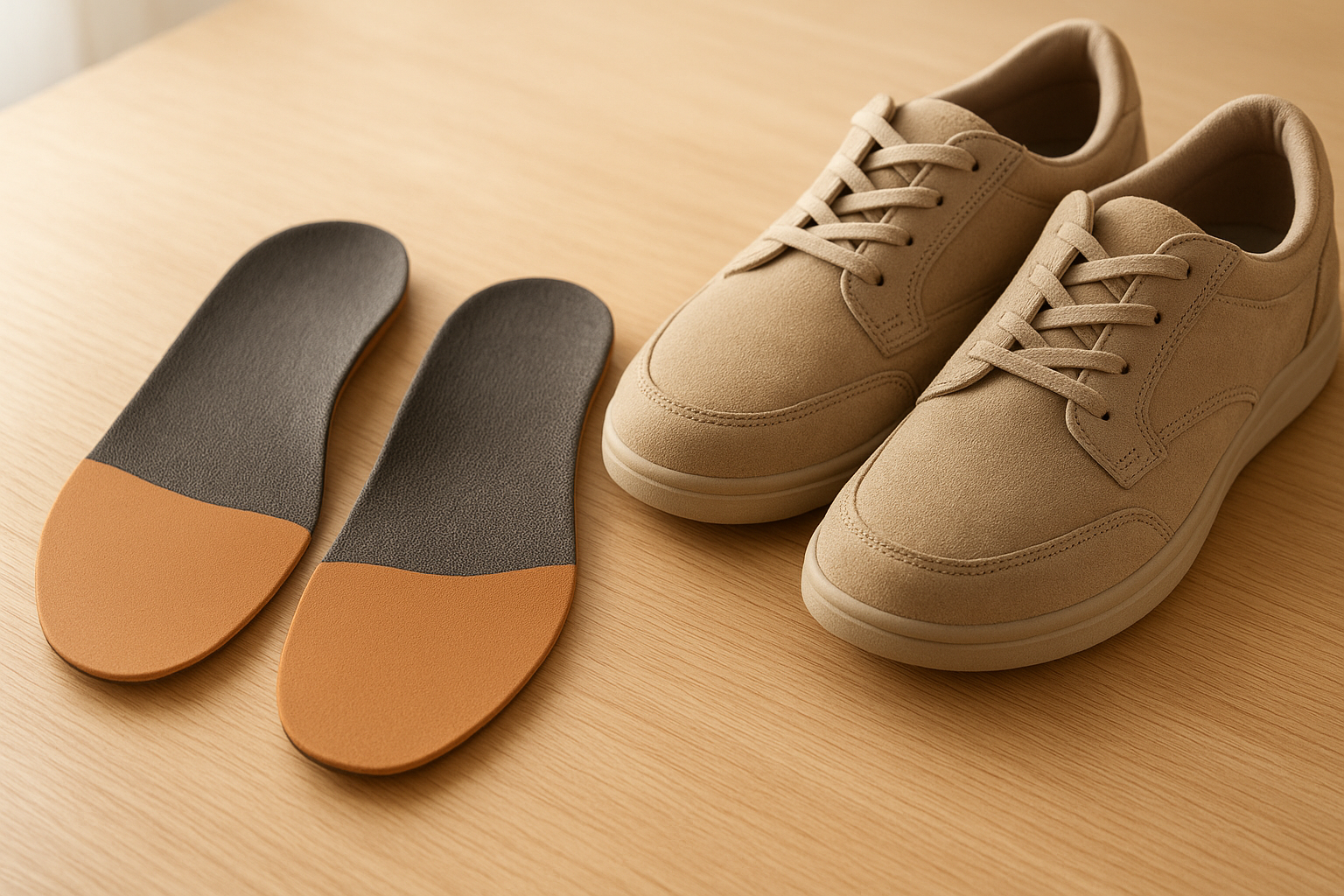
Choosing the best orthotics for everyday use starts with understanding your foot type and daily activity level. For a detailed guide on how to choose the right orthotics.
What Are the Best Orthotics for Everyday Use?
Everyday orthotics fall into two primary categories: custom orthotics and over-the-counter (OTC) insoles. Custom orthotics are fabricated from a precise mold or 3D scan of your foot by a licensed podiatrist or orthotist. OTC insoles, in contrast, are pre-formed in standard arch profiles and available at pharmacies, sporting goods stores, and online retailers.
For mild discomfort or general daily support, a quality OTC insole is often entirely sufficient. However, if you have a diagnosed condition — such as plantar fasciitis, overpronation, Achilles tendinopathy, or a structural foot deformity — custom orthotics prescribed by a podiatrist deliver superior, targeted, and therapeutically precise results that no generic insole can replicate.
Furthermore, a third option has grown significantly in popularity: semi-custom orthotics. These are heat-moldable insoles that conform partially to your foot's shape under gentle heat, offering a middle ground between cost and personalization. Specifically, they work well for people who need more than generic support but cannot yet justify the cost of full customization.
Custom Orthotics vs. Over-the-Counter Insoles: A Side-by-Side Comparison
Custom orthotics are built around your unique foot biomechanics — the way your foot strikes the ground, how your arch loads and unloads, and where pressure concentrates across your sole. As a result, they address the root cause of pain rather than simply adding cushioning on top of dysfunction. They are typically constructed from semi-rigid or rigid shells — such as polypropylene, graphite, or carbon fiber — topped with soft cushioning covers.
OTC insoles work best for people with relatively normal foot structure who need added cushioning, mild arch support, or shock absorption during long days of walking or standing. However, choosing the wrong arch height for your foot type can actually worsen discomfort — a common pitfall that a professional assessment helps you avoid. For a deeper walkthrough, see our Best Orthotics for Running and Long-Distance Walking.
Quick Answer: For everyday wear, semi-rigid custom orthotics or high-quality OTC insoles with proper arch height matching your foot type offer the best balance of support, comfort, correction, and durability. If pain persists after two to four weeks with a quality OTC product, a podiatrist consultation and custom orthotics are the logical next step. For a deeper walkthrough, see our Affordable Insoles for Foot Pain: Best Budget Picks.
Key Features to Look For in the Best Everyday Orthotics
Not all insoles are created equal. Therefore, knowing exactly which features separate a high-performance daily-wear orthotic from a generic cushioned insert is critical before spending any money. The following characteristics define quality in this category.
Material and Construction Quality
Semi-rigid shell materials — specifically polypropylene, carbon fiber, or graphite composites — provide structural control of foot motion without sacrificing wearability. These rigid bases are layered with shock-absorbing materials such as EVA foam (ethylene-vinyl acetate, a lightweight closed-cell foam used in most athletic midsoles), memory foam, or gel pads that absorb impact energy during each step.
Soft foam orthotics, in contrast, offer maximum cushioning but minimal corrective support. They compress and lose their functional thickness faster than semi-rigid designs — typically within three to six months of daily use. Consequently, they are better suited as short-term comfort solutions or for people with sensitive feet who cannot tolerate any rigidity.
Additionally, the top cover material matters more than most buyers realize. Moisture-wicking, antimicrobial fabrics reduce odor and bacterial buildup during long wear periods. Furthermore, perforated covers improve airflow and help regulate temperature inside the shoe — a significant factor for all-day comfort.
Arch Type and Heel Cup Depth
Matching the orthotic's arch profile to your natural arch height is arguably the most important variable in the entire selection process. Flat feet — also called pes planus — require low-to-medium arch support with a deep heel cup to control excessive inward rolling of the foot (overpronation). High arches (pes cavus), in contrast, need flexible and cushioned orthotics that fill the arch gap without aggressively pushing upward, as rigid support on a high arch can cause lateral foot pain.
A deep heel cup is especially valuable for everyday use. It cradles the calcaneus (heel bone) and prevents the fatty heel pad from spreading outward during impact — a mechanism that, when unchecked, dramatically reduces natural shock absorption. Additionally, a well-designed heel cup reduces the shock transmitted upward through the ankle, knee, and hip during extended wear.
Metatarsal Pads and Forefoot Support
Many everyday orthotics overlook the forefoot entirely — and this is a significant gap. A metatarsal pad (met pad) is a raised dome placed just behind the ball of the foot that redistributes pressure away from the metatarsal heads, reducing pain associated with metatarsalgia (ball-of-foot pain), Morton's neuroma, and general forefoot fatigue from prolonged standing.
For people who stand on hard floors all day, forefoot cushioning is as important as heel cushioning. Therefore, prioritize full-length orthotics over three-quarter length designs if forefoot pain or fatigue is part of your experience. For a deeper walkthrough, see our Full Length Orthotics Free Shipping.
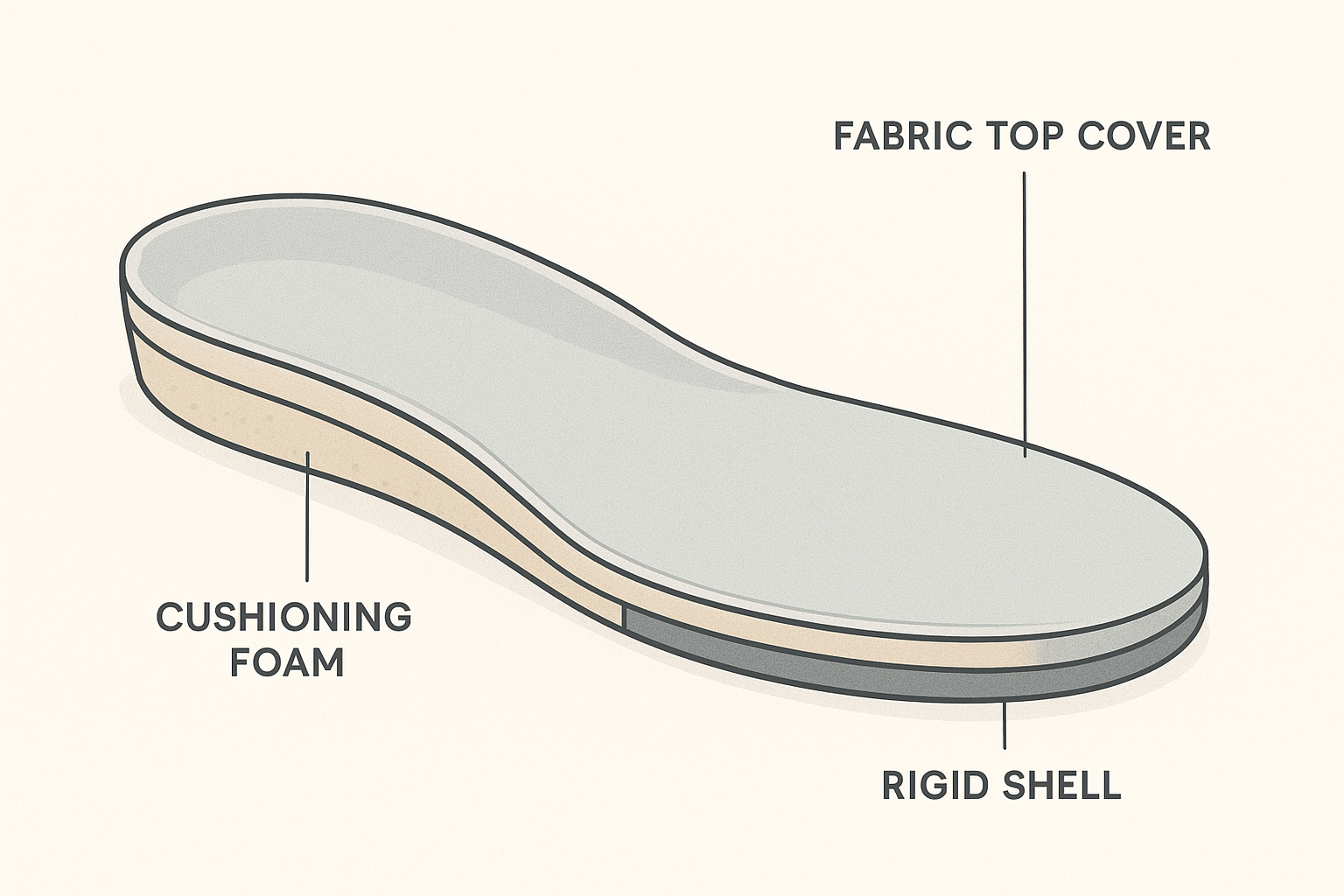
Understanding the layered construction of orthotics helps you evaluate quality before purchasing. To understand orthotics better, learn about 3/4 Length orthotics with Free Shipping.
Best Orthotics for Everyday Use: Condition-Specific Recommendations
Different conditions demand different orthotic approaches. Similarly, what works brilliantly for plantar fasciitis may be entirely wrong for someone with high arches and lateral ankle instability. Below is a condition-by-condition breakdown of what to look for in an everyday orthotic. For a deeper walkthrough, see our What Orthotics Are Best for Plantar Fasciitis Relief?.
Best Everyday Orthotics for Plantar Fasciitis
Plantar fasciitis — inflammation of the thick band of tissue running along the bottom of the foot — is the most common cause of heel pain in adults. For this condition, the ideal everyday orthotic features a firm heel cup, strong medial arch support that offloads the plantar fascia, and a slight heel lift of 4–6mm to reduce tensile strain on the fascia at its calcaneal attachment point.
Furthermore, research consistently supports the use of orthotics as a first-line conservative treatment for plantar fasciitis. In particular, custom orthotics have been shown in clinical trials to provide statistically significant pain reduction at both 3 and 12 months compared to sham insoles. However, high-quality OTC options with proper arch contour can deliver meaningful short-term relief while you arrange a podiatry assessment. For a deeper walkthrough, see our Best Orthotics for Plantar Fasciitis Relief: Custom vs. OTC Options.
Best Everyday Orthotics for Flat Feet
Flat feet collapse the medial longitudinal arch, causing the foot to overpronate — rotating excessively inward with each step. Over time, this biomechanical pattern strains the posterior tibial tendon, overloads the knee, and contributes to lower back pain. As a result, the best everyday orthotics for flat feet combine a rigid or semi-rigid arch support with a deep, flanged heel cup and a broad base that controls subtalar joint motion (the joint responsible for side-to-side movement of the foot).
Specifically, look for orthotics labeled "motion control" or "anti-pronation." These are designed with medial posting — a wedge beneath the inner heel and arch that mechanically limits inward roll. When considering options, explore our selection of 3/4 Length Orthotics with Heel Post Free Shipping.
Best Everyday Orthotics for High Arches
High arches (pes cavus) create the opposite problem: the foot is rigid, doesn't absorb shock efficiently, and tends to supinate (roll outward). Consequently, the best everyday orthotics for high arches prioritize cushioning and flexibility over rigid correction. Look for softer foam or gel-based materials with a contoured arch fill — not a sharply elevated arch — along with deep lateral heel cup support to prevent ankle rolling.
Best Everyday Orthotics for Lower Back and Knee Pain
Gait inefficiencies caused by poor foot mechanics frequently manifest as knee pain (particularly patellofemoral syndrome) and lower back pain. In these cases, orthotics function as a foundation correction — addressing the source of the kinetic chain dysfunction rather than treating the symptom in isolation. Therefore, a semi-rigid everyday orthotic that corrects pronation or supination and improves foot-to-ground contact can meaningfully reduce upstream joint stress with consistent daily use.
Who Benefits Most from Wearing the Best Orthotics Every Day?
Orthotics are not exclusively for people with diagnosed foot conditions. In fact, many individuals wear them proactively to prevent fatigue, maintain proper alignment, and extend their overall joint health throughout decades of daily activity. However, certain groups consistently see the most dramatic improvements.
- Healthcare workers and retail staff — nurses, doctors, teachers, and store employees who stand or walk on hard floors for 8–12 hours daily are among the highest-risk groups for plantar fasciitis, heel spurs, and lower limb fatigue. Daily orthotics reduce cumulative load significantly.
- Runners and endurance athletes — repetitive impact during running amplifies even minor biomechanical inefficiencies. Specifically, overpronators and supinators benefit enormously from corrective orthotics that distribute load more evenly across the foot during each stride. For a deeper walkthrough, see our Best Orthotics for Running: Complete Buyer's Guide.
- People with flat feet or high arches — structural variations away from neutral arch height increase the risk of overuse injuries, joint pain, and fatigue. Furthermore, these individuals often experience pain in areas seemingly unrelated to the foot, such as the knee, hip, and lumbar spine.
- Older adults — as we age, the fat pads under the heel and ball of the foot naturally thin, reducing the foot's intrinsic shock absorption. Orthotics compensate for this loss and can prevent falls by improving proprioception (the body's awareness of foot position).
- People managing diabetes — diabetic individuals are at elevated risk of foot ulcers and pressure injuries. Specialized diabetic orthotics redistribute plantar pressure and protect vulnerable areas, often forming a critical part of diabetes foot care plans.
- Pregnant women — hormonal changes during pregnancy loosen ligaments throughout the body, including in the feet, often causing arch flattening and increased pronation. Supportive everyday orthotics help manage foot discomfort and postural changes during this period.
How to Choose the Right Orthotic for Your Lifestyle — A Step-by-Step Guide
Selecting the right everyday orthotic requires matching the product to your specific foot type, primary activity, footwear habits, and any existing conditions. Follow these steps systematically for the best outcome.
Step 1 — Identify Your Foot Type
Perform a simple wet test at home: wet the bottom of your foot and step firmly onto a piece of brown paper or cardboard. A nearly complete imprint with minimal curve indicates flat feet (low arches). A narrow band connecting the heel and forefoot — or no midfoot contact at all — indicates high arches. A moderate curve with roughly half the arch visible is a neutral foot type. This single test tells you which arch support profile to prioritize.
Additionally, examine your shoe wear pattern. Excessive wear on the inner heel and forefoot suggests overpronation. Wear concentrated on the outer edge suggests supination. Both patterns signal a need for corrective orthotic support. For a deeper walkthrough, see our Metatarsal support.
Step 2 — Match the Orthotic to Your Primary Activity and Footwear
For walking and prolonged standing, choose a full-length insole with a firm heel cup, moderate-to-strong arch support, and adequate forefoot cushioning. For running, prioritize orthotics with additional shock absorption in both the heel and forefoot zones, along with a stabilizing arch profile. For dress shoes or formal footwear, a three-quarter length slim orthotic is typically the most practical option — full-length insoles will not fit in shoes without removable sock liners. For comprehensive support, check out our Full Length with Heel Post Orthotics Free Shipping.
Furthermore, consider whether your shoes have a deep or shallow heel counter (the rigid cup at the back of the shoe). A shoe with a shallow counter paired with a high-volume orthotic will push your foot upward and reduce comfort. Consequently, always check the depth of your shoe before purchasing a high-profile orthotic.
Step 3 — Try an OTC Orthotic First for Mild to Moderate Needs
For general foot fatigue, mild arch discomfort, or preventive support, begin with a reputable OTC orthotic matched to your arch type. Give it a genuine four-week trial with gradual break-in (detailed below) before evaluating effectiveness. In many cases, a well-matched OTC orthotic resolves mild symptoms entirely without professional intervention.
Step 4 — Consult a Podiatrist for Persistent or Severe Pain
If your foot pain persists beyond four to six weeks of consistent OTC orthotic use, or if you have a diagnosed structural condition, schedule a podiatry assessment. A podiatrist will evaluate your gait mechanics via a gait analysis (often using pressure-plate technology), assess your foot structure, and determine whether custom orthotics — fabricated to your precise measurements — are clinically indicated. Custom orthotics, as noted by resources like customorthotics.com, deliver therapeutic precision that no generic product can achieve.
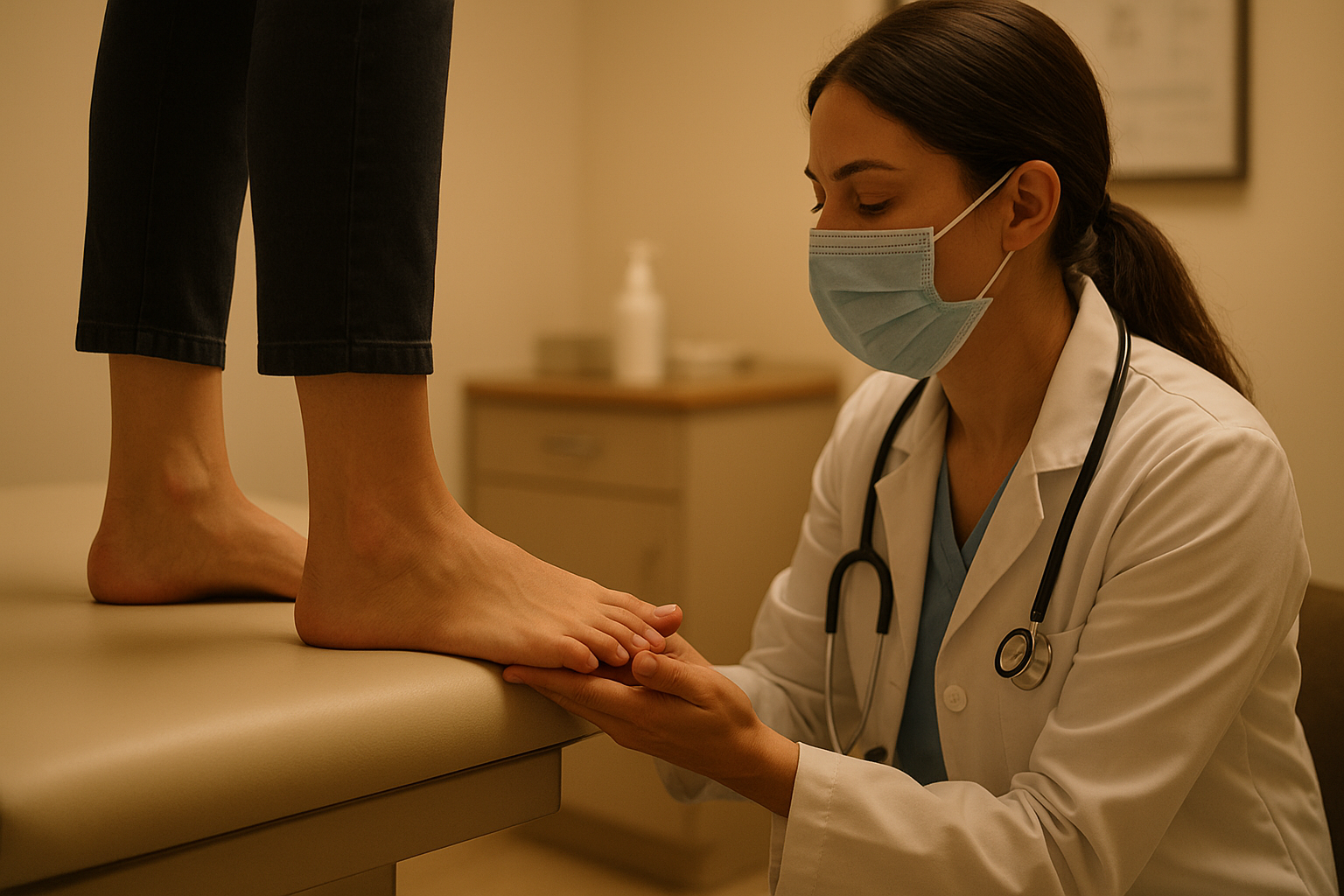
A professional foot evaluation helps determine whether custom or OTC orthotics are the right choice for your daily needs. For a deeper walkthrough, see our custom orthotics agents.
What to Expect From Orthotics: Realistic Outcomes and Timelines
Many buyers are disappointed with orthotics because they expect instantaneous pain relief. In reality, the body needs time to adapt to corrected foot mechanics. Understanding realistic timelines prevents premature abandonment of an orthotic that would eventually work well. For a deeper walkthrough, see our Chronic Foot Pain Solutions: Custom Orthotics That Work.
- Days 1–7: Initial adjustment. You may feel unusual pressure in new areas — particularly at the arch or heel. Some mild soreness is normal as muscles and tendons adapt to the corrected alignment. This is not a sign the orthotic is wrong.
- Weeks 2–4: Progressive adaptation. Most people notice a meaningful reduction in their primary complaint — heel pain, arch fatigue, or knee discomfort — within this window, assuming the orthotic is well-matched to their foot type. For a deeper walkthrough, see our What Are the Best Arch Supports for Metatarsal Foot Pain?.
- Months 1–3: Full benefit. By this point, the supporting musculature has adapted, gait patterns have improved, and most users report that wearing their orthotics feels natural and that going without them is noticeably uncomfortable.
- If pain increases after two weeks: This signals either a wrong arch height, an incompatible orthotic type for your condition, or a need for professional evaluation. Do not continue through significant pain — reassess your choice.
How Long to Wear Orthotics Each Day — And the Break-In Process
Most podiatrists recommend a structured gradual introduction to any new orthotic — custom or OTC. Jumping straight to all-day wear almost always causes unnecessary soreness and can make an otherwise excellent orthotic feel punishing.
Follow this evidence-based break-in schedule:
- Days 1–3: Wear your new orthotics for two hours per day. Choose a relatively low-activity period — for example, while sitting at your desk or during light household tasks.
- Days 4–7: Increase to four hours per day. Include one short walk (15–20 minutes) while wearing them to begin loading the orthotic under real activity conditions.
- Week 2: Extend to six to eight hours per day. At this stage, most people can comfortably wear orthotics through most of their working day.
- Week 3 onward: Full all-day wear is appropriate for most users. Continue to monitor for any localized pressure points or unusual discomfort and adjust accordingly. For a deeper walkthrough, see our What Are the Best Insoles for Standing All Day?.
Additionally, combining orthotic use with targeted foot-strengthening exercises — such as toe curls, single-leg calf raises, towel scrunches, and arch doming — helps preserve intrinsic foot muscle strength. This approach ensures your orthotics function as a supportive corrective tool rather than creating passive dependency on external support.
Common Mistakes When Buying Everyday Orthotics
Many buyers make entirely preventable errors that result in wasted money and continued discomfort. Understanding these pitfalls in advance saves you time, pain, and frustration.
- Choosing based on price alone — inexpensive insoles often lack the structural integrity needed for meaningful daily support. Furthermore, a $15 foam insert will compress flat within weeks of regular use. For a deeper walkthrough, see our Which Insoles Provide Good Arch Support for Daily Use?.
- Ignoring shoe compatibility — an orthotic that does not fit your shoe properly will shift, bunch, or create localized pressure points that cause new pain. Always check the volume and insole depth of your target shoe before purchasing.
- Skipping the break-in period — wearing new orthotics for a full day immediately causes soreness and leads buyers to incorrectly conclude the product is wrong for them. Gradual introduction is non-negotiable.
- Replacing them too infrequently — worn-out orthotics lose their corrective properties silently. Specifically, EVA foam can compress by 40–60% over six months of daily use while still looking visually intact. If your orthotics no longer provide the support you first noticed, they are due for replacement.
- Choosing the wrong arch height — a high arch insole in a flat foot will cause extreme arch discomfort. A flat insole in a high arch provides no benefit. Always match the orthotic arch profile to your wet test result.
- Self-diagnosing complex conditions — any recurring or severe foot pain warrants a professional podiatric evaluation before you invest in any orthotic solution. Orthotics are therapeutic devices, not universal comfort products.
- Ignoring shoe wear patterns — your existing shoe wear tells you a great deal about your gait mechanics. However, most buyers never check it. Examining the outsoles of your current shoes before buying orthotics gives you valuable diagnostic information at no cost.
How Much Do the Best Everyday Orthotics Cost — And Are They Worth It?
Cost is a major factor for most buyers. Therefore, understanding the price landscape across the three tiers of everyday orthotics helps you set realistic expectations and budget accordingly.
- Budget OTC insoles ($10–$30): Primarily foam or gel, minimal arch control, suitable only for mild comfort enhancement. Generally effective for 2–4 months of regular use. For a deeper walkthrough, see our Comfortable Insoles for Everyday Use: Full Guide.
- Premium OTC insoles ($40–$90): Semi-rigid or structured designs from specialist brands, with proper arch profiling and deep heel cups. These can last 6–12 months and provide meaningful biomechanical support for mild-to-moderate conditions.
- Semi-custom orthotics ($100–$250): Heat-moldable designs that partially conform to your foot shape. A strong option for people who need more than generic support but aren't yet candidates for full customization.
- Custom orthotics ($300–$800+): Fabricated by a podiatrist or certified orthotist from a precise foot mold or 3D scan. Typically last 2–5 years with proper care and are partially or fully covered by many health insurance plans when prescribed for a diagnosed condition.
In terms of value, custom orthotics consistently outperform generic alternatives for people with genuine structural issues — not because of marketing, but because they are built to your exact measurements. For people without structural conditions, however, a premium OTC orthotic matched to their arch type delivers excellent results at a fraction of the cost.
Are Custom Orthotics Covered by Insurance?
Custom orthotics prescribed by a licensed podiatrist are often partially or fully covered by health insurance plans — particularly when linked to a documented diagnosis such as plantar fasciitis, posterior tibial tendon dysfunction, diabetic neuropathy, or rheumatoid arthritis. However, coverage varies significantly between providers. Always verify your specific plan's coverage for "custom foot orthotics" or "orthopedic shoe inserts" before committing to the cost.
Additionally, Health Savings Accounts (HSAs) and Flexible Spending Accounts (FSAs) can typically be used to purchase both custom and OTC orthotics, making them more accessible across most income levels. For a deeper walkthrough, see our Custom Orthotics vs. Prefabs.
How to Care for Your Orthotics to Maximize Their Lifespan
Proper maintenance significantly extends the useful life of your everyday orthotics and ensures they continue to provide the support and correction you depend on. Follow these care guidelines regardless of whether you use custom or OTC designs.
- Remove them from your shoes when not in use. Leaving orthotics compressed inside shoes between wears accelerates foam breakdown and can distort the shape of semi-rigid shells over time.
- Clean regularly with a damp cloth and mild soap. Avoid submerging them in water, placing them in a washing machine, or exposing them to dryer heat — all of which damage both foam and rigid components.
- Allow them to air dry completely before reinserting — particularly after exercise. Trapped moisture encourages bacterial growth and degrades cushioning materials faster.
- Replace top covers when worn or compressed. For custom orthotics, many podiatrists offer replacement top cover services — extending the life of the rigid shell without requiring a full remake. Hearing from satisfied users can also help you make a decision about client feedback on orthotics.
- Schedule annual reviews for custom orthotics. Your foot shape, body weight, and gait mechanics change over time. An annual check with your podiatrist ensures your orthotics remain optimally calibrated to your current biomechanics. For those exploring orthotic options, an Custom Orthotics Blog.
Orthotics for Children: What Parents Need to Know
Children's foot development is an area where professional guidance is especially important before introducing orthotics. Many children have flat-looking feet up to age 6 simply because the foot's fatty padding has not yet redistributed — not because a structural problem exists. Therefore, a pediatric podiatrist should always assess a child's foot before prescribing any orthotic device.
That said, children with diagnosed gait abnormalities — such as in-toeing (pigeon toes), out-toeing, or true flexible flat foot causing pain or coordination difficulties — can benefit significantly from properly fitted pediatric orthotics. In contrast to adult orthotics, children's designs must account for rapid growth, meaning frequent reassessment (typically every 6–12 months) is necessary.
Key Takeaways
The best orthotics for everyday use combine the right material, arch profile, heel cup depth, and forefoot support for your specific foot type, condition, and lifestyle. Custom orthotics deliver superior therapeutic precision for diagnosed conditions, while premium OTC insoles solve mild-to-moderate everyday support needs at accessible price points. In either case, consistent use with proper footwear, a disciplined break-in period, and regular maintenance are what separate lasting results from wasted money. For a deeper walkthrough, see our What Are the Best Insoles to Use for Long Hikes?.
Frequently Asked Questions About the Best Orthotics for Everyday Use
What are the best orthotics for everyday use?
The best orthotics for everyday use depend on your foot type, arch height, activity level, and any existing conditions. Custom orthotics prescribed by a podiatrist provide the most precise therapeutic fit. However, premium OTC insoles matched to your arch profile work excellently for mild to moderate support needs at a significantly lower cost. For a deeper walkthrough, see our Best Orthotics for Heel Spurs: Custom Solutions That Actually Work.
What is the difference between custom and over-the-counter orthotics?
Custom orthotics are made from a mold or 3D scan of your foot and are tailored to your exact biomechanics, providing targeted therapeutic correction. Over-the-counter orthotics are pre-made in standard shapes and sizes — more affordable, but less precise in their corrective effect.
How long do everyday orthotics typically last?
Custom orthotics generally last two to five years depending on activity level, materials, and body weight. Budget OTC foam insoles typically last two to four months of regular daily use. Premium OTC insoles with semi-rigid shells can last six to twelve months before the cushioning compresses noticeably.
Can orthotics help with plantar fasciitis?
Yes. Orthotics are one of the most consistently recommended first-line treatments for plantar fasciitis. They redistribute pressure away from the inflamed plantar fascia, provide medial arch support that reduces strain on the fascial attachment at the heel, and a slight heel lift further reduces tensile load on the tissue.
Are orthotics covered by insurance?
Custom orthotics prescribed by a licensed podiatrist are often partially or fully covered by health insurance when linked to a documented diagnosis. OTC insoles are generally not covered. Additionally, HSA and FSA funds can typically be used for both custom and OTC orthotics. For a deeper walkthrough, see our Comfortable Walking Insoles: Custom Orthotics Guide.
How do I know if I need orthotics?
Common signs include chronic heel or arch pain, flat feet or high arches, knee or lower back pain linked to gait issues, frequent foot fatigue after standing or walking, and uneven shoe wear. A podiatrist can perform a formal gait analysis and foot structure assessment to confirm whether orthotics are appropriate.
Can I wear orthotics in any shoe?
Most orthotics are designed for athletic shoes, walking shoes, and casual footwear with removable insoles. Slim three-quarter length orthotics are made specifically for dress shoes. Very narrow, pointed-toe, or low-volume shoes may not accommodate standard orthotics without causing discomfort from crowding.
How long does it take to get used to wearing orthotics?
Most people need two to three weeks to fully adapt to new orthotics. Start at two hours per day and increase by one to two hours every two to three days. Full all-day wear is typically comfortable by the end of week three for most users.
What materials are best for daily-wear orthotics?
Semi-rigid shells made from polypropylene, carbon fiber, or graphite topped with moisture-wicking cushioned covers offer the best balance of support, correction, and all-day comfort. Soft foam provides cushioning but minimal structural correction and compresses faster, making it better suited for short-term use.
Should children wear orthotics?
Children with diagnosed gait abnormalities, in-toeing, or painful flat feet may benefit from pediatric orthotics under the guidance of a pediatric podiatrist. Many children's foot conditions resolve naturally with age. Therefore, professional assessment before any orthotic prescription is essential to avoid unnecessary intervention.
What is the biggest mistake people make when choosing orthotics?
The most common mistake is choosing orthotics based on price alone without considering foot type or the specific condition being addressed. Generic insoles that do not match your arch height can worsen pain rather than relieve it — making the foot-type assessment step non-negotiable.
Do orthotics weaken foot muscles over time?
When used appropriately alongside foot-strengthening exercises, orthotics do not cause muscle weakness. However, relying on orthotics as the sole intervention without any active foot strengthening may reduce intrinsic muscle engagement over time. Consequently, exercises like arch doming, toe curls, and single-leg calf raises are strongly recommended alongside daily orthotic use.
What is the difference between an orthotic and an insole?
The terms are often used interchangeably, but they carry a technical distinction. An insole is any insert placed inside a shoe — primarily for comfort or cushioning. An orthotic, specifically, is designed to correct biomechanical dysfunction, redistribute pressure, or provide therapeutic support for a diagnosed condition. In practice, the best everyday insoles function as orthotics when they include proper arch profiling and structural support.
Can orthotics help with knee pain?
Yes, in many cases. When knee pain originates from a gait dysfunction — such as overpronation causing inward knee tracking — corrective everyday orthotics can reduce the mechanical stress that reaches the knee joint. However, knee pain has many causes, and a physiotherapist or podiatrist should evaluate whether orthotics are an appropriate component of your specific treatment plan.
Conclusion: Finding the Best Orthotics for Everyday Use
Finding the best orthotics for everyday use is not about choosing the most expensive product or the one with the most marketing behind it. Above all, it is about matching the right arch profile, material, and functional design to your specific foot type, daily activity, and any conditions you are managing. For mild support needs, a well-chosen premium OTC insole delivers genuine value. For structural conditions, biomechanical dysfunction, or persistent pain, custom orthotics provide the precision and therapeutic longevity that generic products simply cannot match.
Start with a simple wet test to understand your arch type. Match your choice to your primary shoe and activity. Follow the break-in schedule carefully. And if doubt remains or pain persists, consult a podiatrist — the investment in a professional evaluation is almost always worth far more than the cost of repeatedly buying the wrong product. With the right everyday orthotic in place, you will notice the difference not just in your feet, but throughout your entire lower body, posture, and daily energy levels.