

Custom orthotics for sports are individually crafted shoe inserts designed to correct foot alignment, absorb impact, and support an athlete's unique biomechanics during physical activity. Unlike generic store-bought insoles, these devices are made from a precise mold or 3D scan of your foot — meaning every curve, arch, and pressure point is accounted for. For athletes dealing with recurring pain or inefficiency in their movement, this level of precision can make a significant difference.
Whether you run marathons, play competitive soccer, or hit the gym five days a week, your feet take an enormous amount of stress. In fact, research published in sports medicine literature suggests that foot and ankle injuries account for up to 25% of all sports-related injuries. Addressing the root cause — often poor foot mechanics — is where custom sports orthotics prove their value.
What Are Custom Orthotics for Sports?
Custom orthotics for sports are prescription medical devices, not off-the-shelf products. A qualified podiatrist or sports medicine specialist designs them specifically for your foot structure and the demands of your chosen sport. They sit inside your athletic shoe, replacing the standard insole, and work by redistributing ground reaction forces, correcting alignment, and reducing abnormal stress on joints and soft tissue.
There are two main categories. Functional orthotics focus on controlling abnormal motion — such as overpronation (rolling inward) or supination (rolling outward). Accommodative orthotics prioritize cushioning and pressure relief for conditions like plantar fasciitis or stress fractures. Most sports-specific devices blend both approaches.
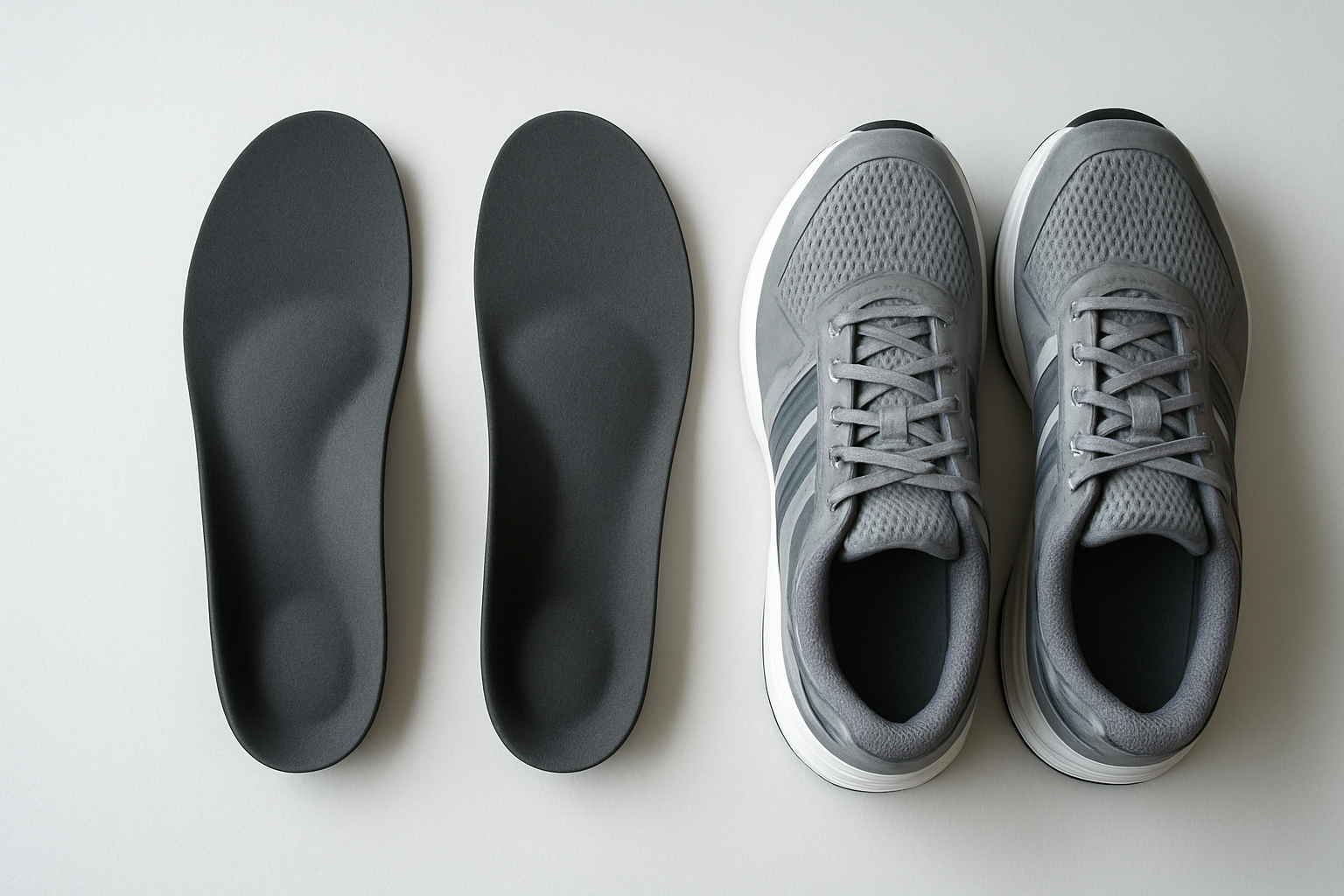
Custom orthotics for sports are shaped to your individual foot, offering far more precision than generic insoles.
How Sports Orthotics Differ From Everyday Insoles
Standard over-the-counter insoles provide basic cushioning. However, they cannot address individual biomechanical problems because they are made for an average foot shape. Sports orthotics, by contrast, are fabricated from materials chosen specifically for athletic performance — such as carbon fiber for rigidity, EVA foam for shock absorption, or polypropylene for a balance of both.
Furthermore, sports orthotics are engineered to handle repetitive, high-impact forces. A runner's foot strikes the ground roughly 1,500 times per mile. Each strike transmits force up through the ankle, knee, hip, and spine. Therefore, even a small misalignment in foot mechanics can compound over thousands of repetitions into pain and injury.
Sport-Specific Orthotic Designs
Not all sports place the same demands on your feet. As a result, orthotists often tailor designs to the specific activity:
- Running: Thin, semi-rigid devices that fit into low-profile shoes and control pronation throughout the gait cycle.
- Court sports (tennis, basketball): Wider, more cushioned designs that handle lateral cutting and jumping loads.
- Cycling: Stiff carbon fiber plates that maximize power transfer through the pedal stroke.
- Football and soccer: Slim, durable inserts compatible with cleated footwear.
Key Benefits of Athletic Foot Support Devices
The benefits of well-fitted sports orthotics extend well beyond simple pain relief. Specifically, they can transform how efficiently and safely an athlete moves.
Injury prevention is perhaps the most compelling benefit. A landmark study found that custom orthotics reduced stress fracture incidence by up to 28% in military recruits undergoing intensive physical training. Similarly, runners with overpronation who wore corrective orthotics reported significantly fewer knee and hip overuse injuries over a training season.
Performance enhancement is another major advantage. By improving the alignment of the foot and lower limb, orthotics allow muscles to fire more efficiently. Consequently, less energy is wasted compensating for poor mechanics, and more goes directly into propulsion and speed.
Additionally, custom insoles help manage chronic conditions that would otherwise limit training. Plantar fasciitis — inflammation of the thick band of tissue along the bottom of the foot — is one of the most common complaints among athletes. Properly designed orthotics offload the fascia, allowing athletes to stay active during recovery.
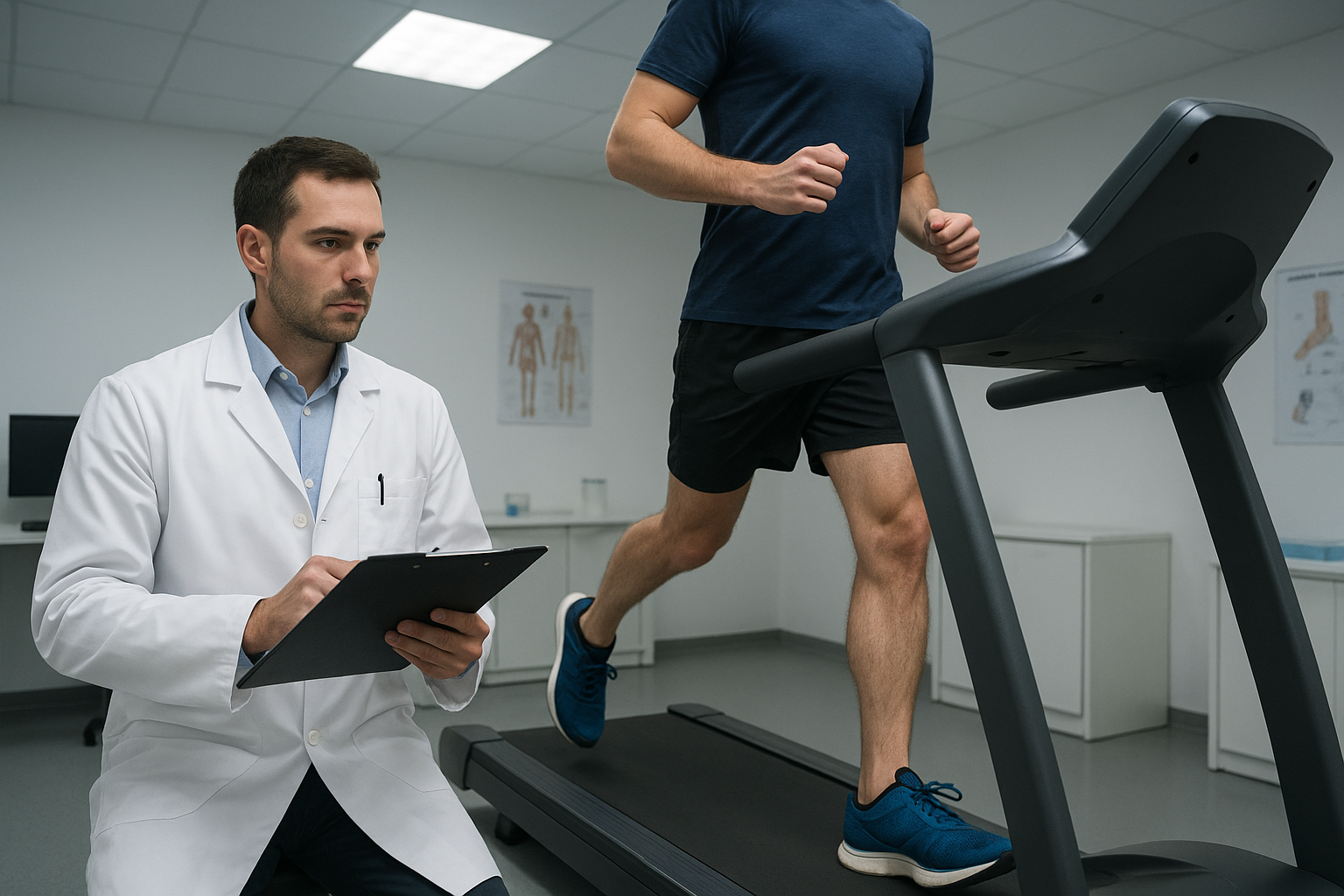
A thorough gait analysis is a key step in designing effective custom sports orthotics tailored to your movement patterns.
How to Get Custom Orthotics for Sports: Step-by-Step
Getting fitted for sports orthotics is a straightforward process when you know what to expect. Here is a clear step-by-step guide to help you through it:
- Schedule a biomechanical assessment. Book an appointment with a podiatrist or sports medicine specialist. They will evaluate your posture, gait, and foot structure to identify any mechanical issues contributing to pain or injury risk.
- Undergo a foot scan or casting. Your practitioner will take a 3D digital scan or plaster cast of both feet in a neutral position. This captures the exact contours needed to fabricate a precise device.
- Select the right materials for your sport. Work with your orthotist to choose materials suited to your activity — rigid carbon fiber for running efficiency, semi-flexible EVA for court sports, or cushioned foam for cycling.
- Collect and test your orthotics. Pick up your finished devices, insert them into your athletic shoes, and begin the break-in period by wearing them for short sessions before progressing to full training loads.
- Schedule a follow-up adjustment. Return to your practitioner after two to four weeks so they can assess fit and comfort, making any necessary modifications to optimize your results.
For more detailed guidance on finding the right provider and understanding your options, customorthotics.com is a helpful resource with information on the fitting process and available orthotic types.
What to Expect During the Break-In Period
Most athletes notice some initial discomfort when they first wear their new orthotics. This is completely normal. Your muscles, tendons, and joints are adapting to a new alignment pattern. Therefore, start by wearing them for one to two hours per day and gradually increase wear time over one to two weeks.
If discomfort persists beyond the first two weeks, however, contact your orthotist. Minor adjustments to the posting (the wedge material that controls alignment) or top cover can resolve most issues quickly.
Who Should Consider Custom Sports Insoles?
Custom sports insoles are not exclusively for elite athletes. In fact, recreational athletes often benefit even more because they may lack the conditioning and technique that protects professionals from injury. You may be a good candidate if you experience any of the following:
- Heel pain or arch pain that worsens after exercise
- Recurring shin splints or stress fractures
- Knee, hip, or lower back pain linked to physical activity
- Flat feet or unusually high arches
- Diagnosed overpronation or supination
- Achilles tendon pain or IT band syndrome
According to the Wikipedia overview of orthotics, these devices are used across a broad spectrum of patients — from children with developmental gait issues to professional athletes managing chronic overuse conditions. The underlying principle remains the same: correct the mechanics, reduce the load on vulnerable structures.
You may also want to explore how to choose the right athletic footwear to complement your orthotics for maximum benefit.
Cost, Durability, and Insurance Coverage
Custom sports orthotics typically cost between $300 and $800 per pair, depending on the materials used, the complexity of your condition, and the practitioner's fees. While this may seem significant compared to over-the-counter options, the durability and precision justify the investment for serious athletes.
Most well-made sports orthotics last two to five years with regular use. High-impact athletes — particularly long-distance runners — may find they need replacements closer to the two-year mark. Inspecting your orthotics every six months for signs of wear is a good habit.
Regarding insurance, many health plans cover custom orthotics when prescribed by a licensed physician or podiatrist. Furthermore, flexible spending accounts (FSAs) and health savings accounts (HSAs) can often be used to offset the cost. It is worth checking your plan details before assuming you will pay out of pocket.
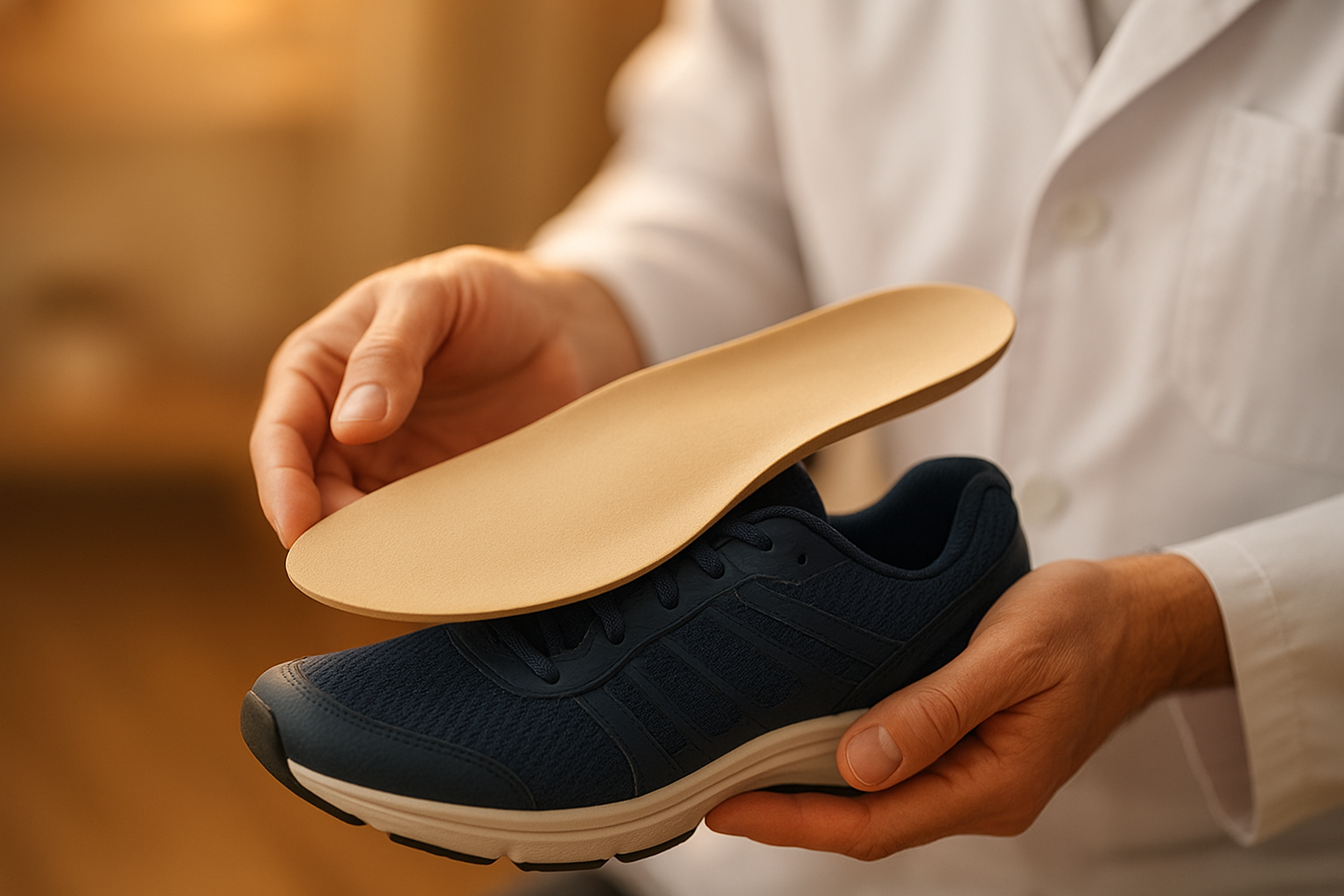
A podiatrist ensures the orthotic fits correctly inside the athletic shoe for optimal support and comfort.
Common Mistakes to Avoid With Sports Orthotics
Even the best orthotics will underperform if used incorrectly. Here are the most common mistakes athletes make — and how to avoid them:
- Skipping the break-in period. Jumping straight into full training can cause soreness and muscle fatigue. Always increase wear time gradually.
- Using incompatible footwear. Orthotics work best in shoes with removable insoles. Shoes that are too narrow or have fixed insoles will compromise the fit.
- Neglecting follow-up appointments. Your feet and training load can change over time. Regular reviews ensure your orthotics remain effective.
- Expecting instant results. Biomechanical corrections take time. Most athletes notice meaningful improvement within four to six weeks of consistent use.
Additionally, you can find further guidance on orthotic care and maintenance at customorthotics.com, which covers best practices for keeping your devices in peak condition.
Frequently Asked Questions About Custom Orthotics for Sports
What are custom orthotics for sports?
Custom orthotics for sports are individually crafted shoe inserts designed to support, align, and cushion an athlete's feet during physical activity. Unlike generic insoles, they are made from a precise mold of your foot to address your unique biomechanics.
How are sports orthotics different from regular orthotics?
Sports orthotics are made from more durable, lightweight materials designed to handle repetitive impact, lateral movement, and high loads. Regular orthotics may prioritize cushioning for daily walking rather than athletic performance demands.
Who needs custom orthotics for sports?
Athletes who experience foot pain, recurring injuries, or biomechanical issues like overpronation or supination are strong candidates. Runners, soccer players, basketball players, and cyclists commonly benefit from custom sports orthotics.
Can custom orthotics improve athletic performance?
Yes. By optimizing foot alignment and energy transfer, custom orthotics can improve running efficiency, reduce fatigue, and allow athletes to train harder. Research has found orthotics significantly reduced injury rates in subjects undergoing high-intensity training.
How long does it take to get custom sports orthotics?
The process typically takes one to three weeks from initial assessment to delivery. Some clinics offer faster turnaround using digital scanning technology.
How much do custom orthotics for sports cost?
Custom sports orthotics generally cost between $300 and $800 depending on materials, the practitioner, and your location. Many insurance plans partially or fully cover them when prescribed by a doctor.
How long do sports orthotics last?
Most custom sports orthotics last two to five years with regular use. High-impact athletes may need replacements sooner due to material wear.
What conditions do sports orthotics treat?
Sports orthotics commonly treat plantar fasciitis, shin splints, Achilles tendinopathy, stress fractures, knee pain, and IT band syndrome. They can also help manage flat feet and high arches in active individuals.
Do custom orthotics fit in all athletic shoes?
Most custom sports orthotics are designed to fit into a wide range of athletic footwear. However, your orthotist will typically recommend shoes with removable insoles for the best fit and performance.
Is there a break-in period for sports orthotics?
Yes. Most practitioners recommend wearing new orthotics for one to two hours per day at first, gradually increasing wear time over one to two weeks. This allows your muscles and joints to adapt to the new alignment.
Are over-the-counter insoles as effective as custom orthotics for sports?
Over-the-counter insoles provide general cushioning but cannot replicate the precise biomechanical correction of custom orthotics. For athletes with specific structural or gait issues, custom options deliver significantly better results.
What is the fitting process for custom sports orthotics?
The process involves a gait analysis, a physical examination of your feet and lower limbs, and a 3D scan or plaster cast of your feet. The data is then used to fabricate orthotics tailored to your sport and biomechanics.
Conclusion
Custom orthotics for sports represent one of the most evidence-backed tools available to athletes who want to train harder, recover faster, and stay injury-free. By addressing the root cause of biomechanical imbalances rather than simply masking symptoms, they deliver lasting benefits that generic insoles simply cannot match. Whether you are managing an existing condition like plantar fasciitis or proactively protecting your joints for long-term athletic longevity, investing in a proper orthotic assessment is a decision that pays off well beyond the playing field. Talk to a qualified podiatrist or sports medicine specialist today — your feet carry everything you do.