

Orthotics for home use give you a practical, podiatrist-backed way to relieve foot pain, correct poor alignment, and move through your day in more comfort — all without booking repeat clinic visits. Instead of settling for a generic drugstore insole, a growing number of people now choose devices molded to their own feet, then wear that personalized support inside their everyday shoes at home, at work, or on a weekend hike. Because each pair starts from an individual foot impression, home-use orthotics tend to target the actual source of discomfort rather than simply cushioning the surface.
This guide covers everything the term orthotics for home use actually means, how these devices differ from off-the-shelf inserts, what they cost, how the fitting process works step by step, and which foot conditions respond best to custom support. In addition, you will find a detailed materials comparison, insurance guidance, and an expanded FAQ — information many buying guides skip entirely. By the end, you should know exactly whether custom home orthotics are worth ordering for your own feet.
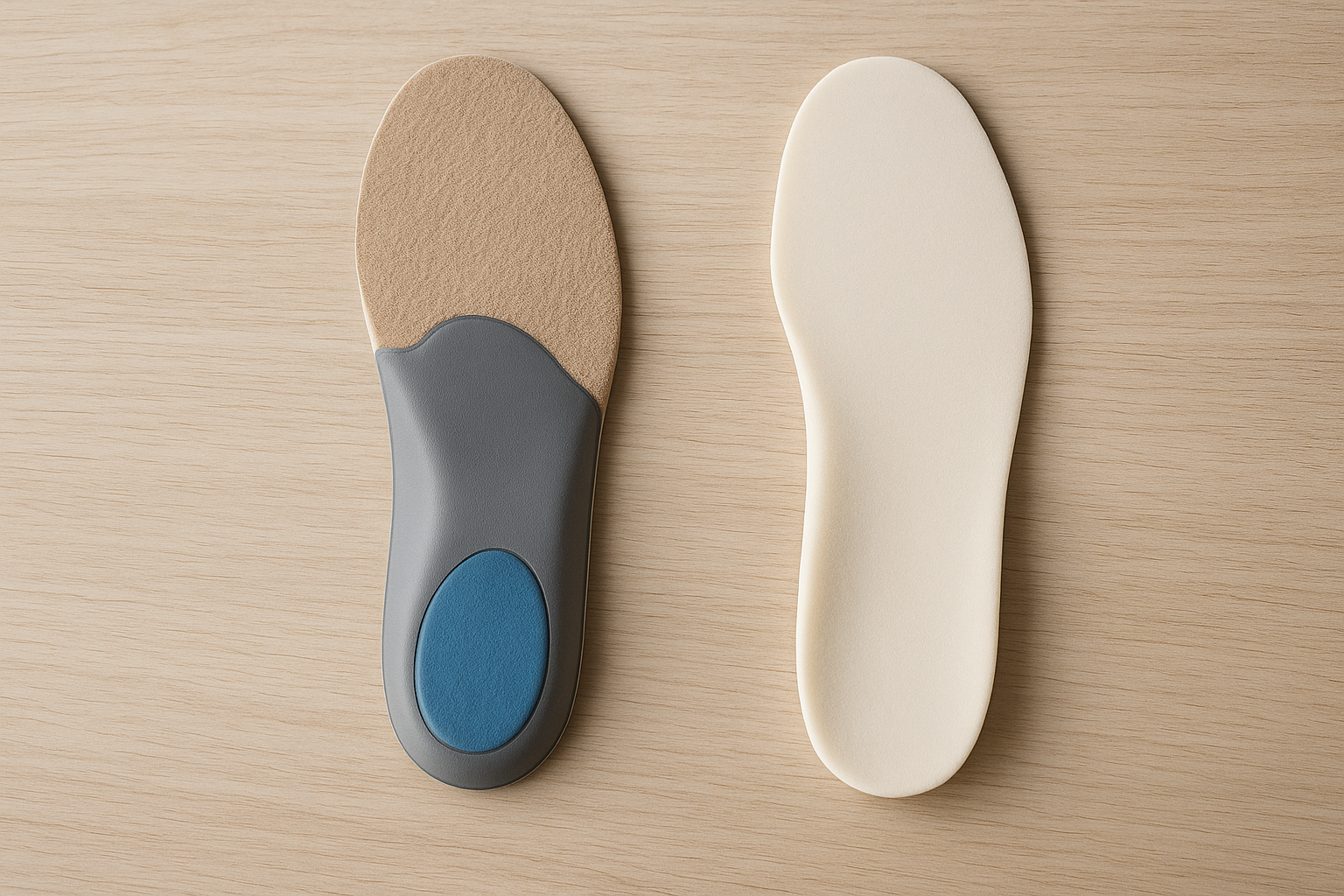
Custom orthotics for home use are molded to the individual foot, unlike generic foam insoles.
What Are Orthotics for Home Use?
Orthotics for home use are custom-molded foot support devices built to be worn inside everyday shoes — at home, at the office, or on a normal errand run — rather than only under direct clinical supervision. Fabricators typically start with a physical or digital impression of your foot, then finish the device with materials chosen to match your arch height, activity level, and any diagnosed condition.
Unlike a generic insole picked up from a pharmacy shelf, a home-use orthotic insert is engineered around your unique pressure points. For example, someone with a collapsed arch — commonly called flat feet — may need a firmer medial post, a raised support strip along the inner edge of the device that stops the foot from rolling inward. Meanwhile, someone with a rigid high arch may instead need extra cushioning under the heel. As a result, the fitting process matters just as much as the material itself, which is exactly why the next few sections walk through both in detail.
How Orthotics for Home Use Work: The Biomechanics Explained
To understand why orthotics for home use are effective, it helps to look at what your foot does during a normal gait cycle — the repeating sequence of motion your foot goes through with every step, from heel strike to toe-off. During that cycle, your arch flattens slightly to absorb shock, then reforms to help push you forward. In feet with structural imbalances, that flattening motion can become excessive, a pattern known as overpronation, or it can be insufficient, a pattern known as supination.
Custom orthotics counter these patterns by redistributing pressure across a wider portion of the foot instead of letting it concentrate at one or two points. Specifically, a well-fitted device supports the arch through its full range of motion, controls excess rearfoot movement with a contoured heel cup, and cushions high-pressure zones such as the ball of the foot. Consequently, joints further up the kinetic chain — the ankles, knees, and sometimes even the lower back — often experience noticeably less compensatory strain.
Why Custom Home Orthotics Matter
Custom home orthotics matter because foot pain rarely comes from a single cause. Structural imbalances, worn cartilage, or years of unsupportive footwear can all contribute to discomfort that generic insoles cannot fully correct. Therefore, a device built from your own foot mold is far more likely to relieve pressure exactly where it accumulates. In fact, poorly distributed pressure is one of the leading contributors to chronic plantar fasciitis, a condition marked by inflammation of the thick band of tissue running along the bottom of the foot.
According to information published on Wikipedia's overview of orthotics, these devices are widely used in clinical and rehabilitative settings to correct biomechanical inefficiencies. In particular, custom devices are often recommended for patients with diagnosed structural conditions rather than temporary soreness. Above all, working with a podiatrist-owned practice, such as customorthotics.com, ensures the fabrication process is guided by clinical expertise rather than guesswork.

A podiatrist reviews a foot mold before fabricating a custom orthotic device.
Types of Home-Use Orthotic Inserts
Not every foot problem calls for the same device. In fact, home-use orthotic inserts generally fall into a few broad categories, each suited to different needs.
- Rigid orthotics: Built from firm materials to control abnormal motion in the rearfoot and midfoot, often recommended for severe overpronation.
- Semi-rigid orthotics: Blend a supportive shell with cushioned layers, making them a versatile middle ground for mild to moderate alignment issues and general everyday wear.
- Soft orthotics: Made from cushioned materials that absorb shock, which is helpful for arthritis or diabetic foot care.
- Full-length devices with a heel post: Offer support along the entire foot and stabilize the heel, such as the full-length with heel post orthotic, a popular option for everyday wear.
- Sport-specific inserts: Designed with extra shock absorption for running or high-impact activity, similar to devices covered in this guide on orthotics for active lifestyles, including versions built for hiking and long days outdoors, as detailed in this outdoor activities and custom support guide.
- Diabetic-specific inserts: Extra-soft, seamless designs that reduce shear force and pressure points for patients managing diabetic neuropathy.
Materials & Construction: What Home-Use Orthotics Are Made From
The material a device is built from directly affects how it feels underfoot and how long it lasts. Below is a quick comparison of the most common options used in orthotics for home use.
How to Get Custom Orthotics for Home Use
Getting fitted for custom orthotics for home use follows a fairly predictable process. Below is the typical sequence patients go through, whether they visit a clinic in person or order remotely online.
- Schedule a consultation. Speak directly with a podiatrist, often by phone at no cost, to discuss your pain patterns, activity level, and any existing diagnoses before any fabrication begins.
- Capture your foot mold. Complete an in-office or mailed impression kit that records the exact shape and pressure distribution of each foot, which becomes the blueprint for your device.
- Select your orthotic design. Decide on a device style, material firmness, and shoe compatibility with guidance from the podiatrist based on your specific biomechanical needs.
- Break in and monitor fit. Wear the finished device gradually over the first two weeks, starting with a few hours daily, and report any pressure points so adjustments can be made quickly.
For a closer look at pricing tiers and quality tradeoffs, this resource on affordable custom orthotics without sacrificing fit breaks down what to expect at each budget level. Likewise, if you would rather handle everything remotely, this guide to ordering orthotic insoles online walks through exactly what a remote fitting looks like from start to finish.
Orthotics for Home Use vs. Off-the-Shelf Insoles
Off-the-shelf insoles are mass-produced in a handful of standard sizes and arch shapes. In contrast, orthotics for home use are molded to your individual foot, which typically means better pressure distribution and longer-lasting relief. However, off-the-shelf options remain useful for mild, temporary discomfort or as a short-term solution while waiting for a custom device.
A published estimate from the National Library of Medicine's MedlinePlus resource on foot injuries and disorders notes that foot pain affects a substantial share of adults at some point, underscoring why proper support matters. Similarly, the American Podiatric Medical Association recommends professional evaluation before choosing long-term orthotic support, especially for chronic conditions. If you are simply comparing everyday options, the guide on best orthotics for everyday use is a helpful next read.
Cost, Insurance, and HSA/FSA Coverage for Home Orthotics
Custom orthotics for home use generally range from $150 to $500 per pair, depending on materials, design complexity, and whether a consultation is bundled into the price. In comparison, prefabricated insoles cost less upfront but often need replacing far more frequently, which can close the price gap over a year or two.
Insurance sometimes covers custom orthotics when a podiatrist documents medical necessity, though coverage varies widely by plan. Additionally, most Health Savings Accounts and Flexible Spending Accounts accept orthotics as an eligible expense, particularly with a letter of medical necessity on file. If cost is your main concern, this guide on discount custom orthotics that still deliver quality relief shows how to find real savings without cutting corners on fit.
Caring for Your Home Orthotic Devices
Proper maintenance extends the life of home orthotic devices considerably. Wipe them down with a damp cloth and mild soap after heavy use, then let them air dry away from direct sunlight or heaters, since high heat can warp the shell material.
In addition, rotate your orthotics between two pairs of shoes when possible, and inspect the surface every few months for cracking or flattening. If you notice reduced support or new discomfort, it may be time to reorder rather than continue wearing a worn device.
Common Mistakes to Avoid With At-Home Orthotic Support
Many patients wear new at-home orthotic support for a full day immediately, which can cause soreness rather than relief. Instead, ease into wearing them gradually over one to two weeks. Furthermore, pairing custom orthotics with unsupportive shoes, such as thin sandals, can undermine their effectiveness entirely.
Another frequent error is ignoring persistent pain instead of contacting the fabricating provider for an adjustment. If you are ordering online, resources such as this guide on finding quality orthotics online at a lower cost can help you avoid low-quality vendors that skip proper fitting steps.

Consistent daily wear helps orthotics for home use deliver lasting comfort.
Who Should Consider Orthotics for Home Use? A Symptom Checklist
Not everyone needs a custom device right away. That said, several conditions and symptoms consistently respond well to orthotics for home use, including the following:
- Plantar fasciitis or recurring heel pain, especially first thing in the morning
- Flat feet or noticeably high, rigid arches
- Overpronation or supination confirmed by uneven shoe sole wear
- Diabetic neuropathy requiring pressure-relieving, seamless support
- Arthritis, bunions, or heel spurs that make standing uncomfortable
- Shin splints or lower back pain that seems to trace back to how you walk
If two or more of these apply to you, a podiatrist consultation is a reasonable next step before committing to any device.
Choosing the Right Provider for Orthotics for Home Use
Not all providers fabricate orthotics the same way, so it pays to compare a few key details before ordering. Specifically, look for a practice that is podiatrist-owned rather than a purely retail operation, since clinical oversight tends to produce a more accurate mold and a better-fitting final device.
Furthermore, check whether the provider offers a complimentary phone consultation, a documented adjustment or refit policy, and a realistic turnaround estimate before you submit payment. In contrast, providers that skip a consultation entirely or rush the mold-capture step often produce devices that require costly rework later.
Frequently Asked Questions
How do I know if I need orthotics for home use?
You may benefit from orthotics for home use if you experience recurring heel pain, arch discomfort, or uneven shoe wear. A podiatrist consultation can confirm whether custom support suits your specific foot structure.
What is the difference between custom and over-the-counter home orthotics?
Custom home orthotics are molded from an impression of your exact foot shape, while over-the-counter versions use generic sizing. As a result, custom devices typically offer more precise pressure distribution and longer-lasting relief.
How long does it take to get custom orthotics for home use after ordering?
Most custom orthotic orders take two to four weeks from mold submission to delivery. Turnaround time can vary depending on the lab's workload and the complexity of the device.
How much do orthotics for home use typically cost?
Custom orthotics for home use generally range from $150 to $500 per pair, depending on materials and design. In comparison, prefabricated insoles cost less upfront but often need replacing more frequently.
Can orthotics for home use help with plantar fasciitis?
Yes, orthotics for home use can reduce strain on the plantar fascia by supporting the arch and redistributing pressure. Many patients report noticeable pain reduction within a few weeks of consistent use.
What common mistakes should I avoid when using orthotics for home use?
A common mistake is wearing new orthotics for a full day right away instead of breaking them in gradually. Skipping proper shoe pairing or ignoring persistent discomfort are also frequent errors.
How do I care for and clean my home orthotic devices?
Wipe home orthotic devices with a damp cloth and mild soap, then air dry away from direct heat. Avoid soaking them or placing them in a washing machine, since moisture and heat can warp the shell.
Do I need a prescription to order orthotics for home use?
A prescription is not always required, but a podiatrist evaluation helps ensure the device addresses your specific biomechanical needs. Many providers, including podiatrist-led practices, offer a consultation before fabrication.
How often should I replace my home-use orthotic inserts?
Most custom orthotic inserts last one to five years depending on materials and daily wear. Therefore, it is wise to inspect them every six months for cracking, flattening, or uneven wear patterns.
Can I use orthotics for home use in all types of shoes?
Orthotics for home use fit best in shoes with removable insoles and adequate depth, such as sneakers or walking shoes. However, slim dress shoes or sandals may require a slimmer, custom-fitted design.
What foot conditions benefit most from custom orthotics for home use?
Conditions such as plantar fasciitis, flat feet, high arches, and overpronation often respond well to custom orthotics. In particular, patients with diabetes-related foot sensitivity also benefit from the pressure relief these devices provide.
Is it safe to order orthotics for home use online without an in-person fitting?
Yes, many practices offer remote consultations and at-home mold kits that maintain fitting accuracy. Above all, choosing a podiatrist-owned provider with a phone consultation adds a layer of clinical oversight.
How do orthotics for home use differ from regular shoe insoles?
Regular shoe insoles offer general cushioning, while orthotics for home use are engineered to correct specific alignment and pressure issues. Consequently, orthotics provide targeted therapeutic support rather than simple comfort padding.
Are orthotics for home use covered by insurance or HSA/FSA funds?
Coverage depends on your specific plan, though many insurers reimburse custom orthotics when a podiatrist documents medical necessity. In most cases, HSA and FSA accounts accept orthotics as an eligible expense.
Can children use orthotics for home use?
Yes, children with diagnosed gait or alignment issues can use custom orthotics, though sizing must be reassessed more often as the foot grows. A pediatric podiatrist evaluation is recommended before ordering.
What is the difference between orthotics for home use and orthopedic shoes?
Orthotics for home use are removable inserts placed inside existing footwear, while orthopedic shoes are built with structural support integrated into the shoe itself. Many patients use both together for maximum benefit.
Final Thoughts on Orthotics for Home Use
Choosing orthotics for home use ultimately comes down to matching the right device to your specific foot condition and daily routine. Whether you need a rigid design for structural correction or a softer cushioned option for everyday comfort, a mold-based custom fit tends to outperform generic insoles over time. Above all, working with an experienced, podiatrist-owned provider adds a layer of clinical guidance that off-the-shelf products simply cannot offer.
If chronic foot pain has been holding you back, requesting a consultation is a practical first step toward lasting relief. You can learn more about the process and available designs at customorthotics.com, where custom orthotics for home use are fabricated directly from your own foot mold for a precise, personalized fit.