

Custom orthotic insoles are quickly becoming the first choice for anyone dealing with foot, knee, hip, or lower-back pain that traces back to poor biomechanical alignment — and for good reason. Unlike a generic shoe insert, a true custom orthotic insole is built from the actual shape of your foot, not an "average" template pulled off a factory shelf. According to the American Podiatric Medical Association, roughly 77% of Americans experience significant foot pain at some point in their lives, yet most never get a device that actually fits their foot's unique structure. That gap is exactly what this guide closes.
Whether you're comparing a foam-impression kit to a smartphone 3D scan, wondering what materials belong in a quality device, or simply trying to figure out whether you need custom orthotic insoles at all, this guide answers every question in one place. We'll cover construction, ordering steps, pricing, provider red flags, shoe compatibility, and the mistakes that quietly ruin results for first-time buyers.
What Are Custom Orthotic Insoles, Exactly?
Custom orthotic insoles are medical-grade shoe inserts fabricated from an individual impression, scan, or cast of a specific person's feet. A licensed podiatrist (a doctor who specializes in foot and ankle health) reviews that impression, identifies structural issues such as overpronation or a collapsed arch, and selects the shell rigidity, arch height, and top-cover material needed to correct them. In other words, the device is engineered around your biomechanics — not the other way around.
This stands in sharp contrast to a "one-size-fits-most" insole bought off a drugstore rack. Consequently, understanding this distinction up front will save you money and frustration before you ever place an order.
Custom Orthotics vs. Prefab Insoles vs. 3D-Scanned Inserts
Today's market actually contains three distinct product categories, and shoppers often lump them together by mistake:
- Prefab insoles — mass-produced in a handful of standard sizes, sold mainly for temporary comfort rather than correction.
- App-based 3D-scanned inserts — created from a smartphone photo or scan that estimates foot shape, often without a podiatrist reviewing the output.
- True custom orthotic insoles — molded from a physical foam or plaster impression (or a clinical-grade scan), then clinically reviewed and hand-fabricated by a licensed podiatrist.
The gap between these categories matters enormously, both in construction quality and in clinical outcome. Prefab insoles can ease mild, occasional discomfort, but they do not correct biomechanical problems like overpronation, supination, or leg-length asymmetry. As a result, pain often returns — or worsens — once the novelty cushioning wears thin. For a deeper side-by-side breakdown, see this custom orthotics vs. prefabs comparison guide, as well as this additional detailed comparison of custom orthotics vs. prefabs.
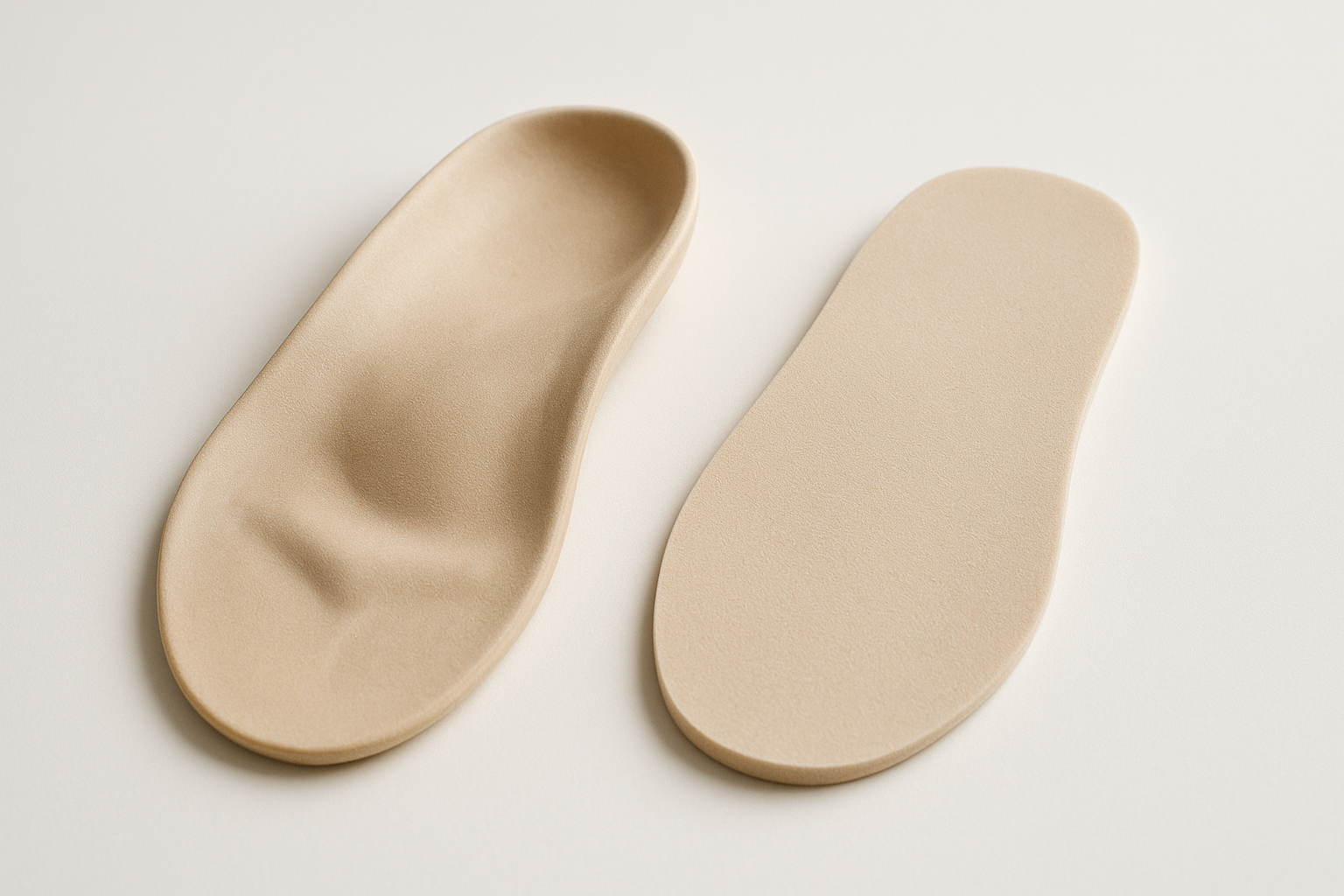
Custom orthotic insoles (left) are shaped to your foot's exact contours, while prefab insoles offer only generic support.
Why Smartphone 3D Scans Alone Aren't Enough
Several online brands now let you "order" custom-looking insoles using nothing but a phone camera and an app. In practice, however, a photo-based scan captures surface geometry — not the way your foot actually loads weight when you walk. A physical foam impression, pressed under your real body weight, records exactly how your arch collapses, where pressure concentrates, and how your heel strikes. That data is what a podiatrist actually needs to prescribe the correct rigidity and posting. Without a licensed clinician reviewing that data, you are essentially guessing. Research published in the Journal of Foot and Ankle Research found that custom foot orthoses significantly reduced pain and improved function in patients with plantar fasciitis compared to sham insoles — but the study devices were clinically fabricated, not app-generated estimates.
How Custom Orthotic Insoles Are Made: From Foot to Finished Device
Understanding the fabrication process helps you spot a quality provider from a mediocre one. Most clinically made custom orthotic insoles share a similar build structure, even though the exact materials vary by brand and condition.
The Shell: Your Orthotic's Foundation
The shell is the rigid or semi-rigid base layer that controls motion. Podiatrists typically choose between three rigidity levels:
- Rigid shells (carbon fiber or hard plastic) — best for significant biomechanical correction in low-impact dress or work shoes.
- Semi-rigid shells (reinforced EVA foam) — the most common choice, balancing correction with everyday comfort.
- Soft/flexible shells — favored for diabetic feet, arthritis, or sensitive skin where cushioning matters more than rigid control.
Top Cover Materials and Arch Support Options
Above the shell sits the top cover — the layer your foot actually touches. Common options include microfiber for moisture control, memory foam for pressure relief, and leather for dress-shoe durability. Meanwhile, the arch support itself is built into the shell's contour and can be customized as low, medium, or high depending on your arch type and the severity of your condition. Because every element is selected individually, two people with "flat feet" can end up with noticeably different orthotics — which is precisely the point.
Furthermore, well-constructed custom orthotics are built to last. High-quality devices typically remain effective for two to five years, making them a cost-effective long-term investment compared to replacing cheap insoles every few months.
When Should You Choose Custom Over Prefab?
Consider custom orthotic insoles if you experience any of the following:
- Chronic heel or arch pain that persists beyond a few weeks
- Diagnosed conditions such as plantar fasciitis, flat feet, or high arches
- Knee, hip, or lower-back pain linked to your gait
- Structural asymmetry between your two feet
- Previous failed attempts with over-the-counter insoles
In contrast, prefab insoles may suffice for mild, occasional discomfort in otherwise healthy feet. However, if your symptoms are recurring or worsening, a custom solution remains the more clinically sound choice.
How to Order Custom Orthotic Insoles Online: Step by Step
Ordering custom orthotic insoles online is simpler than most people expect once you know the sequence. Below is a clear, five-step overview of what actually happens from first click to finished device.
- Book a free consultation. Contact a podiatrist-run provider to discuss your symptoms, activity level, and footwear needs. This initial conversation determines which orthotic type and rigidity suit your condition.
- Request and complete an impression kit. The provider mails a foam impression kit to your home. You press each foot firmly into the foam following clear instructions, capturing the precise contours and pressure points of your feet.
- Mail your impressions back to the lab. Return the completed foam impressions using the prepaid shipping label included in your kit. This step typically takes only a few minutes to prepare.
- The podiatrist fabricates your orthotics. A licensed podiatrist reviews your impressions, selects appropriate shell rigidity and materials, and hand-fabricates devices precisely matched to your foot's shape and clinical needs.
- Receive and break in your orthotics. Once delivered, wear your new orthotics for short periods initially — about one to two hours per day — then gradually increase usage over one to two weeks so your feet adapt comfortably.
For a more detailed walkthrough of this process, including how to get the most accurate impression possible, see the complete guide to building custom orthotics online.
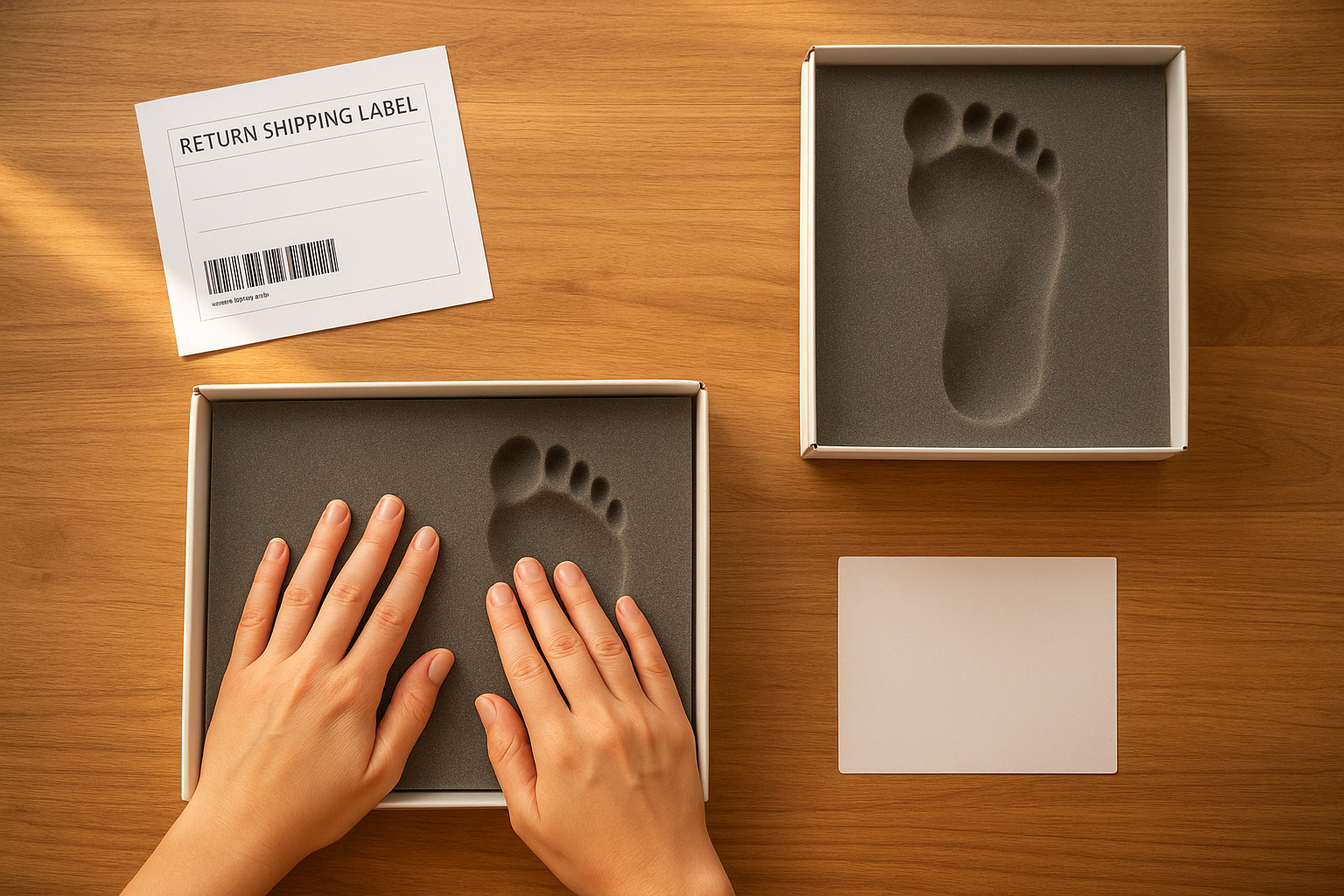
Completing a foam impression kit at home is the key step that allows podiatrists to fabricate custom orthotic insoles with clinical precision.
What to Look for in a Custom Orthotic Insoles Provider
Not every company selling custom orthotic insoles online operates with the same level of professional oversight. Therefore, it's essential to evaluate providers carefully before committing to a purchase. Specifically, look for the following indicators of quality and credibility:
- Licensed podiatric oversight — A qualified podiatrist should personally review impressions and fabricate devices, not just an algorithm.
- Verifiable credentials — Look for BBB accreditation, professional association membership, and a transparent business history.
- Direct consultation access — Reputable providers offer a way to speak with a clinician before and after your order.
- Clear fabrication process — The provider should explain exactly how orthotics are made and what materials are used, rather than hiding behind vague marketing language.
- Adjustment or satisfaction policy — A trustworthy provider stands behind their work with a modification or refund guarantee.
customorthotics.com is a podiatrist-owned and operated practice with over 20 years of experience and an A+ BBB rating. Every orthotic is crafted directly from individual molds of each patient's feet, and patients can speak with the podiatrist directly through a complimentary phone consultation before ordering. If you'd like to understand exactly why that model outperforms generic alternatives, read why custom orthotics from customorthotics.com are better than generic ones, or explore why podiatrist-recommended insoles matter before you buy.
Choosing the Right Orthotic Style for Your Shoes
One practical consideration when ordering online is selecting the correct orthotic length and profile for your footwear. Full-length orthotics work well in athletic shoes with removable insoles. However, for dress shoes, boots, or tighter footwear, a three-quarter length design is often a better fit.
Three-quarter length orthotics end just behind the ball of the foot, leaving room in the toe box without sacrificing arch and heel support. You can explore this option in detail through the 3/4 length orthotics product page, which outlines the design specifications and ideal use cases.
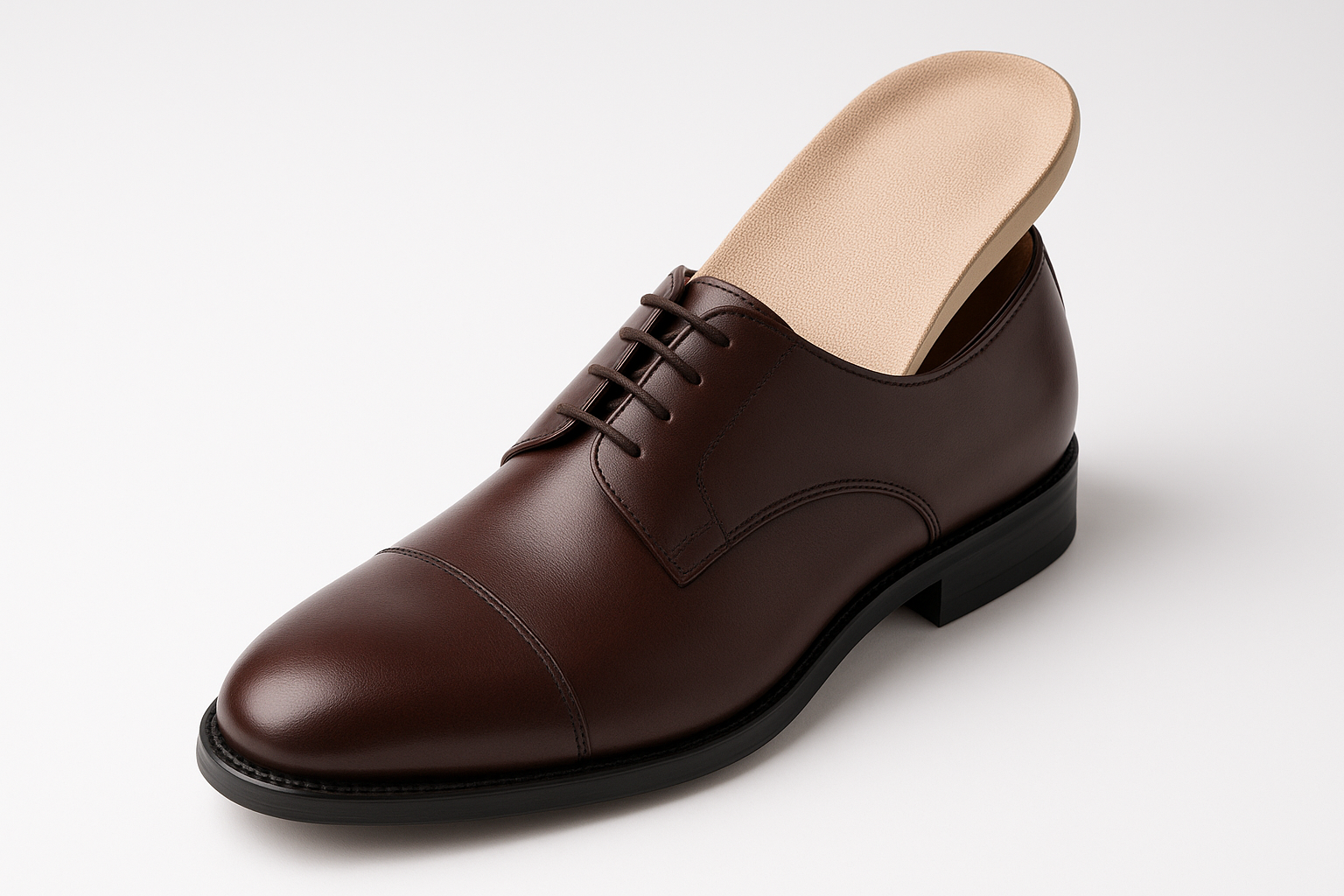
Three-quarter length orthotics offer versatile support and fit comfortably in dress shoes and boots where full-length designs may not.
Custom Orthotic Insoles for Specific Lifestyles and Activities
Not every pair of custom orthotic insoles is built the same way, because not every lifestyle places the same demands on your feet. For example, a runner's device needs shock absorption and a snug heel cup, while someone standing on concrete for an eight-hour shift needs maximum cushioning and fatigue reduction.
Athletes and Runners
Sports-specific orthotics typically use a more flexible shell to accommodate the dynamic motion of running and jumping, combined with reinforced heel control to reduce overpronation on impact. For a complete breakdown of sport-specific builds, see this complete guide to custom orthotic insoles for sports.
Standing and Physical Jobs
Workers in retail, healthcare, hospitality, and manufacturing often spend eight to twelve hours a day on their feet. Over time, that repetitive strain compounds into plantar fasciitis, shin splints, and chronic lower-back pain. Custom orthotic insoles designed for standing jobs prioritize deep heel cradles and shock-dispersing midlayers. Learn more about these builds in what custom insoles customorthotics.com offers for people standing all day and custom foot supports for work relief on standing jobs. The U.S. workplace safety agency NIOSH ergonomics guidance also confirms that prolonged standing without proper foot support is a recognized contributor to musculoskeletal strain.
Everyday Wear and Casual Use
For general day-to-day comfort, a semi-rigid, medium-arch design usually offers the right balance of correction and cushioning. In contrast, highly specialized rigid shells are usually reserved for diagnosed conditions under direct podiatric supervision.
Pricing, Guarantees, and Return Policies for Custom Orthotic Insoles
Cost is often the deciding factor for first-time buyers, so transparency matters. Custom orthotic insoles ordered online typically range from $150 to $400 per pair, depending on complexity, materials, and whether a consultation is bundled in. For comparison, clinic-based orthotics can exceed $600 once office visit fees are included.
Beyond price, always confirm the provider's policy on adjustments. A reputable company will re-fit or remake your orthotics if the initial impression produced a poor fit, rather than leaving you stuck with a device that doesn't work. Ask specifically about:
- Whether a trial or break-in period is included before final sign-off
- Whether remakes due to impression errors are free or charged
- Shipping timelines for both the impression kit and the finished orthotics
- Whether the company accepts FSA or HSA funds, which can offset cost significantly
Common Mistakes to Avoid When Ordering Insoles Online
Even well-intentioned shoppers make errors that reduce the effectiveness of their custom orthotic insoles. Consequently, being aware of these pitfalls before you order can save time, money, and frustration.
Choosing price over quality. Inexpensive insoles may feel comfortable initially, but they rarely address structural issues. Over time, inadequate support can worsen the very conditions you're trying to treat.
Skipping the consultation. Even a brief phone call with a podiatrist can clarify which orthotic type suits your specific condition. Ordering without clinical input increases the risk of an unsuitable device.
Rushing the break-in period. New orthotics require an adjustment period. Wearing them all day immediately can cause temporary soreness. Instead, gradually increase wear time over one to two weeks.
Ignoring impression quality. The accuracy of your foot impression directly determines how well the finished device fits. Follow the provider's instructions carefully and redo the impression if it doesn't feel right. According to the NHS orthotics guidance, a poorly fitting orthotic can sometimes aggravate symptoms rather than relieve them.
Relying on a phone scan alone. As discussed earlier, an app-based scan cannot replace a weighted foam or plaster impression reviewed by a licensed clinician. If a provider skips this clinical step entirely, treat that as a red flag.
Caring for Your Custom Orthotic Insoles
Proper care extends the lifespan of your investment considerably. First, remove orthotics from damp shoes after heavy use and let them air-dry away from direct heat, since high temperatures can warp the shell. Second, wipe the top cover with a damp cloth and mild soap rather than submerging the device in water. Third, rotate your orthotics between multiple pairs of shoes rather than leaving them in a single pair permanently, which reduces uneven wear. Finally, schedule a periodic check-in with your podiatrist — particularly if your weight, activity level, or symptoms change — to confirm the device still matches your current needs.
Frequently Asked Questions About Custom Orthotic Insoles
Can I order custom orthotic insoles online without visiting a clinic?
Yes. Many providers let you order custom orthotic insoles online using a foam impression kit mailed to your home. A podiatrist-run service like customorthotics.com guides you through the process remotely, ensuring a clinically accurate fit without an in-person visit.
What is the difference between custom orthotics and prefab insoles?
Custom orthotics are fabricated from an individual mold of your foot, addressing your specific structural needs. Prefab insoles are mass-produced in standard sizes and offer only generic support, which may not correct the root cause of your foot problem.
Can I use a 3D smartphone scan instead of a foam impression kit for custom orthotic insoles?
You can, but it comes with trade-offs. A phone scan captures static surface shape rather than weighted foot mechanics. A weighted foam impression, reviewed by a licensed podiatrist, generally produces a more clinically reliable fit for custom orthotic insoles than an unreviewed app estimate.
How long does it take to receive orthotics ordered online?
Delivery times vary by provider, but custom orthotics ordered online typically arrive within two to four weeks after your foot impression is received and processed. Prefab insoles ship much faster, often within a few business days.
Are online custom orthotics as effective as clinic-made ones?
When made by a qualified podiatrist using accurate foot molds, online custom orthotic insoles can be just as effective as those made in a clinic. The key factor is the quality of the impression and the expertise of the fabricating practitioner.
What foot conditions can orthotic insoles help with?
Orthotic insoles can help with plantar fasciitis, flat feet, high arches, overpronation, heel pain, metatarsalgia, and general structural imbalances. Custom orthotics are particularly effective because they target the specific biomechanical cause of each condition.
How do I take a foot impression at home for online orthotics?
Most providers ship an impression kit containing foam boxes or casting materials. You press each foot firmly into the foam, then mail the kit back. The podiatrist uses those impressions to fabricate orthotics matched exactly to your foot shape.
How much do custom orthotic insoles cost when ordered online?
Custom orthotic insoles ordered online typically range from $150 to $400 per pair, depending on the complexity and materials. This is generally more affordable than clinic-based orthotics, which can exceed $600 when office visit fees are included.
Are custom orthotic insoles covered by insurance or FSA/HSA funds?
Many FSA and HSA plans cover custom orthotic insoles when accompanied by a podiatric recommendation, though traditional insurance coverage varies by plan and diagnosis. Always confirm directly with your provider and insurer before ordering.
What should I look for in an online orthotic provider?
Look for a provider with licensed podiatric oversight, verifiable credentials, and a clear fabrication process. An A+ BBB rating, direct access to a podiatrist, and a money-back or adjustment policy are strong indicators of a trustworthy service.
Can children order orthotic insoles online?
Children can benefit from orthotics, but it is best to consult a podiatrist before ordering online for a child. Their feet are still developing, so professional guidance ensures the orthotic supports healthy growth rather than interfering with it.
Do orthotic insoles fit in all types of shoes?
Most custom orthotics are designed to fit in standard athletic or dress shoes. Three-quarter length orthotics are especially versatile and can fit into tighter footwear like dress shoes or boots without crowding the toe box.
How long do custom orthotic insoles last?
High-quality custom orthotics typically last two to five years with regular use. Durability depends on the materials used and the activity level of the wearer. Periodic check-ins with a podiatrist can help determine when replacement is needed.
How do I clean and care for custom orthotic insoles?
Wipe the top cover with a damp cloth and mild soap, air-dry away from direct heat, and avoid submerging the device in water. Rotating orthotics between multiple pairs of shoes also helps extend their lifespan.
Is a prescription required to order orthotic insoles online?
A formal prescription is not always required to order orthotic insoles online, especially for prefab options. However, for true custom orthotic insoles, a podiatric assessment — even by phone or online consultation — is strongly recommended for safety and effectiveness.
Conclusion: Taking the Right Step Toward Pain-Free Feet
The ability to order custom orthotic insoles online has genuinely transformed access to professional foot care. However, that convenience is only valuable when paired with real clinical expertise rather than an unreviewed app scan. As this guide has shown, custom orthotic insoles fabricated from individual foot molds and reviewed by a licensed podiatrist consistently outperform generic prefab options and photo-based estimates alike — especially for anyone dealing with chronic pain, structural imbalances, or recurring discomfort.
Therefore, if you're ready to take that first step toward lasting relief, work with a qualified, podiatrist-led provider. Visit customorthotics.com to explore your options, request a complimentary consultation, and start the process of getting custom orthotic insoles built precisely for your feet — all from the comfort of home.