

Outdoor activities orthotics are custom-fitted insoles built to keep your feet stable, cushioned, and pain-free during hiking, trail running, camping, kayaking, and other adventures outside the gym. Unlike generic drugstore inserts, these devices are molded directly from your own feet, so they match your unique arch height, foot shape, and gait pattern. For anyone who spends weekends on rocky trails or long days on uneven ground, the right foot support can mean the difference between an enjoyable outing and a painful limp home. In this guide, you will learn what these devices are, how they are made, and how to choose the right pair for your favorite outdoor pursuits.
What Are Outdoor Activities Orthotics?
Outdoor activities orthotics are custom-molded shoe inserts designed specifically to support the feet during hiking, trail running, climbing, and camping. Unlike mass-produced insoles, they are built from a direct mold of your foot, correcting alignment issues and absorbing shock on uneven terrain. As a result, they help reduce fatigue, prevent injury, and improve comfort during long days outdoors.
In particular, these orthotics differ from over-the-counter inserts because a podiatrist evaluates your gait and foot structure before any fabrication begins. According to Wikipedia's overview of orthotics, these devices are engineered to correct, accommodate, or prevent deformities and improve overall movement efficiency. Consequently, a well-made pair does more than cushion your step; it actively changes how force travels through your foot, ankle, and knee while you move across rough ground.
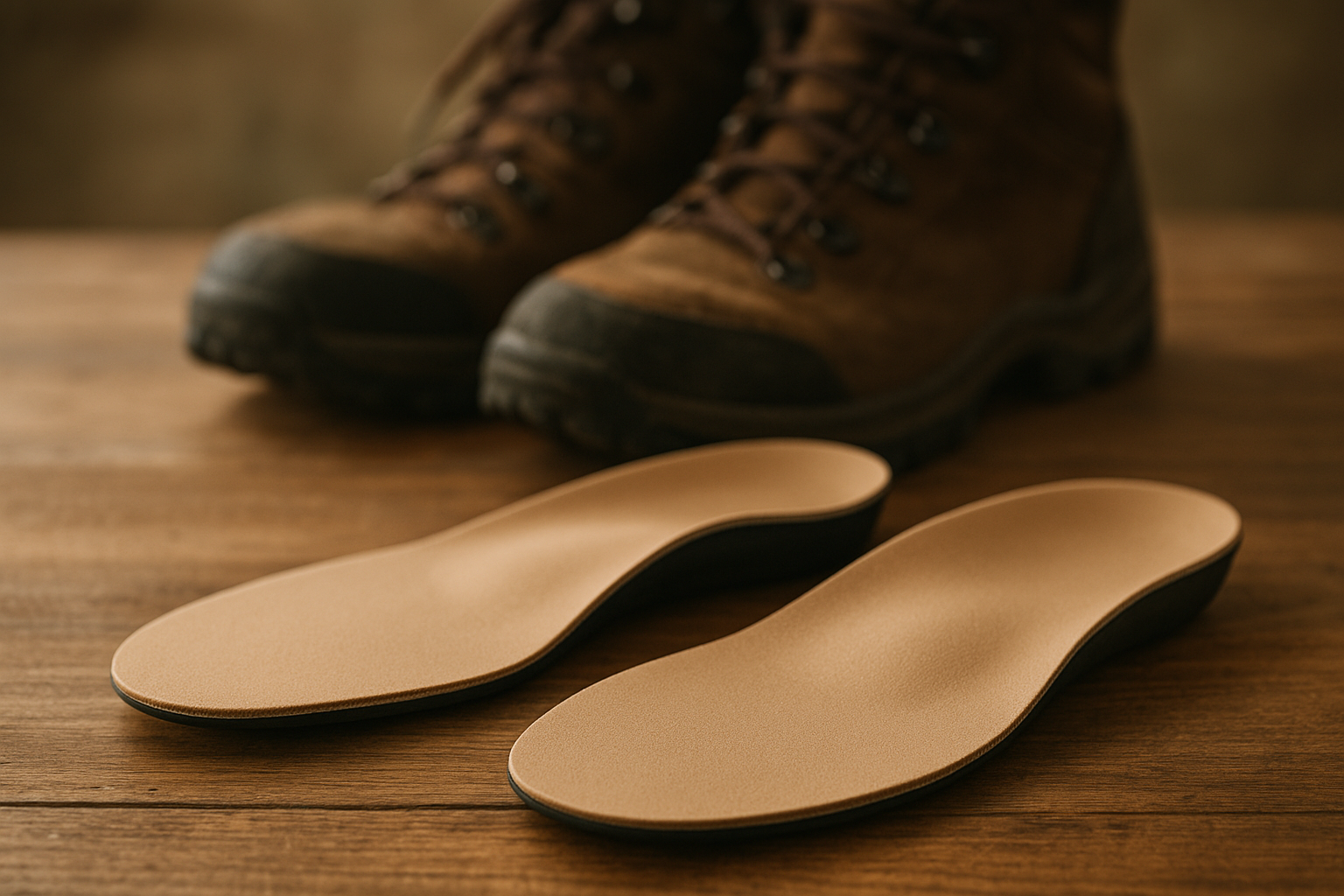
Custom outdoor activities orthotics are molded to fit hiking boots, trail shoes, and everyday footwear alike.
Why Outdoor Terrain Puts Extra Stress on Your Feet
Unlike flat sidewalks or gym floors, outdoor terrain constantly shifts beneath your feet. Rocks, roots, sand, and slopes force your ankles and arches to make micro-adjustments with every step. Over time, this repetitive strain can lead to plantar fasciitis, tendonitis, or stress fractures, especially without proper support.
In fact, foot and lower-limb injuries remain one of the most common complaints among hikers and runners. Studies referenced by the American Podiatric Medical Association suggest that a large share of runners experience an overuse injury each year, with poor foot support frequently cited as a contributing factor. Similarly, the National Park Service notes that uneven, rocky trail surfaces significantly increase the risk of ankle sprains and falls compared to paved paths. Therefore, extra structural support is not a luxury for serious outdoor enthusiasts; it is often a preventive necessity.
Common Outdoor Activities That Benefit From Custom Orthotics
Many outdoor pursuits place unique demands on the feet. Below are some of the activities where custom support tends to make the biggest difference:
- Hiking and backpacking on rocky, uneven, or steep trails
- Trail running, where footing can be unpredictable at speed
- Camping trips that involve long hours standing on uneven ground
- Cycling and other recreational activities that require repetitive foot movement
- Golf, fishing, or kayaking trips that keep you on your feet all day
If your weekends revolve around an active lifestyle, it is worth thinking about how each activity loads your feet differently. Runners typically need more shock absorption, whereas hikers often prioritize ankle stability. Custom orthotics can be built to reflect these differences rather than offering one generic shape for every activity.
How Custom Orthotics Are Made for Outdoor Use
Getting a pair of custom orthotics built for outdoor performance follows a fairly consistent process. Here is what to expect from start to finish:
- Schedule a complimentary consultation. Speak directly with a podiatrist by phone about your outdoor activities, foot pain history, and specific terrain challenges before any mold is taken.
- Get a precise foot mold. A trained professional captures a detailed impression of each foot in a neutral position to record your unique arch height, width, and pressure points.
- Lab fabrication of the orthotic. Skilled technicians use the mold to fabricate a durable orthotic shell and cushioning layer suited to rugged outdoor use and repeated impact on trails.
- Fitting and adjustments. Try the finished orthotics in your hiking boots or trail shoes so a specialist can check alignment and make small adjustments for comfort and support.
- Break in gradually before big trips. Wear the new orthotics on short walks first, then increase distance over one to two weeks so your feet adapt fully before a long hike or race.
Because this process relies on a direct mold rather than a generic template, the final product tends to fit far more precisely than anything found on a store shelf. A practice with decades of hands-on fabrication experience, such as one with over 20 years in the field and an A+ Better Business Bureau rating, brings valuable craftsmanship to each step of this process.
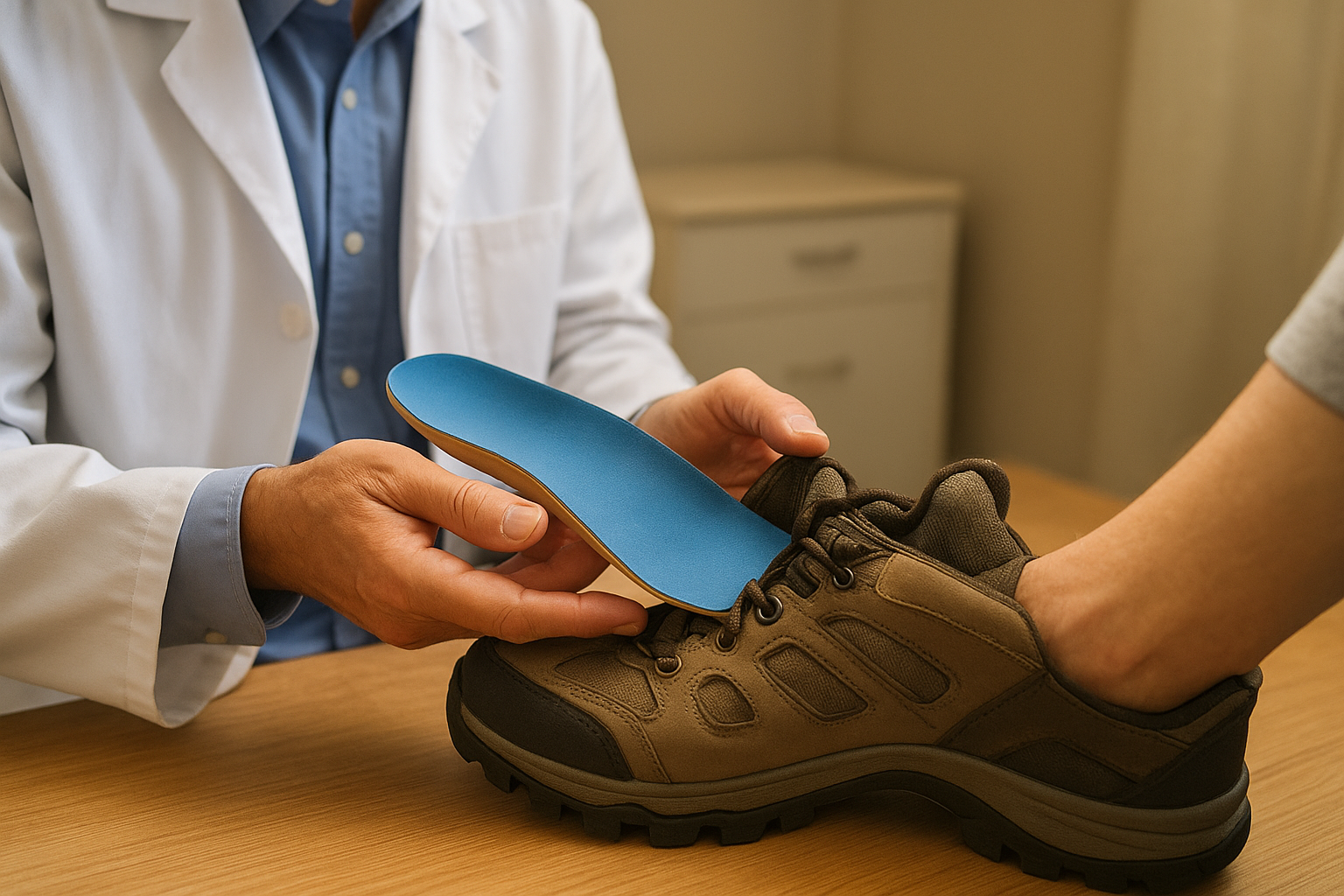
A precise fitting session helps ensure outdoor activities orthotics work correctly inside hiking boots and trail shoes.
Choosing the Right Orthotics for Your Outdoor Activity
Not every outdoor orthotic is built the same way. For example, hiking boots typically need a firmer, more supportive shell to handle steep grades and heavy backpacks, while trail running shoes often call for a lighter, more flexible design that allows natural foot movement at speed. If your activities span both, it may help to review guidance on orthotics for sports so your support matches the demands of each shoe type.
On the other hand, if you also spend plenty of time walking around town or standing at work between outdoor trips, it is worth considering how your orthotics perform outside of adventure settings too. A guide on everyday orthotic use can help you understand whether one pair can reasonably cover both worlds or whether a second pair makes more sense.
Signs Your Feet Need Extra Outdoor Support
Several warning signs suggest it may be time to consider custom orthotics. Arch pain that worsens after a hike, blisters in unusual spots, or persistent ankle rolling on uneven ground are common indicators. Likewise, if you notice your knees or hips ache after long outdoor days, the root cause may actually start at the foot.
For runners specifically, recurring shin splints or heel pain during trail runs often point to poor shock absorption. In this case, reviewing tips on orthotics for running and long-distance walking can help you understand whether custom support might reduce these symptoms over time.
Custom Orthotics vs. Off-the-Shelf Insoles for Outdoor Adventures
Off-the-shelf insoles are convenient and inexpensive, but they are built around an average foot shape that rarely matches any individual perfectly. Custom orthotics, by contrast, start with a mold of your specific foot, which allows a lab to address your particular arch height, pressure points, and gait pattern directly.
As a result, custom devices tend to last longer under demanding outdoor conditions and provide more targeted correction for issues like overpronation or high arches. While the upfront cost is higher, many patients find the investment worthwhile given how much it improves comfort on long hikes. You can explore this topic further at customorthotics.com, where a free consultation is available for anyone weighing the two options.
Frequently Asked Questions About Outdoor Activities Orthotics
What are outdoor activities orthotics?
Outdoor activities orthotics are custom-molded shoe inserts built from a cast of your own feet to support hiking, trail running, camping, and other outdoor pursuits. They correct alignment issues and cushion the foot on uneven ground far better than generic insoles.
How do custom orthotics help with hiking?
Custom orthotics stabilize the foot and ankle on uneven trails, reducing rolling and slipping. They also absorb shock from rocks and roots, which lowers fatigue and joint stress on long hikes.
Why do outdoor enthusiasts need custom orthotics instead of store-bought insoles?
Store-bought insoles use a generic shape that fits no one perfectly, while custom orthotics are molded to your exact foot structure and gait. This precision fit provides more targeted support during demanding outdoor activities.
How much do custom orthotics for outdoor activities cost?
Pricing varies based on materials and the complexity of your foot condition, but custom orthotics are generally a one-time investment that lasts several years. A complimentary consultation is the best way to get an accurate quote for your needs.
How long does it take to get custom orthotics made?
Most custom orthotics are ready within two to four weeks after your foot mold is taken. This timeline allows the lab to fabricate a precise device rather than rushing a generic product.
What common mistakes do people make when choosing outdoor orthotics?
A common mistake is assuming one orthotic works for every shoe, when hiking boots and trail runners often need slightly different fits. Another mistake is skipping a professional mold and relying on a generic insert instead.
Can orthotics help with trail running injuries?
Yes, custom orthotics can reduce overuse injuries like plantar fasciitis and shin splints by improving alignment and shock absorption during repetitive trail running strides. They are often recommended alongside proper footwear and gradual training.
What is the difference between custom orthotics and off-the-shelf insoles for outdoor use?
Custom orthotics are made from a direct mold of your foot and address your specific biomechanics, while off-the-shelf insoles offer only generic arch shapes in a few sizes. For demanding outdoor terrain, that precision fit makes a noticeable difference in comfort and support.
How often should outdoor activity orthotics be replaced?
Well-made custom orthotics typically last three to five years with regular outdoor use, depending on activity level and terrain. Signs like visible wear, flattened arches, or returning pain signal it is time for a replacement.
Are custom orthotics good for camping and backpacking?
Yes, custom orthotics help distribute the added weight of a backpack more evenly across the foot, which reduces strain during long camping and backpacking trips. They also add cushioning for standing on uneven campsite terrain.
What best practices should I follow when breaking in new orthotics?
Start by wearing new orthotics for short periods indoors before taking them on a full outdoor trip. Gradually increase wear time over one to two weeks so your feet and muscles adjust without discomfort.
Can children or teens use outdoor activities orthotics?
Yes, custom orthotics can be made for growing feet and are often recommended for active kids and teens who play sports or hike frequently. A podiatrist should evaluate the child's foot structure before fabrication.
Do custom orthotics fit in hiking boots and trail shoes?
Yes, custom orthotics can be designed to fit specific footwear, including hiking boots, trail running shoes, and even sandals. It helps to bring your preferred outdoor shoes to your fitting appointment.
What conditions do outdoor activities orthotics treat?
Outdoor activities orthotics commonly help with plantar fasciitis, flat feet, high arches, ankle instability, and general fatigue from long days on uneven terrain. They address the root biomechanical cause rather than just masking symptoms.
How do I get started with a custom orthotics consultation?
You can start with a complimentary phone consultation with a podiatrist to discuss your foot concerns and outdoor goals. From there, you can schedule a mold appointment or place an order through the online platform.
Final Thoughts
In summary, outdoor activities orthotics give hikers, trail runners, and weekend adventurers a level of foot support that generic insoles simply cannot match. Because they are molded directly from your own feet, they address your specific arch shape, gait, and pressure points rather than a one-size-fits-all average. As a result, they can reduce fatigue, prevent common injuries, and help you enjoy longer days outdoors with less pain. Whether you are planning your next backpacking trip or simply want steadier footing on local trails, a complimentary consultation is a practical first step toward finding the right pair of outdoor activities orthotics for your feet.