

Foot orthotics for athletes are custom-molded devices designed to correct biomechanical imbalances, absorb impact, and support the unique demands that sports place on the feet and lower limbs. Unlike generic insoles bought off a shelf, these devices are built from an individual mold of each foot, so they match a runner's stride, a basketball player's landing pattern, or a soccer player's cutting motion. For athletes dealing with recurring pain, instability, or reduced performance, the right orthotic can address the root cause rather than simply cushioning the symptom. In particular, this guide explains what foot orthotics for athletes actually do, how they compare across sports and age groups, how they're made, and how to choose — and care for — the right pair for your body and your game.
What Are Foot Orthotics for Athletes?
Foot orthotics for athletes are custom, prescription-grade insoles molded to an individual's feet that correct alignment, distribute pressure evenly, and reduce strain during high-impact movement. A podiatrist, meaning a doctor who specializes in foot and ankle care, typically prescribes them after evaluating gait, foot structure, and the specific demands of a sport.
Because every foot is shaped differently, a true orthotic is never pulled off a rack. Instead, it starts as a mold, plaster cast, or digital scan of the athlete's foot. From there, a technician builds a device with the exact shell rigidity, arch support, and cushioning that the sport requires. As a result, an orthotic built for distance running looks and performs very differently from one built for a linebacker, a gymnast, or a growing teenage sprinter.
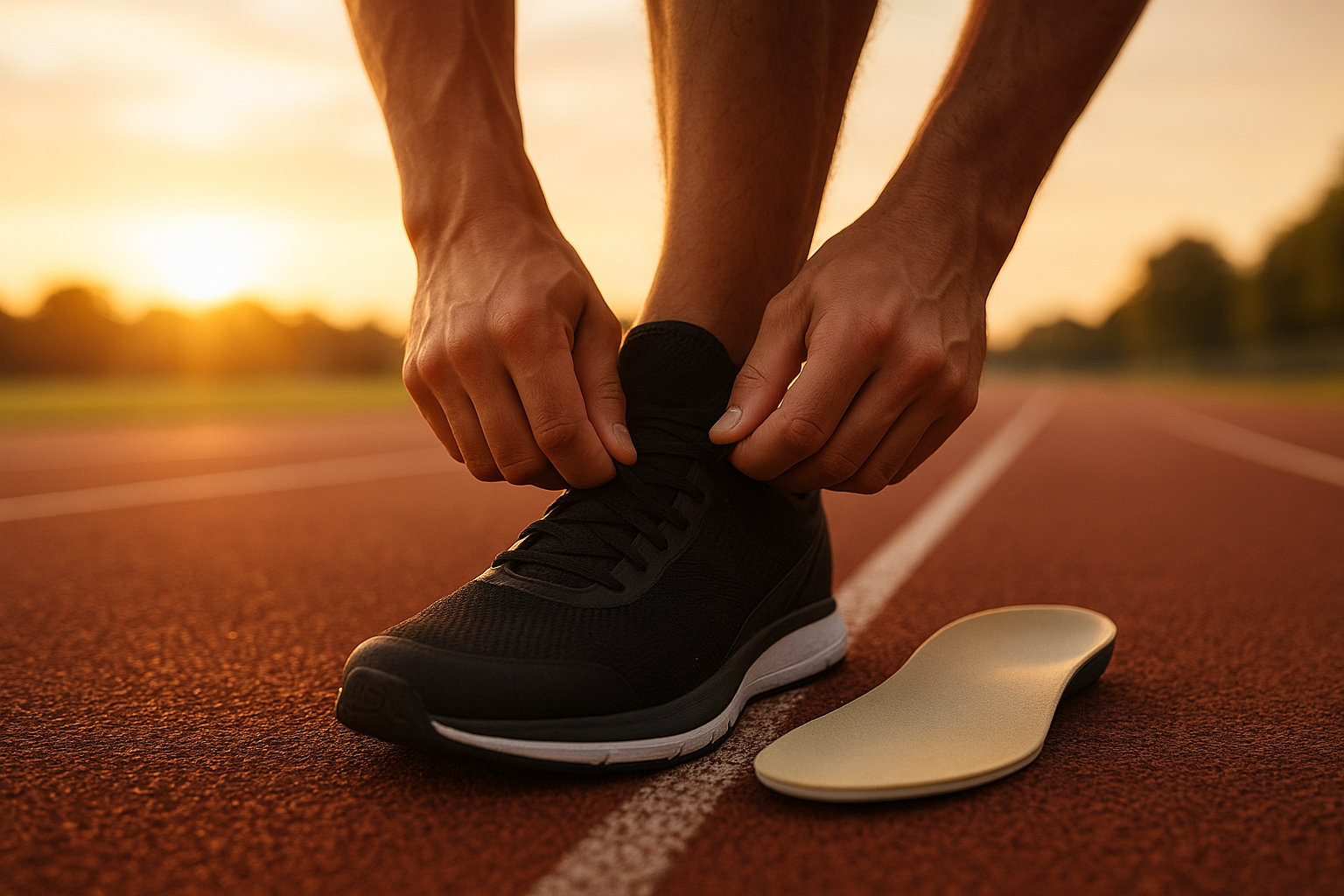
Foot orthotics for athletes are built from an individual mold to match each runner's unique gait.
Why Athletic Performance Depends on Proper Foot Support
Every stride, jump, or pivot sends force through the feet before it travels up the kinetic chain to the knees, hips, and lower back. Consequently, when the foot does not absorb and redistribute that force efficiently, other joints compensate, which often leads to fatigue or injury over time. Custom orthotics for sports are designed specifically to interrupt this chain reaction at its source.
In addition, proper foot support helps maintain consistent contact with the ground, which can improve balance during quick direction changes. For example, a basketball player who overpronates (meaning the foot rolls too far inward with each step) may lose stability when cutting toward the basket, while a corrected foot position restores that stability. Therefore, many athletes notice not just less pain, but smoother, more efficient movement once fitted correctly.
Common Foot and Lower-Limb Injuries in Athletes
Repetitive impact sports place athletes at higher risk for a specific set of overuse injuries. Plantar fasciitis, shin splints, stress fractures, and iliotibial (IT) band syndrome are among the most frequent complaints seen in active patients. According to the NIAMS sports injuries resource, overuse injuries account for a substantial share of all sports-related injuries treated each year, particularly among runners and endurance athletes.
Furthermore, these injuries rarely appear out of nowhere. They typically build gradually as small biomechanical inefficiencies, like overpronation or a leg-length discrepancy, repeat thousands of times during training. Left uncorrected, these small issues can sideline an athlete for weeks or months, which is precisely why early evaluation matters — for teenage athletes especially, whose growth plates are still developing.
How Custom Orthotics for Sports Prevent Injury
Custom orthotics for sports work by correcting the underlying alignment issue rather than masking the pain. Specifically, they can reduce excessive pronation, support a collapsed arch, or offload pressure from a specific area of the foot, such as the ball or heel. Similarly, they help distribute impact force more evenly across the foot's surface with each stride.
As a result, many of the conditions described above become less likely to develop or worsen. For a deeper look at sport-specific benefits, this guide to custom orthotics for sports breaks down how different disciplines benefit from targeted correction.
The Fitting Process: From Mold to Motion
Getting properly fitted is a straightforward process, though it does require a few dedicated steps to get right. Below is the general path most patients follow when working with a podiatrist-led practice.
- 1. Schedule a consultation. Speak directly with a podiatrist about your sport, training volume, and any recurring pain so the evaluation matches your activity.
- 2. Complete a gait and biomechanical assessment. The podiatrist observes how you stand, walk, and move to identify alignment issues affecting performance.
- 3. Take a custom mold of each foot. A foam box or plaster cast captures the exact shape of each foot in a neutral position.
- 4. Select materials and rigidity for your sport. Shell stiffness and cushioning are chosen based on impact level and movement pattern.
- 5. Fit, test, and adjust the finished orthotics. The devices are placed into your athletic footwear and tested during light activity before final adjustments.
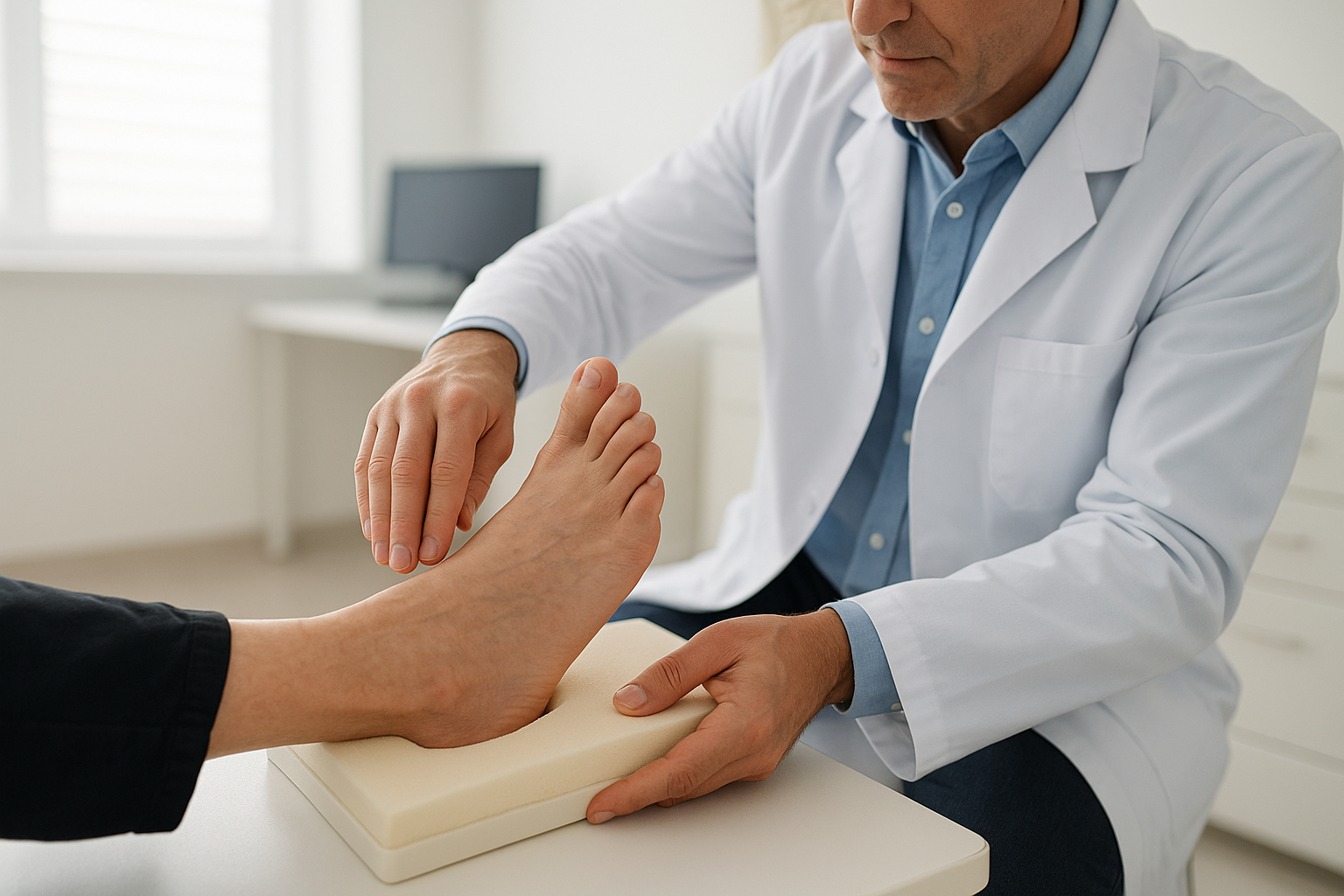
A precise mold is the foundation of every effective pair of custom orthotics.
Choosing the Right Orthotics for Active Lifestyles
Not every athlete needs the same device. Above all, the right choice depends on sport type, training frequency, footwear, and the specific problem being addressed. A distance runner, for instance, generally needs a more flexible, shock-absorbing design, while a soccer player may need a firmer shell for lateral stability.
In addition, footwear compatibility matters just as much as the orthotic itself. Bringing your actual training shoes to the fitting appointment helps ensure a proper fit inside cleats, running shoes, or court shoes. Readers exploring options across multiple activities may find this guide to orthotics for active lifestyles useful, along with this detailed buyer's guide to orthotics for running. For athletes juggling multiple sports or training goals, this broader guide to personalized foot solutions for athletes is also worth reviewing.
Foot Orthotics by Sport: Running, Basketball, Soccer, Tennis, and Cleats
Because different sports load the foot in different ways, athletic orthotics are rarely one-size-fits-all across activities. Specifically, the movement pattern of each sport determines how much flex, cushioning, and lateral support a device needs.
- Running: Favors a semi-flexible shell with generous heel and forefoot cushioning to absorb thousands of repetitive strikes per mile.
- Basketball: Requires firmer arch support and a wider heel platform to control lateral shear during jumping and cutting.
- Soccer: Needs a low-profile, firm shell that fits inside a narrow cleat while still resisting twisting forces during pivots.
- Tennis: Benefits from moderate rigidity paired with forefoot cushioning to handle rapid side-to-side sprints and sudden stops.
- Cleated and skate sports: Depend on ultra-thin, low-volume orthotic shells so the device fits without crowding a tightly laced boot.
In every case, however, the underlying principle stays the same: the orthotic should correct the athlete's specific alignment issue while matching the demands of the shoe and the sport.
Types of Orthotic Materials: Rigid, Semi-Rigid, and Soft Support
Material choice affects how an orthotic feels and performs almost as much as the mold itself. Rigid shells, usually made from carbon fiber or hard plastic, control motion aggressively and suit athletes with significant overpronation or flat feet. Semi-rigid devices, by contrast, blend a firm base with softer top layers, offering a balance of control and comfort that works well for most running and court sports.
Soft, accommodative orthotics use cushioned foams instead of a stiff shell. Consequently, they suit athletes managing diabetes-related foot sensitivity, arthritis, or general shock absorption needs rather than aggressive correction. A podiatrist typically recommends the material category based on the assessment findings from the fitting process described above.
Custom vs Off-the-Shelf Sports Orthotics
Off-the-shelf insoles are widely available and inexpensive, but they only offer generalized arch support built for an average foot shape. Custom devices, by contrast, are molded to an individual's exact structure and adjusted for their sport, which typically provides more targeted and longer-lasting relief.
For occasional exercisers, a basic insole may be sufficient. However, for athletes training frequently or managing a diagnosed condition, custom fabrication tends to deliver noticeably better results. This guide to custom orthotics for recreational activities compares options for casual and competitive athletes alike.
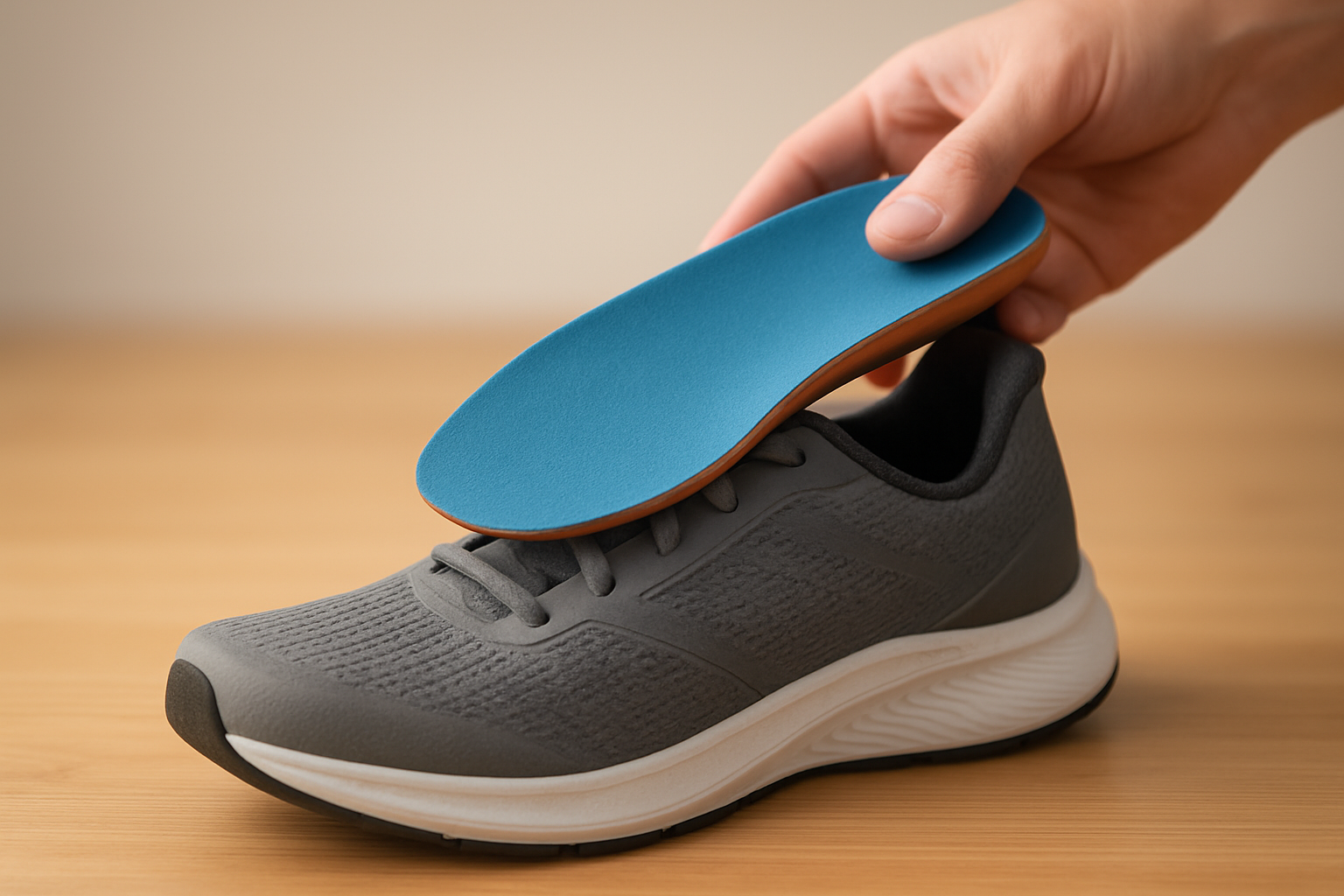
A well-fitted orthotic sits precisely inside athletic footwear without shifting during movement.
Foot Orthotics for Teen and Young Athletes: What Parents Should Know
Young athletes face a unique challenge: their feet are still growing while training volume often increases rapidly during middle school and high school sports seasons. Because growth plates, the areas of developing cartilage near the ends of bones, are still soft, teens are especially prone to conditions like Sever's disease, a painful inflammation of the heel growth plate common in young runners and soccer players. The American Academy of Orthopaedic Surgeons notes that this condition often improves with proper support and reduced heel strain.
In contrast to adult orthotics, pediatric and teen devices are typically built with slightly more flexibility and are checked more frequently for fit as the foot lengthens. Specifically, most young athletes need their orthotics reassessed every twelve to eighteen months during active growth spurts, compared to the longer replacement cycle typical for adults. Parents should also watch for complaints of heel pain after practice, unusual shoe wear patterns, or a child favoring one leg — all common signs that a pediatric evaluation is worthwhile.
Comfort, Support, and Injury Prevention for Teen Athletes
Comfort matters for teenagers just as much as correction, since a device that feels awkward is unlikely to be worn consistently. Therefore, podiatrists working with young athletes often prioritize breathable top covers, lightweight shells, and a break-in schedule that eases the teen into full-time wear. Similarly, because teens frequently switch between multiple sports and shoe types across a school year, a slightly more versatile semi-rigid design often serves them better than an ultra-specialized adult sports orthotic.
Signs You May Need Foot Orthotics for Athletes
Above all, persistent discomfort is the clearest signal that something in the kinetic chain needs correction. The following signs suggest it may be time for a podiatric evaluation:
- Recurring heel, arch, or ball-of-foot pain that appears during or after training
- Uneven wear patterns on the outsoles of your athletic shoes
- Knee, hip, or lower back pain that has no obvious cause outside of activity
- A history of ankle sprains or a feeling of instability during quick cuts
- Visibly flat, high-arched, or asymmetrical feet noticed by a coach or trainer
Affordable Sports Orthotics: Understanding the Cost
Cost is often the first question athletes ask, and understandably so. Custom orthotics do cost more than drugstore insoles because each pair involves a mold, specific materials, and individual lab fabrication. That said, many practices offer affordable sports orthotics options, payment plans, and free initial consultations to make the process more accessible.
For example, patients can connect directly with a podiatrist for a complimentary phone consultation through customorthotics.com, or place an order online without an in-person visit. This guide to affordable sports orthotics breaks down pricing factors in more detail.
How to Care for and Maintain Athletic Orthotics
Proper care extends the useful life of any orthotic, which matters given the investment involved. Wipe devices down with a damp cloth after sweaty sessions, then air-dry them fully before returning them to a shoe. Avoid direct heat sources like clothes dryers or car dashboards, since high heat can warp the shell and change its correction over time.
In addition, rotate orthotics between multiple pairs of shoes carefully, since repeated removal and reinsertion can accelerate wear at the heel post. Finally, inspect the top cover every few months for thinning or compression; once cushioning flattens, the device can no longer distribute pressure as intended, even if the shell itself remains structurally sound.
Frequently Asked Questions About Foot Orthotics for Athletes
What are foot orthotics for athletes?
Foot orthotics for athletes are custom, prescription-grade insoles molded from an individual's feet to correct alignment, absorb impact, and support sport-specific movement patterns. They differ from generic insoles because they are built to match a single athlete's exact foot shape and gait.
How do foot orthotics for athletes differ from regular insoles?
Regular insoles are mass-produced and offer only general cushioning, while custom orthotics are fabricated from a mold and target specific biomechanical problems. As a result, they typically provide more precise correction and longer-lasting relief.
Which sports benefit most from custom orthotics?
Running, basketball, soccer, tennis, and hiking benefit most because they involve repetitive impact and quick directional changes. However, almost any athlete with foot pain or structural imbalance can benefit from a custom fit.
How long does it take to get custom orthotics made?
Most custom orthotics take two to four weeks from the initial mold to final delivery, since each pair is fabricated individually. Rush options are sometimes available for athletes preparing for a specific event.
Do foot orthotics improve running performance?
Yes, by correcting overpronation or supination, orthotics help runners maintain better alignment, which can improve energy transfer and reduce fatigue. Many runners also report less pain, allowing for more consistent training.
Can orthotics prevent shin splints and plantar fasciitis?
Custom orthotics can reduce the repetitive strain that leads to shin splints and plantar fasciitis by improving how force is distributed across the foot. They are not a guaranteed cure, but they are a common and effective part of prevention.
How much do custom sports orthotics cost?
Custom sports orthotics typically cost more than drugstore insoles because of the mold, materials, and lab fabrication involved. Many providers, however, offer affordable sports orthotics options and payment plans to make them accessible.
How long do athletic orthotics last?
With proper care, custom athletic orthotics generally last one to five years depending on materials, training volume, and body weight. Runners and high-impact athletes may need replacements sooner than casual users.
Do I need a new pair of orthotics for each sport?
Not always, since one pair can often transfer between similar shoe types, but sports with very different footwear, like cleats versus running shoes, may require a second pair. A podiatrist can advise whether one pair fits multiple activities.
What is the break-in period for new orthotics?
Most athletes need one to two weeks of gradually increasing wear time to adjust to new orthotics. Starting with short sessions and slowly building up helps the foot adapt without discomfort.
Can orthotics be used in cleats and sports-specific footwear?
Yes, custom orthotics can be designed to fit narrow or low-volume footwear such as cleats, skates, and cycling shoes. Bringing the actual sports shoes to the fitting helps ensure the shape matches properly.
What's the biggest mistake athletes make when choosing orthotics?
The most common mistake is choosing a generic, one-size insole instead of a device matched to their specific foot structure and sport. This often leads to continued pain because the root biomechanical cause is never addressed.
Are custom orthotics covered by insurance?
Coverage varies widely by provider and plan, so it is worth checking benefits before ordering. Some insurers partially reimburse orthotics when they are prescribed by a podiatrist for a documented medical condition.
How do I know if I need orthotics as an athlete?
Persistent foot, ankle, knee, or lower back pain during or after activity is a common sign that orthotics may help. A podiatric evaluation of gait and foot structure can confirm whether custom support is appropriate.
Can children who play sports use custom orthotics?
Yes, young athletes with flat feet, growth-related pain, or repeated injuries can benefit from custom orthotics, and pediatric molds are adjusted as feet grow. A podiatrist can recommend an appropriate replacement schedule for growing children.
Can foot orthotics for athletes improve speed and agility?
Foot orthotics for athletes can improve speed and agility indirectly by correcting inefficient movement patterns that waste energy. When the foot strikes and pushes off in proper alignment, more force transfers into forward motion instead of being absorbed by compensating joints.
What is the difference between orthotics and insoles for athletes?
Insoles are general cushioning inserts sold in one-size-fits-most designs, while orthotics are custom-molded devices prescribed to correct a specific biomechanical issue. Athletes with diagnosed alignment problems typically need the precision of true orthotics rather than standard insoles.
Final Thoughts
In summary, foot orthotics for athletes are far more than a comfort upgrade. They are precision-built tools that correct alignment, absorb impact, and help prevent the overuse injuries that sideline so many active people — from weekend runners to teenage varsity stars — each year. Whether the goal is faster recovery, better stability, or simply pain-free training, a properly fitted custom orthotic addresses the underlying cause rather than the symptom alone.
Ultimately, the best way to know whether custom support is right for your sport is to speak with a podiatrist who can assess your gait and foot structure directly. For further reading and authoritative background on orthotic devices, resources like the Wikipedia overview of orthotics, the NIAMS sports injuries resource, and the American Podiatric Medical Association offer helpful context alongside a direct consultation.