

The best orthotics for running are custom-molded support devices built from an impression or 3D scan of your own feet — not generic foam pads pulled off a drugstore shelf. Because every runner's stride, arch height, and pressure pattern are different, a properly fitted orthotic can be the difference between a pain-free long run and a nagging injury that sidelines you for weeks. In this guide, you'll find everything a running insole comparison leaves out: how orthotics are actually made, which type fits your foot and running style, what they cost, and how to break them in without wrecking your training block.
What Are the Best Orthotics for Running?
In short, the best orthotics for running are custom-fabricated inserts built from a mold or scan of your own foot rather than mass-produced insoles sized for an "average" arch. Because they're built around your unique arch structure, gait pattern, and pressure zones, they tend to offer more targeted relief for common runner complaints like plantar fasciitis, shin splints, and knee pain than any one-size-fits-most product can.
Orthotics, defined simply, are supportive devices worn inside footwear to correct or accommodate structural foot issues. For runners specifically, this means the device must also absorb repeated impact forces without breaking down after a few months. Therefore, material choice and build quality matter just as much as the initial fit — a point that generic insole roundups often gloss over.
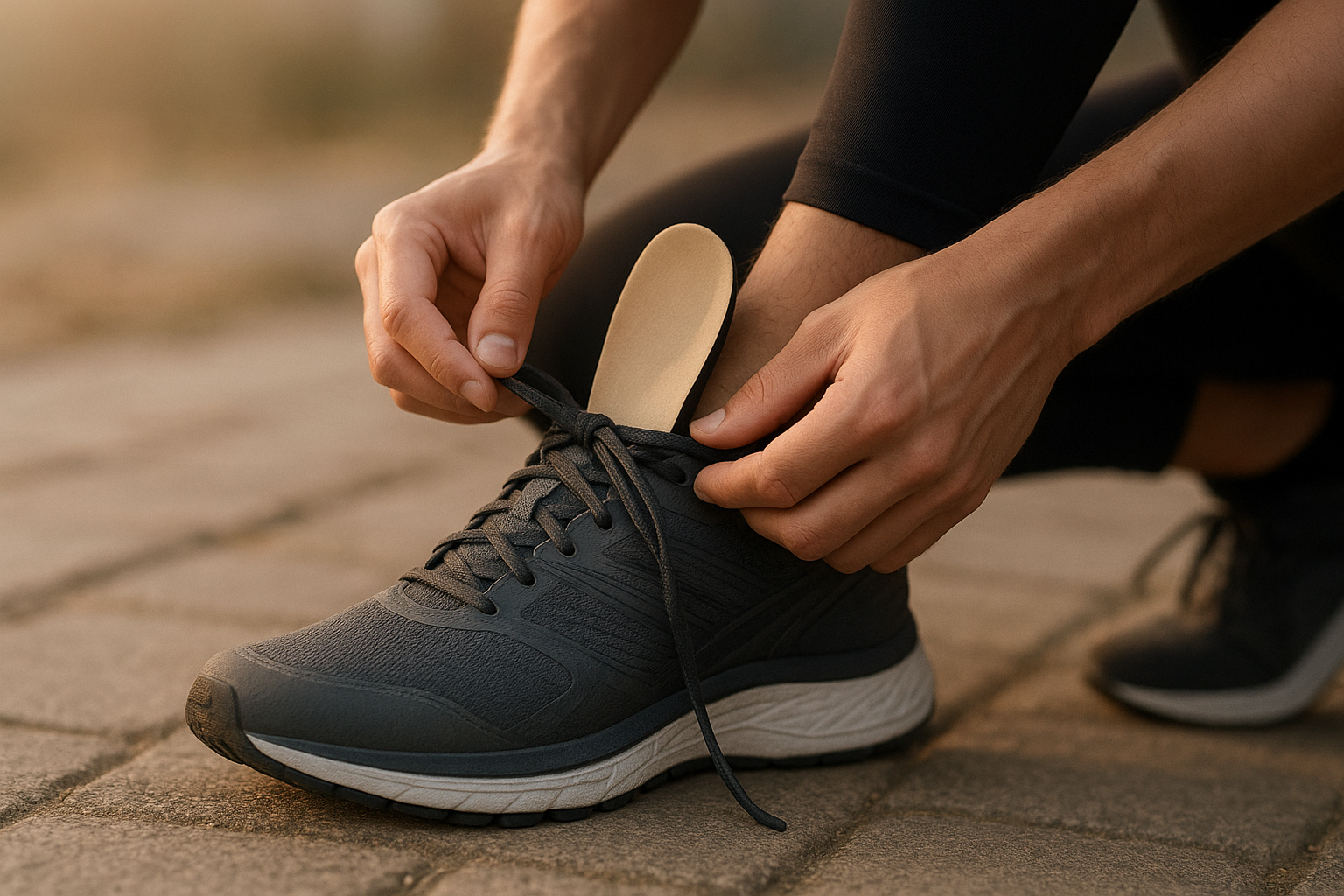
Choosing the best orthotics for running starts with a proper foot assessment, not a guess at the shoe store. For a deeper walkthrough, see our Best Orthotics for Everyday Use: A Complete Guide.
Orthotics vs. Insoles: Why the Words Aren't Interchangeable
Many running gear roundups use "orthotics" and "insoles" as if they mean the same thing. In reality, they don't. Insoles are typically pre-shaped cushioning inserts sold in standard sizes — they add comfort but rarely correct a structural issue. Orthotics, on the other hand, are designed to change how force moves through your foot and leg during each stride.
This distinction matters because a runner searching for the best orthotics for running usually isn't just looking for softer cushioning. Instead, they're looking for a device that addresses overpronation, a leg-length discrepancy, or chronic pain that off-the-shelf cushioning simply can't fix. Knowing this difference upfront saves time — and money — before you buy anything.
Why Running Demands More Support Than Walking
Running places significantly more stress on the feet than walking does. Specifically, each foot strike during running can generate forces equal to two to three times body weight, compared to roughly 1.2 times during walking. Consequently, small structural imbalances that go unnoticed while walking often become painful once you start running consistent mileage.
The Force Behind Every Footstrike
According to the American Podiatric Medical Association, biomechanical issues such as overpronation are among the leading contributors to running-related injuries. In addition, the overview of orthotic devices on Wikipedia notes that corrective devices are commonly recommended to redistribute pressure and improve alignment during repetitive-impact activities. For this reason, runners typically need more targeted arch and heel support than casual walkers.
Furthermore, research on overuse injuries published through the National Center for Biotechnology Information suggests a large share of regular runners experience at least one injury per year, frequently linked to biomechanical inefficiencies. This statistic underscores why proactive support, rather than reactive treatment, matters so much for anyone logging consistent miles.
Signs You Might Need Running Orthotics
Above all, persistent pain is the clearest signal. If you notice recurring discomfort in the arch, heel, knee, or hip after runs, your current footwear likely isn't providing adequate support. Similarly, uneven wear patterns on the outsole of your running shoes often point toward pronation issues.
Other common indicators include a history of stress fractures, shin splints, or IT band tightness. In particular, runners recovering from plantar fasciitis frequently find that generic insoles fail to relieve pressure on the inflamed tissue. When these patterns keep showing up, a podiatrist evaluation can clarify whether custom running orthotics would help.
Types of Running Orthotics Explained
Not all orthotics are built the same way, and the category you choose changes how your foot behaves mid-run. Below are the three main types you'll encounter when researching the best orthotics for running.
Rigid Orthotics
Rigid orthotics are built from firm materials such as carbon fiber or dense polypropylene. They control excess motion and are typically prescribed for moderate to severe overpronation or supination. However, they offer less cushioning, so they're often paired with a well-padded running shoe.
Semi-Rigid Orthotics
Semi-rigid designs blend a firm base with layers of softer, shock-absorbing material. Consequently, most runners land here — the design balances motion control with the cushioning needed to handle repeated impact over long distances.
Soft, Accommodative Orthotics
Soft orthotics prioritize cushioning over correction. They're often recommended for runners with diabetes, arthritis, or highly sensitive pressure points, where comfort and shock absorption matter more than aggressive motion control.
Custom Orthotics vs. Off-the-Shelf Insoles
Off-the-shelf insoles are convenient and inexpensive, but they're built to fit an average foot shape rather than your specific structure. In contrast, custom orthotics are molded directly from your feet, allowing precise correction of arch height, heel positioning, and pressure distribution.
- Fit: Custom devices match your exact arch and heel shape; off-the-shelf insoles fit a size range, not an individual foot.
- Correction vs. cushioning: Custom orthotics correct biomechanical faults; most insoles only add padding.
- Longevity: Custom devices typically outlast insoles by one to two years thanks to sturdier core materials.
- Cost over time: Insoles cost less upfront but need replacing more often, narrowing the price gap over a few years.
For example, a runner with a high arch and a runner with flat feet need very different support profiles. Generic insoles typically compromise between the two, offering moderate support that fits neither perfectly. As a result, many serious runners eventually move to custom devices after finding limited relief from store-bought options. If you're weighing options for an active lifestyle beyond running alone, this guide to orthotics for active lifestyles covers cross-training and daily wear too.
Choosing the Best Running Orthotics for Your Foot Type
Not every runner needs the same design. Your arch type and gait pattern should drive the decision, not the price tag.
Flat Feet and Overpronation
Runners with flat feet often benefit from firmer arch support that prevents excessive inward rolling. Overpronators — runners whose foot rolls inward past a healthy range — typically need motion-control features built into a semi-rigid or rigid device.
High Arches and Supination
Runners with high, rigid arches typically need extra cushioning to absorb shock the foot can't dissipate naturally. Supinators, who roll outward, often require additional padding along the outer edge of the orthotic to balance pressure distribution.
Neutral Arches
Runners with a neutral arch and gait typically need less aggressive correction. Even so, a lightweight semi-rigid orthotic can still improve comfort over long distances by evenly distributing pressure. A podiatrist can assess your pattern directly rather than relying on guesswork or a shoe-store treadmill test.
Matching Orthotics to Your Running Style
The surface and distance you train on changes what "best" looks like. In addition, the type of running matters as much as the type of foot.
Road Running
Road runners generally prioritize lightweight cushioning built to handle thousands of repetitive, consistent impacts on a hard, flat surface.
Trail Running
Trail runners generally need more structural stability for uneven terrain, since ankles and arches face unpredictable side-to-side forces on roots, rocks, and slopes.
Track and Sprint Training
Sprinters need a low-profile design that won't add bulk inside a racing flat. For runners who want support tailored to snug athletic shoes, a 3/4 length orthotic option provides arch support without crowding the toe box.
Treadmill Running
Treadmill surfaces offer more cushioning than pavement, so many runners find a slightly firmer orthotic keeps the foot stable without feeling overly soft underfoot.
Materials That Make a Difference
The core material of an orthotic determines how it feels and how long it lasts. EVA foam is lightweight and cushioned but compresses faster under heavy mileage. Cork offers a firmer, more supportive base that molds slightly to heat and pressure over time. Gel layers add targeted shock absorption at the heel or forefoot. Carbon fiber and rigid thermoplastics deliver the strongest motion control, favored in devices built for moderate to severe overpronation.
Consequently, the "best" material depends on your priority: cushioning, correction, breathability, or durability. Runners training in hot, humid climates should also ask about moisture-wicking top covers, since trapped sweat can accelerate material breakdown.
Running Injuries Orthotics Can Help Manage
One area many insole comparisons skip entirely is how support connects to specific injuries. Below is a breakdown of the conditions where the best orthotics for running tend to make the biggest measurable difference.
Plantar Fasciitis
Deep heel cups and firm arch support reduce tension on the inflamed plantar fascia band, which often eases morning heel pain over several weeks of consistent wear.
Shin Splints
Motion-control orthotics can limit the excess pronation that pulls on the muscles connecting to the shin, which is frequently linked to shin splint pain during mileage increases.
IT Band Syndrome
Because IT band syndrome is often tied to hip and knee alignment, correcting foot mechanics with an orthotic can reduce the rotational stress that travels up the leg.
Achilles Tendinitis
A slight heel lift built into the orthotic can reduce strain on the Achilles tendon, easing discomfort during push-off on longer runs.
Metatarsalgia and Morton's Neuroma
Metatarsal pads built into the orthotic redistribute pressure away from the ball of the foot, which often relieves the sharp, burning pain associated with Morton's neuroma.
Stress Fractures
While orthotics don't heal a fracture, they can redistribute load away from a healing area during the return-to-running phase, which many podiatrists recommend alongside a gradual mileage build-up.
How Custom Running Orthotics Are Made
Understanding the fabrication process helps set realistic expectations for fit and turnaround time. Below is the typical sequence used by podiatrist-led practices to create a precise, personalized device.
- Schedule a consultation: Speak with a podiatrist about your running habits, pain points, and footwear history so they understand your specific biomechanical needs before any mold is taken.
- Get a foot mold or scan: The podiatrist captures a precise impression of each foot, assessing arch height, pronation, and pressure zones for accuracy down to the millimeter.
- Select materials and design: Choose the rigidity, cushioning level, and length suited to your running style, whether that's road running, trail running, or sprint training.
- Fabrication: Skilled technicians build the orthotic directly from your mold, ensuring the finished shape matches your foot rather than a generic shoe-size template.
- Fit and break-in: Wear the orthotics gradually, starting with short walks before running, and schedule adjustments if any pressure points remain after the first week.
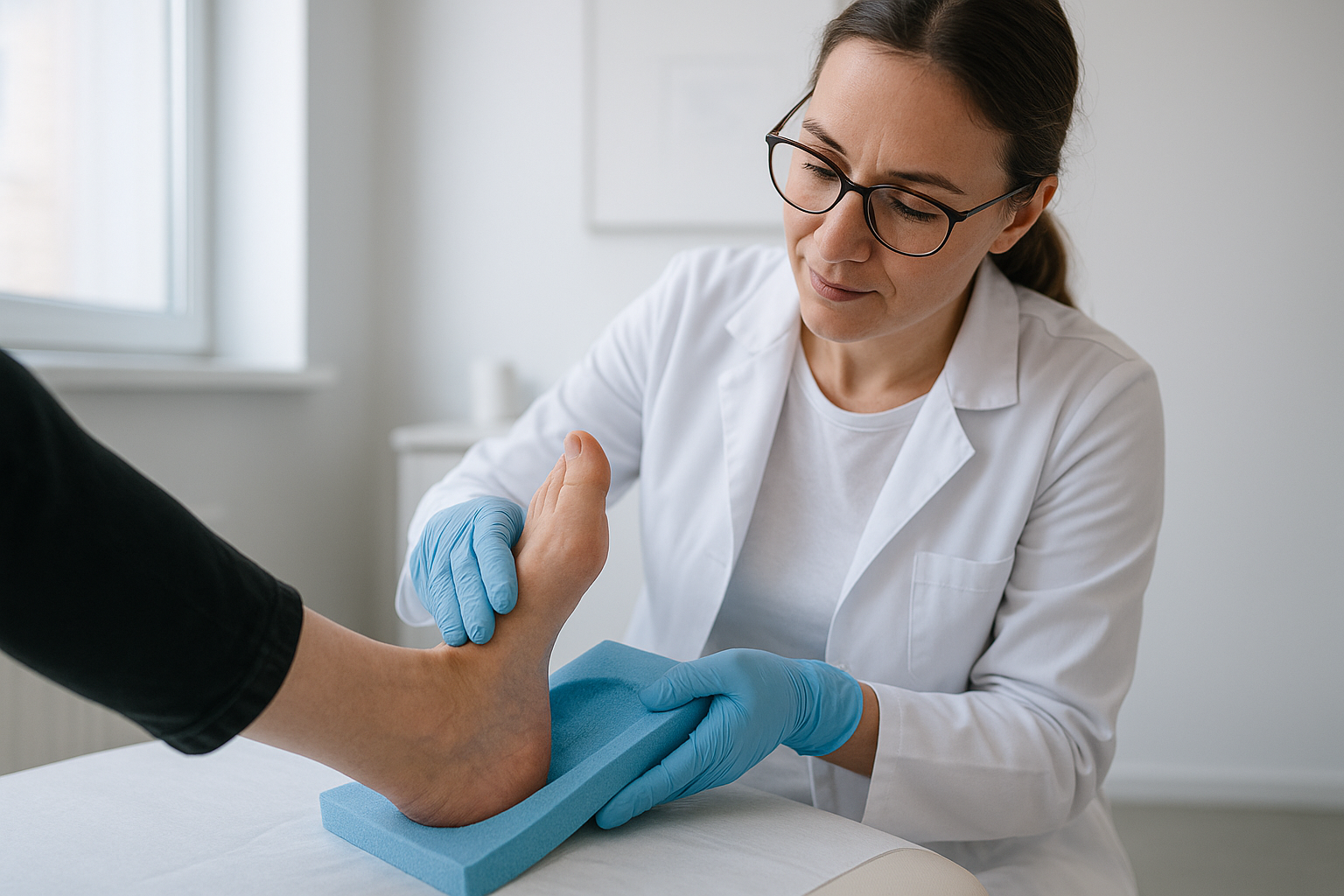
A precise mold is the foundation of any well-fitted custom orthotic.
Cost, Insurance, and Where to Get Custom Orthotics
Cost is often a deciding factor for runners weighing custom versus off-the-shelf options. Although custom orthotics typically cost more upfront, they're built to last multiple years with proper care, which can make them more economical over time. For a closer look at balancing quality with budget, this resource on affordable custom orthotics outlines ways to manage cost without sacrificing fit.
In addition, many runners overlook that HSA and FSA funds can often be used toward custom orthotics when a podiatrist documents medical necessity, which effectively lowers the out-of-pocket cost. Some health insurance plans also cover part of the expense, so it's worth checking your benefits before assuming custom devices are out of reach.
Practices with decades of fabrication experience, like customorthotics.com, offer complimentary podiatrist consultations either by phone or through an online ordering platform. This approach makes professional-grade foot care accessible whether you're local or ordering remotely. For a broader overview of the entire process, this complete guide to personalized foot orthotics covers additional details worth reviewing before you order.
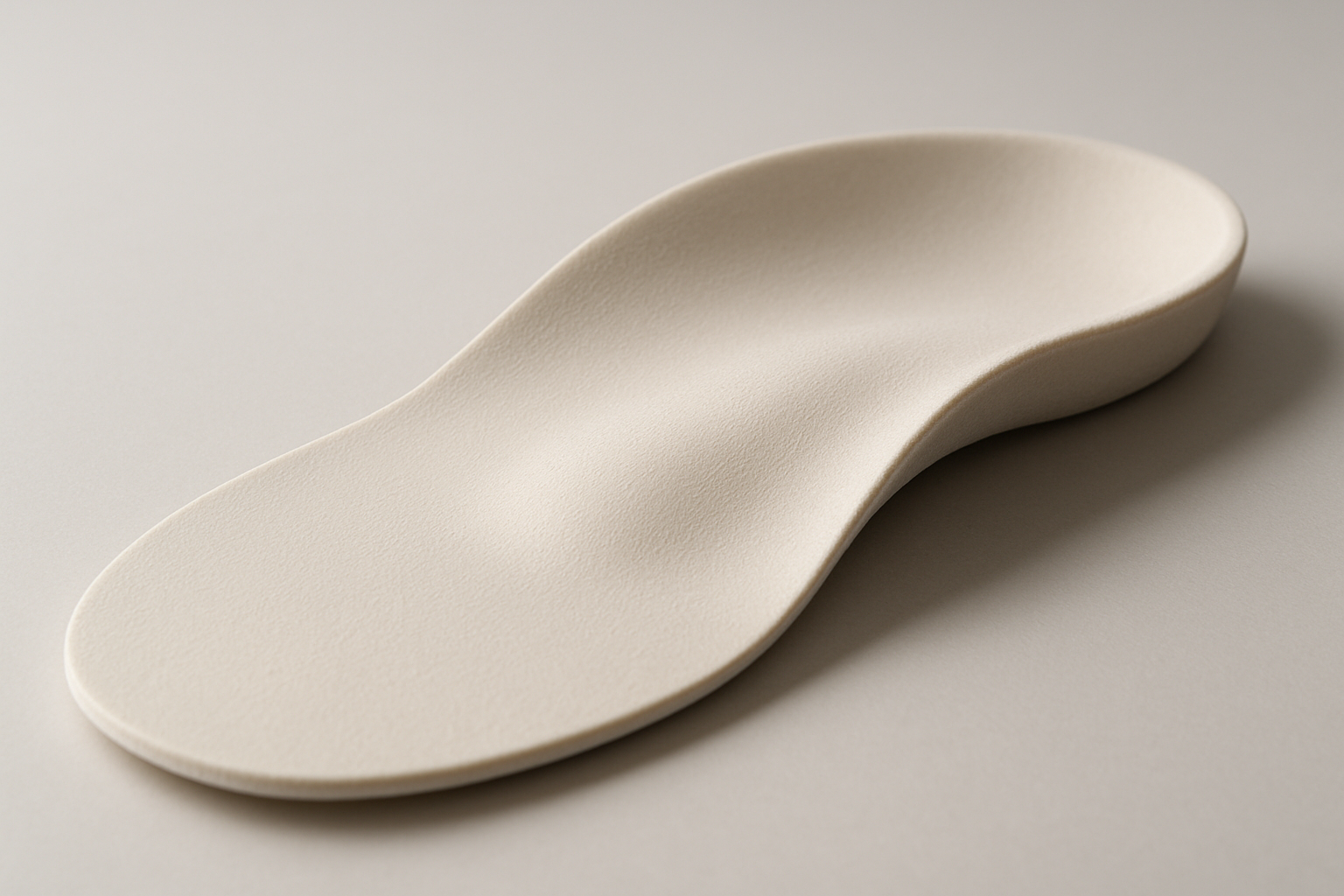
Arch contouring is one of the details that separates custom orthotics from generic insoles.
Breaking In New Running Orthotics: A Realistic Timeline
Once your orthotics arrive, resist the urge to run in them immediately. Instead, wear them around the house or on short walks for the first few days to let your feet adjust gradually. Similarly, increase wear time incrementally over one to two weeks before attempting a full training run.
If you notice persistent rubbing, numbness, or sharp discomfort, it's worth checking in with your podiatrist for minor adjustments. Otherwise, mild soreness during the first week is fairly normal as muscles adapt to a new support pattern.
Quick tip: Log your break-in mileage in a running app or notebook. If soreness increases past day ten instead of fading, that's a signal to book a fitting adjustment rather than pushing through.
How Long Do Running Orthotics Last?
Most custom orthotics last one to three years with regular running use, though mileage and body weight both affect the timeline. Signs it's time to replace them include a flattened arch, visible cracking, or a return of symptoms that had previously resolved.
In contrast, off-the-shelf insoles typically compress within three to six months of regular running, which is another reason custom devices often work out cheaper across several years of use.
Common Mistakes Runners Make When Choosing Orthotics
A common mistake is choosing generic insoles based on price alone rather than an actual foot assessment. Another frequent error is skipping the break-in period, which can lead to discomfort that discourages continued use.
- Buying based on shoe-store recommendations instead of a podiatrist evaluation.
- Ignoring running surface and distance when selecting rigidity level.
- Wearing the same pair across mismatched shoe volumes without adjustment.
- Waiting too long to replace worn-out orthotics after symptoms return.
Frequently Asked Questions About the Best Orthotics for Running
What are the best orthotics for running?
The best orthotics for running are custom-molded devices built from an impression of your own foot, since they match your unique arch height, gait pattern, and pressure points. Off-the-shelf insoles can offer temporary cushioning, but they rarely correct the underlying biomechanical issues that lead to running injuries.
How do custom orthotics differ from store-bought insoles?
Custom orthotics are fabricated from a mold or scan of your individual foot, while store-bought insoles come in generic sizes meant to fit average foot shapes. As a result, custom devices provide more precise support for structural imbalances like overpronation or high arches.
What's the difference between orthotics and insoles?
Insoles are cushioning inserts sold in standard sizes, mostly designed for comfort. Orthotics are custom-built medical devices designed to correct or accommodate biomechanical issues like overpronation, and they're typically fitted by a podiatrist.
How much do custom running orthotics cost?
Custom orthotics typically cost more upfront than mass-produced insoles, often ranging from a couple hundred dollars depending on materials and provider. However, many patients find the investment worthwhile since a properly fitted device can last several years.
Are custom orthotics covered by insurance or HSA/FSA?
Many HSA and FSA accounts cover custom orthotics when a podiatrist documents medical necessity. Some insurance plans also reimburse part of the cost, so it's worth confirming your specific benefits before ordering.
How long does it take to break in new orthotics?
Most runners need one to two weeks to fully adjust to new orthotics, gradually increasing wear time each day. Starting with short walks before transitioning to running helps muscles adapt comfortably.
Can orthotics help prevent running injuries?
Yes, properly fitted orthotics can help distribute pressure more evenly across the foot, which may reduce strain on the plantar fascia and knees. That said, orthotics work best alongside proper footwear and sensible training progression.
Can orthotics fix overpronation permanently?
Orthotics manage overpronation while worn rather than permanently reshaping the foot. Consistent use, paired with strengthening exercises recommended by a podiatrist, often produces the most lasting improvement in gait.
What foot types benefit most from custom orthotics?
Runners with flat feet, high arches, or a history of overpronation tend to see the most noticeable benefit. Individuals recovering from plantar fasciitis, shin splints, or IT band issues often benefit as well.
How do I know if I need orthotics for running?
Signs include recurring foot, knee, or hip pain during or after runs, uneven shoe wear patterns, or a history of stress fractures. A podiatrist can evaluate your gait and foot structure to confirm whether orthotics are appropriate.
Are custom orthotics worth it for casual runners?
Casual runners can still benefit, particularly if they experience discomfort or have noticeable structural imbalances. Even low-mileage runners put repetitive stress on the feet, so proper support matters regardless of pace.
How often should running orthotics be replaced?
Most custom orthotics last one to three years with regular running use, though this varies based on mileage and materials. Signs of wear, such as flattened arch support, indicate it's time for a replacement.
What's the difference between rigid and semi-rigid orthotics?
Rigid orthotics use firmer materials designed to control motion and correct alignment, while semi-rigid versions blend support with cushioning. Runners often prefer semi-rigid designs since they balance stability with shock absorption.
Can I use custom orthotics in multiple pairs of running shoes?
Many custom orthotics transfer between shoes with similar volume and lacing structure, though a snug fit is essential. Some runners order an additional pair sized specifically for running shoes to keep a dedicated set.
Do running orthotics work for trail running shoes?
Yes, though trail shoes usually have more volume than road shoes, so a slightly thicker or more structured orthotic is often recommended to maintain stability on uneven terrain.
What's the best orthotic material for hot weather runners?
Look for orthotics with moisture-wicking or antimicrobial top covers, since trapped sweat can break down cushioning materials faster in warm, humid conditions.
What common mistakes do runners make when choosing orthotics?
A common mistake is choosing generic insoles based on price alone rather than an actual foot assessment. Another frequent error is skipping the break-in period, which can lead to discomfort that discourages continued use.
Do custom orthotics require a doctor's prescription?
While some providers require a podiatrist evaluation first, many practices offer direct consultations without a formal prescription requirement. It's still recommended to consult a podiatrist to ensure the design matches your foot mechanics.
Final Verdict: Choosing the Best Orthotics for Running
Ultimately, finding the best orthotics for running comes down to matching the device to your specific foot structure, gait pattern, and mileage goals. Custom-molded orthotics generally outperform generic insoles because they address the root biomechanical causes of pain rather than masking symptoms temporarily. Therefore, consulting a podiatrist before purchasing is one of the most reliable ways to avoid trial-and-error spending.
In summary, the best orthotics for running are built from your own foot mold, fitted gradually, and matched to your specific arch type, injury history, and running style. Whether you're training for a marathon or running casually a few times a week, taking the time to get properly assessed can meaningfully reduce injury risk and improve comfort mile after mile.