

Personalized foot solutions for athletes have become one of the most effective ways to address chronic pain, prevent injury, and support peak performance on the field, court, or track. Unlike generic insoles pulled from a drugstore shelf, these solutions are built directly from a mold of each athlete's foot, capturing every arch, pressure point, and structural quirk that off-the-shelf products simply cannot account for. Whether you're a marathon runner battling shin splints or a weekend basketball player nursing plantar fasciitis (a common cause of heel pain from inflamed tissue along the bottom of the foot), custom orthotics designed specifically for your foot and sport can make a measurable difference in comfort and mobility. In this guide, we'll explain what personalized foot solutions for athletes actually involve, how they're made, and why podiatrists so often recommend them over mass-produced alternatives.
Quick answer: Personalized foot solutions for athletes are custom orthotic devices molded from an individual's feet to correct structural imbalances, reduce pain, and support the specific movements of a chosen sport. They differ from mass-produced insoles because every contour is shaped around your actual foot rather than an average template.
What Are Personalized Foot Solutions for Athletes?
Personalized foot solutions for athletes are custom-fabricated orthotic devices, built from a direct mold or scan of the patient's own feet rather than a generic mold. This means the finished product accounts for arch height, heel alignment, and pressure distribution unique to that individual. Consequently, the fit is far more precise than anything available off the shelf.
In practice, this process usually starts with a consultation, moves to a mold or casting session, and ends with fabrication and fitting. For example, a distance runner with a flat arch and a tennis player with high arches would receive two very different devices, even though both are labeled "orthotics." That distinction is exactly why generic insoles often fall short for serious athletes.
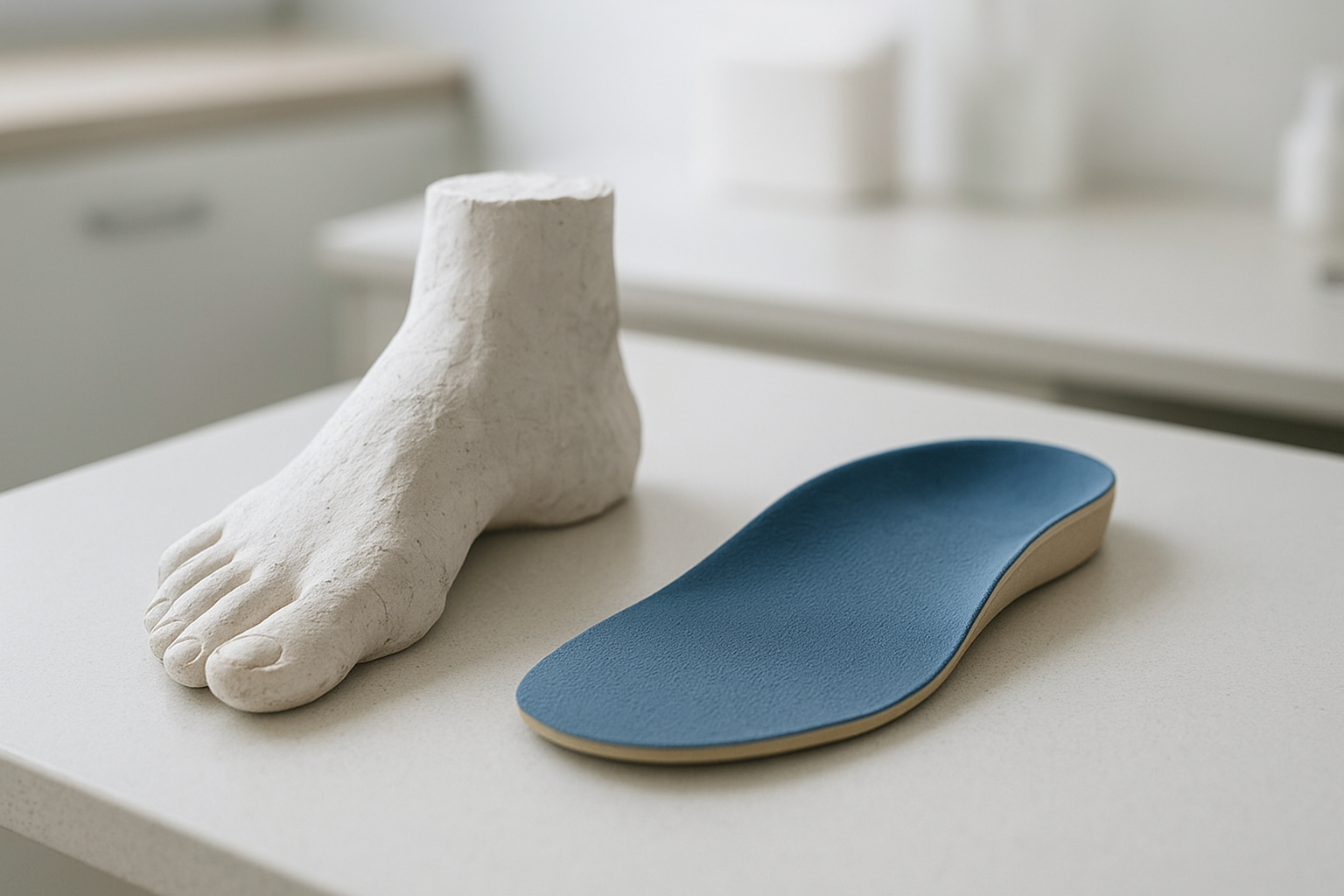
A precise foot mold is the foundation of personalized foot solutions for athletes.
Why Custom Orthotic Support Matters for Athletic Performance
Athletes place repetitive, high-impact stress on their feet with every stride, jump, and pivot. As a result, even minor structural imbalances can compound over hundreds of training sessions into serious pain or injury. Custom orthotic support addresses this by correcting alignment issues before they escalate.
In particular, research supports this approach. A study referenced by the National Institutes of Health found that custom foot orthotics reduced injury-related pain in runners by a meaningful margin compared with standard insoles. Furthermore, the American Podiatric Medical Association notes that proper foot mechanics play a direct role in preventing overuse injuries common among athletes.
Data point: Studies on custom orthotics have shown reductions in training-related foot and lower-limb pain of up to 28% compared with generic insoles, according to findings summarized in sports medicine research.
Common Foot Problems Among Athletes
Before exploring solutions, it helps to understand what athletes are actually up against. Plantar fasciitis, shin splints, stress fractures, and Achilles tendinitis are among the most frequent complaints seen in active patients. Similarly, structural issues like overpronation or high arches often go unnoticed until they trigger pain elsewhere, such as the knees or lower back.
In many cases, these problems stem from the same root cause: a mismatch between the foot's natural shape and the support it receives from standard footwear. Therefore, correcting that mismatch through personalized foot solutions for athletes often resolves symptoms that generic treatments failed to fix.
How Custom Orthotics Are Made for Athletes
The fabrication process is more involved than most people expect, and understanding it helps explain why custom devices outperform generic ones. Below is the typical step-by-step process.
- Schedule a consultation: Speak directly with a podiatrist about your foot pain history, training schedule, and the specific demands of your sport before any mold is taken.
- Get a foot mold or scan: A technician captures a precise impression of each foot in a neutral position to record your unique arch height, pressure points, and structural alignment.
- Custom fabrication: The lab builds your orthotic device from the mold using materials chosen to match your sport, body weight, and biomechanical needs for durability and support.
- Fitting and adjustment: You try on the finished orthotics inside your athletic shoes while the podiatrist checks fit, comfort, and alignment, making adjustments as needed for optimal performance.
Notably, this process typically takes two to four weeks from start to finish. If you're dealing with foot pain from a job that keeps you on your feet all day rather than sport specifically, a similar approach applies, as described in this guide to custom foot supports for standing jobs.
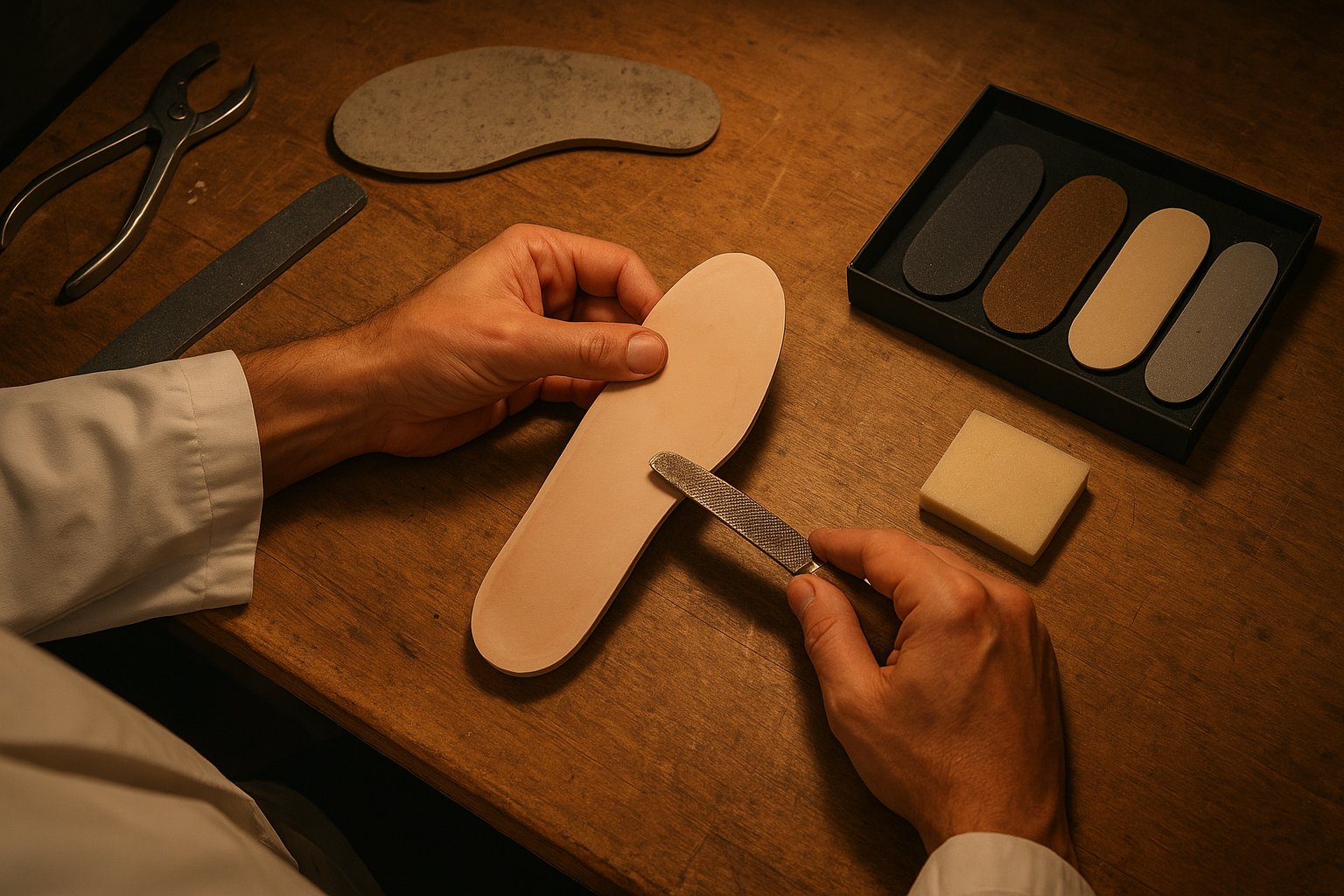
Skilled fabrication turns a foot mold into a finished custom orthotic.
Choosing the Right Custom Foot Supports for Your Sport
Not every sport places the same demands on the feet, so the right custom foot supports vary considerably by activity. Runners, for instance, generally need orthotics with strong shock absorption and arch stability to handle repetitive impact. In contrast, court sports like basketball or tennis often call for devices that support quick lateral movement and sudden stops.
For a deeper look at footwear-specific needs, this complete buyer's guide to orthotics for running breaks down what to look for by mileage and gait pattern. Meanwhile, athletes on a budget should know that personalization doesn't always mean a premium price tag; some practices offer affordable sports orthotics with a custom fit for less money.
Above all, the material and rigidity of the device should match your sport's specific stresses. A podiatrist can help translate your training routine into the right combination of flexibility, cushioning, and support.
Benefits of Personalized Orthotics for Athletic Performance
Beyond pain relief, personalized orthotics for athletic performance offer several practical advantages. First, they improve energy transfer during push-off, which can reduce fatigue over long training sessions. Second, they help correct overpronation or supination, two common causes of knee and hip strain in runners.
In addition, athletes often report better balance and confidence in their footing, particularly during quick directional changes. As a result, many training programs now treat custom orthotics as a preventive tool rather than a reactive one, addressing small imbalances before they become serious injuries.
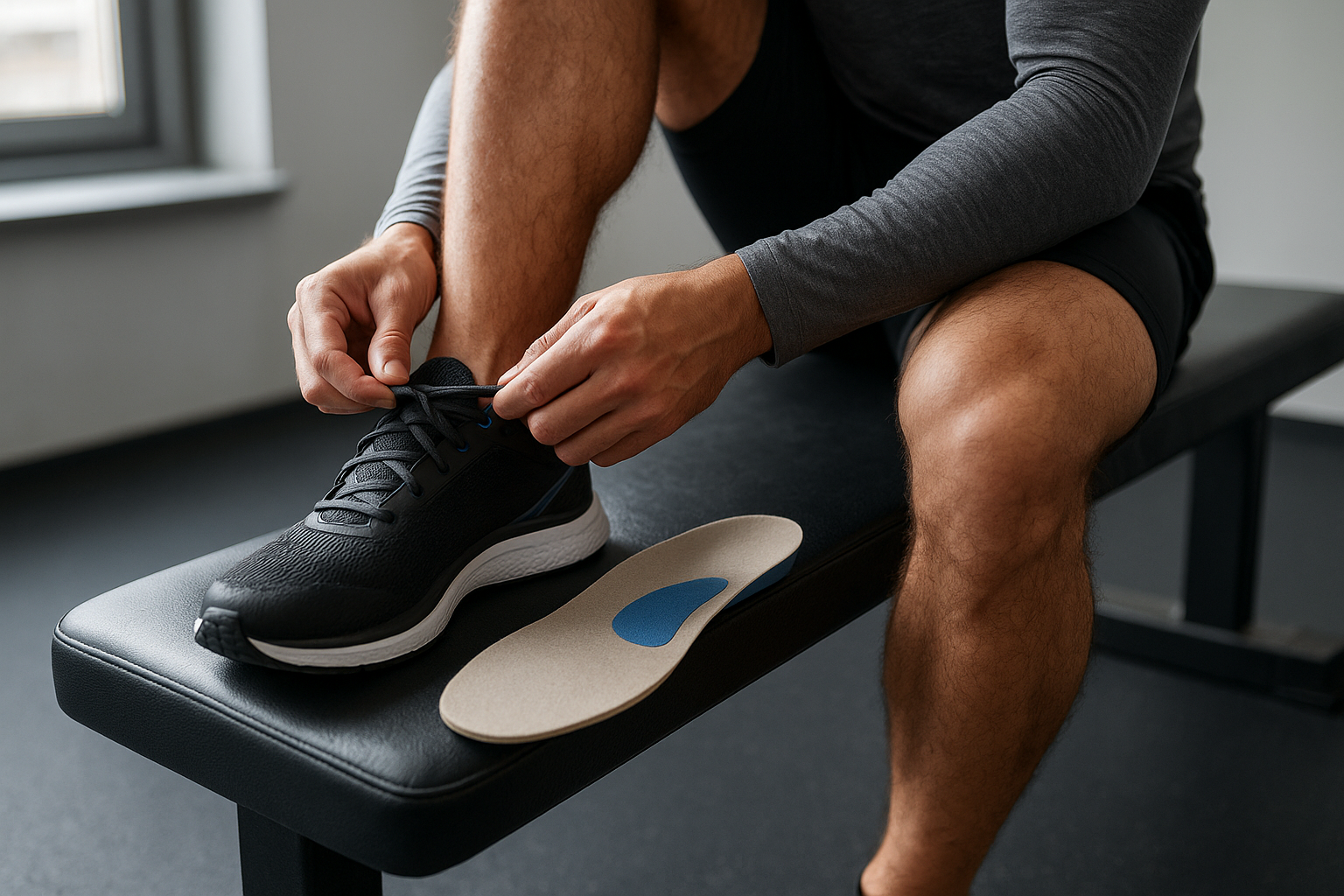
Personalized foot solutions for athletes fit directly into training and competition footwear.
Cost Considerations for Athlete-Specific Orthotics
Cost is often the first question athletes ask, and understandably so. Custom orthotics typically range from around $200 to $600 per pair, depending on materials, complexity, and whether insurance applies. However, this range can vary by provider and region.
That said, price shouldn't be the only factor. A lower-cost, poorly fitted device can end up costing more in the long run through lost training time or repeat injuries. Therefore, it's worth comparing value rather than price alone, and asking directly about what's included in a complimentary consultation before committing.
Personalized Foot Solutions for Athletes vs. Off-the-Shelf Insoles
It's worth directly comparing personalized foot solutions for athletes against the mass-produced insoles found at most sporting goods stores. The table below summarizes the key differences.
| Feature | Custom Orthotics | Off-the-Shelf Insoles |
|---|---|---|
| Fit basis | Molded from your own foot | Generic average shape |
| Pain targeting | Addresses root cause | Cushions symptoms only |
| Durability | 1 to 3 years typically | Several months |
| Sport-specific design | Yes | Rarely |
Ultimately, this comparison explains why so many podiatrists steer serious athletes away from generic products. If you're still unsure where to start, this resource on finding personalized orthotics for foot pain offers a practical starting point.
Frequently Asked Questions
What are personalized foot solutions for athletes?
Personalized foot solutions for athletes are custom-made orthotic devices molded directly from an individual's feet to correct imbalances, relieve pain, and support sport-specific movement. Unlike generic insoles, they are built to match each athlete's unique arch shape and gait pattern.
How do custom orthotics differ from store-bought insoles?
Custom orthotics are fabricated from a mold of your actual foot, while store-bought insoles use a one-size-fits-most shape. As a result, custom devices provide more precise arch support and pressure distribution.
Why do athletes need custom orthotics?
Athletes place repetitive, high-impact stress on their feet, which can expose structural weaknesses that off-the-shelf products fail to address. Custom orthotics help correct these imbalances and reduce the risk of overuse injuries.
How long does it take to get custom orthotics made?
Most custom orthotics take between two and four weeks from the initial mold to final delivery. Turnaround time can vary depending on the lab and the complexity of the device.
How much do custom orthotics cost for athletes?
Custom orthotics typically range from $200 to $600 per pair depending on materials and design complexity. Some practices, however, offer more affordable options without sacrificing fit quality.
Can custom orthotics improve athletic performance?
Yes, by correcting alignment and reducing energy loss during foot strike, custom orthotics can improve efficiency and comfort during activity. Many athletes also report reduced fatigue over long training sessions.
What sports benefit most from custom orthotic support?
Running, basketball, soccer, and other high-impact sports tend to benefit the most from custom orthotic support because of repetitive foot strikes. That said, athletes in almost any sport can benefit from better alignment.
How often should athletes replace their orthotics?
Most athletic orthotics last one to three years depending on training volume and material wear. Signs of wear, flattening, or returning pain indicate it's time for a replacement.
Do custom orthotics help prevent running injuries?
Custom orthotics can help prevent common running injuries like shin splints and plantar fasciitis by correcting overpronation or supination. However, they work best alongside proper footwear and training habits.
What is the process for getting fitted for custom orthotics?
The process starts with a consultation, followed by a foot mold or scan, fabrication of the device, and a final fitting appointment. Adjustments are often made after the initial fitting to fine-tune comfort.
Are custom orthotics covered by insurance?
Some insurance plans cover custom orthotics when prescribed for a diagnosed medical condition, though coverage varies widely. It's best to check directly with your provider before ordering.
What common mistakes do athletes make when choosing orthotics?
A common mistake is choosing generic insoles instead of a mold-based custom fit, which fails to address individual biomechanics. Another mistake is not matching the orthotic's rigidity to the specific demands of the sport.
Can custom orthotics help with plantar fasciitis?
Yes, custom orthotics are frequently recommended for plantar fasciitis because they redistribute pressure away from the inflamed area. Combined with stretching and proper footwear, they often speed up recovery.
How do I know if I need custom orthotics as an athlete?
Persistent foot, knee, or lower back pain during or after training is a strong signal that custom orthotics may help. A podiatrist consultation can confirm whether structural imbalances are contributing to the issue.
What's the difference between custom orthotics and orthopedic insoles?
Orthopedic insoles are generally semi-custom or adjustable, while true custom orthotics are built entirely from an individual mold of the foot. This distinction matters because a mold-based fit addresses precise pressure points that adjustable insoles cannot.
Conclusion
In the end, personalized foot solutions for athletes offer a level of precision that generic insoles simply cannot match, from correcting structural imbalances to supporting sport-specific movement patterns. Whether you're managing plantar fasciitis, recovering from shin splints, or simply trying to train more comfortably, a custom-molded orthotic addresses the root cause rather than masking the symptoms. For further background on orthotic devices generally, the Wikipedia entry on orthotics and the American Podiatric Medical Association both provide helpful independent context.
If you're ready to take the next step, you can request a complimentary consultation directly through customorthotics.com, where a podiatrist-owned team with more than 20 years of experience and an A+ Better Business Bureau rating builds every device from your own foot mold. Above all, the right custom fit can be the difference between fighting through pain and training with confidence.