

Walking orthotics are custom-molded shoe inserts built to correct foot alignment, absorb shock, and reduce pain with every step you take. Whether you struggle with plantar fasciitis (inflammation of the tissue along the bottom of the foot), flat feet, or the dull ache of standing all day, these devices work with your body's natural gait instead of against it. Below, we'll break down exactly how walking orthotics work, which conditions they treat, what separates a podiatrist-crafted pair from a drugstore insole, and how to know if custom support is right for you.
Quick answer: Walking orthotics are custom foot supports molded from an individual's own feet to correct structural imbalances, relieve pressure points, and improve comfort during everyday movement. Unlike mass-produced insoles, they are built to a person's exact arch height, foot shape, and gait pattern — and, as this guide covers, that precision is what determines whether they actually solve your pain or merely cushion it temporarily.
What Are Walking Orthotics?
Walking orthotics are devices inserted into footwear to support, cushion, or realign the foot during movement. Because they are shaped directly from a mold or digital scan of your foot, they fit far more precisely than any generic insole on a store shelf. As a result, they can correct issues such as overpronation, where the foot rolls inward excessively with every stride, or supination, where it rolls outward and overloads the outer edge.
According to the American Podiatric Medical Association, foot pain and structural imbalances affect a large share of adults at some point in their lives, often stemming from poor arch support. The APMA notes that properly fitted orthotics are one of the most common conservative treatments recommended before surgery is ever considered. In other words, walking orthotics are typically a first-line, non-invasive solution — not a last resort.
The Biomechanics: How Custom Foot Orthotics Improve Your Stride
Every time your foot strikes the ground, force travels up through your ankles, knees, hips, and lower back. Custom foot orthotics redistribute that force more evenly, which reduces strain on any single joint. For example, a heel absorbing excessive shock can be cushioned, while a collapsing arch can be lifted and stabilized in the same device.
In addition, because the device is molded to your unique foot shape, it moves with you rather than against you. This is the key difference from over-the-counter insoles, which are built for an "average" foot rather than yours specifically. For a deeper look at the mechanics of human movement, the Wikipedia overview of gait explains how the foot, ankle, and hip work together during walking. Consequently, many patients notice smoother, more confident steps once their adjustment period ends.
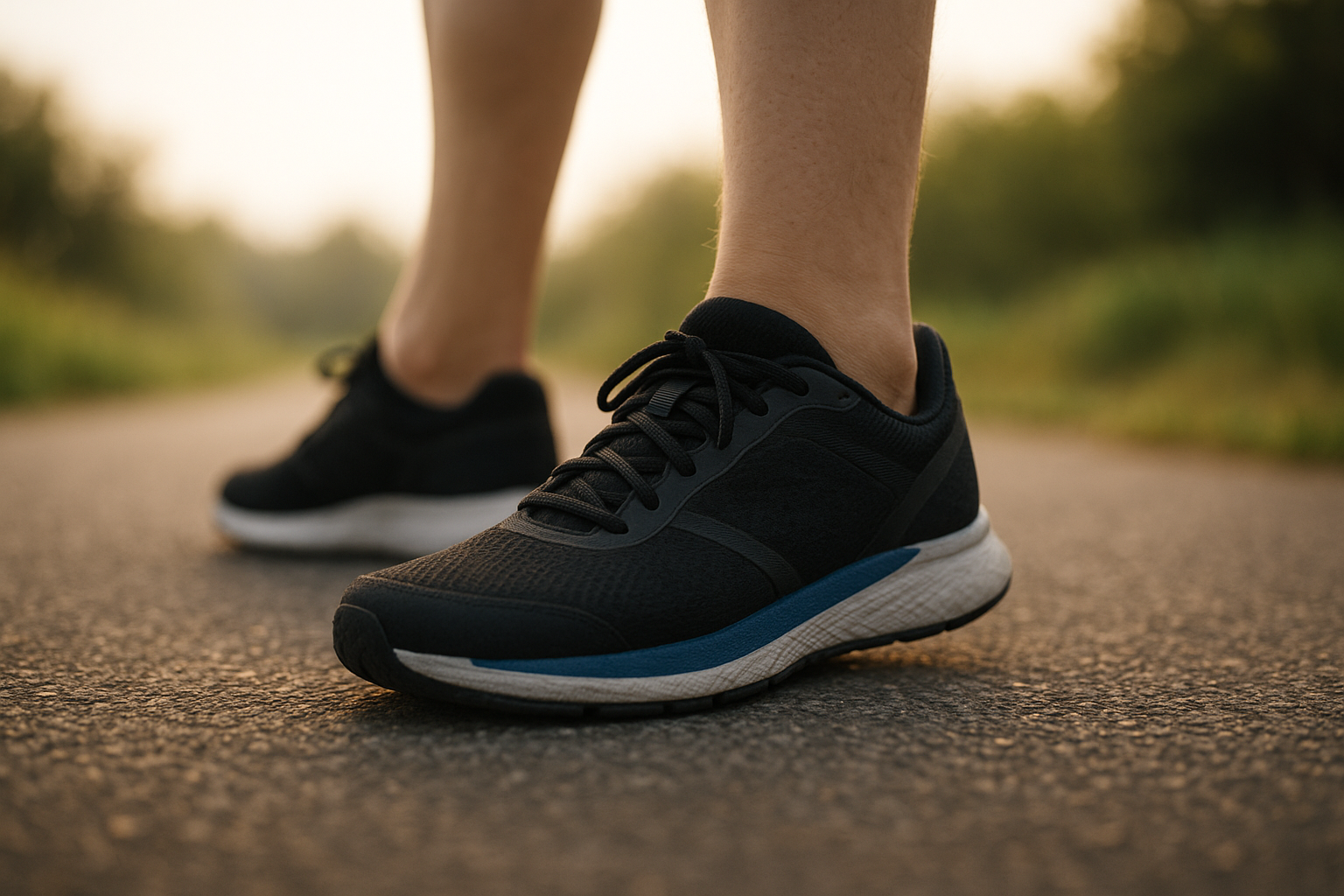
Walking orthotics fit inside everyday shoes to support proper foot alignment during exercise and daily movement.
Foot Conditions Walking Orthotics Can Help Treat
Orthotic insoles are used for a wide range of conditions, not just general discomfort. Common examples include:
- Plantar fasciitis and heel spurs
- Flat feet or fallen arches
- High, rigid arches that limit natural shock absorption
- Bunions and hammertoes
- Overpronation or supination during walking or standing
- Shin splints and Achilles tendon strain caused by poor alignment
- Diabetic foot sensitivity requiring extra protective cushioning
For a deeper look at how custom devices address these issues, our detailed breakdown of what foot problems custom orthotics can help with covers each condition in more depth. Similarly, the Wikipedia entry on plantar fasciitis offers useful background on one of the most common causes of heel pain.
Custom Walking Orthotics vs. Store-Bought and Semi-Custom Insoles
Store-bought inserts are manufactured in bulk to fit a general shoe size, not an individual foot. Semi-custom insoles sit a step above that — heat-moldable at home or trimmed to fit — but they still start from a stock shape rather than your actual anatomy. Custom walking orthotics, by contrast, begin with a physical or digital mold of your feet, so the finished product matches your arch height, heel shape, and pressure points precisely.
This distinction matters most for people managing chronic pain rather than occasional soreness. In short, the closer the fit is to your actual foot, the longer and more precisely the correction lasts.
Did you know? Surveys conducted by podiatric associations consistently find that a majority of adults experience some form of foot pain during their lifetime, yet many delay seeking proper support until symptoms become chronic and start affecting the knees or back.
Materials and Technology Used in Walking Orthotics
Not all walking orthotics are built the same way, and the material choice directly affects comfort, durability, and correction level. Rigid materials such as polypropylene or carbon fiber offer maximum structural control for severe overpronation, while semi-rigid options balance support with everyday flexibility. Softer materials like EVA foam (ethylene-vinyl acetate) or medical-grade gel top covers add cushioning for sensitive feet, including those with diabetic complications.
Because walking places different demands on the foot than running does, most walking orthotics use a slightly more flexible shell than a running-specific device. This allows a natural heel-to-toe roll during a normal walking gait, rather than the more explosive push-off needed for sprinting. A skilled podiatrist selects material density and flexibility based on your weight, activity level, and specific diagnosis — not a one-size-fits-all formula.
How Custom Orthotic Devices Are Made: A Step-by-Step Process
Understanding the fabrication process can help set expectations for anyone considering walking orthotics for the first time. Below is the typical sequence a podiatrist follows.
- Initial Consultation and Foot Assessment: The podiatrist examines your gait, posture, and pain points while discussing your daily activities and footwear habits to identify the root cause of discomfort.
- Casting or Digital Scanning: A physical mold or 3D scan captures your foot's exact shape in a neutral, corrected position so the finished device matches your true anatomy.
- Lab Fabrication: Technicians build the orthotic from the mold, shaping support zones exactly where correction is needed using materials suited to your activity level.
- Fitting and Adjustment: The podiatrist checks the fit inside your regular shoes and makes small adjustments to pressure points so the orthotic feels comfortable while standing and walking.
- Follow-Up and Break-In Period: Wear time increases gradually over one to two weeks, with a follow-up check to confirm the pain relief is working as intended.
If you'd like to start this process, you can request a complimentary consultation directly through customorthotics.com, whether you're visiting in person or ordering remotely.
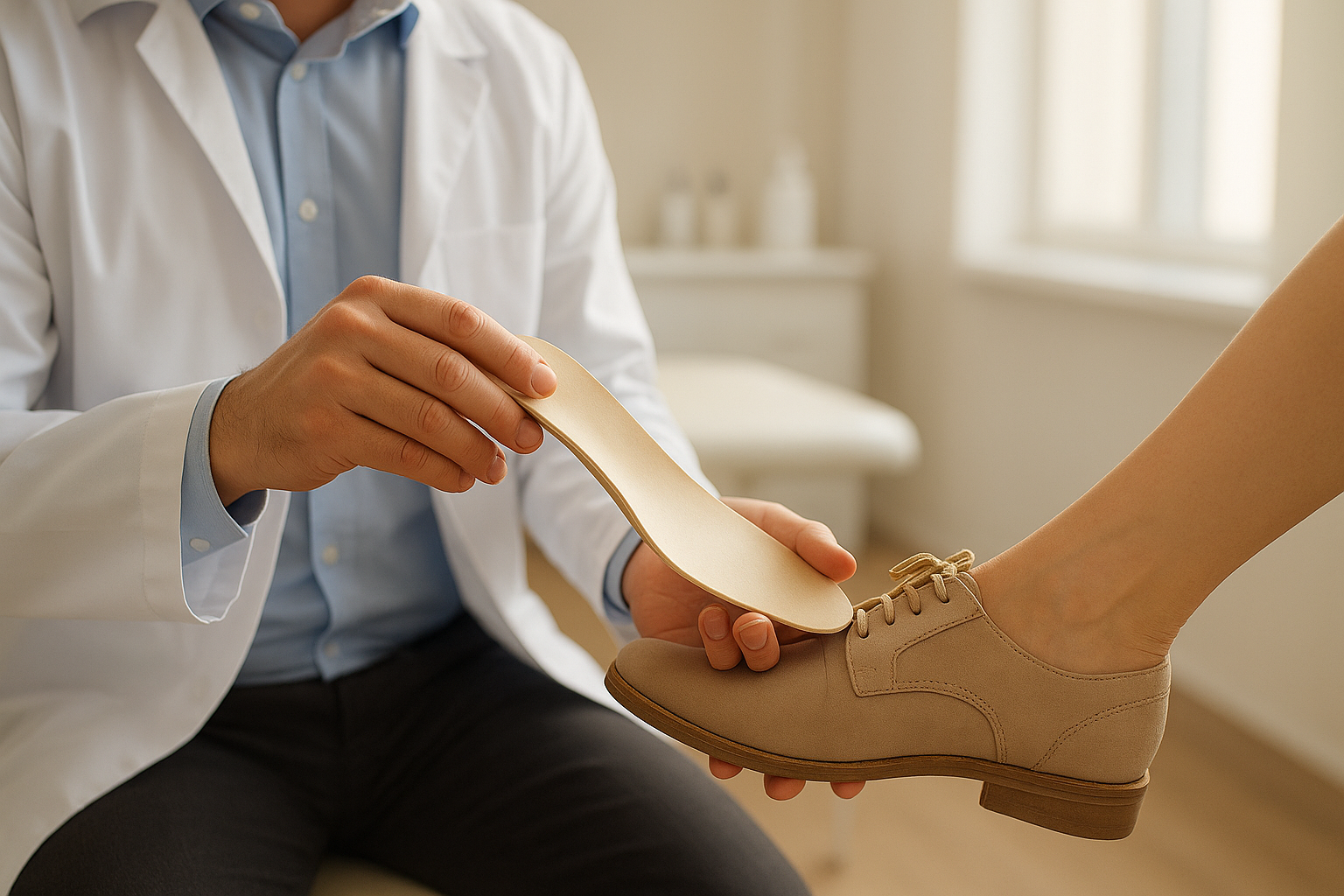
A podiatrist checks the fit of a newly fabricated orthotic before a patient begins the break-in period.
Choosing the Right Shoes for Walking Orthotics
Even the best-made orthotic underperforms in the wrong shoe. Ideally, footwear should have a removable factory insole, a firm heel counter, and enough internal depth to accommodate the added volume without crowding the toes. Athletic shoes, walking shoes, and many work boots typically work well, whereas narrow dress shoes or unstructured slip-ons often do not.
Furthermore, it's worth trying your orthotic in every pair of shoes you plan to wear it in regularly, since fit can vary noticeably between brands. If a shoe feels tight after inserting the device, sizing up half a size is often simpler than forcing a compromise on support.
Walking Orthotics for Diabetic Feet, Seniors, and Athletes
Different populations rely on walking orthotics for different reasons. People managing diabetes often need extra-depth, pressure-relieving designs because reduced sensation can hide the early warning signs of skin breakdown. The CDC's guidance on diabetic foot care emphasizes daily inspection alongside proper support, and our own guide to orthotics for diabetic foot care explains what to look for in a device built for this purpose.
Seniors, meanwhile, often benefit from orthotics that prioritize stability and balance over aggressive correction, since a slightly wider base of support can reduce fall risk during walking. Athletes, on the other hand, may need a firmer, more responsive shell that holds up to repeated impact. Because these needs differ so much, a one-size-fits-all product rarely satisfies all three groups equally well.
Staying Active with Walking Orthotics
Many people assume orthotics are only for those already in pain, but active individuals also benefit significantly. Runners, hikers, and gym-goers often use walking orthotics to prevent injury before it starts, rather than treating it after the fact. Specifically, added arch support reduces fatigue during long walks or standing shifts at work.
Our guide to orthotics for active lifestyles explores how different sports and routines call for slightly different support strategies. If budget is a concern, our breakdown of affordable sports orthotics custom-fit for less money shows that quality support doesn't have to come with a premium price tag.
Can Walking Orthotics Relieve Knee, Hip, and Back Pain?
Foot alignment influences the entire kinetic chain — the connected system of joints running from the ankle up to the spine. Therefore, an imbalance in the foot can translate into extra stress on the knees, hips, and lower back over time. By correcting the foundation first, walking orthotics often ease discomfort further up the body as a secondary benefit.
For a closer look at this connection, see our article on whether orthotics can help relieve knee pain effectively. In short, treating the symptom at the knee without addressing the foot underneath it rarely provides lasting relief.
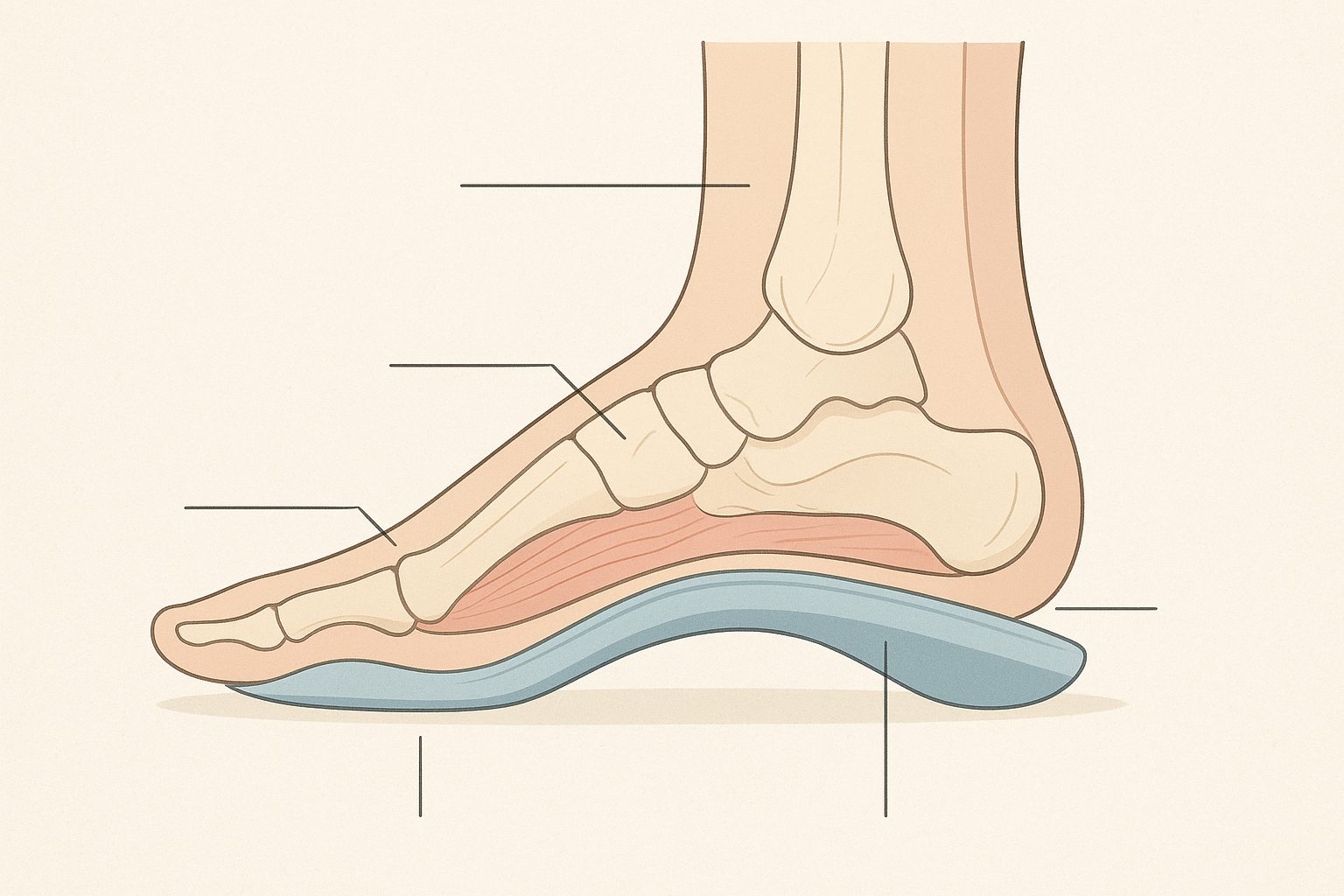
An illustration of how walking orthotics cradle the arch to reduce pressure while in motion.
How Much Do Walking Orthotics Cost?
Custom walking orthotics generally cost more than drugstore insoles because of the personalized mold, materials, and lab fabrication involved. That said, prices vary depending on the provider, the complexity of the condition, and whether insurance covers part of the expense. Many practices, including ours, offer a complimentary consultation so patients understand the full cost before committing.
Consequently, it's worth calling ahead to ask about financing options or insurance reimbursement before assuming custom orthotics are out of reach. Our guide on affordable custom orthotics without sacrificing quality breaks down practical ways to keep the cost manageable without settling for a lesser fit.
Choosing the Right Custom Orthotic Inserts for Your Feet
Not every foot problem calls for the same type of support. For instance, someone with rigid high arches needs a different design than someone with flexible flat feet. That's why a proper assessment by a podiatrist, rather than a guess at a retail store, matters so much.
Our complete resource on personalized foot orthotics walks through how to match your specific foot type and lifestyle to the right design. For additional general background, the MedlinePlus foot disorders resource is a helpful government-backed reference.
Caring for and Maintaining Your Walking Orthotics
Proper care extends the life of any walking orthotic. Wipe the top cover with a damp cloth and mild soap rather than machine washing, and let the device air dry fully before placing it back in a shoe. Avoid direct heat sources like radiators or car dashboards, since high temperatures can warp the shell and change the fit.
Additionally, rotate orthotics between multiple pairs of shoes if you wear them daily, since this reduces compression wear on any single device. Watch for flattened cushioning, visible cracks, or a shifted arch shape — these are reliable signs that a replacement or adjustment appointment is due.
Signs You May Need Walking Orthotics
It isn't always obvious when foot support has crossed from "nice to have" into "necessary." Common warning signs include:
- Heel or arch pain that worsens after standing or walking for long periods
- Uneven wear patterns on the soles of your shoes
- Recurring blisters, calluses, or hot spots in the same location
- Knee, hip, or lower back discomfort with no obvious injury
- Fatigue that sets in earlier than it used to during normal activity
If two or more of these sound familiar, a podiatric evaluation is a reasonable next step rather than continuing to push through the discomfort.
Frequently Asked Questions About Walking Orthotics
What are walking orthotics?
Walking orthotics are custom-molded inserts placed inside shoes to correct foot alignment, cushion impact, and reduce pain during everyday movement. They are shaped from an individual mold of the patient's foot, unlike generic store-bought insoles.
How do walking orthotics differ from regular shoe insoles?
Regular insoles offer generic cushioning, while walking orthotics are built from a cast or scan of your specific foot shape. This custom fit targets the exact areas that need support, correction, or pressure relief.
Can walking orthotics help with plantar fasciitis?
Yes, walking orthotics can reduce strain on the plantar fascia by supporting the arch and redistributing pressure across the foot. Many patients report noticeable relief within a few weeks of consistent use.
How long does it take to get used to walking orthotics?
Most people need one to two weeks to fully adjust to walking orthotics. Podiatrists typically recommend a gradual break-in period, starting with a few hours a day before wearing them full-time.
Do walking orthotics help with knee or back pain?
Because foot alignment affects the entire kinetic chain, walking orthotics can indirectly ease knee, hip, and lower back discomfort caused by poor gait patterns. Correcting the foundation often reduces stress higher up the body.
How much do custom walking orthotics cost?
Custom walking orthotics typically range from a few hundred to several hundred dollars, depending on materials and the complexity of the mold. This is generally higher than mass-produced insoles but reflects the personalized fabrication process.
Are walking orthotics covered by insurance?
Coverage varies by provider and plan, but many insurers partially reimburse custom orthotics when prescribed for a diagnosed medical condition. It is worth checking with your insurance company and requesting an itemized receipt.
What foot conditions do walking orthotics treat?
Walking orthotics are commonly used for flat feet, high arches, plantar fasciitis, bunions, and general overpronation or supination. They address structural imbalances rather than just masking symptoms.
Can I wear walking orthotics in any type of shoe?
Most walking orthotics fit best in shoes with removable insoles and adequate depth, such as athletic shoes, walking shoes, and some work boots. Very narrow or unstructured footwear may not accommodate them well.
How are custom walking orthotics made?
A podiatrist takes a mold or digital scan of your foot, which a lab uses to fabricate a device matched to your exact shape and gait. The process typically includes an initial assessment, casting, fabrication, and a fitting appointment.
What is the difference between orthotics and orthopedic shoes?
Orthotics are removable inserts placed inside existing footwear, while orthopedic shoes are entire shoes built with built-in structural support. Many people use walking orthotics inside standard shoes rather than replacing their entire wardrobe.
How long do walking orthotics last?
Custom walking orthotics generally last between three and five years with regular use, depending on materials and activity level. Signs of wear, such as flattened cushioning or visible cracks, indicate it is time for a replacement.
What common mistakes should I avoid with walking orthotics?
A common mistake is switching to full-time wear too quickly instead of breaking them in gradually. Another is choosing generic over-the-counter inserts for a condition that actually requires a custom mold.
Can walking orthotics be used for running as well as walking?
Some walking orthotics can be adapted for light jogging, but athletes with high-impact running routines often benefit from a separate, sport-specific design. It is best to discuss your activity level with a podiatrist before ordering.
Are walking orthotics helpful for seniors with balance concerns?
Yes, many seniors benefit from walking orthotics designed to widen the base of support and stabilize the foot, which can reduce fall risk during everyday walking. A podiatrist can tailor the design to prioritize stability over aggressive correction.
Can walking orthotics be adjusted or repaired after fitting?
In many cases, minor adjustments to padding or pressure zones can be made after the initial fitting without remaking the entire device. However, significant shape changes or foot changes over time may require a new mold.
Conclusion: Taking the Next Step with Walking Orthotics
Walking orthotics offer a targeted, medically grounded way to address chronic foot pain, structural imbalances, and the everyday fatigue that comes from being on your feet. Unlike generic insoles, a custom-molded device is built around your exact anatomy, which means better support exactly where you need it — whether that's cushioning for diabetic feet, stability for seniors, or durable correction for athletes.
As covered above, the fabrication process, materials, footwear compatibility, cost considerations, and range of treatable conditions all point to one conclusion: proper support starts with a proper fit. If you're ready to find out whether custom walking orthotics are right for you, a complimentary consultation with a podiatrist is a practical first step toward more comfortable, pain-free movement.