

Walking aids for foot comfort are devices—like canes, walkers, supportive footwear, and custom orthotics—that reduce strain on the feet, ankles, and joints during everyday movement. If you've noticed heel pain, arch fatigue, or a wobbly step after a long day, you are far from alone. In fact, many people quietly change how they walk just to avoid discomfort, and that habit can create bigger problems over time. This guide breaks down the most effective walking aids for foot comfort, explains how each one works, and shows you how to build a combination that fits your feet.
Quick answer: The most reliable walking aids for foot comfort combine a supportive device—such as a cane, walker, or shoe—with a properly fitted custom orthotic. Together, they correct alignment, cushion pressure points, and reduce fatigue far more effectively than a single product alone.
What Are Walking Aids for Foot Comfort?
Walking aids for foot comfort are supportive tools designed to lessen stress on the feet, ankles, and joints while you move. They range from simple additions, such as cushioned insoles, to more structured supports like canes, walkers, and custom orthotics. Each type addresses a different comfort issue, whether that is shock absorption, arch support, or balance assistance.
Consequently, choosing the right aid depends on understanding your specific problem first. For example, someone with plantar fasciitis needs heel cushioning, while someone recovering from a sprain needs stability. As a result, no single product works for everyone, which is why professional guidance matters so much.

A cane paired with supportive footwear is one of the simplest walking aids for foot comfort.
Why Foot Comfort Matters When Choosing Mobility Aids
Foot comfort is not a minor detail; it directly affects posture, balance, and overall mobility. When feet hurt, people often shift their weight unevenly, which can strain the knees, hips, and lower back. Therefore, addressing foot comfort early tends to prevent a chain reaction of related pain elsewhere in the body.
According to the American Podiatric Medical Association, a large majority of adults have experienced foot pain significant enough to disrupt daily activities. Similarly, the Centers for Disease Control and Prevention notes that falls among older adults lead to millions of emergency visits each year, many linked to poor balance and unstable footing. In particular, this makes mobility aids for feet an important part of fall prevention, not just pain relief.
In addition, comfortable feet support better circulation and reduce fatigue during long periods of standing or walking. As a result, investing in the right support pays off across nearly every part of daily life.
Types of Walking Aids That Support Foot Comfort
Several categories of walking aids for foot comfort exist, and most people benefit from combining more than one. Below is a breakdown of the most common options.
- Canes: Provide light balance support for people with mild instability or one-sided pain.
- Walkers and rollators: Offer broader weight-bearing support for those needing more stability.
- Supportive footwear: Cushions impact and improves alignment during every step.
- Insoles and custom orthotics: Correct structural imbalances and reduce pressure on specific areas.
- Ankle-foot orthoses: Support the ankle joint for people with drop foot or muscle weakness.
Notably, footwear and orthotics work together rather than competing. As explained in this guide to comfortable walking insoles, pairing supportive shoes with a properly molded insole often resolves discomfort that footwear alone cannot fix.
How Custom Orthotics Strengthen Walking Aids for Foot Comfort
Custom orthotics are molded directly from an individual's foot shape, so they correct alignment issues that generic insoles simply cannot address. Unlike off-the-shelf inserts, a custom device accounts for arch height, pressure distribution, and even gait pattern. This precision is what makes them one of the most effective walking aids for foot comfort available today.
For instance, a patient with a high arch and a patient with a flat foot need very different support structures. A custom orthotic, such as the Quad Layer Orthotics, layers cushioning and structural support to address both comfort and correction at once. Meanwhile, patients dealing with plantar fasciitis often find targeted relief, as detailed in this plantar fasciitis relief guide.
Furthermore, patients managing diabetes require even more specialized attention, since nerve damage can mask pain signals and increase injury risk. This diabetic orthotics resource outlines how a proper fit protects against pressure sores while still supporting mobility.
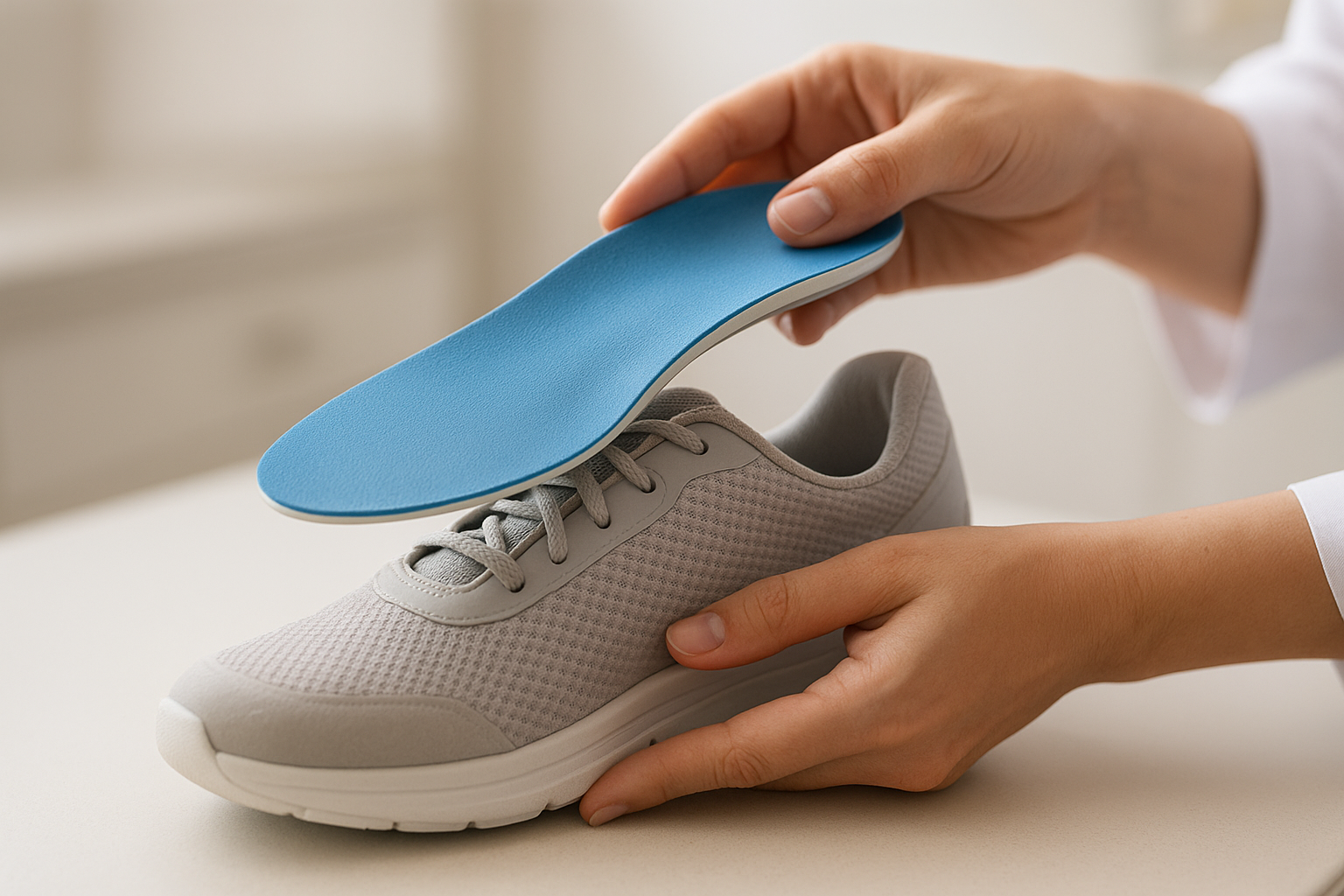
A precisely molded orthotic addresses alignment issues that generic insoles cannot fix.
Step-by-Step: Choosing the Right Walking Aid for Your Feet
Selecting the correct combination of walking aids for foot comfort does not have to be overwhelming. The following steps outline a straightforward process.
- Assess your foot pain pattern. Track when and where discomfort occurs, since morning heel pain and afternoon arch fatigue point to different underlying causes.
- Consult a podiatrist for evaluation. A professional exam of your gait, foot structure, and pressure points helps identify which aid or orthotic design will help most.
- Test different aid types. Try canes, walkers, or supportive footwear directly, paying close attention to grip comfort and how weight is distributed.
- Add custom orthotic support. Incorporate a molded orthotic that corrects alignment and adds cushioning beyond what a standard insole can provide.
- Monitor comfort and adjust. Reassess every few weeks, since foot needs often change as activity levels, healing, or weather conditions shift.
Common Mistakes to Avoid With Foot Support Aids
Many people choose a walking aid based on price or appearance rather than fit, which often leads to continued pain. Similarly, skipping a professional evaluation means the underlying cause of discomfort never gets addressed, so the same problem tends to return.
Another frequent mistake is using an aid inconsistently. For example, wearing custom orthotics only on "bad days" prevents the feet from adapting fully to the corrected alignment. Instead, consistent daily use produces the most noticeable improvement over time.
Finally, some people assume one type of aid should solve every problem. In contrast, most lasting relief comes from combining supportive footwear, a mobility device when needed, and a custom orthotic tailored to the individual foot.
When Should You See a Podiatrist About Walking Aids?
You should see a podiatrist if foot pain lasts longer than two weeks, worsens with activity, or begins to affect your normal walking pattern. Early evaluation often prevents a minor issue from becoming a chronic condition that is harder to treat.
This is especially important for seniors, since balance-related falls carry serious health risks. As explained in this complete guide to custom orthotics for seniors, a podiatrist can recommend a combination of mobility aids and orthotic support suited to age-related changes in foot structure.
For a deeper look at foot anatomy and common conditions, resources like the National Library of Medicine's foot health overview and the National Institute on Aging's fall prevention guidance offer additional context. Practices such as customorthotics.com also offer a complimentary consultation directly with a podiatrist, which makes getting a professional opinion far more accessible.
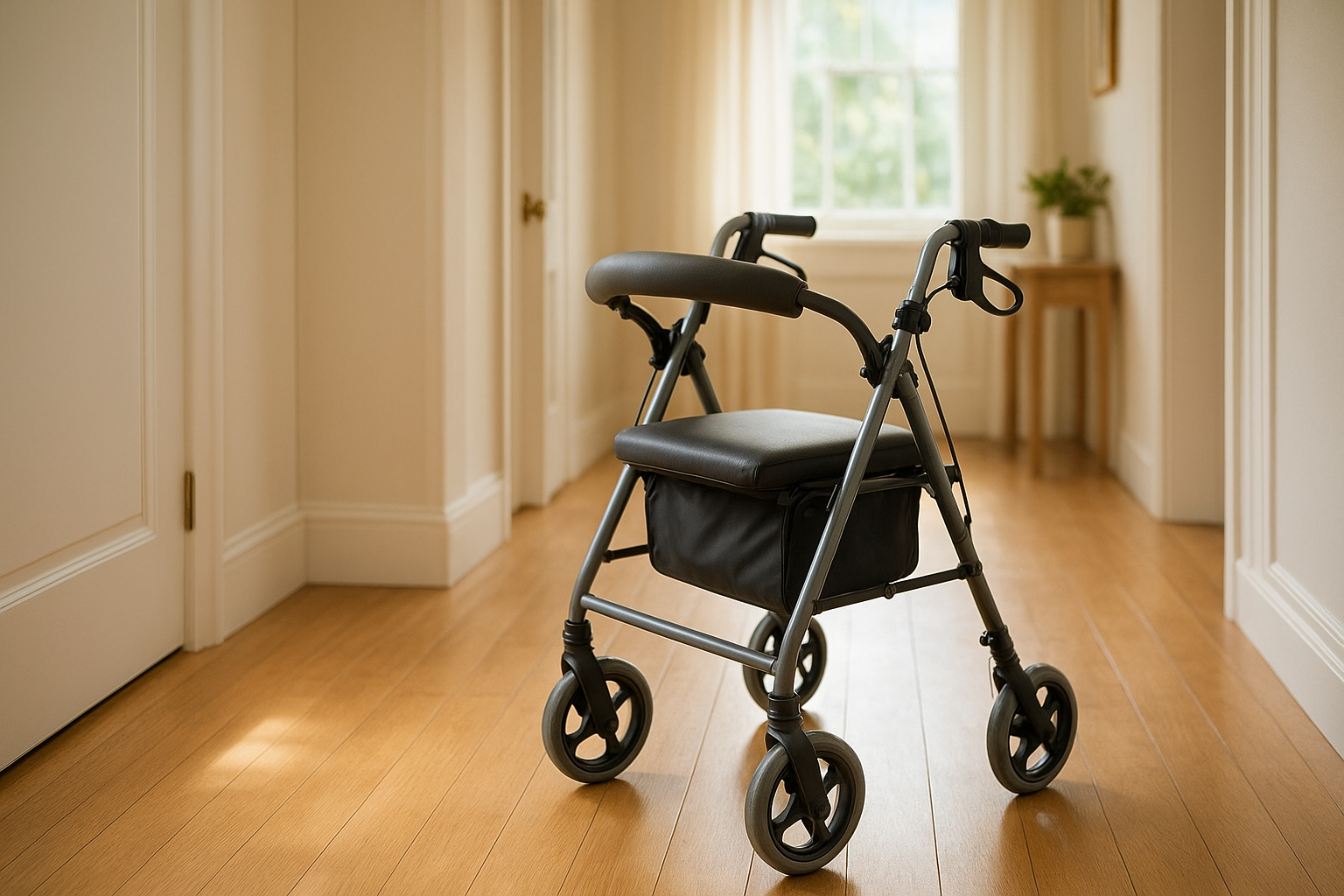
A rollator walker offers added stability for those needing extra foot and joint support.
Frequently Asked Questions About Walking Aids for Foot Comfort
What are walking aids for foot comfort?
Walking aids for foot comfort are devices such as canes, walkers, supportive footwear, and custom orthotics that reduce strain on the feet and joints while walking. They redistribute pressure, improve balance, and help prevent or ease chronic foot pain.
How do custom orthotics improve foot comfort compared to standard insoles?
Custom orthotics are molded from an individual's actual foot shape, so they correct alignment issues and cushion pressure points precisely. Standard insoles offer generic cushioning but cannot address specific structural imbalances the way a molded device can.
Who typically needs walking aids for foot comfort?
People with plantar fasciitis, arthritis, diabetes-related nerve issues, recent injuries, or age-related balance decline often benefit most. Anyone experiencing recurring foot, heel, or joint pain during walking should consider these supports.
How much do custom orthotics cost?
Custom orthotics typically cost more than mass-produced insoles because they involve an individualized mold and fabrication process. Pricing varies by provider and design, so it is best to request a consultation for an accurate quote.
How long does it take to get used to a new walking aid?
Most people adjust to a new cane, walker, or orthotic within one to three weeks of consistent use. Gradually increasing wear time each day helps the body adapt without discomfort.
What is the difference between a cane and a walker for foot support?
A cane offers light balance support for those with mild instability, while a walker provides broader stability for individuals needing more weight-bearing assistance. The right choice depends on the severity of pain or imbalance.
Can walking aids help with plantar fasciitis?
Yes, supportive footwear and custom orthotics are among the most effective walking aids for plantar fasciitis because they cushion the heel and support the arch. Reducing repetitive strain on the plantar fascia speeds relief.
What common mistakes do people make when choosing walking aids?
A common mistake is choosing an aid based on price alone rather than fit or foot condition. Skipping a professional evaluation often leads to continued pain because the underlying cause is never addressed.
Are custom orthotics better than over-the-counter insoles?
For chronic or structural foot problems, custom orthotics generally outperform over-the-counter insoles because they are built from an exact mold of the foot. Over-the-counter options work best for mild, short-term comfort needs.
How often should orthotics or walking aids be replaced?
Custom orthotics usually last one to five years depending on wear and material, while canes and walkers should be checked periodically for worn grips or unstable joints. Replace any aid that shows visible wear or reduced support.
Can seniors benefit from custom orthotics as walking aids?
Yes, seniors often benefit significantly because custom orthotics improve balance and reduce fall risk by correcting posture-related foot alignment. This support pairs well with canes or walkers for added stability.
When should I see a podiatrist about foot pain?
See a podiatrist if foot pain lasts longer than two weeks, worsens with activity, or affects your ability to walk normally. Early evaluation prevents minor issues from becoming chronic conditions.
Do diabetic patients need special walking aids?
Diabetic patients often require specialized orthotics designed to reduce pressure points and prevent ulcers caused by nerve damage. Regular podiatric monitoring is essential alongside any walking aid for this group.
What are best practices for using walking aids safely?
Best practices include getting a professional fitting, inspecting the device regularly for wear, and combining aids like supportive shoes with custom orthotics for full comfort. Consistent use, rather than occasional use, produces the best long-term results.
Final Thoughts on Walking Aids for Foot Comfort
Choosing the right walking aids for foot comfort comes down to understanding your specific pain, getting a professional evaluation, and combining the right tools rather than relying on a single fix. Whether that means a cane for balance, supportive footwear for cushioning, or a custom orthotic built from your own foot mold, the goal remains the same: fewer painful steps and more confident movement. As you move forward, remember that consistency and professional guidance make the biggest difference. Above all, addressing foot comfort early protects not just your feet, but your overall mobility for years to come.