

Custom foot orthotics for seniors are precision-molded shoe inserts, built from an exact impression or digital scan of an individual's foot, designed to relieve pain, correct imbalances, and support safer movement in later life. As people age, however, their feet naturally lose fat padding, flexibility, and strength, and this gradual change can lead to discomfort, poor balance, and a much higher risk of falls. For many older adults, therefore, a one-size-fits-all insole from a pharmacy simply cannot address these changes, because it was never shaped around their specific foot structure. In contrast, custom orthotics are fabricated from a genuine mold of the patient's own foot, which means every contour, pressure point, and arch angle is accounted for before the device ever touches the ground.
What Are Custom Foot Orthotics for Seniors, Exactly?
Custom foot orthotics for seniors are medical-grade shoe inserts fabricated from a direct mold or digital scan of an individual's foot, then adjusted to correct alignment, cushion pressure points, and stabilize walking patterns. Unlike mass-produced insoles, each device is built for one person only. This precision matters most for older adults, whose feet often carry decades of wear, joint changes, and reduced circulation.
Typically, a podiatrist begins the process with a full evaluation of gait (the pattern of a person's walk), posture, and any existing conditions such as arthritis or diabetes. Specifically, the podiatrist examines pressure points, arch height, and areas of pain before selecting materials, sometimes referred to as orthotics, that balance support with cushioning. As a result, the finished device addresses the root cause of discomfort rather than simply padding the shoe. This approach differs sharply from prefabricated insoles bought at a pharmacy, which are shaped to an average foot rather than an actual patient. To better understand these differences, this guide comparing custom orthotics versus prefab insoles breaks down the distinctions in more detail.
Why Aging Feet Need More Support Than Ever Before
Above all, feet change significantly with age. The fatty padding on the sole of the foot thins over time, a process called fat pad atrophy, which reduces natural shock absorption with every step. In addition, ligaments and tendons lose elasticity, and years of standing, walking, or wearing unsupportive shoes can gradually alter the shape of the arch. Consequently, many seniors develop flattened arches, bunions, or hammertoes that were not present in earlier decades.
Balance is another major concern. According to the Centers for Disease Control and Prevention, roughly one in four adults aged 65 and older falls each year, and foot instability is a contributing factor in many of these incidents, as detailed on the CDC's falls prevention page. Therefore, supportive, well-fitted custom foot orthotics for seniors can play a meaningful role in fall prevention by improving stability and proprioception (the body's sense of position and movement). Similarly, conditions like diabetes and poor circulation make the feet more vulnerable to injury, since reduced sensation can mask early warning signs of pressure sores. For additional guidance on fall-prevention strategies specific to older adults, the National Institute on Aging offers a helpful overview.

Properly fitted custom foot orthotics for seniors can support safer, more confident walking.
Common Foot Problems That Affect Older Adults
Several conditions appear more frequently in older populations. For example, plantar fasciitis (inflammation of the tissue connecting the heel to the toes) often worsens with age due to reduced flexibility. Osteoarthritis in the foot and ankle joints can also make every step painful, while diabetic neuropathy, a form of nerve damage that reduces feeling in the feet, raises the risk of unnoticed injuries. Additional background on these conditions is available through MedlinePlus.
Flat Feet, High Arches, and Structural Shifts With Age
Interestingly, a senior's arch type can shift over time even without an injury. As tendons stretch and supportive tissue weakens, a previously normal arch may gradually flatten, while, in other cases, a rigid high arch can develop excess pressure at the heel and forefoot. Because these shifts happen slowly, many seniors do not notice the change until pain, calluses, or uneven shoe wear appear.
In particular, seniors frequently experience bunions, hammertoes, and heel spurs, all of which can be aggravated by ill-fitting shoes or unsupported arches. Furthermore, structural imbalances that build up over a lifetime, such as uneven leg length or rolled ankles, tend to become more noticeable and painful later in life. This detailed resource on what foot problems custom orthotics can help with outlines how targeted support addresses each condition individually.
Custom Foot Orthotics for Seniors vs. Store-Bought Insoles and Mail-In Impression Kits
Many seniors initially try inexpensive insoles from a pharmacy before considering custom options. However, store-bought insoles are manufactured in bulk sizes meant to fit an average foot shape, not a specific individual. As a result, they often provide only temporary cushioning without correcting the underlying issue causing pain.
In recent years, several direct-to-consumer brands have also introduced mail-in impression kits, where a customer presses their foot into a foam box at home and ships it back for fabrication. While convenient, this approach skips the hands-on gait analysis, pressure mapping, and medical history review that a licensed podiatrist provides in person. For seniors managing arthritis, diabetic neuropathy, or reduced sensation in the feet, this gap matters considerably, since a foam impression cannot detect circulation problems, skin breakdown risk, or subtle gait compensations the way a trained clinician can. Consequently, an at-home kit may produce a device shaped correctly to the foot yet still miss the clinical context needed to actually resolve pain. This complete guide to personalized foot orthotics walks through these practical differences in more depth.
- Does a licensed podiatrist personally review my gait, medical history, and foot mold before fabrication?
- Will someone physically examine my feet for circulation issues, calluses, or skin breakdown risk?
- Can I speak with a clinician if my device causes discomfort after the break-in period?
- Is there a follow-up fitting appointment, or does the process end once the device ships?
How Custom Orthotics for Older Adults Are Made: Step-by-Step
Creating a properly fitted orthotic device involves several careful stages, and understanding the process can help seniors feel confident before starting treatment. For a deeper walkthrough of each stage, this complete guide to custom-molded orthotics for seniors covers the fabrication process in even greater detail. Below is a general overview of what to expect.
- Schedule a consultation and foot assessment. A podiatrist reviews medical history, examines gait, and identifies pressure points, structural imbalances, or pain patterns unique to the patient.
- Take a mold or digital scan of each foot. This step captures the precise contours, arch height, and pressure distribution needed to fabricate a truly individualized orthotic device.
- Fabricate the orthotic in a specialized lab. Technicians shape supportive materials around the mold, balancing cushioning, rigidity, and correction based on the podiatrist's specifications.
- Fit and adjust the finished orthotics. The patient tries the devices in their own shoes so the podiatrist can fine-tune pressure points and confirm a comfortable, lasting fit.
- Follow up after a break-in period. A short-term check ensures the orthotics are performing as intended and allows for further adjustments if any discomfort remains.
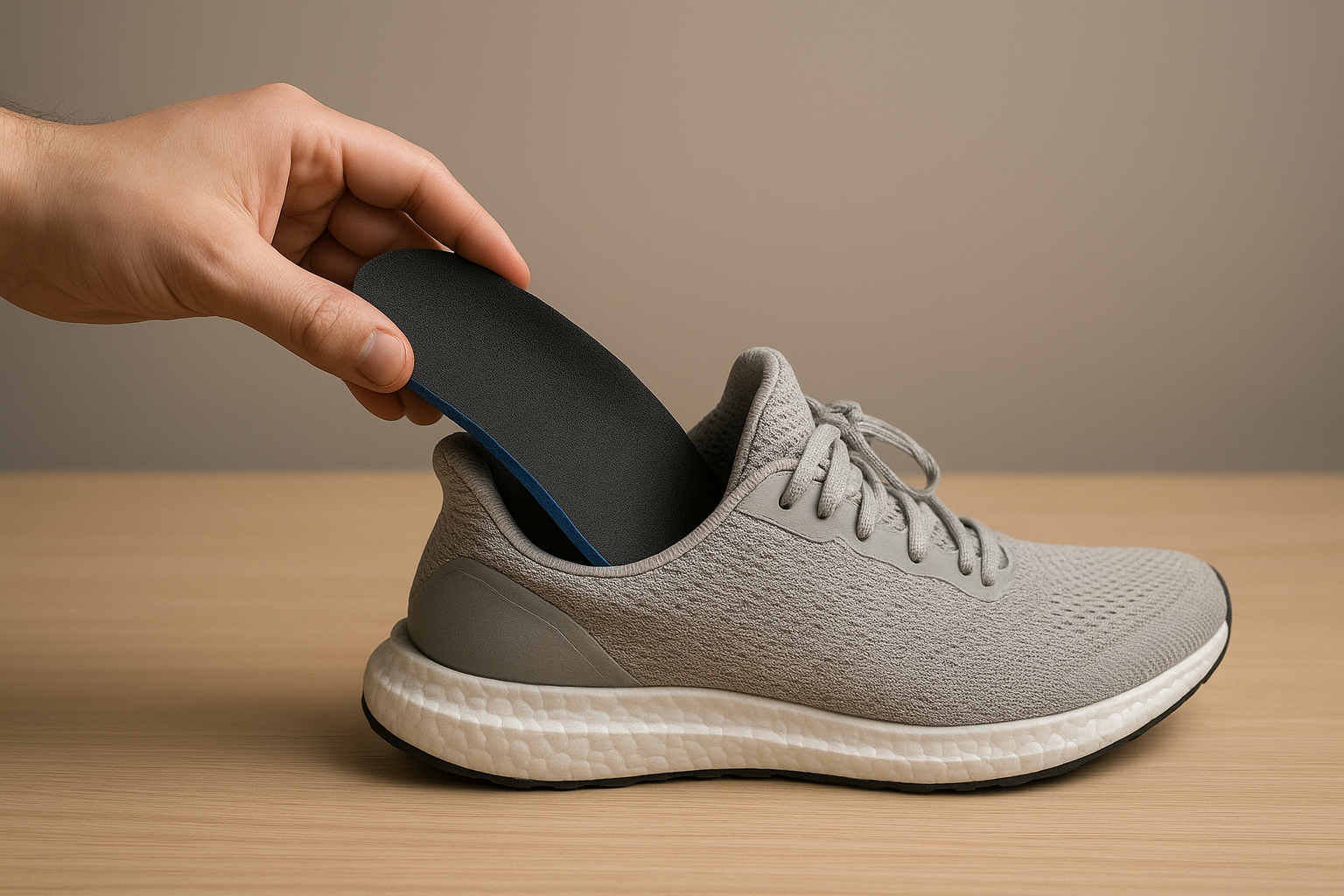
Each custom orthotic is fabricated to match the exact shape of the patient's foot.
Benefits of Personalized Orthotic Devices for Seniors
Above all, the primary benefit of custom orthotics is targeted pain relief. Because the device is shaped to an individual's exact foot structure, pressure is redistributed away from painful areas and toward stronger parts of the foot. In addition, many seniors report improved balance and confidence while walking, which can reduce the anxiety associated with fall risk.
Furthermore, well-designed orthotics can slow the progression of certain deformities, such as bunions or hammertoes, by correcting how weight moves through the foot with each step. Similarly, seniors managing diabetes benefit from orthotics that reduce friction and pressure points, lowering the risk of skin breakdown. For a broader look at these advantages, this guide to orthotic solutions for seniors covers comfort and pain relief strategies in more depth.
Choosing the Right Provider for Senior Orthotic Care
Selecting the right provider matters as much as the orthotic itself. Therefore, seniors should look for a podiatrist-owned practice with direct fabrication experience, rather than a retail kiosk or a purely mail-order impression kit offering generic scans without clinical review. In particular, ask whether the practice offers a free consultation, since this allows a professional to evaluate specific needs, medications, and existing conditions before committing to treatment.
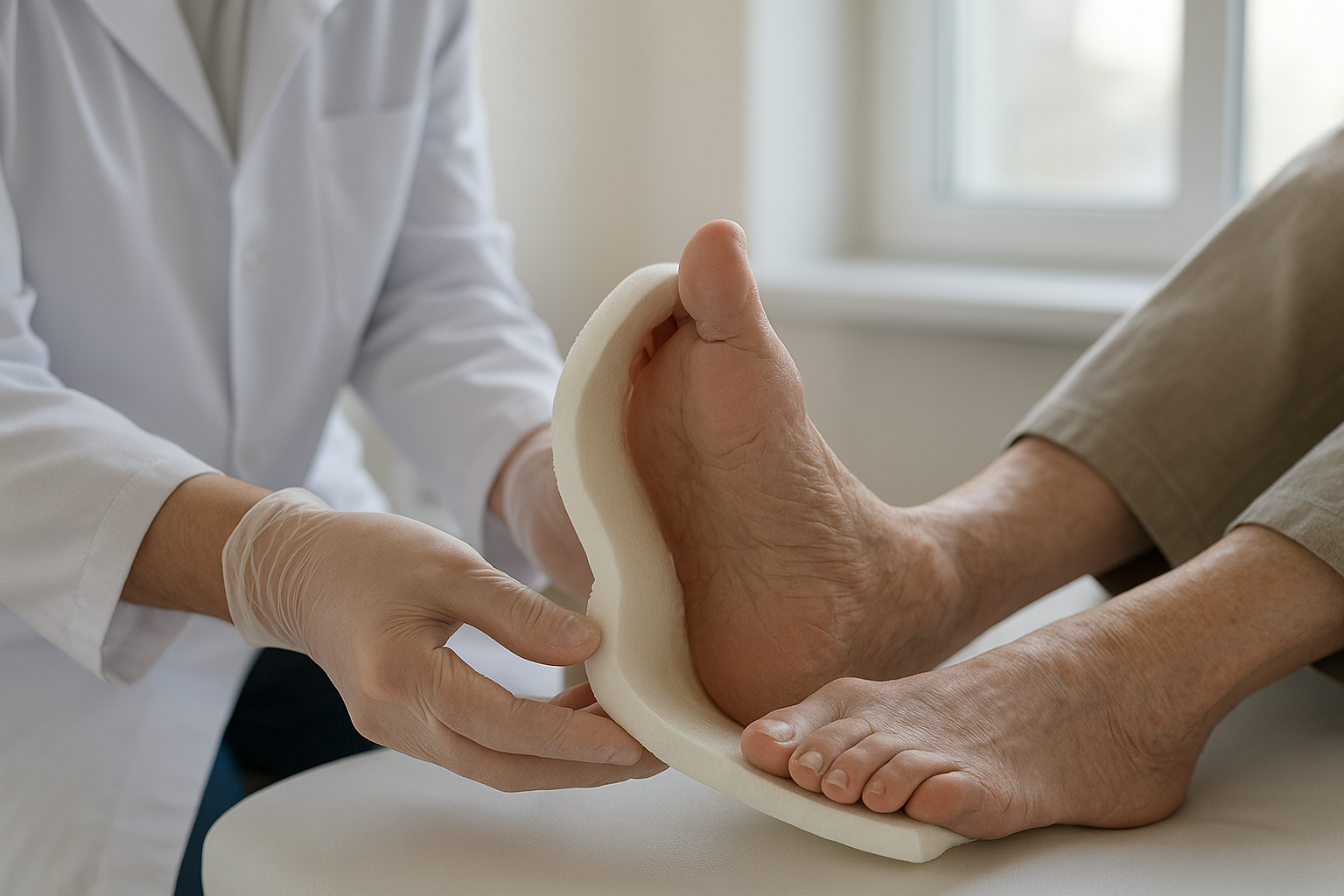
The fitting process begins with a detailed mold or scan of each foot.
Above all, seniors ordering remotely should confirm that a licensed podiatrist reviews their case personally, even when orders are placed online through a platform like customorthotics.com, to ensure the same level of precision as an in-person visit. This distinction is exactly where many mail-order competitors fall short, since a scan alone cannot replace a clinician's judgment.
Cost, Insurance, and Medicare Coverage for Senior Orthotics
Cost is another common concern. Fortunately, options exist for various budgets, and this resource on affordable custom orthotics explains how to find quality devices without overspending, while this guide on getting quality relief for less breaks down additional ways to reduce out-of-pocket costs.
Understanding the Medicare Therapeutic Shoe Benefit
Specifically, Medicare Part B may cover therapeutic shoes and custom inserts for seniors diagnosed with diabetes who meet certain qualifying conditions, such as poor circulation or a history of foot ulcers. In this case, a physician must document medical necessity, and the orthotics must be supplied by a Medicare-enrolled provider. For seniors without diabetes, coverage more often depends on a supplemental insurance plan or a documented orthopedic diagnosis. Therefore, it always helps to confirm benefits directly with an insurance provider and to ask a podiatrist's office whether they handle claims paperwork on the patient's behalf.
Caring for and Maintaining Your Custom Orthotics
Once fitted, custom foot orthotics for seniors need simple but consistent care to perform well over time. For instance, wiping the device with a damp cloth and mild soap after heavy wear helps prevent odor and material breakdown, while air-drying away from direct heat protects the shape of the shell. In addition, most podiatrists recommend a gradual break-in schedule, starting with one to two hours per day before working up to full-day wear, since jumping straight to all-day use can cause blisters or soreness. Meanwhile, seniors should watch for visible cracking, uneven wear on the top cover, or a noticeable return of old pain, all of which typically signal that a check-up or replacement is due. Most custom orthotics last one to three years, though heavier use, weight changes, or progressing conditions like arthritis can shorten that window, so a yearly podiatrist review is a reasonable habit for most older adults.
Footwear Tips for Seniors Wearing Custom Foot Orthotics
Even the best-made orthotic will underperform inside the wrong shoe. Because of this, seniors should choose footwear with a removable factory insole, since custom orthotics need that extra depth to sit properly without crowding the toes. Similarly, a firm heel counter and a secure closure, such as laces or adjustable straps rather than slip-ons, help keep the foot and the orthotic aligned together during each step. Above all, it helps to bring two or three regularly worn pairs of shoes to the fitting appointment, so the podiatrist can confirm the device works across daily footwear rather than a single pair. For further reading on safe mobility habits for older adults, the National Institute on Aging also offers useful footwear-related fall-prevention tips.
Signs It's Time to Replace or Reassess Senior Orthotics
In particular, new or returning pain, visible flattening of the device, or a change in weight or diagnosis are all reasons to schedule a reassessment rather than waiting out the usual one-to-three-year cycle. Since older adults' feet and health conditions can shift quickly, a prompt check-in is always safer than pushing through discomfort.
Frequently Asked Questions About Custom Foot Orthotics for Seniors
What are custom foot orthotics for seniors?
Custom foot orthotics for seniors are individually molded shoe inserts designed to correct alignment, relieve pressure, and support safe movement in older adults. They are fabricated from a direct impression of the patient's foot rather than a generic template.
How do custom orthotics differ from store-bought shoe inserts?
Custom orthotics are built from an exact mold of an individual's foot, while store-bought inserts are mass-produced in standard sizes. As a result, custom devices correct specific imbalances rather than offering generic cushioning.
Why do seniors need custom orthotics more than younger adults?
Aging feet lose natural padding, flexibility, and strength, which increases pain and fall risk. Consequently, seniors often need more precise, targeted support than a younger person with fewer structural changes.
How much do custom foot orthotics for seniors typically cost?
Costs vary depending on materials, foot condition, and provider, though custom orthotics generally cost more than drugstore insoles due to the personalized fabrication process. However, many practices offer payment options or lower-cost lines to keep quality care accessible.
How long does it take to get custom orthotics made?
Most custom orthotics take between two and four weeks from the initial mold to the finished device, depending on the lab and complexity of the case. Patients typically return for a fitting appointment once fabrication is complete.
Can custom orthotics help with diabetic foot problems?
Yes, custom orthotics can reduce pressure points and friction that lead to skin breakdown in patients with diabetic neuropathy. In particular, they help distribute weight evenly, lowering the risk of ulcers.
Are custom orthotics covered by Medicare or insurance?
Coverage depends on the specific plan and medical necessity documentation from a podiatrist. Medicare Part B may cover therapeutic shoes and inserts for qualifying diabetic patients. Therefore, patients should confirm benefits with their insurance provider before starting treatment.
How often should seniors replace their custom orthotics?
Most custom orthotics last one to three years, though this depends on daily wear, weight changes, and material durability. Regular podiatrist check-ins help determine when a replacement is needed.
What foot conditions do custom orthotics help treat in older adults?
Custom orthotics commonly help with plantar fasciitis, arthritis pain, bunions, hammertoes, and diabetic foot complications. They also assist with general instability caused by structural imbalances.
Can custom orthotics improve balance and reduce fall risk?
Yes, properly fitted orthotics improve proprioception and stability, which can meaningfully reduce fall risk in older adults. Since falls are a leading cause of injury among seniors, this benefit is particularly significant.
What is the most common mistake seniors make when choosing orthotics?
The most common mistake is choosing a generic insole instead of a properly fitted custom device. This often delays real relief and can allow underlying structural issues to worsen over time.
Do custom orthotics work with all types of shoes?
Custom orthotics are typically designed around the shoes a patient wears most often, so it helps to bring several pairs to the fitting appointment. Some devices can be adjusted slightly to fit multiple shoe types.
How are custom orthotics fitted for someone with limited mobility?
Podiatrists can accommodate limited mobility by adjusting appointment length, offering seated assessments, and in some cases coordinating mold-taking that requires less standing. Remote ordering options also allow some patients to begin the process from home before an in-person fitting.
Are at-home impression kits as accurate as an in-person podiatrist fitting for seniors?
An at-home foam impression can capture foot shape reasonably well, but it cannot replace a clinician's hands-on gait analysis or medical history review. Therefore, seniors with diabetes, arthritis, or reduced sensation generally benefit from at least one in-person or podiatrist-reviewed evaluation.
What questions should seniors ask before ordering custom orthotics online?
Seniors should ask whether a licensed podiatrist personally reviews the mold and medical history, whether a follow-up fitting is included, and how adjustments are handled if the device causes discomfort. These questions help separate genuine medical-grade providers from generic mail-order kits.
Final Thoughts on Custom Foot Orthotics for Seniors
Choosing custom foot orthotics for seniors is ultimately about protecting long-term mobility, comfort, and independence. As this guide has shown, aging feet face unique challenges, from thinning fat pads to arthritis, diabetic complications, and shifting arches, that generic insoles and even convenient mail-in kits cannot fully address. In contrast, a properly molded, podiatrist-reviewed device targets the specific causes of pain and instability, helping older adults stay active and confident on their feet for years to come. Above all, taking the first step toward relief starts with a proper evaluation, whether that happens in person or through a complimentary consultation offered online at customorthotics.com.