

Orthotic solutions for seniors are among the most effective, non-invasive tools available today for relieving foot pain, restoring balance, and protecting independence later in life. As the body ages, feet undergo real structural changes — the protective fat pad thins, arches begin to sag, and joint conditions such as arthritis become far more common. As a result, everyday tasks like walking to the mailbox or standing at the kitchen counter can turn into genuinely painful ordeals.
Fortunately, the right orthotic support can change all of that. This guide covers everything a senior or caregiver needs to know: why aging feet need specialized support, which conditions orthotics treat, how the custom-fitting process works, what materials matter most, and — unlike most articles on this topic — exactly how Medicare and insurance coverage works for orthotic devices. By the end, you will know precisely how to move forward with confidence.
What Are Orthotic Solutions for Seniors?
Orthotic solutions for seniors are specially designed shoe inserts or foot devices built to support, correct, or accommodate the structural and functional changes that occur in aging feet. They range from prefabricated insoles sold at pharmacies to fully custom-fabricated devices molded to an individual patient's feet.
Specifically, a custom orthotic is a medical-grade device prescribed and crafted by a podiatrist (a doctor who specializes in foot and ankle health). It is shaped precisely to the contours of a patient's foot, addressing the root cause of pain rather than simply adding cushioning. According to the American Podiatric Medical Association, foot problems affect millions of Americans, with seniors disproportionately impacted due to decades of cumulative wear and age-related change. If you want a broader overview before diving into the details, our complete guide to custom foot orthotics for seniors is a helpful companion resource.
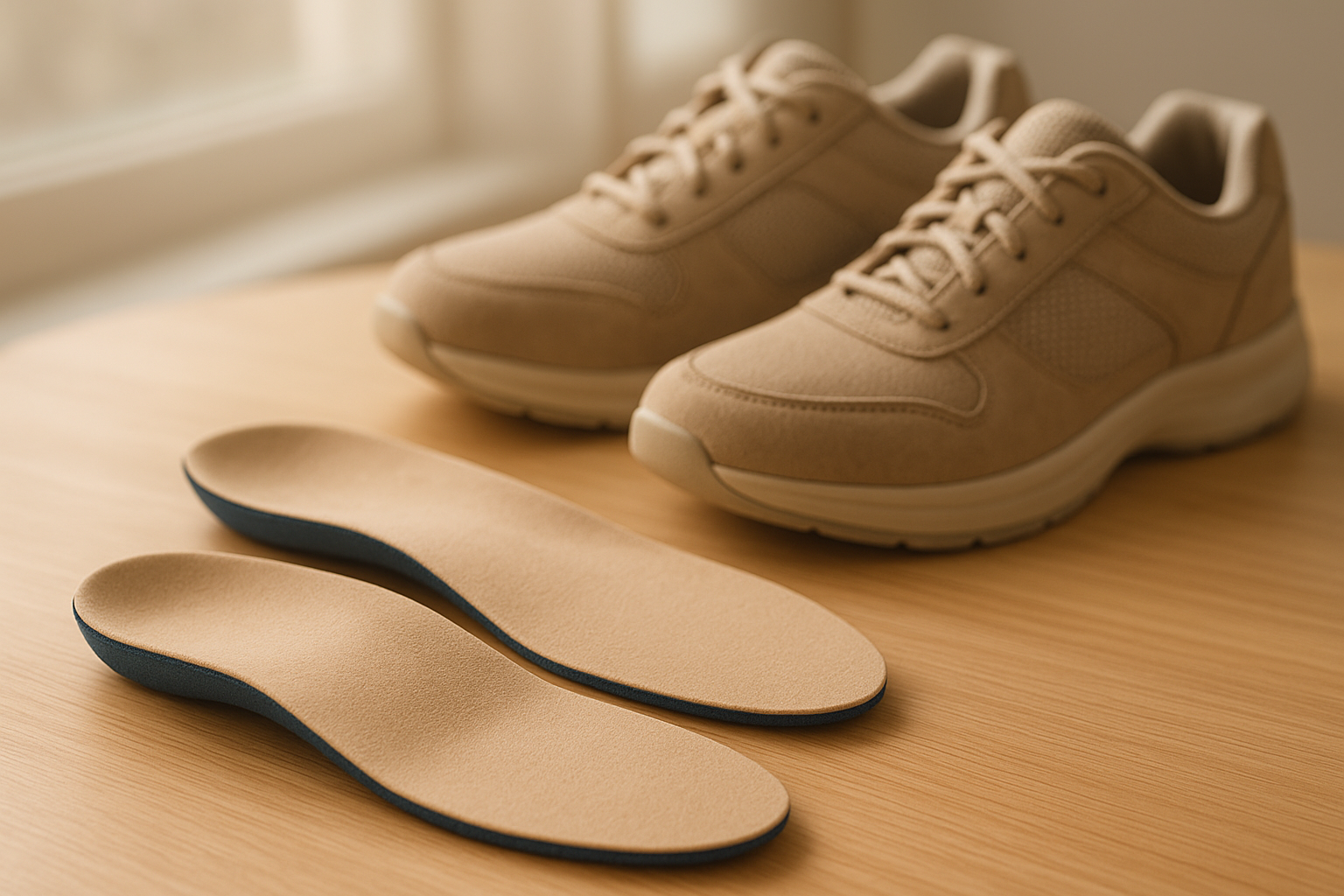
Custom orthotic insoles crafted for seniors provide targeted support that generic insoles simply cannot replicate.
Why Aging Feet Need More Than Generic Insoles
The feet change considerably over a lifetime. Research published in the Journal of Foot and Ankle Research found that roughly 71% of adults over 65 experience at least one significant foot problem. These include plantar fasciitis, heel spurs, metatarsalgia, and arthritis — conditions that respond poorly to one-size-fits-all insoles.
Furthermore, the natural fat pad that cushions the heel and ball of the foot thins with age. This reduces the foot's built-in shock absorption, making hard floors and long walks increasingly uncomfortable. In addition, tendons and ligaments lose elasticity over time, which can cause the arch to flatten and alter the entire gait pattern — the way a person walks.
Off-the-shelf insoles are designed around average foot shapes. However, a senior with flat feet, a high arch, or an asymmetrical foot structure needs something more precise. That is exactly where custom orthotic solutions for seniors outperform prefabricated products. For a detailed side-by-side comparison, see our guide on custom orthotics vs. prefabs.
The Fall Prevention Factor
Falls remain a leading cause of injury among older adults. The Centers for Disease Control and Prevention (CDC) reports that one in four Americans aged 65 and older falls each year, making fall prevention a critical priority. Properly fitted orthotics improve proprioception — the body's sense of its own position in space — which directly enhances balance and stability during walking.
Therefore, investing in quality orthotic support is not simply about comfort. In many cases, it is a genuine safety measure that can prevent life-altering injuries. For additional context on how sustained pressure affects older feet, our article on whether orthotics are good for people standing all day explains the mechanics in more depth.
Common Conditions Treated by Orthotic Solutions for Seniors
Senior patients present with a wide range of foot conditions, and orthotics are uniquely effective at managing many of them. The most common include:
- Plantar fasciitis: Inflammation of the band of tissue connecting the heel to the toes, causing sharp morning pain.
- Osteoarthritis: Joint degeneration that causes stiffness and aching throughout the foot and ankle.
- Flat feet (adult-acquired flatfoot): Progressive arch collapse that strains tendons and alters posture.
- Metatarsalgia: Pain and inflammation in the ball of the foot, often worsened by thinning fat pads.
- Diabetic foot complications: Nerve damage and circulation issues that increase pressure-injury risk.
- Heel spurs: Calcium deposits that develop alongside plantar fasciitis and cause localized heel pain.
- Bunions and hammertoes: Structural deformities that shift weight distribution and cause pressure sores over time.
In each of these cases, a custom orthotic can redistribute pressure, correct alignment, and reduce the mechanical stress that drives pain. Seniors who remain on their feet for extended periods will especially benefit — see our complete guide on custom foot supports for standing jobs for related insights.

A podiatric assessment is the first step toward finding the right orthotic solution for an older adult's specific foot needs.
How to Get Custom Orthotic Solutions for Seniors: Step-by-Step
Getting started with custom orthotics is a straightforward process, especially when working with an experienced podiatrist. Here is how it typically works:
- Schedule a Consultation: Contact a podiatrist for a complimentary phone consultation to discuss your foot pain, medical history, and mobility goals before beginning the orthotic process.
- Have Your Feet Assessed and Molded: A podiatrist will evaluate your foot structure and gait, then take a precise mold or scan of your feet to capture the unique contours needed for fabrication.
- Receive Your Custom Orthotics: Your orthotics are fabricated from the individual mold and shipped directly to you, crafted specifically to address your foot condition and comfort requirements.
- Follow the Break-In Schedule: Wear your new orthotics for two to three hours on the first day, then gradually increase daily wear time over one to two weeks so your feet adjust comfortably.
- Schedule Annual Follow-Up Reviews: Return to your podiatrist annually to assess whether your orthotics still match your foot structure, as changes in foot shape are common in older adults over time.
Custom vs. Prefabricated Orthotic Solutions: Which Is Right for Seniors?
This is one of the most common questions seniors and their families ask. The answer depends largely on the nature and severity of the foot condition involved.
Prefabricated insoles can provide temporary relief for mild discomfort. However, they are mass-produced to fit average foot shapes and therefore miss the nuances of an individual's unique anatomy. For seniors dealing with structural deformities, diabetes, or chronic pain, prefabricated options often fall short after a few weeks.
Custom orthotics, on the other hand, are made from individual molds of each patient's feet. This means every contour, arch height, and pressure point is accounted for in the final device. The result is a precise, personalized fit that supports the foot exactly where support is needed most. For a thorough breakdown of the differences, our article on custom orthotics vs. prefabs covers the key distinctions in detail.
Choosing the Right Material for Senior Comfort
Material selection matters greatly for older adults. Rigid orthotics work well for controlling motion in younger, more active patients. However, seniors often benefit more from semi-rigid or soft orthotics that combine gentle correction with cushioning to compensate for lost fat pad tissue.
Specifically, diabetic seniors require extra-depth, pressure-redistributing materials to protect fragile skin and reduce the risk of pressure ulcers. A qualified podiatrist will always select the appropriate material based on the patient's complete health profile.
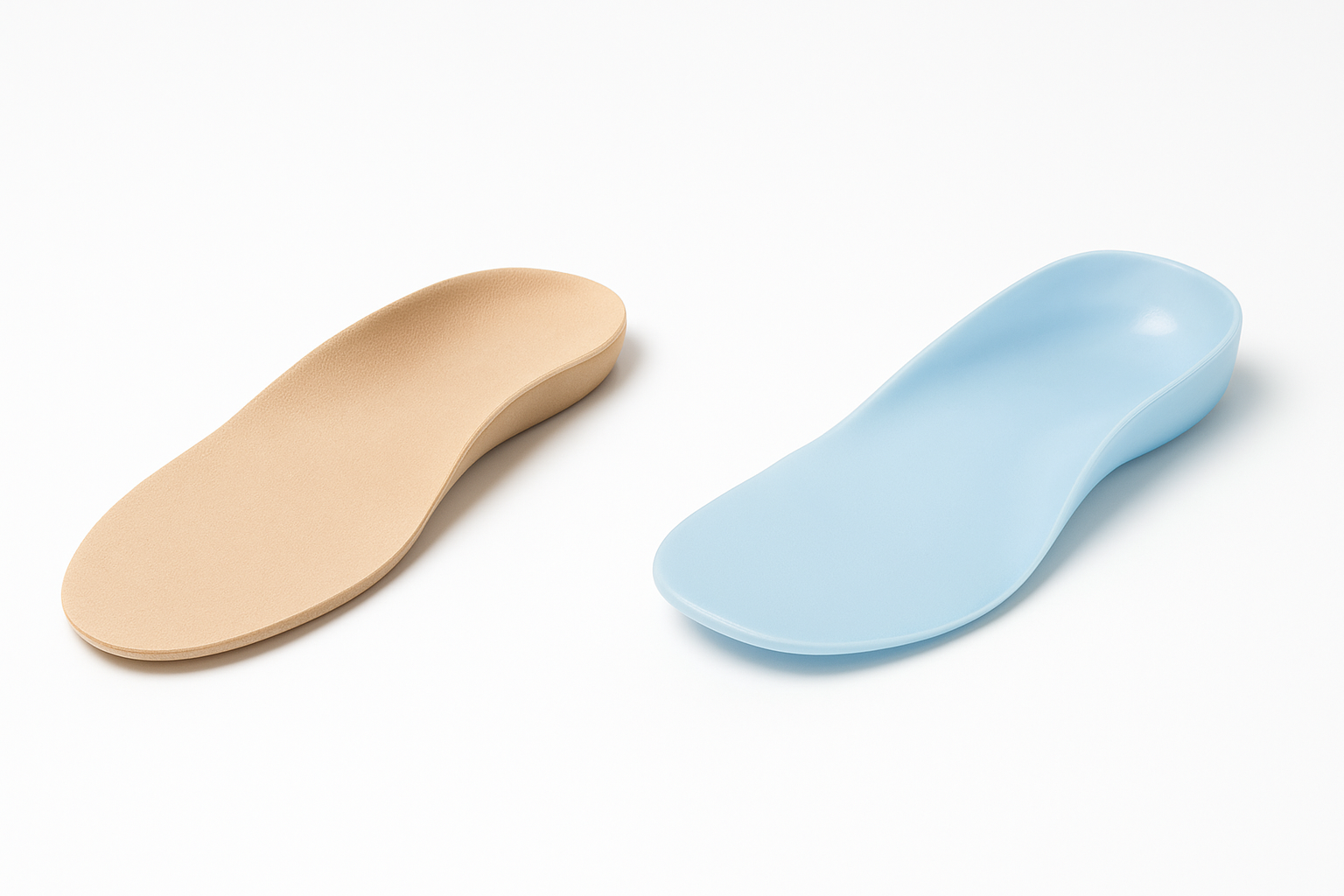
The difference in shape and precision between a prefabricated insole and a custom orthotic is clearly visible — and even more significant underfoot.
Medicare and Insurance Coverage for Orthotic Solutions for Seniors
Cost is often the deciding factor for seniors weighing orthotic solutions, which is why understanding Medicare and insurance coverage matters just as much as understanding the medical benefits. In particular, Medicare Part B does provide coverage in specific circumstances — but the rules are narrower than many people expect, and knowing them in advance saves both time and money.
Does Medicare Cover Orthotics for Seniors?
Yes, but with an important condition. Medicare Part B covers therapeutic shoes and custom-molded inserts specifically for beneficiaries who have diabetes with a qualifying foot condition — such as poor circulation, nerve damage, or a history of foot ulcers. This benefit is officially known as the Therapeutic Shoe Bill. According to Medicare.gov, eligible beneficiaries can receive one pair of depth-inlay shoes and three pairs of custom inserts, or one pair of custom-molded shoes with inserts, each calendar year.
For seniors without diabetes, standard custom foot orthotics are generally classified as non-covered items under Original Medicare unless they are prescribed for a specific, medically necessary diagnosis and billed under the correct durable medical equipment code. In contrast, some Medicare Advantage (Part C) plans include supplemental allowances for orthotics, footwear, or podiatry visits — so it always pays to check plan-specific benefits before assuming coverage does or does not apply.
The Therapeutic Shoe Bill Explained
Passed to protect diabetic patients from preventable amputations, the Therapeutic Shoe Bill requires three separate providers to be involved in every claim: a treating physician who certifies the medical need, a prescribing practitioner (often a podiatrist), and a qualified supplier who fits and dispenses the final product. Each of these roles has its own documentation requirement, and missing paperwork is the single most common reason claims are delayed or denied.
Step-by-Step: How to Get Medicare Coverage for Orthotics
- Confirm your diagnosis qualifies: Ask your treating physician to confirm, in writing, that you have diabetes with at least one qualifying complication, such as neuropathy or poor circulation.
- Get a certifying statement: Your physician must complete a certification statement within six months before you receive the shoes or inserts, confirming ongoing management of your diabetes.
- Obtain a prescription: A podiatrist or qualified prescribing practitioner writes the actual order for the specific shoes, inserts, or modifications required.
- Choose a Medicare-enrolled supplier: Work with a supplier who is enrolled in Medicare and accepts assignment, which keeps your out-of-pocket cost limited to the standard 20% coinsurance.
- Submit the claim and keep records: Ask your supplier to file the claim directly, and keep copies of every certification, prescription, and receipt in case additional documentation is requested.
What Documents You Need From Your Podiatrist
At minimum, a complete Medicare orthotics file should include the physician certification statement, the podiatrist's written prescription describing the specific device, chart notes documenting the diabetic foot condition, and an itemized invoice from the supplier. In addition, it is wise to request copies of everything for your own records — insurers occasionally request resubmission, and having documents on hand avoids frustrating delays.
What to Do If Your Claim Is Denied
If Medicare denies a claim, you have the right to appeal. The first step is a "redetermination" request submitted to the Medicare Administrative Contractor within 120 days of the denial notice. Consequently, gathering supporting documentation — updated physician notes, prescriptions, or clarified diagnosis codes — before filing the appeal significantly improves the odds of approval. Seniors can also contact their State Health Insurance Assistance Program (SHIP) for free, one-on-one guidance through the appeals process.
What Do Orthotic Solutions for Seniors Cost Without Coverage?
For seniors who do not qualify for Medicare's diabetic shoe benefit, custom orthotics are still one of the more affordable long-term investments in mobility. Compared to the cumulative cost of physical therapy, pain medication, or a fall-related hospital stay, a well-made custom orthotic — often lasting two to five years — represents genuine long-term value rather than a one-time expense.
What to Look for in a Podiatrist-Made Senior Orthotic
Not all orthotics are created equal, and not all providers bring the same level of expertise to the process. When evaluating options, seniors should look for a podiatrist-owned practice with a verifiable track record. Credentials, patient outcomes, and accreditation signals like a Better Business Bureau rating are all meaningful indicators of quality and reliability.
customorthotics.com is a podiatrist-owned and operated practice with more than 20 years of experience and an A+ rating from the Better Business Bureau. Every orthotic is fabricated directly from an individual mold of the patient's feet, ensuring the precise and personalized fit that seniors need. Patients can connect with the podiatrist directly for a complimentary phone consultation, or conveniently place orders through the online platform — making professional-grade foot care accessible whether you are local or ordering from home.
For seniors who want to understand what everyday use looks like with custom support, our complete guide to the best orthotics for everyday use is an excellent next read.
How Senior Orthotic Support Improves Posture and Alignment
Because the feet form the body's foundation, misalignment at ground level travels upward through the ankles, knees, hips, and spine. Correcting foot position with a properly fitted orthotic often relieves pressure throughout the entire kinetic chain — the connected system of joints and muscles that work together during movement. Our detailed resource on postural support orthotics for better alignment explores this connection in greater depth, including how alignment issues develop and what corrective steps look like in practice.
In practice, this means many seniors who begin using custom orthotics for foot pain also notice secondary improvements — less knee stiffness after walking, reduced lower-back tension at the end of the day, and a steadier, more confident stride overall.
Frequently Asked Questions About Orthotic Solutions for Seniors
What are orthotic solutions for seniors?
Orthotic solutions for seniors are custom or prefabricated insoles and shoe inserts designed to support aging feet, relieve pain, improve balance, and address structural changes that occur with age. They are prescribed or recommended by podiatrists to treat conditions like plantar fasciitis, arthritis, and flat feet.
Why do seniors need orthotics more than younger adults?
As people age, the fat padding in the feet thins, arches may flatten, and conditions like arthritis become more common. These changes increase pain and instability, making orthotics especially beneficial for older adults to restore comfort and reduce fall risk.
Are custom orthotics better than over-the-counter insoles for seniors?
Custom orthotics are fabricated from individual molds of each patient's feet, providing a precise fit that off-the-shelf insoles cannot replicate. For seniors with specific structural issues or medical conditions, custom options typically deliver superior long-term results.
Can orthotics help prevent falls in elderly individuals?
Yes. Research suggests that properly fitted orthotics can improve proprioception and balance in older adults, which are key factors in fall prevention. Combined with appropriate footwear, orthotics significantly reduce fall risk.
How long do custom orthotics last for seniors?
High-quality custom orthotics typically last two to five years with proper care. Seniors should have their orthotics assessed annually by a podiatrist, as foot structure can change over time.
Do seniors with diabetes need special orthotics?
Yes. Diabetic seniors require orthotics made from soft, pressure-redistributing materials to protect against ulcers and nerve damage. A podiatrist should always be consulted when diabetes is involved to ensure the safest and most effective design.
What foot conditions do orthotics commonly treat in seniors?
Orthotics commonly treat plantar fasciitis, heel spurs, flat feet, bunions, metatarsalgia, arthritis-related pain, and diabetic foot complications in seniors. They can also address gait abnormalities that develop with age.
How do seniors get fitted for custom orthotics?
The fitting process typically involves a podiatrist taking a physical mold or detailed scan of the patient's feet. At customorthotics.com, seniors can consult directly with a podiatrist by phone or order online using a convenient at-home mold kit.
Are orthotics covered by Medicare or insurance for seniors?
Medicare Part B covers therapeutic shoes and custom inserts for seniors with diabetes who have a qualifying foot condition, under the Therapeutic Shoe Bill. Coverage for non-diabetic custom orthotics varies by plan, so seniors should verify benefits with their insurance provider before ordering.
Does Medicare cover custom orthotics for seniors without diabetes?
Generally, no. Original Medicare's therapeutic shoe benefit specifically requires a diabetes diagnosis with a qualifying complication. Seniors without diabetes may still find coverage through supplemental Medicare Advantage plans or private insurance, so it is worth checking individual plan documents.
How much does Medicare pay toward orthotics for seniors?
For those who qualify under the Therapeutic Shoe Bill, Medicare typically covers 80% of the approved cost once the Part B deductible is met, leaving the beneficiary responsible for the remaining 20% coinsurance when using a supplier that accepts assignment.
What paperwork do I need to submit a Medicare orthotics claim?
A complete claim generally requires a physician certification statement, a podiatrist's prescription describing the device, supporting chart notes documenting the diabetic condition, and an itemized invoice from a Medicare-enrolled supplier.
What if Medicare denies my orthotics claim?
Seniors can file a redetermination request within 120 days of the denial notice. Gathering updated documentation and, if needed, contacting a State Health Insurance Assistance Program (SHIP) counselor for free guidance often improves the outcome of an appeal.
What is the best type of shoe to wear with senior orthotics?
Seniors should wear shoes with a removable insole, a wide toe box, and firm heel support to accommodate orthotics properly. Avoid slip-on shoes or those with very thin soles, as these limit the orthotic's effectiveness.
How long does it take to get used to wearing orthotics?
Most seniors adjust to new orthotics within one to two weeks when following a gradual break-in schedule. Starting with two to three hours of wear per day and increasing slowly helps the feet adapt comfortably.
Can orthotics help with knee and hip pain in seniors?
Yes. Because the feet are the body's foundation, correcting foot alignment with orthotics often reduces stress transmitted to the knees, hips, and lower back. Many seniors report significant relief in these areas after using custom orthotics.
Conclusion: Taking the First Step Toward Healthier Feet
Orthotic solutions for seniors represent far more than simple shoe inserts — they are precision-crafted tools that address the unique biomechanical and medical challenges of aging feet, alongside the very real financial questions around Medicare and insurance coverage. From reducing chronic pain and correcting structural imbalances to improving balance, easing knee and hip strain, and preventing dangerous falls, the right orthotic can genuinely transform daily life for older adults. Whether you are managing plantar fasciitis, living with diabetes, navigating a Medicare claim, or simply looking to move more comfortably each day, a custom orthotic made from an individual mold of your foot will always outperform a generic alternative. The best next step is a conversation with a qualified podiatrist who can assess your specific needs, walk you through coverage options, and guide you toward a solution built precisely for you.