

Effective treatment for foot discomfort starts with identifying the root cause rather than masking the pain with temporary fixes. Many people search for quick relief when their feet ache after a long day, but the best results come from an approach that addresses structural imbalances, inflammation, or worn-out footwear. In this guide, you'll learn what causes foot pain, which treatments actually work, and how custom orthotics from a podiatrist-owned practice can deliver lasting comfort.
According to a widely cited survey from the American Podiatric Medical Association, roughly 77% of Americans report having experienced foot pain that disrupted their daily activities. The APMA notes that most of this discomfort is treatable once the underlying cause is properly diagnosed. Therefore, understanding your options is the first step toward meaningful relief.
What Is the Best Treatment for Foot Discomfort?
The best treatment for foot discomfort is one that matches the actual cause of the pain, rather than a generic remedy applied to every case. For structural issues such as flat feet, high arches, or uneven weight distribution, custom orthotics molded directly from a patient's feet typically outperform generic insoles. For soft-tissue inflammation, a combination of rest, stretching, and supportive devices often works best.
In other words, there is no single universal fix. However, a thorough evaluation by a podiatrist helps narrow down which combination of treatments will produce the fastest, longest-lasting results for your specific feet.
Common Causes Behind Chronic Foot Pain
Before exploring treatment options, it helps to understand why the discomfort started. Specifically, these are among the most frequent culprits:
- Flat feet or collapsed arches that strain surrounding tissue
- Plantar fasciitis, an inflammation of the tissue along the bottom of the foot
- Worn-out or unsupportive footwear, especially during extended standing
- Repetitive strain from running, walking on hard surfaces, or occupational demands
- Age-related changes in cushioning and joint flexibility
For a deeper breakdown of therapy options and how to choose between them, this related guide on foot pain therapies and how to choose the right one covers the comparison in more detail.

A podiatrist's hands-on evaluation is often the first step toward the right treatment for foot discomfort.
Proven Foot Pain Relief Options Worth Trying
Several approaches can reduce foot pain relief needs over time, especially when used together rather than in isolation. For example, rest and ice address acute inflammation, while stretching routines improve flexibility in the plantar fascia and calf muscles. In addition, many patients benefit from a short course of anti-inflammatory medication under a physician's guidance.
That said, these measures mostly manage symptoms rather than correct the underlying mechanics. Consequently, patients with recurring or chronic discomfort usually need a more structural solution, which is where custom orthotics come in.
Custom Orthotics as a Targeted Solution
Custom orthotics are molded directly from an individual's feet, unlike mass-produced insoles sold at pharmacies. As a result, they redistribute pressure precisely where a patient needs it, correcting imbalances rather than simply cushioning the surface. A podiatrist-owned practice with decades of fabrication experience can design a device suited to the exact contour and pressure points of each foot.
If fatigue rather than sharp pain is the main complaint, this resource on relief from foot fatigue, its causes, and prevention offers additional strategies specific to tired, achy feet.
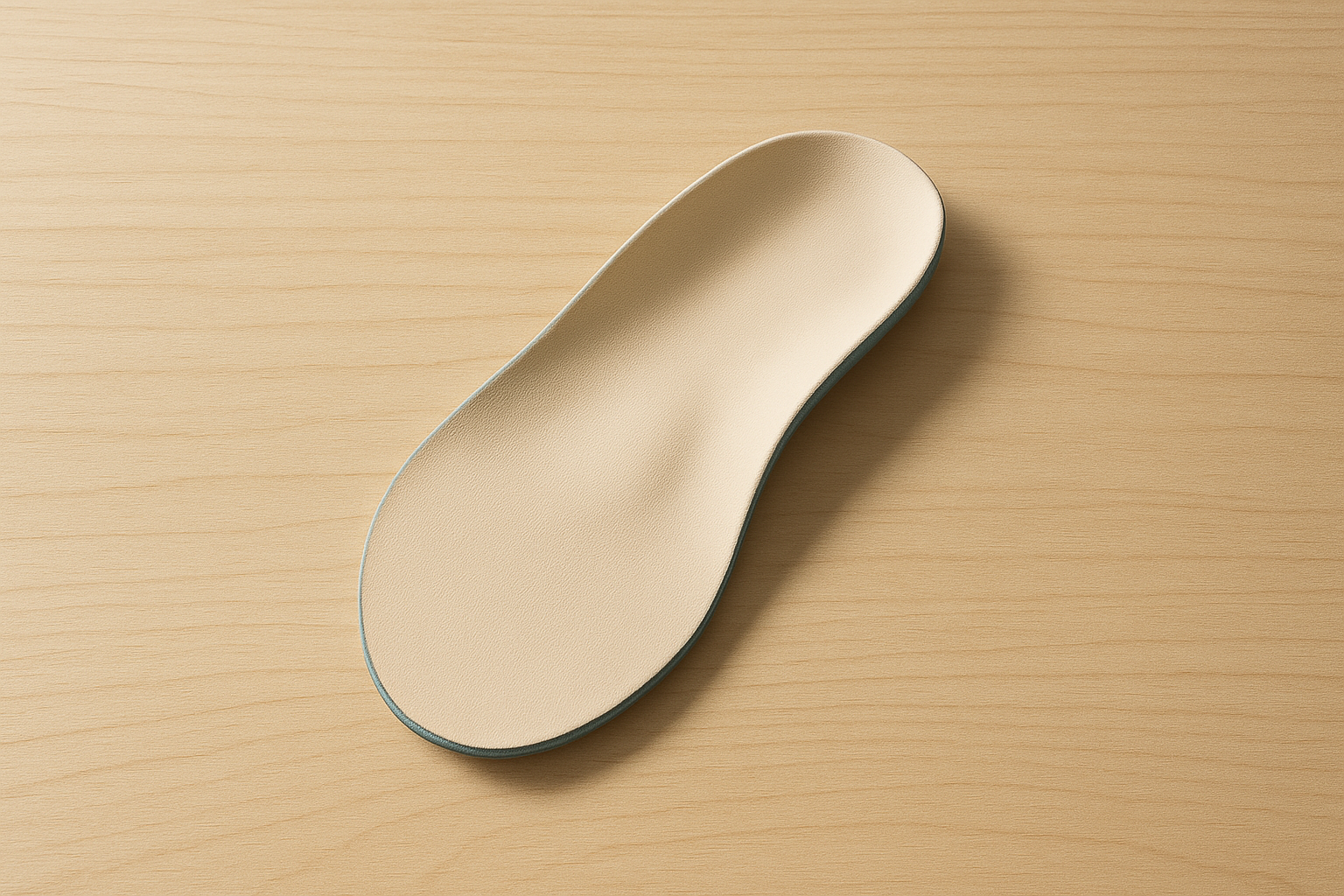
A custom-molded orthotic contours precisely to the foot, unlike generic store-bought insoles.
How to Start Custom Orthotic Treatment, Step by Step
Getting started is simpler than most people expect. Specifically, the process generally follows five steps:
- Schedule a complimentary consultation with a podiatrist to discuss your symptoms and determine if custom orthotics are right for you.
- Have a precise mold taken of each foot, either in-office or through an at-home impression kit, to capture your unique foot shape and structural needs.
- Review your diagnosis and treatment plan with the podiatrist, including which type of orthotic shell and cushioning will best address your specific discomfort.
- Receive your finished custom orthotics and begin a gradual break-in period, wearing them for a few hours daily before transitioning to full-time use.
- Follow up with the podiatrist to confirm proper fit and adjust the orthotics if any areas still feel uncomfortable.
For patients dealing with long-standing issues, this guide on chronic foot pain solutions and custom orthotics that work explains what to expect over a longer treatment timeline.
The Role of Supportive Footwear in Recovery
Even the best orthotic cannot fully compensate for shoes that lack proper structure. Therefore, pairing custom devices with supportive footwear amplifies results considerably. According to MedlinePlus, a service of the U.S. National Library of Medicine, proper footwear is one of the most overlooked factors in managing chronic foot conditions.
In particular, shoes with a firm heel counter, adequate toe box room, and removable insoles make it far easier to accommodate a custom orthotic. For more detail on choosing the right pair, see this guide on supportive footwear solutions for foot pain relief, as well as this overview of orthopedic footwear for full relief.

Supportive footwear paired with custom orthotics helps maintain results after treatment for foot discomfort.
When Foot Discomfort Signals a Bigger Problem
Not all foot pain resolves on its own. In particular, you should consult a podiatrist if discomfort lasts longer than two weeks, worsens with activity, or comes with swelling, numbness, or visible changes in the foot's shape. Similarly, sudden sharp pain after an injury warrants prompt evaluation rather than a wait-and-see approach.
According to Mayo Clinic, delaying treatment for conditions like plantar fasciitis can prolong recovery and increase the likelihood of compensatory pain in the knees, hips, or lower back. As a result, early intervention tends to produce faster, more complete outcomes.
Preventing Discomfort From Returning
Once relief is achieved, maintaining it requires a few consistent habits. Above all, continuing to wear your orthotics daily, replacing worn-out shoes promptly, and stretching regularly all help prevent a relapse. Furthermore, scheduling periodic check-ins with your podiatrist ensures your orthotics still match your foot's needs as circumstances change over time.
Frequently Asked Questions About Treatment for Foot Discomfort
What is the best treatment for foot discomfort?
The best treatment for foot discomfort depends on the underlying cause, but custom orthotics combined with supportive footwear and targeted stretching usually deliver the most lasting relief. For structural issues like flat feet or high arches, a podiatrist-fitted orthotic addresses the root problem rather than just the symptom.
How long does it take to see relief from foot discomfort treatment?
Most patients notice initial improvement within two to four weeks of consistent orthotic use, though full adaptation can take up to eight weeks. Severe or chronic cases may require a longer break-in period alongside physical therapy.
Can custom orthotics really fix foot discomfort permanently?
Custom orthotics cannot change your underlying bone structure, but they can permanently correct the biomechanical imbalances that cause discomfort by redistributing pressure evenly. As a result, many patients experience long-term relief as long as they continue wearing their orthotics consistently.
What causes foot discomfort in the first place?
Foot discomfort commonly stems from structural imbalances such as flat feet or high arches, worn-out footwear, repetitive strain, or inflammatory conditions like plantar fasciitis. Age, body weight, and prolonged standing also contribute significantly.
Is foot discomfort the same as plantar fasciitis?
No, foot discomfort is a broad symptom that can have many causes, while plantar fasciitis is a specific diagnosis involving inflammation of the tissue along the bottom of the foot. However, plantar fasciitis is one of the most frequent reasons people seek treatment for foot discomfort.
How much does custom orthotic treatment cost?
Custom orthotics typically cost more upfront than drugstore insoles, though prices vary based on materials and the complexity of the mold. Many patients find the investment worthwhile since custom devices last several years and address problems that cheaper alternatives cannot.
Are over-the-counter insoles a good treatment for foot discomfort?
Over-the-counter insoles can offer mild, temporary cushioning for minor discomfort, but they are not molded to your individual foot shape. For moderate to severe or recurring pain, custom orthotics generally provide more targeted and durable support.
When should I see a podiatrist for foot discomfort?
You should see a podiatrist if foot discomfort lasts longer than two weeks, worsens with activity, or is accompanied by swelling, numbness, or difficulty walking. Early evaluation helps prevent minor issues from becoming chronic conditions.
What mistakes make foot discomfort worse?
Common mistakes include ignoring early symptoms, wearing unsupportive shoes, and relying solely on pain medication instead of addressing the underlying cause. Skipping a proper diagnosis often leads to repeated flare-ups.
Can shoes alone treat foot discomfort?
Supportive footwear can reduce strain and improve comfort, but shoes alone rarely correct structural imbalances causing chronic pain. Combining proper footwear with custom orthotics typically produces far better and more lasting results.
How are custom orthotics made?
Custom orthotics are made by taking a precise mold or impression of each foot, which is then used to fabricate a device that matches the patient's exact arch height and pressure points. A podiatrist reviews the mold and prescribes the appropriate materials and corrections.
Does insurance cover treatment for foot discomfort?
Coverage varies widely by provider and plan, with some insurers covering a portion of custom orthotic costs when deemed medically necessary. It is best to check directly with your insurance company and request documentation from your podiatrist.
Final Thoughts on Finding Lasting Relief
Ultimately, the right treatment for foot discomfort combines an accurate diagnosis, a device molded to your individual foot, and supportive daily habits that protect your progress. Rather than reaching for temporary fixes, addressing the structural cause tends to produce relief that actually lasts. Whether you start with a complimentary consultation or explore custom orthotics designed from your own foot mold, taking that first step is often the difference between ongoing pain and lasting comfort.