

Foot pain therapies cover a wide range of treatments, from simple stretches to custom-molded devices, that target the source of discomfort rather than just masking it. Whether the cause is plantar fasciitis, flat feet, or years of poor footwear choices, finding the right combination of therapies can mean the difference between limping through the day and moving comfortably again. This guide breaks down the most effective options, how they work, and how to build a plan that actually fits your feet.
Quick Answer: Foot pain therapies typically start with rest, stretching, and supportive footwear, and progress to custom orthotics or podiatric treatment when pain persists beyond two to three weeks. The most effective plans combine at-home care with a professional evaluation to correct the root biomechanical cause.
What Are Foot Pain Therapies?
Foot pain therapies are the treatments used to relieve discomfort and correct the mechanical or medical issues causing it. In particular, they range from passive rest and ice to active interventions like custom orthotics, physical therapy, and, in severe cases, surgery.
Most people experience some form of foot pain during their lives. According to a widely cited survey from the American Podiatric Medical Association, roughly 77% of U.S. adults have dealt with foot pain at some point, yet many delay treatment until the problem becomes chronic. As a result, understanding your options early can prevent months of unnecessary discomfort.
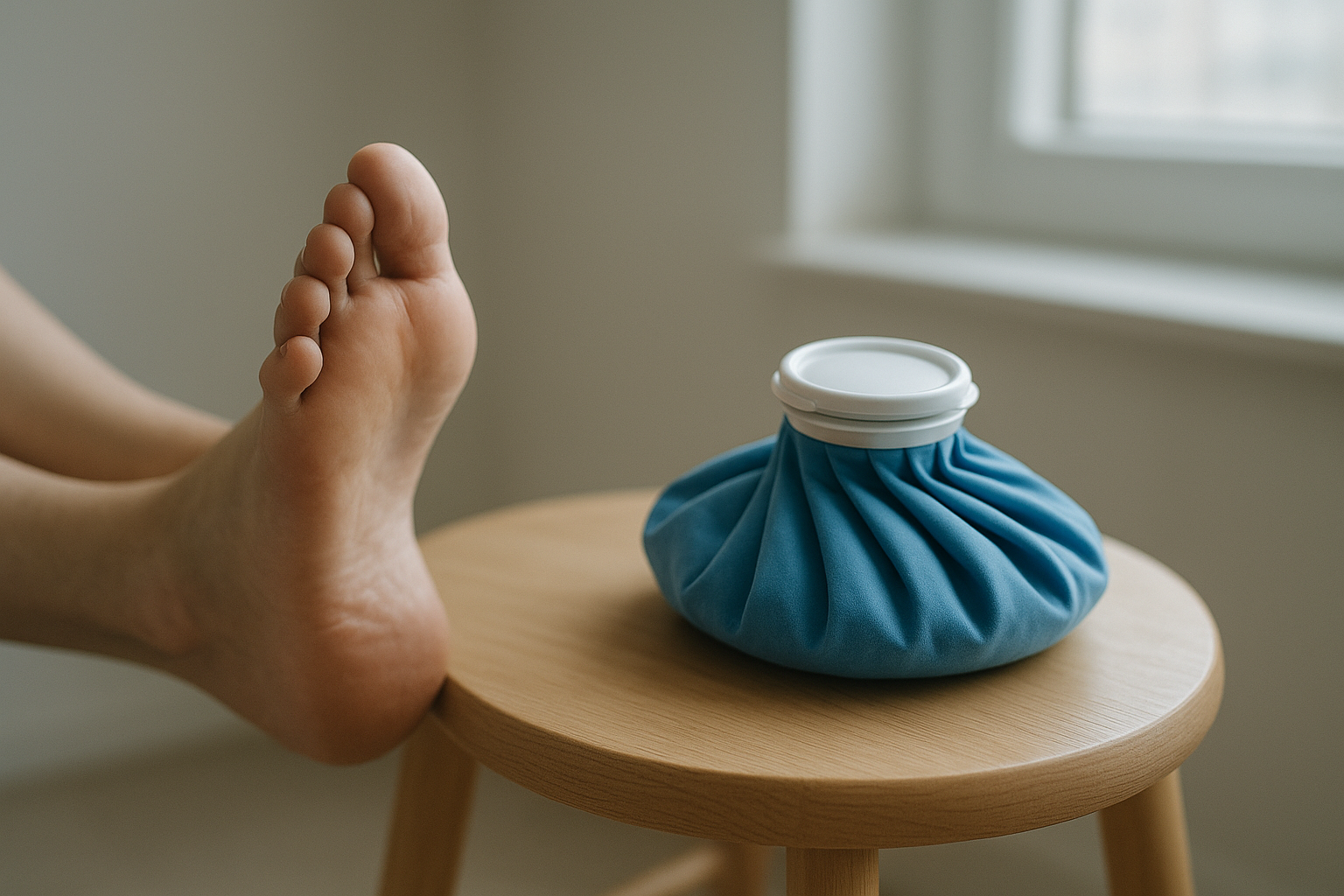
At-home care, such as icing, is often the first step in foot pain therapies before moving to more targeted treatment.
Common Causes of Foot Discomfort
Before choosing a treatment, it helps to understand why foot pain happens in the first place. Overuse, poor footwear, aging tissue, and structural imbalances such as flat feet or high arches are the most frequent culprits.
Similarly, conditions like plantar fasciitis, one of the most common causes of heel pain, occur when the band of tissue supporting the arch becomes inflamed from repetitive strain. You can read more about this condition on Wikipedia's overview of plantar fasciitis. For a deeper look at treatment options specific to this condition, our guide on foot orthotics for plantar fasciitis covers the full relief process.
Other patients struggle with metatarsalgia, a painful inflammation in the ball of the foot. If that sounds familiar, our article on metatarsalgia pain treatments and expert relief strategies walks through targeted options.
Types of Foot Pain Therapies Available Today
There is no single fix for every type of foot pain. Instead, effective treatment usually combines several therapies based on severity and cause.
Conservative and At-Home Treatments
For mild or early-stage pain, conservative care is usually the first line of defense. This includes rest, ice, gentle stretching, and switching to supportive shoes. Above all, consistency matters more than intensity; a few minutes of calf and arch stretching daily tends to outperform sporadic, aggressive sessions.
Custom Orthotics as a Foot Pain Therapy
When pain stems from structural imbalances, custom orthotics are often the most reliable therapy because they are molded directly from an individual's feet. Unlike generic insoles, they redistribute pressure precisely where it is needed. Consequently, many patients see meaningful relief within four to six weeks of consistent use. If you are wondering where to find personalized orthotics for foot pain, a podiatrist-fabricated device is generally considered the gold standard.
Medical and Physical Therapy Options
For more advanced cases, physical therapy, corticosteroid injections, or in rare instances surgery may be recommended. Physical therapists focus on strengthening supporting muscles, while injections address acute inflammation. The National Institutes of Health's consumer health resource, MedlinePlus on foot injuries and disorders, offers additional detail on when these interventions are appropriate.
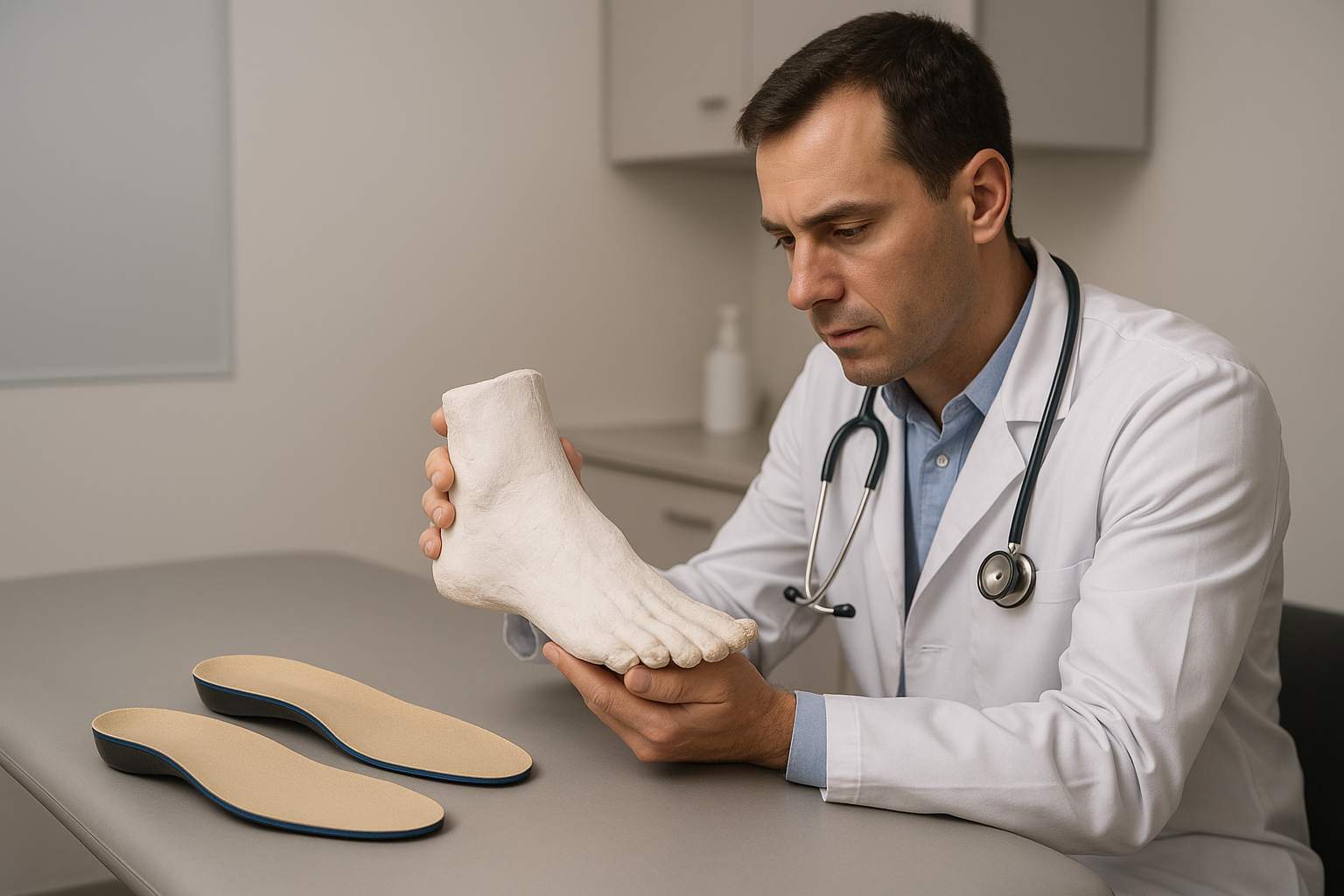
Custom-molded orthotics are one of the most targeted foot pain therapies for structural imbalances.
How to Choose the Right Foot Pain Relief Treatment
Choosing between these options depends largely on the severity and duration of your symptoms. For pain lasting less than two weeks with no swelling, conservative care is often enough. However, if discomfort persists, worsens with activity, or returns repeatedly, a professional evaluation becomes necessary.
In particular, chronic sufferers benefit from a structured approach rather than trial and error. Our detailed breakdown of chronic foot pain solutions with custom orthotics that work outlines what to expect when moving from home care to a lasting fix.
Step-by-Step: Building a Foot Pain Therapy Plan
Building an effective plan does not need to be complicated. Follow these steps in order for the best chance of lasting relief.
- Identify the pain pattern. Track where the pain occurs, when it flares up, and what activities make it worse.
- Try conservative home care. Rest, ice, stretch, and switch to supportive shoes for one to two weeks.
- Get a professional evaluation. A podiatrist can identify structural causes that home care alone cannot resolve.
- Consider custom orthotics. A mold of your feet allows fabrication of a device built to your exact shape.
- Follow up and adjust. Reassess after four to six weeks and report any lingering discomfort for fine-tuning.
When to See a Podiatrist for Persistent Foot Pain
Therefore, if pain lasts more than two weeks, disrupts sleep, or comes with swelling and numbness, it is time to consult a podiatrist rather than continue guessing. Early professional input often shortens recovery time significantly.
Patients dealing with plantar fasciitis specifically often ask whether a podiatrist-owned orthotics practice can help with plantar fasciitis pain relief, and the answer is generally yes when the orthotic is properly molded and fitted. You can learn more about the fabrication process directly at customorthotics.com, where a complimentary consultation is available by phone.

Restored mobility is the goal of any well-designed foot pain therapy plan.
Frequently Asked Questions About Foot Pain Therapies
What are foot pain therapies?
Foot pain therapies are treatments designed to reduce discomfort and correct the underlying cause of foot problems. They range from simple stretching and footwear changes to custom orthotics and medical procedures.
How long does it take for foot pain therapies to work?
Mild cases often improve within 2 to 6 weeks of consistent conservative care. More structural issues treated with custom orthotics may take 4 to 12 weeks to show full benefit as the foot gradually adapts.
What is the difference between custom orthotics and over-the-counter insoles?
Custom orthotics are molded directly from an individual's foot to match their unique shape and biomechanics, while over-the-counter insoles use generic sizing. This precision is why custom devices typically address root causes more effectively.
How much do custom orthotics cost?
Prices vary depending on materials and the practice, but custom orthotics generally cost a few hundred dollars, often less over time than repeated visits for unresolved pain. Many patients find them more cost-effective long term than cycling through generic products.
Can stretching alone relieve foot pain?
Stretching helps with mild, muscle-related discomfort, especially tight calves or plantar fascia. However, it rarely resolves structural issues like flat feet or overpronation without additional support.
What causes chronic foot pain?
Chronic foot pain often stems from biomechanical imbalances, repetitive strain, poor footwear, or untreated conditions like plantar fasciitis. In particular, structural issues left unaddressed tend to worsen over time.
Are foot pain therapies covered by insurance?
Coverage depends on the specific plan and diagnosis, but many insurance providers reimburse a portion of custom orthotic costs when prescribed by a podiatrist. It is best to check directly with your insurer before starting treatment.
What mistakes make foot pain worse?
Common mistakes include ignoring early symptoms, wearing unsupportive shoes, and returning to high-impact activity too soon. Skipping a proper evaluation also leads people to treat the wrong problem.
When should I see a podiatrist for persistent foot pain?
You should see a podiatrist if pain lasts longer than two weeks, worsens with activity, or is accompanied by swelling or numbness. Early evaluation prevents minor issues from becoming chronic conditions.
Do custom orthotics work for plantar fasciitis?
Yes, custom orthotics are one of the most recommended foot pain therapies for plantar fasciitis because they redistribute pressure and support the arch precisely. Many patients report significant relief within a few weeks of consistent use.
What is the best foot pain therapy for flat feet?
Custom orthotics molded to support the arch are generally the most effective therapy for flat feet, since they correct alignment throughout the day. Supportive footwear and targeted strengthening exercises complement this approach.
How do I know if my foot pain therapy plan is working?
Progress usually shows as reduced pain intensity, fewer flare-ups, and improved tolerance for standing or walking. If symptoms plateau or worsen after several weeks, it is time to revisit your podiatrist for adjustments.
In conclusion, effective foot pain therapies range from simple at-home stretching to precisely molded custom orthotics, and the right choice depends on the cause and severity of your symptoms. Consequently, starting with conservative care and escalating to a professional evaluation when pain persists gives you the best chance of lasting relief. If home remedies have not resolved your discomfort, a podiatrist-guided assessment and a custom-fitted orthotic remain among the most dependable foot pain therapies available today.