

Orthopedic footwear for foot pain is specially engineered footwear that supports the foot's natural structure, cushions high-pressure areas, and corrects the alignment issues behind chronic discomfort. Unlike shoes bought purely for style, orthopedic designs work hand in hand with custom orthotics to address the root cause of pain rather than simply masking it. For anyone dealing with heel pain, collapsed arches, or diabetic foot complications, choosing the right pair can be the difference between limping through the day and walking with confidence.
Quick Answer: Orthopedic footwear for foot pain works by redistributing pressure, stabilizing the ankle and arch, and reducing friction at painful points. Most people feel measurable relief within one to two weeks when the shoes are paired with a properly fitted custom orthotic.
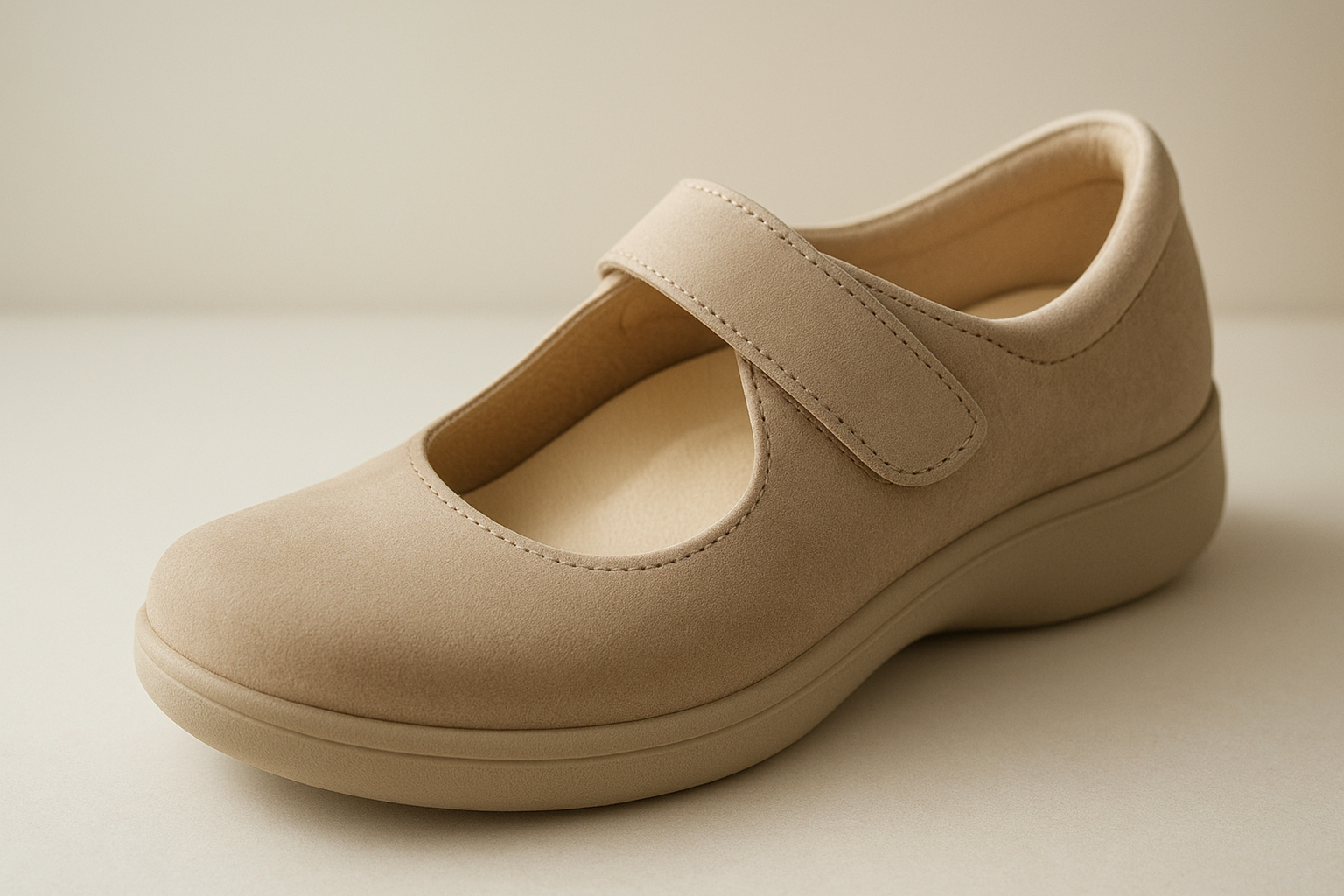
Orthopedic footwear for foot pain relies on structured arch support and cushioning to relieve pressure.
What Is Orthopedic Footwear for Foot Pain?
Orthopedic footwear for foot pain refers to shoes designed with medical input to correct biomechanical problems rather than just cover the feet. These shoes typically feature deeper heel cups, firmer midsoles, and removable insoles so a custom orthotic can slide in for an even more precise fit.
Consequently, orthopedic shoes differ sharply from fashion-first footwear. In particular, they prioritize a wide, rounded toe box that keeps toes from crowding, along with adjustable closures that accommodate swelling. As a result, patients with bunions, hammertoes, or diabetic foot sensitivity often find these designs far more comfortable during long days on their feet.
How Therapeutic Shoes Ease Chronic Foot Discomfort
Therapeutic shoes ease chronic discomfort by spreading body weight more evenly across the foot instead of concentrating pressure on one small area. For example, a rigid heel counter stabilizes the rear foot, while a contoured footbed cradles the arch so the plantar fascia does not overstretch with every step.
Furthermore, many orthopedic designs include rocker soles that reduce strain on the forefoot during walking. According to the American Podiatric Medical Association, proper footwear is one of the simplest and most effective ways to prevent repetitive stress injuries in the feet, particularly for people who stand or walk for long shifts.
In addition, breathable, moisture-wicking materials help prevent skin breakdown, which matters most for people managing diabetes or poor circulation. Therefore, the combination of structural support and material choice explains why orthopedic footwear consistently outperforms standard shoes for chronic pain sufferers.
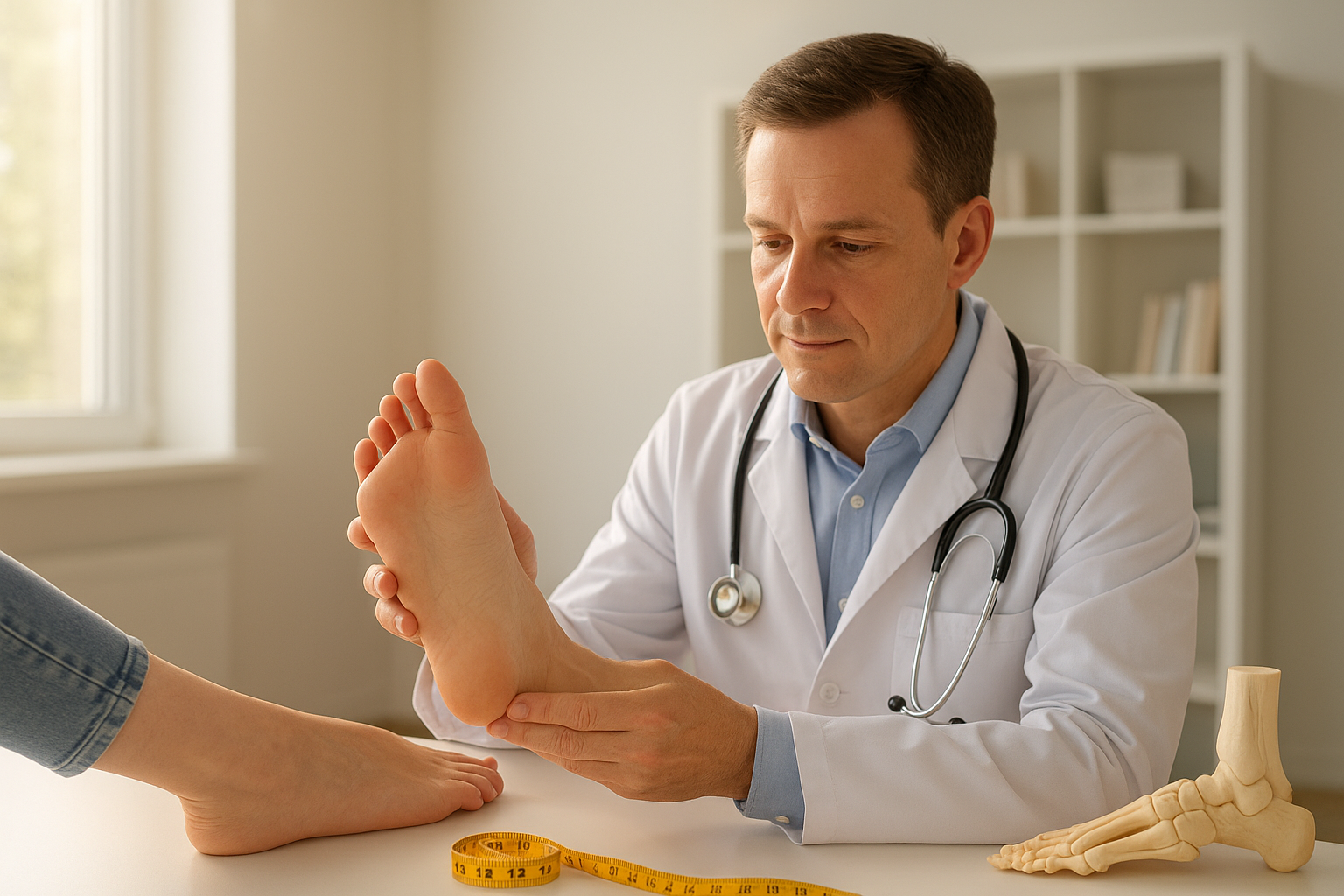
A podiatrist evaluation helps match orthopedic footwear to the exact cause of foot pain.
Common Causes of Foot Pain That Orthopedic Shoes Address
Plantar fasciitis, one of the most common causes of heel pain, occurs when the thick band of tissue along the bottom of the foot becomes inflamed. Orthopedic shoes with firm arch support reduce the tension on this tissue, which is why podiatrists frequently recommend them as a first-line treatment.
Similarly, bunions and hammertoes benefit from the wider toe boxes found in orthopedic designs, since cramped shoes tend to worsen these deformities over time. In contrast, flat feet and overpronation call for structured medial support that prevents the ankle from rolling inward with each stride.
Diabetic neuropathy presents a different challenge altogether. Because reduced sensation can hide developing sores, seamless interiors and extra depth become essential safety features rather than optional comfort upgrades. Above all, matching the shoe to the specific condition determines how much relief a patient actually experiences.
Custom Orthotics vs Orthopedic Footwear: What's the Difference?
Orthopedic footwear provides the structural shell, while custom orthotics deliver the individualized correction inside that shell. In other words, the shoe sets the stage, and the orthotic performs the precise biomechanical work tailored to one person's foot shape.
According to Custom Orthotics, a podiatrist-owned practice with more than 20 years of experience and an A+ Better Business Bureau rating, orthotics fabricated from an individual mold of the patient's foot fit more precisely than anything sold off the shelf. This distinction matters because generic insoles often fail to address the specific angle of a person's arch collapse or heel strike.
For readers who want a deeper comparison of options, this guide to custom orthotic options breaks down materials, molding methods, and pricing in more detail.
How to Choose the Right Orthopedic Footwear for Foot Pain
Selecting the correct pair does not have to be complicated. Instead, following a clear process helps narrow down options quickly and avoids costly trial and error.
- Assess your foot type and pain pattern. Note whether your arches are high, flat, or neutral, and identify exactly where the pain occurs.
- Consult a podiatrist. A professional evaluation reveals the underlying cause of foot pain and points toward the right footwear category.
- Prioritize fit and adjustability. Look for a wide toe box, adjustable closures, and enough depth for a custom orthotic insert.
- Check materials and structure. Firm heel counters, shock-absorbing midsoles, and breathable uppers all matter for long-term comfort.
- Break shoes in gradually. Increase wear time slowly while tracking pain levels over two to three weeks.
Readers dealing specifically with metatarsal-area pain may also find this resource on metatarsalgia treatments and orthotics helpful for narrowing footwear choices further.
Best Practices for Wearing Orthopedic Footwear
Even the best orthopedic shoes underperform without proper habits. Therefore, patients should rotate between two pairs to let cushioning fully recover between wears, since foam materials need time to decompress.
In addition, replacing shoes every eight to twelve months prevents worn-out support from silently reintroducing pain. Similarly, pairing footwear with a properly fitted custom orthotic amplifies results far beyond what generic insoles can achieve.
For those still searching locally, this overview on where to find personalized orthotics outlines both in-person and remote ordering options. Meanwhile, podiatrists commonly cite specific insole recommendations, as covered in this piece on insoles podiatrists suggest for foot pain relief.
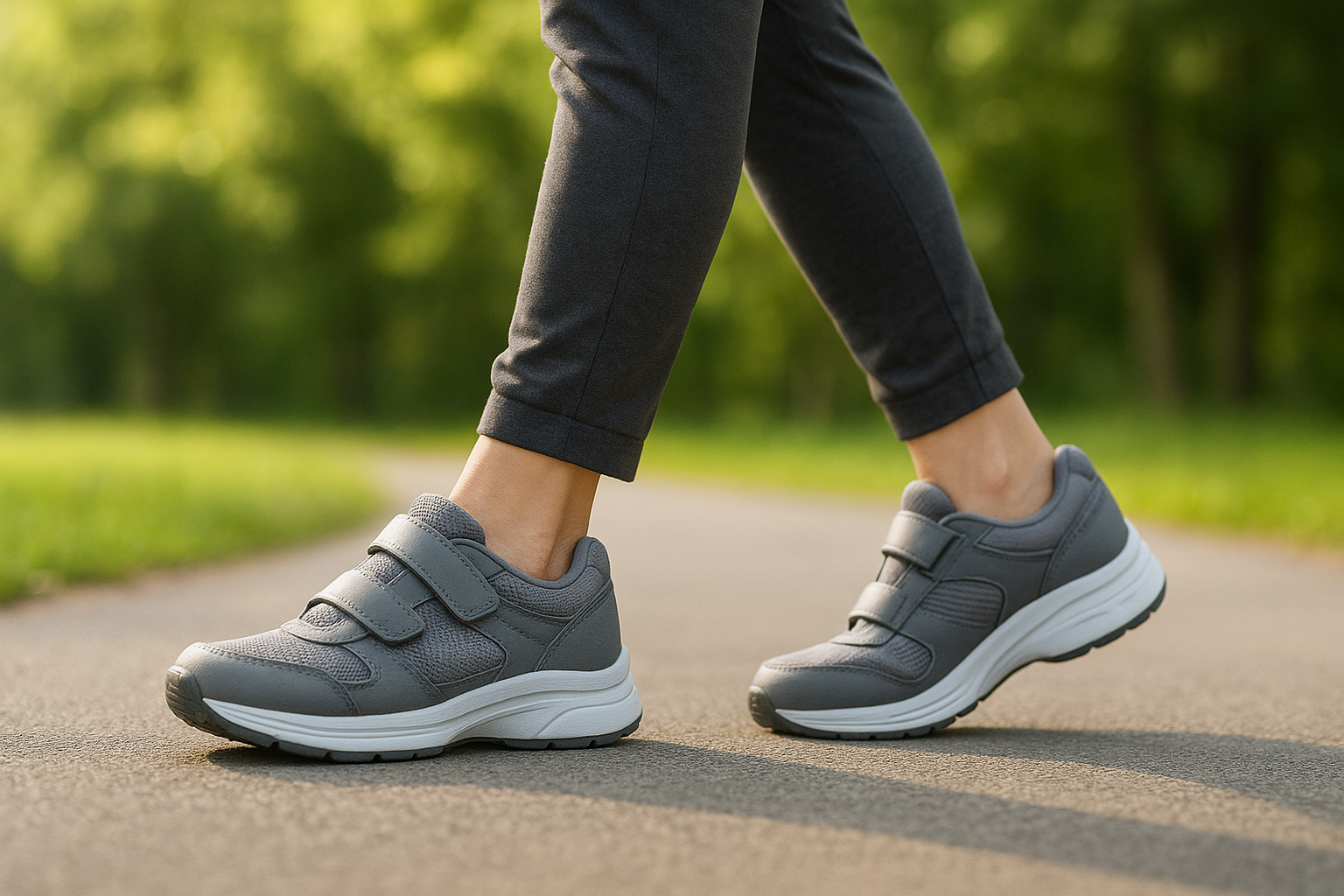
Consistent use of orthopedic footwear for foot pain supports a more active, comfortable lifestyle.
Supporting Data on Footwear and Foot Pain
Research consistently backs the value of supportive footwear. A study referenced by the National Institute on Aging notes that foot problems affect roughly one in four adults over age 45, with ill-fitting shoes a frequent contributing factor. Similarly, the Mayo Clinic highlights supportive footwear as a core, non-invasive treatment for plantar fasciitis before more aggressive interventions are considered.
For additional background on orthotic devices generally, Wikipedia's overview of orthotics explains how these devices have been used in medicine for decades to correct musculoskeletal imbalances. Together, this evidence reinforces why orthopedic footwear for foot pain remains a first recommendation among foot care professionals.
Those exploring broader relief strategies beyond footwear alone may also want to read this article on custom foot pain solutions that actually work for a more complete treatment picture.
Frequently Asked Questions
What is orthopedic footwear for foot pain?
Orthopedic footwear for foot pain is shoes engineered with extra support, cushioning, and structural correction to reduce pressure on painful areas of the foot. It typically includes deeper heel cups, firmer arch support, and roomier toe boxes than standard shoes.
How does orthopedic footwear differ from regular shoes?
Orthopedic shoes use medical-grade materials and biomechanical design to correct alignment, while regular shoes prioritize style over support. As a result, orthopedic footwear often includes removable insoles for custom orthotics and firmer midsoles.
Can orthopedic shoes cure plantar fasciitis?
Orthopedic shoes cannot cure plantar fasciitis on their own, but they significantly reduce strain on the plantar fascia and ease pain during healing. Combining them with custom orthotics and stretching often speeds recovery.
How much does orthopedic footwear cost?
Orthopedic footwear generally ranges from $80 to $250 per pair, depending on the brand and level of customization. Prices increase further when the shoes are paired with custom-molded orthotic inserts.
How long does it take to feel relief after switching shoes?
Many people notice reduced discomfort within one to two weeks of consistent wear. However, chronic conditions like plantar fasciitis may take four to six weeks for noticeable improvement.
What conditions benefit most from orthopedic footwear?
Plantar fasciitis, bunions, diabetic neuropathy, flat feet, and arthritis are among the conditions that respond best to orthopedic footwear. These shoes reduce pressure points and improve overall foot alignment.
Are custom orthotics better than store-bought orthopedic shoes?
Custom orthotics molded to an individual's foot typically outperform generic orthopedic shoe inserts because they address a person's specific structural imbalances. Combining custom orthotics with supportive footwear usually delivers the best results.
What should I look for when buying orthopedic shoes?
Look for a wide, deep toe box, removable insoles, firm heel counters, and adjustable closures. It also helps to choose a brand recommended by a podiatrist for your specific foot condition.
Can diabetics benefit from orthopedic footwear?
Yes, diabetics benefit significantly from orthopedic footwear because it reduces friction and pressure points that can lead to ulcers. Seamless interiors and extra depth are especially important for diabetic foot care.
How often should orthopedic shoes be replaced?
Most orthopedic shoes should be replaced every eight to twelve months, or sooner if the cushioning feels flattened. Worn-out support can reintroduce the pain the shoes were meant to prevent.
What's the biggest mistake people make when choosing orthopedic footwear?
The most common mistake is choosing shoes by appearance instead of fit and support. Skipping a professional fitting or podiatrist consultation often leads to poor results.
Do orthopedic shoes work for high arches and flat feet alike?
Orthopedic shoes are built with adjustable or removable insoles specifically because foot shapes vary widely. Pairing them with custom orthotics allows the same shoe to support both high arches and flat feet effectively.
Is a podiatrist consultation necessary before buying orthopedic footwear?
A podiatrist consultation is not always required but is strongly recommended for chronic or worsening pain. A professional evaluation ensures the footwear and any orthotic inserts match the underlying cause of discomfort.
Can orthopedic footwear help with lower back pain too?
Because foot alignment affects posture up the kinetic chain, orthopedic footwear can indirectly ease lower back pain caused by uneven gait. Correcting foot mechanics often reduces compensatory strain on the hips and spine.
Where can I get properly fitted custom orthotics to pair with orthopedic shoes?
A podiatrist-owned practice that molds orthotics directly from your feet, such as Custom Orthotics, provides a more precise fit than off-the-shelf inserts. Many practices also offer remote consultations and mail-in fitting kits.
Final Thoughts on Choosing Orthopedic Footwear
Ultimately, orthopedic footwear for foot pain works best when it is chosen deliberately rather than picked off a shelf at random. By assessing your specific pain pattern, consulting a podiatrist, and prioritizing fit and structure, you give your feet the tools they need to heal rather than simply cope.
In the end, pairing supportive shoes with a custom-molded orthotic offers the most complete solution for lasting relief. For anyone ready to take that next step, a complimentary consultation with a podiatrist-owned practice like Custom Orthotics is a practical way to move from guesswork toward a plan built specifically for your feet.