

Foot pain custom solutions exist for one simple reason: your feet are not average, so a generic insole was never going to fix them. Instead of masking discomfort with a soft cushion, a true custom solution starts with a mold or scan of your actual foot and builds support around your specific arch, gait, and pressure points. As a result, people who have already tried stretching, icing, switching shoes, or grabbing insoles off a drugstore shelf finally get relief that holds up under a full day on their feet. This guide breaks down exactly how these solutions work, who they help, what they cost, and how to choose a provider you can trust.
Quick answer: Foot pain custom solutions pair a podiatrist consultation with a hand-fabricated orthotic molded from your own feet. Because the device corrects the actual mechanical cause of your pain — not just the symptom — relief is typically more complete and longer lasting than anything sold pre-made.
What Are Foot Pain Custom Solutions?
Foot pain custom solutions are orthotic devices and treatment plans built directly from an individual's own foot mold or 3D scan, rather than shaped to fit an "average" foot that doesn't really exist. Specifically, a podiatrist — a doctor specializing in foot and ankle health — evaluates your gait, arch type, and symptom history before designing a device suited to your exact structure. In contrast, mass-produced insoles are stamped out in a handful of generic sizes, so even a "medium" width or "high" arch label rarely matches your real anatomy.
Because the design process starts with your unique measurements, the resulting orthotic addresses the mechanical cause of pain, such as excessive pronation (when the foot rolls too far inward with each step) or uneven weight distribution across the sole. Therefore, many patients notice improvements that off-the-shelf products simply cannot deliver. If you have already read about custom orthotics that work for pain relief, this same molding principle applies broadly across foot conditions, not just one diagnosis.
Understanding the Root Causes of Chronic Foot Pain
Chronic foot pain rarely appears without a reason. In particular, structural imbalances like flat feet, high arches, or leg-length differences place uneven stress on tendons and joints over time. Similarly, repetitive activities such as running, standing for long shifts, or wearing unsupportive shoes can gradually wear down the foot's natural cushioning until pain becomes constant rather than occasional.
According to the American Podiatric Medical Association, foot problems affect a large majority of adults at some point in their lives, yet many people delay treatment until pain becomes severe. Furthermore, conditions like plantar fasciitis, bunions, and diabetic neuropathy often share a common thread: poor pressure distribution across the foot. Above all, identifying the underlying cause is essential before choosing any treatment path — which is exactly where a generic, walk-in insole fitting tends to fall short.
If foot fatigue rather than sharp, localized pain is your main concern, it's worth reading this related guide on foot fatigue causes, fixes, and prevention, since fatigue and structural pain frequently overlap.
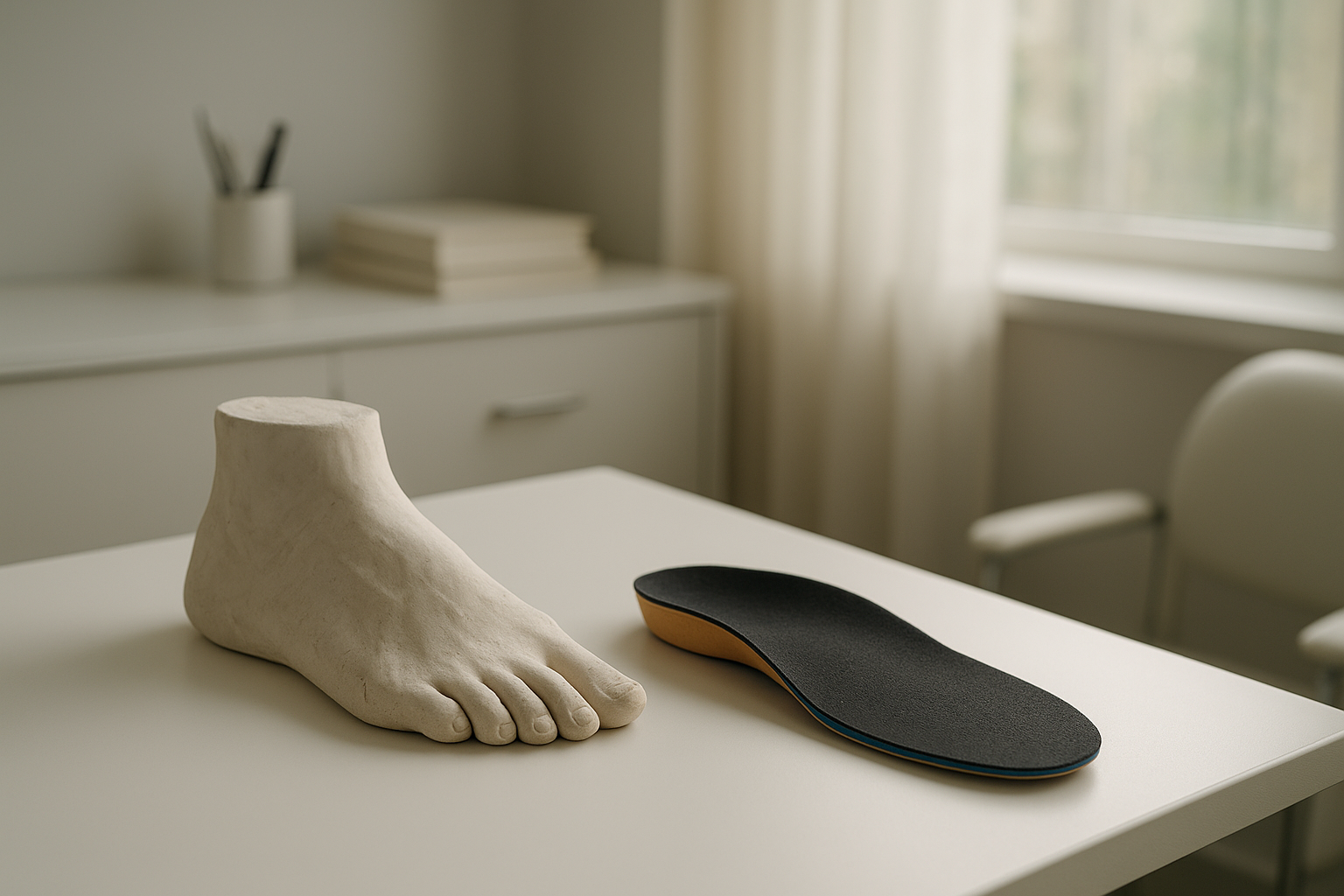
Foot pain custom solutions begin with a precise mold before the orthotic is hand-fabricated.
Why Standard Insoles and Retail Arch Supports Often Fall Short
Standard insoles are inexpensive and widely available, so it makes sense that many people try them first. However, because they are built for a generic foot shape, they often fail to correct the specific alignment issue causing pain. In addition, cushioning-only products tend to break down quickly under daily wear, requiring frequent replacement without ever solving the underlying problem.
The same limitation applies to many walk-in retail fitting stores that measure your foot at a kiosk and hand you a semi-custom arch support off a shelf of pre-set molds. That approach is faster, certainly, but it still isn't a true one-to-one mold of your foot, and there is typically no licensed podiatrist reviewing your diagnosis or designing the device. By comparison, custom shoe inserts built from an actual impression of your foot are engineered to match your exact pressure points and arch height. Consequently, they provide targeted correction rather than generalized softness. For a deeper comparison, this complete guide to custom shoe inserts for pain relief breaks down the differences in more detail.
How Custom Orthotics Are Made: A Step-by-Step Process
Understanding the fabrication process helps set realistic expectations for timing and results. Below is the typical sequence a patient can expect when pursuing a foot pain custom solution from a podiatrist-led provider.
- Schedule a consultation. A podiatrist reviews your symptoms, footwear habits, and any previous treatments during a complimentary phone or in-office visit, so the design process starts with real clinical context rather than guesswork.
- Get a professional foot mold or scan. A specialist captures a detailed impression of each foot to record its exact shape, arch height, and pressure distribution across the entire sole.
- Receive a personalized design plan. The podiatrist designs the orthotic around your diagnosis, activity level, and footwear type, specifying exactly where support and cushioning need to be reinforced.
- Orthotics are hand-fabricated. Skilled technicians build the device using durable materials matched to your specific support needs, rather than pulling a pre-made shell off a shelf.
- Attend a fitting and adjustment visit. Once the orthotics arrive, a fitting session confirms comfort and allows for fine-tuning if needed, so the final device fits both your foot and your everyday shoes.
Conditions That Benefit From Personalized Foot Pain Relief
Personalized foot pain relief is not limited to one condition. In fact, custom orthotics are commonly recommended for plantar fasciitis, flat feet, high arches, bunions, and even diabetic foot complications. For example, patients dealing with heel pain often find that a well-designed device relieves tension in the plantar fascia — the thick band of tissue along the bottom of the foot — far more effectively than stretching alone.
If you suspect plantar fasciitis is behind your symptoms, this resource on plantar fasciitis pain relief options explains how molded orthotics target that specific condition, and this complete plantar fasciitis relief guide goes even further into daily management. Meanwhile, individuals who spend long hours on their feet at work may benefit from reviewing this guide to foot support for everyday activities, and runners or athletes dealing with forefoot pain should see how custom orthotics relieve metatarsal pain. According to the National Institutes of Health, plantar fasciitis alone affects an estimated one in ten people during their lifetime, underscoring how common these structural issues really are.
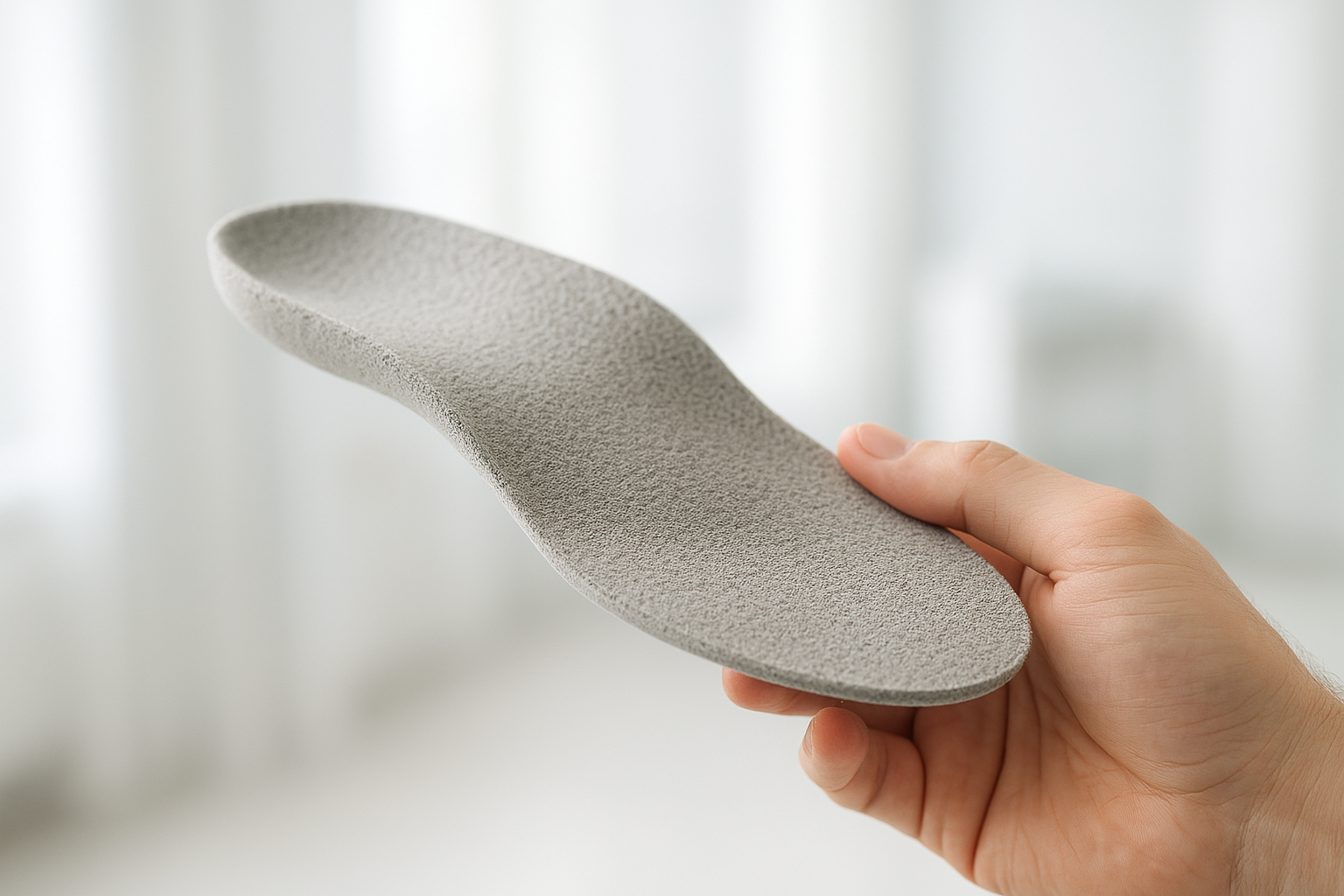
A finished custom orthotic reflects the exact contours captured during the molding process.
Podiatrist-Led Care vs. Retail Fitting Stores: What's the Real Difference?
Many people searching for foot pain custom solutions eventually compare two paths: a retail storefront that fits arch supports off a limited set of pre-molded shells, or a podiatrist-led practice that builds a device entirely from your own mold. On the surface, both promise "custom" support. In reality, the level of customization and clinical oversight can differ enormously.
Specifically, a retail fitting typically involves a trained associate measuring your foot and matching it to the closest pre-made shape in stock. That can work fine for mild discomfort. However, if your pain stems from a diagnosed condition — such as posterior tibial tendon dysfunction or a significant leg-length discrepancy — a shelf-based fit rarely accounts for it. In contrast, a podiatrist-designed orthotic is built around your specific diagnosis, meaning the device is engineered, not just selected. Consequently, patients with more complex or long-standing pain tend to see better, more durable outcomes with a fully custom, medically supervised solution.
Choosing the Right Provider for Your Custom Foot Pain Solution
Selecting a provider matters just as much as choosing custom over generic. Therefore, look for a practice with hands-on podiatric expertise, transparent pricing, and a track record of quality craftsmanship. For instance, customorthotics.com is podiatrist-owned and operated, bringing more than 20 years of experience along with an A+ Better Business Bureau rating to every orthotic it fabricates.
In addition, patients can speak directly with the podiatrist during a free consultation, whether they visit in person or order remotely through the online platform. This combination of medical oversight and accessible ordering makes it easier to get properly fitted devices without unnecessary delays. If you're still exploring your options, this overview of where to find personalized orthotics for your foot pain can help you compare providers before committing.
Cost, Insurance, and Timeline: What to Expect
Cost is often the first question patients ask, and understandably so. Custom orthotics generally range from $200 to $800 depending on materials, design complexity, and provider expertise. That range often sounds high compared to a $40 drugstore insole, but it is frequently less than years of ongoing treatments, physical therapy copays, or replacement insoles bought over and over without resolving the pain.
Insurance coverage, meanwhile, varies widely by plan and diagnosis, so it is worth checking with your provider beforehand. Many plans partially cover orthotics once a podiatrist documents medical necessity, which is another advantage of working with a licensed clinician rather than a retail associate. As for timing, most custom orthotics take two to four weeks from mold to delivery, depending on the fabrication lab and design complexity, though some providers offer expedited options for urgent cases.
How Long Does It Take to Get Foot Pain Relief With Custom Orthotics?
Most patients notice initial improvement within two to four weeks of consistent daily wear, though full adaptation can take up to eight weeks as muscles and tendons adjust. However, timelines vary depending on the severity of the underlying condition and how consistently the orthotics are worn.
According to the Mayo Clinic, gradual improvement is normal and expected with orthotic therapy, since the foot's soft tissue needs time to respond to corrected alignment. Consequently, patience during the first few weeks often pays off with more durable, long-term relief — a trade-off well worth making compared to another cycle of temporary, insole-only fixes.
Frequently Asked Questions About Foot Pain Custom Solutions
What are foot pain custom solutions?
Foot pain custom solutions are orthotic devices built from a personal mold or scan of your feet, designed to correct the specific structural issues causing your discomfort. Unlike mass-produced inserts, they target your exact arch height, pressure points, and gait pattern.
How do custom orthotics differ from over-the-counter insoles?
Custom orthotics are molded from your own foot shape, while over-the-counter insoles are made in generic sizes for average feet. As a result, custom devices typically provide more precise support and longer-lasting relief.
How long does it take to get custom orthotics made?
Most custom orthotics take two to four weeks from mold to delivery, depending on the fabrication lab and design complexity. Some providers offer expedited options for urgent cases.
Are custom orthotics covered by insurance?
Coverage varies widely by insurance plan and diagnosis, so it is worth checking with your provider beforehand. Many plans partially cover orthotics when a podiatrist documents medical necessity.
How much do custom orthotics typically cost?
Custom orthotics generally range from $200 to $800 depending on materials, design complexity, and provider expertise. This is often less than years of ongoing treatments for unresolved chronic pain.
Can custom orthotics help with plantar fasciitis?
Yes, custom orthotics are frequently recommended for plantar fasciitis because they redistribute pressure away from the inflamed area. Many patients report noticeable relief within a few weeks of consistent use.
Do I need a podiatrist referral to get custom orthotics?
In most cases, no referral is required since many practices, including podiatrist-owned providers, offer direct consultations. However, a formal diagnosis can sometimes help with insurance reimbursement.
How long do custom orthotics typically last?
Well-made custom orthotics usually last three to five years with proper care, though heavy use or growing feet may shorten that timeline. Periodic check-ins help confirm the fit still matches your foot structure.
What conditions do custom orthotics treat?
Custom orthotics address plantar fasciitis, flat feet, high arches, bunions, diabetic foot complications, and general structural imbalances. In particular, they help conditions where alignment and pressure distribution are the root cause.
Can I order custom orthotics online without visiting an office?
Yes, several providers now offer at-home mold kits combined with a phone consultation, making the process accessible for remote patients. This approach still involves a podiatrist reviewing your foot structure before fabrication.
What is the most common mistake people make when choosing foot pain solutions?
The most common mistake is settling for generic drugstore insoles without addressing the underlying structural cause of the pain. Consequently, symptoms often return or worsen once the temporary cushioning wears out.
How do I know if I need custom orthotics versus regular insoles?
If over-the-counter insoles have not resolved your pain after several weeks, or if you have a diagnosed structural condition, custom orthotics are typically the next step. A podiatrist consultation can confirm which option fits your situation.
What should I expect during a foot mold consultation?
During a consultation, a specialist examines your gait, discusses your symptoms, and takes a detailed mold or scan of each foot. The entire process usually takes less than an hour and is generally painless.
What's the difference between custom orthotics and simple arch supports?
Arch supports are usually pre-shaped devices selected from a limited range of sizes, while custom orthotics are built from an actual mold of your foot. Therefore, orthotics can correct precise alignment issues that a generic arch support simply isn't shaped to address.
Can custom orthotics improve athletic performance, not just relieve pain?
Yes, many runners and athletes use custom orthotics to correct inefficient movement patterns that waste energy or increase injury risk. In addition to pain relief, better alignment can improve stability and reduce fatigue during long training sessions.
Can I transfer my custom orthotics between different pairs of shoes?
In many cases, yes, especially between shoes with removable insoles and similar volume. However, a podiatrist can advise on which shoe styles will accommodate your specific device without affecting fit or performance.
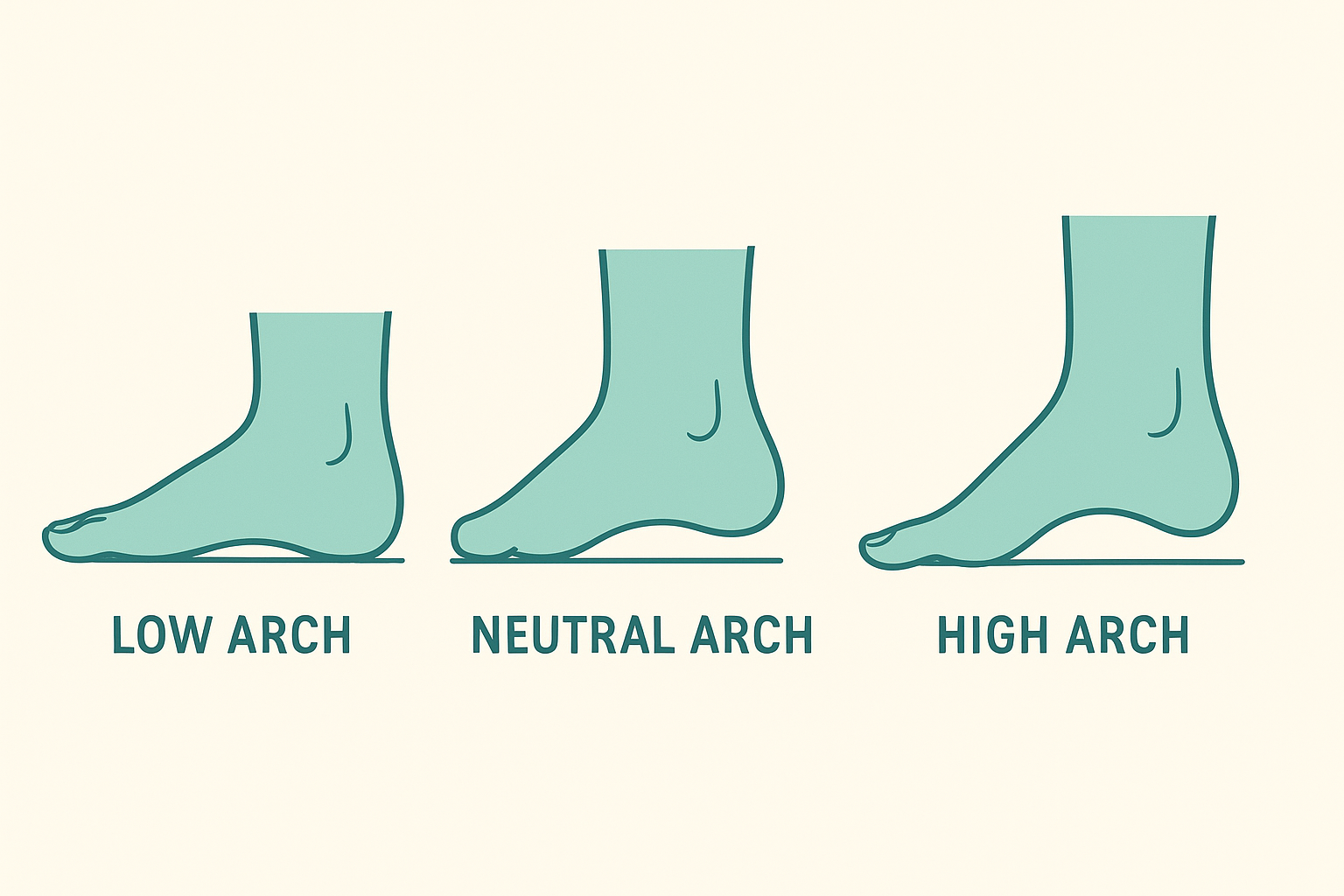
Identifying your arch type is a key step in designing effective foot pain custom solutions.
Taking the Next Step Toward Lasting Relief
In summary, foot pain custom solutions offer a more precise and durable alternative to generic insoles by starting with an actual mold of your feet. Because the design process accounts for your unique arch, gait, and pressure points, the resulting orthotic addresses the mechanical cause of pain rather than just its symptoms. Above all, working with an experienced, podiatrist-led provider — rather than a shelf-based retail fitting — ensures the device is built correctly from the start.
If chronic discomfort has limited your daily activities, consider requesting a free consultation to explore whether custom orthotics are right for you. Whether you visit in person or order remotely, taking that first step is often the difference between temporary relief and a long-term solution for foot pain custom solutions that truly work.