

Tailored foot supports for pain relief are custom-molded orthotic devices built from an exact impression of your feet, designed to correct the structural imbalances behind chronic foot, knee, or back discomfort. Unlike generic insoles pulled off a drugstore rack, these devices start with a mold of your unique arch, heel strike, and pressure distribution. As a result, they address the actual mechanical cause of pain rather than simply cushioning the symptom. For people who have tried over-the-counter inserts without lasting success, tailored foot supports for pain relief often provide the precision that mass-produced products cannot match.
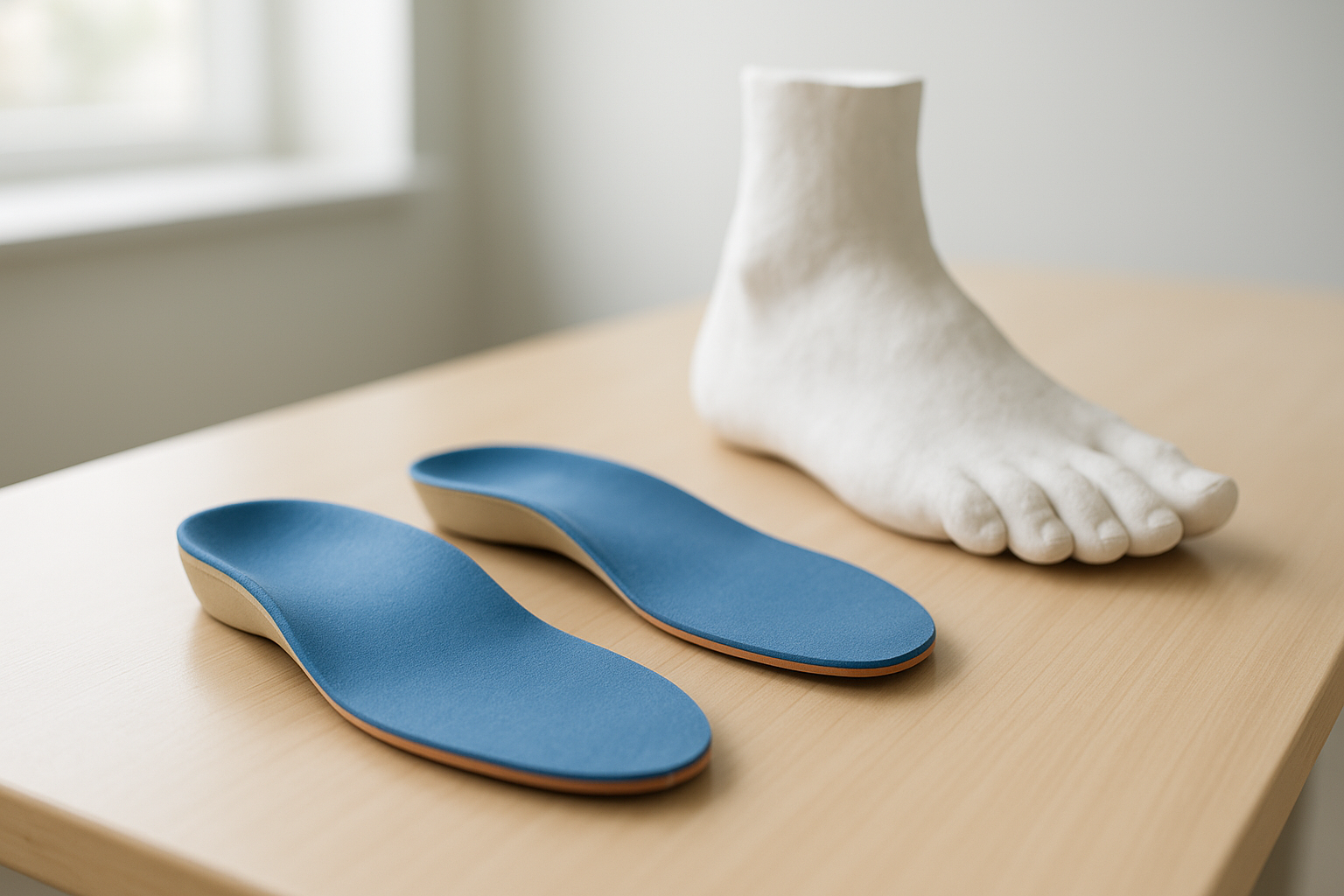
Tailored foot supports for pain relief begin with a precise mold of each patient's foot.
What Are Tailored Foot Supports for Pain Relief?
Tailored foot supports for pain relief are prescription-grade orthotic devices fabricated from a direct mold of an individual's foot, rather than mass-produced in standard sizes. Because each device mirrors the patient's exact foot shape, gait, and pressure points, it can correct biomechanical issues that generic insoles cannot reach. Podiatrists typically prescribe them for conditions such as plantar fasciitis, flat feet, or overpronation.
In contrast to a basic cushioned insert, these devices are engineered with specific arch angles, heel cups, and material densities chosen for your weight and activity level. Consequently, the support actively guides your foot into proper alignment with every step, rather than just padding the surface underneath it. This is why many clinicians consider them a long-term correction tool, not a temporary comfort product.
Why Foot Pain Happens and How Personalized Orthotics Help
Foot pain often stems from repetitive stress, poor arch alignment, or an uneven gait that places extra strain on certain areas of the foot. Over time, this imbalance can radiate upward, affecting the knees, hips, and lower back. In fact, a survey from the American Podiatric Medical Association found that a large majority of adults have dealt with foot pain significant enough to seek treatment at some point.
Personalized orthotics help by redistributing pressure away from inflamed or overworked tissue. Specifically, a well-designed device supports the arch during the stance phase of walking and cushions the heel during impact. Therefore, instead of masking discomfort with generic padding, personalized orthotics retrain the way your foot absorbs and transfers force with every stride.
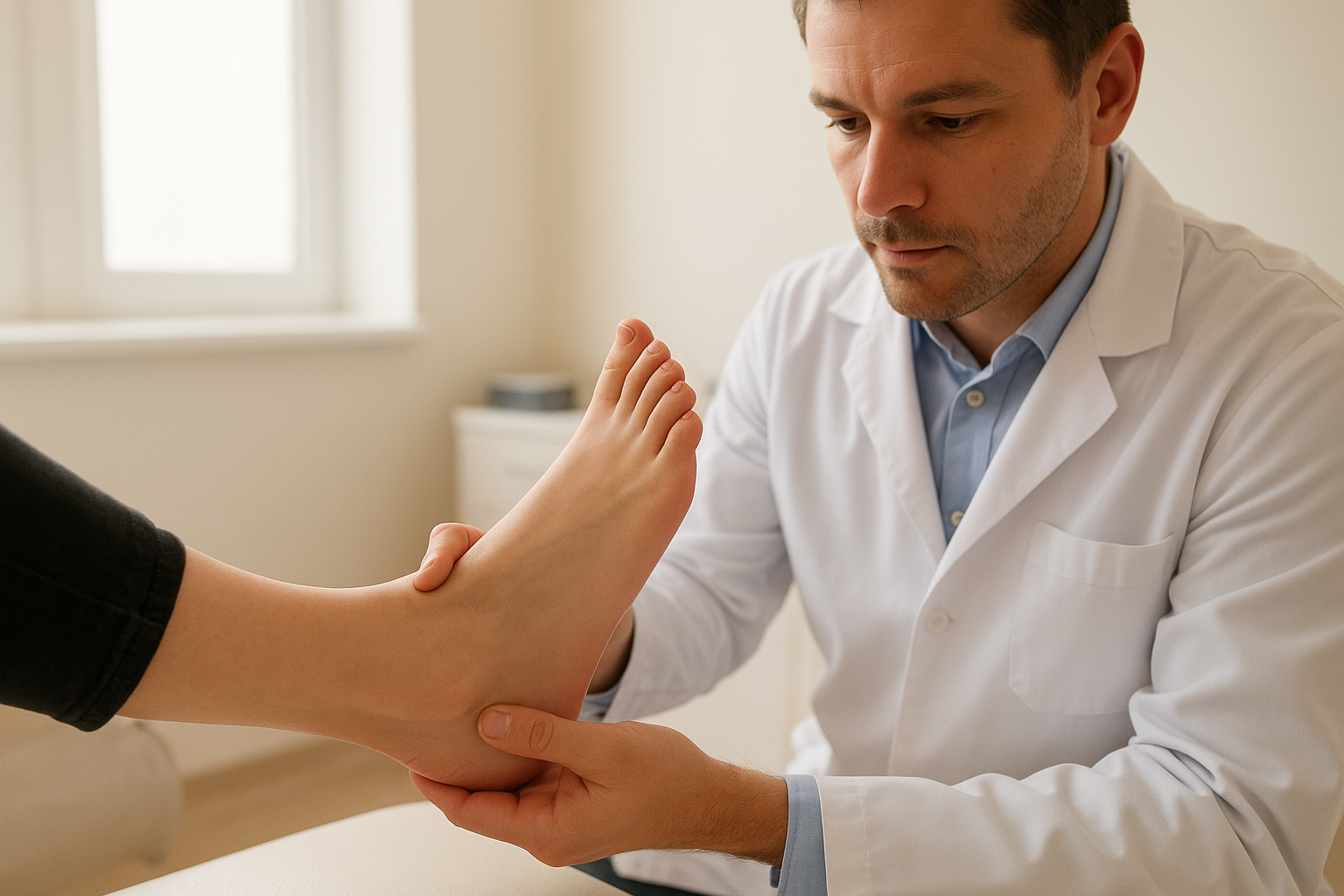
A thorough gait evaluation helps determine the right design for lasting foot pain relief.
Custom Orthotics vs. Off-the-Shelf Insoles: What's the Real Difference?
Custom orthotics and off-the-shelf insoles may look similar at a glance, but their construction process couldn't be more different. Off-the-shelf products are manufactured in bulk using average foot measurements, which means they rarely account for an individual's specific arch height or pressure pattern. Custom orthotics, on the other hand, start with a direct mold of the patient's foot, so every contour is accounted for.
For a deeper breakdown of how these two options compare in durability, cost, and effectiveness, this guide to lasting pain relief with custom foot supports covers the full comparison in detail. Ultimately, the right choice depends on the severity of your symptoms and how much correction your feet actually need.
How Tailored Foot Supports for Pain Relief Are Made
Creating tailored foot supports for pain relief is a hands-on process that blends medical evaluation with skilled fabrication. Below is the typical sequence a podiatrist-led practice follows from first contact to final fitting.
- Schedule a free consultation: Discuss symptoms, activity level, and foot history with a podiatrist by phone or online before any mold is taken.
- Get a professional foot mold taken: A precise impression of each foot is captured in a neutral position, either in-office or through a guided at-home kit.
- Receive a custom prescription: The podiatrist reviews the mold and gait analysis to specify arch height, material density, and corrective adjustments.
- Lab fabrication: Skilled technicians hand-build the device using the prescription, choosing materials suited to the patient's weight and activity needs.
- Fitting and follow-up: The finished orthotics are tried on, break-in guidance is provided, and further adjustments are made if needed.
According to the U.S. National Library of Medicine, proper foot support plays a meaningful role in preventing secondary injuries caused by poor alignment. You can review the full process, including free consultation options, directly at customorthotics.com.
Conditions That Respond Well to Custom Foot Support Solutions
Custom foot support solutions are commonly recommended for plantar fasciitis, flat feet, high arches, bunions, and diabetic foot complications. In each case, the goal is the same: redistribute pressure away from the irritated area and restore a more natural walking pattern.
If flat feet are part of your concern, this detailed resource on foot support options for flat feet explains which features matter most. Likewise, anyone dealing with persistent tiredness after standing or walking may find helpful context in this guide to foot fatigue causes and prevention. In both cases, a properly fitted device can reduce strain before it develops into a chronic issue.
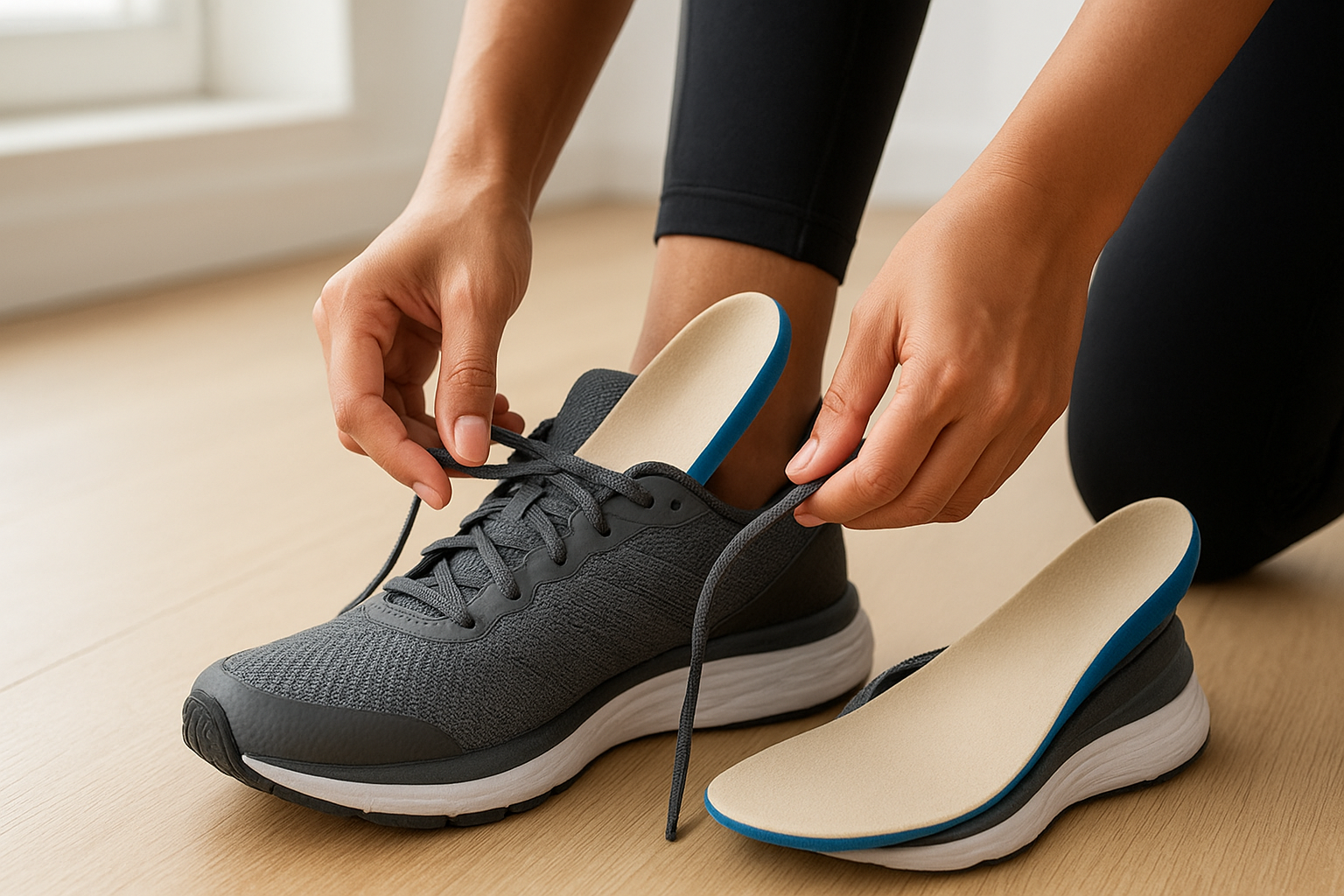
Pairing supportive footwear with tailored foot supports for pain relief improves day-to-day comfort.
Choosing a Provider for Personalized Foot Pain Relief
Selecting the right provider matters just as much as the device itself. A podiatrist-owned practice with decades of hands-on experience, such as the team behind customorthotics.com, brings both medical oversight and fabrication craftsmanship to the process. With more than 20 years in the field and an A+ rating from the Better Business Bureau, this type of practice typically offers a free consultation directly with the podiatrist, either by phone or through an online ordering platform.
Furthermore, pairing your orthotics with proper footwear can extend their benefits significantly. This overview of supportive footwear solutions for foot pain relief explains what to look for in shoes that complement a custom device. For readers comparing arch support styles more broadly, this complete guide to orthopedic arch supports is also a useful reference. According to general clinical definitions of orthotics, these devices are classified as medical aids, which is why professional involvement tends to produce better long-term outcomes than self-selected products.
Frequently Asked Questions About Tailored Foot Supports for Pain Relief
What are tailored foot supports for pain relief?
Tailored foot supports for pain relief are custom-molded orthotic devices built from an exact impression of an individual's feet to correct biomechanical imbalances. Because they mirror a patient's unique arch, heel, and pressure patterns, they target the root cause of discomfort rather than just cushioning it.
How long does it take to get used to custom orthotics?
Most people adjust within one to three weeks of gradual daily wear. Starting with two to three hours a day and slowly increasing usage helps the feet adapt comfortably.
Why do off-the-shelf insoles fail to relieve foot pain?
Off-the-shelf insoles are built in generic sizes meant to fit an average foot shape, so they rarely match an individual's specific arch height or gait pattern. As a result, they often shift pressure rather than correcting the underlying structural issue.
What's the difference between orthotics and orthopedic shoes?
Orthotics are removable inserts placed inside existing footwear to correct foot mechanics, while orthopedic shoes are entire shoes built with extra support features. Many patients use both together for maximum comfort.
How much do tailored foot supports for pain relief cost?
Pricing varies by provider, materials, and complexity of the mold, typically ranging from a few hundred dollars per pair. Many practices, including podiatrist-led clinics, offer a free consultation to outline exact pricing before any commitment.
How long do custom orthotics last?
A well-made pair typically lasts three to five years with regular use, depending on activity level and material choice. Children's orthotics need more frequent replacement due to foot growth.
What's the biggest mistake people make when buying orthotics?
The most common mistake is purchasing a generic insole without a professional evaluation of foot structure and gait. Skipping this step often means the support does not address the actual source of pain.
How should I care for my custom orthotics?
Wipe them down with a damp cloth regularly and let them air dry away from direct heat, which can warp the material. Rotating between two pairs of shoes also extends their lifespan.
Can tailored foot supports help with plantar fasciitis?
Yes, custom orthotics are commonly prescribed for plantar fasciitis because they redistribute pressure away from the inflamed heel and arch tissue. Many patients report noticeable relief within a few weeks of consistent wear.
Do I need to see a podiatrist in person to get custom orthotics?
Not always. Some providers offer remote mold kits and phone consultations with a podiatrist, so patients can order professional-grade orthotics without an in-office visit.
Are custom orthotics covered by insurance?
Coverage depends on the insurance plan and whether the orthotics are deemed medically necessary by a podiatrist. It is worth checking with both the provider and insurer before ordering.
How soon will I feel pain relief after wearing custom orthotics?
Some patients notice improvement within days, while others need two to four weeks for the body to adjust to corrected alignment. Consistency in wear time plays the biggest role in how quickly relief appears.
Final Thoughts
In summary, tailored foot supports for pain relief offer a level of precision that generic insoles simply cannot replicate, since each device is built from an actual mold of your foot rather than an average size. From correcting plantar fasciitis to supporting flat arches, these custom devices address the mechanical root of discomfort rather than masking it temporarily. Above all, working with an experienced, podiatrist-led provider ensures the mold, prescription, and fabrication process are handled with the accuracy your feet deserve. If chronic foot pain has been limiting your daily comfort, exploring tailored foot supports for pain relief through a trusted, experienced practice may be the next worthwhile step toward lasting relief.