

Best custom foot supports are custom-molded orthotic devices shaped from an impression of your own feet, unlike the one-size-fits-all insoles sold at drugstores. If you are living with chronic heel pain, flat feet, or plantar fasciitis (inflammation of the tissue connecting your heel bone to your toes), finding the best custom foot supports can mean the difference between temporary relief and lasting comfort. In fact, according to survey data cited by the American Podiatric Medical Association, a large majority of adults report experiencing foot pain at some point in their lives. This guide explains what separates genuinely custom orthotics from mass-produced alternatives, how they are made, and what to check before you invest in a pair.
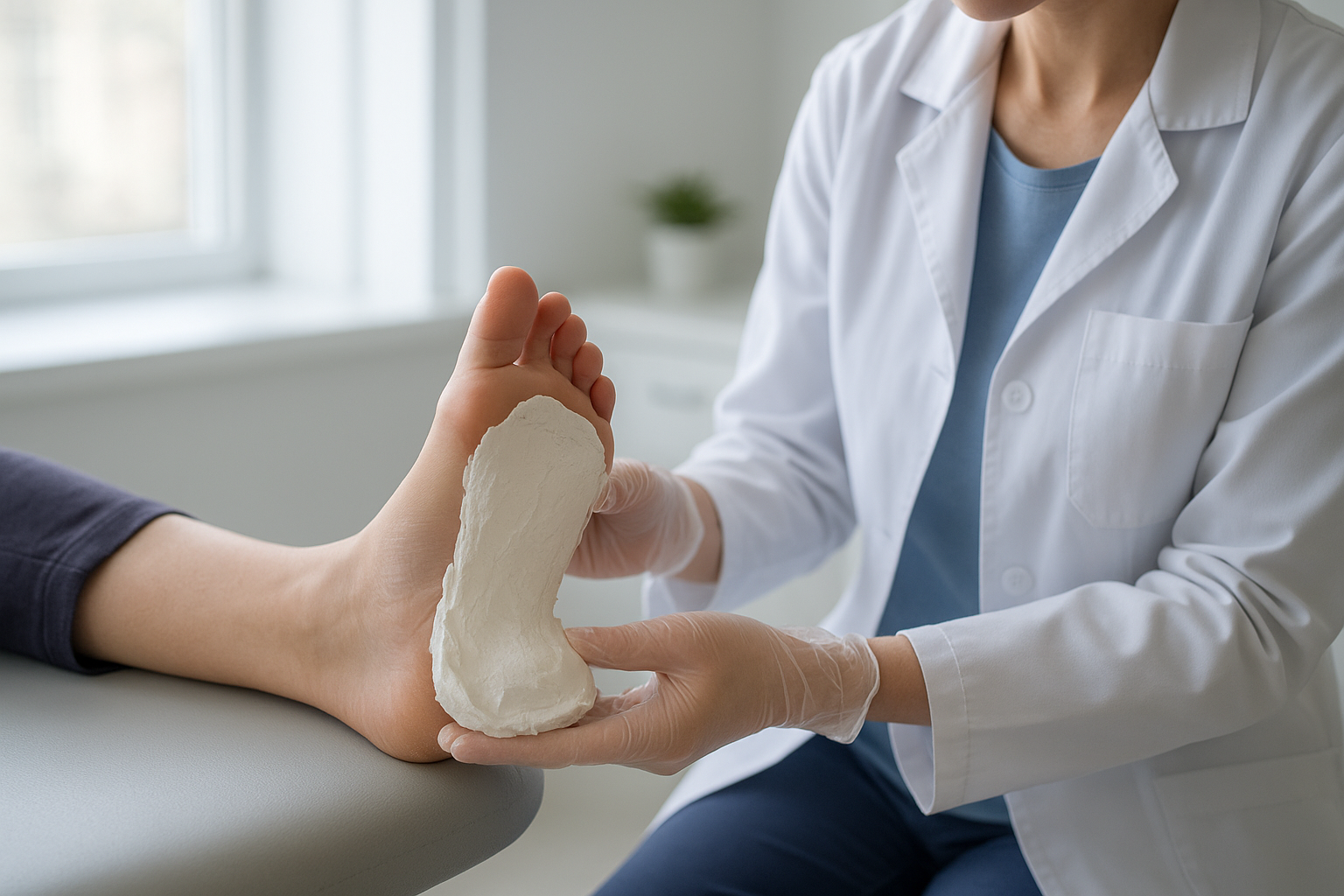
A precise foot mold is the foundation of the best custom foot supports.
What Are the Best Custom Foot Supports?
The best custom foot supports are orthotic devices built from a direct mold or 3D scan of your feet, then fabricated to correct your specific alignment issues. Because they are designed around your gait, arch height, and pressure points, they typically outperform generic insoles at relieving chronic pain.
Podiatrists usually recommend custom orthotics for structural problems such as overpronation, flat feet, or high arches, since these conditions rarely respond well to soft cushioning alone. Therefore, the fitting process typically starts with an in-person or remote assessment, followed by a mold or scan, and ends with a device shaped specifically for your feet.
In addition, a genuinely custom device is prescribed rather than picked off a shelf. For example, a patient with plantar fasciitis might need extra heel cushioning and arch reinforcement, while someone with a high arch may need a rigid shell that redistributes weight more evenly across the foot.
Why Custom Orthotic Foot Supports Beat Off-the-Shelf Insoles
Off-the-shelf insoles are built around an average foot shape, which means they only partially match any individual's arch or pressure pattern. In contrast, orthotic foot supports molded from your own foot address the exact spot where pain originates, rather than simply padding the whole sole.
Similarly, generic insoles often break down within a few months of regular wear, while a well-made custom device is built with sturdier shell materials meant to hold their shape for years. As a result, many patients find that the higher upfront investment pays off through longer-lasting relief and fewer replacements.
For a deeper comparison of how these two options stack up feature by feature, you can review this detailed breakdown of custom arch supports versus regular insoles.
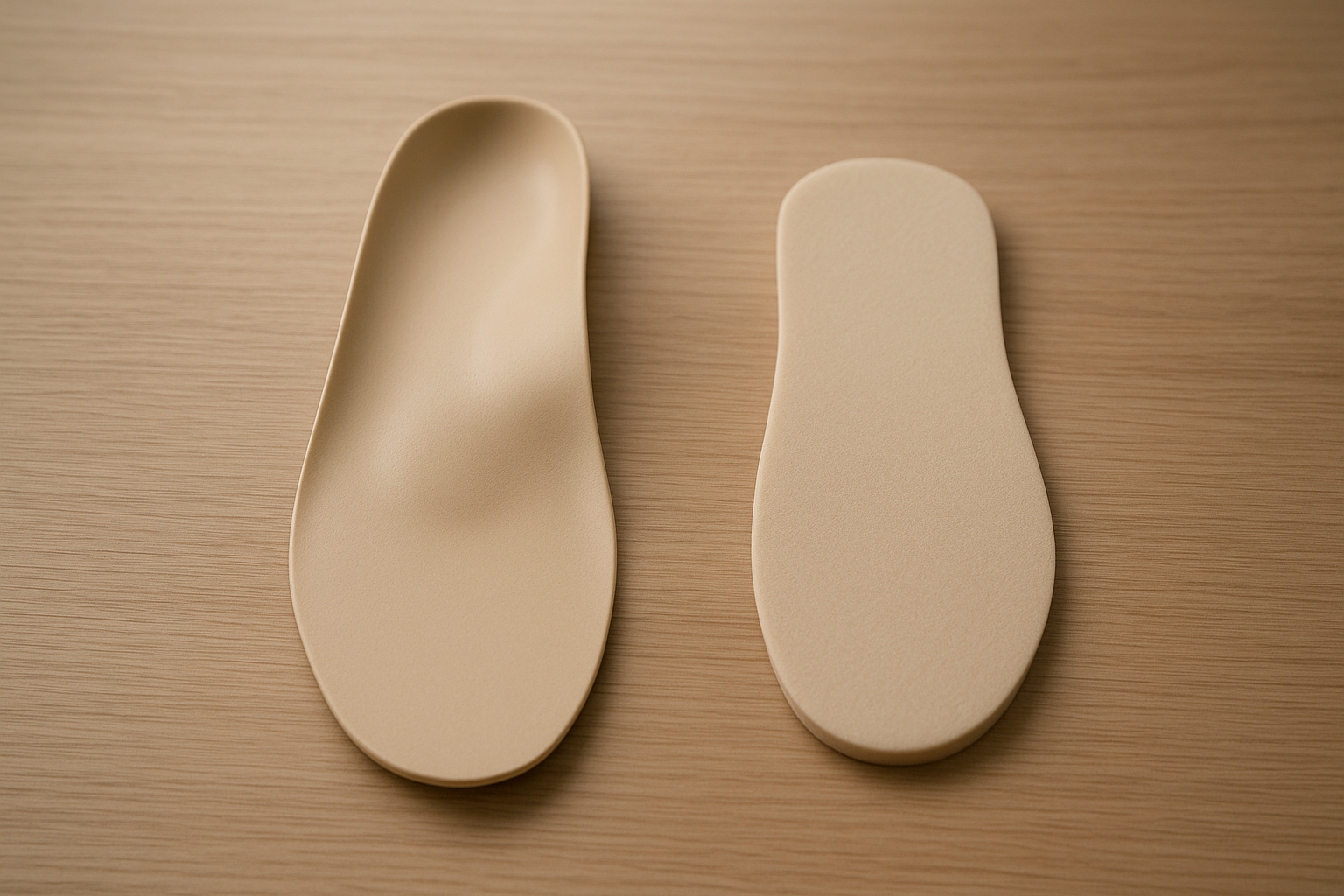
Custom shells hold their shape far longer than flat foam insoles.
Key Features of High-Quality Custom Arch Supports
Not every product labeled "custom" delivers the same quality. Above all, look for a device built from an actual mold or scan of your feet rather than a semi-custom template that only adjusts arch height slightly.
In particular, high-quality custom arch supports share a few common traits: a rigid or semi-rigid shell for structural correction, breathable top covers, and materials selected for your specific activity level, whether that means running, standing at work, or everyday walking. Furthermore, a reputable provider will offer a fitting check and adjustment period rather than a final, unchangeable product.
If you spend most of your day on your feet, it also helps to choose a device engineered for extended wear. This guide to custom insoles for people who stand all day explains which features matter most for that specific use case.
How Custom Foot Orthotics Are Made (Step-by-Step)
Understanding the fabrication process helps explain why custom devices cost more and perform better than mass-produced alternatives. Specifically, most reputable practices follow these five steps:
- Initial consultation and foot assessment. A podiatrist reviews your medical history, symptoms, and daily activity level to determine which type of support will address your specific foot condition.
- Capturing a mold or scan of your foot. Using foam impression kits or digital 3D scanning technology, the practice records the precise contours, arch height, and pressure distribution of each foot.
- Custom fabrication in a lab. Skilled technicians shape the orthotic shell, padding, and posting materials around your unique mold, ensuring the final device matches your foot's structure exactly.
- Fitting and adjustment. Once the orthotics arrive, a professional checks the fit inside your shoes and makes small adjustments to the shape, cushioning, or shell rigidity as needed.
- Follow-up and long-term monitoring. Regular check-ins help confirm that your custom foot supports continue relieving pain as your activity level or foot condition changes over time.
For a broader look at how this process ties into overall pain management, see this complete guide to orthotic foot support and pain relief.
Who Benefits Most From Personalized Foot Supports?
Personalized foot supports are not only for elite athletes. Above all, they help anyone whose foot structure or job creates repeated strain, including retail and healthcare workers who stand for long shifts, runners managing overuse injuries, and older adults dealing with arthritis-related foot pain.
Additionally, people with diabetes often need custom devices to reduce pressure points and prevent skin breakdown, since minor foot injuries can become serious complications for this group. Consequently, a podiatrist-fabricated support that fits precisely is not a luxury for these patients; it is a preventive health measure.
Parents of children with flat feet or toe-walking patterns may also want to explore this guide to lasting arch support relief to understand when early intervention makes sense.
Custom Foot Supports vs. Regular Insoles: What's the Difference?
The core difference comes down to fit precision. Regular insoles are manufactured in a handful of standard sizes and shapes, while custom foot supports are shaped around a direct impression of your foot. As a result, custom devices correct alignment issues that generic products can only mask temporarily.
However, that does not mean regular insoles have no place. For mild, temporary discomfort, an over-the-counter option may be sufficient. In contrast, chronic pain, diagnosed structural conditions, or post-injury recovery generally call for a custom-fabricated solution overseen by a podiatrist.
What Do Custom Foot Supports Cost?
Pricing for custom foot supports varies based on the provider, the materials used, and whether an in-person visit or a mail-in kit is involved. Generally speaking, custom devices cost more than drugstore insoles because the price reflects a professional assessment, a personal mold, and hands-on lab fabrication rather than a mass-produced shell.
According to the American Podiatric Medical Association, foot pain is common enough that most adults will need some form of intervention during their lifetime, which is one reason many insurance plans now partially cover medically necessary orthotics.
Before committing, it helps to request a free podiatrist consultation so you know exactly what your specific condition requires before paying for a device. You can also browse available custom orthotic options to compare styles suited to different shoe types and activity levels.
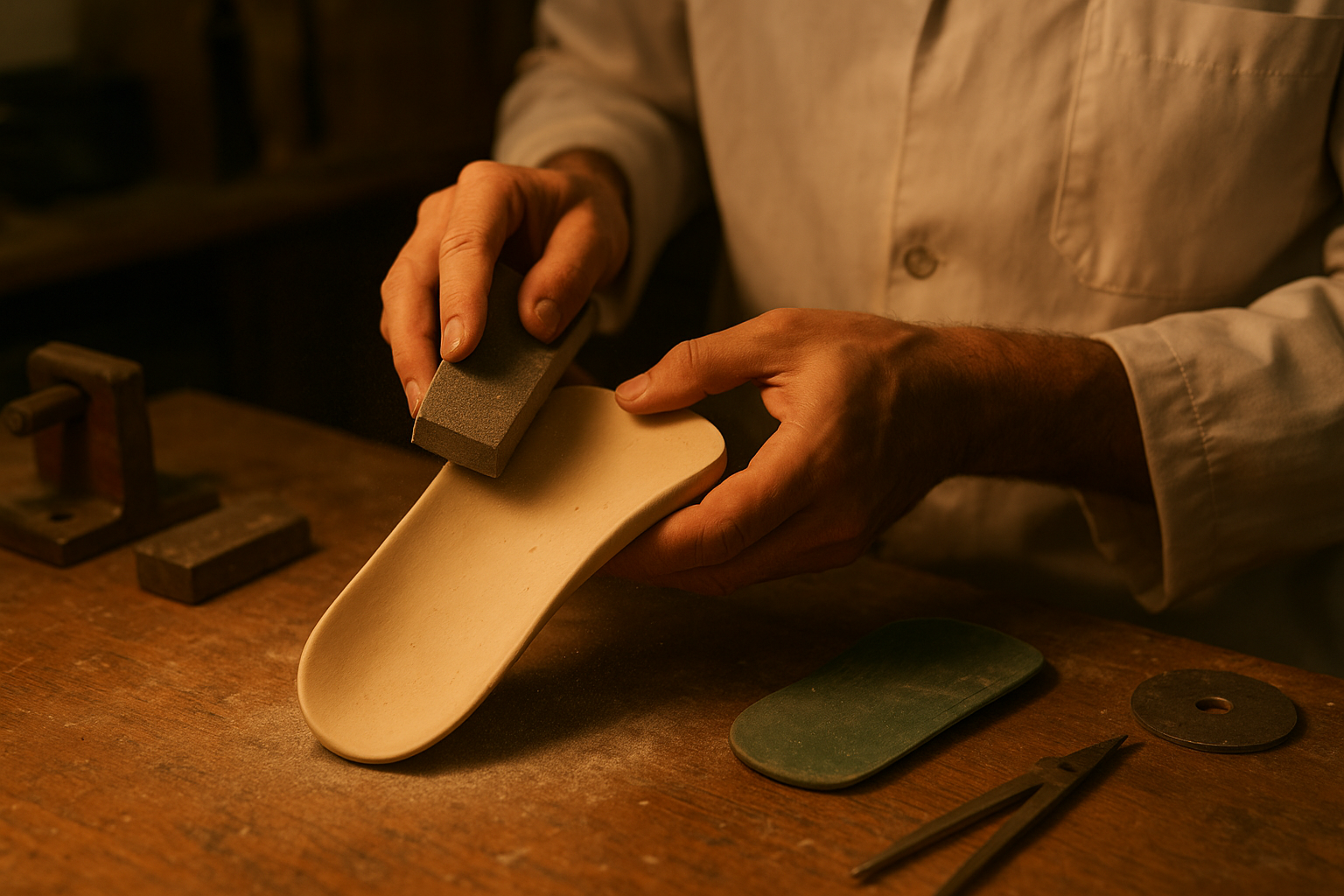
Hands-on fabrication is what separates true custom orthotics from generic templates.
Frequently Asked Questions About Best Custom Foot Supports
What are the best custom foot supports?
The best custom foot supports are orthotic devices molded or scanned directly from your own feet and built to correct your specific alignment, arch height, and pressure points. They differ from prefabricated insoles because a podiatrist designs them around your individual gait and foot structure.
How do custom foot supports differ from store-bought insoles?
Custom foot supports are built from an impression of your actual foot, while store-bought insoles use a generic shape meant to fit many people loosely. As a result, custom devices target your exact pressure points instead of offering broad cushioning.
How long does it take to get custom foot supports?
Most patients receive their finished custom foot supports within two to four weeks of the initial mold or scan. Turnaround time can vary slightly depending on the lab's workload and the complexity of the correction needed.
How much do custom foot supports cost?
Custom foot supports typically cost more than drugstore insoles because they involve a professional assessment, a personal mold, and hands-on lab fabrication. Prices vary by provider and condition severity, so it's worth requesting a free consultation for an accurate quote.
Do custom foot supports hurt at first?
A short break-in period of mild pressure or tenderness is common as your feet adjust to a new alignment. However, sharp or lasting pain is not normal and should be reported to your podiatrist for an adjustment.
Who should consider custom foot supports?
People with flat feet, high arches, plantar fasciitis, diabetes-related foot changes, or jobs that require standing all day are strong candidates. Athletes recovering from repetitive strain injuries also benefit from the targeted correction custom devices provide.
Can custom foot supports treat plantar fasciitis?
Custom foot supports can significantly reduce plantar fasciitis pain by redistributing pressure away from the inflamed heel tissue. They work best when combined with stretching, proper footwear, and guidance from a podiatrist.
Are custom orthotics covered by insurance?
Coverage depends on your specific insurance plan and whether the orthotics are deemed medically necessary. It's best to check with your provider directly, since many plans partially reimburse custom devices prescribed for a diagnosed condition.
How long do custom foot supports last?
Well-made custom foot supports typically last three to five years with regular use, depending on activity level and shell material. Athletes or heavier individuals may need replacements sooner due to faster wear.
What's the biggest mistake people make when choosing foot supports?
The most common mistake is choosing a generic insole for a structural problem that actually requires a custom correction. This often delays real relief and can allow the underlying condition to worsen over time.
Can children use custom foot supports?
Yes, children with flat feet, toe walking, or other developmental foot concerns can benefit from custom foot supports designed for growing feet. A podiatrist should evaluate the child first to confirm the device matches their stage of development.
How often should custom foot supports be replaced or adjusted?
Most patients should have their custom foot supports checked annually, since foot shape and activity levels can change over time. In contrast, high-impact athletes may need adjustments every six to twelve months.
Do I need to see a podiatrist in person to get custom foot supports?
Not necessarily. Many practices, including remote-friendly providers like customorthotics.com, offer phone consultations and mail-in mold kits so patients can order professional-grade custom foot supports without an in-office visit.
Conclusion
Choosing the best custom foot supports comes down to precision: a real mold or scan of your feet, a podiatrist involved in the design, and quality materials matched to your daily activity. Off-the-shelf insoles may ease mild discomfort temporarily, but chronic pain, structural imbalances, and diagnosed conditions typically respond better to a device built specifically for you. As a result, patients who invest in genuinely custom orthotics often report longer-lasting comfort and fewer repeat purchases over time. For more resources on foot health, references like Wikipedia's overview of orthotics, plantar fasciitis research, and MedlinePlus foot health information can help you understand your condition before booking a consultation. Above all, whether you are managing chronic pain or simply spend long hours on your feet, the best custom foot supports are worth the investment when built by an experienced, credentialed team.