

Orthopedic arch supports are specialized inserts designed to correct foot alignment, cushion pressure points, and relieve chronic pain caused by structural imbalances in the foot. Whether the issue is flat feet, high arches, or plantar fasciitis, the right support can make standing, walking, and running noticeably more comfortable. In this guide, you'll learn what orthopedic arch supports do, how they differ from generic shoe inserts, and how a podiatrist-made pair can address the root cause of foot pain instead of simply masking the symptoms.
Quick answer: Orthopedic arch supports are custom or semi-custom shoe inserts, fitted or fabricated by a foot specialist, that redistribute weight across the foot to reduce pain and improve alignment. Unlike drugstore insoles, they're typically built from an individual mold, which makes them far more effective for chronic or recurring foot conditions.
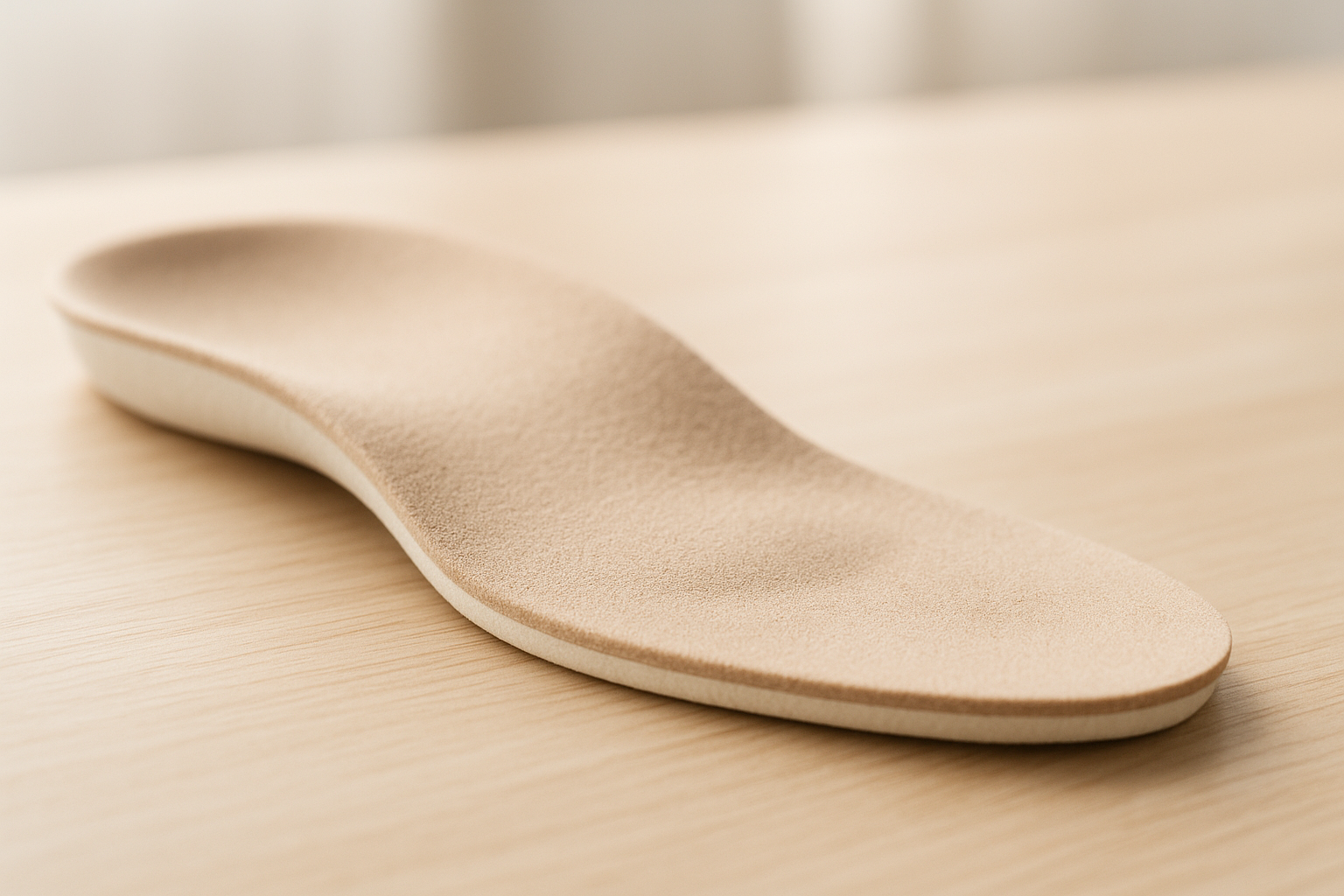
Orthopedic arch supports are shaped to match the natural curve of the foot for even pressure distribution.
What Are Orthopedic Arch Supports?
Orthopedic arch supports are inserts placed inside footwear to correct alignment, cushion the arch, and relieve strain on the foot's connective tissue. Specifically, they work by filling the gap between the arch and the shoe's insole, which prevents the foot from collapsing inward or overcompensating during movement. As a result, weight is distributed more evenly across the heel, midfoot, and forefoot.
According to the American Podiatric Medical Association, foot pain affects a substantial share of adults, and much of it stems from poor arch support in everyday footwear. For that reason, podiatrists often recommend a custom-fitted device rather than a one-size-fits-all insert. You can learn more about the fabrication process directly through a provider like customorthotics.com, which specializes in molds taken from each patient's own feet.
Common Types of Arch Support Orthotics
Not every foot needs the same level of correction, which is why arch support orthotics come in several forms. Rigid orthotics, typically made from carbon fiber or hard plastic, control motion in flexible flatfeet. Semi-rigid versions blend support with flexibility, making them a common choice for athletes. Meanwhile, soft accommodative orthotics cushion sensitive areas for people with diabetes or arthritis.
If foot pain is concentrated near the ball of the foot, it's worth reviewing this detailed breakdown of arch supports for metatarsal foot pain, since metatarsal-specific designs differ from standard arch inserts.
Custom vs. Off-the-Shelf Orthotic Inserts
Off-the-shelf inserts are inexpensive and widely available, yet they're built around an averaged foot shape rather than an individual one. Custom orthotic arch supports, in contrast, start with a mold or digital scan of each foot, so the finished device matches its exact contours. Consequently, custom options tend to last longer and provide more targeted relief for chronic conditions.
For a side-by-side comparison of both approaches, this guide on custom foot orthotics for arch support walks through when a custom device is worth the investment versus a store-bought alternative.
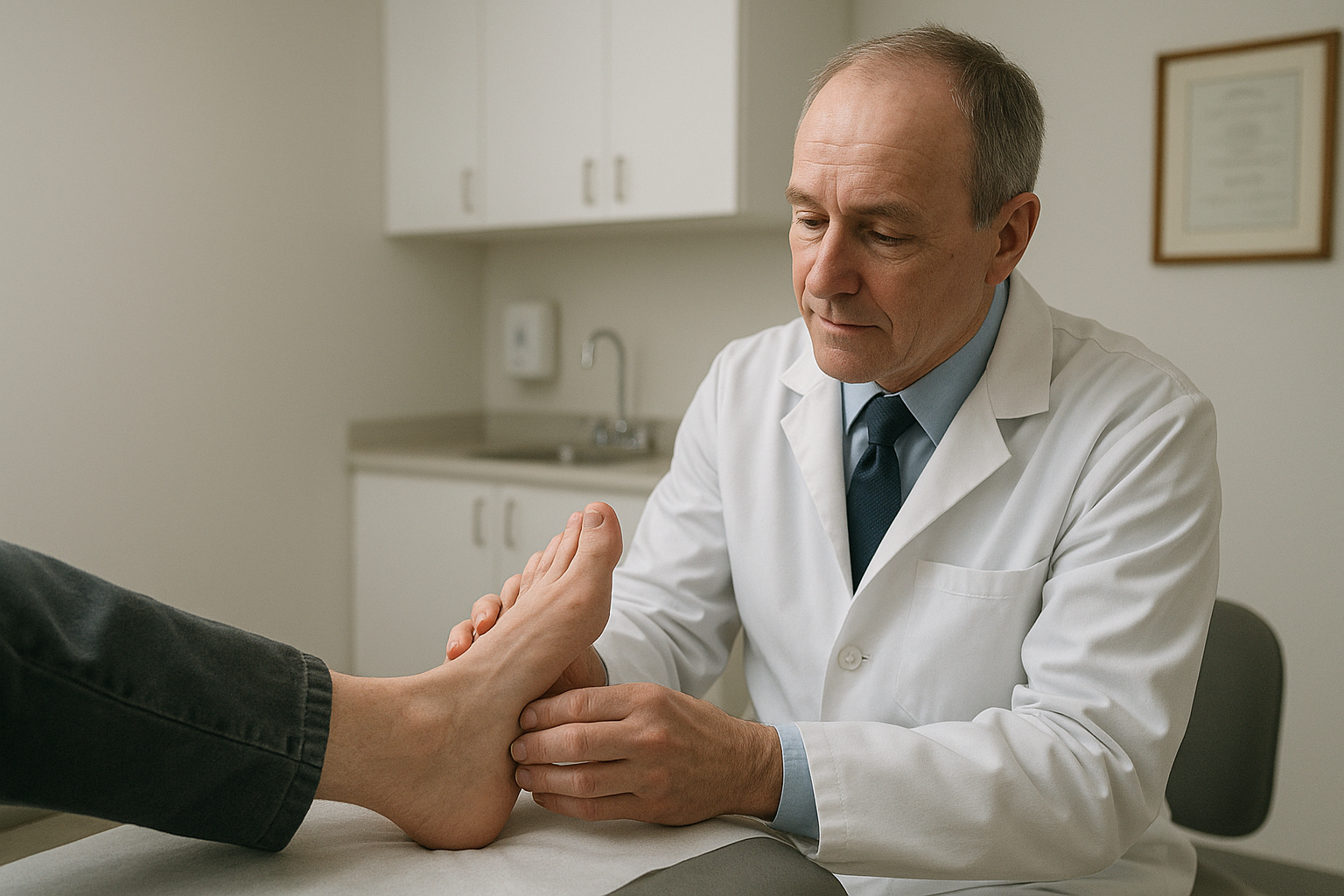
A proper foot assessment helps determine which type of arch support will provide the most relief.
Why Foot Arch Supports Matter for Long-Term Comfort
Untreated arch problems rarely stay isolated to the foot. Over time, poor alignment can shift stress upward into the knees, hips, and lower back. In fact, research cited by the Mayo Clinic notes that plantar fasciitis, one of the most common causes of heel pain, is estimated to affect roughly one in ten people at some point in their lives. Because of this, addressing arch support early can prevent a minor discomfort from becoming a long-term mobility issue.
For a broader look at how proper support prevents these downstream problems, see this complete guide to foot arch supports and lasting relief.
How Custom Orthopedic Arch Supports Are Made
Understanding the fabrication process helps explain why custom devices cost more but tend to work better. Below is the typical sequence a podiatry practice follows:
- Schedule a consultation: A podiatrist reviews symptoms, footwear habits, and any prior injuries during a complimentary phone or in-office consultation.
- Complete a foot assessment: The specialist examines gait and pressure points to pinpoint the structural cause of the pain.
- Take a mold or digital scan: Each foot is individually molded or scanned to capture its unique arch shape.
- Fabricate the orthotic: A lab builds the device using the materials and correction angles the podiatrist specifies.
- Fit and adjust: The finished pair is tested inside the patient's own shoes, with small adjustments made for comfort.
Notably, this process is quite different from picking up a pair of insoles at a pharmacy, and it's precisely why custom orthopedic arch supports address the root cause rather than temporarily masking pain.
Choosing the Right Arch Support for Your Feet
Selecting the right device depends on foot shape, activity level, and the specific condition being treated. People with narrower shoes, for instance, often benefit from a shorter design, such as the 3/4 length orthotics option, which fits more footwear styles without sacrificing support. Meanwhile, runners and athletes may need a firmer, more durable build.
If you're still unsure which style fits your situation, this resource on finding arch supports that really work breaks down the decision by lifestyle and condition.
How Do I Know If I Need Orthopedic Arch Supports?
Persistent heel or arch pain, uneven shoe wear, and fatigue after standing are common signs that orthopedic arch supports may help. If over-the-counter insoles haven't resolved the discomfort within a few weeks, a professional evaluation is generally the next step. According to MedlinePlus, a service of the U.S. National Library of Medicine, chronic foot pain that doesn't improve with rest often points to a structural issue best addressed by a podiatrist.
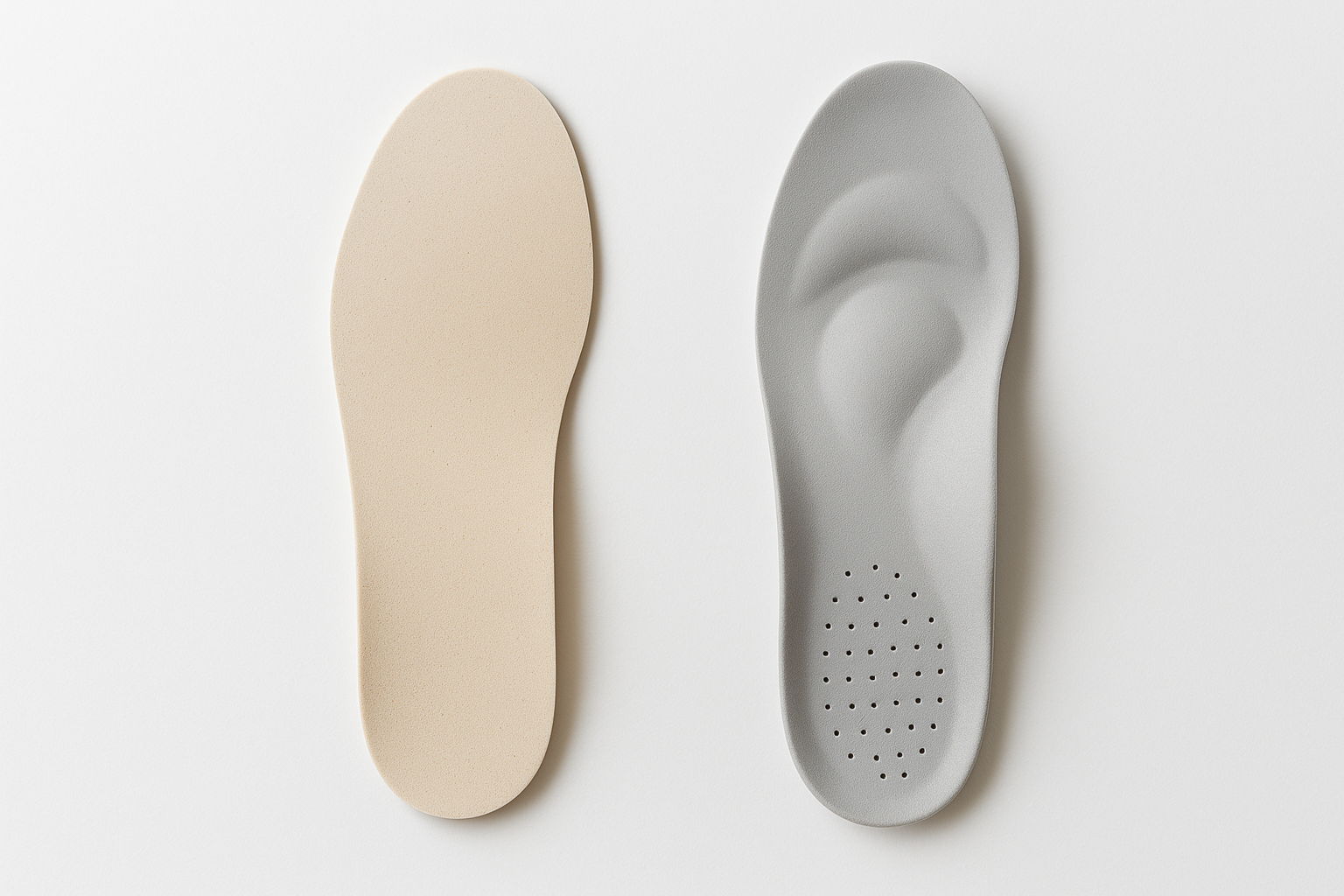
Custom orthopedic arch supports are molded to an individual foot, unlike generic flat insoles.
Frequently Asked Questions About Orthopedic Arch Supports
What are orthopedic arch supports?
Orthopedic arch supports are inserts placed inside footwear to correct alignment, cushion the arch, and redistribute pressure across the foot. They are typically prescribed or fabricated by a podiatrist to treat pain caused by flat feet, high arches, or other structural issues.
How do orthopedic arch supports differ from regular insoles?
Regular insoles add generic cushioning, while orthopedic supports correct a specific alignment problem. Custom versions are molded from an individual's foot, so they target the exact areas causing pain.
How long does it take to get custom orthopedic arch supports?
Most patients receive their finished pair within two to four weeks after the initial mold or scan is taken. Turnaround time depends on the fabrication lab's workload and the complexity of the prescription.
How much do custom arch supports cost?
Custom orthopedic arch supports generally range from $200 to $600 per pair, depending on materials and the practice. Off-the-shelf versions cost less upfront but often need replacing more frequently.
Can orthopedic arch supports fix flat feet permanently?
Arch supports cannot permanently reshape bone structure, but they can significantly reduce pain and prevent further strain. Consistent use often improves gait and comfort over time.
What conditions benefit from arch support orthotics?
Plantar fasciitis, flat feet, high arches, bunions, and metatarsalgia are among the most common conditions that respond well to arch support orthotics. They can also help with knee and lower back pain linked to poor foot alignment.
How long do custom orthotics last?
A well-made pair of custom orthotics typically lasts three to five years with regular use. Materials, activity level, and body weight all influence how quickly they wear down.
What is the biggest mistake people make when choosing arch supports?
The most common mistake is buying generic drugstore inserts without addressing the specific cause of foot pain. This often delays proper treatment and allows the underlying problem to worsen.
Do I need a prescription for orthopedic arch supports?
Custom orthotics typically require an evaluation by a podiatrist, though not always a formal prescription. Semi-custom and over-the-counter arch supports can be purchased without one.
Can I wear orthopedic arch supports in any shoe?
Most custom arch supports fit standard lace-up shoes, sneakers, and work boots, but very narrow or dress shoes may need a slimmer design. A podiatrist can recommend the right style for specific footwear.
Are orthopedic arch supports covered by insurance?
Many insurance plans partially cover custom orthotics when they are deemed medically necessary, especially with a diagnosed condition. Coverage varies widely, so it helps to confirm benefits before ordering.
How do I break in new arch supports?
Gradually increase wear time, starting with one to two hours a day and adding more as your feet adjust. Most people fully adapt within one to two weeks.
Taking the Next Step Toward Pain-Free Feet
Ultimately, orthopedic arch supports offer a practical, evidence-based way to correct alignment, cushion pressure points, and relieve chronic foot pain. Because custom devices are molded to an individual's exact foot shape, they tend to outperform generic insoles for long-term relief. Whether the goal is easing plantar fasciitis, correcting flat feet, or simply standing more comfortably throughout the day, choosing a properly fitted pair makes a measurable difference. For anyone ready to explore a personalized option, a complimentary consultation through customorthotics.com is a straightforward way to get started.