

High-quality orthotics are precision-made insoles or foot devices built to correct alignment, redistribute pressure, and relieve chronic pain — and choosing the right pair can transform how you walk, stand, and move through every day. However, the phrase gets used loosely across the industry, from mass-produced drugstore inserts to individually molded medical devices, which makes it genuinely difficult to know what you are actually buying. In this guide, we cut through the marketing noise and show you exactly what separates truly high-quality orthotics from inferior imitations, how they stack up against popular off-the-shelf insole brands, and how to choose a pair that solves your specific foot problem for good.
According to the American Podiatric Medical Association, foot problems affect roughly 75% of Americans at some point in their lives. Furthermore, a large share of those issues stem directly from poor foot mechanics — meaning proper orthotic support can address the root cause rather than just the symptom. So whether you are dealing with chronic heel pain, flat feet, or general daily fatigue, the quality of the orthotics you choose matters enormously, and it deserves more scrutiny than a quick glance at a store shelf.
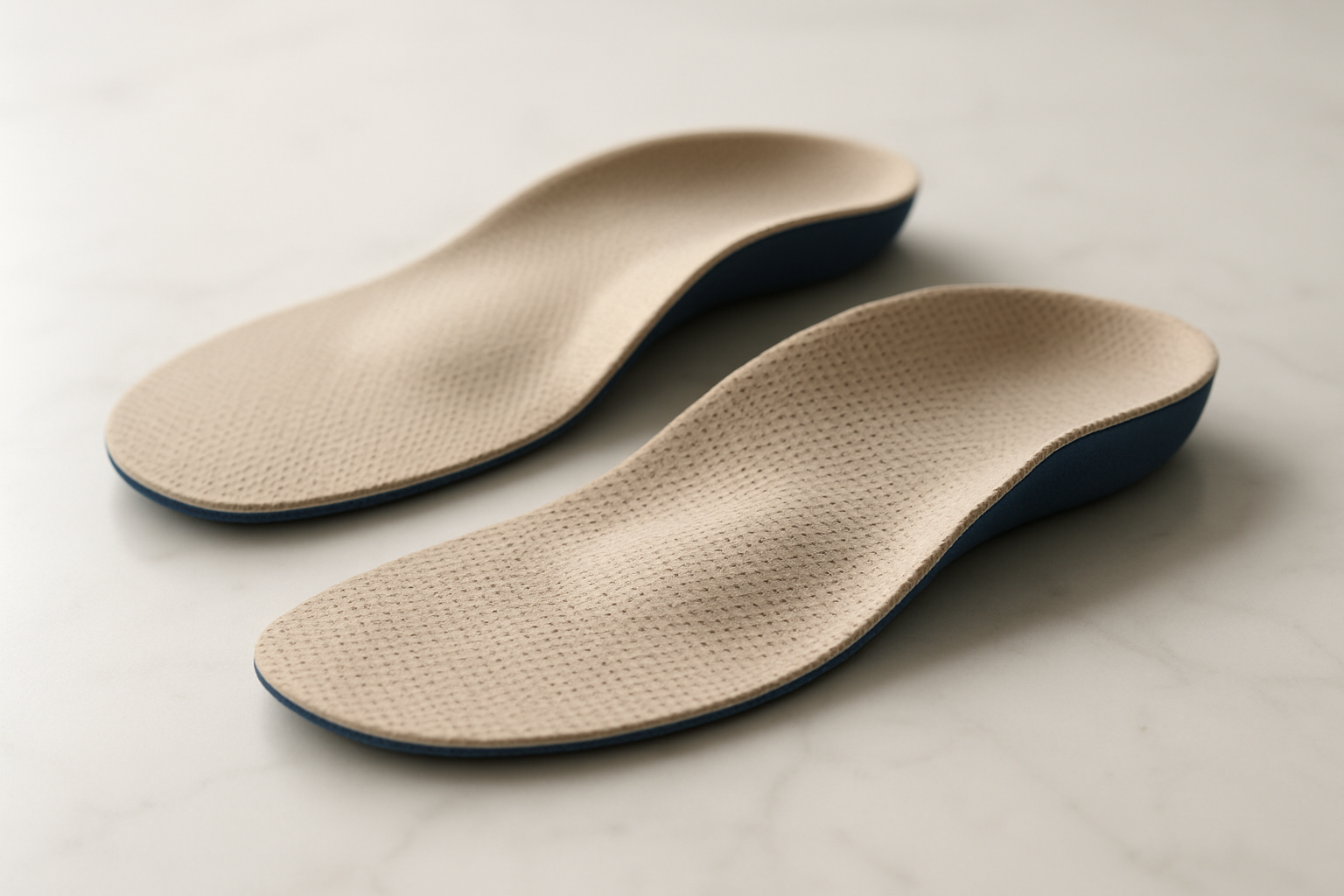
High-quality orthotics are precisely contoured to match the unique shape of each patient's foot, providing targeted support where it matters most.
What Are High-Quality Orthotics, Exactly?
High-quality orthotics are orthopedic devices placed inside footwear to correct biomechanical foot issues, redistribute pressure, and improve overall alignment. Unlike generic cushioned insoles, they are engineered with clinical precision — either fabricated from an individual mold of your foot or built to a specific therapeutic standard that targets a diagnosed condition.
In short, they address the root cause of foot problems rather than simply masking discomfort. For example, a patient with plantar fasciitis benefits far more from an orthotic that corrects overpronation (the excessive inward rolling of the foot during movement) than from a padded insert that merely softens each step.
Functional vs. Accommodative Orthotics: Two Different Jobs
There are two broad categories worth knowing. Functional orthotics correct abnormal foot motion and biomechanical problems, while accommodative orthotics focus on cushioning and pressure redistribution rather than structural correction. Both can be considered high-quality orthotics — but only when they are designed for your specific anatomy, gait, and diagnosed condition, not sold as a one-size-fits-most solution.
The APMA Seal: What It Does (and Doesn't) Guarantee
Many mass-market insole brands display an "APMA Seal of Acceptance" badge on their packaging, and shoppers often assume this alone signals a high-quality orthotic. In reality, the seal confirms that a product category meets general biomechanical guidelines — it does not mean the device was fitted to your individual foot shape, gait pattern, or medical condition.
Consequently, a seal on the box tells you a product is reasonably designed for the average foot; it does not tell you whether it is right for your foot. That distinction is precisely why individualized fabrication, discussed next, produces such different outcomes for chronic or structural conditions.
Custom vs. Prefabricated Orthotics: Which One Solves Your Problem?
The single most important distinction in the orthotic world is between custom-fabricated devices and prefabricated, off-the-shelf options. Both serve a purpose, but they are not interchangeable when a serious or persistent foot condition is involved.
Prefabricated orthotics are mass-produced to fit a broad range of foot sizes and shapes. As a result, they can offer temporary relief for mild, generalized discomfort. However, because they are not made from a mold of your foot, they cannot account for the subtle structural differences — arch height, heel angle, forefoot rotation — that make every pair of feet unique.
Custom orthotics, in contrast, are fabricated directly from an individual mold of each patient's foot. This approach allows a podiatrist to engineer every contour, angle, and pressure point to match your specific anatomy. The result is a device that fits precisely, supports correctly, and delivers lasting therapeutic benefit rather than temporary comfort. For a detailed side-by-side breakdown, see this guide on custom orthotics versus prefabs, and if you want help narrowing down which style fits your feet best, this guide on how to choose the right custom orthotic fit walks through the decision step by step.
What the Research Actually Shows
Research published through the National Institutes of Health indicates that custom foot orthoses significantly outperform prefabricated insoles for conditions such as plantar fasciitis and posterior tibial tendon dysfunction, particularly over longer treatment periods. In other words, the initial convenience of an off-the-shelf insole often trades away the longer-term outcomes that a properly molded device provides.
5 Signs You're Looking at a Genuinely Superior Orthotic Device
Not every product marketed as a "custom orthotic" meets the same standard. Therefore, knowing what to look for helps you make a confident, informed choice. Specifically, look for these characteristics:
- Fabricated from a precise foot mold — not a pressure mat or generic sizing chart
- Prescribed by a licensed podiatrist who has evaluated your gait and foot structure in person
- Made from medical-grade materials such as polypropylene, carbon fiber, or high-density EVA foam
- Designed for your specific condition, whether that is plantar fasciitis, flat feet, or high arches
- Built to last — typically 2 to 5 years with proper care, not a single season
Materials That Matter: Polypropylene, Carbon Fiber, and EVA Foam
Polypropylene is a rigid, lightweight plastic that resists flexing under body weight, so it holds a corrective shape step after step. Carbon fiber is a thin, ultra-strong woven material — similar to what's used in performance bike frames — that offers rigidity without added bulk, which matters in slim dress shoes. EVA foam (ethylene-vinyl acetate, a soft, shock-absorbing foam also found in running shoe midsoles) adds cushioning for people who need comfort more than correction. In particular, many high-quality orthotics combine a rigid shell with a softer top layer to deliver both correction and comfort in one device.
How to Choose High-Quality Orthotics for Your Needs
Selecting the right orthotic device is a process — not a one-size-fits-all decision. Follow these steps to ensure you get a device that genuinely works for your feet.
- Assess your foot condition and symptoms. Identify where you feel pain, how long it has persisted, and what activities make it worse. This information is essential for guiding your consultation.
- Consult a qualified podiatrist. A licensed podiatrist can evaluate your gait, foot structure, and biomechanics. This clinical assessment is the foundation of an effective orthotic prescription.
- Have a precise foot mold taken. This step is non-negotiable for a truly custom device. The mold captures the exact contours of your foot so the orthotic can be fabricated to match your unique anatomy.
- Select the appropriate material and design. Rigid materials like polypropylene correct biomechanical issues, while softer materials like EVA foam provide cushioning. Your podiatrist will recommend the right combination based on your condition and footwear.
- Follow the break-in schedule and monitor progress. Wear your new orthotics for a few hours per day at first, then gradually increase usage over one to two weeks. Report any persistent discomfort so adjustments can be made promptly.
Additionally, if you prefer the convenience of ordering from home, you can build custom orthotics online through a podiatrist-led service that ships a mold kit directly to you — making professional foot care accessible regardless of your location. This full buying guide for orthotics designed for home use covers what to expect from the entire remote fitting process.
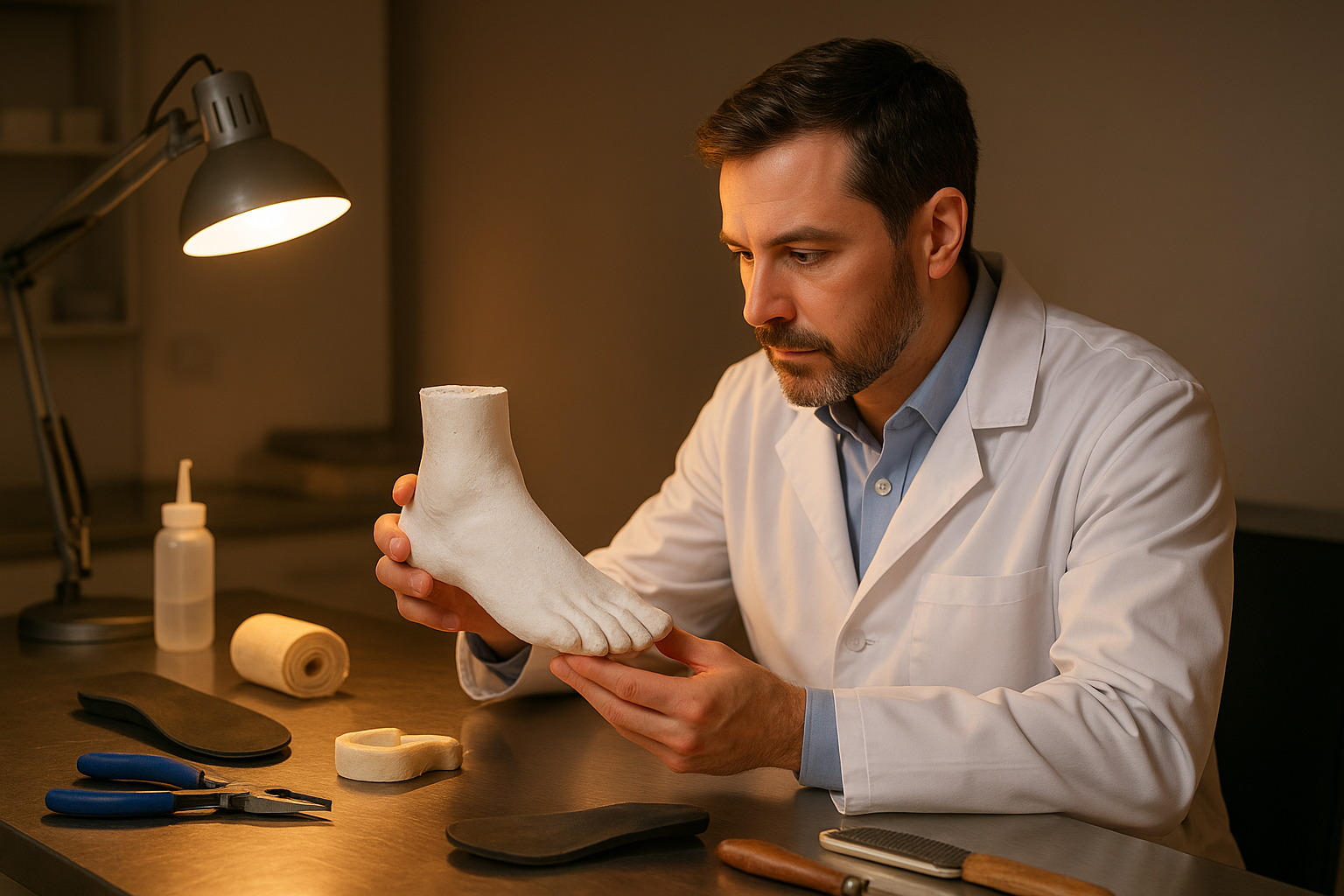
A podiatrist uses individual foot molds to fabricate custom orthotics with a level of precision that generic insoles simply cannot replicate.
Which Foot Conditions Benefit Most From High-Quality Orthotic Support?
High-quality orthotics are not limited to one type of foot problem. In fact, they are effective across a wide range of conditions. Some of the most common include:
- Plantar fasciitis — the most common cause of heel pain, often driven by overpronation
- Flat feet (pes planus) — lack of arch support leads to strain throughout the foot and lower leg
- High arches (pes cavus) — poor shock absorption increases pressure on the heel and ball of the foot
- Heel spurs — bony calcium deposits that cause sharp pain with each step
- Overpronation and supination — gait imbalances that stress the knees, hips, and lower back
- Metatarsalgia — pain and inflammation in the ball of the foot
- Bunions and Morton's neuroma — structural pressure points that offloading orthotics can specifically relieve
- Achilles tendinitis — heel lifts and controlled motion reduce strain on the tendon during recovery
For a comprehensive overview, this resource on what foot problems custom orthotics can help with covers each condition in detail. Similarly, if you are looking for guidance on everyday use, this complete guide to the best orthotics for everyday use is an excellent starting point.
Performance and Athletic Benefits
Beyond pain relief, premium orthotic support also enhances athletic performance. Specifically, orthotics improve energy transfer during movement, reduce fatigue, and minimize the risk of repetitive stress injuries. Runners, in particular, benefit from corrected pronation patterns that reduce knee and hip strain over long distances, and the right device transfers cleanly between running shoes, trainers, and daily footwear alike.
Furthermore, orthotics can improve posture and balance — benefits that extend well beyond the feet. To explore how orthotics elevate both comfort and performance, visit this detailed article on how custom orthotics elevate comfort and performance.
Shoe Compatibility, Sizing, and Trimming: Will They Actually Fit?
One question shoppers rarely get a straight answer to is whether an orthotic will actually fit their shoes. Off-the-shelf insole lines typically solve this by offering multiple product lines — one for athletic shoes, one for boots, one for low-volume dress shoes. High-quality custom orthotics solve the same problem differently: the device is built around your foot, and the podiatrist accounts for your typical footwear during design.
Most orthotics include a trim line at the forefoot so they can be shortened slightly to fit narrower or low-volume shoes without affecting the arch or heel support. In contrast, very rigid, full-length devices may need a dedicated shoe with a removable factory insole. As a result, it's worth telling your podiatrist exactly which shoes you wear most — running shoes, work boots, or dress shoes — so the final design slides in without crowding your toes or lifting your heel.
Cost, Insurance, and HSA/FSA Eligibility
Price is often the first objection people raise about high-quality orthotics, and it's a fair one. Off-the-shelf insoles cost less upfront, but they typically need replacing every few months and rarely resolve a structural problem. Custom orthotics cost more initially; however, because they last 2 to 5 years and treat the underlying cause, the cost per year of relief is often considerably lower.
In addition, orthotics prescribed for a diagnosed medical condition are generally eligible for HSA and FSA reimbursement, which can offset a meaningful portion of the cost. If budget is your primary concern, this guide on discount custom orthotics that still deliver quality relief and this companion piece on affordable custom orthotics with a quality fit both explain how to get genuine custom fabrication without overpaying.
Break-In Period, Warranty, and When to Replace Your Orthotics
Even high-quality orthotics need a short adjustment period. Expect mild soreness in the arch or heel for the first one to two weeks as your feet adapt to the new alignment; this is normal and typically fades once the break-in schedule described above is complete.
Look out for a few warning signs that your current orthotics need replacing: visible cracking or flattening of the shell, uneven wear on the top cover, a return of pain that had previously resolved, or a noticeable loss of the original arch contour. Above all, don't wait for the device to fail completely — a periodic check-in with your podiatrist, roughly once a year, catches these issues early and keeps your feet properly supported.
Why Podiatrist-Crafted Orthotics Outperform Mass-Market Alternatives
The fabrication process matters just as much as the materials. When a podiatrist with over 20 years of experience personally oversees the creation of your orthotics, the result is a device that reflects deep clinical knowledge — not just a production template stamped out for a general size range.
customorthotics.com is a podiatrist-owned and operated practice that fabricates fully custom orthotics from individual molds of each patient's feet. With an A+ rating from the Better Business Bureau and a streamlined online ordering process, the practice makes professional-grade foot care accessible to patients across the country. You can connect directly with the podiatrist for a complimentary phone consultation before placing your order.
This combination of medical expertise, hands-on fabrication, and patient-centered service is precisely what elevates a truly high-quality orthotic above anything you will find on a drugstore shelf.
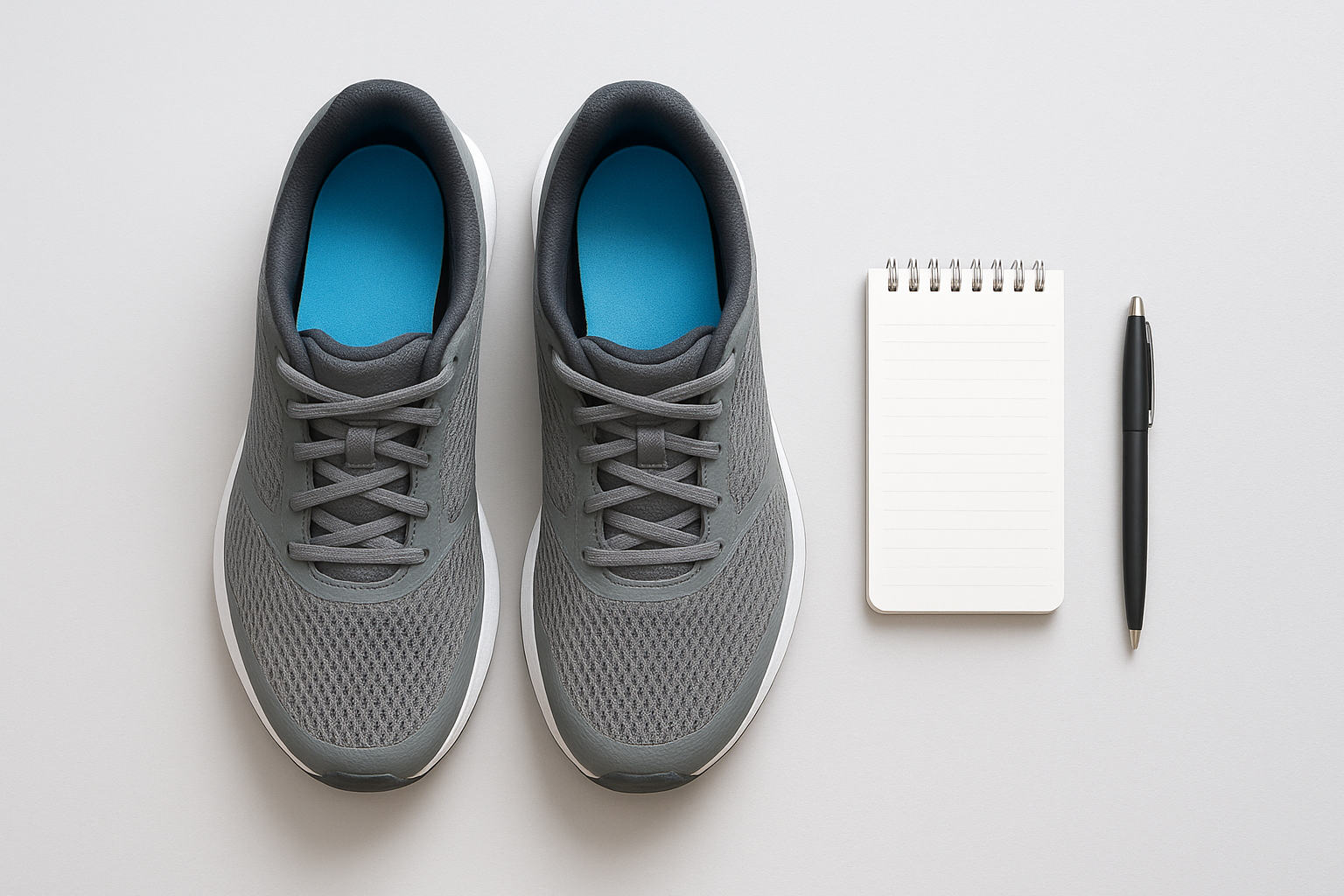
Properly fitted orthotics integrate seamlessly into everyday footwear, providing continuous support and pain relief throughout the day.
Frequently Asked Questions About High-Quality Orthotics
What makes high-quality orthotics different from cheap insoles?
High-quality orthotics are fabricated from precise molds of your feet and designed to correct the root cause of your foot problem. Cheap insoles offer generic cushioning but do not address structural imbalances or biomechanical issues. As a result, they provide temporary comfort rather than lasting therapeutic benefit.
How long do high-quality custom orthotics last?
Well-made custom orthotics typically last between 2 and 5 years with proper care. The lifespan depends on the materials used, your activity level, and how often you wear them. Periodic check-ins with your podiatrist can help determine when a replacement is needed.
Are custom orthotics worth the cost compared to over-the-counter options?
For most people with chronic foot pain or structural conditions, custom orthotics deliver far better long-term value. They address the specific cause of discomfort rather than providing temporary relief. Over time, they can also reduce spending on pain medications, physiotherapy, and repeated purchases of ineffective insoles.
What foot conditions can high-quality orthotics help treat?
High-quality orthotics can help treat plantar fasciitis, flat feet, high arches, overpronation, heel spurs, bunions, Morton's neuroma, and general chronic foot pain. They are also used to improve gait and reduce joint stress in the knees and hips. In some cases, they can even alleviate lower back pain caused by poor foot mechanics.
How are custom orthotics made?
Custom orthotics are made by taking a precise mold or cast of your foot, then fabricating a device tailored to your unique anatomy and condition. A podiatrist evaluates your gait, posture, and foot structure before prescribing the correct design. The finished device is then crafted from medical-grade materials suited to your specific therapeutic needs.
Can I order high-quality orthotics online?
Yes. Some podiatrist-led services allow you to order custom orthotics online by submitting foot molds from home. This makes professional-grade foot care accessible without requiring an in-person clinic visit. The process is straightforward and typically includes a mold kit sent directly to your door.
What materials are used in high-quality orthotics?
High-quality orthotics are typically made from materials such as polypropylene, carbon fiber, or EVA foam, depending on the intended use. Rigid materials provide structural correction, while softer materials offer cushioning and shock absorption. Many devices combine both elements for optimal therapeutic effect.
How do I know if I need orthotics?
You may need orthotics if you experience chronic foot, heel, or arch pain, have flat feet or high arches, or notice uneven shoe wear. A podiatrist can assess your gait and foot structure to confirm whether orthotics are appropriate. Even if your symptoms are mild, early intervention often prevents more serious problems down the line.
Do high-quality orthotics require a break-in period?
Yes, most custom orthotics require a short adjustment period of one to two weeks. It is recommended to wear them for a few hours each day at first, then gradually increase usage as your feet adapt. Mild initial discomfort is normal, but persistent pain should be reported to your podiatrist.
What is the difference between functional and accommodative orthotics?
Functional orthotics are designed to correct abnormal foot motion and biomechanical issues. Accommodative orthotics focus on cushioning and redistributing pressure, making them suitable for conditions like diabetic foot ulcers or severe arthritis. Your podiatrist will determine which type is appropriate based on your diagnosis.
Can children benefit from high-quality orthotics?
Yes, children with flat feet, in-toeing, or gait abnormalities can benefit significantly from custom orthotics. Early intervention can help guide proper foot development and prevent long-term complications. A pediatric podiatrist can assess whether orthotics are appropriate for a child's specific condition.
Will orthotics fit in all my shoes?
Most custom orthotics are designed to fit in a range of shoe types, including athletic, dress, and casual footwear. However, very narrow or low-profile shoes may require a trimmed or slimmer orthotic design. Discussing your footwear needs with your podiatrist ensures you get a device that works across your lifestyle.
Are popular over-the-counter insole brands considered high-quality orthotics?
Well-made over-the-counter insoles can offer decent generic cushioning and mild support, but they are not molded to your individual foot. Consequently, they are best suited to mild, temporary discomfort rather than diagnosed structural conditions, where a custom-fabricated device typically performs significantly better.
Are high-quality orthotics covered by insurance or HSA/FSA funds?
Orthotics prescribed for a diagnosed medical condition are generally eligible for HSA and FSA reimbursement, and many insurance plans offer partial coverage with a podiatrist's prescription. It is best to confirm specific coverage details with your provider before ordering.
Can high-quality orthotics be used in running shoes and athletic footwear?
Yes, custom orthotics can be designed specifically for athletic use, including running shoes, cross-trainers, and cleats. Your podiatrist will factor in your typical footwear and activity level when selecting materials and thickness, ensuring the device improves performance rather than crowding the shoe.
Conclusion: Choose High-Quality Orthotics That Actually Solve the Problem
Choosing high-quality orthotics is one of the most impactful decisions you can make for your long-term foot health. As this guide has shown, the difference between a generic insole and a precisely fabricated custom device is the difference between masking symptoms and resolving their root cause. Therefore, prioritizing clinical expertise, precise molding, and medical-grade materials is essential when evaluating your options — regardless of how appealing a seal, badge, or shelf display might look.
Whether you are managing chronic pain, correcting a structural imbalance, or simply seeking better support for an active lifestyle, high-quality orthotics deliver results that generic products simply cannot match. To take the next step, visit customorthotics.com to explore custom orthotic solutions crafted by an experienced podiatrist — or schedule a complimentary phone consultation to discuss your specific needs today.