

Customized shoe insoles for comfort are becoming the go-to solution for anyone who spends long hours on their feet and wants relief that generic pads simply cannot provide. Unlike mass-produced inserts, these insoles are built from a mold of your own foot, so every arch, pressure point, and contour is accounted for. Whether you're dealing with heel pain, flat feet, or general fatigue, custom orthotics address the underlying structure of your foot rather than masking discomfort temporarily. In this guide, we'll explain what customized insoles are, how they're made, and why they outperform off-the-shelf options for lasting comfort.
Quick answer: Customized shoe insoles for comfort are podiatrist-designed devices molded from an individual's foot to correct alignment, redistribute pressure, and reduce chronic pain. They differ from store-bought inserts because they are built for one specific foot rather than an average shape.
What Are Customized Shoe Insoles for Comfort?
Customized shoe insoles for comfort are orthotic devices fabricated from an exact mold of a patient's foot. Rather than guessing at an average shape, a technician captures the foot's arch height, heel angle, and pressure distribution before building the insole. As a result, the finished product supports the foot the way it actually moves, not the way a generic template assumes it should move.
Podiatrists typically prescribe these devices for conditions such as plantar fasciitis, bunions, flat feet, and diabetic foot sensitivity. Because the fit is so precise, patients often notice reduced strain on the ankles, knees, and lower back as well. This is because the entire kinetic chain benefits when the foot's foundation is properly supported.
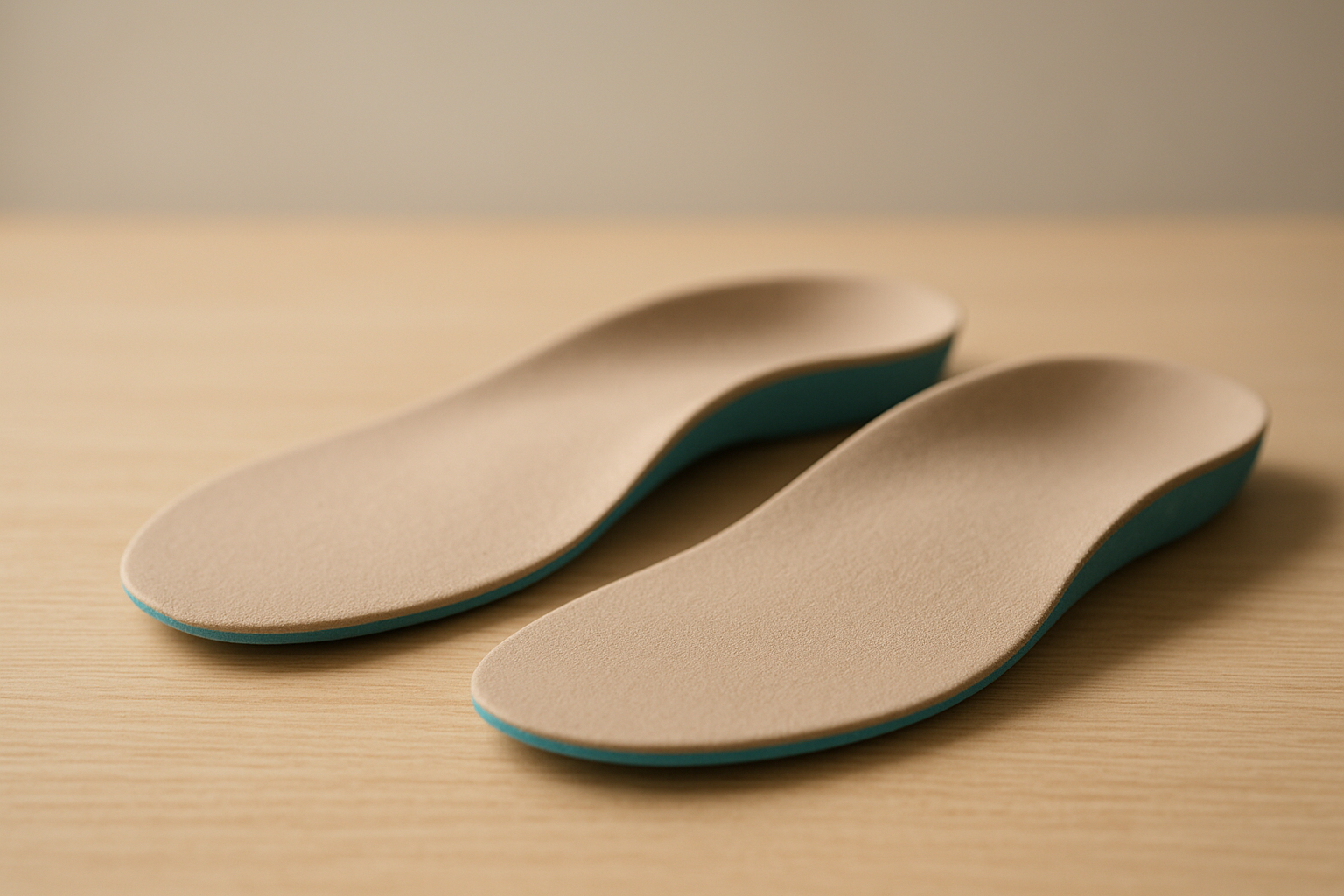
Customized shoe insoles for comfort are shaped from an individual mold rather than a generic template.
Why Off-the-Shelf Insoles Fall Short
Drugstore insoles are inexpensive, but they are also built for an "average" foot that does not exist in real life. Consequently, many people who try them get temporary cushioning without any correction of the actual biomechanical problem. In contrast, custom orthotics are engineered around your specific gait, weight distribution, and foot shape.
According to the American Podiatric Medical Association, structural foot issues left uncorrected can contribute to knee, hip, and back pain over time. That is one reason podiatrists often recommend a professional evaluation before relying on generic pads for chronic discomfort. For a deeper comparison of insole types, this premium foot insoles guide breaks down the differences in materials and fit.
Additionally, off-the-shelf products wear out unevenly because they were never matched to your pressure points in the first place. Custom devices, on the other hand, are built with reinforced zones exactly where you need them, which extends their functional lifespan considerably.
How Custom Orthotics Are Made: The Fabrication Process
Understanding the fabrication process helps explain why custom devices cost more than generic inserts and why the investment often pays off in comfort. Below is the typical sequence a patient can expect.
- Schedule a consultation. Speak with a podiatrist by phone or in person to discuss symptoms, footwear needs, and goals before any mold is taken.
- Take a foot mold. A physical impression or digital scan captures the exact contours of your foot, including arch height and pressure distribution.
- Select materials and shoe type. The fabrication team chooses insole thickness and rigidity based on whether the device will go into athletic shoes, work boots, or dress shoes.
- Wait for fabrication. The lab builds the device over roughly two to four weeks, aligning it precisely with the mold data.
- Break in and follow up. Wear the insoles gradually and check back with your podiatrist if anything feels off.
Notably, this process is why fully custom orthotics differ so significantly from moldable insoles sold at retail stores, which only approximate a shape rather than build one from scratch.
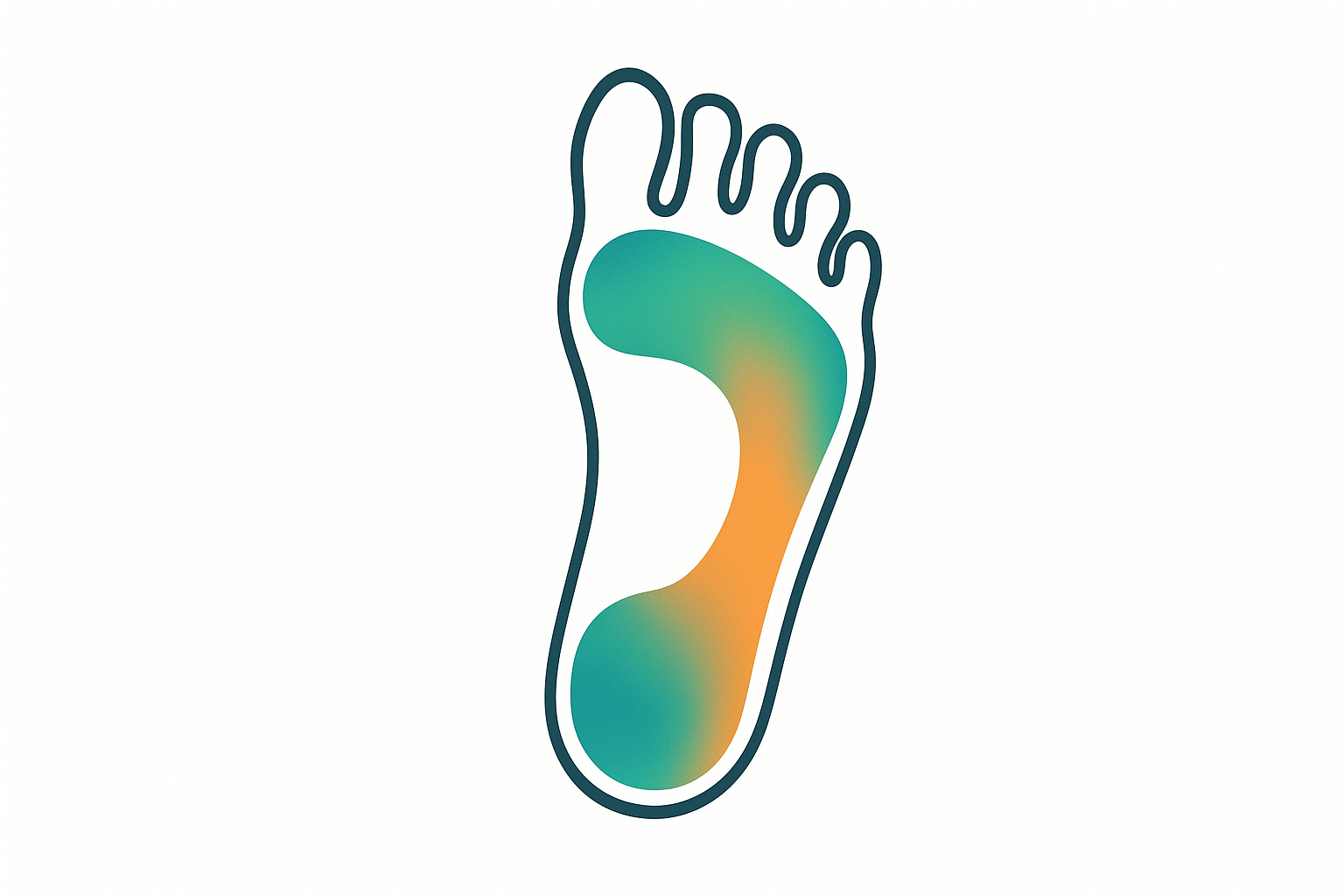
Pressure mapping helps technicians place support exactly where the foot needs it most.
Benefits of Custom-Fit Insoles for Everyday Comfort
Custom-fit insoles offer several advantages beyond simple cushioning. First, they correct alignment issues that cause uneven wear on joints. Second, they distribute body weight more evenly across the foot, which reduces hot spots and calluses. Third, they are built with durable materials suited to your specific activity level, whether that means standing all day at work or running long distances.
In fact, a 2018 review published in the Journal of Foot and Ankle Research found that custom foot orthoses provided measurable pain reduction for patients with plantar fasciitis compared to generic inserts. This kind of clinical evidence is one reason podiatrists continue to recommend custom devices for chronic conditions rather than temporary fixes.
For patients who want everyday comfort without giving up support, the comfortable insoles for everyday use guide explains how to match insole type to daily footwear choices.
Who Benefits Most From Comfortable Custom Insoles?
Not everyone needs a fully custom device, but certain groups tend to benefit the most. People with diagnosed flat feet, high arches, or bunions often see the biggest improvement because their foot shape deviates significantly from the average template used in mass production. Similarly, athletes who put repetitive stress on their feet benefit from the added support during high-impact activity.
Workers who stand for eight or more hours a day, such as nurses and retail employees, also report noticeable comfort improvements. Likewise, diabetic patients often need custom orthotics to redistribute pressure and prevent ulcers, since their reduced sensation makes injury detection harder. For runners specifically, the comfortable walking insoles guide covers additional considerations for long-distance comfort.
Anyone experiencing persistent heel, arch, or ball-of-foot pain that hasn't improved with store-bought inserts after a few weeks should consider a podiatric evaluation. Early intervention often prevents the condition from worsening into a more serious structural problem.
How to Order Custom Orthotics Online
Ordering custom orthotics no longer requires living near a specialty clinic. Many practices, including podiatrist-owned providers with decades of fabrication experience, now offer remote consultations and at-home mold kits. This makes the process accessible whether you're local or ordering from across the country.
Generally, the process starts with a free phone consultation to discuss your symptoms and footwear habits. From there, a mold kit is mailed to your home, and once returned, the lab fabricates your device using the same techniques used in-office. If you're dealing with ongoing discomfort, the foot pain relief insoles guide outlines which symptoms typically respond best to this approach. You can also visit customorthotics.com to schedule a complimentary consultation directly with a podiatrist.
For a broader overview of how custom-made devices compare across different pain conditions, the complete guide to foot pain relief is a helpful next resource. Additionally, organizations such as the American Podiatric Medical Association and the National Institute of Arthritis and Musculoskeletal and Skin Diseases publish research supporting professional foot care evaluations.
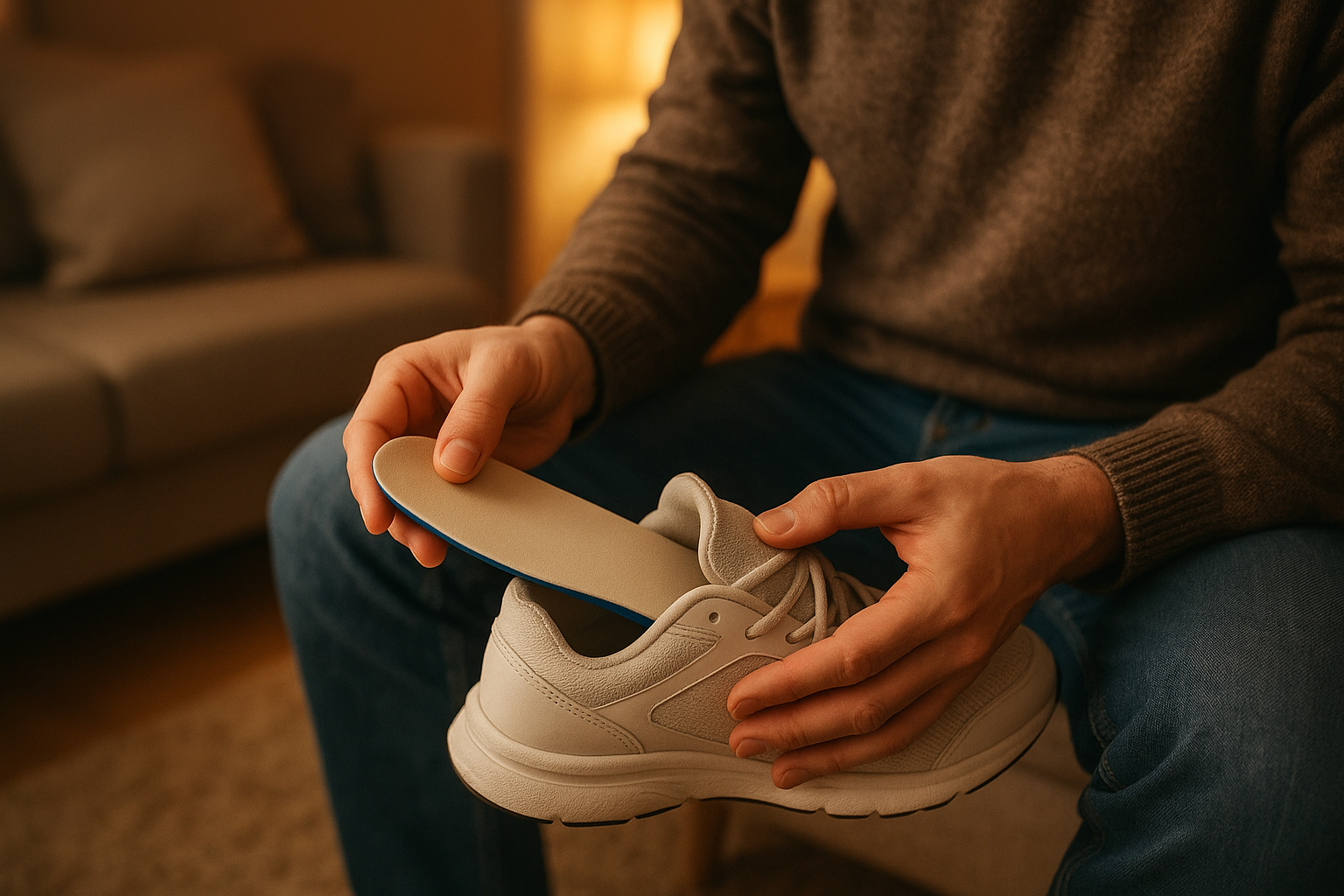
Many patients now order and fit their custom insoles from the comfort of home.
Frequently Asked Questions About Customized Shoe Insoles for Comfort
What are customized shoe insoles for comfort?
Customized shoe insoles for comfort are foot supports molded directly from an individual's foot shape to match its unique arch, pressure points, and contours. Unlike generic inserts, they are built to correct alignment issues and distribute weight evenly across the foot.
How do custom orthotics differ from over-the-counter insoles?
Custom orthotics are fabricated from a mold of your specific foot, while over-the-counter insoles use a generic, one-size-fits-many shape. As a result, custom devices typically offer more precise support and longer-lasting comfort for chronic conditions.
How are customized shoe insoles for comfort made?
The process starts with taking a physical or digital mold of the patient's foot, which a technician uses to build a device matching its exact contours. A podiatrist then reviews the fit and adjusts materials based on the patient's activity level and condition.
How much do custom orthotics cost?
Custom orthotics generally range from a few hundred dollars depending on the materials and complexity of the mold. Pricing is often higher than drugstore inserts because of the personalized fabrication process and clinical evaluation involved.
How long do custom insoles last?
Most custom orthotics last between three and five years with regular use, depending on the material and how often they are worn. Athletes or people on their feet all day may need replacements sooner due to faster wear.
Can custom insoles help with plantar fasciitis?
Yes, custom insoles are frequently recommended for plantar fasciitis because they support the arch and reduce strain on the plantar fascia ligament. Many patients notice reduced heel pain within a few weeks of consistent use.
Who should consider custom orthotics?
Anyone with chronic foot pain, flat feet, high arches, or structural imbalances should consider custom orthotics. They also benefit runners, diabetics needing pressure redistribution, and workers who stand for long shifts.
How long does it take to get custom insoles made?
Turnaround time typically ranges from two to four weeks after the foot mold is taken, depending on the lab's workload. Some providers offer expedited fabrication for an additional fee.
What common mistakes do people make when choosing insoles?
A common mistake is buying generic insoles without addressing the actual foot condition causing discomfort. Another is choosing based on price alone rather than consulting a podiatrist about the underlying biomechanical issue.
Are custom orthotics covered by insurance?
Coverage varies by provider and plan, but many insurers reimburse part of the cost when a podiatrist documents medical necessity. It's best to check with your insurance company and request an itemized invoice from your provider.
How do I know if I need custom insoles instead of store-bought inserts?
If store-bought inserts haven't relieved your pain after several weeks, or if you have a diagnosed structural issue, custom insoles are usually the better option. A podiatric evaluation can confirm whether a custom device is medically appropriate.
Can I order custom orthotics online without visiting an office?
Yes, many providers, including customorthotics.com, allow patients to order custom orthotics online after a phone consultation and an at-home mold kit. This makes professional-grade custom insoles accessible even to remote patients.
What's the difference between orthotics and insoles?
The term insoles often refers to general cushioning inserts, while orthotics specifically describes devices designed to correct biomechanical issues. All custom orthotics function as insoles, but not all insoles qualify as orthotics. You can read more about the terminology on Wikipedia's orthotics overview.
Final Thoughts
In summary, customized shoe insoles for comfort offer a level of precision and lasting relief that generic inserts simply cannot match. Because they are built from an individual mold rather than a one-size-fits-many template, they address the root cause of foot pain instead of temporarily masking it. Whether you're managing plantar fasciitis, flat feet, or general fatigue from standing all day, a podiatrist-fabricated custom device can meaningfully improve daily comfort. If you're ready to explore your options, scheduling a complimentary consultation is a straightforward first step toward healthier, pain-free feet.