

A custom made insole is a footbed molded directly from the exact shape of your own foot, not pulled off a shelf in a generic size. Because it's built around your arch height, heel shape, and pressure points, it can correct alignment problems that a mass-produced insert never touches. For anyone dealing with plantar fasciitis, flat feet, high arches, or nagging heel pain, this level of precision is often the difference between managing symptoms and actually resolving them. Below, we'll walk through exactly how a custom made insole is designed, what it costs, which materials matter, and how to order one — whether in person or through an at-home kit from Custom Orthotics.
Quick Answer: A custom made insole is a medical-grade footbed molded from an impression or scan of your foot, then fabricated in a lab to correct alignment and evenly distribute pressure. Unlike an off-the-shelf insert, it's built for one person only — your feet, your gait, and your diagnosis.
What Is a Custom Made Insole?
A custom made insole is a medical-grade device molded specifically to an individual foot rather than manufactured in a handful of generic sizes. Typically, a podiatrist — a doctor who diagnoses and treats conditions of the foot and ankle — fabricates it following an in-person or remote foot assessment. Because it mirrors the exact contours of the foot, it distributes body weight evenly and reinforces the arch precisely where support is needed.
The term "orthotic" is often used interchangeably with insole, though technically an orthotic refers to any device that corrects or supports body mechanics. In practice, however, most people searching for foot pain relief want the same outcome: a supportive footbed shaped around their own foot rather than an average one. That distinction matters because it explains why a custom orthotic insole succeeds where a $20 drugstore pair often fails.
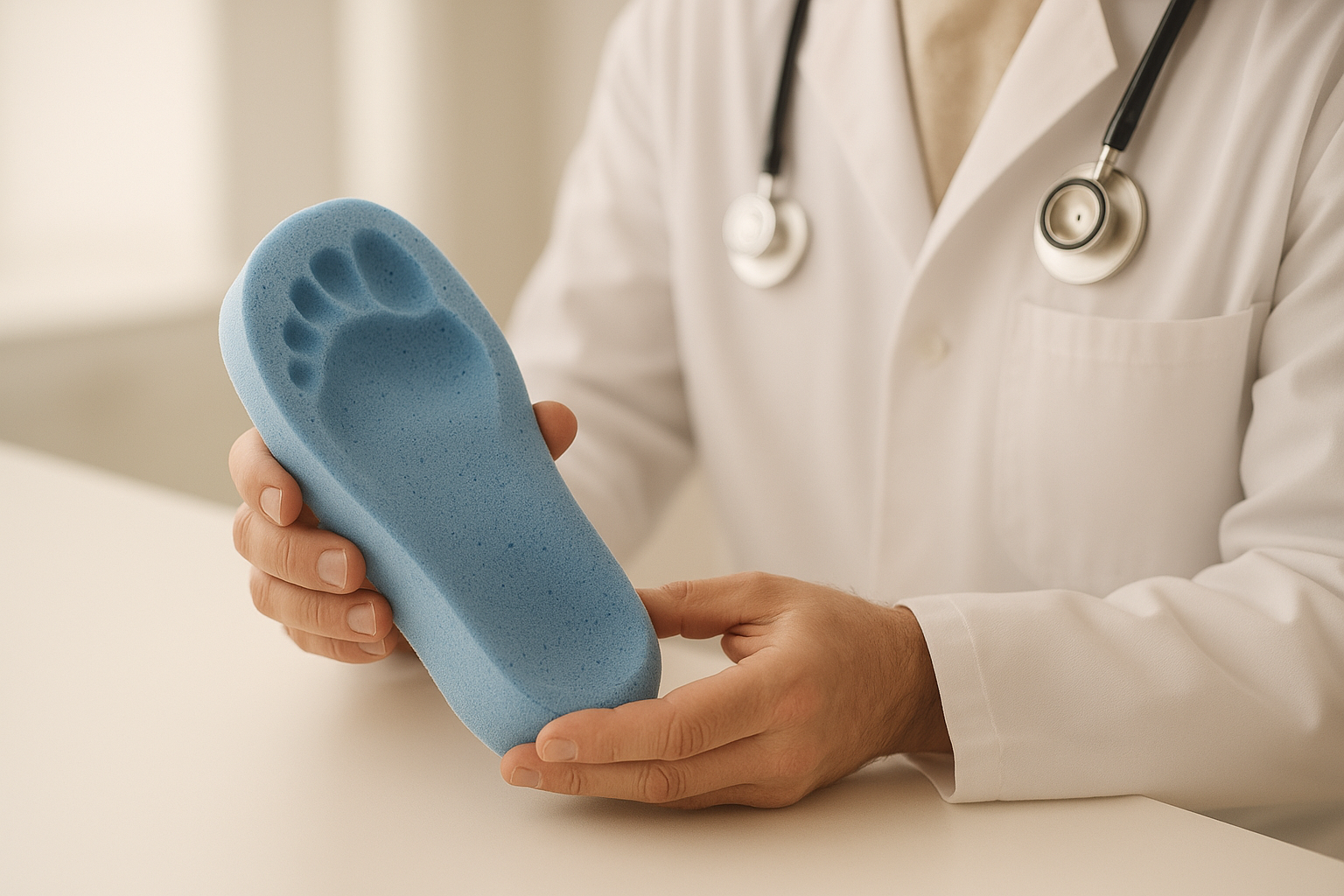
A precise foot mold forms the foundation of every custom made insole.
How Are Custom Orthotic Insoles Made? A Step-by-Step Look
Understanding the fabrication process explains why custom orthotic insoles cost more than a drugstore pair — and why they tend to last far longer. Here is how the process typically unfolds, from first phone call to final fitting.
- Schedule a foot assessment. Speak with a podiatrist by phone or in person to discuss pain points, activity level, and any existing foot conditions before any molding takes place.
- Capture a mold or scan of the foot. A foam impression, plaster cast, or digital scan records the exact contours, arch height, and pressure distribution of each foot for accurate fabrication.
- Fabrication in a lab. Technicians build the device layer by layer using the mold as a template, selecting materials based on the patient's weight, activity level, and diagnosis.
- Fitting and adjustment. The finished insole is fitted into the patient's shoes and adjusted as needed to confirm comfort, proper alignment, and pain relief before regular use begins.
- Follow-up and break-in check. A short follow-up call or visit confirms the device is settling correctly and lets the podiatrist make minor adjustments if soreness or slippage occurs.
According to the American Podiatric Medical Association, properly fitted orthotic devices can meaningfully reduce strain on the plantar fascia, the thick band of tissue running along the bottom of the foot. As a result, patients often notice less heel pain within the first few weeks of consistent wear.
What Materials Go Into a Custom Foot Orthotic?
Materials matter just as much as the mold itself. Specifically, a custom foot orthotic is usually built in three layers: a rigid or semi-rigid shell, a cushioning midlayer, and a top cover. For a deeper walkthrough, see our Custom Foot Molds: Complete Guide to Getting Fitted.
- Rigid shells (carbon fiber or polypropylene): best for correcting significant alignment issues like severe overpronation, though they flex less underfoot.
- Semi-rigid shells (blended plastics): a middle ground that balances correction with everyday comfort, suitable for most chronic pain cases.
- Soft, accommodative shells (EVA foam): ideal for diabetic feet or arthritis, where cushioning and pressure relief matter more than rigid correction.
- Top covers (leather, microfiber, or moisture-wicking fabric): affect durability, breathability, and how the insole feels against skin or socks.
In particular, a heavier patient or a distance runner typically needs a firmer shell to prevent premature flattening, while someone with diabetic neuropathy usually needs softer accommodative padding to avoid pressure sores. This is exactly why a podiatrist-led assessment, rather than a one-size material choice, produces a better long-term result.
Signs You May Need a Personalized Insole
Not everyone needs a fully custom device, but certain symptoms are strong indicators that a personalized insole is worth pursuing. For instance, persistent heel pain that's worse in the morning often points to plantar fasciitis. Similarly, uneven shoe wear patterns can signal an underlying gait imbalance that generic cushioning won't correct.
- Aching arches after standing or walking for extended periods
- Recurring knee, hip, or lower back pain linked to foot alignment
- A diagnosed condition such as flat feet, high arches, or diabetic neuropathy
- Store-bought inserts that feel fine at first but stop helping after a few weeks
Research published through the National Institutes of Health indicates that plantar fasciitis affects roughly one in ten people at some point in their lives, making it one of the most common reasons patients seek out orthotic support. Meanwhile, the Mayo Clinic notes that supportive footwear and orthotic devices are frequently recommended alongside stretching as a first-line treatment.
Custom Made Insole vs. Off-the-Shelf Shoe Inserts
Off-the-shelf inserts are manufactured in bulk to fit a range of shoe sizes, which means they rarely match anyone's foot exactly. A custom made insole, in contrast, is built from a direct impression, so it supports the specific arch height and pressure zones unique to that patient. Consequently, drugstore inserts may offer temporary cushioning, but they generally don't correct the underlying biomechanical issue causing the pain.
| Feature | Custom Made Insole | Off-the-Shelf Insert |
|---|---|---|
| Fit basis | Molded from your own foot | Generic size ranges |
| Corrects alignment | Yes, root-cause focused | Cushioning only |
| Typical lifespan | 1 to 5 years | 3 to 6 months |
| Typical cost | $150 to $500 | $15 to $60 |
Key Benefits of a Custom Foot Orthotic for Chronic Pain
A custom foot orthotic offers several advantages over generic solutions. Above all, it provides targeted arch support that matches the exact shape of the foot, which reduces abnormal pressure on the heel and forefoot. In addition, because the device is built with medical input, it's more likely to address the specific diagnosis behind the pain rather than a general symptom.
As a result, many patients experience improvements not just in foot comfort, but also in related knee, hip, and lower back discomfort caused by poor alignment. Furthermore, because the device is durable, it tends to be more cost-effective over several years than repeatedly replacing drugstore pairs.
Did you know? Studies cited by the National Institutes of Health suggest that up to 10% of people will experience plantar fasciitis in their lifetime, underscoring why properly supported footwear matters for long-term foot health.
Best Custom Made Insoles for Specific Foot Conditions
Not every foot problem calls for the same design. Therefore, a good provider adjusts shell rigidity, arch height, and cushioning based on the specific diagnosis rather than using one template for every patient.
Plantar Fasciitis
A deep heel cup and firm arch support reduce strain on the plantar fascia with every step, which is often the fastest way to ease morning heel pain.
Flat Feet and Overpronation
A semi-rigid or rigid shell with a medial post helps control excess inward rolling of the ankle, which in turn reduces stress traveling up into the knees.
High Arches
Extra cushioning at the heel and forefoot compensates for reduced natural shock absorption, since high arches typically transfer more impact directly into the joints.
Diabetic Feet
Soft, accommodative materials with no hard edges help prevent pressure sores, which matters greatly given the reduced sensation associated with diabetic neuropathy.
Custom Made Insoles by Shoe and Activity Type
A custom made insole also needs to match the shoe it's going into, since volume and heel-to-toe drop vary widely between shoe categories. For example, an athletic running shoe has more internal volume than a slim dress shoe, so the same shell width won't work in both.
- Athletic shoes: built for shock absorption during running or high-impact sports, often with a slightly flexible shell.
- Work boots: reinforced for all-day standing on hard floors, typically with firmer support and extra heel cushioning.
- Dress shoes: slimmer profile designed to fit narrower footwear without sacrificing arch support.
- Ski or snowboard boots: rigid shells that improve control and reduce fatigue during long days on the slopes.
Because of this, it's worth mentioning your most-worn shoe types during your consultation so the fabrication team accounts for volume from the start rather than requiring a second pair later.
How Much Does a Custom Made Insole Cost?
A custom made insole typically costs between $150 and $500, depending on the materials used, the complexity of the foot condition being treated, and whether fitting happens in person or through a mail-in kit. While this is more than a $20 drugstore insert, the cost reflects the assessment, fabrication, and adjustment process involved.
Does Insurance or HSA/FSA Cover the Cost?
In many cases, yes. Health savings accounts (HSA) and flexible spending accounts (FSA) commonly reimburse custom orthotic devices when a podiatrist documents medical necessity. Some insurance plans partially reimburse them too, though coverage varies widely, so it's worth checking with your provider before ordering. Many practices, including Custom Orthotics, offer a complimentary consultation with a podiatrist before any commitment is made, which helps patients understand pricing and reimbursement upfront. For a closer look at the ordering process itself, this step-by-step guide to getting a custom made insole breaks down what to expect at each stage, and this overview of the full process to get a custom made insole through Custom Orthotics covers the same journey in more detail.
How to Order a Custom Made Insole Online
Thanks to at-home mold kits, ordering a custom made insole online is now a realistic option for patients who can't easily visit a clinic in person. Typically, the process involves requesting a kit, taking a foam or scan impression at home following included instructions, and mailing it back for fabrication.
Before ordering, it helps to review a detailed resource such as this guide on ordering a custom made insole online, which walks through common questions about shipping, sizing, and follow-up support. Similarly, patients researching local options may find it useful to check where to get personalized insoles made for their shoes before deciding between remote or in-office fittings.
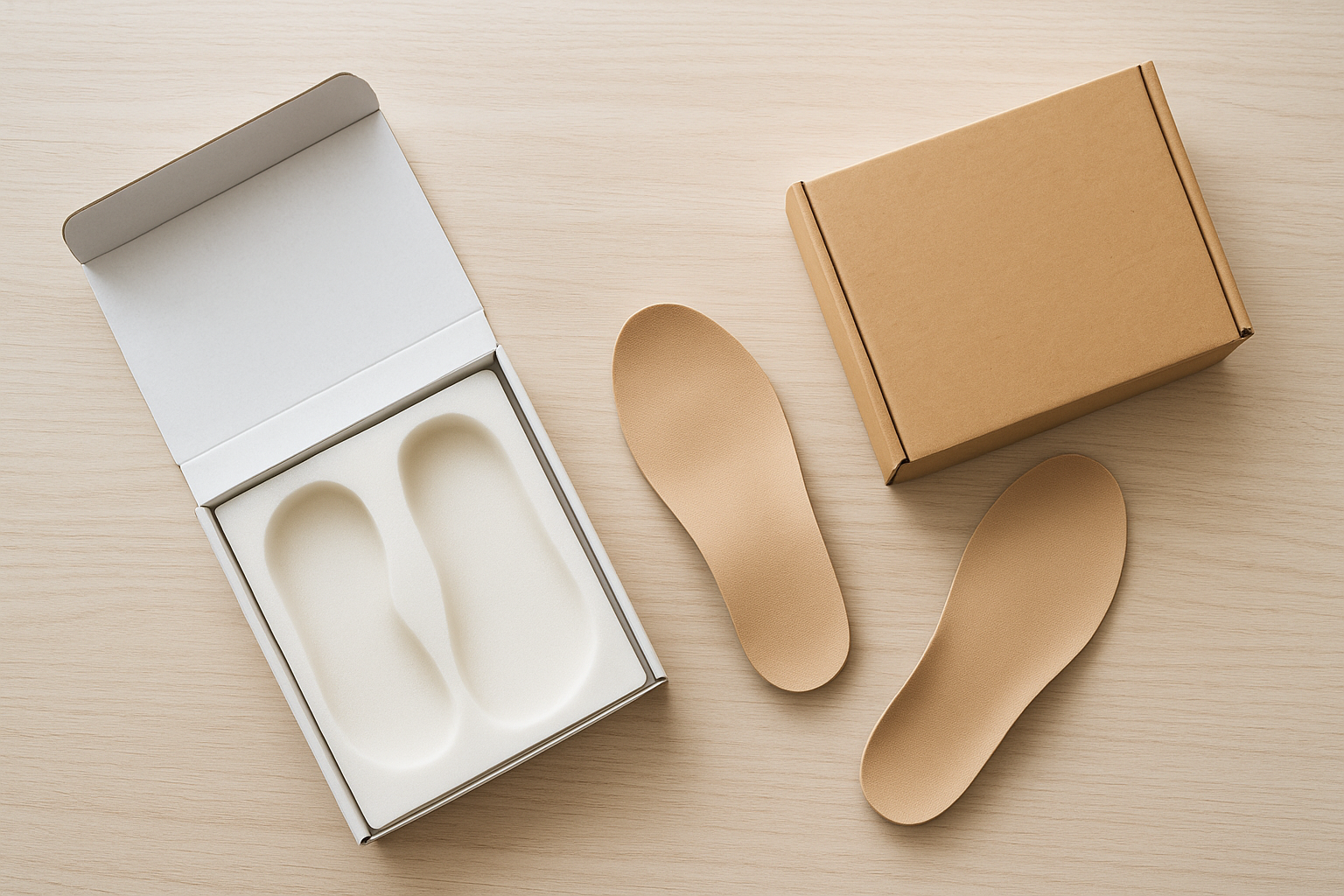
An at-home mold kit makes ordering a custom made insole possible without an office visit.
Choosing the Right Provider for Your Custom Made Insole
Not every provider offering "custom" insoles actually fabricates them from an individual mold. Therefore, it's worth asking whether the device is built from your own foot impression or simply selected from a pre-made range with slight modifications. It's also worth noting that many orthotic devices fall under the FDA's medical device classification system, so a reputable provider should be transparent about how their devices are manufactured and regulated; you can review the FDA's overview of medical devices for general context.
Custom Orthotics, a podiatrist-owned practice with more than 20 years of industry experience and an A+ Better Business Bureau rating, fabricates every pair directly from an individual mold rather than adjusting stock templates. Patients can speak with the podiatrist directly for a free consultation, whether ordering locally or through the company's online platform. For further reading on materials and quality standards, this guide to premium quality foot insoles covers what separates durable orthotics from short-lived ones. You can also explore the full custom-fit orthotic insole ordering guide for a complete overview.
Custom Made Insole Care, Break-In, and Replacement Schedule
Proper care extends the life of a custom made insole significantly. Wipe them down with a damp cloth, let them air dry away from direct heat, and rotate them between similar shoes when possible. Avoid machine washing or drying, since heat can warp the shape and undo the precision of the mold.
In particular, expect a short break-in period of one to two weeks, during which it's normal to feel new pressure in the arch as your foot adjusts to correct alignment. Wearing the insoles for a few hours daily at first, rather than all day immediately, usually prevents soreness. Over time, watch for flattened arch support, visible cracking, or a top cover that has worn through — these are the clearest signs a replacement is due, typically somewhere between one and five years depending on activity level and body weight.
Common Mistakes to Avoid When Choosing a Custom Made Insole
A common mistake is assuming a soft cushioned insert will fix structural problems like overpronation or plantar fasciitis. Cushioning alone rarely corrects alignment, which is why a properly molded device tends to produce better long-term results. Other frequent errors include skipping the podiatrist consultation, choosing a shell that's too rigid for a sedentary lifestyle, and forgetting to mention every shoe type the insole needs to fit.
In addition, some buyers stop wearing their insoles too early because of mild break-in discomfort, mistaking normal adjustment for a poor fit. Above all, working with a provider who reviews your gait, a term describing your walking pattern documented in detail by resources like gait analysis research, helps avoid most of these pitfalls entirely.
Frequently Asked Questions About Custom Made Insoles
What is a custom made insole, exactly?
A custom made insole is a footbed fabricated from an exact mold or scan of an individual's foot rather than a generic template. It supports the specific arch height, heel shape, and pressure points unique to that person's foot.
How is a custom made insole created?
It starts with a foot assessment, followed by a mold or digital scan of the foot, then lab fabrication using that exact shape. A podiatrist or trained technician typically reviews the fit before it ships.
Why do podiatrists recommend custom orthotic insoles over drugstore inserts?
Drugstore inserts are built for average foot shapes and rarely address individual imbalances. Podiatrists recommend custom options because they correct specific alignment issues and distribute pressure more evenly across the foot.
What's the difference between a custom made insole and an off-the-shelf insert?
An off-the-shelf insert comes pre-molded in a handful of standard sizes, while a custom made insole is fabricated from your own foot shape. This difference means custom insoles typically offer more targeted support and last longer under regular use.
How much does a custom made insole cost?
Pricing typically ranges from around $150 to $500 depending on the materials, the complexity of the foot condition, and whether the fitting is done in person or through a mail-in kit. Many practices offer a free consultation before any cost is involved.
Does insurance or HSA/FSA cover a custom made insole?
Often, yes. HSA and FSA funds commonly cover custom orthotic devices when a podiatrist documents medical necessity, and some insurance plans offer partial reimbursement. Coverage varies by plan, so it's best to confirm details before ordering.
How long does it take to receive a custom made insole?
Most patients receive their finished pair within two to four weeks after the mold or scan is submitted. Rush options are sometimes available for an added fee.
What mistakes do people commonly make when choosing insoles?
A common mistake is assuming a soft cushioned insert will fix structural problems like overpronation or plantar fasciitis. Cushioning alone rarely corrects alignment, which is why a properly molded device tends to produce better long-term results.
How do I care for a custom made insole?
Wipe them down with a damp cloth, let them air dry away from direct heat, and rotate them between similar shoes when possible. Avoid machine washing or drying, since heat can warp the shape.
Who benefits most from a personalized insole?
People with plantar fasciitis, flat feet, high arches, diabetic foot concerns, or chronic heel and knee pain tend to benefit the most. Athletes and people who stand for long shifts also report noticeable improvements in comfort.
Can I order a custom made insole online?
Yes, many practices now offer at-home mold kits so patients can order a custom made insole online without an in-person visit. A podiatrist typically still reviews the impression before fabrication begins.
How long does a custom made insole last?
A well-made pair generally lasts one to five years depending on materials, activity level, and body weight. Signs of wear, such as flattened arch support or visible cracking, indicate it's time for a replacement.
Will a custom made insole fit in all my shoes?
Most custom insoles are designed to fit a category of shoes, such as athletic, dress, or work footwear, rather than every shoe you own. It's helpful to mention your most-worn shoe types during the consultation so the fabrication accounts for shoe volume.
Is there a break-in period for a custom made insole?
Yes, most patients need one to two weeks to fully adjust. Wearing the new insoles for a few hours a day at first, rather than all day right away, generally prevents soreness during this adjustment period.
Can children get custom made insoles?
Yes, children with flat feet, toe-walking, or growth-related foot pain can be fitted for pediatric orthotics. Because children's feet grow quickly, these devices typically need to be remolded more often than adult versions.
Final Thoughts on Choosing a Custom Made Insole
In summary, a custom made insole offers a level of precision and lasting relief that generic inserts simply can't replicate. Because it's built from an exact mold of your foot, it addresses the underlying cause of pain rather than masking it with temporary cushioning. Whether you choose an in-person fitting or an at-home mold kit, working with an experienced, podiatrist-led practice helps ensure the final device actually fits your feet, your shoes, and your lifestyle. If chronic foot, heel, or arch pain has been holding you back, a free consultation with a podiatrist is a reasonable first step toward finding out whether a custom made insole is the right solution for you.