

Premium quality foot insoles can transform daily comfort for anyone dealing with heel pain, arch strain, or tired feet after a long shift. In fact, choosing the right insole often matters more than the shoe itself, especially for people who stand or walk for hours at a time. This guide explains what actually separates premium quality foot insoles from basic drugstore inserts, and how custom-molded orthotics from a podiatrist-owned practice like customorthotics.com can target the root cause of foot pain instead of just cushioning the symptoms. By the end, you'll know exactly what to look for before your next purchase.
What Are Premium Quality Foot Insoles?
Premium quality foot insoles are supportive inserts built from durable, medical-grade materials that cushion, align, and stabilize the foot far better than standard shoe padding. Unlike thin foam liners, they're engineered to match the shape and mechanics of an individual foot, which reduces strain on the arch, heel, and joints above. In short, these insoles do more than fill space in a shoe — they actively support how you move.
Specifically, these insoles are typically made from higher-density foams, gel layers, or rigid polypropylene (a durable plastic) shells that hold their form under repeated pressure. As a result, they last longer and resist the flattening that happens quickly with cheap inserts. Furthermore, many premium options are designed with input from podiatrists (foot specialists), which means the shape reflects real anatomical data rather than a generic mold.
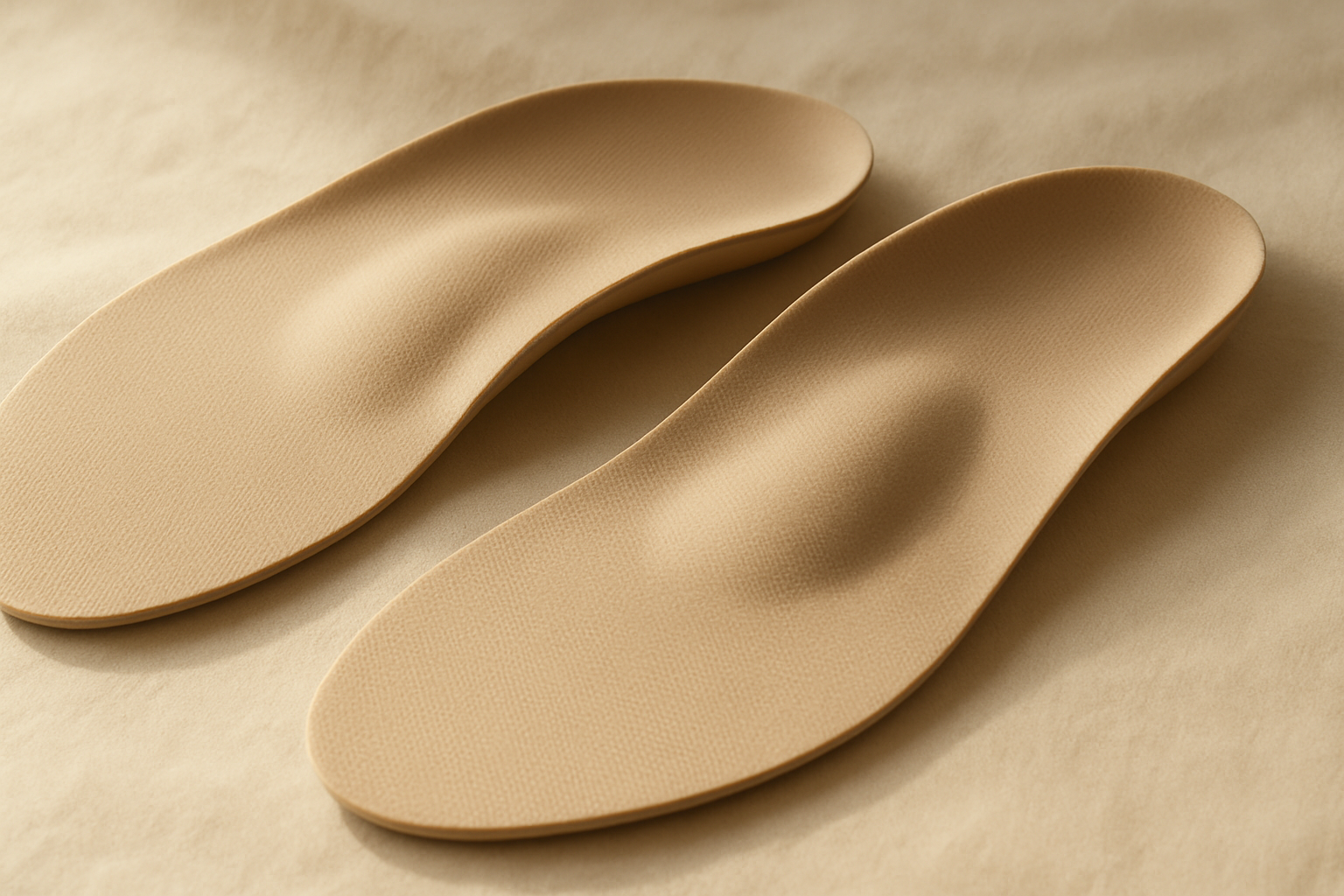
Premium quality foot insoles are built to match the contours of an individual foot for lasting support.
Why Your Feet Deserve High-Quality Support
Foot health affects nearly every part of the body, since poor alignment in the feet can travel upward into the knees, hips, and lower back. Therefore, investing in high-quality support isn't just about comfort — it's about preventing bigger problems down the line. According to the American Podiatric Medical Association, a large share of adults report foot pain that limits daily activities, and much of that discomfort stems from inadequate arch support.
In addition, feet change over time due to age, weight fluctuations, pregnancy, or injury. Consequently, an insole that fit well five years ago may no longer match the current shape of your foot. This is precisely where orthotics make a measurable difference, since they're built to adapt to a foot's actual structure rather than forcing the foot to adjust to the shoe. Similarly, athletes and people on their feet all day often notice reduced fatigue once they switch to properly supportive insoles.
Custom Orthotics vs. Prefabricated Insoles: What's the Difference?
Not all insoles are created equal, and the difference between a truly supportive insert and a mass-produced one usually comes down to how it's made. Off-the-shelf insoles are shaped from a single generic mold meant to fit as many feet as possible. In contrast, custom orthotics start with an impression of your actual foot, which means the final product follows your unique arch height, heel angle, and pressure points.
For a deeper comparison, this detailed breakdown of custom orthotics versus prefabricated inserts explains why fit precision matters so much for long-term relief. Above all, prefabricated insoles tend to wear out faster because they weren't designed around your specific gait pattern. Meanwhile, custom-molded designs typically hold their shape longer, which can reduce how often you need replacements.
How Custom Orthotics Are Fabricated: A Step-by-Step Process
Understanding how orthotics are actually made helps explain why premium quality foot insoles cost more than a foam insert from a drugstore shelf. Below is a simplified look at the typical fabrication process used by podiatrist-led practices.
- Step 1 — Consultation and assessment: A podiatrist evaluates your gait, arch type, and any pain patterns during a phone or in-person consultation before recommending an orthotic approach.
- Step 2 — Foot mold or impression: The practice captures a precise mold or scan of each foot, capturing the exact contours that a generic insole could never replicate.
- Step 3 — Design and material selection: Technicians choose shell rigidity, cushioning layers, and top covers based on your activity level, body weight, and specific foot condition.
- Step 4 — Fabrication: Skilled technicians shape the orthotic directly from your mold using specialized equipment, ensuring the final device matches your foot's structure with precise accuracy.
- Step 5 — Fitting and adjustments: Once completed, the orthotic is fitted into your footwear, and any necessary adjustments are made so the insole feels supportive rather than intrusive.
Consequently, this hands-on process is what allows premium quality foot insoles to outperform generic inserts in both comfort and durability.
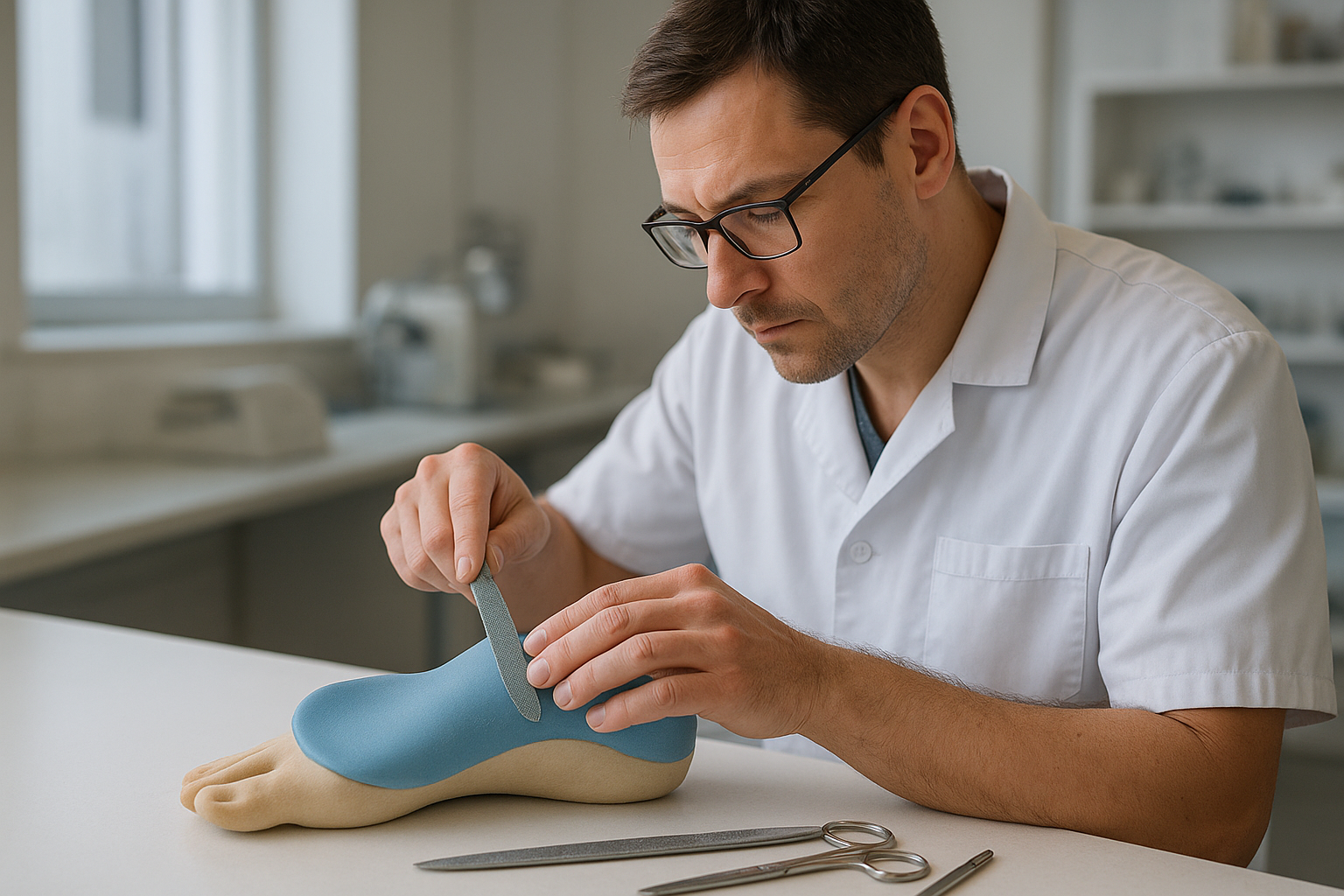
Each custom orthotic is shaped directly from an individual foot mold for a precise fit.
Signs You Need Better Quality Insoles
Sometimes it's hard to know whether your current insoles are still doing their job. However, there are a few clear warning signs worth watching for.
For example, if you notice new heel or arch pain after long periods of standing, your current insoles may no longer provide enough support. Similarly, visible flattening, cracking, or uneven wear on the insole's surface is a strong signal that it's time for a replacement. In particular, people recovering from plantar fasciitis (inflammation of the tissue connecting the heel to the toes) often need firmer, more supportive insoles than what came standard in their shoes.
Additionally, if your shoes feel fine but your feet still ache by the end of the day, the problem is often insufficient support rather than the footwear itself. In that case, switching to better quality insoles built around your foot's actual shape can resolve discomfort that generic inserts simply can't fix.
Choosing the Best Insoles for Foot Pain and Injury Prevention
Selecting the right insole depends heavily on your specific foot type, activity level, and budget. For those exploring lower-cost starting points, this guide to affordable insoles for foot pain outlines budget-friendly options worth considering before committing to a custom design.
However, for chronic pain, structural imbalances, or long-term mobility issues, a fully custom orthotic tends to deliver more reliable results than a generic budget insert. This complete guide to personalized foot orthotics walks through how a molded device is matched to your exact foot mechanics. In particular, patients who need extra room in dress shoes or athletic footwear often benefit from a 3/4-length orthotic design, which supports the arch and heel while leaving more space at the toe box.
Above all, the best insoles for foot pain are the ones matched to your actual condition rather than a one-size-fits-all shape. Therefore, a brief consultation with a podiatrist before purchasing can save both money and discomfort in the long run.

The right insole choice can restore comfortable, pain-free movement throughout the day.
Cost, Durability, and Long-Term Value of Custom Orthotics
Premium quality foot insoles typically cost more upfront than drugstore inserts, largely because of the materials, labor, and podiatrist involvement behind each pair. Nevertheless, the long-term value often works out in the buyer's favor. Cheap foam inserts usually flatten within a few months, while custom-molded orthotics can last several years with proper care.
As a result, the cost per year of use is frequently lower for premium insoles despite the higher initial price. In addition, because custom orthotics address the underlying cause of pain rather than masking it, patients often avoid additional costs tied to physical therapy, medication, or repeated insole replacements. For anyone weighing the decision, customorthotics.com offers a complimentary consultation, which can clarify whether a fully custom option makes financial sense compared to store-bought alternatives. Notably, the practice has more than 20 years of industry experience and an A+ Better Business Bureau rating, which adds a layer of credibility when choosing where to order from.
Frequently Asked Questions About Premium Quality Foot Insoles
What are premium quality foot insoles?
Premium quality foot insoles are supportive inserts made from durable, often custom-molded materials that align and cushion the foot more effectively than standard shoe padding. They reduce strain on the arch, heel, and joints during daily movement.
How do these insoles differ from regular drugstore inserts?
Regular insoles are mass-produced from a single generic mold, while premium versions use higher-density materials or a custom impression of your actual foot. As a result, they offer better shape retention and longer-lasting support.
Are custom orthotics better than store-bought insoles?
For chronic pain or structural foot issues, custom orthotics generally outperform store-bought insoles because they follow an individual's exact foot shape. However, mild, temporary discomfort may only need a quality store-bought option.
How long do custom-molded orthotics typically last?
With proper care, custom-molded orthotics can last two to five years, while quality prefabricated insoles usually need replacement every six to twelve months. Durability depends on materials, body weight, and activity level.
How much do premium quality foot insoles cost?
Prices vary depending on materials and customization, with custom orthotics generally costing more upfront than drugstore inserts. Many practices offer a free consultation to help determine the right option for your budget.
Can insoles help with plantar fasciitis?
Yes, supportive insoles can reduce strain on the plantar fascia and ease associated heel pain. Custom orthotics are often recommended for more severe or persistent cases.
How do I know if I need new insoles?
Visible flattening, cracking, or uneven wear are clear signs it's time for a replacement. New foot or heel pain that wasn't present before also signals inadequate support.
What is the process for getting custom orthotics made?
The process typically starts with a podiatrist consultation, followed by a foot mold or scan, material selection, fabrication, and a final fitting. Each step ensures the finished orthotic matches your foot's exact structure.
Do high-quality insoles work for flat feet and high arches?
Yes, custom insoles can be designed specifically for flat feet, high arches, or neutral arch types. Because they're built around individual mechanics, they address these variations more precisely than generic inserts.
How often should I replace my foot insoles?
Most people should replace standard insoles every six to twelve months, while custom orthotics can often go several years between replacements. Returning pain or visible wear are the best indicators it's time for a new pair.
Can I order custom orthotics online without visiting in person?
Yes, many practices, including customorthotics.com, allow patients to order remotely through an online platform after a phone consultation with a podiatrist. This makes professional-grade foot care accessible even for those who can't visit in person.
What's the biggest mistake people make when choosing insoles?
The most common mistake is assuming all insoles are interchangeable, when fit, arch type, and material rigidity all significantly affect results. Skipping a professional assessment often leads to buying the wrong support.
Are premium insoles covered by insurance?
Coverage varies by provider and plan, though some insurance policies partially reimburse custom orthotics when prescribed for a documented medical condition. It's best to check directly with your insurer and the orthotics practice before ordering.
Do athletes benefit from premium quality foot insoles?
Yes, athletes often experience reduced fatigue and lower injury risk when using insoles matched to their specific foot mechanics and activity type. Proper support can also improve stability during high-impact movements like running or jumping.
Final Thoughts on Choosing the Right Insoles
Ultimately, premium quality foot insoles offer a level of support, durability, and precision that generic inserts simply cannot match. Whether you're managing plantar fasciitis, flat arches, or general foot fatigue, the difference often comes down to fit — and a custom mold captures that fit far better than a mass-produced shape ever could. In addition, working directly with a podiatrist-owned practice adds medical expertise to the process, which helps address the root cause of pain rather than temporarily masking it.
Therefore, if daily discomfort is affecting your quality of life, it may be time to explore a complimentary consultation and see whether premium quality foot insoles are the right next step toward healthier, pain-free feet.