

Custom orthotics for sports shoes are precision-molded inserts built to match the exact shape of an athlete's foot, giving runners, soccer players, and weekend warriors support that a generic insole simply cannot provide. Unlike one-size-fits-all pads sold at sporting goods stores, these devices are cast directly from each patient's feet, then shaped to fit specific athletic footwear. For anyone dealing with nagging foot pain during training, understanding how custom orthotics work can be the first step toward lasting relief.
Quick Answer: Custom orthotics for sports shoes are podiatrist-designed inserts molded from an exact cast of your feet, then shaped to the internal volume of running shoes, cleats, or court shoes. They correct individual biomechanical issues such as overpronation, reducing pain and improving movement efficiency during athletic activity.
What Are Custom Orthotics for Sports Shoes?
As mentioned above, custom orthotics for sports shoes are inserts fabricated from a direct mold of each individual's feet rather than a generic template. Specifically, a podiatrist evaluates foot structure, gait pattern, and existing pain points before creating a device tailored to that athlete alone. Consequently, the fit addresses the actual cause of discomfort instead of simply padding the bottom of the shoe.
In addition, these devices are built with sport-specific materials. For example, a basketball orthotic may use firmer support for lateral stability, while a running orthotic prioritizes shock absorption through the heel strike. This level of customization is the primary advantage over store-bought insoles, which cannot adjust for these differences.
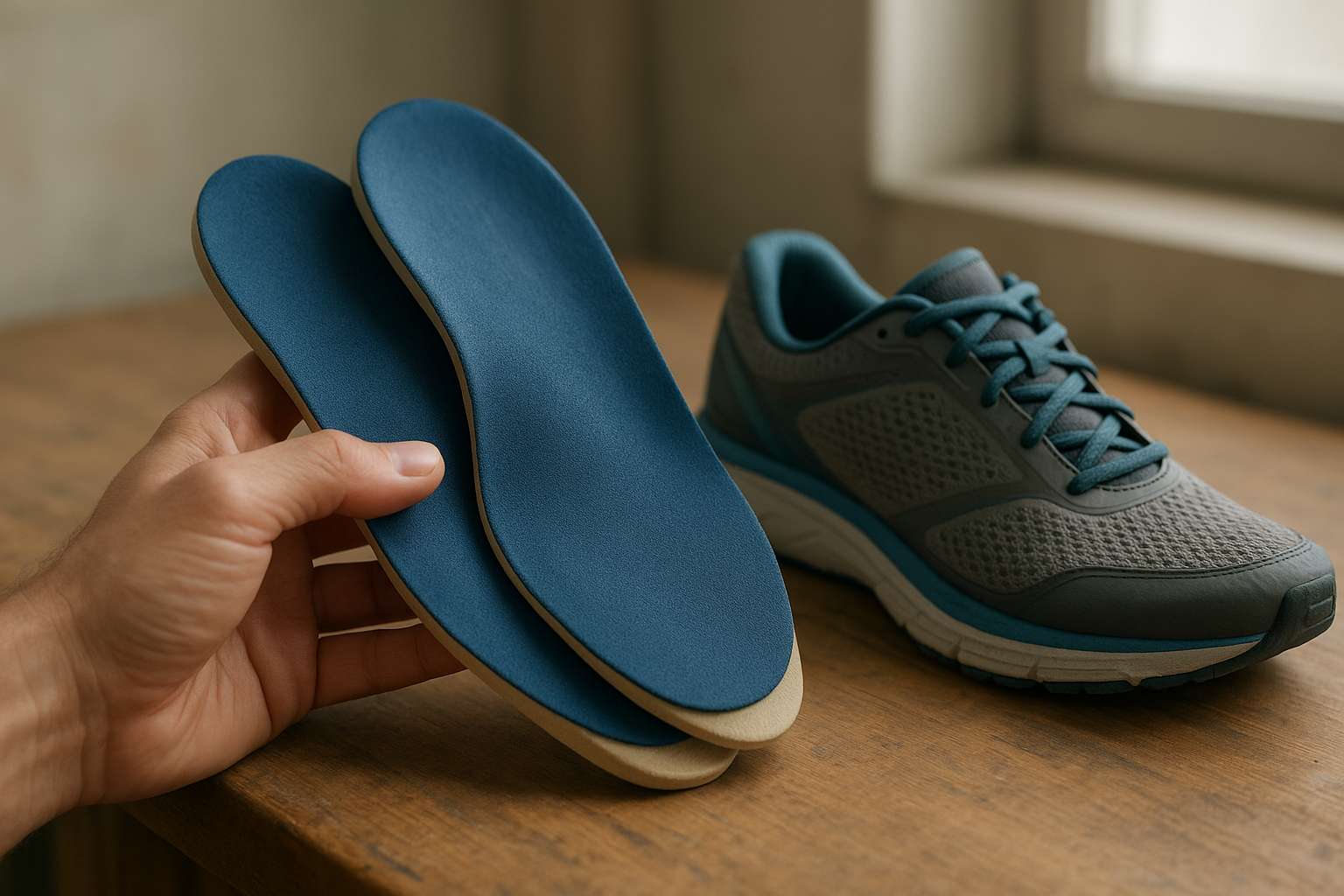
Custom orthotics for sports shoes are molded to match the exact contours of an athlete's feet.
Why Athletic Footwear Needs Custom-Molded Support
Athletic shoes place unique demands on the feet that everyday shoes do not. During sprinting, jumping, or cutting movements, for instance, the foot experiences repeated impact forces that can exceed two to three times body weight. Therefore, without proper internal support, small structural imbalances become amplified over thousands of repetitive motions during a single game or training session.
Moreover, generic insoles are designed around an average foot shape, which rarely matches any one person's actual anatomy. As a result, athletes with flat feet, high arches, or leg-length discrepancies often continue experiencing pain even after switching shoe brands multiple times. A custom-molded device, however, is built specifically to correct these individual patterns.
How Custom Orthotics for Sports Shoes Improve Performance and Prevent Injury
Custom orthotics for sports shoes work by realigning the foot and ankle so that force travels through the body more efficiently. According to research published in the British Journal of Sports Medicine, running-related injuries affect a substantial share of athletes each year, with many cases linked to biomechanical inefficiencies such as overpronation. By correcting that alignment, custom orthotics help reduce the repetitive strain that often leads to shin splints, plantar fasciitis, and stress fractures.
Furthermore, better alignment often translates into improved power transfer. When the foot strikes the ground in a more neutral position, energy loss during push-off decreases. Consequently, many athletes report feeling less fatigue during longer training sessions after switching to properly fitted custom orthotics. You can learn more about this performance connection in this detailed guide to custom orthotics for sports performance.
Common Signs You May Need Orthotic Support for Athletic Shoes
Recognizing the warning signs early can prevent a minor issue from becoming a chronic injury. In particular, watch for these common indicators:
- Persistent arch, heel, or ball-of-foot pain during or after activity
- Uneven wear patterns on the outsoles of your athletic shoes
- Recurring ankle sprains or a feeling of instability during quick movements
- Knee, hip, or lower back pain that appears only during sports
- A history of stress fractures, shin splints, or plantar fasciitis
If several of these apply, it is worth scheduling an evaluation. For a broader overview of foot conditions common among active individuals, the complete performance guide for athletes covers additional symptoms worth monitoring.
How to Get Custom Orthotics Fitted for Your Sports Shoes
Getting fitted is a straightforward process when working with an experienced podiatrist. Below is the typical sequence most patients follow:
- Schedule a consultation. Speak with a podiatrist by phone or online to discuss your activity level, footwear, and any pain or imbalance you experience during sports.
- Get a foot mold taken. A precise cast or digital scan of each foot is taken to capture arch height, pressure points, and structural details unique to you.
- Specify your sport and shoe type. Provide details about the specific athletic shoes you wear so the orthotic can be shaped to match the internal volume and heel drop.
- Fabrication of the orthotic device. Skilled technicians build the orthotic from durable materials selected to match your sport's impact level and support requirements.
- Fitting and break-in period. Wear the orthotics gradually inside your sports shoes over one to two weeks, increasing use slowly to allow your feet to adapt comfortably.
Those ready to begin can request a complimentary consultation directly through customorthotics.com to start the molding process.
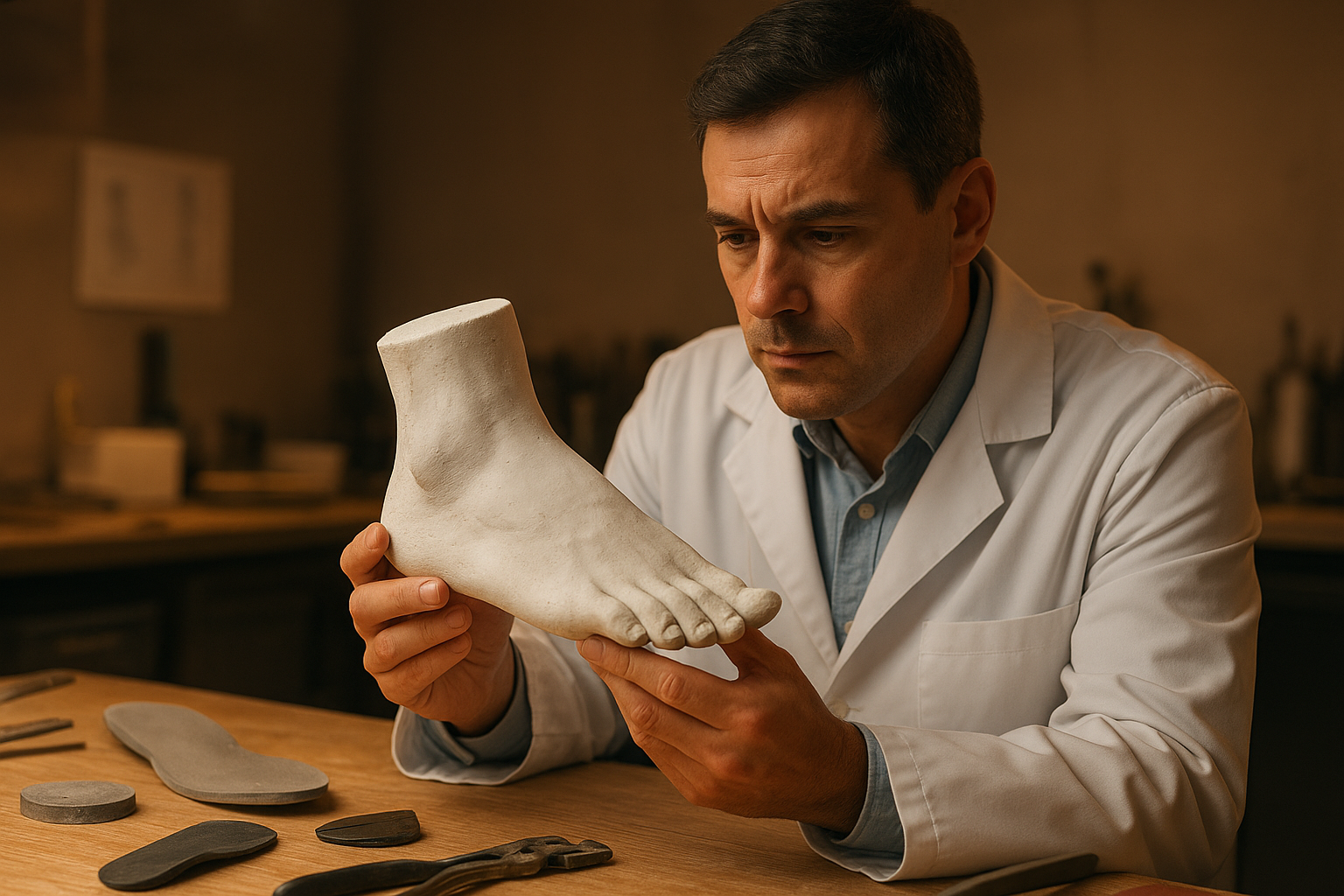
A precise foot mold is the foundation of every custom orthotic device.
Choosing Custom Orthotics for Different Sports and Shoe Types
Not every athletic shoe has the same internal shape, so orthotic design must adapt accordingly. For running shoes, a lower-profile device usually works best to preserve the shoe's natural flex. In contrast, cleats for soccer or football often require a more rigid base to handle lateral cutting movements on uneven turf.
Similarly, basketball and court shoes benefit from orthotics that emphasize stability during jumping and quick direction changes. Meanwhile, recreational athletes who cross-train across multiple activities may need a slightly more versatile design. Those exploring options beyond competitive sports can review this guide on custom orthotics for recreational activities for additional context.
Custom Orthotics vs Off-the-Shelf Sports Insoles: What Is the Difference?
Off-the-shelf insoles, available at most retail stores, are manufactured in bulk using generic foot shapes. While they may offer temporary cushioning, they rarely correct the underlying biomechanical issue causing pain. Custom orthotics, on the other hand, are built from an individual mold and therefore target the specific imbalance affecting that athlete.
Price is often the deciding factor for many shoppers. However, athletes seeking a middle ground can explore cost-effective options through this resource on affordable custom-fit sports orthotics, which outlines ways to access professional-grade support without excessive expense. According to the American Podiatric Medical Association, properly fitted orthotic devices remain one of the most effective conservative treatments for chronic foot pain.
Supporting Research and Background on Orthotic Devices
For readers interested in the broader science behind orthotic devices, the Wikipedia overview of orthotics explains the history and clinical applications of these devices across medicine. Additionally, the Centers for Disease Control and Prevention publishes general guidance on preventing sports-related injuries, which complements the biomechanical benefits discussed throughout this article. Athletes who want a deeper dive into personalized fitting strategies may also find value in this full guide to personalized foot solutions for athletes.
Properly fitted orthotics help athletes train with better alignment and less fatigue.
Frequently Asked Questions About Custom Orthotics for Sports Shoes
What are custom orthotics for sports shoes?
Custom orthotics for sports shoes are podiatrist-designed inserts molded from an exact cast of your feet and shaped to fit the volume of athletic footwear. They correct individual biomechanical issues rather than offering generic cushioning.
How do custom orthotics differ from regular insoles?
Regular insoles are mass-produced in standard sizes, while custom orthotics are built from a direct mold of your foot. This means they address your specific arch height, pronation pattern, and pressure points.
Can custom orthotics fit inside running shoes and cleats?
Yes, custom orthotics can be fabricated to fit the specific volume and shape of running shoes, cleats, basketball shoes, and other athletic footwear. A podiatrist adjusts the thickness and materials based on shoe type.
How much do custom orthotics for sports shoes cost?
Costs vary depending on materials and complexity, but custom orthotics typically range from a few hundred dollars per pair. Many practices offer financing or insurance assistance to reduce out-of-pocket expense.
How long does it take to get custom orthotics made?
Most custom orthotics take two to four weeks from the initial mold to final fitting. This timeline allows for careful fabrication based on the exact cast of your feet.
Do custom orthotics improve athletic performance?
Custom orthotics can improve performance by correcting alignment issues that waste energy and increase injury risk. Better foot positioning allows for more efficient force transfer during running, jumping, and cutting movements.
What sports conditions benefit most from custom orthotics?
Plantar fasciitis, shin splints, overpronation, and chronic ankle instability often respond well to custom orthotic support. Athletes with high arches or flat feet also see significant benefit.
Can I use the same orthotics for multiple sports?
In many cases, one pair of custom orthotics can transfer between similar shoe types, but sport-specific pairs are often recommended. Cleats, running shoes, and court shoes have different volumes that affect fit.
What is the biggest mistake athletes make with orthotics?
A common mistake is choosing generic drugstore insoles instead of a properly molded device, which fails to address individual biomechanics. Another frequent error is skipping the break-in period before competition.
How do I know if I need custom orthotics for sports shoes?
Persistent foot, knee, or hip pain during activity, uneven shoe wear, or a history of overuse injuries are signs you may benefit. A podiatrist consultation can confirm whether custom orthotics are appropriate.
Are custom orthotics covered by insurance?
Some insurance plans partially cover custom orthotics when deemed medically necessary by a podiatrist. Coverage varies, so it is best to verify benefits before ordering.
How often should sports orthotics be replaced?
Most custom orthotics last one to three years depending on activity level and materials used. High-impact sports may wear down the device faster than low-impact activities.
Final Thoughts on Custom Orthotics for Sports Shoes
In summary, custom orthotics for sports shoes offer a precise, individualized solution for athletes dealing with recurring foot, knee, or ankle pain. Unlike generic insoles, these devices are molded directly from each patient's feet and shaped to match the specific demands of running shoes, cleats, or court footwear. As a result, many athletes experience improved alignment, reduced injury risk, and better overall performance.
Ultimately, the first step toward lasting relief is a proper evaluation. Whether you train locally or order remotely, scheduling a complimentary consultation through customorthotics.com is a practical way to determine whether custom orthotics for sports shoes are the right fit for your training goals.