

Walking aids for flat feet range from custom orthotics to supportive footwear, canes, and braces designed to ease pain and improve stability when the foot's arch collapses during movement. If you have flat feet, also called pes planus (the medical term for a flattened foot arch), everyday walking can strain the heels, knees, and lower back because the arch fails to absorb shock properly. Fortunately, the right combination of devices and professional guidance can restore comfort with every step. This guide explains the most effective walking aids for flat feet, how they work, and how to choose support that fits your lifestyle.
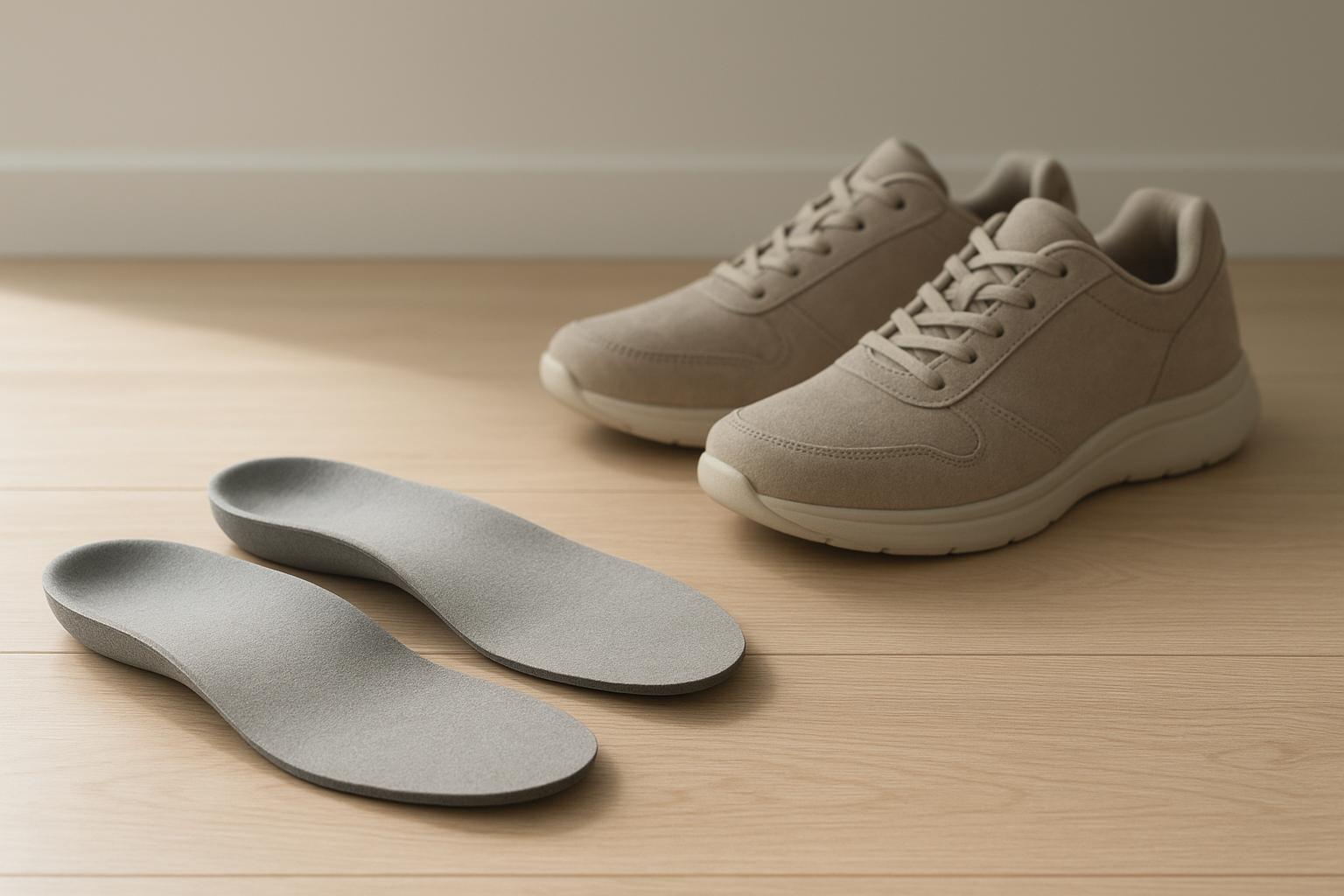
Custom orthotic insoles are among the most effective walking aids for flat feet.
What Are Walking Aids for Flat Feet?
Walking aids for flat feet are devices—such as custom orthotics, supportive shoes, canes, or ankle braces—that correct arch alignment, redistribute pressure, and reduce strain during walking. They work by restoring the foot's natural shock-absorbing function, which a flattened arch cannot provide on its own.
In particular, these aids fall into two broad categories: devices worn inside or under the foot, like orthotics and inserts, and external support tools, like canes or braces, that reduce weight placed on a painful limb. Specifically, most people with flexible flatfoot benefit most from orthotics and footwear changes, while those with more advanced structural issues may need bracing or a cane during flare-ups. According to the American Podiatric Medical Association, proper arch support is one of the most effective non-surgical ways to manage flatfoot-related pain.
Understanding Flat Feet: Causes and Symptoms
Flat feet occur when the arch along the inside of the foot flattens, either from birth or over time due to injury, aging, or worn tendons. As a result, the foot tends to roll inward, a motion known as overpronation, which places extra stress on the ankles, knees, and hips.
Research suggests that flat feet affect a substantial share of adults, with prevalence estimates ranging from roughly 20% to over 35% depending on the population studied, according to data summarized by the National Library of Medicine. Common symptoms include heel pain, swelling along the arch, and fatigue after standing or walking for extended periods. Furthermore, flat feet can contribute to shin splints, bunions, and even lower back pain because the misalignment travels up the kinetic chain. For a deeper breakdown of symptoms and causes, this expert guide to flat feet support covers the condition in more detail.
Best Mobility Aids and Foot Support for Flat Feet
Choosing the right foot support for flat feet depends on the severity of the arch collapse and your daily activity level. Below are the most common and effective options, each suited to different needs.
Custom Orthotics for Arch Support
Custom orthotics are fabricated from an individual mold of your foot, which means they match your exact arch shape rather than a generic template. Because of this precision, they correct pronation patterns more accurately than mass-produced insoles and tend to last longer under daily use. Practices with podiatrists on staff, such as the team behind customorthotics.com, take a physical mold before fabricating each device, ensuring the final product addresses the root cause of discomfort rather than masking it.
Supportive Footwear and Shoe Inserts
Supportive shoes with a firm heel counter and a structured midsole help stabilize the foot before any insert is added. In addition, quality shoe inserts can supplement footwear for people with mild flat feet who do not yet need a fully custom device. That said, inserts generally wear out faster and provide less precise correction than custom options, as explained in this guide to shoe inserts for flat feet relief.
Canes and Walking Sticks for Stability
For individuals experiencing acute pain flare-ups or balance issues related to flat feet, a cane or walking stick can offload pressure from the affected foot. Typically, a cane is held on the opposite side of the painful foot to shift weight away from the compromised arch. While not a long-term fix, this approach can be useful during recovery periods or after an injury.
Ankle-Foot Orthoses (AFOs)
Ankle-foot orthoses, or AFOs, are rigid or semi-rigid braces that extend from below the knee to the foot, providing stronger control over alignment than a standard insole. Consequently, podiatrists often recommend AFOs for more severe or rigid flatfoot cases where orthotics alone are not enough. According to the overview on Wikipedia's ankle-foot orthosis entry, these devices are also widely used for neuromuscular conditions affecting gait.
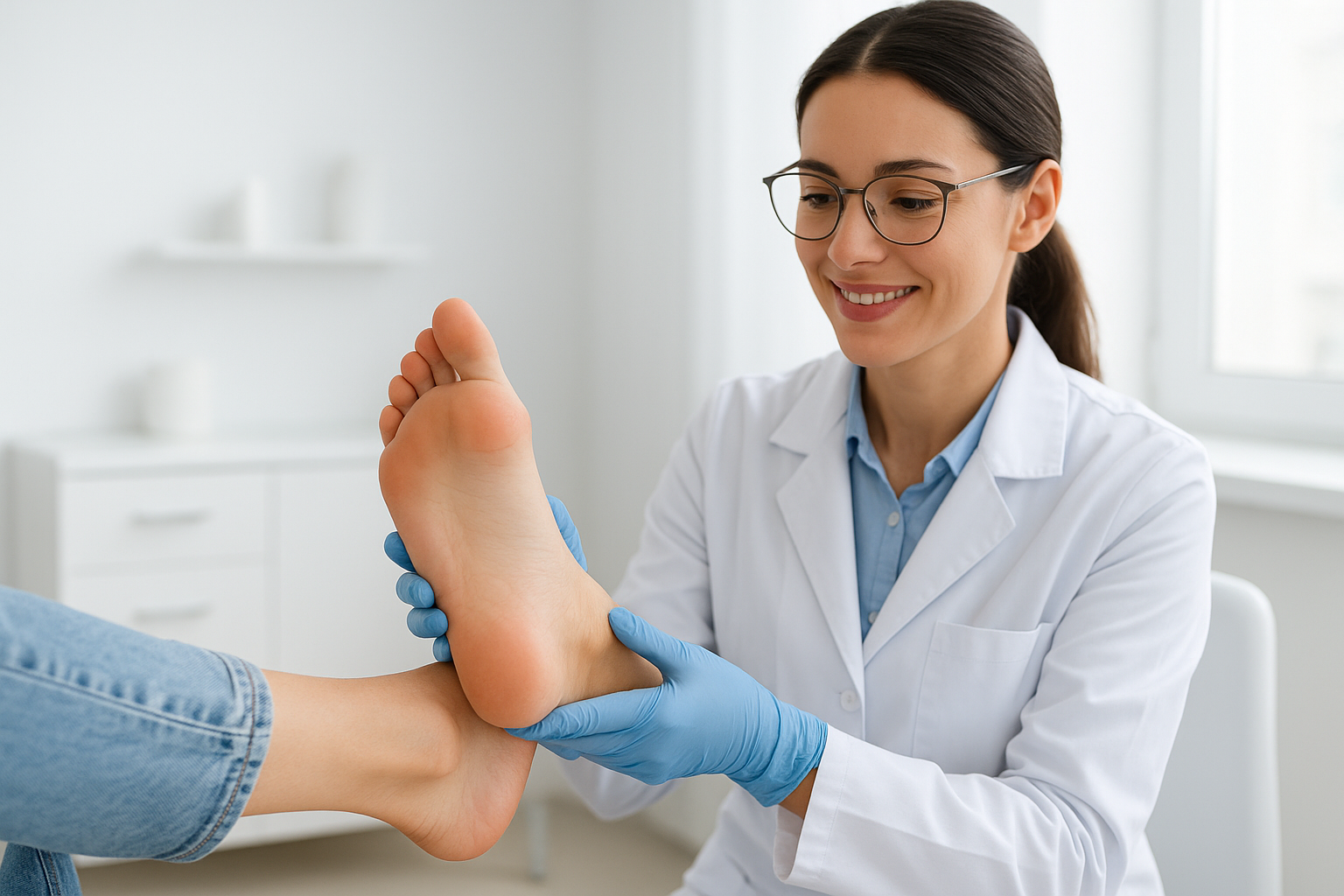
A professional evaluation helps determine the right walking aids for flat feet based on arch type.
How to Choose the Right Flat Foot Support
Selecting flat foot support starts with understanding whether your flatfoot is flexible or rigid, since each type responds differently to treatment. Flexible flatfoot, where the arch appears when sitting but flattens under weight, usually responds well to orthotics and supportive shoes. Rigid flatfoot, on the other hand, may require bracing or further medical evaluation.
Above all, comfort and fit should guide your decision rather than price alone. Similarly, activity level matters: someone who stands all day at work needs different support than someone who walks occasionally for exercise. For a side-by-side comparison of available options, this foot support for flat feet comparison guide breaks down relief tips by lifestyle. If pain persists despite trying footwear changes, scheduling a consultation with a podiatrist is the next logical step.
Step-by-Step: Getting Fitted for Custom Orthotics
Getting custom orthotics as a walking aid for flat feet follows a straightforward process from consultation to final fitting. Below is the typical sequence patients can expect.
- Schedule a consultation. Contact a podiatrist for a complimentary phone or online consultation to discuss symptoms, foot history, and daily activity level before any mold is taken.
- Get a mold or scan. A podiatrist takes a precise physical mold or digital scan of each foot while standing to capture the exact arch structure and pressure points.
- Fabrication. Technicians fabricate the orthotic device using the mold specifications, selecting materials based on weight, gait pattern, and activity needs.
- Fitting and adjustments. Try on the finished orthotics inside supportive shoes and request adjustments for comfort, arch height, or pressure distribution as needed.
- Follow up. Schedule a follow-up visit within a few weeks to confirm pain relief and verify the orthotics continue supporting your walking pattern correctly.
Many practices, including the podiatrist-led team at customorthotics.com, offer this entire process either in person or remotely through an online ordering platform, which makes professional-grade support accessible regardless of location.
Common Mistakes When Using Walking Aids for Flat Arches
One frequent mistake is buying generic insoles without professional guidance, which rarely addresses the specific way an individual's arch collapses. Another common error is pairing a good orthotic with worn-out or unsupportive shoes, which undermines the device's effectiveness entirely.
In addition, many people stop using their walking aids too soon, before the foot and surrounding muscles have adjusted to the new alignment. Similarly, ignoring persistent pain instead of consulting a podiatrist often allows a minor imbalance to progress into a more serious structural problem. For further guidance on avoiding these pitfalls, see this complete walking aids for foot comfort guide.
Why Custom Orthotics Outperform Off-the-Shelf Insoles
Off-the-shelf insoles are built to fit an average foot shape, which means they rarely match the specific contours of someone with flat feet. Custom orthotics, by contrast, are molded directly from the patient's foot, so they conform precisely to the arch and pressure points unique to that individual.
As a result, custom devices tend to provide longer-lasting relief and better correction of overpronation than generic inserts. For readers comparing both paths in depth, this podiatrist's complete guide to custom orthotics for flat feet outlines the clinical reasoning behind that difference. With more than 20 years of fabrication experience and an A+ Better Business Bureau rating, practices specializing in custom molds bring a level of craftsmanship that mass production simply cannot replicate.

Pairing the right footwear with orthotics supports comfortable, pain-free walking.
Frequently Asked Questions About Walking Aids for Flat Feet
What are walking aids for flat feet?
Walking aids for flat feet are devices such as custom orthotics, supportive shoes, canes, or ankle braces that correct arch alignment and reduce strain during walking. They restore the shock-absorbing function a collapsed arch normally provides.
How do custom orthotics help flat feet when walking?
Custom orthotics are molded to the exact shape of your foot, so they cradle the arch and redistribute pressure evenly across the sole. As a result, they reduce overpronation and ease strain on the knees, hips, and lower back.
Why do flat feet cause pain during long walks?
Flat feet lack a raised arch to absorb impact, so shock travels directly into the heel, ankle, and knee joints. Over time, this uneven force distribution leads to fatigue, inflammation, and chronic pain.
What is the difference between orthotics and regular shoe inserts?
Regular shoe inserts are mass-produced and offer generic cushioning, while custom orthotics are fabricated from an individual mold of your foot. Consequently, orthotics address your specific arch structure rather than a general shape.
How much do custom orthotics cost?
Custom orthotics typically cost more than off-the-shelf insoles because they require a personalized mold and hands-on fabrication. Pricing varies by provider, so a complimentary consultation is the best way to get an accurate estimate.
How long does it take to get fitted for custom orthotics?
An initial consultation and mold-taking session usually takes less than an hour. After that, fabrication generally takes one to three weeks before the finished orthotics are ready for fitting.
Can children use walking aids for flat feet?
Yes, children with flexible or rigid flatfoot can benefit from supportive footwear or pediatric orthotics. However, a podiatrist should evaluate the child first, since growing feet require different support than adult feet.
What are the best shoes to pair with flat foot support?
Shoes with a firm heel counter, wide toe box, and removable insole work best alongside custom orthotics or inserts. In contrast, flexible or minimalist shoes often fail to provide enough structure for a collapsed arch.
When should someone see a podiatrist about flat feet?
You should see a podiatrist if flat feet cause persistent pain, swelling, or difficulty walking that does not improve with rest. Early evaluation can prevent the structural imbalance from worsening over time.
What common mistakes do people make when choosing flat foot support?
A common mistake is buying generic insoles without professional guidance, which rarely addresses the specific arch collapse pattern. Another frequent error is ignoring footwear quality while relying solely on an insert for support.
Are over-the-counter insoles as effective as custom orthotics?
Over-the-counter insoles can offer temporary comfort, but they are not molded to an individual foot shape. Therefore, they generally provide less precise correction than custom orthotics for moderate to severe flat feet.
How often should orthotics be replaced?
Most custom orthotics last between two and five years depending on activity level and material wear. If you notice reduced support, visible cracking, or returning pain, it is time for a replacement evaluation.
Ready to find the right walking aids for flat feet? You can request a complimentary consultation directly with a podiatrist, or explore custom orthotic options through the online platform at customorthotics.com.
Conclusion
Ultimately, choosing the right walking aids for flat feet comes down to understanding your arch type, activity level, and the severity of your symptoms. Whether that means supportive footwear, over-the-counter inserts, or fully custom orthotics molded by a podiatrist, the goal remains the same: restoring natural alignment and reducing pain with every step. Because flat feet affect a significant portion of the population, professional guidance makes a meaningful difference in long-term comfort and mobility. If daily discomfort continues despite trying basic fixes, a consultation with a podiatrist is a sensible next step toward lasting relief.