

Customized Support for Flat Feet: The Complete Expert Guide to Relief, Orthotics & Recovery
Last updated: July 14, 2025 · 12-minute read · Reviewed by a licensed podiatric specialist
Customized support for flat feet is one of the most clinically validated approaches to relieving chronic foot pain, correcting dangerous biomechanical misalignment, and restoring comfortable movement throughout daily life. Flat feet — medically termed pes planus — occur when the medial arch collapses, causing the entire plantar surface of the foot to contact the ground. According to the American Podiatric Medical Association, approximately 25% of adults in the United States have flat feet, yet the majority go without targeted treatment for years — silently accumulating damage in their knees, hips, and lower back.
This guide covers everything you need: the clinical difference between adult and pediatric flat feet, all three orthotic types, how the fitting process works step by step, which exercises maximize results, footwear guidance, cost and insurance realities, warning signs you should not ignore, and honest answers to every question you likely have. By the time you finish reading, you will know exactly what customized flat foot support involves and whether it is right for you.
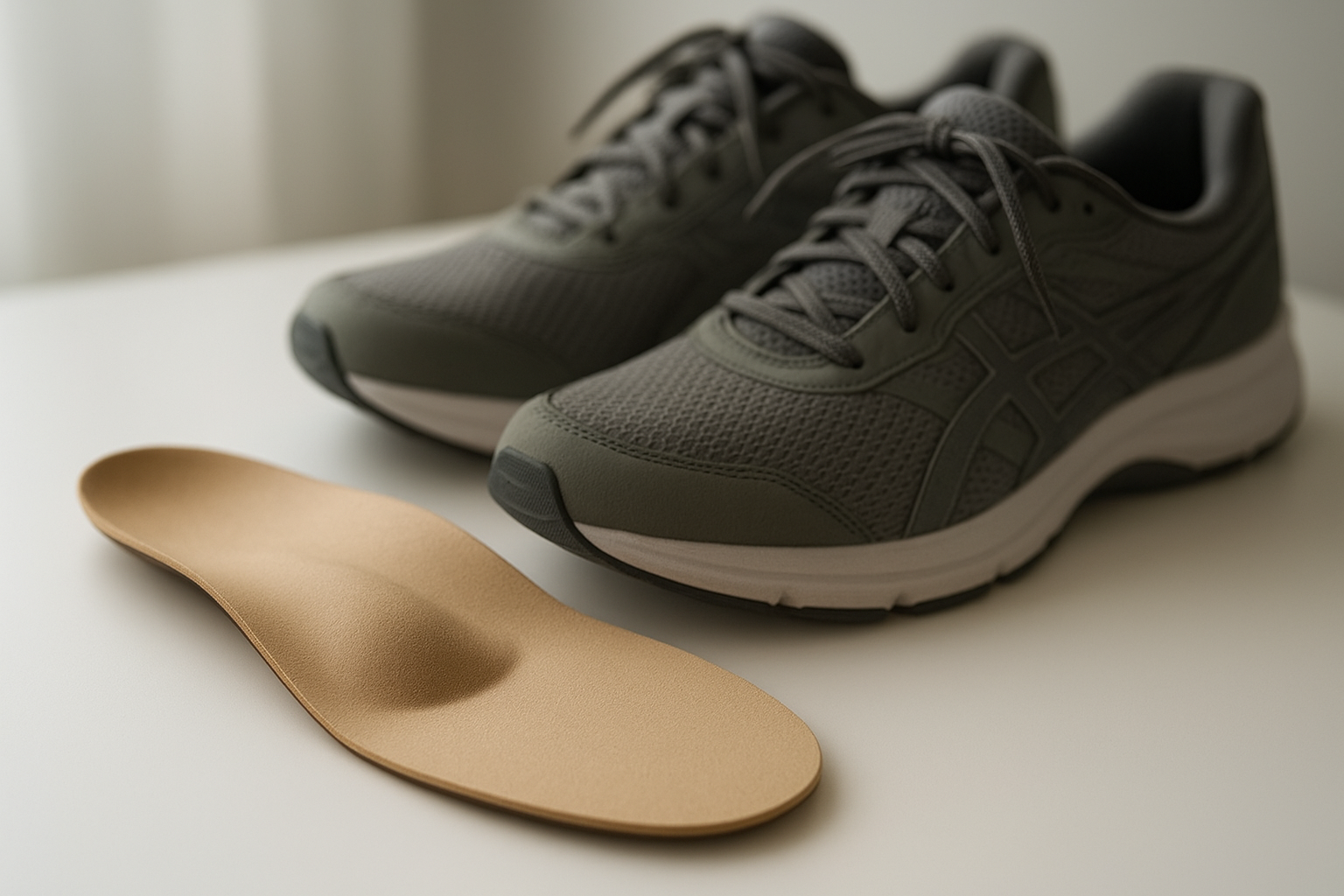
Custom orthotic insoles are shaped precisely to each individual's foot, delivering targeted arch support that no generic insole can replicate.
Understanding Flat Feet: Types, Causes, and Why They Matter
Before choosing the right customized support for flat feet, it is essential to understand what type of flat foot you or your child actually has. Not all flat feet are the same, and the wrong approach can be ineffective or even counterproductive.
Flexible Flat Feet vs. Rigid Flat Feet
Flexible flat feet are by far the most common type. When you sit or lift your foot off the ground, a visible arch appears — but when you stand and bear weight, the arch collapses. This type is generally more responsive to customized orthotic support, footwear modification, and exercise therapy.
Rigid flat feet show no arch whether weight-bearing or not. This structural condition often stems from tarsal coalition (fused bones) or congenital abnormalities and may require more intensive intervention, including physical therapy or — in rare cases — surgical evaluation. Custom orthotics still play a role, primarily in pain management and load redistribution.
Root Causes of Arch Collapse
- Posterior tibial tendon dysfunction (PTTD): The most common acquired cause in adults. The tendon that runs along the inner ankle weakens and can no longer support the arch.
- Genetics: Flat feet run in families. If a parent has pes planus, children are significantly more likely to develop it.
- Obesity: Excess body weight increases mechanical load on the arch, accelerating collapse over time.
- Pregnancy: Hormonal changes relax ligaments throughout the body, including those that support the arch.
- Injury: Fractures, dislocations, or ligament tears in the foot or ankle can destabilize the arch permanently.
- Aging: Tendons and ligaments naturally lose elasticity over time, contributing to progressive arch flattening.
Understanding your specific cause matters because it shapes which customized flat foot solution will be most effective for you. A podiatrist evaluation is the only way to identify the underlying driver with confidence.
What Is Customized Support for Flat Feet?
Customized support for flat feet is a personalized, clinician-directed approach to correcting arch collapse using devices fabricated from a precise mold or 3D scan of your individual foot. These are not the foam insoles you find in a pharmacy aisle. They are medical-grade devices engineered to your foot's exact geometry, weight distribution, and biomechanical needs.
Custom orthotics accomplish three primary goals:
- Redistribute plantar pressure — shifting load away from overworked areas like the heel and inner forefoot
- Control overpronation — reducing the excessive inward rolling of the foot that strains tendons, ligaments, and joints throughout the lower body
- Support the medial arch — providing the structural foundation the collapsed arch can no longer generate on its own
The result is a cascade of benefits that extend well beyond the foot: reduced knee pain, improved hip alignment, less lower back strain, and noticeably better endurance when standing or walking for extended periods.
Warning Signs You Need Personalized Flat Foot Support Now
Many people with flat feet minimize their symptoms until they reach a point of significant, daily interference. The following are clinical indicators that you should not delay seeking a customized solution:
- Aching, burning, or stabbing pain along the inner arch or heel — especially in the morning
- Swelling along the inside of the ankle or along the posterior tibial tendon
- Knee pain that worsens with prolonged standing or stair use
- Hip or lower back pain that seems unexplained by any injury
- Shoes that wear unevenly — particularly along the inner heel and ball of the foot
- Difficulty or pain when rising onto your tiptoes
- Fatigue in your legs or feet after walking distances that did not previously cause discomfort
- Visible inward tilting of the ankle when you stand
⚠ When to Seek Urgent Care
If you experience sudden, severe arch pain, significant ankle swelling, or an inability to bear weight — particularly after an injury — seek medical evaluation promptly. These may signal acute tendon rupture or fracture, not routine flat foot discomfort.
Early intervention with customized arch support reliably prevents escalation into plantar fasciitis, Achilles tendinopathy, shin splints, and stress fractures — all conditions that dramatically extend recovery time and cost.
Why Generic Insoles Consistently Fall Short
Over-the-counter insoles are engineered for an average, hypothetical foot — not yours. They come in predetermined arch heights and use uniform materials that cannot account for your specific gait pattern, weight, activity level, or the degree of your arch collapse.
The problems with generic insoles for flat feet include:
- Incorrect arch height: An insole arch that is too high creates painful new pressure points; one that is too low provides no correction at all.
- No biomechanical correction: Generic insoles cushion but do not control motion. Overpronation continues unchecked.
- Rapid degradation: Foam insoles typically flatten within 3–6 months, providing progressively less support without obvious signs of wear.
- False confidence: Temporary pain relief from cushioning may delay proper diagnosis and treatment, allowing underlying conditions to worsen.
A professional evaluation is always the recommended starting point — not a trip to the pharmacy. The cost difference between a well-fitted custom orthotic and months of failed generic insoles is often smaller than people expect, especially when insurance is factored in.
Types of Orthotic Devices for Flat Foot Arch Correction
Custom orthotics are not one-size-fits-all — even within the custom category, there are distinct types designed for different needs, activities, and severity levels. Understanding these distinctions helps you have a more productive conversation with your podiatrist.
Rigid (Functional) Orthotics
Rigid orthotics are fabricated from firm materials such as carbon fiber, polypropylene, or hard acrylic. They are engineered primarily to control abnormal foot motion and correct severe overpronation. Because they do not flex significantly, they are best suited to closed-toe dress shoes or athletic footwear with a deep heel cup.
Best for: Adults with moderate to severe flat feet, significant overpronation, or posterior tibial tendon dysfunction. Requires a longer break-in period — typically two to four weeks.
Semi-Rigid (Accommodative-Functional) Orthotics
Semi-rigid orthotics combine a firm inner shell with soft cushioning layers on top and underneath. This construction provides meaningful biomechanical correction while absorbing impact — a critical balance for active individuals who need both support and shock absorption during repetitive loading activities like running, cycling, or court sports.
Best for: Athletes, active adults, and adolescents with flat feet who need support without sacrificing comfort or performance. The most prescribed type overall.
Soft (Accommodative) Orthotics
Soft orthotics are crafted from compressible foam, EVA, or gel compounds. They prioritize pressure redistribution and cushioning over motion control, making them highly effective for individuals who need to reduce focal pressure hotspots rather than correct significant mechanical deformity.
Best for: Elderly patients, individuals with diabetic peripheral neuropathy, post-surgical recovery, or those with fragile skin who cannot tolerate firm materials. Also ideal for people in the early stages of flat foot development who are not yet experiencing significant overpronation.
Specialty Orthotics: Sports, Dress, and Pediatric Variants
Beyond the three main categories, custom orthotics are also fabricated for specific use contexts:
- Sport-specific orthotics are trimmed and profiled for the internal geometry of cleats, cycling shoes, ski boots, or skates — environments where standard orthotics cannot fit.
- Dress orthotics are slimmer and lower-profile, designed to fit into formal footwear without visible bulk or friction.
- Pediatric orthotics are constructed from flexible, growth-accommodating materials and are designed to be replaced as the child's foot develops — typically every 12 to 18 months in younger children.
How to Get Customized Support for Flat Feet: Step-by-Step
The process of obtaining a custom orthotic is more straightforward than most patients expect. Here is a detailed, sequential walkthrough from first symptoms to full-time comfortable use.
-
Consult a licensed podiatrist or orthopedic specialist.
A podiatrist will conduct a full clinical assessment: visual gait analysis, arch height measurement using the navicular drop test, evaluation of range of motion in the ankle and subtalar joint, and a review of your footwear history. This evaluation determines not just whether you need custom orthotics, but exactly what type, material, and design will be most effective for your specific flat foot pattern.
-
Undergo a foot scan, foam impression, or plaster mold.
Your provider captures a precise, three-dimensional representation of your foot in its neutral, non-weight-bearing position. Modern practices often use computerized pressure mapping (pedobarography) and 3D laser scanning alongside or instead of traditional plaster casting. This ensures the orthotic corrects the true resting architecture of your foot — not its loaded, distorted position.
-
Laboratory fabrication of your custom device.
A specialist orthotic laboratory uses your mold or digital scan to fabricate the device, selecting materials based on your podiatrist's prescription — which specifies arch height, heel cup depth, forefoot posting, and any modifications required by your specific diagnosis. Fabrication typically takes one to three weeks. Some providers use in-office CAD/CAM milling for same-day or next-day turnaround.
-
Fitting and initial wear guidance.
At your fitting appointment, your podiatrist confirms the orthotic seats correctly in your chosen footwear, checks for any pressure points, and instructs you on a gradual wear-in schedule. Typically, this means starting at two to three hours per day and adding one to two hours daily until you reach all-day comfortable wear over one to two weeks.
-
Follow-up assessment at four to six weeks.
This appointment is not optional — it is where fine-tuned adjustments happen. Grinding, adding padding, or modifying the heel cup at this stage dramatically improves long-term outcomes. Studies show patients who complete a follow-up appointment report significantly higher satisfaction than those who do not. Any lingering soreness or new pressure points should be addressed here.
-
Annual review and replacement planning.
Custom orthotics degrade invisibly — the structural correction diminishes before visible wear is obvious. Annual check-ins allow your podiatrist to verify the device's integrity and update the prescription if your foot mechanics have changed. Most quality custom orthotics last two to five years before replacement is necessary.
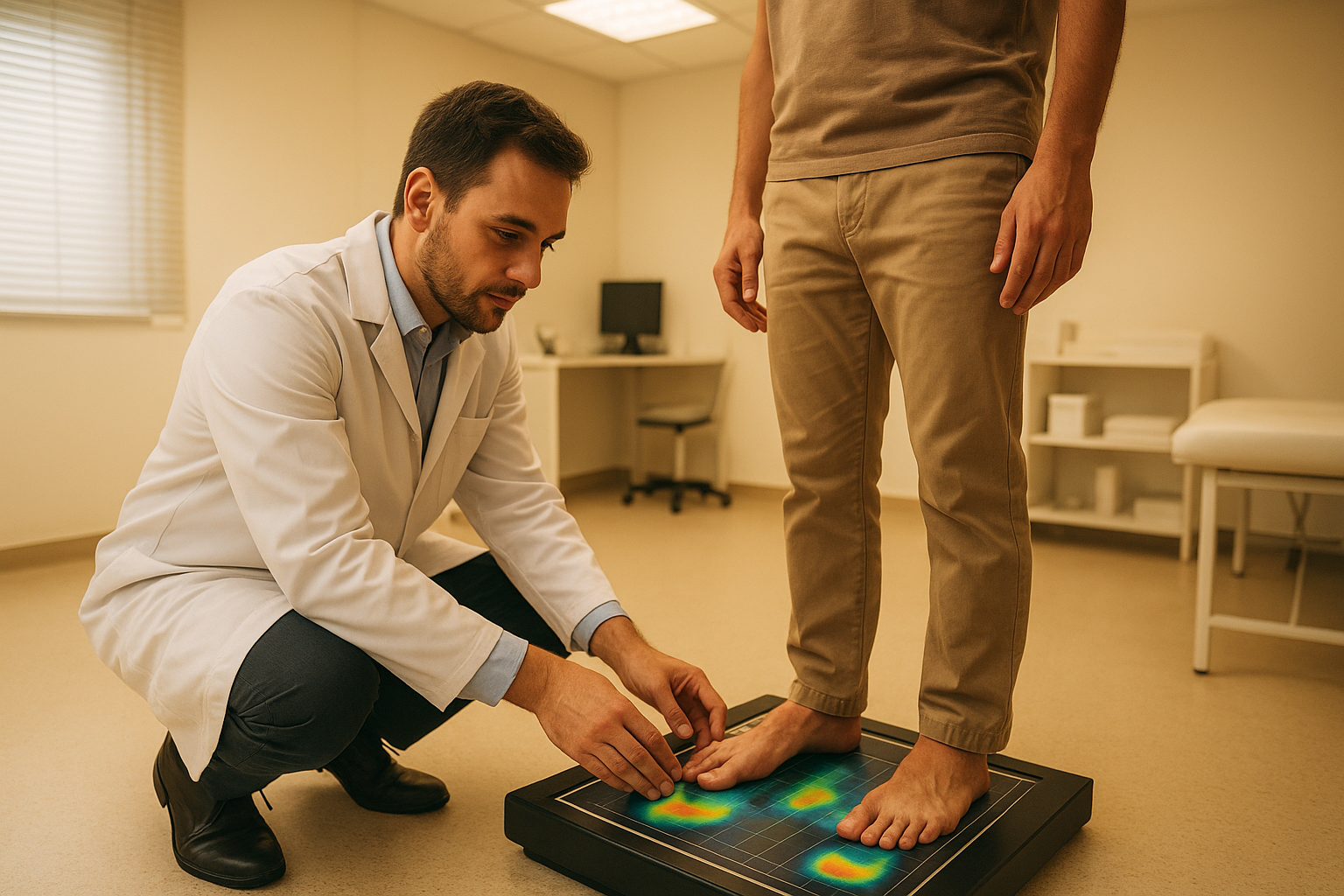
A comprehensive gait analysis — including computerized pressure mapping — allows a podiatrist to design customized flat foot support that is precisely calibrated to your unique biomechanics.
Customized Support for Flat Feet in Adults vs. Children: Key Differences
The approach to customized flat foot support differs meaningfully between adults and children — both in goals and in timing. Understanding these differences helps parents and adult patients set realistic expectations.
Flat Feet in Adults
In adults, the foot's bony architecture is fixed. Custom orthotics therefore focus on managing symptoms, reducing progressive joint damage, and improving functional mobility — not structural correction of the bones themselves. The earlier treatment begins, the more effectively further tendon and ligament deterioration can be slowed.
Adult flat feet commonly result from posterior tibial tendon dysfunction, and without intervention, this condition can progress through four recognized stages — from mild arch flattening all the way to rigid deformity requiring surgical reconstruction. Customized arch support is most effective in stages one and two.
Flat Feet in Children and Adolescents
Most children naturally have flat feet until age three to four, as the arch develops alongside the musculoskeletal system. By age six, a clear arch should be visible in the majority of children. Persistent flat feet beyond this age — particularly when associated with pain, fatigue, abnormal shoe wear, or gait abnormalities — warrant evaluation.
The critical advantage of treating flat feet during childhood is that the foot is still developing and far more responsive to corrective guidance. Well-timed custom orthotics during the growth years can meaningfully influence arch development and reduce the likelihood of symptomatic flat feet in adulthood. Studies suggest that children fitted with appropriate orthotics before age eight show the greatest long-term benefit.
Parents should watch for these indicators in children:
- Complaints of foot or leg pain after normal play activities
- Reluctance to participate in sports or physical activity
- Visible inward rolling of the ankles when standing
- Shoes that show extreme wear on the inner heel within weeks of purchase
- Awkward, toe-out gait pattern
Clinical Evidence: Custom Orthotics for Children
A systematic review published in the Journal of the American Podiatric Medical Association found that custom orthotics produced statistically significant reductions in flat-foot-related pain and improved gait efficiency in pediatric patients compared to no treatment. Early intervention remained the strongest predictor of positive outcome.
Exercises That Multiply the Results of Customized Flat Foot Support
Custom orthotics do the heavy lifting externally — but targeted strengthening exercises build internal arch support that reduces long-term dependence on the devices and accelerates overall recovery. A 2020 study published in the Journal of Orthopaedic Research found that combining custom orthotics with foot-strengthening exercises reduced flat foot pain by up to 54% compared to orthotics alone. This is not a minor supplementary benefit — it is a transformative difference.
Arch-Strengthening Exercises
- Short foot exercise: Seated with your foot flat, draw the ball of the foot toward the heel without curling your toes. Hold for five seconds, release, repeat 10–15 times. This activates the intrinsic arch-stabilizing musculature that generic exercises miss entirely.
- Towel scrunches: Place a small towel flat on a hard floor. Using only your toes, scrunch the towel toward you. Repeat 15 times per foot. Builds the flexor digitorum brevis — a critical arch supporter.
- Single-leg calf raises: Stand on one foot on the edge of a step with your heel hanging off. Slowly raise to full plantarflexion, hold two seconds, then lower below step level. Perform 3 sets of 10 per side. This loads and strengthens the posterior tibial tendon directly — the primary structural support of the medial arch in adults.
- Marble pickups: Using toes only, pick up marbles from the floor and place them in a cup. Strengthens intrinsic toe muscles that contribute to arch rigidity during the push-off phase of gait.
- Arch doming: Standing barefoot, press your big toe firmly into the floor while simultaneously lifting your arch — without curling toes or raising the heel. This is the most functional arch exercise available and should be performed in standing to maximize neuromuscular recruitment.
Stretching for Flat Foot Recovery
Tight calf muscles and a restricted Achilles tendon are consistently found in individuals with flat feet — and they actively worsen arch collapse by pulling the heel into excessive pronation. Include these stretches daily:
- Standing gastrocnemius stretch: Hands on a wall, rear foot flat, front knee bent — hold 30 seconds, three sets per side.
- Soleus stretch: Same position but bend the rear knee slightly. This targets the deeper calf muscle and Achilles insertion, which has a direct mechanical link to arch flattening.
- Plantar fascia stretch: Before getting out of bed, pull your toes back toward your shin and hold for 30 seconds. Dramatically reduces morning heel pain associated with flat feet.
Perform strengthening exercises five days per week and stretching every morning and evening for best results. Most patients begin noticing meaningful improvement within four to six weeks of consistent effort.
Choosing the Right Footwear to Maximize Orthotic Results
Even the most precisely fabricated custom orthotic will underperform in the wrong shoe. Footwear is not a secondary concern — it is a co-equal component of your customized flat foot support system.
What to Look for in Flat-Foot-Friendly Shoes
- Removable factory insole: Essential — your custom orthotic needs to replace it, not sit on top of it. Stacked insoles create instability and crowding.
- Firm midsole: A rigid midsole complements the orthotic's motion-control properties. Overly cushioned, marshmallow-soft midsoles undermine arch correction by allowing excessive medial compression.
- Wide, structured heel counter: A stiff heel cup in the shoe works synergistically with the orthotic to prevent rearfoot eversion — the outward tipping of the heel characteristic of flat feet.
- Wide toe box: Prevents the toes from being compressed, which can redistribute weight in ways that strain the inner forefoot.
- Adequate length and depth: Your foot spreads more under load when you are flat-footed. Shoes that are too narrow or shallow will cause the orthotic to buckle or the foot to overflow the footbed.
Recommended Shoe Categories for Flat Feet
- Motion-control running shoes — highest level of medial support; ideal for severe overpronation
- Stability running shoes — moderate support with guided cushioning; best for mild to moderate flat feet
- Walking shoes with straight last — wider base that accommodates flat foot spread; excellent for everyday use
- Orthopedic dress shoes — extra depth and removable insoles; critical for professionals who wear formal footwear daily
Footwear to Avoid Entirely
- Flip-flops and sandals without arch support — offer zero medial structure; arch collapses maximally with each step
- High heels — shift body weight dramatically onto the forefoot, compressing the inner arch and worsening deformity over time
- Minimalist ("barefoot") shoes — appropriate only for individuals with healthy, strong arches; actively harmful for most people with flat feet
- Worn-out athletic shoes — a shoe whose midsole is compressed provides far less support than the packaging suggests; replace athletic footwear every 400–500 miles or 6 months, whichever comes first
For related reading, explore our guide on choosing the best shoes for overpronation to further support your complete flat foot management strategy.
Who Is the Best Candidate for Customized Flat Foot Support?
Custom arch support benefits a remarkably wide range of people. The common thread is not severity of flat feet — it is the presence of functional impact: pain, fatigue, reduced activity tolerance, or progressive secondary problems in the knees, hips, or back.
- Adults with chronic foot, knee, or lower back pain — the most obvious and most common candidates. Even mild flat feet can be the root cause of pain that appears far from the foot.
- Children aged 6 and above with symptomatic flat feet — the development window makes early treatment particularly high-value.
- Athletes and recreational exercisers — repetitive loading from running, jumping, or court sports exponentially amplifies the mechanical consequences of arch collapse. Stress fractures, shin splints, and IT band syndrome are all associated with unaddressed overpronation.
- Occupational stand-workers — healthcare professionals, teachers, retail workers, manufacturing line workers, and tradespeople who spend six or more hours per day on their feet are at extreme risk. Long-term unaddressed flat feet in this population frequently progress to PTTD that requires surgical intervention.
- Individuals with diabetes — flat feet increase plantar pressure in predictable locations. In patients with reduced sensation, this creates high-risk environments for ulceration. Customized orthotics in this population are not merely a comfort measure — they are a wound prevention strategy.
- Postpartum women — pregnancy-related ligament laxity frequently causes arch collapse that does not spontaneously resolve after delivery. Early postpartum evaluation and support prevents this from becoming permanent.
- Individuals with obesity — the mechanical load increase is non-linear; a 10% increase in body weight produces a substantially greater than 10% increase in arch loading. Custom orthotics help manage this disproportionate stress until weight reduction becomes achievable.
Learn more about managing foot pain from prolonged standing alongside your orthotic treatment plan.
Cost, Insurance, and Value: What to Expect Financially
Cost is one of the most frequently cited barriers to seeking customized support for flat feet — and it is also one of the most misunderstood topics in this space.
Typical Cost Range
- Custom orthotics (podiatrist-prescribed): $200–$800 per pair, with most functional orthotics falling between $300–$500
- Semi-custom (prefabricated, individually fitted): $50–$200 — lower cost, but significantly less biomechanical precision
- Initial podiatrist consultation: $100–$300, depending on provider and location
- Follow-up adjustments: Often included in the initial fee; confirm before your appointment
Insurance Coverage
Many private insurance plans cover a portion of custom orthotic costs when the devices are prescribed by a licensed physician or podiatrist and a documented medical diagnosis supports the prescription. Medicare Part B covers orthotics for beneficiaries with certain qualifying conditions. Flexible Spending Accounts (FSAs) and Health Savings Accounts (HSAs) can always be used to purchase custom orthotics tax-free.
Steps to maximize your insurance reimbursement:
- Obtain a written prescription from your podiatrist with a specific diagnosis code (ICD-10 M21.4 for flat feet)
- Request a letter of medical necessity from your provider
- Verify your plan's coverage for HCPCS code L3000-L3030 before your appointment
- Ask whether your provider participates in your insurance network
The True Cost of Not Treating Flat Feet
Consider the alternative: untreated flat feet commonly lead to plantar fasciitis (average treatment cost: $400–$2,000+), Achilles tendinopathy, stress fractures, or eventually reconstructive surgery — which can cost $20,000–$40,000 and require months of recovery. A $400 orthotic that prevents any of those outcomes is not an expense. It is an investment.
What the Research Says: Evidence for Custom Orthotics
Customized support for flat feet is not a wellness trend or marketing claim. It is supported by a robust body of peer-reviewed clinical evidence across multiple patient populations:
- A clinical review published in the British Journal of Sports Medicine found that custom foot orthoses reduced lower limb pain in over 68% of patients across 11 randomized controlled trials.
- Research in the Journal of Orthopaedic Research (2020) demonstrated that combining custom orthotics with targeted strengthening exercises reduced pain by 54% more than orthotics alone — establishing the exercise-orthotic combination as the gold standard.
- A systematic review in the Journal of the American Podiatric Medical Association confirmed statistically significant pain reduction and gait improvement in pediatric flat foot patients treated with custom orthotics versus controls.
- Biomechanical studies using in-shoe pressure sensors consistently show that custom orthotics reduce peak plantar pressure by 20–40% compared to baseline — a clinically meaningful reduction that explains both immediate symptom relief and long-term tissue protection.
✔ Bottom Line: Does Customized Flat Foot Support Really Work?
Yes — consistently and across all age groups. The evidence is clear: custom orthotics prescribed by a podiatrist and combined with appropriate footwear and strengthening exercises produce meaningful, durable improvements in pain, function, and quality of life for the vast majority of flat-footed individuals. The key is early intervention, a precise fit, and consistent use.
Caring for and Maintaining Your Custom Orthotics
Custom orthotics represent a significant investment. Proper care extends their useful life and ensures consistent performance throughout.
- Clean with a damp cloth and mild soap — never submerge in water or machine wash. Moisture degrades both foam top covers and the adhesives holding layers together.
- Air dry thoroughly before reinserting. Wet orthotics lose structural integrity and become a bacterial breeding environment.
- Rotate between two pairs of shoes daily, allowing orthotics to fully dry between uses.
- Replace top covers annually — the structural shell of a well-made orthotic often outlasts the surface layer. Most providers can replace the top cover at a fraction of the full orthotic cost.
- Inspect regularly for visible cracks in rigid orthotics, compressed foam in soft orthotics, or delamination of layers — all signs that replacement is needed regardless of age.
- Store flat and away from heat — never in a hot car or direct sunlight, which can warp thermoplastic shells and degrade adhesives.
Frequently Asked Questions About Customized Support for Flat Feet
What is customized support for flat feet and how does it differ from regular insoles?
Customized support for flat feet refers to orthotics or insoles precisely fabricated from a mold or scan of your individual foot. Unlike over-the-counter insoles designed for an average foot shape, custom orthotics correct your unique arch collapse pattern, control overpronation specific to your gait, and redistribute plantar pressure based on your actual weight and movement dynamics.
How do I know if I have flat feet?
A simple wet footprint test can provide a preliminary indication — a flat-footed print shows no inward curve along the inner foot. However, self-diagnosis is limited. A podiatrist uses the navicular drop test, arch height index measurement, gait analysis, and clinical assessment to confirm the type and severity of your flat foot condition accurately.
Are custom orthotics better than over-the-counter insoles for flat feet?
Yes, for most people with symptomatic flat feet. Custom orthotics provide precise biomechanical correction that generic insoles cannot. OTC insoles cushion but do not control motion or correct individual gait deviations. Research consistently shows custom devices outperform generic insoles for pain reduction, functional improvement, and long-term outcomes — particularly when flat feet have led to secondary problems like knee or back pain.
How long does it take to get used to custom orthotics?
Most people fully adapt within one to two weeks using a gradual break-in protocol — starting at two to three hours per day and increasing by one to two hours daily. Some initial achiness in the arch or calf is normal and reflects muscles being recruited that were previously underactive. Significant pain, new blisters, or sharp pressure points are not normal and warrant a follow-up adjustment.
Can flat feet cause knee, hip, or lower back pain?
Yes — this kinetic chain effect is one of the most underappreciated consequences of flat feet. Arch collapse causes the leg to internally rotate, which drives the knee inward (valgus stress), strains the hip abductors, and tilts the pelvis forward — all of which contribute to chronic pain far from the foot itself. Correcting foot mechanics with customized flat foot support frequently resolves knee, hip, and lower back pain that did not respond to treatments targeting those areas directly.
How much do custom orthotics for flat feet cost, and is it covered by insurance?
Custom orthotics typically range from $200 to $800 per pair. Many private insurance plans cover a portion of the cost when a podiatrist prescribes them with a documented diagnosis. Medicare Part B covers qualifying patients. FSA and HSA funds can always be applied to custom orthotics. Obtain a written prescription, diagnosis code, and letter of medical necessity to maximize reimbursement.
What types of shoes work best with flat foot orthotics?
Motion-control or stability running shoes with removable insoles, firm midsoles, and wide toe boxes work best with flat foot orthotics. Avoid minimalist shoes, flip-flops, and high heels, which all remove structural support and counteract the orthotic's corrective effect. The shoe must have enough internal depth to accommodate the orthotic without crowding the foot.
Can children with flat feet benefit from custom orthotics?
Yes — and the younger the intervention (after age six), the greater the potential benefit. Children's feet are still developing, which means custom orthotics can influence arch formation during the growth window. Symptomatic flat feet in children — signaled by pain, fatigue, gait abnormalities, or extreme shoe wear — warrant podiatric evaluation. Pediatric orthotics are typically replaced every 12 to 18 months as the foot grows.
How long do custom orthotics last?
Quality custom orthotics typically last two to five years. Activity level, body weight, and material type are the primary variables. Rigid carbon fiber shells last longer than soft foam devices. Top covers usually require replacement annually even when the shell remains functional. Annual podiatric review helps determine when replacement is warranted.
Can flat feet be corrected permanently?
In adults with fixed bony architecture, orthotics manage rather than structurally reverse flat feet. However, significant functional improvement — reduced pain, better alignment, improved endurance — is reliably achievable and sustainable with consistent use. In children, early orthotic intervention combined with strengthening exercise can meaningfully influence arch development during the growth phase, potentially reducing the severity of adult flat foot.
What exercises help flat feet alongside customized support?
The most effective exercises are arch doming, single-leg calf raises, short foot exercises, towel scrunches, and plantar fascia stretching. Together they strengthen the posterior tibial tendon, intrinsic foot muscles, and calf complex — the three structural systems that support the medial arch. A 2020 study showed adding these exercises to custom orthotics reduced pain by 54% more than orthotics alone.
Is there a difference between flexible and rigid flat feet in terms of treatment?
Yes — significantly. Flexible flat feet (arch visible when non-weight-bearing) respond well to custom orthotics, exercise therapy, and appropriate footwear. Rigid flat feet (no arch in any position) often require a more intensive approach, including physical therapy or surgical evaluation in severe cases. Custom orthotics still play a role in rigid flat feet for pain management and pressure redistribution, but correction goals differ.
Conclusion: Take the Right Step Toward Lasting Relief
Customized support for flat feet is the single most effective, evidence-backed intervention available for one of the most common yet undertreated musculoskeletal conditions in adults and children alike. The combination of a precisely fitted custom orthotic, appropriate supportive footwear, and a consistent program of targeted strengthening and stretching exercises creates a comprehensive system that addresses flat feet at every level — structural, biomechanical, and functional.
Whether your flat feet are causing daily heel pain, unexplained knee problems, lower back strain, or simply robbing you of the endurance to stay on your feet, the path forward is clear. Start with a podiatrist evaluation. Get the right customized flat foot support. Commit to the exercises. Choose the right shoes. Follow up.
Do not wait for symptoms to deteriorate into something more serious and costly to treat. The sooner you invest in personalized arch support, the sooner every step feels the way it should. For a comprehensive overview of custom orthotic options, customorthotics.com is an excellent resource to review before your first appointment.