

Treatment for foot stress is most effective when it targets the underlying cause rather than simply masking the discomfort. Whether the strain comes from standing all day, running on hard pavement, or wearing shoes that don't support your arch, your feet absorb an enormous amount of pressure every single day. In fact, the average person takes several thousand steps daily, placing repetitive load on bones, tendons, and ligaments. Fortunately, from custom orthotics to simple lifestyle adjustments, there are proven ways to reduce that strain and restore comfortable movement.
Quick Answer: Treatment for foot stress typically combines rest, supportive footwear, targeted stretching, and custom orthotics to redistribute pressure and reduce strain. For persistent or severe pain, a podiatrist can diagnose the exact cause and recommend a personalized plan.
What Is Treatment for Foot Stress?
Treatment for foot stress is the combined set of methods used to relieve excess pressure and strain on the feet, whether that strain shows up as soreness, swelling, or sharp pain. Specifically, it addresses stress injuries that build up over time rather than a single traumatic event. For example, standing for long shifts at work or walking on unsupportive surfaces gradually overloads the arch, heel, and connective tissue.
As a result, effective treatment usually blends short-term relief with long-term correction. Rest and ice calm the immediate inflammation, while supportive footwear and custom orthotics correct the mechanical imbalance causing the stress in the first place. According to the American Podiatric Medical Association, untreated foot strain can contribute to more serious conditions like plantar fasciitis or stress fractures if left unaddressed.
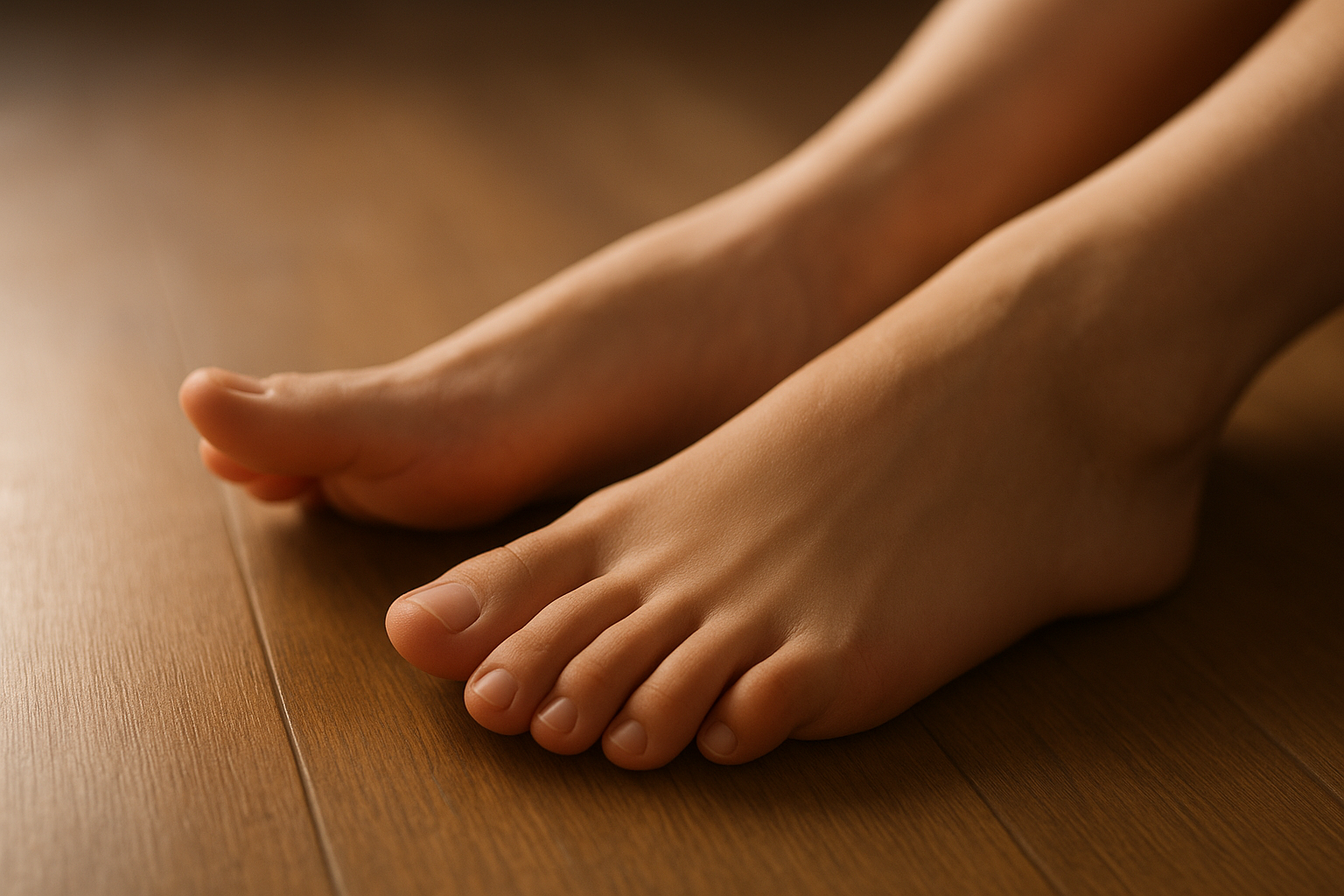
Rest is often the first step in any treatment for foot stress before addressing the underlying mechanical cause.
What Causes Foot Stress and Strain?
Foot stress rarely appears out of nowhere. Instead, it typically builds from a combination of factors that overload the foot's structure over weeks or months. Common contributors include:
- Prolonged standing or walking on hard, flat surfaces
- Worn-out shoes that no longer provide arch support
- Excess body weight placing added pressure on the joints
- Structural issues such as flat feet or high arches
- Sudden increases in running or athletic training volume
Consequently, people who sit most of the day and then suddenly stand for hours at a trade show or during travel often notice flare-ups. Similarly, individuals with flat feet may experience stress more often because their arch cannot absorb shock as efficiently. You can read more about how structural issues contribute to pain in our guide on flat feet causes, symptoms, and solutions.
Signs Your Feet Need Relief
Recognizing early warning signs makes a significant difference in how quickly recovery happens. Pain that worsens throughout the day, noticeable swelling around the ankle or arch, and stiffness after rest are all common indicators. In addition, some people notice their shoes feel tighter by evening, which points to fluid buildup from repetitive strain.
Furthermore, if the discomfort shifts from a dull ache to sharp, localized pain, this may signal a more serious issue such as a stress fracture or tendon irritation. According to MedlinePlus, a service of the U.S. National Library of Medicine, persistent foot pain lasting more than a few weeks warrants professional evaluation. For a broader look at pain management strategies, our article on foot pain therapies that work offers additional context.
Effective Options for Foot Pain Relief and Stress Reduction
Custom Orthotics
Custom orthotics are molded directly from an individual's foot shape, which allows them to correct imbalances that generic insoles cannot address. Because they are built to match the exact contours of each foot, they redistribute pressure away from overworked areas like the heel or ball of the foot. This precision is why podiatrist-fitted orthotics often outperform store-bought options for chronic or recurring foot stress.
Home Remedies and Self-Care
For mild cases, simple self-care steps go a long way. Rest, ice, gentle stretching, and supportive footwear reduce inflammation and give strained tissue time to recover. Likewise, elevating the feet after a long day helps reduce fluid buildup and swelling.
Professional Podiatric Care
When home care isn't enough, a podiatrist can evaluate gait, posture, and foot structure to pinpoint the exact source of strain. From there, they may recommend custom orthotics, physical therapy, or in some cases imaging to rule out fractures. For chronic, recurring pain, our resource on chronic foot pain solutions explores this in more depth.
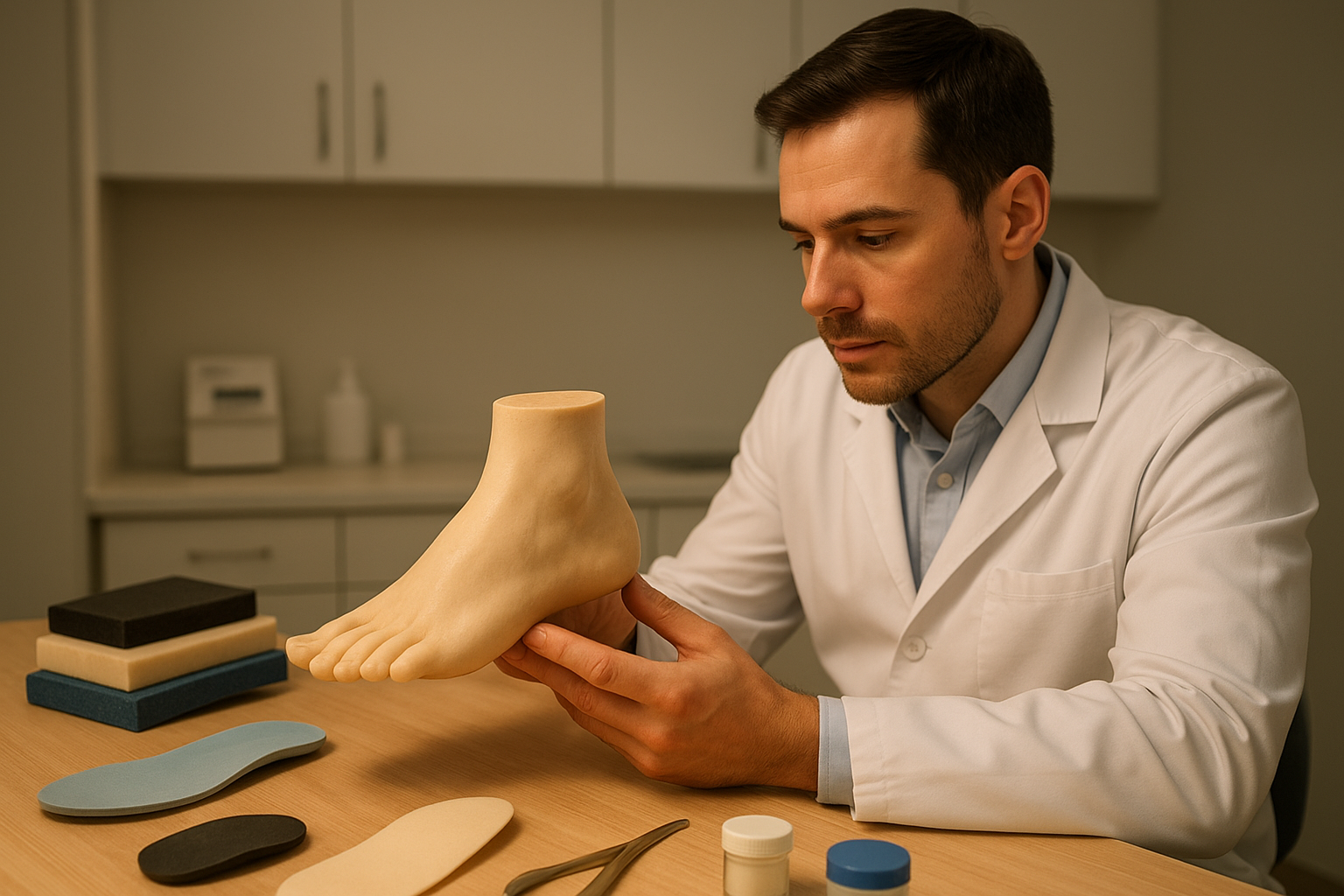
Custom molds allow podiatrists to design orthotics that precisely match each patient's foot structure.
Step-by-Step Guide to Relieving Foot Stress at Home
Before scheduling professional care, many people find relief by following a simple, consistent routine. Here is a straightforward process to try first:
- Rest and elevate your feet. Reduce time spent standing or walking on hard surfaces and elevate your feet above heart level for 15 to 20 minutes to ease swelling.
- Apply ice to reduce inflammation. Use an ice pack wrapped in a thin towel on the sore area for 10 to 15 minutes, several times a day.
- Stretch the calves and plantar fascia. Gently stretch the calf muscles and the bottom of the foot each morning and evening to loosen tight tissue.
- Switch to supportive footwear. Replace worn-out or flat shoes with pairs that offer firm heel support, cushioning, and depth for an insert.
- Add custom orthotics for lasting support. Schedule a consultation to have orthotics molded to your feet, which addresses the root cause of ongoing stress.
If symptoms persist after two weeks of consistent self-care, it's a reasonable signal that a deeper mechanical issue is at play. In that case, moving on to custom orthotics or a podiatric evaluation is typically the next logical step.
How Custom Orthotics Support Foot Stress Management
Unlike mass-produced insoles, custom orthotics are fabricated from an impression of each patient's actual foot. As a result, they distribute weight more evenly across the sole, reducing pressure points that lead to chronic strain. This is particularly helpful for people with flat feet, high arches, or uneven gait patterns, since off-the-shelf products simply cannot adjust to those variations.
At customorthotics.com, a podiatrist-owned practice with more than 20 years of experience fabricates orthotics directly from individual foot molds, ensuring the fit matches each patient's unique structure. Patients can connect directly with the podiatrist for a complimentary consultation or place an order online, which keeps the process accessible whether they visit in person or order remotely. For readers dealing specifically with arch-related strain, the guide on treatment options for flat feet covers additional detail.
Similarly, athletes and people who spend long hours on their feet often use orthotics preventively, not just reactively. Our piece on relieving foot fatigue explains how consistent support can prevent strain before it starts.
When Should You See a Podiatrist?
Most mild foot stress responds to rest, stretching, and better footwear within one to two weeks. However, if pain intensifies, spreads, or is joined by numbness or visible swelling, it's time to consult a specialist. According to background information from the Wikipedia entry on orthotics, these devices are widely used in clinical podiatry precisely because they correct mechanical causes rather than only easing symptoms.
Above all, early evaluation prevents a minor strain from developing into a more serious issue like a stress fracture or tendonitis. A quick phone consultation with a podiatrist can clarify whether home care is sufficient or whether custom orthotics are the better long-term solution.
Frequently Asked Questions About Treatment for Foot Stress
What is treatment for foot stress?
Treatment for foot stress is any approach that reduces repetitive strain and pressure on the feet, including rest, supportive footwear, stretching, and custom orthotics. The goal is to relieve pain while addressing the mechanical cause of the strain.
How long does it take to recover from foot stress?
Mild foot stress often improves within one to two weeks of rest and proper footwear. Chronic cases tied to structural issues like flat feet may take several months of consistent orthotic use to fully resolve.
What causes foot stress in daily life?
Foot stress commonly stems from prolonged standing, unsupportive shoes, excess body weight, repetitive high-impact activity, or biomechanical issues such as flat feet or high arches.
Can custom orthotics help with foot stress?
Yes, custom orthotics are molded to an individual's foot shape and redistribute pressure away from overworked areas. This targeted support often reduces pain more effectively than generic insoles.
What is the difference between foot stress and plantar fasciitis?
Foot stress is a general term for strain on foot tissues, while plantar fasciitis is a specific diagnosis involving inflammation of the plantar fascia band. Plantar fasciitis is one common result of untreated foot stress.
How much does custom orthotic treatment typically cost?
Custom orthotics generally cost more than over-the-counter insoles because they are molded individually and often involve a podiatrist consultation. Pricing varies by provider, so it is best to request a quote directly.
What mistakes do people make when treating foot stress?
A common mistake is ignoring early symptoms and continuing high-impact activity without support. Another is relying on generic insoles that do not match the person's specific foot structure.
Can foot stress go away on its own?
Mild, occasional foot stress sometimes resolves with rest alone. However, if the underlying cause is not corrected, the strain usually returns.
What shoes are best for reducing foot stress?
Shoes with firm heel support, adequate cushioning, and room for orthotic inserts are best for reducing foot stress. Avoid flat, unsupportive footwear or shoes with worn-out soles.
How do I know if I need to see a podiatrist for foot stress?
You should see a podiatrist if pain persists beyond two weeks, worsens with activity, or is accompanied by swelling, numbness, or visible changes in foot shape.
Are stretching exercises effective for foot stress relief?
Yes, calf and plantar fascia stretches improve flexibility and reduce tension on the foot's connective tissue. Consistent stretching, combined with supportive footwear, often speeds up recovery.
How often should orthotics be replaced?
Most custom orthotics last between two and five years depending on activity level and material wear. Replacing them once support breaks down helps maintain consistent relief.
Is foot stress common among runners and athletes?
Yes, runners and athletes experience foot stress frequently due to repetitive impact on hard surfaces. Proper footwear, gradual training increases, and custom orthotics help lower this risk.
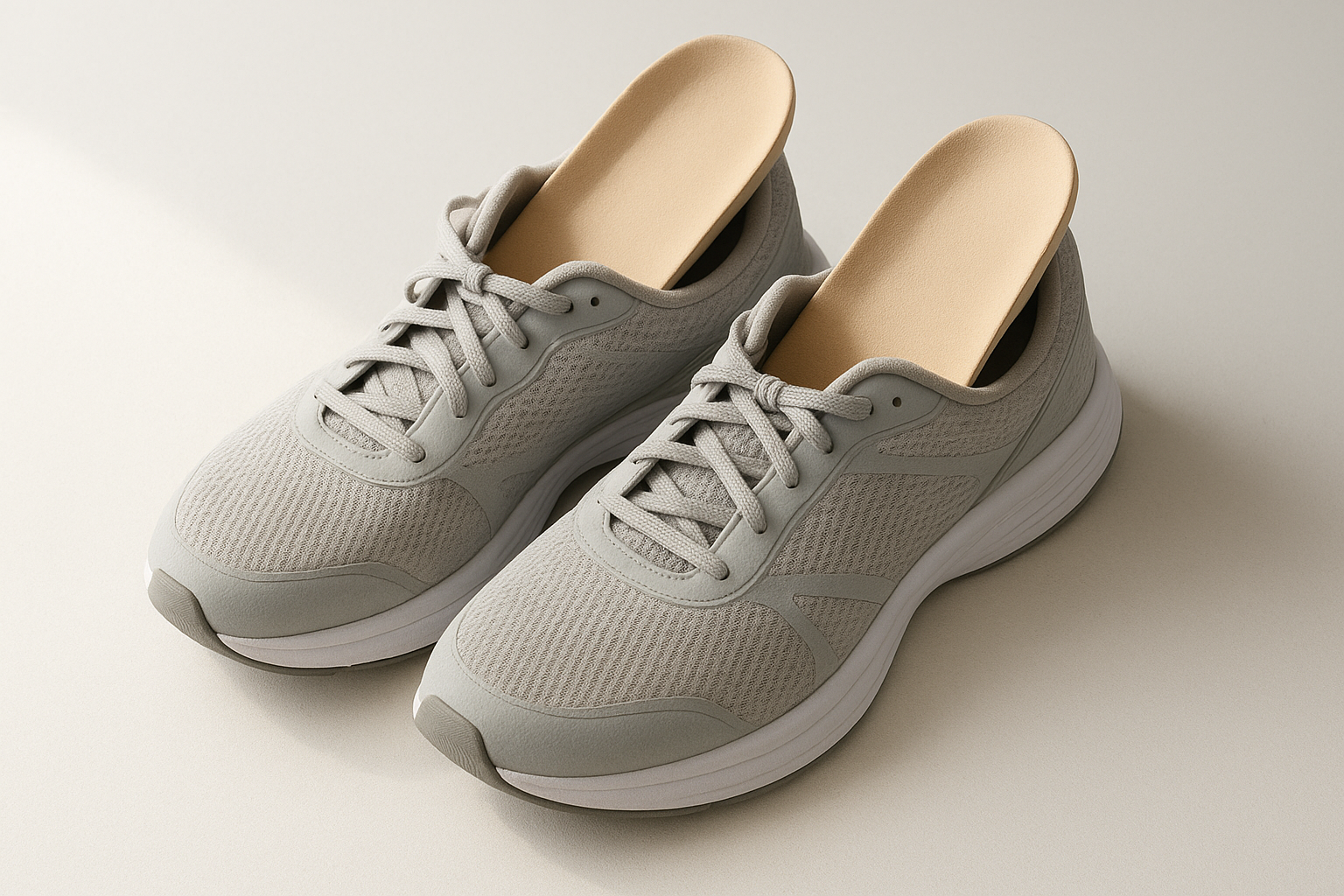
Custom orthotics fit directly into everyday footwear, offering ongoing support between consultations.
Final Thoughts on Managing Foot Stress
Ultimately, effective treatment for foot stress depends on identifying the true source of strain, not just easing the symptoms temporarily. Rest, stretching, and supportive footwear help with mild cases, while custom orthotics address deeper structural imbalances for lasting relief. Therefore, if pain continues beyond a couple of weeks or keeps returning, a podiatrist consultation is the most reliable next step. With the right combination of care, most people can reduce strain, protect their joints, and get back to comfortable, pain-free movement.