

Finding the right treatment options for flat feet can feel overwhelming, especially when foot, knee, or back pain has already started to interfere with daily life. Fortunately, most cases respond well to conservative care, and surgery is rarely the first step. This guide walks through what causes flat feet, the therapies podiatrists recommend most, and how to build a treatment plan that actually works.
Quick answer: The most effective treatment options for flat feet include custom orthotics, supportive footwear, targeted stretching, and physical therapy. Surgery is only recommended when conservative care fails to relieve pain or when the arch collapse is structurally severe.
What Are the Treatment Options for Flat Feet?
Treatment options for flat feet fall into two broad categories: conservative therapies and surgical intervention. In particular, most podiatrists start with non-invasive methods because they address discomfort without the recovery time or risks of an operation.
Conservative approaches include custom orthotics, supportive shoes, stretching routines, physical therapy, and occasionally anti-inflammatory medication. Consequently, surgery is generally reserved for rigid flat feet, tendon damage, or cases where months of conservative care have not reduced pain.
What Causes Flat Feet?
Flat feet, also called pes planus, occur when the arch of the foot collapses so the entire sole touches the ground. According to Wikipedia's overview of flat feet, the condition can be present from birth or develop later due to injury, aging, or worn-out posterior tibial tendons.
Research summarized by MedlinePlus, a service of the U.S. National Library of Medicine, notes that flat feet affect a significant portion of adults, and many never experience symptoms at all. However, when pain does appear, it often shows up in the arch, heel, ankles, or lower back.
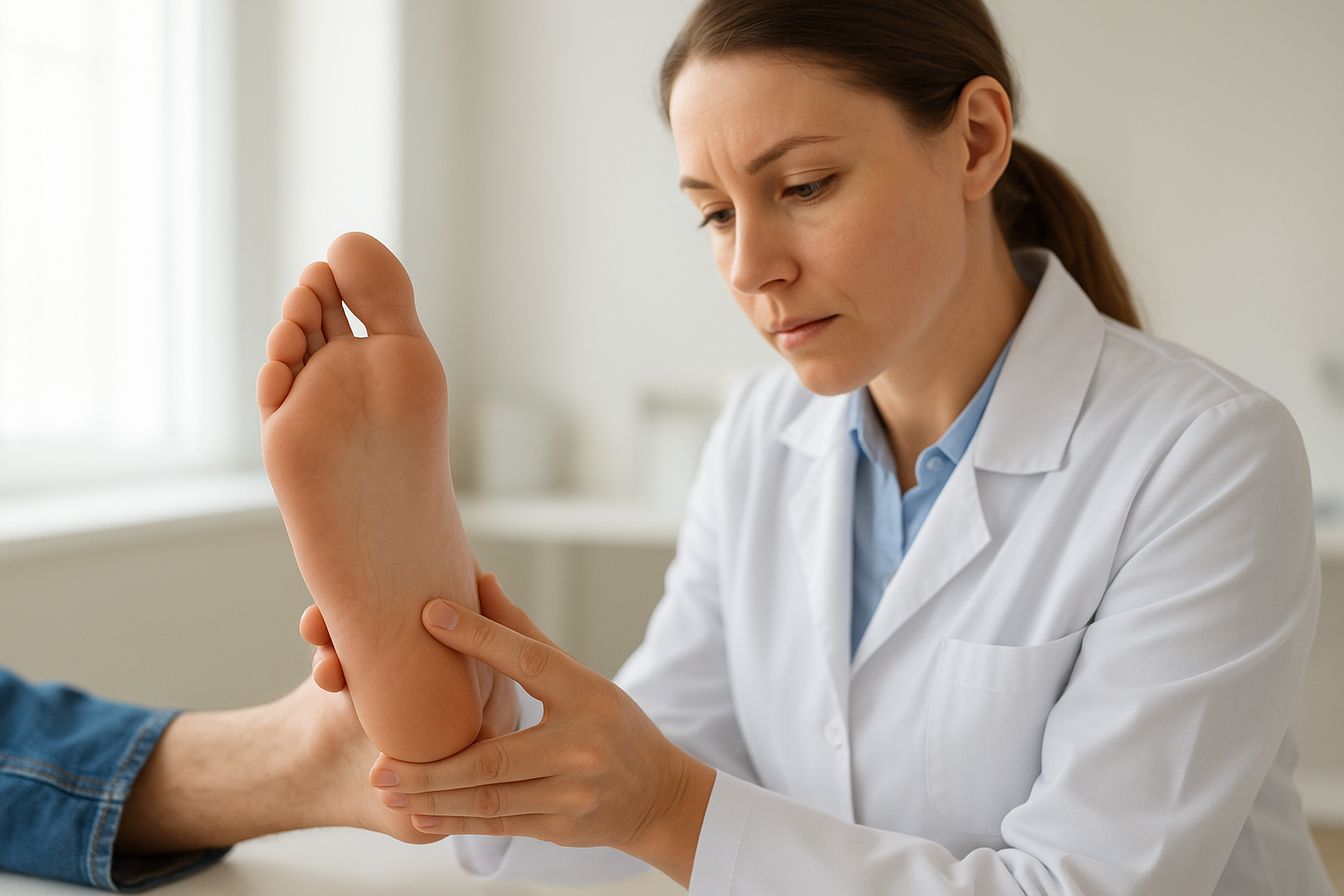
A podiatrist assessment is often the first step toward the right treatment options for flat feet.
Conservative Treatment Options for Flat Feet
For most people, conservative flat feet treatment starts with three pillars: arch support, footwear, and movement. In addition, small daily habit changes often make a noticeable difference within weeks.
- Custom orthotics: Molded devices that support the collapsed arch and correct pressure distribution. Learn more in this guide to flat feet causes, symptoms, and solutions.
- Supportive footwear: Shoes with firm heel counters and adequate arch structure reduce strain during walking or standing.
- Stretching and strengthening: Calf stretches and towel scrunches build the small muscles that stabilize the arch over time.
- Weight management and activity pacing: Reducing repetitive impact activity while the foot adjusts can prevent flare-ups.
For a deeper comparison of insert types, this resource on shoe inserts for flat feet breaks down the pros and cons of each option.
Custom Orthotics: A Leading Flat Foot Pain Relief Option
Custom orthotics stand out among treatment options for flat feet because they are fabricated from an actual mold of the patient's foot rather than a generic template. As a result, they correct the specific way each person's arch collapses instead of offering one-size-fits-all cushioning.
This podiatrist-owned practice, customorthotics.com, has fabricated custom orthotic devices for more than 20 years and holds an A+ rating with the Better Business Bureau. Patients can request a free consultation directly with the podiatrist, whether they visit in person or order remotely through the website. For a full breakdown of what makes a device effective, see this podiatrist's complete guide to custom orthotics for flat feet.
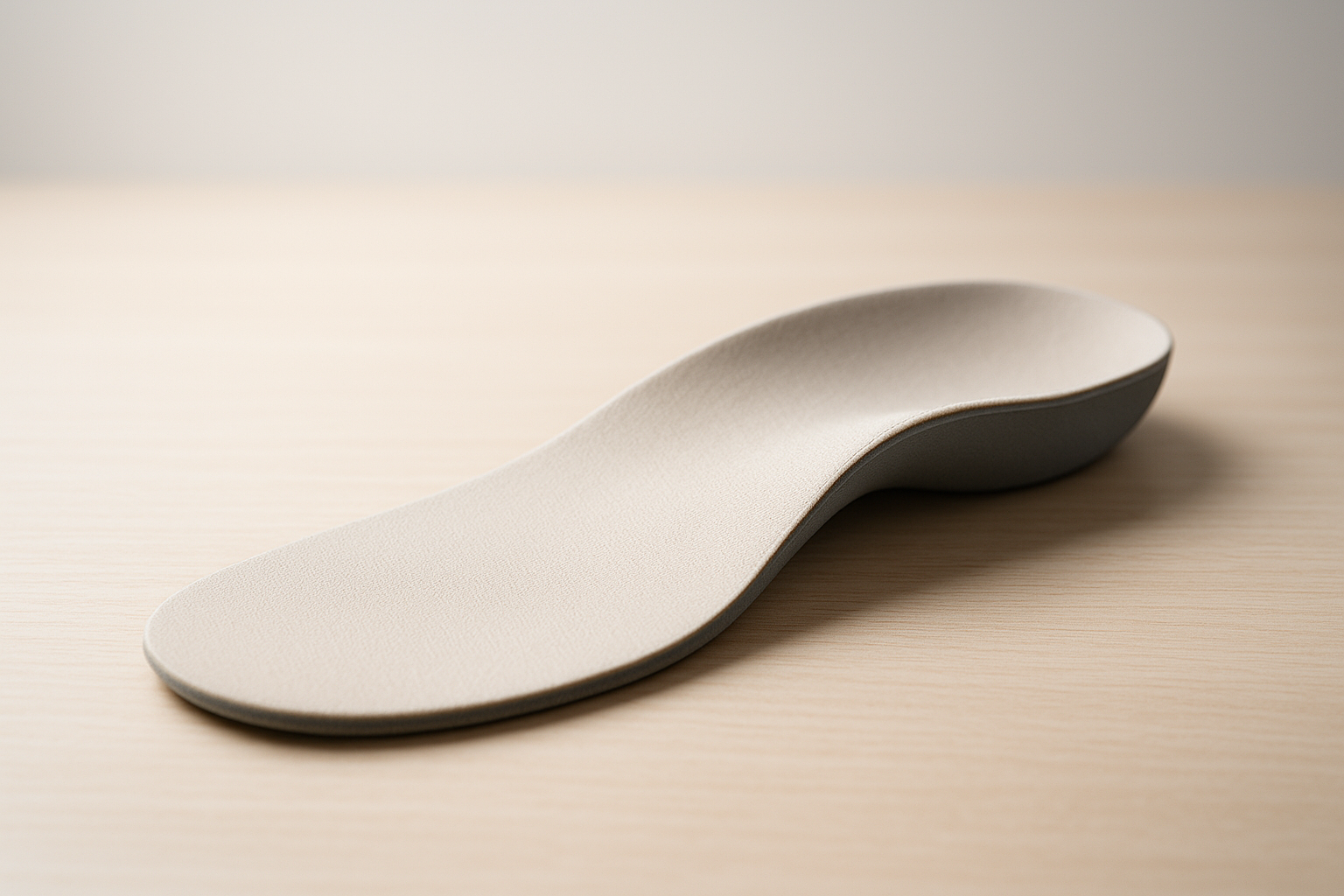
A custom orthotic insole molded specifically to support a collapsed arch.
How to Start Your Flat Feet Treatment Plan
Building a treatment plan does not need to be complicated. Instead, following a clear sequence helps most patients see measurable improvement within a couple of months.
- Schedule a free consultation with a podiatrist to discuss your symptoms and get an initial assessment of your arch type and pain patterns.
- Get a professional foot mold or digital scan taken in-office or via an at-home kit so your custom orthotics match your exact foot shape.
- Wear your custom orthotics daily and pair them with supportive footwear to gradually retrain your arches and reduce strain.
- Add stretching and strengthening exercises recommended by your podiatrist to build long-term stability in your feet and ankles.
- Schedule a follow-up evaluation after four to six weeks to assess pain reduction and adjust your treatment plan as needed.
For guidance on which device type suits your foot structure, this article on which orthotics are recommended for flat feet is a helpful next step.
When Is Surgery Necessary for Flat Feet?
Surgery is not the first response to flat feet, and most patients never need it. Nevertheless, it may be considered when the arch is rigid rather than flexible, when the posterior tibial tendon is significantly damaged, or when months of conservative treatment produce no relief.
The American Podiatric Medical Association notes that surgical options range from tendon repair to bone realignment, depending on the underlying structural issue. Because recovery can take several months, most podiatrists exhaust conservative options first.

Simple stretching routines support other treatment options for flat feet by improving flexibility.
Choosing the Right Flat Feet Treatment Option
Choosing among the available treatment options for flat feet depends on symptom severity, activity level, and whether the arch collapse is flexible or rigid. For mild cases, over-the-counter inserts and stretching may be enough. For moderate to severe pain, however, custom orthotics paired with professional guidance tend to deliver more consistent relief.
Above all, a proper evaluation makes the difference between guessing and treating the actual root cause. This complete guide to orthotics for flat feet pain relief compares options in more depth for readers still weighing their choices.
Frequently Asked Questions About Treatment Options for Flat Feet
What is the best treatment option for flat feet?
The best treatment options for flat feet usually start with custom orthotics paired with supportive footwear and targeted stretching exercises. For most people, this conservative combination relieves pain without surgery.
How do custom orthotics help treat flat feet?
Custom orthotics are molded directly from your foot to support the collapsed arch and redistribute pressure evenly. This reduces strain on the plantar fascia, ankles, and knees during daily activity.
Why do flat feet cause pain in the knees and back?
Flat feet change how the leg absorbs impact, which forces the ankles, knees, and hips to compensate. Over time, this altered alignment can trigger pain well above the foot itself.
What is the difference between custom orthotics and over-the-counter inserts?
Over-the-counter inserts offer generic cushioning, while custom orthotics are fabricated from an exact mold of your foot. As a result, custom devices provide more precise arch support for structural problems.
How much do custom orthotics for flat feet cost?
Custom orthotics typically cost more than drugstore inserts because each pair is individually fabricated, though prices vary by provider and materials. Many practices, including this one, offer a free consultation before any purchase.
How long does it take to see results from flat feet treatment?
Most patients notice reduced pain within four to six weeks of consistent orthotic use and stretching. However, full adaptation of the foot and gait can take a few months.
What are common mistakes people make when treating flat feet?
A common mistake is relying on generic insoles instead of a proper mold-based fit, which rarely addresses the root cause. Skipping supportive footwear or stopping treatment once pain briefly improves are other frequent errors.
What is the best exercise for flat feet?
Calf stretches and towel scrunches are widely recommended because they strengthen the muscles that support the arch. Consistency matters more than intensity for lasting improvement.
Can flat feet be treated without surgery?
Yes, most flat feet respond well to conservative treatment options such as custom orthotics, physical therapy, and supportive shoes. Surgery is reserved for severe structural cases that do not improve with these methods.
Do children with flat feet need treatment?
Flexible flat feet in young children are often normal and resolve as the arch develops. However, a podiatrist should evaluate persistent pain, stiffness, or an asymmetrical arch.
Is flat feet treatment covered by insurance?
Coverage varies by insurer and plan, and custom orthotics are sometimes partially reimbursed when prescribed for a diagnosed condition. It is best to confirm benefits directly with your insurance provider before ordering.
When is surgery recommended for flat feet?
Surgery is typically considered only after conservative treatment options fail and pain or deformity continues to worsen. Podiatrists usually reserve this option for rigid flat feet or advanced tendon damage.
In summary, effective treatment options for flat feet range from simple stretching and supportive shoes to custom-molded orthotics and, in rare cases, surgery. Because most people find lasting relief through conservative care, starting with a proper evaluation and a well-fitted custom orthotic is often the smartest first move. Anyone dealing with persistent arch, heel, or knee pain can request a free consultation through customorthotics.com to get a personalized plan built around their exact foot shape.