

Sustainable orthotic materials are becoming a priority for patients who want pain relief without compromising their environmental values, and this shift is reshaping how custom orthotics are designed and manufactured. As a result, podiatrists and orthotic labs are experimenting with recycled plastics, plant-based foams, and responsibly sourced components that perform just as well as traditional options. In this article, we explain what sustainable orthotic materials are, how they compare to conventional components, and why choosing greener orthotics can benefit both your feet and the planet. Whether you order custom orthotics locally or online, understanding these materials helps you make an informed decision.
Quick answer: Sustainable orthotic materials—recycled foam, cork composites, and bio-based plastics—offer the same clinical support as traditional plastics while reducing landfill waste and reliance on petroleum. Most patients notice no difference in comfort or durability.
What Are Sustainable Orthotic Materials?
Sustainable orthotic materials are the components—such as recycled polymers, plant-based foams, and biodegradable composites—used to build custom foot orthotics while reducing environmental impact. Unlike traditional petroleum-based plastics that dominate the orthotics industry, these materials draw on renewable resources or post-consumer recycled content without sacrificing support or durability. For instance, many labs now blend recycled ethylene-vinyl acetate (EVA), a common cushioning foam, with plant-derived alternatives like castor bean oil polymers. Consequently, patients get orthotics that mold precisely to their feet while generating less waste during production. Because podiatry is a highly personalized field, these materials must still meet strict clinical standards for arch support, shock absorption, and long-term wear.
Why Eco-Friendly Foot Support Matters for Health and the Environment
Choosing eco-friendly foot support isn't just good for the planet; it also reflects broader trends in medical device manufacturing. According to the U.S. Environmental Protection Agency, sustainable materials management practices can meaningfully reduce greenhouse gas emissions tied to manufacturing and disposal (EPA, Sustainable Materials Management). In particular, orthotic labs that switch to recycled or biodegradable inputs cut down on landfill waste from discarded plastic molds and foam offcuts. Furthermore, patients who care about sourcing often find that sustainably made orthotics use fewer harsh adhesives and solvents, resulting in a cleaner, lower-odor product. As demand grows, more practices—including podiatrist-led providers—are prioritizing these materials without raising prices significantly.
Types of Sustainable Materials Used in Custom Orthotics
Several material categories now qualify as sustainable orthotic materials, each offering different benefits for comfort and support. Below is a quick overview of the most common options used across the industry today.
- Recycled EVA foam: Made from reclaimed foam scraps, this material offers cushioning comparable to virgin EVA with a smaller carbon footprint.
- Cork composites: Harvested without cutting down trees, cork is naturally renewable, lightweight, and resistant to moisture and odor.
- Bio-based plastics: Derived from castor beans or corn starch, these polymers replace petroleum plastics in rigid orthotic shells.
- Recycled polypropylene: A durable shell material reclaimed from post-industrial plastic waste, often used for orthotic frames.
- Natural latex and rubber: Sourced from renewable rubber trees, these provide flexible cushioning layers for top covers.
Because material science keeps advancing, labs continue testing new blends that improve both sustainability and clinical performance. Notably, resources such as the National Institutes of Health biomedical library host ongoing research into recycled polymer performance in medical devices, helping labs validate new sustainable formulations before wide release.
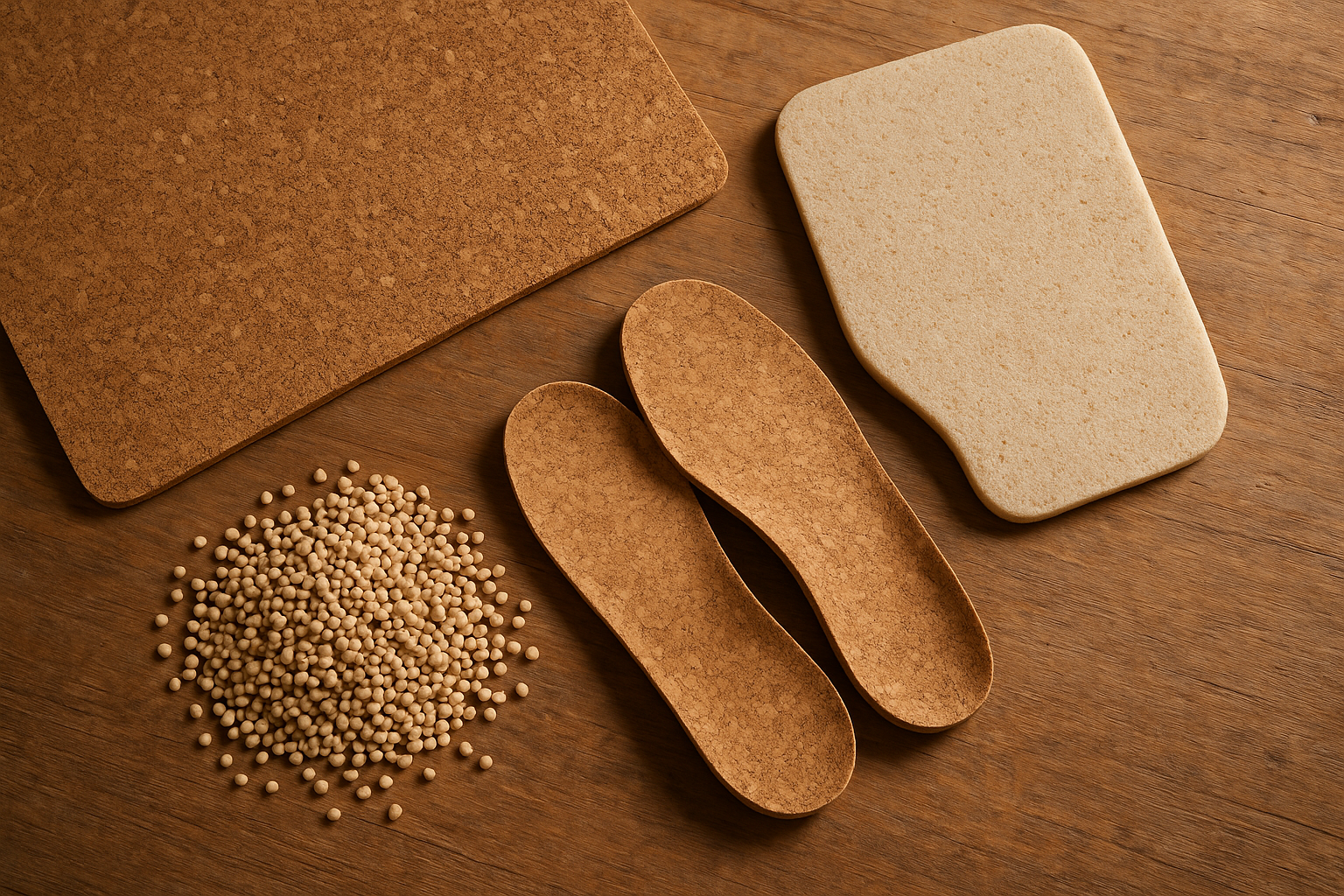
Recycled foam, cork, and plant-based polymers are common sustainable orthotic materials used in modern custom devices.
How Custom Orthotics Are Made With Sustainable Components
Understanding the fabrication process shows exactly where sustainable orthotic materials enter the picture. Here's how a typical custom order comes together, step by step.
- Foot assessment and mold casting: A podiatrist examines your gait and foot structure, then takes a physical or digital mold of each foot to capture precise contours needed for a personalized fit.
- Material selection: Based on your activity level, weight, and condition, the lab chooses sustainable components such as recycled EVA foam or cork composite that match your support requirements.
- Shell fabrication: Technicians heat and press the chosen bio-based or recycled polymer over your mold, forming a rigid or semi-rigid shell that mirrors your foot's exact shape.
- Padding and top cover application: Natural rubber or recycled foam cushioning layers are bonded to the shell using low-VOC adhesives to reduce chemical exposure and manufacturing waste.
- Quality check and fitting: The finished orthotic is inspected for accuracy, then fitted to your shoes to confirm comfort, alignment, and proper support before shipping or in-office delivery.
Once you understand this process, it becomes easier to ask your provider the right questions about materials before you order. If you're comparing providers, our guide on what to know before you order custom-made orthotics covers additional considerations worth reviewing beforehand.
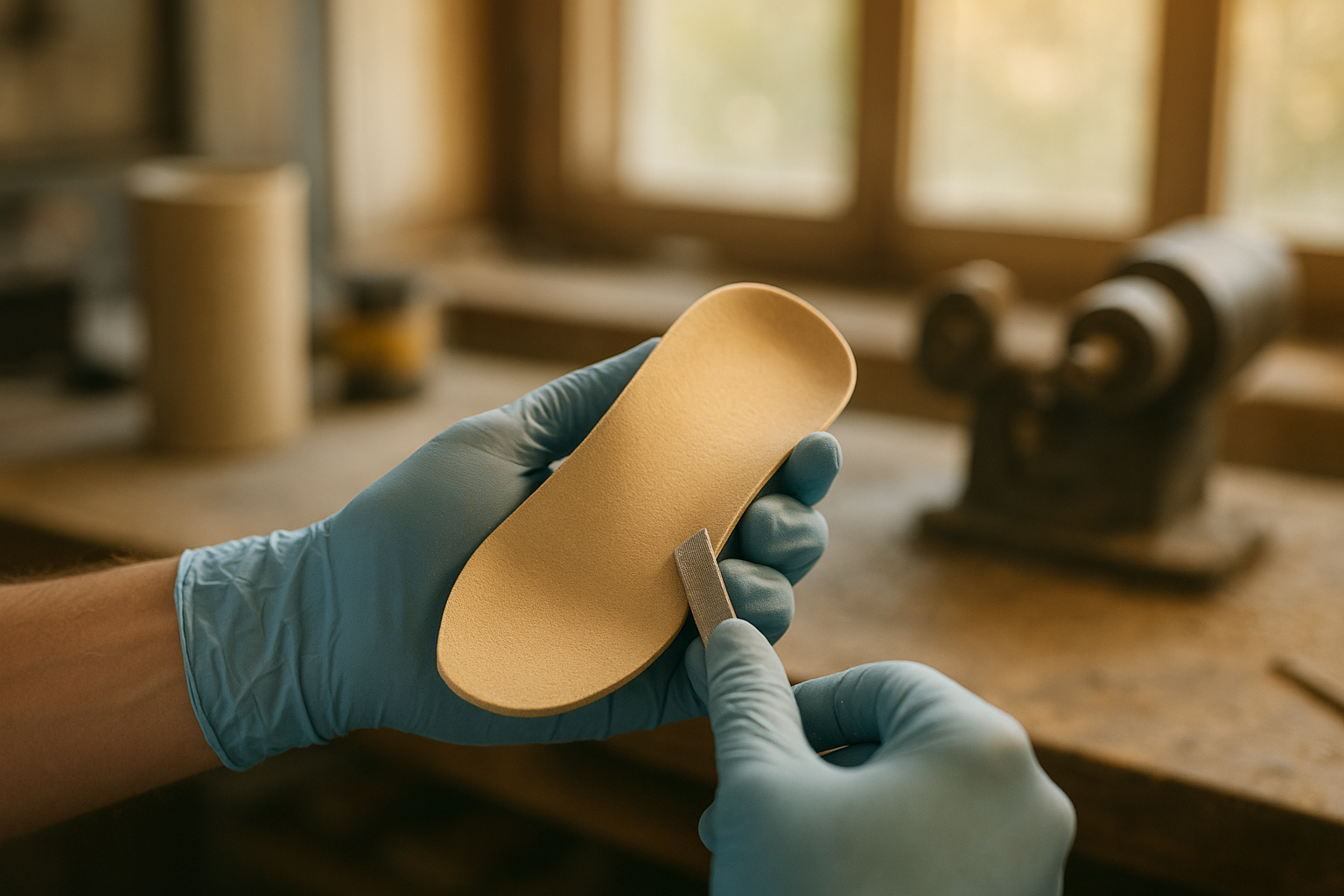
Hands-on fabrication ensures sustainable materials are shaped precisely to each patient's foot mold.
Choosing Green Orthotic Solutions: What to Look For
Not every product labeled "eco-friendly" delivers on that promise, so it helps to know what to check before ordering. First, ask your provider which specific sustainable orthotic materials they use and request documentation of recycled content percentages. Second, confirm that clinical outcomes match traditional materials, since sustainability should never come at the cost of support or durability. Third, consider shipping and packaging footprint—some providers now use recyclable mailers and minimal plastic packaging. Finally, compare pricing carefully. Sustainable options sometimes cost slightly more due to sourcing, but many providers keep pricing competitive. Our breakdown of affordable custom orthotics explains how to balance cost and quality without compromising either.
Sustainable vs. Traditional Orthotic Materials: What's the Difference?
Traditional orthotic materials typically rely on virgin plastics, petroleum-based foams, and synthetic adhesives that are inexpensive and widely available. In contrast, sustainable alternatives prioritize renewable or recycled inputs, often at a marginally higher production cost. However, performance differences are minimal in most cases—modern recycled EVA foam, for example, matches the density and rebound of virgin foam. Similarly, bio-based plastics used in orthotic shells meet comparable flexibility and impact-resistance benchmarks as conventional plastics (see Wikipedia's overview of bioplastics for more on how these materials are classified). Ultimately, the biggest difference lies in sourcing and disposal, not day-to-day comfort or support.
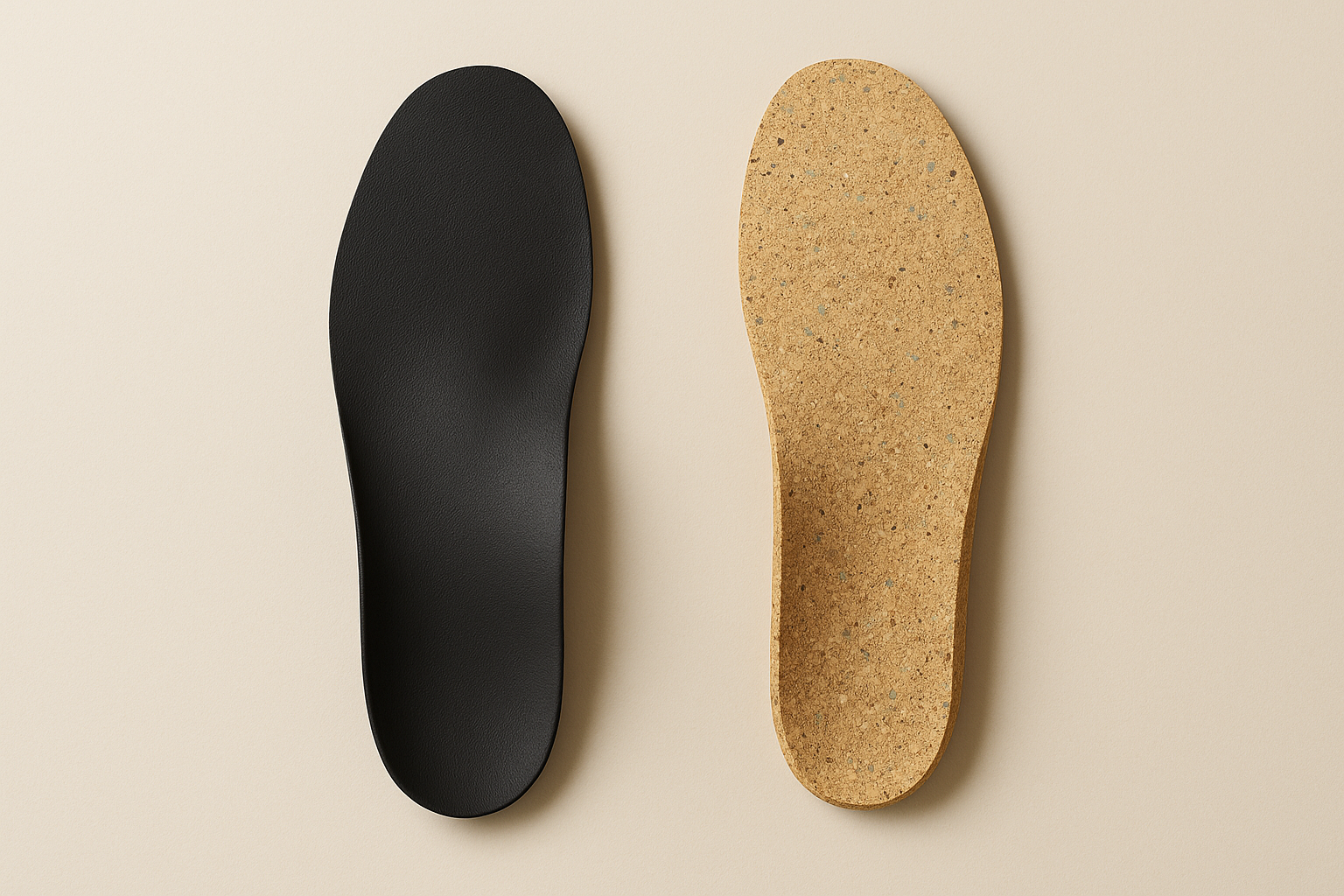
Traditional plastic insoles next to a cork-based alternative highlight how sustainable orthotic materials compare visually and structurally.
Finding the Right Sustainable Orthotic Provider
When you're ready to order, look for a podiatrist-owned practice with direct clinical oversight rather than a purely online retailer. For example, CustomOrthotics.com combines more than 20 years of hands-on fabrication experience with a focus on precise, mold-based fitting, and patients can request a complimentary consultation before ordering. If you're unsure which style suits your needs, our guides on full-length orthotics and how to choose the best custom orthotics walk through the differences in style and fit. Additionally, if you plan to wear orthotics mostly around the house, our home-use orthotics buying guide outlines options designed for everyday indoor wear.
Frequently Asked Questions About Sustainable Orthotic Materials
What are sustainable orthotic materials?
Sustainable orthotic materials are components like recycled foam, cork, and bio-based plastics used to build custom orthotics while reducing environmental impact. They perform similarly to traditional materials but rely on renewable or recycled sourcing.
How do sustainable orthotics compare in durability to traditional orthotics?
Most sustainable orthotic materials, such as recycled EVA foam and bio-based plastics, meet the same density and durability standards as conventional materials. In everyday use, patients typically notice no difference in support or lifespan.
Are eco-friendly custom orthotics more expensive than standard options?
Eco-friendly orthotics can cost slightly more due to sourcing, but many podiatrist-led providers keep pricing competitive with traditional custom orthotics. It's worth comparing quotes since pricing varies by material and provider.
What is recycled EVA foam used for in orthotics?
Recycled EVA foam is a lightweight cushioning material reclaimed from manufacturing scraps, commonly used for orthotic padding and top covers. It offers shock absorption similar to virgin foam.
Can cork be used to make custom orthotics?
Yes, cork is a popular sustainable orthotic material because it's naturally renewable, lightweight, and resistant to moisture and odor. It's often combined with recycled foam for added cushioning.
How long do orthotics made from sustainable materials typically last?
Most custom orthotics, including those made with sustainable materials, last between one and five years depending on activity level and care. Regular checkups with a podiatrist help determine when replacement is needed.
Does insurance cover orthotics made with sustainable materials?
Insurance coverage for custom orthotics depends on your plan and medical necessity, not the specific materials used. It's best to confirm coverage details directly with your insurer before ordering.
What mistakes should I avoid when choosing eco-friendly orthotics?
A common mistake is assuming all "green" labeled products use genuinely sustainable orthotic materials without verifying sourcing. Always ask providers for specifics on recycled content and clinical testing before ordering.
How are custom orthotics fitted to my feet?
A podiatrist takes a mold or digital scan of each foot to capture its exact shape, then a lab shapes the orthotic shell around that mold. This process ensures the orthotic supports your unique arch and pressure points.
Is cork orthotic material good for people with sweaty feet?
Yes, cork naturally resists moisture and odor, making it a good choice for people prone to sweaty feet. It also molds slightly to foot shape over time, improving long-term comfort.
What's the difference between bio-based and biodegradable orthotic materials?
Bio-based materials are made from renewable sources like plants but may not break down quickly, while biodegradable materials decompose naturally after disposal. Both qualify as sustainable orthotic materials but affect end-of-life disposal differently.
How can I verify that a provider actually uses sustainable orthotic materials?
Ask the provider directly which materials they use and request documentation on recycled or renewable content percentages. Reputable, podiatrist-owned practices are typically transparent about sourcing and fabrication methods.
Final Thoughts on Sustainable Orthotic Materials
Choosing sustainable orthotic materials doesn't mean compromising on support, durability, or comfort. As this guide shows, recycled foams, cork composites, and bio-based plastics now match the performance of traditional components while reducing environmental impact. Therefore, patients can prioritize both foot health and sustainability without extra hassle. If you're ready to explore options, consider scheduling a complimentary consultation with a podiatrist-owned provider like CustomOrthotics.com to discuss which sustainable materials fit your needs. Ultimately, small choices in orthotic manufacturing add up to meaningful environmental benefits over time.