

Podiatrist approved orthotics are custom-designed foot support devices that have been evaluated, prescribed, or fabricated by a licensed podiatrist to address the specific structural and biomechanical needs of an individual patient. Unlike the foam insoles you pick up at a pharmacy, these devices are built from precise molds of your feet and engineered to correct the root causes of pain — not just cushion against them. If you are dealing with persistent foot discomfort, understanding what separates clinical-grade orthotics from generic options is the first step toward lasting relief.
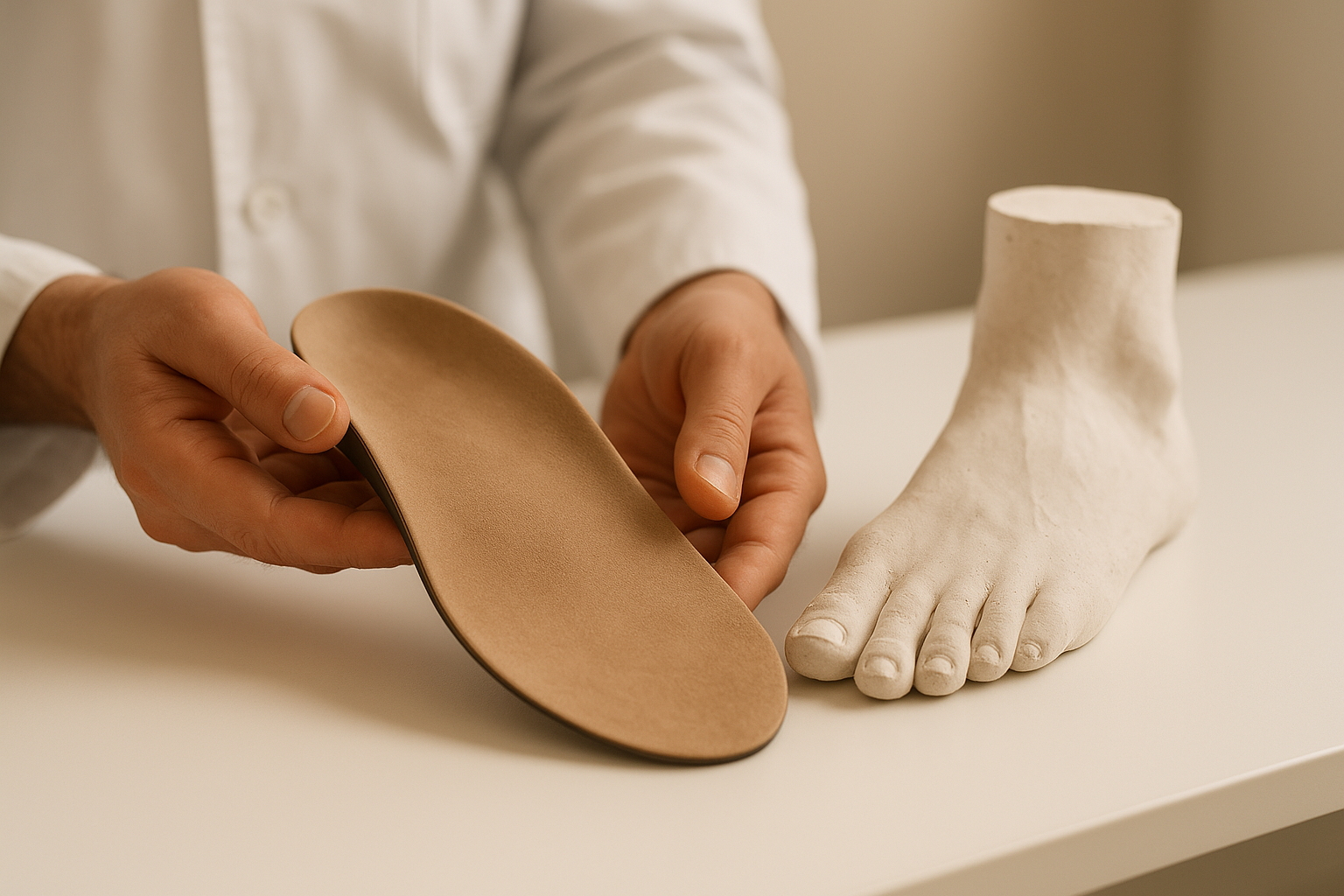
Custom orthotics begin with an individual foot mold — the foundation of truly podiatrist approved orthotics.
What Are Podiatrist Approved Orthotics?
Podiatrist approved orthotics are orthotic devices that have been clinically assessed and recommended by a podiatrist — a medical professional who specializes in diagnosing and treating conditions of the foot, ankle, and lower leg. According to the American Podiatric Medical Association (APMA), custom foot orthoses are among the most effective non-surgical interventions for a wide range of musculoskeletal foot conditions.
In contrast to over-the-counter insoles, podiatrist approved devices are fabricated from individual molds of each patient's feet. As a result, the fit is precise and the correction is targeted. Furthermore, the materials selected — whether rigid polypropylene, semi-flexible carbon fiber, or soft EVA foam — are chosen based on the patient's specific diagnosis, body weight, and activity level.
There are two main categories worth understanding. Functional orthotics control abnormal motion and correct structural misalignments, such as overpronation or supination. Accommodative orthotics, on the other hand, focus on cushioning and redistributing pressure — particularly valuable for patients with diabetes or arthritis. A podiatrist determines which type is appropriate after a thorough assessment.
Why Clinical Oversight Makes a Significant Difference
Many patients try generic insoles first — and that is completely understandable. However, research consistently shows that custom orthotics outperform prefabricated devices for conditions like plantar fasciitis and flat feet. A 2018 study published in the Journal of Foot and Ankle Research found that custom orthoses significantly reduced pain and improved function in patients with plantar heel pain compared to sham devices.
The reason is straightforward: no two feet are identical. Therefore, a device that is molded directly from your foot can address imbalances that a mass-produced insert simply cannot detect or correct. Moreover, a podiatrist's clinical eye catches compensatory patterns — like how a knee or hip problem often originates from poor foot mechanics — that a retail product ignores entirely.
In addition, podiatrist oversight means ongoing accountability. If your orthotics need adjustment after a few weeks of wear, a qualified clinician can modify them. That level of follow-through is not available when you buy off the shelf.
Common Conditions That Benefit From Podiatrist Recommended Foot Support
Podiatrist approved orthotics are used to treat a broad spectrum of conditions. Some of the most frequently addressed include:
- Plantar fasciitis — inflammation of the tissue along the bottom of the foot, causing sharp heel pain
- Flat feet (pes planus) — collapsed arches that strain surrounding muscles and joints
- High arches (pes cavus) — excessive arch height that concentrates pressure on the heel and ball of the foot
- Bunions and hammertoes — structural deformities that worsen without proper biomechanical support
- Diabetic foot complications — pressure ulcers and neuropathy that require careful offloading
- Knee, hip, and lower back pain — often rooted in poor foot alignment that travels up the kinetic chain
For a deeper look at the full range of conditions that custom devices can address, the team at customorthotics.com has published a comprehensive guide on what foot problems custom orthotics can help with.
How to Get Podiatrist Approved Orthotics: A Step-by-Step Process
The process of obtaining clinically approved orthotics is more accessible than most people expect. Here is a clear, sequential breakdown:
- Schedule a consultation. Begin by speaking with a licensed podiatrist — either in person or by phone. Discuss your symptoms, medical history, footwear habits, and daily activity level. This initial conversation shapes the entire treatment plan.
- Undergo a foot assessment. The podiatrist performs a gait analysis and physical examination to identify structural problems, pressure points, and movement patterns that contribute to your discomfort.
- Have your foot mold taken. A precise impression or digital scan of your feet is created. This mold becomes the foundation of your orthotic, ensuring a fit that mirrors your exact foot contour.
- Wait for fabrication. Your orthotics are crafted using clinically selected materials. Most devices are ready within two to four weeks, depending on the complexity of the prescription.
- Receive and break in your orthotics. Follow your podiatrist's guidance on gradually increasing wear time — typically starting at two to three hours per day and building up over one to two weeks — so your feet adapt comfortably.
For those who want a complete walkthrough of the process before committing, this personalized foot orthotics complete guide is an excellent starting point.
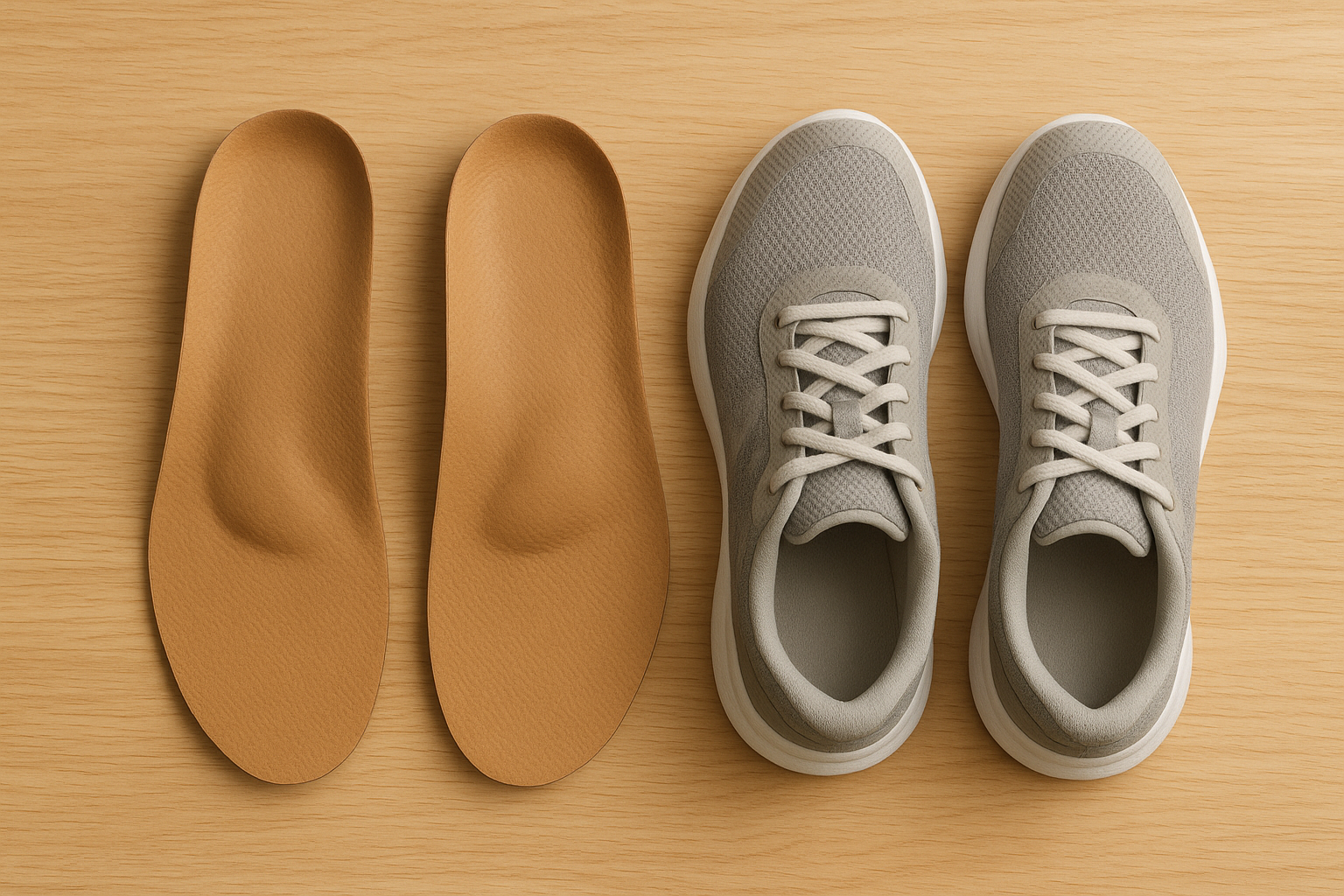
Custom orthotic insoles are shaped to match individual foot anatomy — a precision that generic insoles cannot replicate.
Can You Get Podiatrist Approved Orthotics Online?
Absolutely — and this is where modern podiatric care has made a meaningful leap forward. Patients no longer need to visit a clinic in person to receive fully custom, clinically designed orthotics. Practices like customorthotics.com have built an online platform that allows patients anywhere to order custom orthotics remotely, using at-home impression kits and direct access to a licensed podiatrist for consultation.
This model is particularly valuable for patients in areas with limited specialist access, those with mobility challenges, or anyone who simply prefers the convenience of managing their healthcare from home. Importantly, the quality does not diminish. Each device is still fabricated from an individual mold, reviewed by a podiatrist with over 20 years of experience, and held to the same clinical standards as in-office orthotics.
Furthermore, the practice holds an A+ rating from the Better Business Bureau — a meaningful signal of trustworthiness for patients ordering remotely. If you are considering this route, you can also explore specialized options such as diabetic orthotics online for condition-specific guidance.
Flat Feet and Podiatrist Recommended Orthotic Solutions
Flat feet are one of the most common reasons patients seek podiatric care. Without proper arch support, the foot's natural shock-absorbing mechanism is compromised, placing excess strain on the ankles, knees, and hips. Consequently, many people with flat feet develop secondary pain in areas that seem unrelated to their feet.
Podiatrist approved orthotics for flat feet are typically functional in design, using a rigid or semi-rigid shell to support the medial arch and control overpronation. According to research on flat feet, custom orthoses have demonstrated measurable improvements in pain levels and postural alignment compared to no treatment. For a detailed look at this specific condition, the guide on customized support for flat feet covers the key considerations thoroughly.
In addition, patients often wonder which orthotic designs are most clinically endorsed. This resource on what orthotics are recommended for flat feet provides clear, evidence-based recommendations.
How Long Do Custom Orthotics Last and What Do They Cost?
High-quality podiatrist approved orthotics typically last between two and five years, depending on materials, activity level, and body weight. Rigid polypropylene shells tend to last longer than softer foam-based devices. However, even durable orthotics should be reassessed periodically, as foot structure and biomechanics can shift over time.
In terms of cost, custom orthotics generally range from $200 to $800 or more, depending on the complexity of the prescription and the provider. Many health insurance plans cover a portion of the cost when orthotics are prescribed for a diagnosed medical condition. Therefore, it is worth checking your plan details before ruling out the investment. The long-term savings — in reduced pain, fewer specialist visits, and avoided surgical interventions — often outweigh the upfront cost significantly.
Frequently Asked Questions About Podiatrist Approved Orthotics
What are podiatrist approved orthotics?
Podiatrist approved orthotics are custom or clinically evaluated orthotic devices recommended or fabricated by a licensed podiatrist to address specific foot conditions. They differ from generic insoles because they are designed around the individual structure of a patient's foot, ensuring a precise and therapeutic fit.
How are custom orthotics different from store-bought insoles?
Custom orthotics are made from individual molds of a patient's feet, providing a precise fit that generic insoles cannot replicate. Store-bought insoles offer general cushioning but do not correct structural imbalances or address the root cause of foot pain.
What conditions can podiatrist approved orthotics help treat?
They are commonly used to treat plantar fasciitis, flat feet, high arches, bunions, heel pain, and diabetic foot complications. Orthotics can also help with knee, hip, and lower back pain caused by poor foot alignment.
How long does it take to get custom orthotics made?
The fabrication timeline varies by provider, but most custom orthotics are ready within two to four weeks after the foot mold is taken. Some providers offer expedited services for patients who need them sooner.
Are podiatrist approved orthotics covered by insurance?
Many health insurance plans partially or fully cover custom orthotics when prescribed by a licensed podiatrist for a diagnosed medical condition. It is best to verify coverage directly with your insurance provider before ordering.
How long do custom orthotics last?
High-quality custom orthotics typically last between two and five years with proper care. Factors like activity level, body weight, and the materials used all influence the lifespan of the device.
Can I order podiatrist approved orthotics online?
Yes, some podiatrist-owned practices offer online ordering with at-home impression kits or digital foot scans. Customorthotics.com, for example, allows patients to order fully custom orthotics remotely with direct access to a podiatrist for consultation.
What is the break-in period for new orthotics?
Most people need one to two weeks to adjust to new orthotics. Podiatrists typically recommend starting with a few hours of wear per day and gradually increasing use to allow the feet and muscles to adapt comfortably.
What materials are used in podiatrist approved orthotics?
Common materials include polypropylene, carbon fiber, EVA foam, and leather. The choice of material depends on the patient's condition, activity level, and the type of footwear they use most frequently.
How do I know if I need orthotics?
Common signs include persistent foot or heel pain, uneven shoe wear, flat feet, or difficulty standing for extended periods. A podiatrist can perform a gait analysis and physical examination to determine if orthotics are appropriate for you.
What is the difference between functional and accommodative orthotics?
Functional orthotics are designed to correct abnormal motion and structural issues, while accommodative orthotics provide cushioning and pressure relief for sensitive areas. A podiatrist determines which type best suits your specific condition and lifestyle.
Can children benefit from podiatrist approved orthotics?
Yes, children with flat feet, in-toeing, or other developmental foot concerns can benefit significantly from custom orthotics. Early intervention often leads to better long-term outcomes as the foot is still developing and more responsive to corrective support.

With the right podiatrist approved orthotics, everyday movement becomes noticeably more comfortable and sustainable.
Conclusion: Choosing the Right Orthotic Support Starts With Expert Guidance
Podiatrist approved orthotics represent a meaningful step above generic foot support — one that addresses the real mechanics of your individual feet rather than offering a one-size-fits-all solution. As a result, they deliver more lasting relief, better biomechanical correction, and a level of precision that only clinical expertise can provide. Whether you are managing plantar fasciitis, flat feet, diabetic foot concerns, or chronic heel pain, the right orthotic device — designed by a qualified specialist — can fundamentally change how you move through your day.
If you are ready to take the next step, customorthotics.com offers a straightforward path to fully custom, podiatrist approved orthotics — with the option to consult directly with a licensed podiatrist by phone and order conveniently through their online platform. With over 20 years of experience and an A+ BBB rating, the team is equipped to help you find lasting, personalized relief from the ground up.