

Orthotics for everyday comfort are custom-molded shoe inserts built from an impression of your own feet, designed to relieve pain and improve stability during ordinary daily activities like walking, standing, and working. Unlike flat, mass-produced insoles, they are shaped around your actual foot structure, which means they correct imbalances rather than simply cushioning them. In fact, for anyone dealing with chronic heel pain, arch fatigue, or lower-back strain from long hours on their feet, this distinction matters a great deal. Below, we'll explain how custom orthotics work, who benefits most, and how to choose the right pair for lasting relief.
Quick answer: Orthotics for everyday comfort are podiatrist-fabricated, custom-molded inserts that correct foot alignment and reduce strain during daily wear. They differ from generic insoles because they are shaped specifically to your foot rather than sold in a single standard form.
What Are Orthotics for Everyday Comfort?
Orthotics for everyday comfort are devices placed inside footwear to support the arch, heel, and pressure points during regular daily movement. They are custom-fabricated from a mold of the patient's foot, which allows the finished product to match individual contours precisely.
Therefore, unlike a generic insole bought off a shelf, a custom orthotic addresses the specific way your foot strikes the ground, distributes weight, and compensates for structural quirks. Above all, this personalized approach targets the root biomechanical cause of discomfort rather than simply adding a soft layer between your foot and the shoe. Podiatrists, meaning foot and ankle medical specialists, typically design these devices after assessing gait, posture, and existing conditions such as flat feet or plantar fasciitis (inflammation of the tissue connecting the heel to the toes).
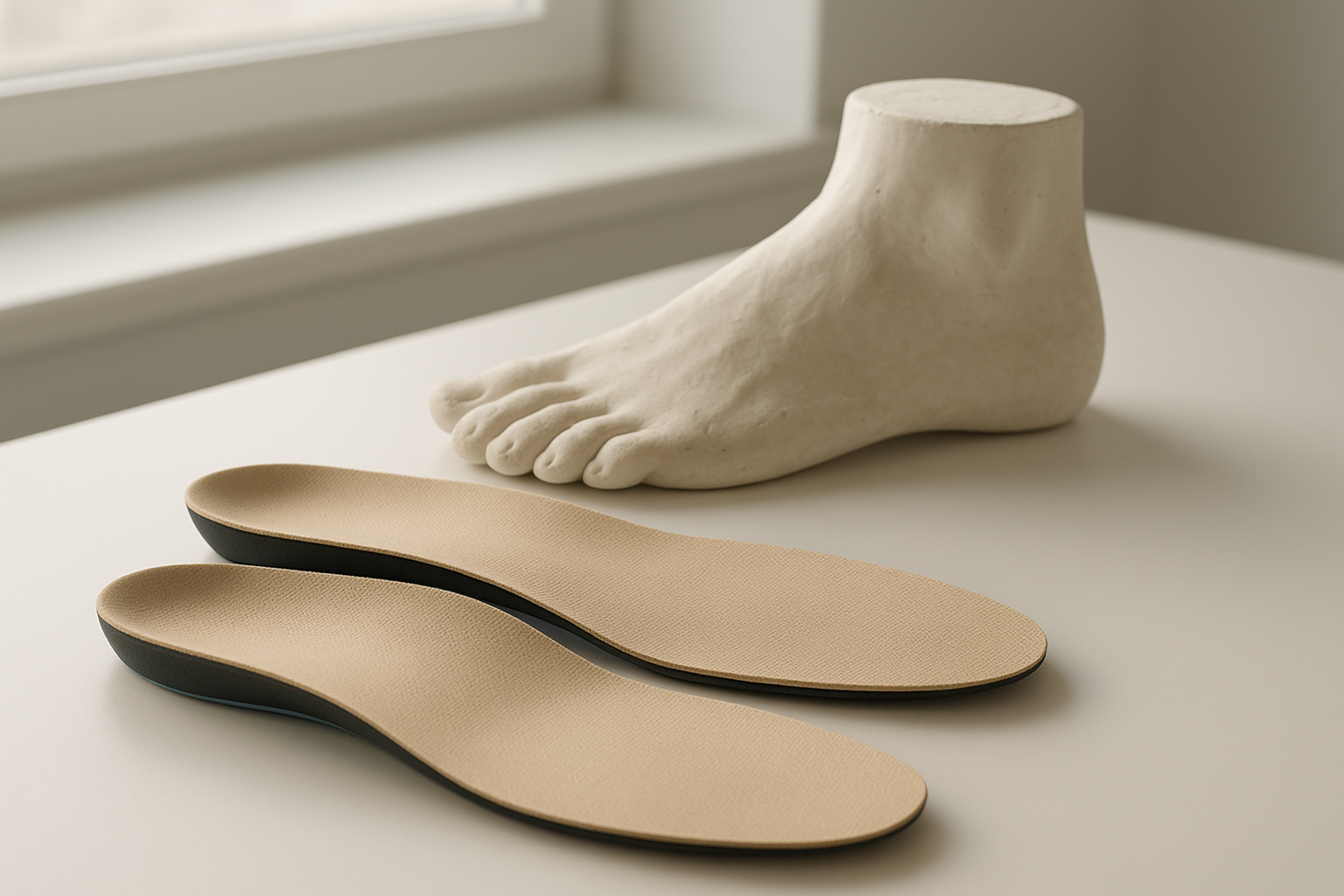
Orthotics for everyday comfort start with a precise mold of each patient's foot.
Why Daily Comfort Matters for Long-Term Foot Health
Daily comfort is not a luxury; it directly affects posture, joint health, and even sleep quality. When feet compensate for poor alignment hour after hour, that strain often travels upward into the knees, hips, and lower back.
According to the American Podiatric Medical Association, foot pain is one of the most common musculoskeletal complaints reported by adults, and untreated structural issues frequently worsen over time. Consequently, addressing discomfort early with proper support, such as custom orthotics, can prevent minor irritation from becoming a chronic condition. Similarly, people who spend most of the day standing or walking, including nurses and retail workers, often notice a measurable difference once a properly fitted device is introduced into their routine footwear.
How Custom-Molded Support Improves All-Day Wear
Custom-molded support works by redistributing pressure evenly across the foot instead of letting it concentrate on a single point, such as the heel or ball of the foot. As a result, muscles and ligaments work less to stabilize the body during standing or walking.
For example, a quad-layer orthotic design combines multiple density levels in one device, offering cushioning near the surface while maintaining firm structural correction underneath. In addition, this layered approach tends to hold its shape longer than single-material inserts, which matters for people who wear their orthotics nearly every day. For a deeper look at material choices, the comfortable insoles for everyday use guide breaks down how different builds perform under regular activity.

Custom orthotics are designed to hold up under real everyday walking and standing.
Choosing Comfortable Orthotics for Your Lifestyle
Choosing the right orthotic depends heavily on how you spend your day. Someone who walks several miles daily has different needs than someone who stands mostly stationary at a workstation.
In particular, walkers and runners often benefit from designs with extra shock absorption, while those on their feet at a fixed post may prioritize firm arch support instead. The best orthotics for everyday use guide compares these options in detail, while the comfortable walking insoles guide focuses specifically on active lifestyles. Meanwhile, anyone whose job requires long shifts on hard floors should review the practice's resource on custom insoles for people standing all day, which outlines options built for that specific demand.
The Custom Orthotic Fitting Process
Getting fitted for custom orthotics generally follows a consistent sequence, regardless of the specific condition being addressed. Here is how the process typically unfolds:
- Schedule a consultation. Speak directly with the podiatrist by phone or online to discuss pain points, daily activity, and comfort goals before any casting begins.
- Complete the foot mold casting. A precise impression captures arch height, pressure points, and structural alignment, forming the foundation of the finished device.
- Choose your orthotic build. Select a material and layer construction, such as a quad-layer design, based on activity level and the amount of daily support required.
- Receive and test your orthotics. Wear them gradually in regular shoes, then report any needed adjustments so the fit can be fine-tuned.
Most patients receive their finished pair within two to three weeks. Meanwhile, the initial consultation and casting appointment usually takes less than an hour, which makes the process manageable even for busy schedules.
Common Conditions Relieved by Everyday Orthotic Support
Custom orthotics are commonly recommended for plantar fasciitis, flat feet, bunions, and general arch fatigue. Specifically, they help by correcting the underlying mechanical cause rather than simply padding the symptom.
According to information published by the American Podiatric Medical Association, properly fitted orthotic devices can meaningfully reduce pain associated with structural foot conditions when used consistently. Additionally, resources from Wikipedia's overview of orthotics confirm that these devices have long been used in clinical settings to manage both minor discomfort and more significant biomechanical imbalances.
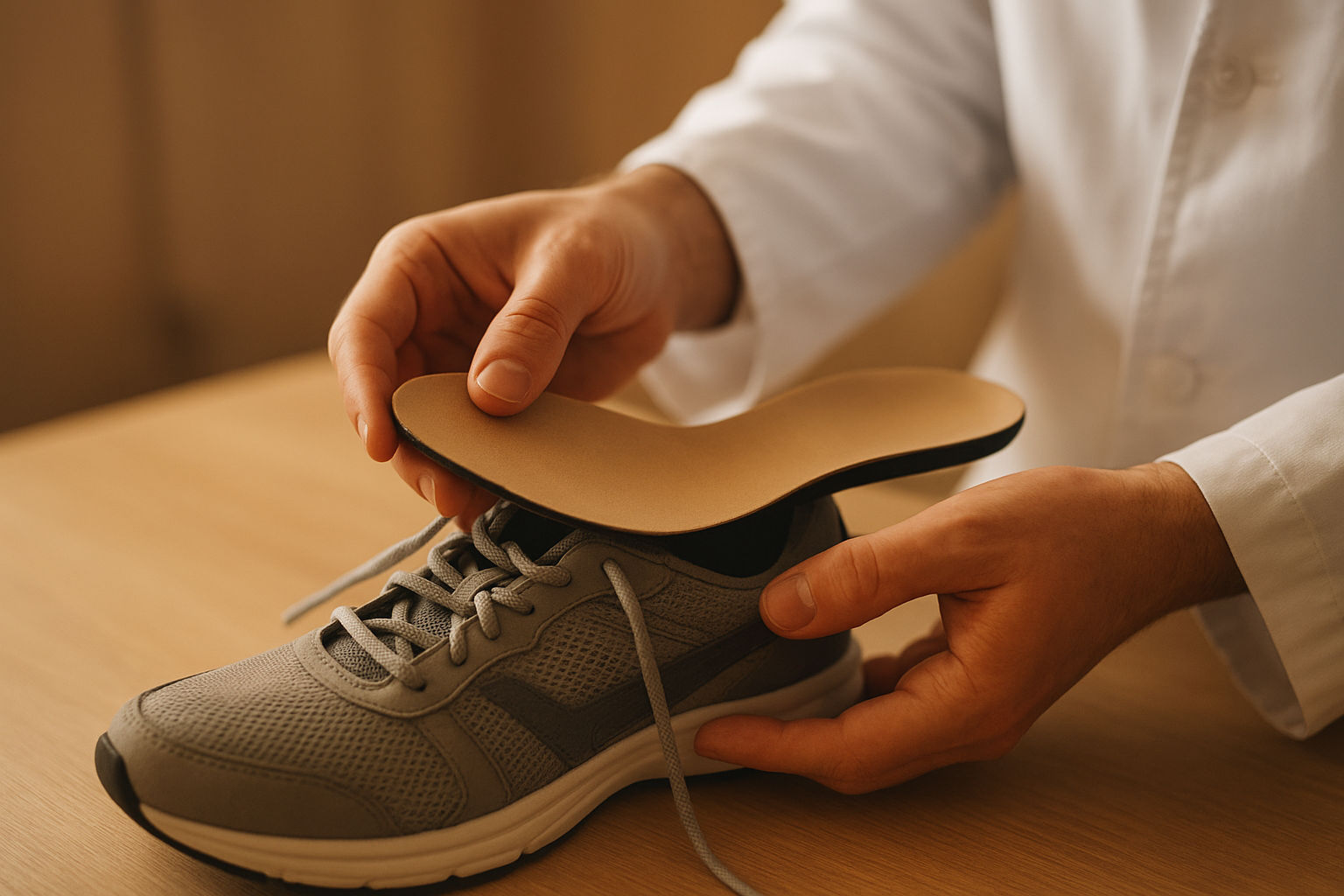
A podiatrist personally fits each orthotic to ensure everyday comfort and proper alignment.
Orthotics for Everyday Comfort vs. Off-the-Shelf Insoles
Off-the-shelf insoles are manufactured in a handful of standard sizes and shapes, so they provide general cushioning but rarely correct individual alignment issues. In contrast, orthotics for everyday comfort are molded specifically to each patient's foot, which allows for targeted correction rather than one-size-fits-all support.
Furthermore, custom devices tend to last longer under daily wear because they are built with more durable, layered materials. Anyone weighing the two options can review detailed comparisons directly on customorthotics.com, where a free consultation with the podiatrist is also available for those unsure which route fits their needs.
Frequently Asked Questions
What does orthotics for everyday comfort mean?
Orthotics for everyday comfort are custom-molded shoe inserts built from an impression of your own feet to reduce pain and improve stability during normal daily activities. Unlike generic cushioning, they correct alignment issues that cause discomfort in the first place.
How do custom orthotics differ from drugstore insoles?
Custom orthotics are fabricated from an actual mold of your foot, while drugstore insoles use a generic one-size shape. As a result, custom devices correct specific biomechanical imbalances rather than just adding soft padding.
How long does it take to get custom orthotics for everyday comfort?
Most patients receive their finished orthotics within two to three weeks after their mold is taken. Consultations and casting typically take less than an hour to complete.
Are custom orthotics worth the cost compared to over-the-counter insoles?
For chronic pain or structural issues, custom orthotics generally offer better long-term value because they last longer and target the root cause rather than masking symptoms. However, mild, occasional discomfort may respond well to quality over-the-counter insoles first.
How much do custom orthotics typically cost?
Pricing varies by provider and material, but custom orthotics generally cost more upfront than mass-produced insoles due to the personalized fabrication process. Many patients find the investment worthwhile since a well-made pair can last several years.
Can orthotics help with plantar fasciitis?
Yes, custom orthotics are commonly recommended for plantar fasciitis because they support the arch and reduce strain on the plantar fascia ligament. In particular, they help distribute pressure more evenly across the foot during walking and standing.
How long do custom orthotics last?
Well-made custom orthotics typically last three to five years with regular use, depending on activity level and materials chosen. Sturdier options, such as multi-layer builds, tend to hold their shape longer under heavy daily wear.
What shoes work best with custom orthotics?
Shoes with removable factory insoles and a bit of extra depth work best, since this allows the custom orthotic to sit properly without crowding the foot. Sneakers, walking shoes, and many work boots are usually compatible.
Do I need a prescription for custom orthotics?
A prescription is not always required, though a consultation with a podiatrist helps ensure the orthotic addresses your specific foot structure and complaints. Many providers, including podiatrist-led practices, offer a direct consultation before fabrication.
What is the most common mistake people make when choosing orthotics?
The most common mistake is choosing a generic, unmolded insert and expecting it to correct a structural problem the same way a custom device would. Consequently, symptoms often return because the underlying cause was never addressed.
Can orthotics be used for standing all day at work?
Yes, custom orthotics are frequently used by people who stand all day, such as retail workers, nurses, and factory employees, because they reduce fatigue and distribute weight more evenly. In fact, prolonged standing is one of the most common reasons patients seek custom support.
How do I know if I need custom orthotics rather than over-the-counter insoles?
If you experience persistent heel, arch, or lower-back pain despite trying store-bought insoles, a custom fit is usually the next appropriate step. A podiatrist consultation can confirm whether structural imbalances are contributing to your discomfort.
Final Thoughts on Everyday Orthotic Comfort
Ultimately, orthotics for everyday comfort offer a practical, evidence-informed way to reduce foot pain and support the body through hours of walking, standing, and working. Because they are molded to your unique foot structure, they address the actual cause of discomfort rather than simply covering it up. Above all, working with a podiatrist-owned practice ensures the fitting process is guided by real clinical expertise rather than guesswork. Whether you're managing plantar fasciitis, standing all day at work, or simply looking for lasting daily relief, a properly fitted custom orthotic remains one of the most reliable long-term solutions available.