

Orthotic solutions for running are purpose-built inserts designed to correct foot alignment, absorb impact, and reduce the repetitive strain that comes with every mile logged on pavement or trail. Whether you're training for a marathon or simply jogging a few times a week, the right support beneath your feet can mean the difference between pain-free miles and a nagging injury that sidelines your season. In this guide, we'll break down what these solutions actually do, how to choose the right type, and when custom orthotics make more sense than a generic insole.
Quick Answer: Orthotic solutions for running are custom or semi-custom inserts that correct biomechanical imbalances, cushion impact forces, and stabilize the foot through the gait cycle. For runners with chronic pain or structural issues, a podiatrist-fitted custom orthotic typically offers the most reliable long-term relief.
What Are Orthotic Solutions for Running?
Orthotic solutions for running is the term used to describe shoe inserts engineered specifically to address the mechanical demands of repetitive foot strikes. Unlike a standard cushioned insole, these devices are shaped to support the arch, control excess pronation, and distribute pressure evenly across the foot. In particular, custom versions are built from an actual mold or 3D scan of the runner's foot, which allows for a level of precision that off-the-shelf products cannot replicate.
According to research published by the National Center for Biotechnology Information, foot orthotics have been shown to meaningfully reduce pain associated with common running injuries such as plantar fasciitis and patellofemoral pain syndrome. As a result, many podiatrists recommend orthotics as a first-line conservative treatment before considering more invasive interventions.
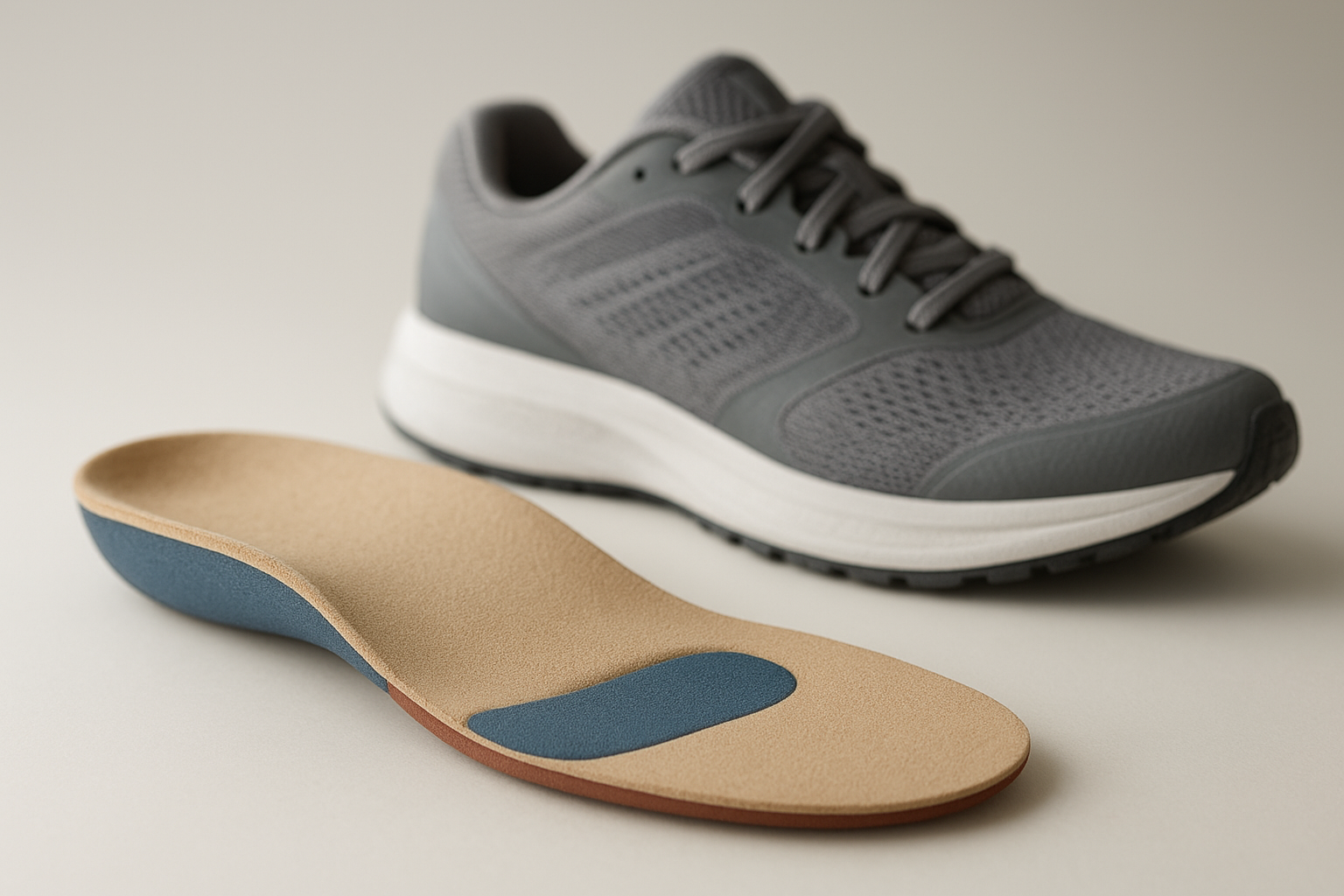
Custom orthotic solutions for running are molded directly from the runner's foot for a precise fit.
Why Runners Need Proper Foot Support
Every time a runner's foot strikes the ground, it absorbs a force equal to roughly two to three times body weight. Consequently, even small misalignments in the foot can translate into significant stress on the knees, hips, and lower back over thousands of repetitions during a single run. In fact, a frequently cited statistic from sports medicine literature suggests that up to half of regular runners experience an overuse injury in any given year.
Because of this cumulative stress, proper foot support isn't just about comfort, it's about injury prevention. Therefore, addressing structural imbalances early, before they progress into chronic pain, is one of the most effective strategies available to long-distance and casual runners alike. For a deeper look at footwear pairing, this guide to orthotics for running and long-distance walking offers additional context.
Common Running Injuries Linked to Poor Foot Support
Several running injuries trace back directly to how the foot moves through its gait cycle. Plantar fasciitis, for example, often develops when the arch collapses excessively, placing repeated strain on the band of tissue along the sole of the foot. Similarly, runner's knee frequently results from improper tracking of the kneecap caused by overpronation.
In addition, shin splints and Achilles tendinitis are commonly tied to abnormal loading patterns that custom support can help correct. Above all, identifying the specific imbalance driving your symptoms is essential before selecting any orthotic solution, which is why a professional gait assessment matters more than guessing at a generic insole.
How to Choose the Right Orthotic Solutions for Running
Selecting the right orthotic doesn't have to be complicated if you follow a structured process. Below is a practical sequence that podiatrists often use when fitting runners for new orthotic devices.
- Get a gait and foot structure assessment. A podiatrist examines your arch type, pronation pattern, and running stride to understand your unique biomechanics before recommending anything.
- Identify your specific pain points. Clearly describing recurring symptoms, such as heel pain or shin discomfort, helps target the orthotic design toward the actual cause.
- Choose custom or semi-custom options. Your budget, injury severity, and weekly mileage all influence whether a fully molded device or a semi-custom insert is the better fit.
- Complete the molding or scanning process. An accurate mold or digital scan ensures the final product mirrors your foot's exact arch height and width.
- Break in the orthotics gradually. Wearing new orthotics on short, easy runs for one to two weeks allows your feet and legs to adapt before resuming full training volume.
For runners who want a deeper comparison of insole options before committing, this podiatrist guide to the best orthotic insoles for runners walks through additional considerations.

A gait assessment helps determine which orthotic design best suits a runner's foot mechanics.
Custom Orthotics vs Store-Bought Running Insoles
Store-bought insoles are manufactured in a handful of standard sizes meant to accommodate a broad range of foot shapes. While they can provide temporary cushioning, they rarely correct the specific structural issue causing a runner's pain. Custom orthotics, on the other hand, are built around an individual mold, which allows them to target precise pressure points and correction angles.
Furthermore, custom devices tend to last longer because they're constructed from durable materials chosen for the wearer's body weight and activity level. Consequently, many runners find that the higher upfront investment in custom orthotics pays off through fewer injury setbacks and longer-lasting support. Those exploring broader support options for active routines may also find this guide to orthotics for active lifestyles useful.
Signs You May Need Custom Support
Not every runner requires a custom device, but certain warning signs suggest it's worth investigating. Persistent arch or heel pain that doesn't improve with rest is one common indicator. Similarly, uneven wear patterns on the outsoles of your running shoes often point to an underlying alignment issue.
In contrast, runners without pain or visible wear irregularities may do fine with supportive running shoes alone. However, if symptoms recur across multiple training cycles, a professional evaluation is the more reliable path forward rather than repeatedly replacing generic insoles.
What to Expect From a Custom Fitting
A typical custom orthotic fitting begins with a conversation about your running habits, injury history, and goals. From there, the podiatrist performs a physical and sometimes digital gait analysis to map out exactly how your foot behaves under load. Specifically, this assessment is what separates a properly fitted device from a mass-produced insert.
Once the assessment is complete, a mold or scan is taken, and the orthotic is fabricated to those exact specifications. Patients working with a podiatrist-owned practice, such as the team at customorthotics.com, can often complete a consultation by phone before placing an order, making the process accessible whether you visit in person or order remotely. For runners comparing buying options, this complete buyer's guide to running orthotics breaks down what to look for before purchasing.
It's also worth noting that orthotics aren't limited to running alone. Many runners who hike, play recreational sports, or spend long hours on their feet benefit from the same supportive principles, as outlined in this guide to custom support for outdoor activities.
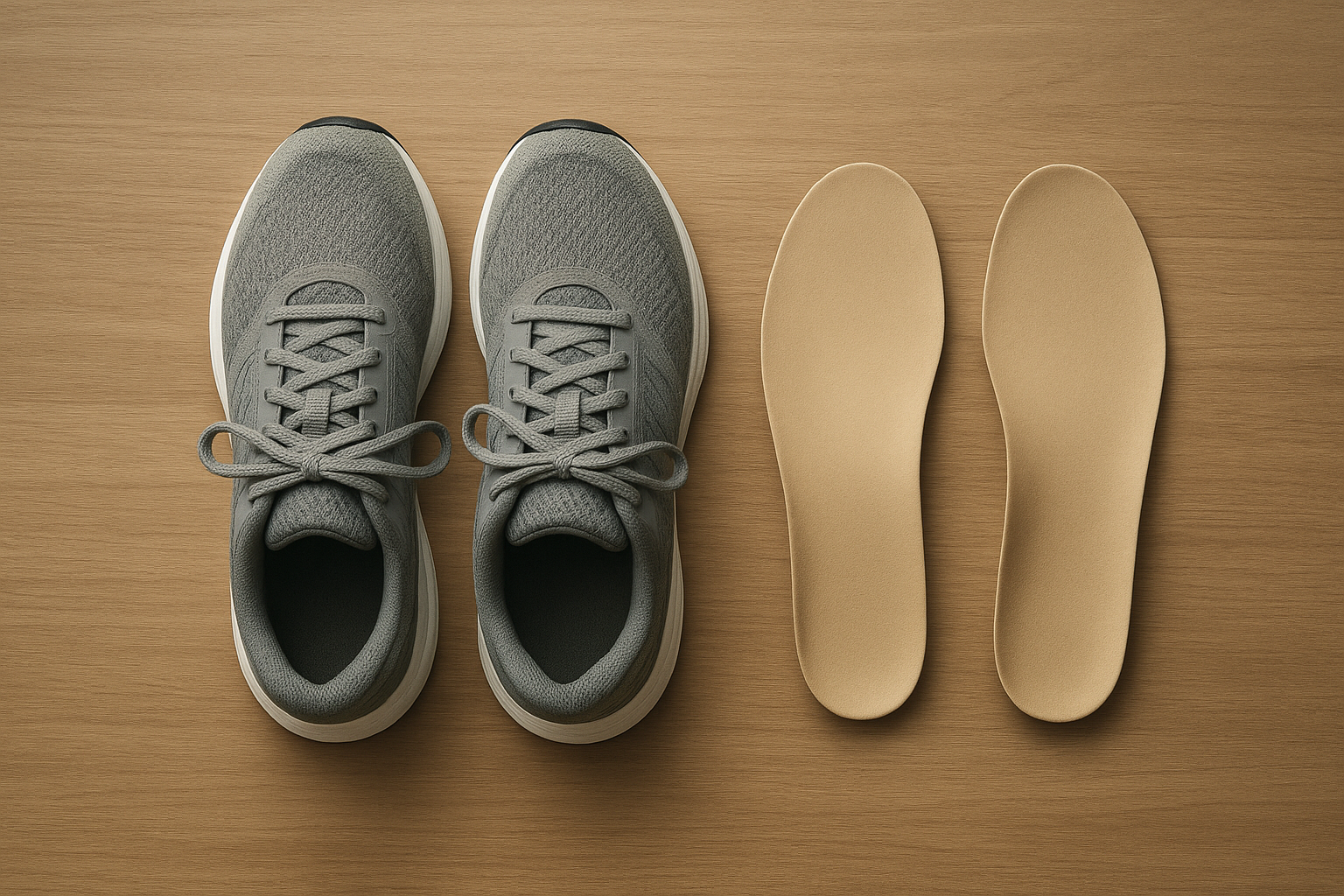
Properly fitted orthotic solutions for running are placed directly into the runner's regular training shoes.
Frequently Asked Questions About Orthotic Solutions for Running
What are orthotic solutions for running?
Orthotic solutions for running are custom-molded or prefabricated inserts placed inside running shoes to correct foot alignment, absorb shock, and reduce strain on joints and tendons. They are designed around an individual's foot shape and running gait.
How do custom orthotics differ from store-bought running insoles?
Custom orthotics are built from an exact mold of your foot, while store-bought insoles use generic shapes meant to fit a wide range of feet. As a result, custom devices typically offer more precise correction for structural imbalances.
Do I need orthotics if I don't have foot pain?
Not necessarily, but many runners use preventive orthotics to correct minor biomechanical issues before they become painful injuries. A podiatrist can assess your gait to determine if preventive support makes sense.
How long does it take to adjust to new running orthotics?
Most runners need one to three weeks to fully adjust to custom orthotics. It's best to break them in gradually, starting with short runs before increasing distance and intensity.
How much do custom orthotics for runners typically cost?
Custom orthotics generally range from $200 to $800 depending on materials and the complexity of the fabrication process. Many podiatrist-owned practices offer consultations to outline exact pricing before production begins.
Can orthotics help with plantar fasciitis in runners?
Yes, orthotics are one of the most commonly recommended conservative treatments for plantar fasciitis. They redistribute pressure away from the inflamed tissue and support the arch during impact.
What running injuries are most linked to poor foot support?
Runner's knee, shin splints, plantar fasciitis, and Achilles tendinitis are frequently tied to inadequate arch support or abnormal foot mechanics. Proper orthotic solutions for running address the root alignment issue behind many of these conditions.
Are custom orthotics worth it for casual runners?
Casual runners can benefit just as much as competitive athletes if they experience recurring discomfort or have a known structural imbalance. Mileage matters less than how your foot strikes the ground.
What is the most common mistake runners make with orthotics?
A common mistake is switching running shoe styles without rechecking orthotic fit, which can throw off the intended support. Another is abandoning orthotics too soon before the adjustment period finishes.
How often should running orthotics be replaced?
Most custom orthotics last one to three years depending on running volume and material wear. Visible cracking, flattening, or returning pain are signs it's time for a replacement.
Can I use the same orthotics in different running shoes?
In many cases yes, as long as the shoes have removable insoles and similar volume. However, it's wise to confirm fit with a podiatrist when switching shoe brands significantly.
What is the process for getting custom running orthotics made?
The process typically starts with a consultation and gait assessment, followed by a mold or scan of the foot, then fabrication and a fitting appointment. This ensures the final orthotic solutions for running match your exact foot structure.
Do orthotics improve running performance or just prevent pain?
While pain relief is the primary goal, many runners also report improved stability and more efficient stride mechanics once alignment issues are corrected. Performance gains vary by individual and underlying biomechanics.
Final Thoughts
Choosing the right orthotic solutions for running ultimately comes down to understanding your foot's unique mechanics rather than guessing with a generic insert. Whether you're managing an existing injury or trying to prevent one, a professional gait assessment and a properly fabricated custom device offer the most reliable path to pain-free miles. For runners ready to take that next step, scheduling a consultation with an experienced podiatrist, such as the team at customorthotics.com, is a practical way to get fitted for a solution built specifically around your stride.