

The best orthotic insoles for runners are custom-molded devices designed around each runner's unique foot shape, gait, and injury history rather than a generic, one-size-fits-all pad. Choosing the right insole can mean the difference between finishing a training cycle pain-free and sitting out weeks with a nagging injury. In this guide, we break down what actually makes running orthotics effective, how they compare to off-the-shelf options, and how to choose the right pair for your stride.
Quick answer: The best orthotic insoles for runners are custom-fitted, arch-specific devices molded directly from a podiatrist's evaluation of the foot. They outperform generic insoles because they correct individual biomechanical issues like overpronation, high arches, or leg-length imbalances instead of offering one-size support.
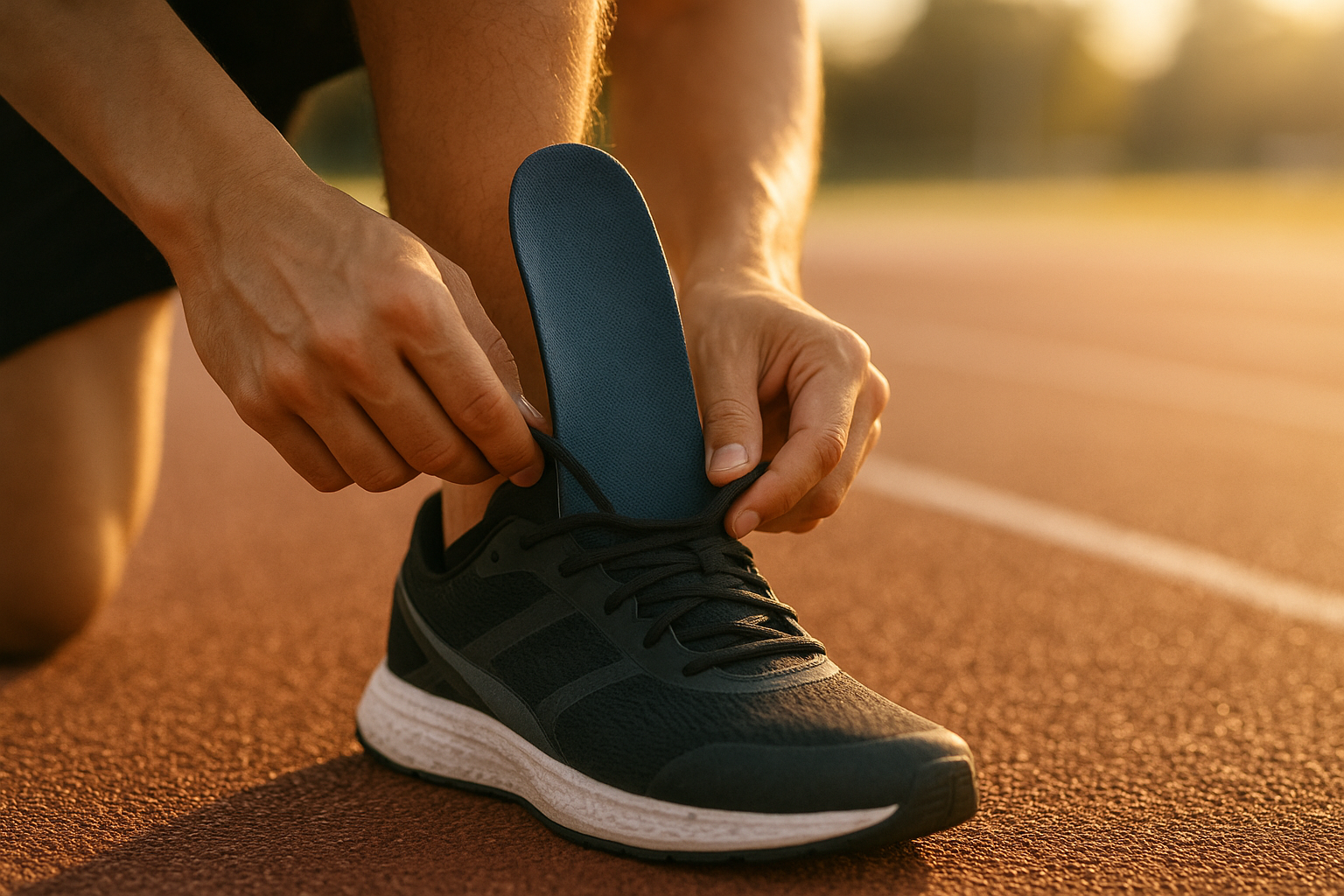
Choosing the best orthotic insoles for runners starts with understanding your foot's unique support needs.
What Are the Best Orthotic Insoles for Runners?
The best orthotic insoles for runners are devices built from an exact mold or digital scan of the foot, then fine-tuned by a podiatrist to correct specific movement patterns. Unlike drugstore inserts, custom orthotics account for arch height, heel angle, and even leg-length discrepancies.
Furthermore, running places roughly two to three times a runner's body weight in force through each foot with every stride, according to biomechanics research published by the National Library of Medicine. Consequently, poorly fitted support can compound that stress into chronic pain over time.
Why Running Insoles Matter for Injury Prevention
Running is a repetitive-impact sport, so even small alignment issues get magnified over thousands of strides per session. As a result, structural imbalances that feel minor while walking often become painful during longer runs.
Custom running insoles work by redistributing pressure evenly across the foot's surface. In particular, they support the arch during the stance phase and cushion the heel during impact, which reduces strain on connective tissue.
Similarly, proper alignment at the foot influences the knees, hips, and lower back. Therefore, a well-fitted orthotic can indirectly ease pain that seems unrelated to the feet at first glance.
Common Running Injuries Linked to Poor Insole Support
Plantar fasciitis, a painful inflammation of the tissue connecting the heel to the toes, is one of the most frequent complaints among runners with inadequate arch support. You can read more about the condition on Wikipedia's overview of plantar fasciitis.
In addition, shin splints, IT band syndrome, and Achilles tendonitis often trace back to overpronation or poor shock absorption at the foot's landing point. For example, a runner whose foot rolls too far inward places extra torque on the lower leg with every step.
Above all, addressing these issues early through proper support tends to be far easier than recovering from a stress fracture or torn tendon later. For a deeper breakdown of injury-specific insole strategies, our complete buyer's guide to running orthotics covers this in detail.

A podiatrist-guided mold is the foundation of a well-fitted custom orthotic.
Custom vs. Off-the-Shelf Running Insoles: What's the Difference?
Off-the-shelf insoles are manufactured in bulk using averaged foot shapes, which means they only approximate support for any individual runner. In contrast, custom orthotics are built from a direct impression of one specific foot.
Consequently, custom devices tend to last longer, correct more precise issues, and hold their shape better under repeated impact. However, prefabricated insoles remain a reasonable starting point for runners with mild, generalized discomfort and no diagnosed structural problem.
If you're weighing both routes, our guide on podiatrist-recommended insoles walks through when each option makes sense.
How to Choose the Right Running Orthotics: A Step-by-Step Process
Selecting the right pair doesn't have to be overwhelming. Below is the process most podiatrists recommend for runners evaluating their options.
- Identify your arch type and gait pattern. Note whether your arch is high, neutral, or flat, and whether your ankle rolls inward or outward while running.
- Get a professional foot evaluation. A podiatrist can assess biomechanics and injury history far more accurately than a self-assessment.
- Choose between custom and prefabricated insoles. Base this decision on budget, mileage, and whether you have a diagnosed condition.
- Match insoles to your shoe and terrain. Confirm the fit inside your running shoe and pick rigidity suited to road or trail conditions.
- Break in the insoles gradually. Start with short runs and increase distance over one to two weeks while monitoring comfort.
Key Features to Look for in Podiatrist-Recommended Insoles
First, look for a firm heel cup that stabilizes the foot on impact. Second, arch support should match your specific arch height rather than a generic medium setting.
Additionally, breathable, moisture-wicking top layers help prevent blisters during longer training runs. Meanwhile, the base material should be durable enough to withstand thousands of miles without flattening prematurely.
Runners recovering from specific injuries, or training at a high volume, may also benefit from insoles designed for athletic performance. Our resource on custom insoles for athletes covers speed and recovery-focused designs in more depth.
How Custom Orthotics Are Made for Runners
The fabrication process typically begins with a physical mold or digital scan taken during a consultation. From there, a lab shapes the orthotic shell around the exact contours captured in that mold.
Afterward, a podiatrist reviews the fit in person or remotely, adjusting padding and support zones as needed. This hands-on craftsmanship is why practices like customorthotics.com, which is podiatrist-owned with more than two decades of fabrication experience, emphasize direct evaluation over generic templates.
Runners who also stand for long shifts at work, or who have flat feet in addition to running-related pain, often need insoles designed for dual purposes. See our guides on insoles for people who stand all day and shoe inserts for flat feet for related recommendations.
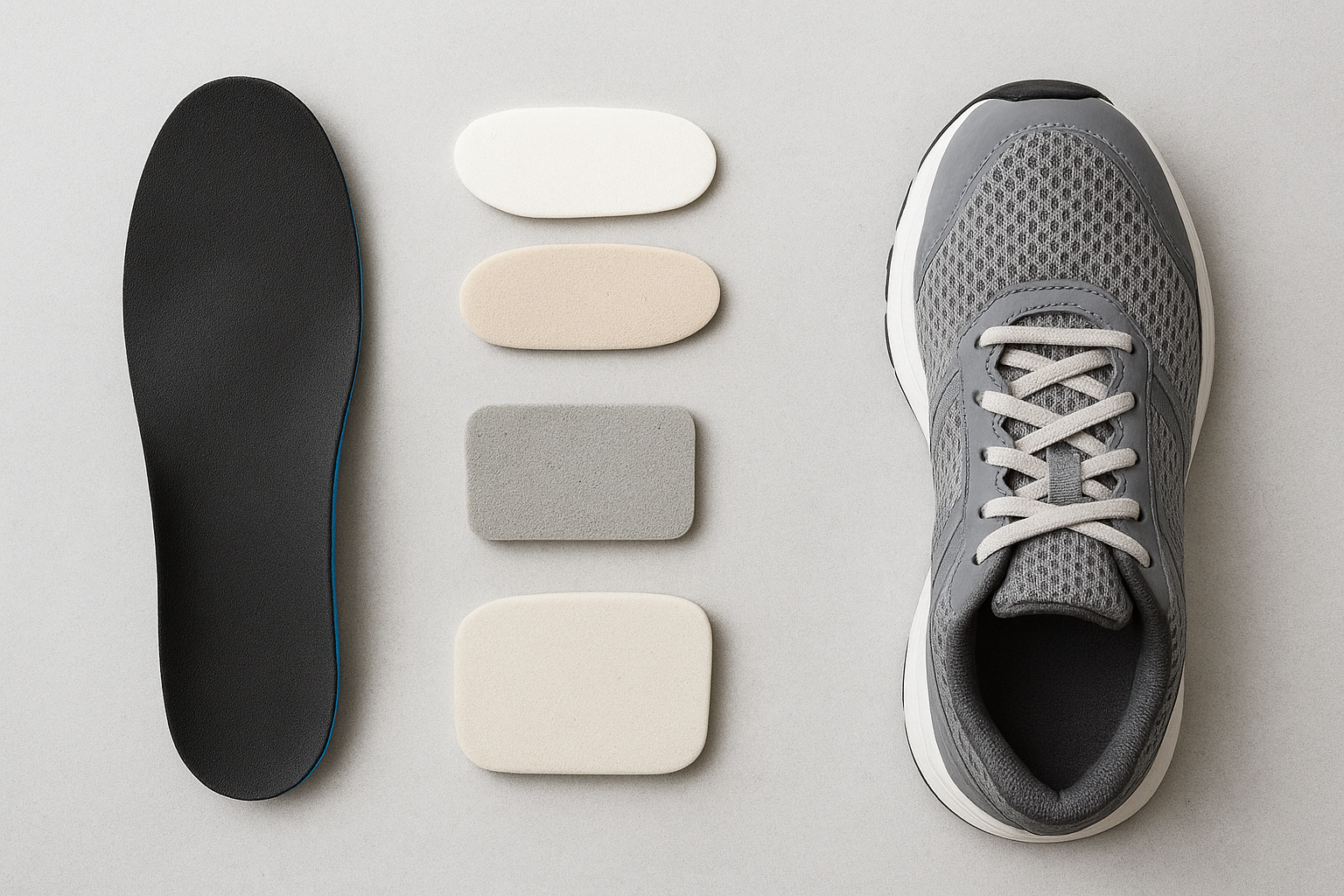
Material choice and arch shaping directly affect how an orthotic performs mile after mile.
Frequently Asked Questions
What are the best orthotic insoles for runners?
The best orthotic insoles for runners are custom-molded devices built from a direct cast of each runner's foot, since they correct individual biomechanical imbalances that generic pads cannot address. They provide targeted arch support, heel stabilization, and shock absorption matched to a runner's stride.
How do orthotic insoles help runners avoid injury?
Orthotic insoles redistribute impact forces evenly across the foot, which reduces repetitive strain on the plantar fascia, Achilles tendon, and knees. As a result, runners often experience fewer overuse injuries during high-mileage training blocks.
How long does it take to break in new running orthotics?
Most runners need one to two weeks of gradual wear, starting with short runs before moving to full training distances. Rushing the process can cause blisters or muscle soreness as the foot adapts.
What is the difference between custom and over-the-counter running insoles?
Custom insoles are fabricated from an exact mold of a runner's foot, while over-the-counter versions use a generic, one-size-fits-most shape. Consequently, custom devices correct specific issues like overpronation more precisely than mass-produced inserts.
How much do custom orthotic insoles for runners cost?
Custom orthotics typically range from $200 to $500 depending on materials and provider, while off-the-shelf insoles cost $30 to $80. Many patients find the higher upfront cost worthwhile since custom devices last longer and address root causes.
Can orthotic insoles fix flat feet for runners?
Orthotic insoles cannot permanently change bone structure, but they can significantly improve comfort and function for runners with flat feet. They do this by supporting the arch and controlling excess inward rolling of the ankle.
What common mistakes do runners make when choosing insoles?
A frequent mistake is buying insoles based on shoe size alone instead of foot shape and gait. Another common error is skipping a professional evaluation, which often leads to selecting the wrong level of support.
How often should runners replace their orthotic insoles?
Custom orthotics generally last one to five years depending on mileage and material, whereas foam-based inserts wear out within six to twelve months. Runners should replace insoles sooner if they notice flattened support or renewed pain.
Do custom orthotics work for trail running and road running?
Yes, custom orthotics can be fabricated with different rigidity and cushioning for trail versus road use. Trail versions often include added stability for uneven terrain, while road versions prioritize shock absorption on flat surfaces.
What best practices help runners get the most from orthotic insoles?
Runners should rotate orthotics between multiple pairs of shoes, break them in gradually, and schedule periodic check-ins with a podiatrist. In addition, tracking mileage helps determine when replacement is due.
Are orthotic insoles covered by insurance?
Some insurance plans cover custom orthotics when prescribed for a diagnosed medical condition, though coverage varies widely by provider. Patients should confirm benefits directly with their insurer before ordering.
How are custom orthotic insoles made?
Custom orthotics start with a physical mold or digital scan of the foot, which a lab uses to fabricate a device matched to the runner's exact contours. A podiatrist then fine-tunes the fit during a follow-up evaluation.
Final Thoughts on Choosing Running Insoles
Ultimately, the best orthotic insoles for runners are the ones built around an individual's actual foot shape, gait, and training demands rather than a generic template. Whether that means starting with a quality prefabricated insole or moving straight to a custom-molded device, the goal remains the same: reduce impact stress and keep training consistent.
Therefore, runners dealing with recurring pain, or simply wanting to train smarter, should consider a professional evaluation before their next race cycle. A properly fitted pair of orthotics can be the difference between a season of steady progress and one interrupted by injury.