

Foot comfort insoles are specially designed shoe inserts that cushion, support, and realign the feet to reduce pain, fatigue, and pressure during everyday movement. Whether you spend your day standing on concrete floors, walking long distances, or simply want relief from chronic discomfort, the right insole can make a measurable difference. In this guide, we will explain what these insoles actually do, how custom orthotics differ from store-bought versions, and how to choose the best option for your specific foot type.
Quick Answer: Foot comfort insoles are orthotic inserts crafted to cushion, support, and correct foot alignment, reducing pain and fatigue during standing or walking. Custom-molded versions, like those made by podiatrists, generally offer more precise and longer-lasting relief than generic store-bought pads.
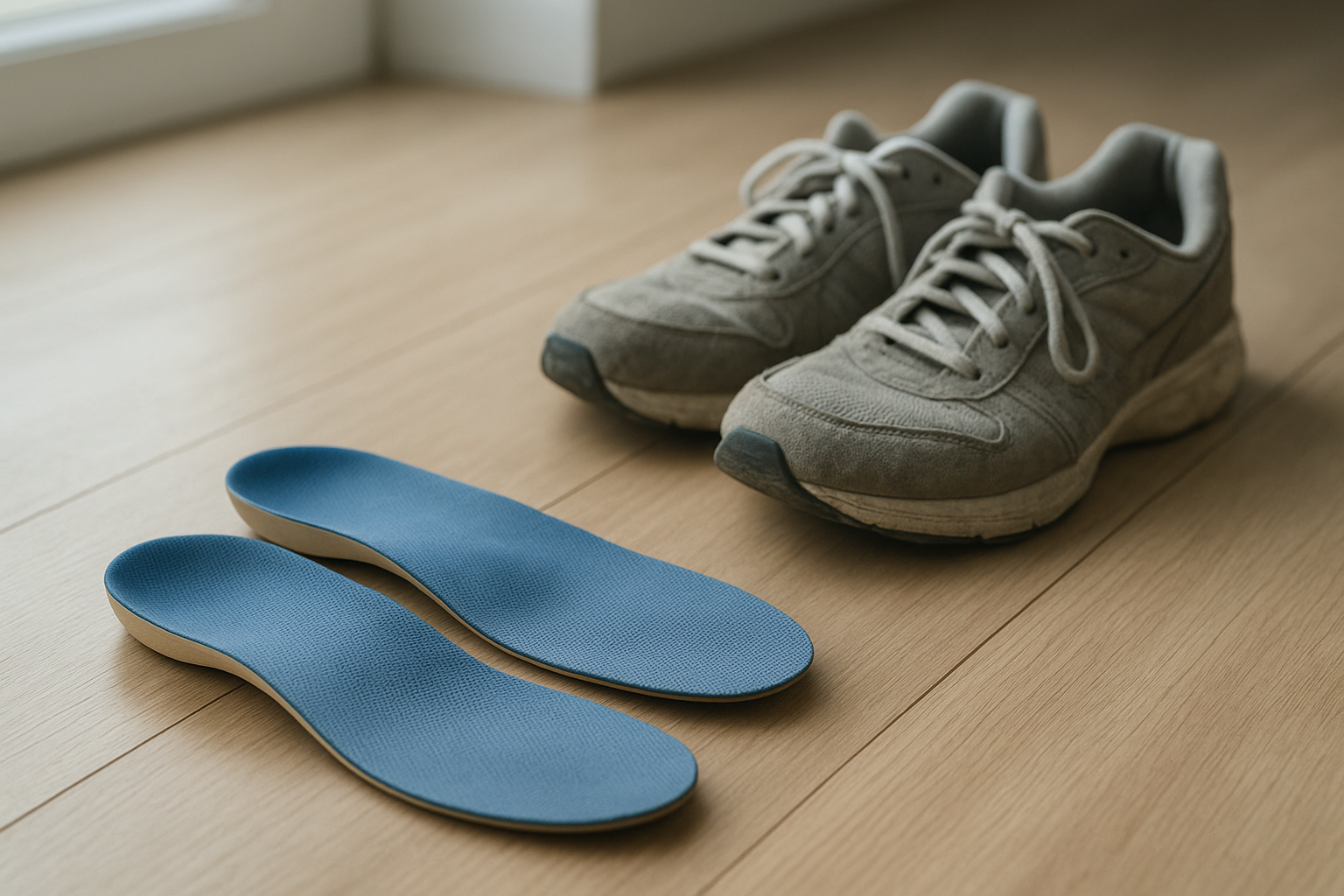
Custom foot comfort insoles are built to match the exact shape of your feet.
What Are Foot Comfort Insoles?
Foot comfort insoles are inserts placed inside footwear to support the arch, cushion pressure points, and correct subtle alignment issues. In short, they act as a buffer between your foot and the ground, absorbing shock with every step.
Generic insoles sold at pharmacies are usually mass-produced foam pads that fit a general shoe size. In contrast, custom orthotics are molded from an impression of your actual foot, which means the support sits exactly where you need it most. According to Wikipedia's overview of orthotics, these devices are used clinically to manage conditions ranging from flat feet to plantar fasciitis by redistributing load across the foot. As a result, people with structural imbalances often notice relief that generic padding simply cannot provide.
Why Comfortable Insoles Matter for Everyday Foot Health
Feet absorb thousands of impacts every day, and over time, poor support can lead to compounding strain on the knees, hips, and lower back. Consequently, many people who seek comfortable insoles are not just treating foot pain, they are addressing discomfort that radiates upward through the body.
A nationwide survey conducted by the American Podiatric Medical Association found that a majority of adults have experienced foot pain that disrupted their daily routines at some point. In particular, standing occupations such as retail, healthcare, and food service show higher rates of reported foot fatigue. Therefore, investing in supportive insoles is not simply a comfort upgrade, it is a preventative step for long-term mobility. For readers who spend most of their day on their feet, our guide on comfortable walking insoles breaks down additional options suited to active lifestyles.
Custom Orthotics vs Store-Bought Comfort Insoles
Store-bought comfort insoles are convenient and inexpensive, which makes them a reasonable first step for mild, occasional discomfort. However, because they are designed to fit a broad range of foot shapes, they rarely correct an individual's specific pronation pattern or arch height.
Custom orthotics, on the other hand, start with a direct mold or digital scan of your foot. This means the finished product matches your unique pressure points instead of approximating them. Similarly, a podiatrist can adjust the firmness, arch depth, and heel cushioning based on your diagnosis rather than guesswork. For anyone comparing both paths, our detailed breakdown of what insoles podiatrists recommend for foot pain relief offers a side-by-side look at both categories.
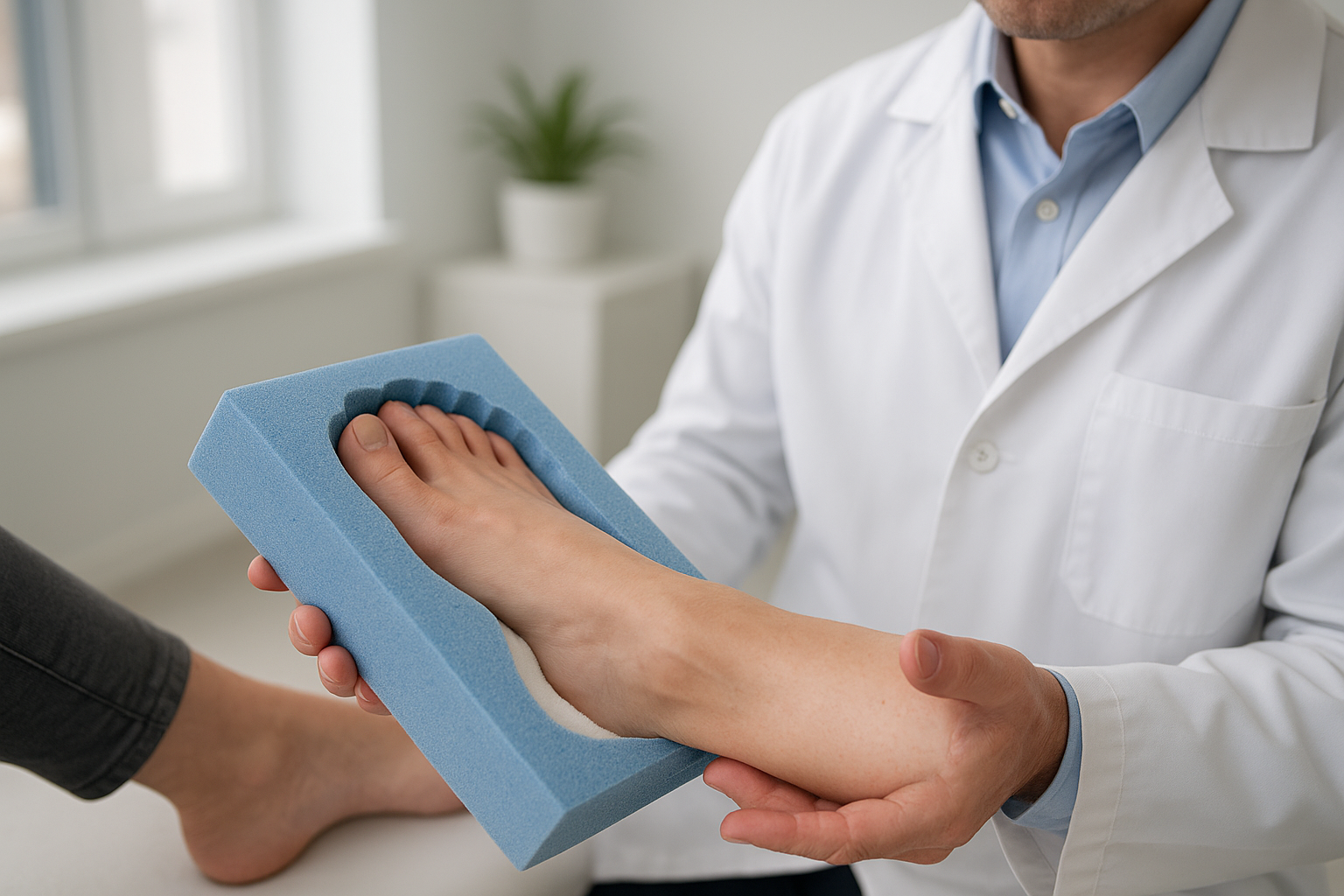
A precise mold is the foundation of every custom orthotic build.
How Custom Orthotic Insoles Are Made: A Step-by-Step Guide
Getting a pair of custom orthotics is a straightforward process when you work with an experienced podiatrist. Below is the typical sequence patients follow from first contact to final fitting.
- Schedule a consultation. Contact a podiatrist for a complimentary consultation to discuss your foot pain, daily activity level, and any existing diagnoses that affect your feet.
- Get a mold of your feet. A professional takes a precise impression or digital scan of each foot to capture its unique arch height, width, and pressure points.
- Fabrication in a lab. Technicians use the mold to craft a custom orthotic shell and cushioning layers tailored specifically to your foot structure and gait pattern.
- Fitting and adjustments. Once completed, the orthotics are fitted into your shoes, and the podiatrist makes any necessary adjustments for comfort and proper alignment.
- Break-in and follow-up. Wear the insoles gradually over the first two weeks and schedule a follow-up to confirm they are relieving pain and fitting correctly long term.
Throughout this process, communication with your provider matters. For instance, if the orthotic feels too rigid after a week, a quick adjustment is far easier than starting over. You can review the full consultation and ordering process directly at customorthotics.com.
Signs Your Current Insoles Aren't Providing Enough Comfort
It can be difficult to know when an insole has stopped doing its job. However, there are a few consistent warning signs worth watching for.
First, if you notice flattened or compressed foam when the insole is removed from the shoe, the cushioning has likely lost its supportive properties. Second, new or worsening pain in the heel, arch, or ball of the foot after wearing the same insole for months often signals that it no longer matches your foot's needs. Third, uneven wear patterns on the sole of your shoe can indicate that your current insole is not correcting your gait as intended. In these cases, a visit to a podiatrist for a reassessment is usually more effective than simply buying another generic pad.
Choosing the Right Insoles for Your Foot Type
Not every foot needs the same kind of support. Flat feet, high arches, and neutral arches each respond differently to cushioning and structure.
For example, people with flat feet typically need firmer arch support to prevent the foot from rolling inward, a condition known as overpronation. Our guide on tailored insoles for flat feet explains this in more depth, as does our companion resource on comfortable insoles for flat feet. In contrast, high arches often benefit from additional cushioning to compensate for reduced natural shock absorption. Above all, matching the insole to your specific foot shape, rather than relying on a one-size-fits-all product, is the single most important factor in long-term comfort.

Properly fitted support can restore natural, pain-free movement.
Foot Comfort Insoles for Common Medical Conditions
Certain conditions respond particularly well to properly designed insoles. Plantar fasciitis, for instance, often improves when arch support reduces tension on the heel ligament with each step.
Similarly, patients with bunions, diabetic foot sensitivity, or mild arthritis frequently benefit from cushioned, pressure-redistributing orthotics. Meanwhile, athletes dealing with repetitive strain injuries often use custom insoles to correct the subtle biomechanical issues that cause recurring pain. If chronic discomfort is your main concern, the strategies covered in foot pain relief insoles that actually work provide additional context on matching insole features to specific symptoms. Regardless of the condition, a proper diagnosis from a podiatrist ensures the insole addresses the actual cause rather than masking the symptom temporarily.
Frequently Asked Questions About Foot Comfort Insoles
What are foot comfort insoles?
Foot comfort insoles are shoe inserts designed to cushion, support, and realign the feet to reduce pain and fatigue. They range from basic foam pads to fully custom-molded orthotics prescribed by a podiatrist.
How do foot comfort insoles help with foot pain?
They redistribute pressure away from sensitive areas and correct minor alignment issues that cause strain. This reduces stress on the heels, arches, and joints during standing or walking.
Are custom foot comfort insoles better than store-bought inserts?
Custom insoles are molded directly from your feet, so they address your specific shape and gait pattern. Store-bought versions offer general cushioning but cannot correct individual structural imbalances as precisely.
How much do custom foot comfort insoles cost?
Custom orthotics typically cost more upfront than drugstore inserts because they involve a mold, fabrication, and professional fitting. However, many patients find the longer lifespan and targeted relief worth the investment.
How long do foot comfort insoles last?
Custom orthotics often last three to five years with proper care, while basic foam insoles may wear out within six to twelve months. Durability depends on activity level, body weight, and shoe rotation.
How long does it take to get custom orthotic insoles?
After the initial mold is taken, fabrication usually takes two to three weeks. Some providers offer expedited turnaround for patients with urgent needs.
What is the biggest mistake people make when choosing insoles?
Many people buy generic cushioned pads without addressing the underlying cause of their discomfort, such as flat feet or improper alignment. As a result, the pain often returns because the root issue was never corrected.
Can foot comfort insoles help with plantar fasciitis?
Yes, properly designed insoles support the arch and heel, reducing tension on the plantar fascia ligament. This can noticeably ease morning heel pain over time.
Do foot comfort insoles work for flat feet?
Insoles built with arch support can significantly improve comfort for people with flat feet by preventing excess inward rolling of the ankle. Custom versions are molded to the exact arch height needed.
Will insurance cover custom foot comfort insoles?
Coverage varies by provider and plan, but many insurers partially reimburse custom orthotics when prescribed for a diagnosed medical condition. It is best to confirm benefits before ordering.
How do I care for my foot comfort insoles?
Wipe them with a damp cloth and let them air dry away from direct heat, which can warp the material. Rotating insoles between shoe pairs also helps extend their lifespan.
Who should consider custom foot comfort insoles?
Anyone with chronic foot, knee, or back pain linked to poor alignment can benefit, as can people who stand or walk for long hours. Athletes and individuals with diabetes or arthritis often see particular value.
Can I wear foot comfort insoles in any type of shoe?
Most insoles fit well in athletic shoes, work boots, and casual footwear, though slim dress shoes may require a thinner design. A podiatrist can recommend the right style for each shoe category.
Final Thoughts on Choosing Foot Comfort Insoles
Ultimately, foot comfort insoles work best when they are matched to your specific foot shape, activity level, and any underlying condition you may have. Generic pads can offer short-term relief, but custom orthotics address the structural causes of pain rather than just the symptoms. Therefore, if you have tried store-bought inserts without lasting success, a professional consultation is a reasonable next step. Learn more about the fitting process and schedule a complimentary consultation at customorthotics.com, where a podiatrist-led team has spent more than two decades crafting individually molded orthotics for lasting, pain-free comfort.