

Diabetic foot orthotics are specialized shoe inserts designed to protect, support, and offload pressure from the feet of people living with diabetes. For the more than 37 million Americans diagnosed with diabetes, according to the Centers for Disease Control and Prevention, foot health is not a minor concern — it is a daily medical priority. Without proper protection, even a small blister or callus can escalate into a serious ulcer or infection.
Fortunately, the right orthotic device can make an enormous difference. In this guide, you will learn exactly how diabetic foot orthotics work, why custom-made options outperform generic insoles, and how to get the right fit for your specific needs.
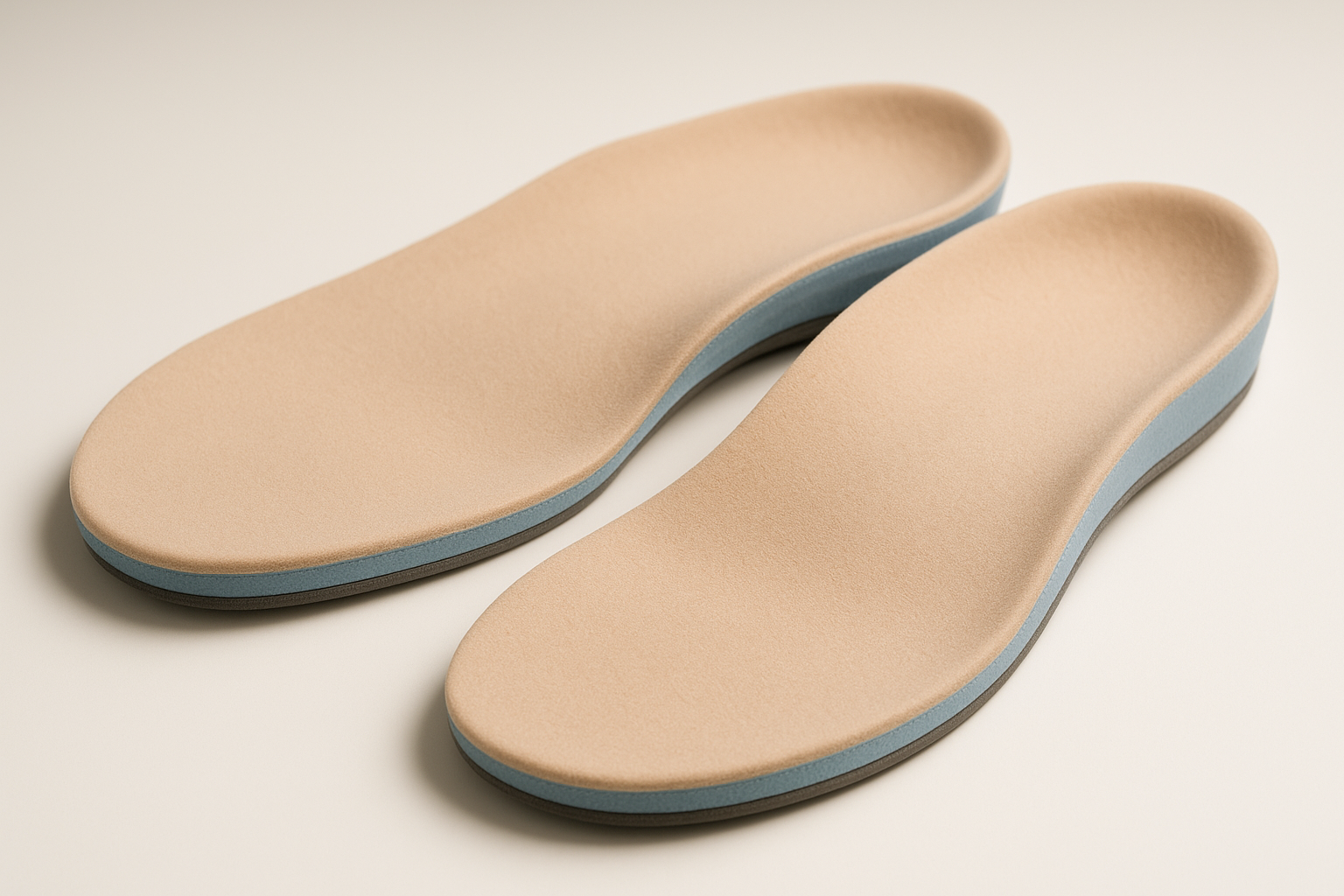
Custom diabetic foot orthotics use layered cushioning materials to redistribute pressure and protect vulnerable areas of the foot.
What Are Diabetic Foot Orthotics?
Diabetic foot orthotics are medically prescribed or custom-fabricated insoles that fit inside footwear to manage the mechanical forces acting on a diabetic foot. They differ from standard shoe inserts because they are engineered specifically around the complications diabetes creates — particularly peripheral neuropathy (nerve damage that reduces sensation) and impaired blood circulation.
In essence, these devices act as a protective interface between the foot and the ground. They cushion bony prominences, redistribute plantar pressure away from high-risk zones, and reduce friction that could otherwise create open wounds in feet that cannot feel pain normally.
The Core Problem: Why Diabetic Feet Are So Vulnerable
Diabetes damages nerves and blood vessels over time. As a result, many patients lose protective sensation in their feet — meaning they cannot feel a pebble in their shoe, a rubbing seam, or a developing sore. Additionally, poor circulation slows healing dramatically. A minor wound that a healthy person would recover from in days can take weeks or months to heal in a diabetic patient, and in severe cases may never heal at all.
Therefore, prevention is far more effective than treatment. Diabetic foot orthotics address the root mechanical causes of injury before wounds ever form.
Key Benefits of Diabetic Foot Orthotics
The clinical advantages of properly fitted diabetic orthotics are well documented. Specifically, they deliver the following benefits:
- Pressure redistribution: Spreading load evenly across the entire plantar surface reduces peak pressure at vulnerable spots like the ball of the foot and heel.
- Ulcer prevention: Research published in clinical literature shows therapeutic footwear can reduce diabetic foot ulcer recurrence by approximately 50%.
- Shock absorption: Soft orthotic materials dampen impact forces during walking, reducing stress on joints and soft tissue.
- Structural correction: Orthotics can address flat feet, high arches, and gait abnormalities that create uneven loading patterns.
- Improved mobility: With less pain and better support, patients walk more confidently and maintain greater independence.
Consequently, diabetic foot orthotics are widely recommended by podiatrists, endocrinologists, and the American Diabetes Association as part of a comprehensive diabetes management plan.
Custom vs. Over-the-Counter Diabetic Insoles
Not all insoles marketed to diabetic patients deliver the same level of protection. Understanding the difference between custom and prefabricated options is critical for making a safe choice.
Over-the-Counter Options: Convenient but Limited
Pharmacy insoles and generic diabetic insoles offer basic cushioning and are widely available. However, they are built around average foot shapes — not yours. For a diabetic patient with a structural deformity, a history of ulcers, or significant neuropathy, generic sizing simply cannot provide adequate protection. In some cases, an ill-fitting insole can create new pressure points rather than eliminating existing ones.
Custom Orthotics: Precision Built for Your Feet
Custom diabetic foot orthotics start with a precise mold or scan of your individual feet. A podiatrist then prescribes specific materials, arch height, and offloading modifications tailored to your exact clinical needs. The result is a device that fits your foot — not a statistical average — and addresses your specific risk factors.
At customorthotics.com, each orthotic is fabricated directly from individual molds of the patient's feet by a podiatrist-owned and operated practice with more than 20 years of experience. That level of personalization is simply not possible with off-the-shelf products. For more background on choosing the right fit, see this helpful resource on finding the right diabetic orthotics online.

A thorough podiatric evaluation is the foundation of effective diabetic foot orthotic therapy.
Materials Used in Diabetic Orthotics
The materials chosen for a diabetic orthotic directly determine how well it protects the foot. In general, softer and more conforming materials are preferred for diabetic patients because they minimize shear forces and accommodate sensitive or deformed foot structures.
Common materials include:
- Plastazote foam: A heat-moldable, ultra-soft foam that conforms to the foot's contours and is widely used as the top cover in diabetic orthotics.
- PPT (Poron): A viscoelastic urethane foam that absorbs shock and returns to its original shape, providing durable cushioning over time.
- Silicone gel: Used in targeted padding to offload specific bony prominences or ulcer-prone areas.
- EVA (ethylene-vinyl acetate): A firmer base layer used when structural correction is also needed alongside cushioning.
Furthermore, the field of orthotics continues to evolve, with newer materials offering improved breathability and antimicrobial properties — particularly important for diabetic patients who are prone to fungal and bacterial infections.
How to Get Custom Diabetic Foot Orthotics: A Step-by-Step Process
Getting the right diabetic orthotic does not need to be complicated. Here is a clear, sequential process to follow:
- Consult a podiatrist. Schedule an evaluation to assess your foot structure, circulation, neuropathy level, and any existing pressure points or ulcer history. A qualified podiatrist will identify which areas of your foot are at highest risk.
- Have your feet molded or scanned. The podiatrist takes a plaster cast, foam impression, or 3D digital scan of your feet to capture every contour needed for precise fabrication.
- Select appropriate materials and modifications. Based on your diagnosis, the podiatrist prescribes the correct cushioning materials, arch support level, and any offloading modifications to protect high-risk zones.
- Receive and break in your orthotics. Begin wearing your new diabetic orthotics for one to two hours per day, gradually increasing wear time as your feet adapt to the improved support and pressure distribution.
- Schedule follow-up inspections. Return to your podiatrist every three to six months to inspect your feet for pressure sores, evaluate orthotic wear, and make adjustments as needed.
For patients who cannot visit a clinic in person, many podiatrist-led practices now offer remote ordering. You can learn more about what to look for in orthotics for diabetic foot care and explore options for custom insoles for diabetes that can be ordered conveniently online.
Conditions That Diabetic Foot Support Devices Address
Diabetic foot orthotics are not a one-size-fits-all solution — they are prescribed to address a wide range of conditions that commonly occur in people with diabetes. Understanding which conditions apply to you helps clarify what type of orthotic is most appropriate.
Conditions commonly treated with diabetic orthotics include:
- Plantar fasciitis: Heel and arch pain caused by inflammation of the plantar fascia, which is especially common in diabetic patients with altered gait.
- Charcot foot: A serious complication of neuropathy where the bones of the foot weaken and fracture, requiring specialized offloading devices.
- Hammertoes and bunions: Structural deformities that create pressure points requiring custom accommodation.
- Flat feet and high arches: Structural imbalances that alter pressure distribution and increase ulcer risk.
- Active or healed ulcer sites: Orthotics can offload specific areas to allow healing or prevent recurrence.
For a broader look at the range of foot problems orthotics can address, see this detailed overview of what foot problems custom orthotics can help with.
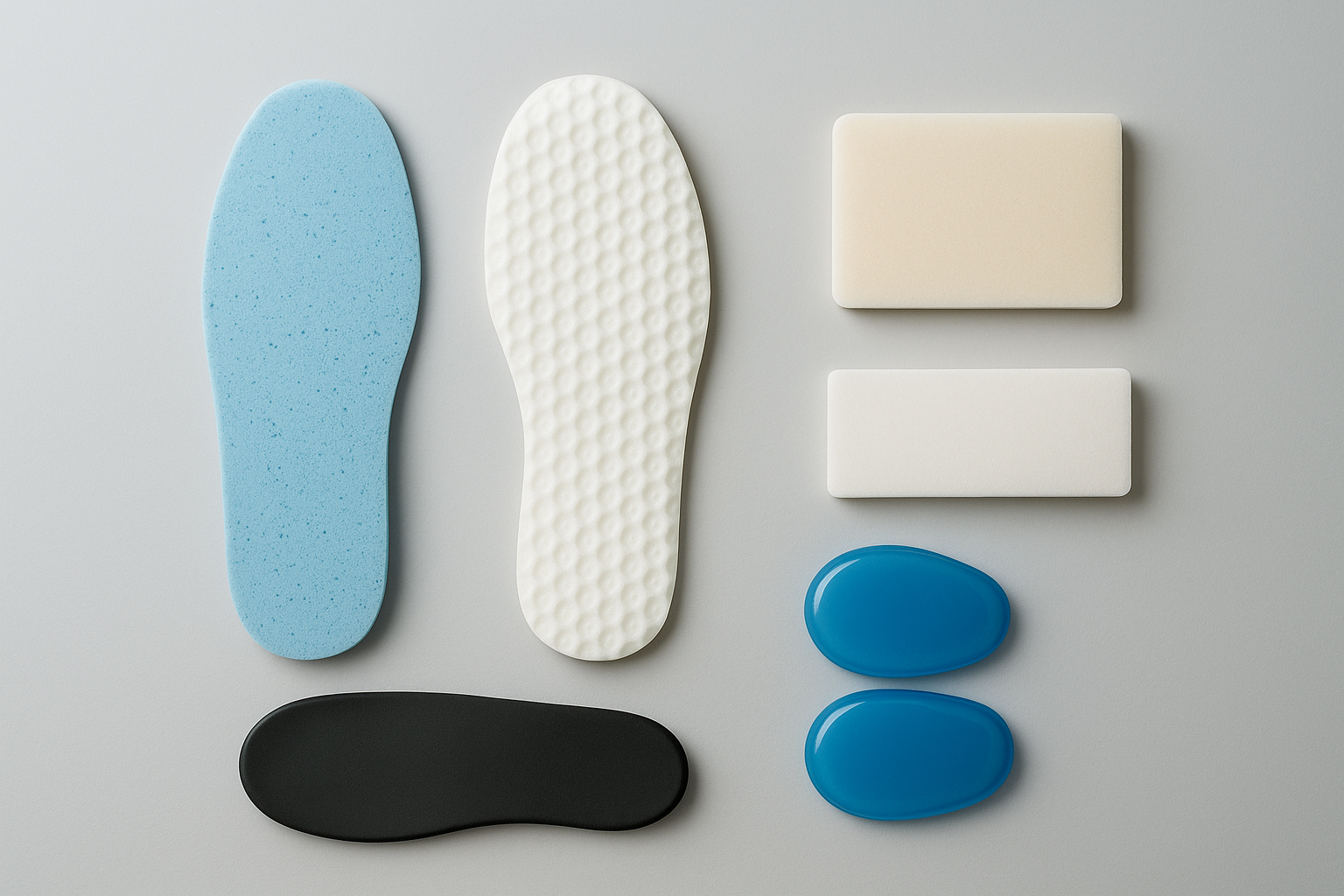
The layered materials used in diabetic foot orthotics are carefully selected to balance cushioning, durability, and pressure relief.
Insurance Coverage and Cost Considerations
Cost is a common concern when considering custom orthotics. However, many patients with diabetes are eligible for coverage through Medicare or private insurance. Medicare's Therapeutic Shoe Bill, for example, covers one pair of custom-molded shoes or three pairs of inserts per calendar year for qualifying beneficiaries with diabetes-related foot conditions.
To qualify, patients typically need a diagnosis of diabetes, a prescription from their treating physician, and documentation of at least one qualifying foot condition such as peripheral neuropathy, poor circulation, or a history of ulceration. It is therefore worth contacting your insurer before assuming orthotics are an out-of-pocket expense.
Additionally, a free phone consultation with a podiatrist — as offered at customorthotics.com — can help you understand your options without any upfront commitment. For a comprehensive overview of the process, the personalized foot orthotics complete guide is an excellent starting point.
Frequently Asked Questions About Diabetic Foot Orthotics
What are diabetic foot orthotics?
Diabetic foot orthotics are custom-made or prefabricated shoe inserts designed specifically for people with diabetes. They redistribute pressure across the foot, reduce friction, and help prevent serious complications like ulcers and infections.
Why do people with diabetes need special orthotics?
Diabetes can cause neuropathy and poor circulation, which reduce the ability to feel pain or detect injuries. Special orthotics protect vulnerable feet by cushioning pressure points and preventing sores from developing unnoticed.
Can diabetic foot orthotics prevent amputations?
Yes. Properly fitted diabetic foot orthotics can significantly reduce the risk of foot ulcers, which are a leading cause of diabetes-related amputations. Studies show that therapeutic footwear reduces ulcer recurrence rates by up to 50%.
What is the difference between custom and over-the-counter diabetic insoles?
Custom diabetic orthotics are fabricated from individual molds of a patient's feet, ensuring a precise fit that addresses their specific structural issues. Over-the-counter insoles use generic sizing and cannot replicate this level of personalization or medical-grade pressure relief.
How long do diabetic foot orthotics last?
Most custom diabetic orthotics last one to three years with proper care. However, they should be inspected regularly, as worn-down cushioning may no longer provide adequate pressure relief for diabetic feet.
Are diabetic foot orthotics covered by insurance?
Medicare and many private insurers cover therapeutic diabetic footwear and orthotics under specific programs, such as Medicare's Therapeutic Shoe Bill. Coverage eligibility typically requires a diagnosis of diabetes and a physician's prescription.
What materials are used in diabetic orthotics?
Diabetic orthotics commonly use soft, shock-absorbing materials such as Plastazote foam, PPT (Poron), and silicone gel. These materials cushion sensitive areas, reduce shear forces, and accommodate bony prominences without creating new pressure points.
How do I know if I need diabetic foot orthotics?
If you have diabetes and experience foot pain, calluses, numbness, or a history of foot ulcers, you likely need diabetic orthotics. A podiatrist can assess your foot structure and circulation to determine the right level of support.
Can diabetic orthotics help with neuropathy pain?
While orthotics cannot reverse nerve damage, they reduce mechanical stress on sensitive nerves in the feet. This can lessen pain and discomfort associated with diabetic peripheral neuropathy during everyday activity.
What foot conditions do diabetic orthotics address?
Diabetic foot orthotics address plantar fasciitis, hammertoes, Charcot foot, heel pain, flat feet, and high arches. They are also used to offload pressure from active or healed ulcer sites to support recovery and prevent recurrence.
How are custom diabetic orthotics made?
Custom diabetic orthotics begin with a precise mold or scan of the patient's foot. A podiatrist then prescribes specific materials, padding, and modifications. The device is fabricated to match the patient's exact foot shape and clinical needs.
Can I order diabetic foot orthotics online?
Yes. Some podiatrist-led practices allow patients to order custom orthotics online using impression kits mailed to their home. This makes professional-grade diabetic foot orthotics accessible without requiring an in-person clinic visit.
Conclusion: Taking the First Step Toward Healthier Feet
Diabetic foot orthotics represent one of the most effective, non-invasive tools available for protecting feet compromised by diabetes. By redistributing pressure, absorbing shock, and accommodating structural deformities, these devices address the root mechanical causes of injury rather than simply treating symptoms after the fact. Furthermore, when orthotics are custom-made from individual foot molds by an experienced podiatrist, the level of protection they provide is simply unmatched by anything available off the shelf.
If you or someone you care for is living with diabetes and experiencing foot discomfort, numbness, or a history of ulcers, now is the time to act. Reach out to a qualified podiatrist, explore your insurance coverage options, and take advantage of the professional expertise and convenient online ordering available at customorthotics.com. Your feet carry you through every day — they deserve the best possible care.