

Custom crafted orthotics are individually molded shoe inserts built from an exact impression of your own feet — not a generic template pulled off a shelf. Because each device starts with your unique arch height, pressure points, and walking pattern, the fit corrects problems that mass-produced insoles simply cannot touch. Below, you'll find a deeper, more complete breakdown than most orthotics resources offer: the exact fabrication process, a materials comparison, real cost ranges, insurance guidance, shoe compatibility advice, and every mistake to avoid before you buy. Whether you're weighing custom crafted orthotics against store-bought insoles or against other "custom insole" kits sold online, this guide gives you what you need to decide with confidence.
Quick answer: Custom crafted orthotics are foot supports built from a personal mold or digital scan of your feet, offering precision and pain relief that generic insoles cannot replicate. They're typically recommended for chronic foot pain, structural imbalances, diabetic foot care, and mobility issues that haven't improved with off-the-shelf products.
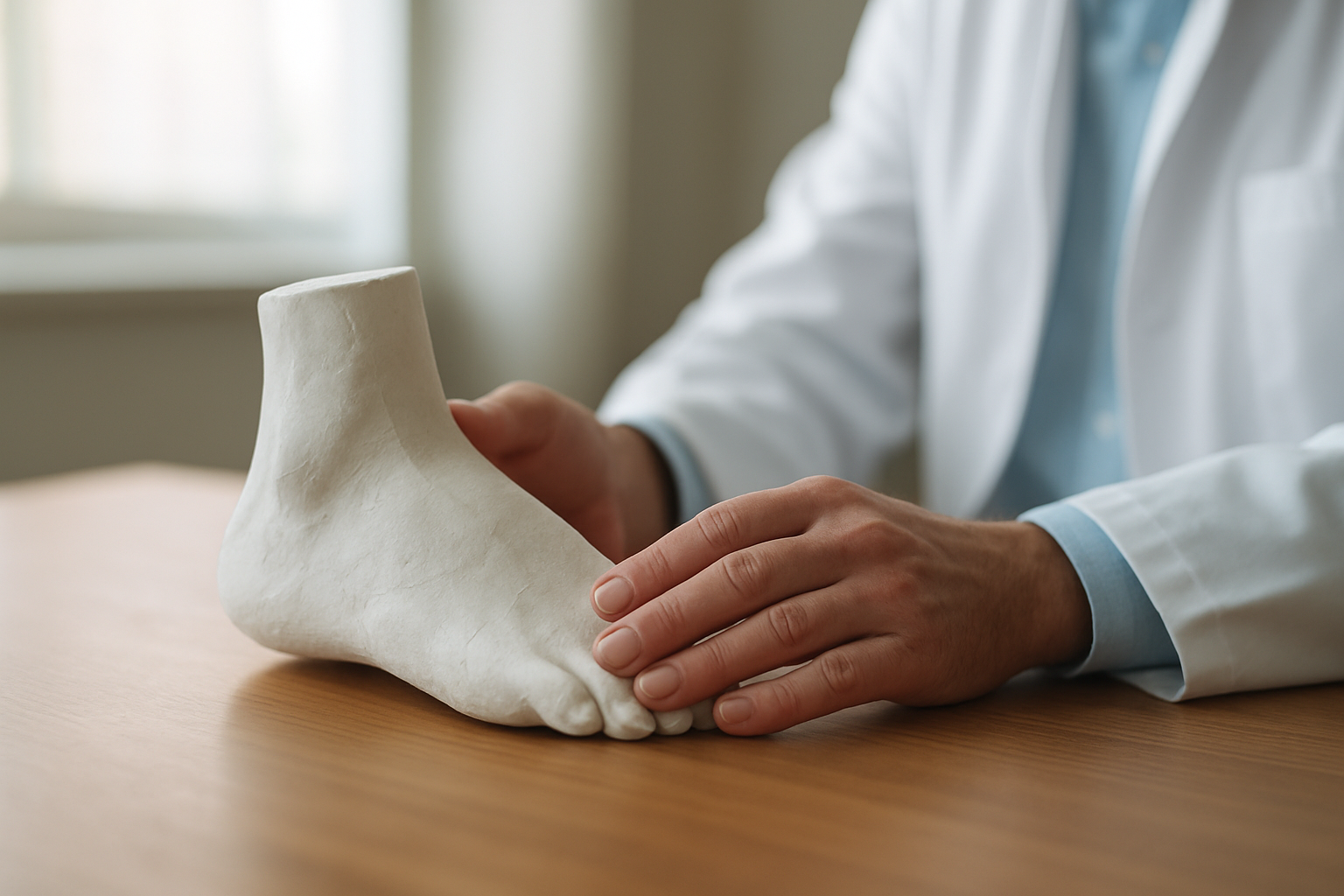
Every pair of custom crafted orthotics begins with a precise mold of the patient's foot.
What Are Custom Crafted Orthotics, Exactly?
Custom crafted orthotics are orthopedic devices manufactured specifically for one person's feet, using a physical mold or digital scan rather than a standard template. Because fabrication starts with your unique foot shape, the finished product can correct issues that generic insoles simply ignore.
In contrast, off-the-shelf insoles are built in a handful of standard sizes meant to fit as many people as possible. As a result, they rarely address specific problems like uneven pronation (the way your foot rolls inward or outward as you walk), leg-length discrepancies, or localized pressure points. According to the American Podiatric Medical Association's consumer resource, Foot Health Facts, properly fitted orthotics can play a meaningful role in managing chronic foot conditions when prescribed and fabricated correctly. The broader category of these devices is also documented on Wikipedia's overview of orthotics, which explains how orthopedic supports have long been used to correct alignment across the whole body, not just the feet.
Consequently, the term "custom" only means something when the fabrication process truly starts from your foot. That distinction matters more than most shoppers realize, and it's the first thing worth verifying before you buy anything labeled custom.
Custom Crafted Orthotics vs. Off-the-Shelf Insoles: Side-by-Side
To make the difference concrete, here's how custom crafted orthotics compare to drugstore insoles and to generic "custom insole" kits that skip a true medical mold.
| Feature | Custom Crafted Orthotics | Off-the-Shelf Insoles |
|---|---|---|
| Fitting method | Physical mold or digital scan of your foot | Generic shoe-size chart |
| Medical oversight | Reviewed and adjusted by a podiatrist | None |
| Corrective capability | Addresses gait, pronation, and structural imbalance | Cushioning only |
| Typical lifespan | 3 to 5 years | 3 to 6 months |
| Insurance eligibility | Often reimbursable with documentation | Rarely covered |
Custom Crafted Orthotics vs. "Custom Insoles": What's the Real Difference?
Many online sellers market "custom insoles" that are actually semi-custom — you select an arch type or foot length from a menu, and a machine trims a pre-made blank to match. That's genuinely useful for mild, everyday comfort. However, it is not the same thing as custom crafted orthotics, which are built from your actual foot shape rather than a category you self-select.
Specifically, true custom crafted orthotics involve a licensed podiatrist reviewing your mold, prescribing corrections based on your gait and symptoms, and adjusting the final device during a fitting appointment. In contrast, semi-custom insole kits typically skip medical review entirely. For a closer look at why that clinical step matters, see why choosing podiatrist-crafted orthotics matters before you commit to any provider.
How Custom Orthotic Devices Are Made: The Step-by-Step Process
Getting fitted for custom crafted orthotics follows a consistent, five-stage process. Understanding each stage helps set realistic expectations for timing and results. For a deeper walkthrough, see our Custom Foot Molds: Complete Guide to Getting Fitted.
- Schedule a consultation. Speak directly with a podiatrist about your symptoms, activity level, and foot type so the recommended device matches your actual needs rather than a generic guess.
- Take a foot mold or scan. A professional captures an impression cast or digital scan, recording arch height, pressure points, and structural details precisely, in a neutral, non-weight-bearing position for accuracy.
- Lab fabrication. Skilled technicians build the device from your mold, selecting materials that balance flexibility and support for your specific condition and daily footwear.
- Final fitting and adjustments. The podiatrist checks fit, observes your gait, and makes small adjustments — such as grinding down a hot spot — to ensure comfort and correct alignment.
- Break-in period and follow-up check. You gradually increase daily wear over one to two weeks, then return for a short follow-up so the podiatrist can confirm the correction is working as intended.
Most patients complete this entire process within two to four weeks. Meanwhile, some practices now offer remote mold kits, which means you don't necessarily need to visit a clinic in person to begin — a point worth exploring further in this guide on the best place to get custom orthotics online.
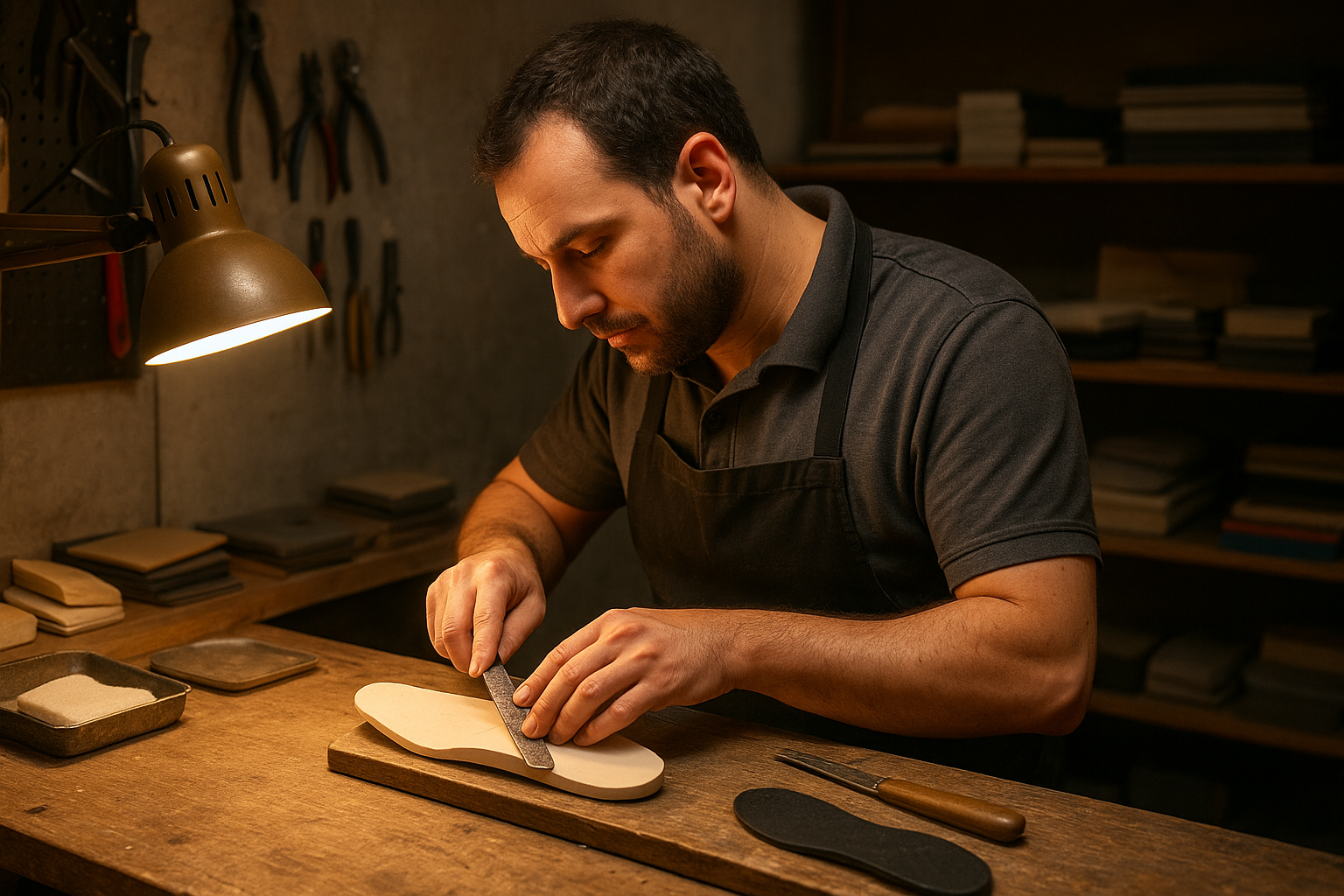
Skilled technicians hand-shape each device to match the patient's original foot mold.
Who Needs Personalized Orthotic Solutions?
Personalized orthotic solutions tend to help anyone whose foot pain hasn't improved with rest, stretching, or generic inserts. This includes runners with recurring shin splints, retail and healthcare workers who stand for long shifts, and older adults managing arthritis-related foot pain.
Similarly, people with diabetes often need custom devices to prevent pressure sores and protect sensitive tissue. In particular, patients recovering from foot or ankle surgery frequently rely on custom orthotics to support proper healing. If you're managing an active lifestyle, this guide to affordable sports orthotics custom fit for less money outlines options tailored specifically to athletes. For a broader look at why the switch is worth it, see the full list of advantages custom-made orthotics offer.
Above all, anyone experiencing persistent heel pain, arch collapse, or joint discomfort should consider a professional evaluation before assuming generic insoles will solve the problem.
Foot Conditions Custom Crafted Orthotics Can Treat
Plantar fasciitis (inflammation of the thick band of tissue running along the bottom of the foot) is one of the most common reasons patients seek custom orthotics. According to the Mayo Clinic, this condition is a leading cause of heel pain, and supportive devices are a standard first-line treatment recommendation.
Beyond plantar fasciitis, custom crafted orthotics commonly help with flat feet, high arches, bunions, hammertoes, Achilles tendinitis, shin splints, and diabetic foot complications. They also support patients managing arthritis in the foot or ankle joints, as well as those with leg-length discrepancies that throw off natural alignment. For a complete breakdown organized by symptom, this complete guide to the best custom orthotics for foot pain is worth bookmarking.
Materials Used in Bespoke Foot Orthotics
Material choice affects both comfort and correction, so it's worth understanding your options before fabrication begins.
- Polypropylene shells provide firm, durable structural correction and are common for moderate to severe alignment issues.
- Carbon fiber or graphite offers a thinner, lighter profile ideal for athletic shoes and dress shoes with limited depth.
- EVA foam (a soft, shock-absorbing foam) adds cushioning and is often layered over a firmer base for diabetic or sensitive feet.
- Cork composites mold slightly to body heat over time, which some patients prefer for a gradually customized feel.
- Top covers range from moisture-wicking fabric to memory foam, chosen based on activity level and sweat management needs.
Consequently, the "best" material isn't universal — it depends on your condition, footwear, and activity level, which is exactly why a podiatrist's input during fabrication matters more than picking a material off a website menu. To understand what separates a well-built device from a cheaply made one, review this breakdown of what to look for in high-quality orthotics.
Custom Orthotics and Shoe Compatibility
One question generic insole guides rarely answer well is how orthotics actually fit inside different shoe types. Full-length devices generally work best in athletic shoes, work boots, and shoes with a removable factory insole. Three-quarter-length devices, on the other hand, suit dress shoes and other footwear with limited depth.
Meanwhile, sandals and slip-ons typically require a slimmer, low-profile build to avoid crowding the toe box. Therefore, it's worth telling your podiatrist which shoes you wear most often, since the same prescription can be fabricated in different thicknesses for different footwear.
How Much Do Custom Crafted Orthotics Cost?
Custom crafted orthotics generally cost more than store-bought insoles because of the mold, lab labor, and materials involved. That said, prices vary widely depending on whether you go through a hospital, a specialty clinic, or a podiatrist-owned practice that fabricates devices directly.
Notably, cutting out unnecessary middlemen can significantly reduce the final price without sacrificing quality. For example, this comparison of affordable custom orthotics with a quality fit for less shows how direct-to-patient fabrication models keep costs manageable. Research reviewed through the National Institutes of Health notes that foot pain affects a substantial share of adults over their lifetime, which helps explain sustained demand for effective, well-fitted orthotic solutions. You can review general foot health guidance through NIAMS, a division of the National Institutes of Health.
Insurance Coverage for Podiatrist-Made Orthotic Devices
Many insurance plans reimburse a portion of the cost when a podiatrist documents medical necessity, though coverage rules differ significantly between providers. As a result, it's worth asking your practice for an itemized receipt with diagnosis codes before you submit a claim, since that documentation is usually what insurers require.
Choosing a Provider for Your Custom Crafted Orthotics
Not all providers approach custom orthotic devices the same way, so it's worth asking a few key questions before committing. First, confirm whether a licensed podiatrist is directly involved in the mold review and fabrication oversight, rather than a technician working without medical supervision.
Second, ask about turnaround time, materials used, and whether adjustments are included if the initial fit needs refinement. For instance, customorthotics.com is a podiatrist-owned and operated practice with more than 20 years of industry experience and an A+ rating from the Better Business Bureau. Patients can request a complimentary phone consultation directly with the podiatrist or place an order through the online platform, which keeps the process simple whether you're local or ordering remotely.
Finally, if you're still exploring your options locally, this resource on where to find personalized orthotics for foot pain can help you compare providers before scheduling anything.

Properly fitted custom crafted orthotics can restore comfortable, pain-free movement over time.
Common Mistakes to Avoid
Many patients waste time and money by trying to solve structural foot problems with generic drugstore insoles. While these products offer short-term cushioning, they rarely correct the underlying alignment issue causing the pain in the first place.
Another frequent mistake is skipping the mold or scan step entirely and ordering a "custom" product based on shoe size alone. Without an accurate mold, even a well-manufactured device won't match your actual foot shape. Therefore, it's worth confirming exactly how a provider captures your foot data before placing an order.
Finally, some patients abandon their orthotics too early because the break-in period feels uncomfortable. In reality, mild adjustment soreness during the first week or two is normal and typically resolves as your foot adapts to the new support.
Frequently Asked Questions About Custom Crafted Orthotics
What are custom crafted orthotics?
Custom crafted orthotics are shoe inserts built from an individual mold of your foot to correct alignment, cushion pressure points, and reduce pain. They differ from generic insoles because every curve is shaped to match your specific foot structure.
How do custom crafted orthotics differ from over-the-counter insoles?
Over-the-counter insoles use generic sizing and offer only mild cushioning, while custom orthotics are molded to your exact foot shape and gait. As a result, custom devices typically provide more targeted correction and longer-lasting relief.
What's the difference between custom crafted orthotics and "custom insoles"?
"Custom insoles" often means a pre-made blank trimmed to your shoe size, while custom crafted orthotics are built from an actual mold of your foot and reviewed by a podiatrist. The mold and medical oversight are what separate true correction from generic comfort products.
How long does it take to get custom crafted orthotics?
Most patients receive their finished orthotics within two to four weeks after the initial mold is taken. Turnaround can vary slightly depending on the lab's workload and the complexity of the device.
How much do custom crafted orthotics cost?
Custom orthotics generally range from a few hundred dollars per pair, depending on materials and the condition being treated. Ordering directly through a podiatrist-owned practice often reduces costs compared to traditional clinical markups.
Are custom crafted orthotics covered by insurance?
Coverage varies by plan, but many insurers reimburse a portion of the cost when a podiatrist documents medical necessity. It's best to check your specific policy or ask the provider for a receipt suitable for reimbursement claims.
What foot conditions can custom orthotics help treat?
Custom orthotics commonly help with plantar fasciitis, flat feet, bunions, diabetic foot complications, and chronic heel or arch pain. They can also support recovery from sports injuries or structural imbalances affecting gait.
How long do custom crafted orthotics last?
With proper care, most custom orthotics last between three and five years before the materials begin to break down. Heavy daily use or high-impact activity may shorten that lifespan somewhat.
Can I order custom crafted orthotics online?
Yes, many practices now offer at-home impression kits so patients can order custom orthotics online without an in-person visit. A podiatrist still reviews the mold before fabrication to ensure accuracy.
What is the process for getting fitted for custom orthotics?
The process starts with a consultation, followed by taking a foot mold, lab fabrication, a final fitting appointment, and a short break-in follow-up. Each step ensures the device matches your foot shape and addresses your specific symptoms.
Do custom orthotics require a break-in period?
Yes, most patients need one to two weeks of gradual wear to adjust to the new support and alignment. Starting with a few hours a day and increasing gradually helps prevent soreness.
Can custom orthotics be moved between different pairs of shoes?
Full-length orthotics can often move between shoes with removable insoles, such as athletic shoes or work boots. However, dress shoes or narrow footwear may need a separate, thinner device to fit properly.
How do I care for my custom crafted orthotics?
Wipe orthotics with a damp cloth, let them air dry, and avoid direct heat or soaking them in water. Regular inspection for cracking or flattening helps you know when replacement is needed.
Final Thoughts on Custom Crafted Orthotics
Ultimately, custom crafted orthotics offer a level of precision that generic insoles — and even semi-custom insole kits — simply cannot match, particularly for chronic pain, structural imbalances, and mobility issues. By starting with an accurate mold and working with an experienced podiatrist, patients can address the root cause of their foot problems rather than masking the symptoms.
Whether you schedule a free phone consultation or place an order online, taking that first step toward properly fitted custom crafted orthotics can make a meaningful difference in daily comfort. In the end, choosing a trusted, experienced provider is one of the most reliable ways to support long-term foot health.