

Podiatrist foot care advice is what separates guesswork from a plan that actually works for your feet. Whether you're managing heel pain, flat feet, or simply trying to stay comfortable between checkups, guidance from a licensed foot and ankle specialist targets the real cause of your discomfort instead of just masking the symptom. This guide goes further than a typical office handout, covering hygiene, footwear, stretching routines, orthotics, and the exact warning signs that mean it's time to book an appointment. Above all, learning this advice now can stop a minor ache from becoming a long-term mobility problem.
Quick answer: Podiatrist foot care advice covers daily hygiene, proper footwear, targeted stretching, orthotic support, and the warning signs that call for a professional visit. Following it consistently helps prevent chronic pain, structural imbalances, and complications from conditions such as diabetes, plantar fasciitis, and flat feet.
What Is Podiatrist Foot Care Advice?
Podiatrist foot care advice is professional guidance from a doctor trained specifically to diagnose and treat conditions affecting the feet, ankles, and lower limbs. Specifically, it typically covers footwear selection, daily hygiene, orthotic use, and the warning signs that require medical attention. Unlike generic tips found online, this advice is shaped around your individual foot structure, walking pattern, and medical history.
In addition, podiatrists often distinguish between temporary discomfort and a developing structural problem. For example, mild soreness after a long day on your feet differs greatly from arch pain that keeps worsening over several weeks. Consequently, a professional evaluation helps determine whether at-home care is enough or whether custom treatment is needed.
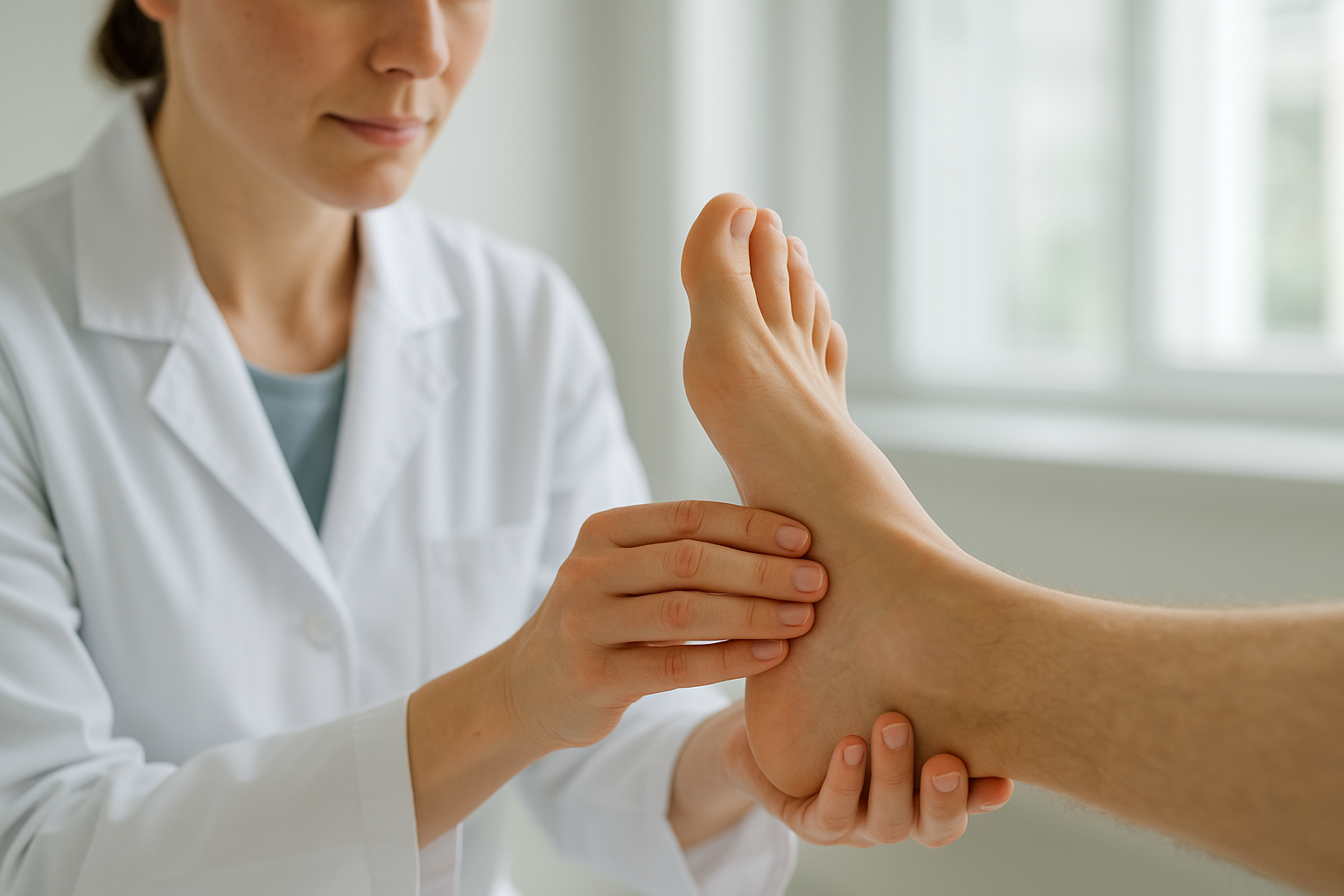
Podiatrist foot care advice often begins with a hands-on evaluation of foot structure and gait.
Why Professional Foot Care Guidance Matters
Feet absorb enormous amounts of pressure every single day. According to the American Podiatric Medical Association, an average person takes several thousand steps daily, and each step places force equal to roughly 1.5 times body weight through the foot. As a result, small structural problems can compound quickly if they're left unaddressed.
Therefore, relying on professional foot care guidance rather than guesswork matters more than most people realize. A podiatrist can identify issues like overpronation, plantar fasciitis, or early-stage bunions before they cause lasting damage. For a deeper look at when symptoms warrant a visit, this guide on when to consult a podiatrist for foot pain outlines the specific red flags to watch for.
How Podiatrists Evaluate Your Feet
A typical evaluation is more detailed than most patients expect. Specifically, a podiatrist reviews your medical history, watches how you walk, checks joint flexibility, and often examines your existing shoes for uneven wear patterns. In particular, uneven sole wear can reveal an alignment issue long before pain becomes noticeable. Some clinics also use pressure-mapping technology to see exactly where weight concentrates across the sole while you stand and walk. Meanwhile, this data helps determine whether orthotics, physical therapy, or footwear changes will help most.
Common Foot Conditions Podiatrists Treat
Podiatrists regularly treat a wide range of conditions, including plantar fasciitis, flat feet, bunions, heel spurs, ingrown toenails, and diabetic foot complications. Each condition typically requires a slightly different approach, which is exactly why generic advice often falls short.
For instance, flat feet frequently benefit from arch-supporting orthotics, while diabetic patients need advice centered on injury prevention and circulation. Similarly, athletes often require sport-specific support to reduce repetitive strain injuries during training and competition.
Signs You Need to See a Podiatrist
Persistent pain lasting more than a week, swelling that doesn't improve, numbness, or a visible deformity are all signals worth taking seriously. In particular, diabetic patients should never ignore small cuts or sores, since reduced sensation can hide a developing infection. If any of these symptoms sound familiar, this resource on foot pain warning signs explains what to expect during an evaluation.
Daily Podiatrist-Approved Foot Care Between Visits
You won't see your podiatrist every week, so what you do between appointments matters just as much as the office visit itself. Above all, podiatrists recommend washing and drying feet thoroughly, especially between the toes, to prevent fungal infections. Moisturizing regularly also helps prevent cracked heels, which can otherwise become painful or infected.
Proper Footwear Selection
Wearing properly fitted, supportive shoes prevents unnecessary strain on the arch, heel, and ankle. In contrast, tight or worn-out footwear is one of the most common causes of avoidable foot pain. Notably, most podiatrists suggest replacing athletic shoes every 300 to 500 miles of use, since worn-out cushioning stops absorbing shock effectively. Rotating between two pairs of shoes also gives the foam time to decompress, which extends support and reduces daily strain.
Nail and Skin Care Habits
Furthermore, trimming nails straight across reduces the risk of painful ingrown toenails, while checking feet regularly for changes in color, texture, or sensation catches problems early. Similarly, choosing moisture-wicking socks over cotton helps prevent blisters and fungal growth, particularly for people who exercise often or wear closed shoes all day.
Did you know? Data referenced by the Centers for Disease Control and Prevention shows people with diabetes are significantly more likely to develop foot ulcers, which makes routine podiatric checkups a key part of preventive care.
Podiatrist-Recommended Foot Exercises and Stretches
In addition to hygiene and footwear, targeted stretching keeps the muscles and tendons supporting your arch strong and flexible. Consequently, podiatrists often recommend a short daily routine rather than an occasional stretch after pain already appears.
- Calf stretch: Stand facing a wall, place one foot behind the other, and lean forward while keeping the back heel down for 20 to 30 seconds per side.
- Towel scrunches: Use your toes to scrunch a towel toward you on the floor, which strengthens the small muscles that support the arch.
- Marble or object pickups: Pick up small objects with your toes to improve dexterity and reduce stiffness in the forefoot.
- Plantar fascia stretch: Sitting down, cross one ankle over the opposite knee and gently pull the toes back toward the shin for 15 to 20 seconds.
- Ankle circles: Rotate each ankle slowly in both directions to maintain joint mobility, especially after long periods of sitting.
Notably, these exercises complement, rather than replace, professional care. If pain continues despite consistent stretching, that's a sign it's time for a proper evaluation instead of pushing through discomfort.
How to Choose the Right Custom Orthotics
Choosing the right orthotic device involves more than picking a shape off a shelf. Instead, it requires a structured process that starts with a professional evaluation and ends with a personalized product.
- Schedule a consultation with a podiatrist to evaluate your foot structure, gait, and specific pain points before ordering any device.
- Get a precise mold or scan taken of each foot so the orthotic is fabricated to match your unique arch height, pressure points, and alignment needs.
- Choose the appropriate orthotic type and materials based on your activity level, footwear choices, and the specific medical condition being addressed.
- Wear the orthotics gradually, starting with short periods each day, and follow up with your podiatrist to adjust the fit as your feet adapt.
Notably, fully custom orthotics are fabricated directly from an individual mold of each patient's feet, which off-the-shelf insoles simply cannot replicate. If you're weighing options for flat feet specifically, this complete guide to custom orthotics for flat feet breaks down the fitting process in more detail.
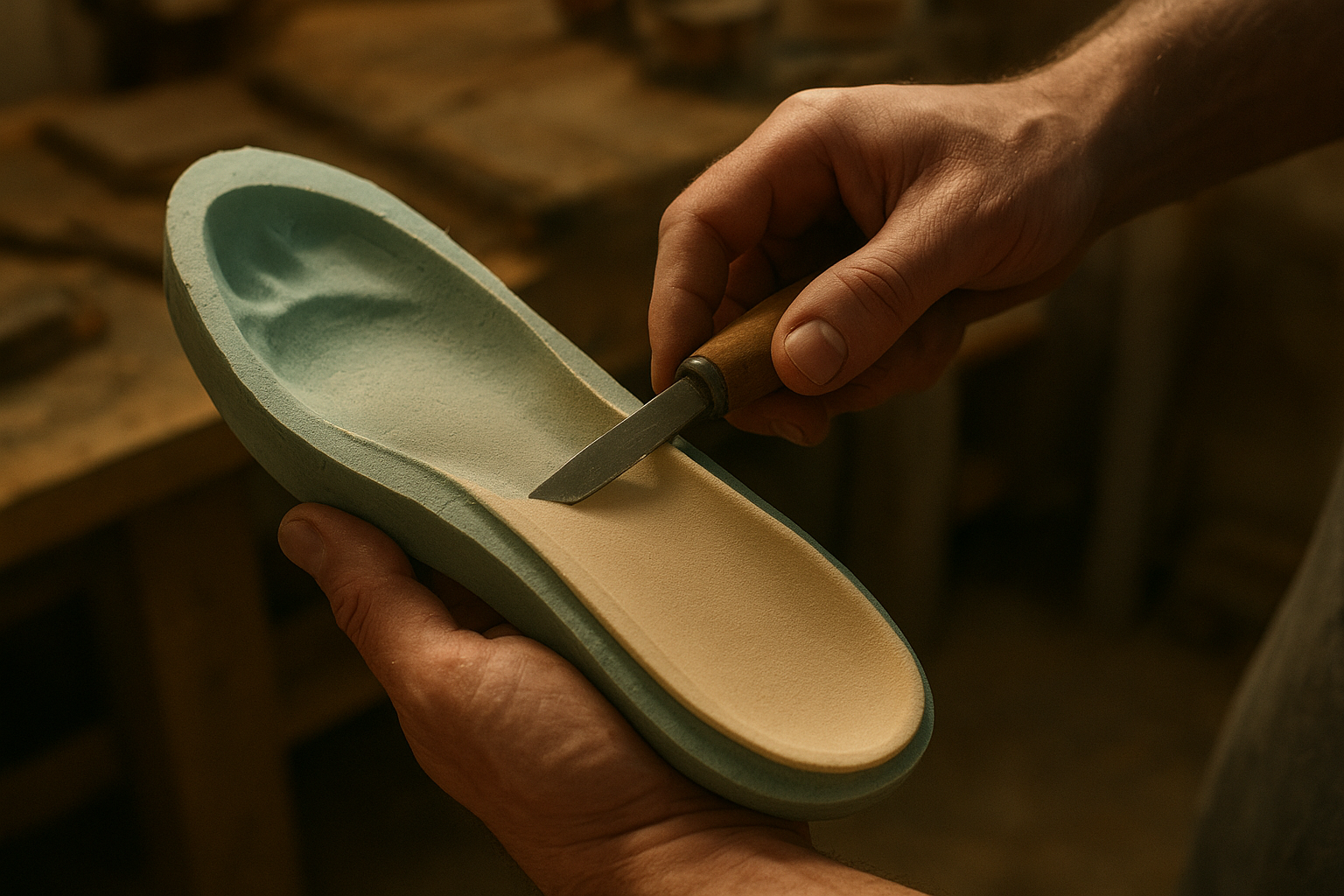
Custom orthotics are shaped directly from a mold of each patient's foot for a precise fit. For a deeper walkthrough, see our Podiatrist Custom Orthotics: Complete Buyer's Guide.
Podiatrist Foot Care Advice for Flat Feet and Structural Imbalances
Flat feet occur when the arch collapses under weight, which changes how pressure distributes across the foot. As a result, people with flat feet often experience knee, hip, or lower back discomfort in addition to foot pain.
Podiatrist foot care advice for this condition usually combines targeted stretching, supportive footwear, and custom arch support. For more specific relief strategies, the article on foot support options for flat feet covers additional relief tips worth exploring.
Foot Care Advice for Diabetic Patients
Diabetic foot care requires extra caution because nerve damage, known as peripheral neuropathy, can reduce sensation in the feet. Consequently, small injuries may go unnoticed and develop into serious infections without prompt attention.
Podiatrists typically recommend daily foot inspections, properly fitted diabetic footwear, and custom orthotics designed to reduce pressure points. This detailed overview of orthotics for diabetic foot care explains what patients need to know before starting treatment.
Seasonal and Activity-Specific Foot Care Tips
Foot care advice also shifts depending on your activity level and the season. For runners and athletes, for example, podiatrists recommend checking shoe cushioning more frequently, since repetitive impact wears down support faster than casual walking does. In addition, icing after intense activity helps manage inflammation before it becomes chronic.
Meanwhile, warmer months bring a higher risk of fungal infections from sandals and damp environments like pools or locker rooms, so drying feet thoroughly becomes especially important. In contrast, colder months often lead to dry, cracked skin, which makes daily moisturizing a bigger priority. Either way, consistent habits matter more than the season itself.
Common Foot Care Mistakes to Avoid
Even well-intentioned people make avoidable mistakes at home. Recognizing them early prevents small issues from turning into bigger problems.
- Wearing worn-out shoes well past their supportive lifespan.
- Ignoring persistent pain instead of scheduling an evaluation.
- Trying to treat structural problems with generic, one-size-fits-all insoles.
- Cutting toenails too short or rounding the corners, which raises ingrown nail risk.
- Skipping daily foot checks, especially for people managing diabetes.
When Should You Consult a Podiatrist?
Generally speaking, pain lasting longer than a week, difficulty bearing weight, or visible swelling are strong signals it's time for a professional evaluation. Similarly, anyone with diabetes should schedule regular checkups regardless of whether symptoms are present.
During a typical visit, a podiatrist examines gait, foot structure, and skin condition before recommending a treatment plan. Patients can often connect directly with a podiatrist for a complimentary consultation, whether locally or remotely, through platforms like customorthotics.com, making professional-grade foot care more accessible.

Consistent podiatrist foot care advice helps people stay active and pain-free.
Frequently Asked Questions About Podiatrist Foot Care Advice
What is podiatrist foot care advice?
Podiatrist foot care advice is professional guidance from a licensed foot and ankle specialist about preventing, managing, or treating foot conditions. It covers footwear, hygiene, orthotic use, stretching, and warning signs that need medical attention.
How often should I see a podiatrist for foot care?
Most healthy adults benefit from an annual foot checkup, while people with diabetes, arthritis, or chronic pain often need visits every three to six months. Regular checkups help catch small problems before they become serious.
What is the difference between custom orthotics and over-the-counter insoles?
Custom orthotics are molded directly from an individual's foot to match their exact arch, pressure points, and gait pattern. Over-the-counter insoles are mass-produced and only offer generic support, which is why they rarely resolve chronic pain.
How can I care for my feet between podiatrist visits?
Between visits, wash and dry feet daily, moisturize to prevent cracking, wear properly fitted shoes, and check for cuts or color changes. In addition, gentle daily stretching keeps the arch and calf muscles flexible until your next appointment.
Why do flat feet require special foot care advice?
Flat feet change how weight distributes across the foot, which can strain the arch, ankles, and knees over time. Podiatrist foot care advice for flat feet usually includes targeted orthotic support and specific stretching routines.
How much do custom orthotics typically cost?
Custom orthotics generally range from around $200 to $800 depending on materials, complexity, and whether insurance contributes. In contrast, drugstore insoles cost far less but rarely last as long or perform as well.
What are common signs I need to consult a podiatrist?
Persistent heel or arch pain, numbness, swelling that doesn't subside, or difficulty walking are all signs you should schedule a consultation. Ignoring these symptoms can allow minor issues to develop into long-term structural problems.
How long does it take to get used to custom orthotics?
Most patients adjust within two to four weeks of gradual, increasing wear. However, individuals with more severe structural issues may need a slightly longer break-in period under podiatrist supervision.
Can podiatrist foot care advice help with diabetic foot problems?
Yes, podiatrist foot care advice is especially important for people with diabetes because nerve damage can mask pain from cuts or pressure sores. Routine exams and properly fitted orthotics significantly reduce the risk of infection.
What mistakes do people make when caring for their feet at home?
Common mistakes include wearing worn-out shoes, ignoring persistent pain, and trying to treat structural problems with generic insoles. As a result, minor issues often worsen instead of improving.
How do I know if my foot pain is serious?
Pain that lasts more than a week, worsens with activity, or comes with swelling, redness, or numbness typically signals a condition needing professional evaluation. Sudden, sharp pain after an injury should always be checked promptly.
What should I expect during a podiatry consultation?
A typical consultation includes a discussion of symptoms, a physical exam of gait and foot structure, and sometimes imaging or a mold for custom orthotics. The podiatrist then recommends a personalized treatment plan based on the findings.
Are custom orthotics covered by insurance?
Coverage varies by plan, but many insurers partially reimburse custom orthotics when they're deemed medically necessary. It's best to confirm details with your provider before ordering.
What is the best daily foot care routine recommended by podiatrists?
Podiatrists generally recommend washing and drying feet thoroughly, moisturizing to prevent cracking, trimming nails straight across, and wearing supportive shoes. In addition, checking feet regularly for cuts or changes helps catch problems early.
How often should I replace my shoes for good foot health?
Most podiatrists suggest replacing everyday athletic shoes every 300 to 500 miles, since worn cushioning stops absorbing shock properly. Rotating between two pairs also helps each pair last longer between replacements.
Conclusion: Making Podiatrist Foot Care Advice Part of Your Routine
Ultimately, podiatrist foot care advice gives you a clear, personalized path toward healthier, pain-free feet instead of relying on guesswork. From daily hygiene habits and targeted stretching to properly fitted custom orthotics, small consistent steps add up to lasting relief for conditions like flat feet, plantar fasciitis, and diabetic foot complications.
If you're currently dealing with persistent discomfort, don't wait for it to worsen. Instead, consider reaching out for a professional evaluation, exploring the resources on the custom orthotics blog, or scheduling a complimentary consultation through customorthotics.com to start building a foot care plan tailored to you.
Sources: American Podiatric Medical Association, Centers for Disease Control and Prevention, Wikipedia: Podiatry.