

Plantar fasciitis orthotic solutions give you a proven, non-surgical way to stop chronic heel pain at its source instead of simply masking it with painkillers. If you've ever taken those first agonizing steps out of bed only to feel a stabbing pain shoot through your heel, you already know how disruptive this condition can be. In fact, plantar fasciitis is the single most common cause of heel pain seen by podiatrists, affecting roughly one in ten people at some point in their lives according to the American Academy of Orthopaedic Surgeons. Below, you'll find a far deeper look at custom orthotic solutions for plantar fasciitis than most guides offer — including how they work, how they compare with every other treatment option, what they realistically cost, and exactly how to choose the right device for your foot type.
Quick answer: Plantar fasciitis orthotic solutions are custom-molded devices that support the arch, cushion the heel, and correct the biomechanical strain causing plantar fascia inflammation. Unlike drugstore inserts, they are built from an impression of your own foot, which is precisely why they consistently outperform generic alternatives for chronic or recurring heel pain.
What Are Plantar Fasciitis Orthotic Solutions?
Plantar fasciitis orthotic solutions are devices inserted into shoes that redistribute pressure across the foot and hold the arch in its natural position. In particular, they target the plantar fascia — a thick band of connective tissue (fibrous material that links bones and muscles) running from the heel bone to the toes — which becomes inflamed when it's overstretched or overloaded with every step.
As a result, true custom orthotics are fabricated from a direct mold of the patient's foot rather than mass-produced in a handful of standard sizes. Consequently, they can correct specific imbalances — such as flat feet, an overly high arch, or excessive inward rolling of the ankle known as overpronation — that generic inserts simply cannot address. This distinction matters enormously because plantar fasciitis almost always develops from the same biomechanical stress pattern repeating thousands of times a day.
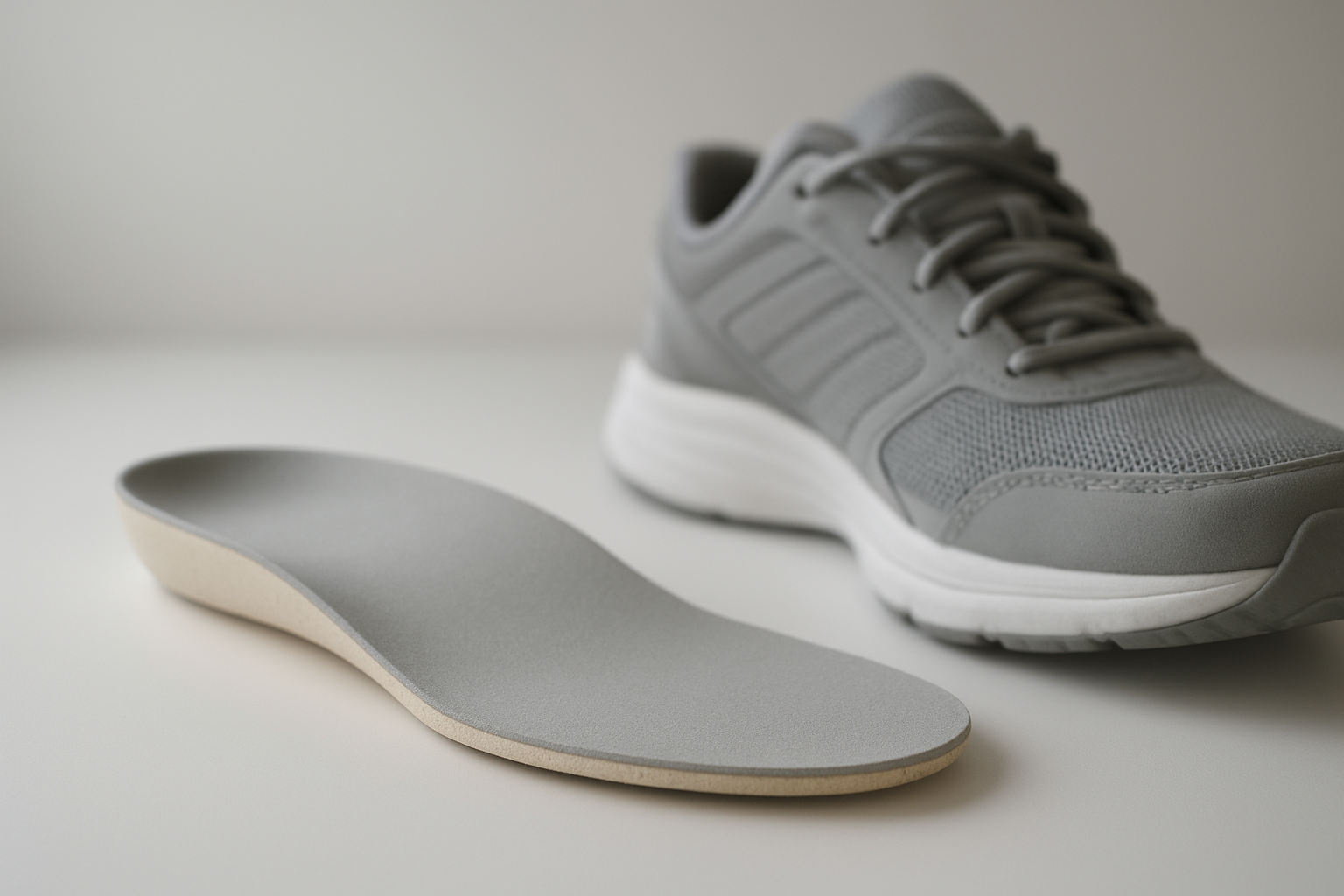
A custom-molded orthotic designed specifically for plantar fasciitis relief.
The Anatomy Behind Heel Pain: Why the Plantar Fascia Gets Inflamed
To understand why orthotic inserts for heel pain work so well, it helps to know what's actually happening inside your foot. The plantar fascia acts like a bowstring, holding up the arch and absorbing shock each time your heel strikes the ground. Every step stretches this tissue slightly, and under normal conditions it recovers without issue.
However, when the foot rolls inward too much, sits too flat, or is forced to compensate for a tight calf muscle, the fascia gets stretched beyond its comfortable range with every stride. Over time, this repeated micro-trauma creates small tears and inflammation at the point where the fascia attaches to the heel bone — the exact spot most patients point to when describing their pain. According to Mayo Clinic, this mechanism explains why the condition is so strongly linked to foot structure rather than a single injury event.
Symptoms, Causes, and Risk Factors You Shouldn't Ignore
Plantar fasciitis, as defined in detail on Wikipedia, is inflammation of the plantar fascia caused by repetitive strain, poor foot mechanics, or unsupportive footwear. Common triggers include prolonged standing, high-impact exercise, sudden weight gain, and tight calf muscles that limit ankle flexibility.
Symptoms typically include sharp heel pain that is worst first thing in the morning or after long periods of rest. In contrast, pain often eases slightly during activity, only to return with a vengeance after standing or walking for extended periods. Because of this pattern, many people delay treatment, which unfortunately allows the condition to become chronic.
Several risk factors make plantar fasciitis more likely, and recognizing them helps explain why orthotic solutions work so well as prevention, too:
- Foot structure: Flat feet, high arches, and abnormal walking patterns all place uneven stress on the fascia.
- Occupation: Jobs requiring long hours on hard floors, such as teaching, retail, or factory work, dramatically increase risk.
- Body weight: Extra weight adds pressure to the fascia with every step, which is one reason people managing diabetes or obesity are frequently affected, as the CDC notes regarding diabetic foot complications.
- Age and activity: The condition is most common between ages 40 and 60, though runners and dancers of any age are also at higher risk.
- Footwear: Worn-out shoes or those lacking arch support fail to counteract the strain that builds up over a day of walking.
Left untreated, this strain can lead to secondary issues, such as heel spurs (bony growths that sometimes form where the fascia attaches) or altered gait patterns that stress the knees and lower back. Therefore, addressing plantar fasciitis early with proper orthotic inserts for heel pain is generally far more effective than waiting for symptoms to worsen.
How Custom Orthotic Solutions for Plantar Fasciitis Correct the Root Cause
Custom orthotics work by correcting the way weight and pressure travel through the foot with every step. Specifically, they lift and stabilize the arch, which reduces the tension pulling on the plantar fascia. This is different from cushioning alone, which only softens impact without correcting the underlying mechanics driving the pain.
For example, if a patient has flat feet, the orthotic is molded to provide arch support precisely where it's needed, rather than a generic curve that may not match their foot shape at all. Similarly, patients with a high arch typically need targeted cushioning at the heel and forefoot to distribute pressure more evenly across the sole.
To learn more about which devices tend to perform best, this detailed comparison of what orthotics work best for plantar fasciitis relief breaks down the differences between rigid, semi-rigid, and soft orthotic designs in far more depth.
Rigid, Semi-Rigid, and Soft Orthotics: What's the Difference?
Not all orthotic materials serve the same purpose, which is a detail many resources skip entirely. Rigid orthotics, typically made from carbon fiber or hard plastic, control motion and are best suited for flexible flat feet that need strong correction. Semi-rigid orthotics blend support with shock absorption, making them the most common choice for athletes and active adults with plantar fasciitis. Meanwhile, soft or accommodative orthotics prioritize cushioning and are often recommended for older adults, diabetics, or anyone whose primary need is pressure relief rather than structural correction.
Custom Orthotics vs. Off-the-Shelf Inserts vs. Other Treatments
Off-the-shelf inserts are widely available and inexpensive, which makes them appealing for mild, temporary discomfort. However, they are built to a generic foot shape and cannot correct the specific structural issues driving chronic plantar fasciitis pain.
Custom orthotics, on the other hand, are fabricated from an individual mold taken directly from the patient's foot. As a result, they fit precisely and target the exact pressure points causing irritation. Above all, this precision is why podiatrist-fitted orthotics tend to produce more consistent, longer-lasting relief than generic inserts purchased at a pharmacy. If you are weighing your options, this guide on whether custom orthotics really help with plantar fasciitis reviews the evidence behind both approaches in more depth.
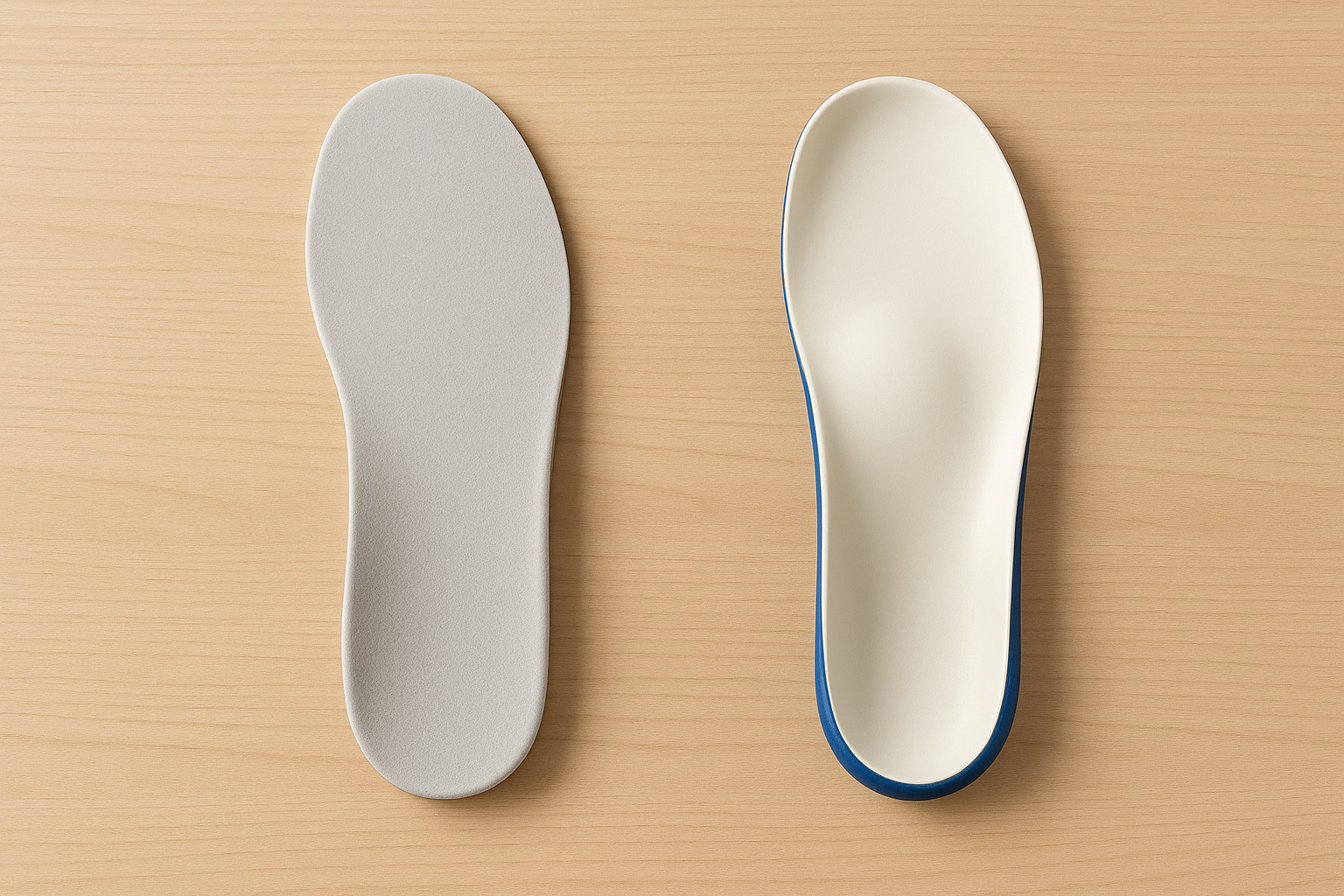
Custom orthotics are molded to the individual foot, unlike generic, one-size-fits-all inserts.
Night Splints, Physical Therapy, and Cortisone Shots: Where Orthotics Fit In
Orthotics rarely work in isolation, and understanding the full treatment landscape helps set realistic expectations. Night splints hold the foot in a flexed position overnight to keep the fascia gently stretched, which can reduce that first-step morning pain. Physical therapy strengthens the muscles supporting the arch and improves flexibility, complementing the structural correction an orthotic provides. Cortisone injections can offer short-term inflammation relief, but they do not correct the underlying biomechanics — which is precisely why many podiatrists pair them with custom orthotics rather than using them alone. For the small percentage of cases that don't respond to conservative care, options like extracorporeal shockwave therapy or, rarely, surgery may be discussed, though most patients never reach that point once proper orthotic support is in place.
Step-by-Step: Getting Custom Plantar Fasciitis Orthotics
Getting fitted for custom orthotics is a straightforward process when working with an experienced, podiatrist-led practice. Below is the typical sequence patients can expect from start to finish.
- Schedule a consultation. Speak directly with a podiatrist, often free of charge, to discuss your symptoms, foot history, and footwear habits before any fitting begins.
- Complete a structural exam. The podiatrist evaluates your gait and foot structure to pinpoint the imbalances contributing to your pain.
- Take a foot mold. A precise impression of each foot is captured, recording arch height and pressure distribution unique to you.
- Fabricate the orthotic. Technicians hand-build the device from your mold using materials suited to your activity level and support needs.
- Fit and adjust. Once complete, the podiatrist checks the fit, makes adjustments, and offers a break-in schedule for comfort.
Practices with more than two decades of fabrication experience, an A+ Better Business Bureau rating, and direct podiatrist involvement, such as customorthotics.com, typically streamline this process further by offering both phone consultations and online ordering.
Choosing the Best Plantar Fasciitis Orthotic Solutions for Your Foot Type
Not every orthotic is designed the same way, so choosing the right one depends on your specific foot type, activity level, and severity of pain. For instance, athletes may need semi-rigid orthotics that provide support without limiting flexibility during high-impact movement, while everyday walkers may prefer a slightly softer build.
Meanwhile, individuals who spend long hours standing typically benefit more from cushioned, shock-absorbing designs that soften repeated impact. In particular, working with a podiatrist ensures the device matches your actual foot structure rather than a generic assumption about your condition. People with diabetes or reduced sensation in their feet should be especially cautious about self-diagnosing and should always involve a medical professional in the fitting process.
For a broader look at current top-rated options, this 2025 guide to the best custom orthotics for plantar fasciitis compares materials, price ranges, and support levels in detail.
Cost, Insurance Coverage, and HSA/FSA Reimbursement
Cost is often the biggest question left unanswered elsewhere, so here's a realistic breakdown. Custom orthotics typically range from a few hundred dollars depending on materials, complexity, and provider, which is frequently comparable to — or less than — the cumulative cost of trying multiple over-the-counter inserts that never resolve the pain. Many insurance plans partially cover custom orthotics when a podiatrist prescribes them for a diagnosed condition like plantar fasciitis, and flexible spending accounts (FSA) or health savings accounts (HSA) can often be applied toward the remaining balance. Because coverage varies significantly by plan, it's worth confirming details with your provider before your fitting appointment.
Additional Tips for Plantar Fasciitis Relief
While orthotics address the structural cause of plantar fasciitis, pairing them with supportive habits tends to speed up recovery considerably. Specifically, calf stretches, ice therapy after activity, and supportive footwear all work well alongside orthotic support.
Additionally, avoiding prolonged barefoot walking on hard surfaces can prevent unnecessary strain while your feet heal. For a complete overview of complementary strategies, this complete relief guide for orthotics and plantar fasciitis covers exercises and footwear tips in more detail. You might also compare specific insert types in this roundup of top shoe insert options for plantar fasciitis.
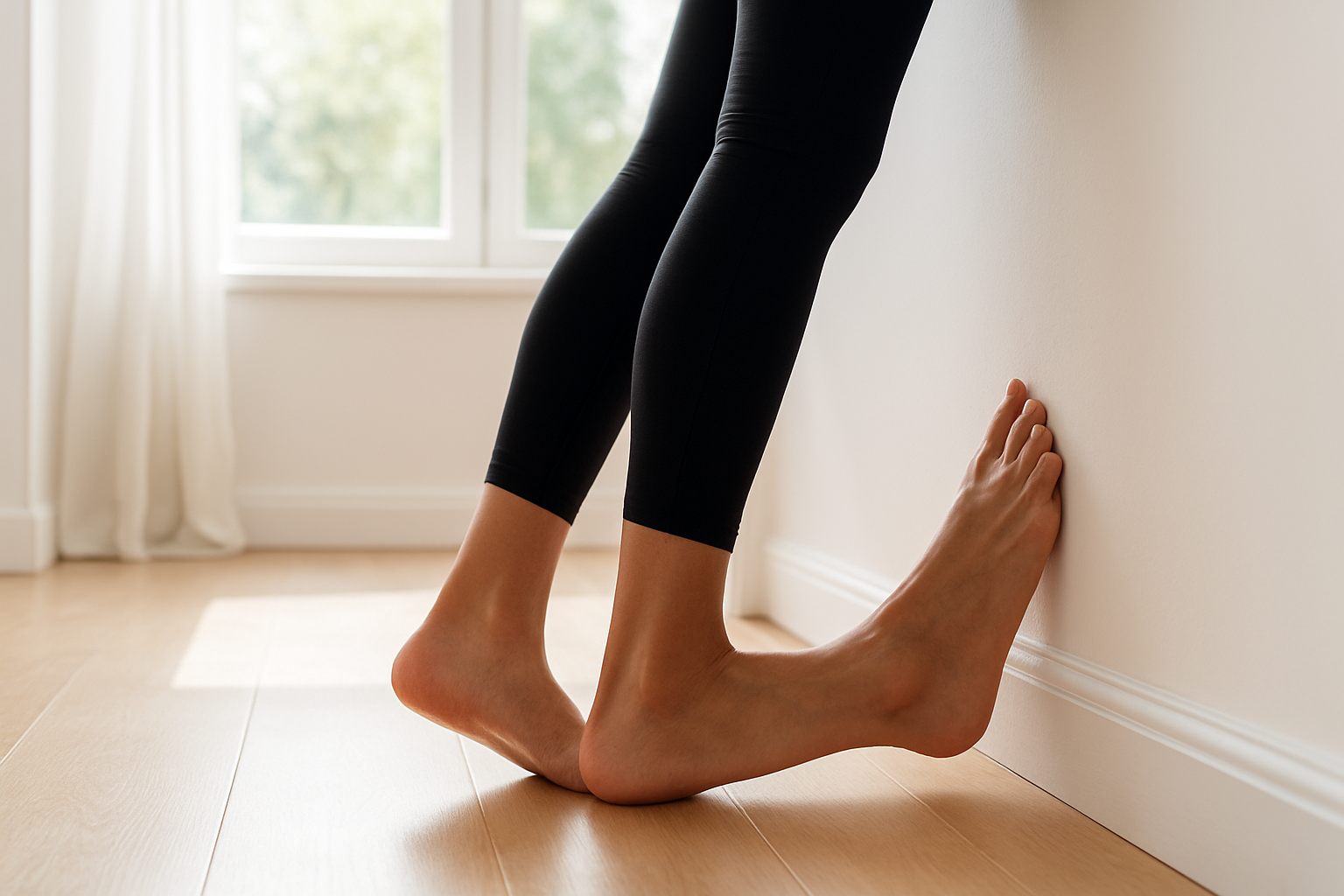
Stretching complements plantar fasciitis orthotic solutions for faster, more complete relief.
Preventing Plantar Fasciitis From Coming Back
Once your pain resolves, prevention becomes the priority. Continuing to wear your orthotics daily, rather than only during flare-ups, keeps the corrective support in place consistently. Similarly, replacing worn athletic shoes every 400–500 miles, maintaining a healthy weight, and keeping your calves flexible through regular stretching all reduce the odds of recurrence. Above all, resist the temptation to stop treatment the moment symptoms disappear — this is one of the most common reasons plantar fasciitis returns.
When to See a Podiatrist for Plantar Fasciitis
Mild heel pain that improves with rest often doesn't require immediate professional care. However, you should schedule an evaluation if pain persists beyond two weeks, worsens with activity, disrupts sleep, or is accompanied by swelling, numbness, or a noticeable change in your walking pattern. In particular, sudden or severe pain following an injury warrants prompt attention, since it could indicate a partial tear rather than standard inflammation. Getting an accurate diagnosis early prevents months of guessing with the wrong treatment.
Frequently Asked Questions About Plantar Fasciitis Orthotic Solutions
What are plantar fasciitis orthotic solutions?
Plantar fasciitis orthotic solutions are custom-fitted devices placed inside shoes that support the arch, cushion the heel, and reduce strain on the plantar fascia. They are molded from an individual's foot shape to correct the specific biomechanical issues causing heel pain.
How do custom orthotics help with plantar fasciitis?
Custom orthotics redistribute pressure away from the inflamed plantar fascia and support the arch in its natural position. This reduces the repetitive strain that causes the tissue to become irritated in the first place.
How long does it take to get relief from plantar fasciitis orthotics?
Most patients notice reduced pain within two to six weeks of consistent wear. Full adaptation and lasting relief typically take two to three months as the foot adjusts to proper support.
Are custom orthotics better than over-the-counter shoe inserts for plantar fasciitis?
Custom orthotics are generally more effective because they are molded to an individual's exact foot shape and specific problem areas. Over-the-counter inserts offer generic cushioning but cannot correct unique structural imbalances.
How much do custom orthotics for plantar fasciitis cost?
Custom orthotics typically range from a few hundred dollars depending on materials and provider. This is often comparable to or less than the cumulative cost of trying multiple over-the-counter inserts that do not resolve the pain.
Can plantar fasciitis go away without orthotics?
Mild cases sometimes improve with rest, stretching, and better footwear alone. However, chronic or recurring cases usually need biomechanical support like orthotics to address the underlying cause and prevent the pain from returning.
What is the difference between plantar fasciitis and a heel spur?
Plantar fasciitis is inflammation of the connective tissue band along the bottom of the foot, while a heel spur is a bony growth that can sometimes develop as a result of long-term plantar fasciitis. Not everyone with plantar fasciitis develops a heel spur.
How long do custom orthotics last?
Custom orthotics typically last two to five years depending on activity level and materials used. Podiatrists recommend periodic evaluations to check for wear or changes in foot structure over time.
What common mistakes do people make when treating plantar fasciitis?
A common mistake is stopping treatment as soon as pain subsides, which allows the condition to return. Another is relying solely on stretching without addressing the structural support the foot actually needs.
Can I wear custom orthotics in any type of shoe?
Custom orthotics fit best in shoes with removable insoles and adequate depth, such as athletic shoes or supportive work footwear. Some providers offer slimmer designs for dress shoes when needed.
Do insurance plans cover custom orthotics for plantar fasciitis?
Many insurance plans and flexible spending accounts partially cover custom orthotics when prescribed for a diagnosed condition like plantar fasciitis. Coverage varies, so it helps to confirm details with your provider beforehand.
What other treatments work alongside plantar fasciitis orthotic solutions?
Stretching exercises, calf strengthening, ice therapy, and supportive footwear all complement orthotic use effectively. Combining these approaches typically speeds up recovery compared to relying on any single treatment alone.
Do plantar fasciitis orthotics work equally well for flat feet and high arches?
No — the two foot types need different corrections. Flat feet typically require firmer arch support to prevent overpronation, while high arches usually need extra cushioning to absorb shock evenly across the foot.
What's the difference between drugstore arch supports and true orthotic solutions?
Drugstore arch supports are generic and mass-produced, offering only mild, one-size-fits-all cushioning. True orthotic solutions are molded from your individual foot shape and prescribed to correct your specific biomechanical imbalances, which is why they last longer and relieve pain more consistently.
Final Thoughts on Plantar Fasciitis Orthotic Solutions
In summary, plantar fasciitis orthotic solutions provide targeted, lasting relief by correcting the structural causes of heel pain rather than just masking symptoms. Because custom orthotics are molded to each patient's unique foot shape, they consistently outperform generic inserts for chronic or recurring pain, and they pair well with stretching, supportive footwear, and — when needed — physical therapy or night splints.
Ultimately, working with an experienced, podiatrist-led practice ensures your orthotics are fitted correctly from the start. If you are ready to explore custom plantar fasciitis orthotic solutions, reaching out for a complimentary consultation at customorthotics.com is a practical first step toward pain-free movement.