

Custom orthotics for plantar fasciitis are precision-molded shoe inserts designed to match your unique foot anatomy, reduce strain on the inflamed plantar fascia ligament, and correct the biomechanical imbalances that cause stabbing heel pain in the first place. If you wake up every morning barely able to put weight on your foot, this guide was written for you.
Unlike one-size-fits-all pharmacy insoles, custom orthotics address the root structural causes of your pain — not just the symptoms. The result is longer-lasting relief, faster healing, and a dramatically lower chance of the condition returning. Below, you'll find everything you need to choose, use, and get the most out of custom orthotics for plantar fasciitis.
Quick Answer: The best custom orthotics for plantar fasciitis are semi-rigid, podiatrist-prescribed inserts with a deep heel cup, firm medial arch support, and a cushioned top cover. Worn consistently in supportive footwear and combined with daily stretching, they deliver the most reliable long-term relief available for this condition.
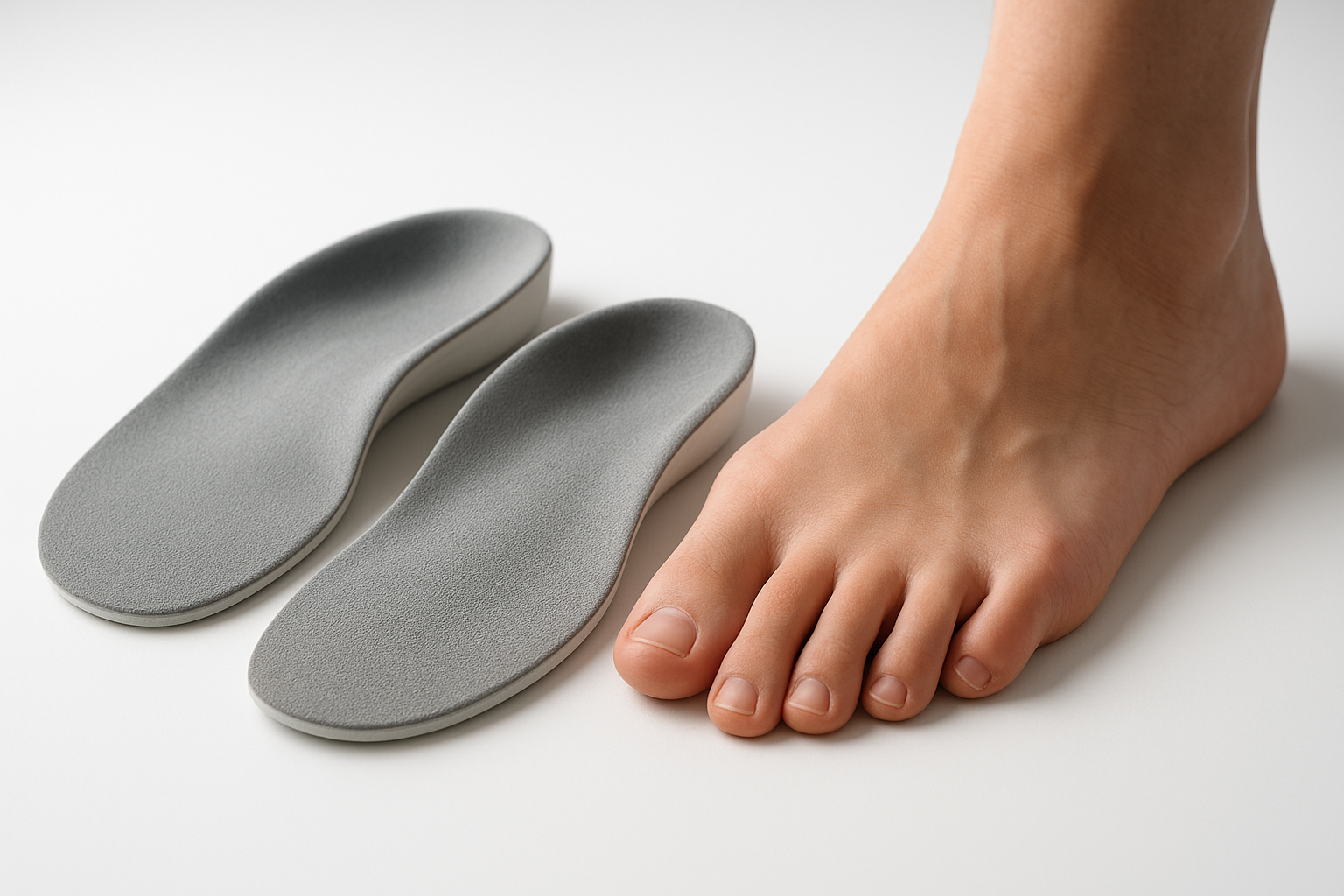
Custom orthotics for plantar fasciitis are individually molded to your foot for targeted arch support and heel cushioning. For a deeper walkthrough, see our Best Custom Orthotics for Foot Pain: A Complete Guide.
What Is Plantar Fasciitis — and Why Do Custom Orthotics Work So Well?
Plantar fasciitis is inflammation of the plantar fascia — a dense, fibrous band of connective tissue that stretches from your heel bone (calcaneus) to the base of your toes. It functions like a shock-absorbing bowstring supporting the arch of your foot. When overstressed, it becomes micro-torn and inflamed, producing the characteristic stabbing pain felt most acutely with the first steps of the morning.
Plantar fasciitis is one of the most prevalent musculoskeletal complaints in the world, accounting for roughly 1 million patient visits per year in the United States alone. It affects runners, teachers, retail workers, healthcare professionals — essentially anyone who spends significant time on their feet.
Primary Risk Factors for Plantar Fasciitis
- Flat feet (pes planus) — Overpronation flattens the arch and places excessive longitudinal stress on the fascia.
- High arches (pes cavus) — A rigid high arch absorbs impact poorly, concentrating stress at the heel insertion point.
- Tight Achilles tendon or calf muscles — Limited dorsiflexion transfers load directly onto the plantar fascia during gait.
- Overpronation — Inward rolling of the foot stretches the fascia beyond its tolerance with every step.
- Prolonged standing or walking on hard surfaces — Cumulative stress exceeds the fascia's natural recovery capacity.
- Sudden increases in activity level — Ramping up running mileage or training intensity too quickly.
- Unsupportive footwear — Thin-soled shoes, flip-flops, and worn-out sneakers provide no arch or heel support.
- Excess body weight — Increases the mechanical load on the entire plantar fascia with every step.
Because most of these risk factors are structural and biomechanical, a surface-level treatment like a generic cushion pad will rarely produce lasting results. Custom orthotics for plantar fasciitis succeed where OTC insoles fail precisely because they are engineered around your individual foot mechanics — correcting the underlying problem rather than temporarily dulling the pain signal.
How Custom Orthotics for Plantar Fasciitis Actually Work
Understanding the biomechanics behind orthotic therapy helps you use them more effectively and set realistic expectations for your recovery. A well-designed custom orthotic for plantar fasciitis works through four overlapping mechanisms:
1. Arch Support — Reduces Fascia Tension
A contoured medial arch support lifts and braces the midfoot, dramatically reducing the elongation force placed on the plantar fascia during the stance phase of walking. Studies show this tension reduction can exceed 34% compared to unsupported walking.
2. Deep Heel Cup — Stabilizes Impact Zone
The deep heel cup encapsulates and centralizes the heel fat pad — your foot's natural shock absorber. When the fat pad spreads laterally (common with prolonged standing), the heel cup keeps it positioned directly under the calcaneus where it reduces ground-reaction forces most effectively.
3. Motion Control — Prevents Overpronation
A semi-rigid shell limits excessive inward rolling of the foot (overpronation), which is one of the primary mechanical triggers of plantar fascia stress. By controlling abnormal subtalar motion, the orthotic keeps your foot in optimal alignment throughout the entire gait cycle.
4. Pressure Redistribution — Offloads the Heel
By spreading load more evenly across the entire plantar surface, custom orthotics reduce peak pressure at the heel insertion point — the exact location where plantar fasciitis pain originates. This decompression allows the micro-torn fascia tissue to heal progressively rather than being re-stressed with every step.
Custom Orthotics vs. Over-the-Counter Insoles for Plantar Fasciitis
This is the question most patients ask first — and the answer matters for both your health and your wallet. Here is a direct comparison:
For mild, short-term heel discomfort, an OTC insole may provide temporary relief. However, for true plantar fasciitis — especially chronic or recurring cases — custom orthotics consistently outperform generic alternatives in both clinical outcomes and long-term cost-effectiveness.
Types of Custom Orthotics for Plantar Fasciitis
Not all custom orthotics are built the same way. Your podiatrist will recommend a type based on your specific foot mechanics, lifestyle, and the severity of your plantar fasciitis. For a deeper walkthrough, see our Where Can I Get Custom Orthotics Made From a Podiatrist?.
Functional (Rigid to Semi-Rigid) Orthotics
These are the most commonly prescribed type for plantar fasciitis. Made from polypropylene, carbon fiber, or composite materials, functional orthotics are designed to control abnormal motion and correct biomechanical imbalances. Their firm shell limits overpronation and provides the arch support needed to reduce fascia tension. A cushioned EVA or leather top cover adds comfort without compromising motion control.
Accommodative Orthotics
Softer and more flexible, accommodative orthotics prioritize cushioning, pressure redistribution, and comfort. They are particularly appropriate for elderly patients, diabetic foot complications, arthritis, or severe deformities. For some plantar fasciitis cases — especially those involving a rigid cavus foot — accommodative devices provide meaningful relief. However, they lack the motion-control properties of functional orthotics for most patients.
Sport-Specific Orthotics
For athletes and highly active individuals, sport-specific custom orthotics are thinner, lighter, and designed to fit performance footwear. They retain the core biomechanical features — deep heel cup, arch support, motion control — while being engineered to withstand high-repetition impact loads. If you run, cycle, or play court sports with plantar fasciitis, a sport-specific orthotic is worth discussing with your provider.
Key Features to Look For in Custom Orthotics for Plantar Fasciitis
When evaluating custom orthotic options — whether from a podiatrist or a reputable online provider — these are the features that separate genuinely effective devices from those that simply feel good in the store:
- Deep heel cup (14–16mm depth) — Cradles and stabilizes the heel fat pad directly under the calcaneus. A deeper cup means better shock attenuation and more effective offloading of the heel insertion point where plantar fasciitis pain is felt most acutely.
- Contoured medial arch support — Must match your specific arch height. Too low and it provides no biomechanical benefit; too high and it creates new pressure points. Custom molding eliminates this guesswork entirely.
- Semi-rigid shell material — Polypropylene or reinforced composite. Rigid enough to control pronation and support the arch under load, but with enough flex to remain comfortable across varied terrain.
- Heel cushioning layer — A secondary cushioning material (PPT, Poron, or similar medical-grade foam) within or beneath the heel cup absorbs ground-reaction forces before they reach the inflamed fascia insertion.
- Rearfoot varus or valgus posting — Angled corrections at the heel that realign subtalar joint positioning and address overpronation or supination patterns identified during your gait assessment.
- Metatarsal pad or bar — Redistributes forefoot pressure and reduces tension transmitted proximally to the fascia. Particularly valuable if you have concurrent metatarsalgia or Morton's neuroma.
- Moisture-wicking antimicrobial top cover — Extends the hygienic lifespan of the orthotic and prevents bacterial or fungal growth during daily wear.
- Precise casting method — Whether plaster casting, foam box impression, or 3D scanning, the accuracy of the foot mold determines everything. Inaccurate casts produce orthotics that feel wrong and fail to correct the underlying problem.
5 Steps to Choosing and Using Custom Orthotics for Plantar Fasciitis
Following a structured process maximizes the probability of a successful outcome. Each step below builds directly on the one before it.
Step 1 — Get a Comprehensive Professional Foot Assessment
Visit a podiatrist or orthopedic specialist for a full biomechanical evaluation. This should include a gait analysis, arch height measurement, Achilles tendon flexibility test, and assessment of subtalar motion. Imaging (X-ray or ultrasound) may be ordered to rule out heel spurs or fascia tears. This assessment is the non-negotiable foundation of an effective orthotic prescription — skipping it is the single biggest mistake plantar fasciitis patients make.
Step 2 — Determine the Right Orthotic Type for Your Mechanics
Based on your assessment findings, decide between a functional semi-rigid orthotic (most plantar fasciitis patients), a sport-specific device (athletes), or an accommodative orthotic (elderly, diabetic, or severe deformity cases). Also discuss whether a full-length or three-quarter length design suits your primary footwear. Your podiatrist's recommendation should drive this decision, not marketing materials.
Step 3 — Choose a Reputable Provider and Casting Method
For in-clinic orthotics, a certified pedorthist or podiatrist will take a plaster cast or 3D scan of your foot in a neutral subtalar position. For online providers, look for services that use foam impression kits or validated 3D scanning apps — and that manufacture their devices at certified labs rather than outsourcing overseas. Providers like Custom Orthotics offer accessible, precision-made devices with multiple casting options. Always verify the lab's credentials and the materials used.
Step 4 — Break In Your Orthotics Gradually Over 2 Weeks
Begin with 1–2 hours of wear per day for the first three to four days. Increase by 1–2 hours every few days until you reach full-day use by the end of week two. This gradual approach allows the intrinsic foot muscles, plantar fascia, and supporting soft tissues to adapt to corrected alignment without creating new soreness. Mild muscle fatigue or arch awareness is completely normal and typically resolves within the first week.
Step 5 — Pair With Supportive Footwear and a Rehabilitation Program
Wear orthotics exclusively in shoes with removable stock insoles, firm heel counters, and adequate depth to accommodate the orthotic's volume. Running shoes and structured walking shoes are ideal. Simultaneously, begin a stretching and strengthening program (detailed below) to accelerate the healing of the plantar fascia. Orthotics and rehabilitation exercises work synergistically — together they produce significantly faster results than either approach alone.
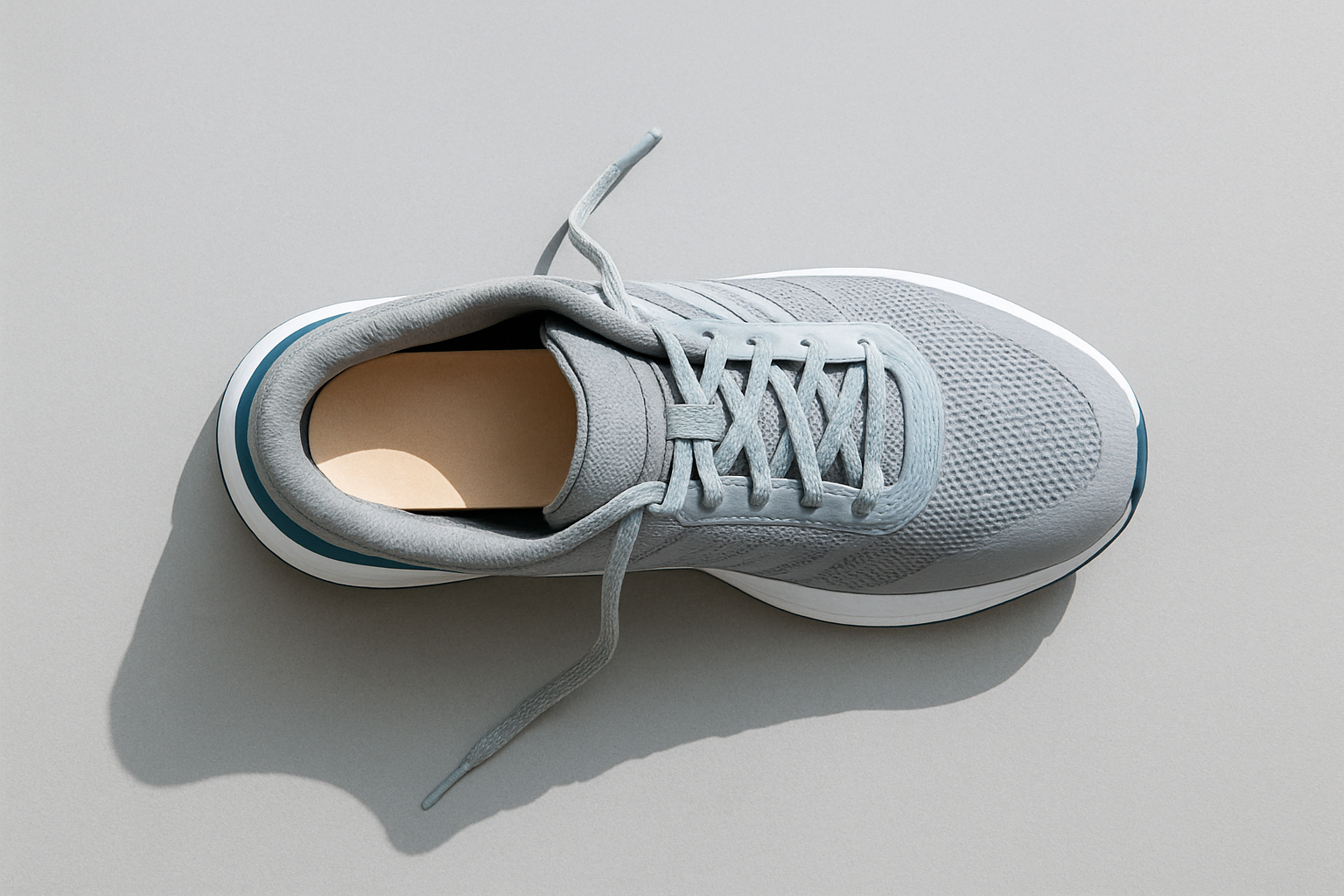
The right footwear dramatically amplifies the effectiveness of your custom orthotics — never wear them in unsupported shoes. For a deeper walkthrough, see our Custom Orthotics for Pregnancy: Comfort & Support Guide.
Stretching and Strengthening Exercises to Use Alongside Custom Orthotics
Clinical research consistently shows that custom orthotics deliver their best results when paired with a targeted exercise program. Here are the most evidence-supported exercises for plantar fasciitis recovery:
Plantar Fascia Stretch (Before Getting Out of Bed)
Before placing any weight on your foot each morning, sit on the edge of the bed and cross the affected foot over your opposite knee. Grasp your toes and gently pull them back toward your shin until you feel a strong stretch along the arch. Hold for 10 seconds, repeat 10 times. This pre-loading stretch prepares the fascia before the first painful steps of the morning and is one of the most evidence-backed interventions in plantar fasciitis management.
Standing Calf Stretch (Gastrocnemius)
Face a wall and place both hands against it. Step the affected foot back into a long lunge position, keeping the heel flat on the floor and the knee straight. Lean forward until you feel a deep stretch in the calf. Hold for 30 seconds, repeat 3 times per side. Tight calf muscles are among the most modifiable risk factors for plantar fasciitis — this stretch directly addresses that.
Seated Soleus Stretch
Sit in a chair with feet flat on the floor. Loop a resistance band or towel around the ball of the affected foot and gently dorsiflex it (pull the foot upward) while keeping the knee bent at 90 degrees. This targets the deeper soleus muscle, which is equally important but often neglected. Hold for 30 seconds, 3 sets.
Towel Curls / Marble Pickup (Intrinsic Foot Strengthening)
Place a small towel flat on the floor and use your toes to scrunch it toward you — or use your toes to pick up marbles and place them in a cup. These exercises strengthen the intrinsic muscles of the foot, reducing the mechanical burden on the plantar fascia during standing and walking. Perform for 2–3 minutes daily.
Eccentric Heel Drops
Stand with the balls of both feet on the edge of a step. Rise onto the toes with both feet, then slowly lower the affected heel below the step level over 3–4 seconds. This eccentric loading progressively strengthens the Achilles-plantar fascia complex and has strong clinical evidence for tendon and fascia rehabilitation. Perform 3 sets of 15 repetitions daily, adding resistance as strength improves.
In-Clinic vs. Online Custom Orthotics for Plantar Fasciitis
Both routes can deliver excellent results — the right choice depends on the complexity of your case, your location, and your budget.
In-Clinic Custom Orthotics
A podiatrist or certified pedorthist performs a full biomechanical assessment and takes a physical cast of your foot (plaster or foam box) in a neutral subtalar position. The prescription is then sent to a certified laboratory where your orthotics are manufactured to specification. In-clinic orthotics remain the gold standard for:
- Severe overpronation or supination
- Post-surgical or post-fracture feet
- Neurological conditions affecting gait
- Pediatric plantar fasciitis
- Cases that have failed previous orthotic treatment
Online Custom Orthotics
Reputable online providers use foam impression kits mailed to your home, or validated 3D scanning apps, to capture your foot's three-dimensional shape. Devices like those offered by Custom Orthotics are manufactured using the same professional-grade materials as in-clinic orthotics and typically cost significantly less — without sacrificing the personalization that makes custom devices superior to OTC alternatives. Online orthotics are highly effective for:
- Mild to moderate plantar fasciitis
- Patients in areas with limited podiatric access
- Athletes with standard biomechanical profiles
- Replacement or backup pairs for existing prescriptions
- Patients on a tighter budget who still need a truly custom fit
💡 Pro Tip: The Hybrid Approach
If you're unsure which route to take, consider a single podiatrist consultation to get your gait analysis and prescription specs — then use those specifications to order from a reputable online provider. You get clinical-grade precision at a more accessible price point. Always disclose your existing assessment to your online provider so they can accommodate any specific posting or modifications required.
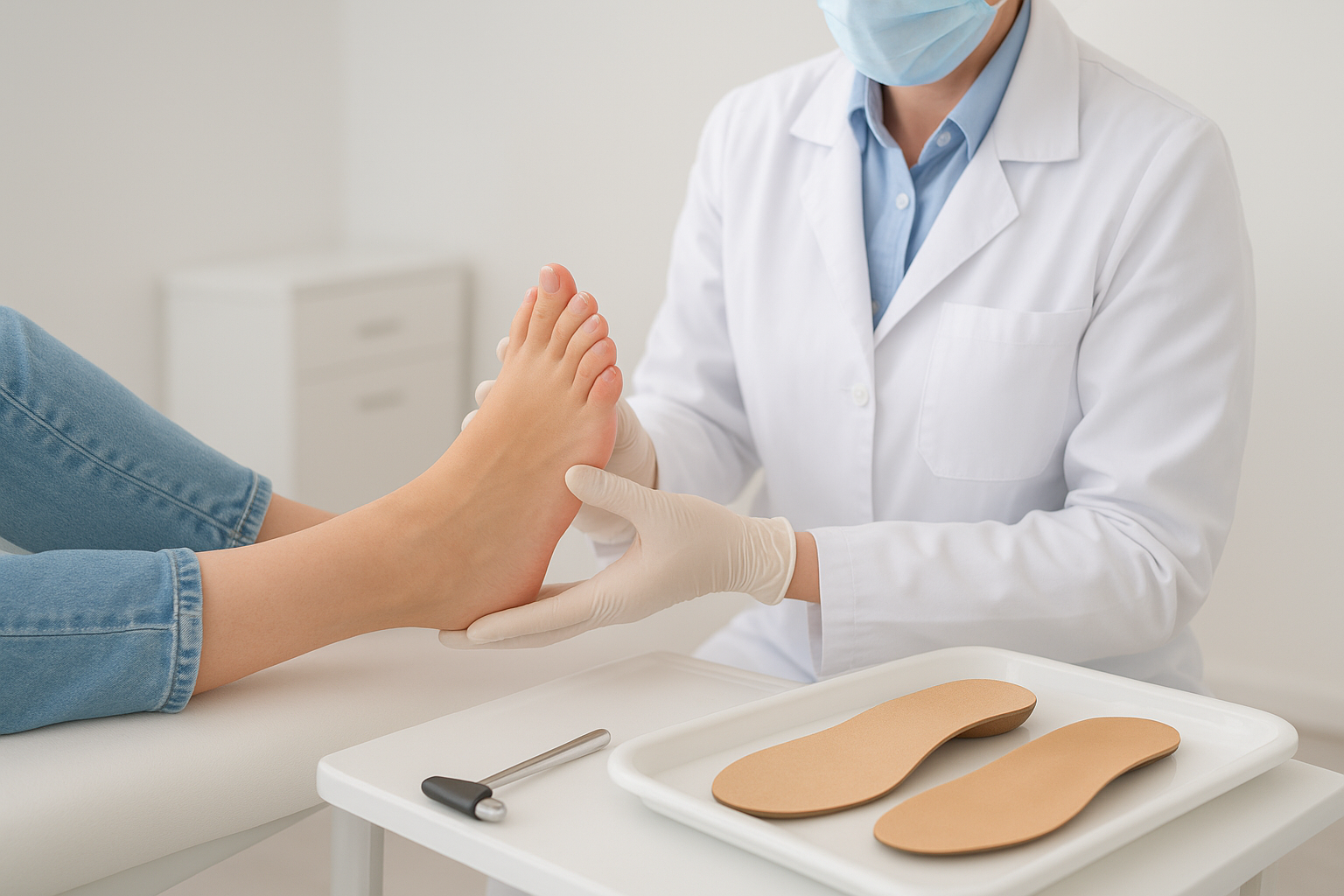
A professional gait assessment gives your orthotic prescription the precision that generic insoles can never replicate.
How Much Do Custom Orthotics for Plantar Fasciitis Cost?
Cost is one of the most common concerns patients raise — and it's a reasonable one. Here's a realistic breakdown:
- In-clinic podiatrist orthotics: $400–$800+ per pair, including the assessment and casting fees. Major metropolitan areas tend toward the higher end of this range.
- Online custom orthotics: $150–$400 per pair. Reputable online providers use the same lab-grade materials as in-clinic options at lower overhead costs. For a deeper walkthrough, see our Top Options for Custom Orthotics for Foot Pain.
- Insurance coverage: Many private health insurance plans, employer HSA/FSA accounts, and some Medicare Advantage plans cover part or all of the cost when custom orthotics are prescribed for a diagnosed medical condition like plantar fasciitis. Always submit a letter of medical necessity from your podiatrist and check your specific plan's HCPCS billing codes (L3000–L3649 for foot orthotics). For a deeper walkthrough, see our How Much Do Custom-Made Orthotics From CustomOrthotics.com Usually Cost?.
- Long-term cost perspective: A $500 pair of custom orthotics lasting 3–5 years costs roughly $0.30–0.45 per day — far less than repeated visits for cortisone injections, physical therapy, or, in severe cases, surgical intervention. For a deeper walkthrough, see our Are customorthotics.com Orthotics Good for People Standing All Day?.
Best Footwear to Pair With Custom Orthotics for Plantar Fasciitis
Your orthotics are only as effective as the shoes they're placed in. The wrong footwear will neutralize even the best custom orthotic. Here's what to look for: For a deeper walkthrough, see our Does customorthotics.com Make Custom Orthotics Suitable for Hiking?.
Shoe Features That Maximize Orthotic Performance
- Removable stock insole — Essential. Your custom orthotic replaces the manufacturer's insole; if the stock insole cannot be removed, the shoe is too shallow to accommodate your device.
- Firm heel counter — The rigid back section of the shoe that stabilizes the rearfoot. Without it, your orthotic's heel cup has nothing to brace against.
- Adequate toe box depth and width — Your orthotic adds height inside the shoe. A shallow or narrow toe box creates pressure on the dorsal foot and counteracts the orthotic's alignment benefits.
- Moderate heel-to-toe drop (6–12mm) — A slight heel elevation reduces Achilles tendon load and decreases the amount of dorsiflexion required during gait — both beneficial for plantar fasciitis.
- Torsional stability — The shoe should resist twisting along its midfoot axis. Overly flexible shoes undermine the motion-control function of your orthotic.
Recommended Shoe Categories
- Motion-control or stability running shoes — Best overall choice for plantar fasciitis. Brands like New Balance, Brooks (Addiction or Adrenaline series), ASICS (Kayano or Gel-Fortitude), and Saucony (Omni series) are frequently recommended.
- Structured walking or comfort shoes — Brands like Vionic, Orthofeet, Dansko (for professional environments), and New Balance 928 series provide excellent orthotic compatibility for daily wear.
- Occupational or work shoes with orthotics — If your job requires steel-toed boots or dress shoes, discuss workplace-specific orthotic designs with your podiatrist.
Footwear to Avoid With Plantar Fasciitis
- Flip-flops and sandals without heel straps — Zero arch or heel support; actively worsen plantar fasciitis biomechanics.
- Ballet flats and minimalist shoes — No heel drop or midsole cushioning to absorb impact forces.
- High heels (above 2 inches) — Shortens the Achilles tendon over time and shifts body weight forward, increasing forefoot pressure.
- Worn-out athletic shoes — Once the midsole foam is compressed (typically after 400–500 miles), the shoe provides none of its original support or cushioning.
Common Mistakes That Slow Plantar Fasciitis Recovery
Even with the best custom orthotics for plantar fasciitis, these avoidable errors can significantly delay your recovery or cause the condition to return: For a deeper walkthrough, see our Best Custom Orthotics for Flat Feet: A Podiatrist's Complete Guide.
- Wearing orthotics in unsupportive footwear — A custom orthotic in a flat-soled or worn-out shoe loses most of its functional benefit. Your footwear must match the orthotic's corrective intent.
- Inconsistent wear — Skipping orthotics on rest days, weekends, or around the house prevents the plantar fascia from receiving the consistent decompression it needs to heal. Morning steps taken without orthotics can re-stress the fascia before it has adapted to the previous day's correction.
- Not stretching — Orthotics reduce mechanical load, but they do not lengthen tight calf muscles or mobilize a restricted Achilles tendon. Without complementary stretching, biomechanical triggers remain partially active.
- Expecting overnight results — Plantar fascia tissue heals slowly due to its relatively poor blood supply. The 4–6 week improvement window is realistic; pushing through pain prematurely sets recovery back.
- Returning to high-impact activity too early — Resuming running or intense sport before symptoms have fully resolved nearly always causes a relapse. A gradual return-to-activity protocol supervised by your podiatrist or physiotherapist is essential.
- Using orthotics past their service life — Custom orthotics lose their structural integrity over time. A compressed or cracked shell provides none of its original biomechanical correction. Replace or reassess every 2–3 years for active users, 3–5 years for lighter use.
- Ignoring body weight — Every pound of excess weight translates to approximately 3–4 pounds of additional load on the plantar fascia during gait. Even modest weight reduction reduces fascia stress significantly and accelerates orthotic therapy outcomes.
What to Expect During Recovery With Custom Orthotics
Setting accurate expectations prevents unnecessary alarm and helps you stay committed to the process. Here is a realistic recovery timeline:
Weeks 1–2: Break-in and Adaptation
Mild arch awareness, muscle fatigue, or general foot tiredness is normal. Some patients notice an initial reduction in morning pain within the first week; others feel little change. Stick to the graduated wear schedule.
Weeks 3–6: Noticeable Improvement
Most patients experience a measurable reduction in morning heel pain, decreased post-activity soreness, and improved ability to stand for longer periods. Morning stiffness typically begins to ease as the fascia receives consistent decompression.
Months 2–3: Significant Pain Reduction
With consistent orthotic use and daily stretching, most patients report 60–80% reduction in plantar fasciitis symptoms by the 8–12 week mark. Return to normal daily activities without significant pain is typically achievable at this stage.
Months 3–6: Full Resolution
Full resolution of plantar fasciitis symptoms typically occurs within 3–6 months for new cases and up to 12 months for chronic presentations. Continuing to wear orthotics after symptom resolution is strongly recommended to prevent recurrence.
Custom Orthotics as Part of a Complete Plantar Fasciitis Treatment Plan
Custom orthotics are the cornerstone of plantar fasciitis management, but they achieve their best outcomes as part of a comprehensive treatment approach. Your full treatment plan may also include:
- Night splints — Worn during sleep to maintain the plantar fascia in a gently stretched position overnight, reducing the micro-tearing that causes severe morning pain. Most effective in the first 3 months of treatment.
- Physical therapy — Manual fascial release, ultrasound therapy, and guided progressive loading programs administered by a physiotherapist accelerate tissue healing significantly.
- Anti-inflammatory measures — Ice application for 15–20 minutes after activity, non-steroidal anti-inflammatory drugs (NSAIDs) for short-term pain management (always consult your physician first), and activity modification reduce acute inflammation during the early treatment phase.
- Corticosteroid injections — Reserved for cases that have not responded to conservative management after 6–8 weeks. Provide short-term pain relief but do not address underlying biomechanics.
- Extracorporeal shockwave therapy (ESWT) — A non-invasive procedure that stimulates tissue regeneration in the plantar fascia. Increasingly used for chronic cases where orthotics and physical therapy have provided only partial relief.
- Weight management — Reducing excess body weight decreases the mechanical load on the plantar fascia and significantly improves the effectiveness of orthotic therapy.
Conclusion: Custom Orthotics for Plantar Fasciitis Are Worth It
Custom orthotics for plantar fasciitis represent one of the highest-value investments you can make in your musculoskeletal health. Unlike drugs, injections, or surgery, they correct the root biomechanical cause of your pain — and they keep working every single day you wear them.
Whether you choose an in-clinic podiatrist prescription or a reputable online provider like Custom Orthotics, the keys to success are the same: prioritize a precise fit, choose semi-rigid functional design, wear them consistently in appropriate footwear, and pair them with daily stretching and strengthening exercises.
The research is clear, the mechanism is well-understood, and the outcomes are proven. If you have been managing plantar fasciitis with generic insoles and finding only temporary relief, it is time to make the upgrade to a truly custom solution. Your feet — and your mornings — will never be the same.
Take the first step today. The sooner you get properly fitted custom orthotics, the sooner your plantar fascia can start healing the way it's supposed to. For a deeper walkthrough, see our Can Custom Orthotics Help With Metatarsalgia Pain?.
Frequently Asked Questions About Custom Orthotics for Plantar Fasciitis
What are the best custom orthotics for plantar fasciitis?
The best custom orthotics for plantar fasciitis are semi-rigid, podiatrist-prescribed devices molded precisely to your foot's arch, heel, and pressure distribution. They must feature a deep heel cup, contoured medial arch support, and a cushioned top cover. The ideal device addresses your specific gait pattern — whether overpronation, supination, or neutral — which is why precise casting and a professional assessment are essential to getting the best possible outcome.
How do custom orthotics help plantar fasciitis?
Custom orthotics help plantar fasciitis through four mechanisms: (1) arch support that reduces tension on the plantar fascia ligament by up to 34%; (2) a deep heel cup that stabilizes and centralizes the heel fat pad to absorb impact; (3) motion control that limits overpronation and corrects gait alignment; and (4) pressure redistribution that offloads the heel insertion point where plantar fasciitis pain originates, allowing the inflamed tissue to heal progressively.
Are custom orthotics better than over-the-counter insoles for plantar fasciitis?
Yes — significantly so for most plantar fasciitis cases. Custom orthotics are molded to your exact foot shape and address your specific biomechanical deficits, whereas OTC insoles offer generic support that cannot correct the root mechanical causes of your condition. Custom orthotics also last 2–5 years versus 3–12 months for most OTC insoles, making them more cost-effective over time despite the higher upfront investment.
How long does it take for custom orthotics to relieve plantar fasciitis pain?
Most patients notice a meaningful reduction in plantar fasciitis pain within 3–6 weeks of consistent orthotic use, with more significant improvement at the 6–8 week mark. Full resolution of symptoms typically takes 3–6 months for new cases and up to 12 months for chronic presentations. Results are substantially faster when orthotics are combined with daily stretching, appropriate footwear, and activity modification.
How much do custom orthotics for plantar fasciitis cost?
In-clinic custom orthotics typically cost $400–$800+ per pair, including the assessment and casting fees. Online custom orthotics from reputable providers generally range from $150–$400. Many private health insurance plans, HSA and FSA accounts, and some Medicare Advantage plans cover part or all of the cost when orthotics are medically prescribed for plantar fasciitis. Check your plan's coverage using HCPCS codes L3000–L3649 and request a letter of medical necessity from your podiatrist.
What type of orthotic material is best for plantar fasciitis?
Semi-rigid polypropylene or composite shells with a cushioned top cover (PPT, Poron, or EVA) provide the best balance of motion control and comfort for plantar fasciitis. Rigid carbon fiber shells offer superior durability for very active patients. Fully rigid shells without cushioning can create new pressure points and are generally not recommended for plantar fasciitis. Fully soft accommodative foams provide cushioning but lack the motion-control properties needed to correct the biomechanical root causes.
Can I get custom orthotics online for plantar fasciitis?
Yes. Reputable online custom orthotic providers use foam impression kits or validated 3D scanning apps to capture your foot's shape, then manufacture devices at certified labs using professional-grade materials. Online custom orthotics are highly effective for mild to moderate plantar fasciitis and are a legitimate, accessible alternative to in-clinic orthotics. For complex cases involving severe biomechanical abnormalities or previous surgical interventions, an in-person podiatrist evaluation remains preferable.
Do I need a prescription for custom orthotics for plantar fasciitis?
A prescription is not always legally required to purchase custom orthotics, but a professional assessment is strongly recommended for plantar fasciitis. Without a gait analysis and arch evaluation, there is no way to ensure the orthotic's design addresses your specific biomechanical needs. Additionally, a podiatrist's prescription is typically required for insurance reimbursement.
How long do custom orthotics for plantar fasciitis last?
Quality custom orthotics typically last 2–5 years. Rigid polypropylene or carbon fiber shells last longer; softer accommodative devices compress faster and may need replacement within 1–2 years under heavy use. Signs that your orthotics need replacement include visible cracks in the shell, noticeable compression of the cushioning, a return of plantar fasciitis symptoms, or significant changes in body weight or foot structure. Annual check-ins with your podiatrist are recommended.
What shoes work best with custom orthotics for plantar fasciitis?
Shoes with removable insoles, firm heel counters, adequate toe box depth, and a moderate heel-to-toe drop of 6–12mm work best. Motion-control or stability running shoes (Brooks Addiction, ASICS Gel-Kayano, New Balance 860) and structured walking shoes (Vionic, Orthofeet, New Balance 928) are top choices. Avoid flat shoes, flip-flops, minimalist footwear, high heels, and any shoe with a non-removable insole.
Are custom orthotics covered by insurance?
Many private insurance plans, HSA/FSA accounts, and some Medicare Advantage plans cover custom orthotics for plantar fasciitis when they are medically prescribed. Coverage typically requires a letter of medical necessity from a licensed podiatrist, an official diagnosis code, and billing under appropriate HCPCS foot orthotic codes (L3000–L3649). Always verify your specific coverage before ordering and retain all documentation for reimbursement claims.
What is the difference between functional and accommodative orthotics for plantar fasciitis?
Functional orthotics use a semi-rigid or rigid shell to control abnormal foot motion and correct the biomechanical causes of plantar fasciitis — making them the first choice for most patients. Accommodative orthotics are softer and focus on cushioning and pressure redistribution rather than motion control; they are more appropriate for diabetic patients, severe deformities, or patients who cannot tolerate a rigid device. A podiatrist can determine which type is right for your specific presentation.
Can plantar fasciitis come back after using custom orthotics?
Yes. Plantar fasciitis can recur if you stop using orthotics and return to unsupportive footwear, stop your stretching program, or exceed your feet's load tolerance through rapid activity increases. The recurrence rate is significantly reduced by continuing orthotic wear after symptom resolution, maintaining calf flexibility, avoiding worn-out shoes, and managing body weight. Your custom orthotics are most effective as a long-term daily habit, not just an acute treatment tool.
What stretches should I do alongside custom orthotics for plantar fasciitis?
The most evidence-backed stretches to use alongside custom orthotics for plantar fasciitis are: (1) the plantar fascia stretch performed before getting out of bed each morning (10 reps × 10 seconds); (2) standing gastrocnemius calf stretch (3 × 30 seconds per side); (3) seated soleus stretch with a resistance band (3 × 30 seconds); (4) towel curls and marble pickups for intrinsic foot strengthening (2–3 minutes daily); and (5) eccentric heel drops on a step edge (3 × 15 repetitions). Combined with consistent orthotic use, this program produces significantly faster recovery than orthotics alone.