

Medical-grade orthotics are custom-fabricated foot devices designed under clinical supervision to correct biomechanical imbalances, relieve chronic pain, and support long-term foot health. Unlike generic shoe inserts sold at pharmacies, these devices are built from precise molds of a patient's feet and calibrated to their unique gait, weight distribution, and medical history. For anyone dealing with persistent heel pain, flat feet, or joint discomfort, understanding what separates medical-grade orthotics from over-the-counter alternatives can make the difference between temporary relief and lasting results.
Quick Answer: Medical-grade orthotics are podiatrist-designed inserts molded directly from an individual's feet, made from durable clinical materials, and intended to correct the root cause of foot pain rather than simply cushion it. They typically cost more than drugstore inserts but last longer and deliver more targeted results.
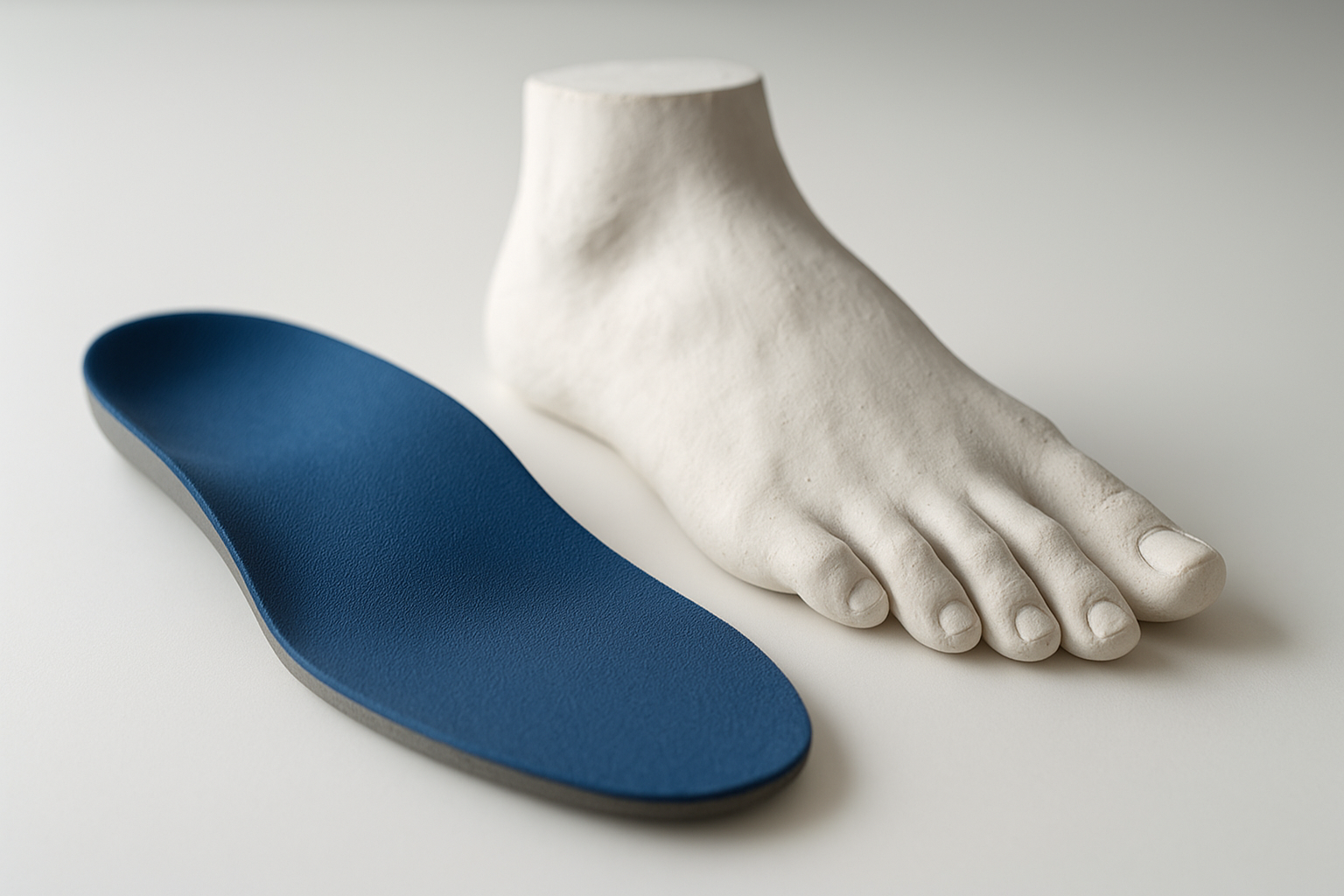
Medical-grade orthotics start with a precise mold of the patient's foot.
What Are Medical-Grade Orthotics?
Medical-grade orthotics are custom-molded devices prescribed and designed with input from a podiatrist to treat a diagnosed foot or gait condition. Because they are fabricated from an individual mold, they support the exact contours of a person's foot rather than a generalized shape. In contrast, mass-market insoles use a one-size-fits-most template that cannot account for structural differences like overpronation or high arches.
Podiatry, the medical specialty focused on foot and ankle care, relies heavily on this level of customization when treating conditions that off-the-shelf products cannot resolve. As a result, medical-grade orthotics are often considered a form of conservative treatment before surgery is even discussed. For a deeper look at how quality construction affects outcomes, this guide on high-quality orthotics and what to look for breaks down the manufacturing differences in more detail.
Medical-Grade Orthotics vs. Over-the-Counter Shoe Inserts
The biggest difference between medical-grade orthotics and drugstore insoles comes down to fit and intent. Off-the-shelf inserts are designed to provide general comfort, whereas custom orthotic devices are engineered to correct a specific biomechanical fault identified during a professional assessment. Consequently, patients using generic inserts for a structural problem often see little to no improvement over time.
Materials also differ significantly between the two categories. Store-bought inserts typically rely on soft foam that compresses quickly, while medical-grade orthotics use rigid or semi-rigid materials such as polypropylene or graphite composites that hold their shape for years. Similarly, according to the American Podiatric Medical Association, nearly 77% of Americans have experienced foot pain, and many cases trace back to unsupportive or ill-fitting footwear and inserts.
Furthermore, patients interested in a budget-conscious approach can still access true custom fabrication. Resources like this comparison of affordable orthotics online show that quality and cost do not always move in opposite directions.
How Medical-Grade Orthotics Are Made
Fabricating medical-grade orthotics is a multi-step clinical process rather than a simple retail purchase. Each stage below plays a role in ensuring the final device matches the patient's exact foot structure and treatment goals.
- Podiatric consultation and assessment: A podiatrist reviews the patient's gait, medical history, and symptoms to pinpoint the biomechanical issue causing discomfort.
- Casting or 3D scanning: The practitioner captures a precise mold of the foot using plaster casting, foam impression boxes, or digital scanning technology.
- Lab fabrication: Technicians build the orthotic shell from the mold using medical-grade materials chosen for the patient's weight and activity level.
- Fitting and adjustment: The patient tries the finished device in their own shoes while the podiatrist checks alignment and comfort.
- Follow-up evaluation: A follow-up visit confirms symptom relief and allows for further refinements if needed.
This structured process is well documented within the broader field of orthotics, a branch of biomechanical medicine focused on external devices that support or correct the musculoskeletal system.
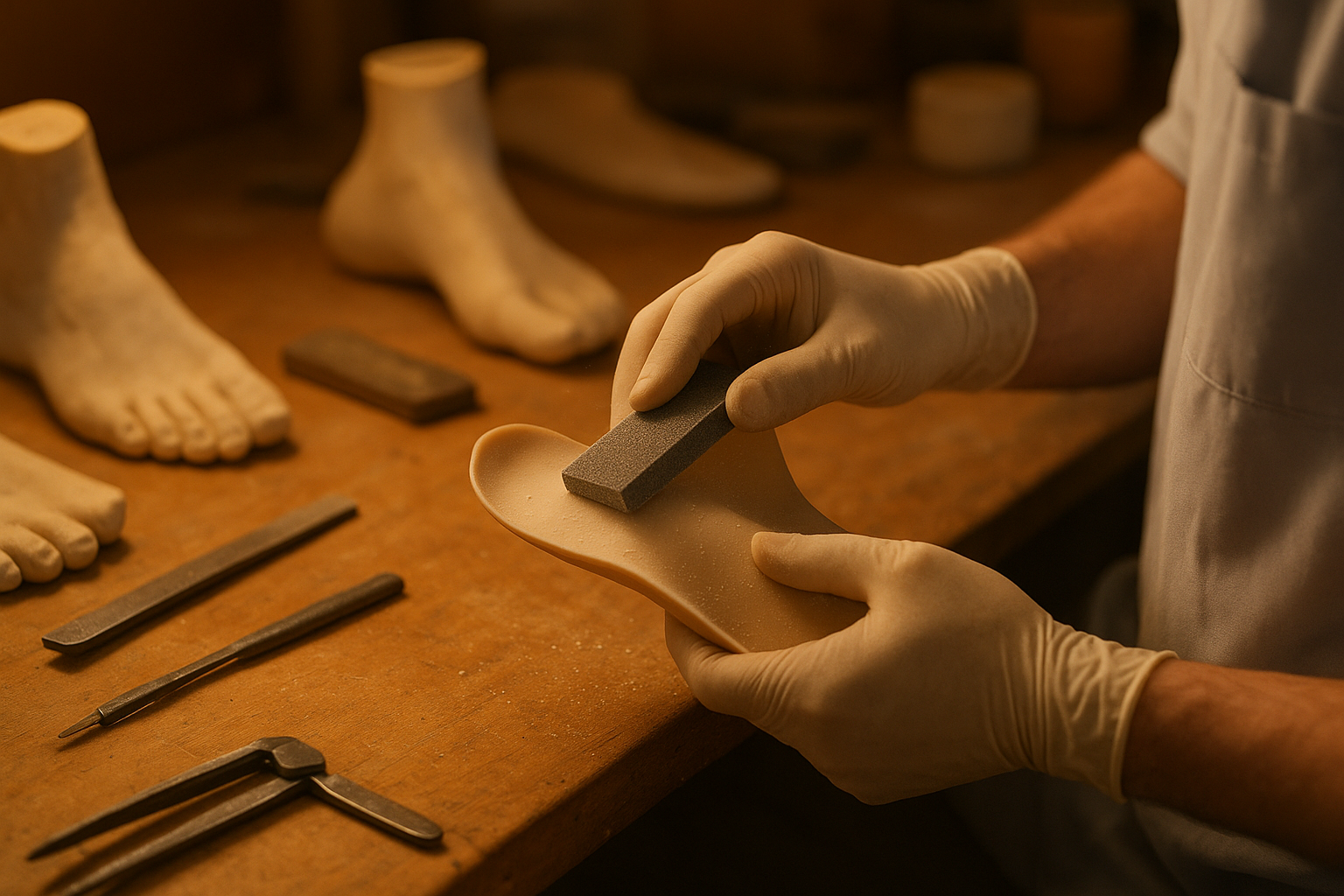
Skilled fabrication turns each mold into a finished medical-grade orthotic.
Who Benefits Most from Custom Foot Orthoses?
Medical-grade orthotics tend to help people dealing with chronic conditions rather than occasional discomfort. Common candidates include individuals with plantar fasciitis, flat feet, high arches, bunions, or diabetes-related foot complications. In addition, athletes who place repetitive stress on their feet often use custom orthotic devices to prevent overuse injuries before they start.
People on their feet for long shifts, such as healthcare workers or retail employees, also benefit from the added support. Likewise, patients recovering from foot or ankle surgery frequently rely on medical-grade orthotics as part of a structured rehabilitation plan. For research on how foot alignment affects broader musculoskeletal health, MedlinePlus offers government-reviewed background on common foot and ankle disorders.
Key Benefits of Podiatrist-Prescribed Orthotics
Because they are built around an individual's actual foot shape, podiatrist-prescribed orthotics address the underlying cause of pain instead of just masking symptoms. This targeted approach often leads to more consistent, long-term relief compared to generic cushioning products. Above all, custom devices help redistribute pressure evenly across the foot, which can reduce strain on the knees, hips, and lower back over time.
Durability is another advantage worth noting. While foam inserts break down within months, medical-grade orthotics are engineered to maintain their supportive shape for several years of daily wear. Athletes in particular appreciate this durability, as outlined in this breakdown of custom-fit sports orthotics built to withstand high-impact activity.
How to Choose a Trusted Medical-Grade Orthotics Provider
Choosing the right provider matters just as much as the orthotic itself. Above all, look for a practice that is podiatrist-owned and directly involved in both the diagnosis and fabrication process, rather than one that outsources production to a third party. Reviews, accreditation such as a Better Business Bureau rating, and years of hands-on experience are all reliable signals of quality craftsmanship.
It also helps to confirm whether the provider offers a complimentary consultation before committing to a purchase. This step allows a podiatrist to review symptoms and confirm that custom orthotics are actually the right solution. Guidance from this resource on podiatrist-approved orthotics outlines several questions worth asking before you buy.
Patients exploring their options can also connect directly with a podiatrist through CustomOrthotics.com for a phone consultation or to place an order online, whether they are local or ordering remotely.
What Do Medical-Grade Orthotics Cost?
Pricing for medical-grade orthotics generally ranges from $200 to $600 per pair, depending on the materials used and the complexity of the correction needed. Ordering directly from a podiatrist-led lab, rather than through a retail chain, often keeps costs lower without sacrificing quality. Some insurance plans also partially cover custom orthotics when a podiatrist documents a qualifying diagnosis.
In particular, comparing providers before committing can reveal significant savings. This guide to finding quality orthotics at a lower cost walks through what to expect at different price points.
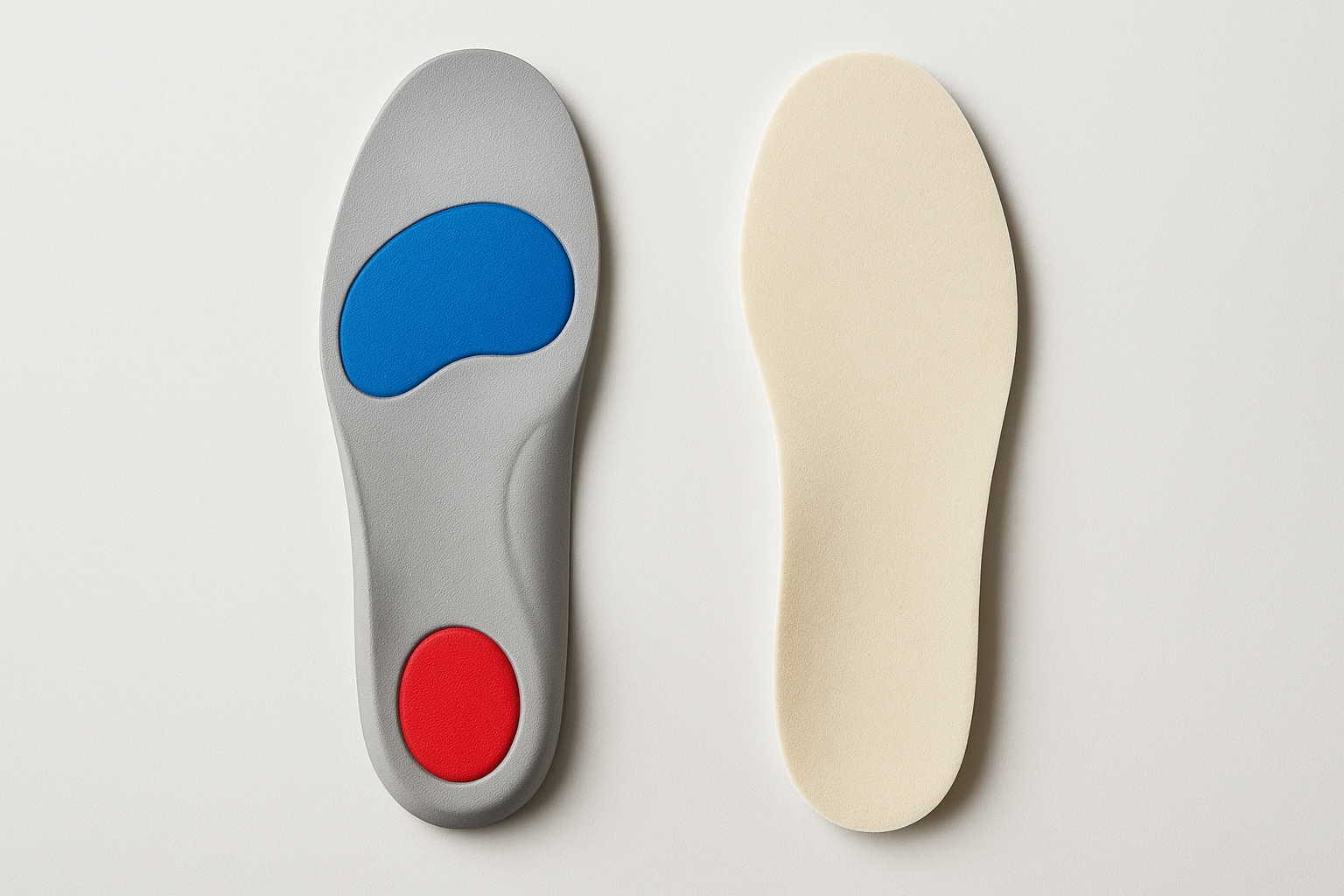
Medical-grade orthotics differ noticeably from generic foam inserts in both material and build.
Frequently Asked Questions About Medical-Grade Orthotics
What are medical-grade orthotics?
Medical-grade orthotics are custom-made foot devices fabricated from a mold of an individual's feet and prescribed by a podiatrist to correct biomechanical issues. They differ from generic insoles because they are built to the exact shape and needs of the wearer's foot.
How do medical-grade orthotics differ from drugstore insoles?
Drugstore insoles are mass-produced in generic shapes, while medical-grade orthotics are cast from an individual mold using clinical-grade materials. As a result, custom orthotics address specific structural imbalances rather than offering generic cushioning.
How long does it take to get medical-grade orthotics made?
Most patients receive their finished orthotics within two to four weeks after the initial casting or scanning appointment. This timeline allows the lab to fabricate the device precisely from the foot mold.
How much do medical-grade orthotics cost?
Custom medical-grade orthotics typically range from $200 to $600 per pair depending on materials and complexity. Pricing is often lower when ordered directly from a podiatrist-owned lab rather than through a retail intermediary.
Are medical-grade orthotics covered by insurance?
Many insurance plans partially cover medical-grade orthotics when prescribed by a podiatrist for a diagnosed condition. Coverage varies widely, so patients should confirm benefits with their provider before ordering.
Who needs medical-grade orthotics?
People with chronic heel pain, flat feet, high arches, diabetes-related foot issues, or joint misalignment often benefit most. Athletes and individuals on their feet for long hours also use them to prevent injury.
How long do medical-grade orthotics last?
A well-made pair of custom orthotics generally lasts three to five years with regular use. Lifespan depends on materials, activity level, and how consistently they are worn.
Is there a break-in period for custom orthotics?
Yes, most patients need one to two weeks to adjust, wearing them for gradually longer periods each day. Minor discomfort during this phase is normal and typically resolves as the foot adapts.
What materials are used to make medical-grade orthotics?
Medical-grade orthotics are commonly made from polypropylene, EVA foam, carbon fiber, or graphite composites. Material choice depends on the patient's weight, activity level, and specific foot condition.
Can I order medical-grade orthotics online?
Yes, some podiatrist-led practices offer at-home impression kits so patients can order online without an in-office visit. A phone consultation with the podiatrist is usually included to review foot history and needs.
What common mistakes do people make when choosing orthotics?
A common mistake is buying generic insoles expecting the same results as custom devices, which often leads to disappointment. Another frequent error is skipping a professional foot assessment before purchasing any orthotic.
What conditions can medical-grade orthotics help treat?
Medical-grade orthotics are commonly used to manage plantar fasciitis, bunions, flat feet, overpronation, and diabetic foot complications. They can also help reduce knee, hip, and lower back strain caused by poor foot alignment.
How do I care for my custom orthotics?
Wipe orthotics with a damp cloth and mild soap regularly, then allow them to air dry away from direct heat. Avoid machine washing or drying, since high heat can warp the custom shape.
Final Thoughts on Medical-Grade Orthotics
In summary, medical-grade orthotics offer a level of precision and durability that generic shoe inserts simply cannot match. From the initial podiatric assessment through custom fabrication and fitting, every step is designed around an individual's unique foot structure and health needs. Therefore, patients dealing with chronic pain, structural imbalances, or mobility challenges often find that investing in custom orthotics leads to more lasting comfort than store-bought alternatives.
Ultimately, choosing a trusted, podiatrist-led provider makes the process simple and reliable, whether ordering in person or online. Anyone ready to explore custom foot support can start with a complimentary consultation through CustomOrthotics.com to determine whether medical-grade orthotics are the right next step toward healthier, pain-free feet.