

Insoles for diabetic foot pain are specialized shoe inserts designed to reduce pressure, improve circulation, and protect the feet of people living with diabetes. For many patients, foot pain caused by diabetes is not just uncomfortable — it can signal nerve damage or poor circulation that, left unaddressed, may lead to serious complications like ulcers or infections. Fortunately, the right insoles can ease discomfort while also lowering the risk of long-term damage. In this guide, we'll explain how these specialized inserts work, what features matter most, and how to find a solution that fits your feet and your life.
What Is Diabetic Foot Pain and Why Do Insoles Help?
Diabetic foot pain refers to burning, tingling, numbness, or aching in the feet caused by nerve damage or reduced blood flow linked to high blood sugar levels. Insoles help by cushioning pressure points, correcting alignment issues, and reducing friction, which together lower the risk of blisters, calluses, and ulcers.
Because diabetic neuropathy, or nerve damage caused by prolonged high blood sugar, often reduces sensation in the feet, small injuries can go unnoticed until they become serious. Therefore, insoles designed specifically for diabetic feet aim to prevent problems before they start rather than simply treating pain after it appears.
Understanding Diabetic Neuropathy Pain and Foot Risk
In particular, diabetic neuropathy affects nerves in the extremities first, which is why symptoms typically begin in the toes and gradually move upward. As a result, patients may not feel a small stone in their shoe, a blister forming, or a pressure sore developing until it has already broken the skin.
According to the Centers for Disease Control and Prevention, people with diabetes are significantly more likely to develop foot ulcers, and a large percentage of lower-limb amputations begin with a foot ulcer that was not caught early. Consequently, proactive foot care — including proper insoles — plays a critical role in prevention.
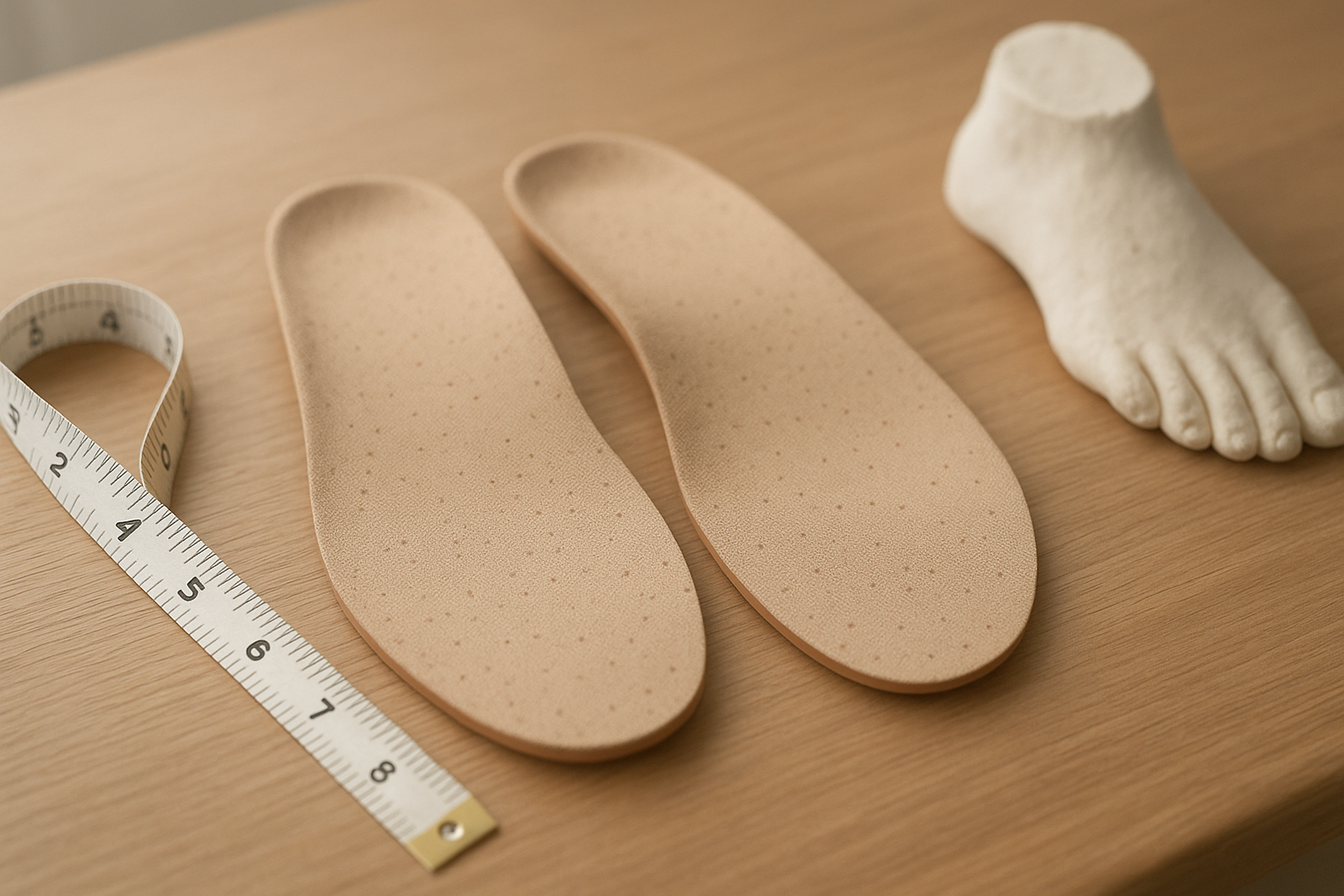
Custom insoles for diabetic foot pain are shaped from an exact mold of each patient's feet.
How Insoles for Diabetic Foot Pain Reduce Pressure and Prevent Ulcers
Insoles for diabetic foot pain work primarily by redistributing weight away from high-pressure zones such as the heel, ball of the foot, and any bony prominences affected by structural changes. Specifically, multi-density foam layers absorb shock, while a firmer base beneath the arch keeps the foot properly aligned during walking.
Additionally, many diabetic insoles include moisture-wicking top covers that reduce friction and help keep skin dry, since excess moisture can contribute to blisters and infections. In contrast, standard insoles rarely include this level of targeted design, which is why podiatrists often recommend a custom approach for anyone with diabetes-related foot changes.
For a deeper look at how cushioning and support work together for general foot pain, our related guide on foot pain relief insoles and custom orthotics that work covers additional design principles that apply here as well.
Custom Orthotics vs. Off-the-Shelf Diabetic Foot Inserts
Off-the-shelf diabetic inserts can offer basic cushioning at a lower upfront cost, and they may work well for people with mild symptoms. However, they follow a generic shape that rarely matches an individual's arch height, pressure distribution, or any structural changes caused by years of nerve damage.
Custom orthotics, by comparison, are built from an exact mold of each patient's feet. As a result, they address specific pressure points rather than offering a one-size-fits-all solution. Patients interested in comparing budget-friendly options with custom solutions may find our article on affordable insoles for foot pain useful for weighing cost against long-term benefit.
| Feature | Off-the-Shelf Inserts | Custom Orthotics |
|---|---|---|
| Fit precision | Generic sizing | Molded to your feet |
| Pressure redistribution | Limited | Targeted to hot spots |
| Durability | 6 to 9 months | 12 to 18 months |
| Cost | $20 to $60 | $150 to $500 |
Key Features to Look for in Diabetic Foot Insoles
Above all, an effective insole for diabetic feet should include several core features working together rather than a single gimmick. The following elements make the biggest difference in day-to-day comfort and long-term protection.
- Multi-density cushioning: softer foam over pressure points, firmer support beneath the arch.
- Seamless top cover: reduces friction against sensitive or thinning skin.
- Breathable materials: helps manage moisture and reduce infection risk.
- Proper depth: fits inside extra-depth diabetic shoes without crowding the toes.
- Custom shaping: matches the exact contours of each individual foot.
For guidance directly from foot care professionals, see our overview of what insoles podiatrists suggest for foot pain relief, which outlines additional criteria clinicians look for during fittings.
Step-by-Step: Getting Fitted for Custom Diabetic Insoles
Getting properly fitted involves more than picking a size off a shelf. Instead, the process typically follows these steps:
- Schedule a consultation with a podiatrist or orthotic specialist to discuss your symptoms, diabetes history, and any areas of numbness or pressure you've noticed on your feet.
- Get a professional foot mold or 3D scan taken by the specialist, capturing the exact contours, arch height, and pressure points unique to each of your feet.
- Select the right materials and cushioning density based on your activity level, foot shape, and any areas requiring extra protection from friction or pressure.
- Try on the finished custom orthotics with your regular diabetic-friendly shoes and walk around under supervision to confirm proper fit and even pressure distribution.
- Schedule a follow-up visit within a few weeks to assess wear patterns, address any hot spots, and make adjustments if needed for long-term comfort.
Patients considering this process, whether locally or online, can start with a complimentary consultation through customorthotics.com, where a podiatrist-owned team builds each pair from an individual mold rather than a generic template.

A thorough foot exam helps determine the right cushioning and support for diabetic foot pain relief.
Daily Foot Care Habits That Support Your Insoles
Even the best insoles work better alongside consistent daily habits. For instance, checking your feet every evening for redness, blisters, or cracked skin can catch small problems before they escalate.
Similarly, washing and thoroughly drying feet, especially between the toes, helps prevent fungal infections that can complicate diabetic foot care. In addition, rotating between two pairs of properly fitted shoes reduces repetitive pressure on the same areas day after day.
If you're managing diabetes and want a deeper look at protective footwear strategies, our guide on custom insoles for diabetes and how they protect your feet expands on daily prevention routines that pair well with proper insoles.
For additional clinical background, the National Institute of Diabetes and Digestive and Kidney Diseases outlines how consistent foot checks and proper footwear meaningfully reduce complication rates. The American Podiatric Medical Association also recommends annual foot exams for anyone managing diabetes, regardless of whether pain is currently present.
Frequently Asked Questions About Insoles for Diabetic Foot Pain
What is the best type of insoles for diabetic foot pain?
The best insoles for diabetic foot pain are custom-molded orthotics built from an exact impression of your feet, since they distribute pressure evenly and cushion vulnerable areas. Off-the-shelf inserts can help mild cases, but they rarely match the precision needed for diabetic feet with nerve damage or circulation issues.
How do insoles for diabetic foot pain actually work?
They work by redistributing weight away from high-pressure areas like the heel and ball of the foot, reducing friction, and improving shock absorption. This lowers the risk of skin breakdown, blisters, and ulcers that can develop quietly due to reduced sensation.
Can regular drugstore insoles help with diabetic foot pain?
Regular insoles can offer temporary comfort but usually lack the depth of cushioning and pressure mapping diabetic feet require. For moderate to severe neuropathy or a history of ulcers, custom orthotics are generally recommended by podiatrists.
How much do custom diabetic insoles cost?
Custom diabetic insoles typically range from $150 to $500 per pair depending on materials and fabrication method, though many insurance plans and Medicare partially cover them when medically necessary. Prices vary by provider and the complexity of the mold required.
How often should diabetic insoles be replaced?
Most diabetic insoles should be replaced every 12 to 18 months, or sooner if cushioning flattens or the surface shows visible wear. Regular checkups help catch wear patterns before they cause new pressure points.
What is diabetic neuropathy and how does it cause foot pain?
Diabetic neuropathy is nerve damage caused by prolonged high blood sugar, which can lead to burning pain, tingling, or numbness in the feet. Because sensation is reduced, injuries or pressure sores can go unnoticed until they become serious.
Can insoles for diabetic foot pain prevent ulcers?
Yes, properly fitted insoles significantly lower ulcer risk by reducing repetitive pressure on vulnerable areas of the foot. Consistent offloading through orthotics is one of the most effective prevention strategies for diabetic patients.
Are custom orthotics better than over-the-counter diabetic insoles?
Custom orthotics are generally superior because they are molded to the exact shape and pressure points of an individual's feet. Over-the-counter options follow a generic shape, which may leave gaps in protection for people with structural foot changes.
What shoes work best with diabetic foot insoles?
Wide, deep-toe-box shoes with removable insoles work best, since they allow room for custom orthotics without adding pressure. Seamless interiors and adjustable closures also help prevent rubbing against sensitive skin.
Do insurance plans cover diabetic insoles?
Many insurance plans, including Medicare Part B under the Therapeutic Shoe Bill, cover custom diabetic insoles when prescribed by a physician. Coverage details vary, so it helps to confirm benefits before ordering.
What common mistakes do people make when choosing diabetic insoles?
A common mistake is choosing soft, generic cushioning without addressing pressure points identified by a podiatrist. Another is skipping regular foot checks, which can allow small irritations to worsen unnoticed.
How long does it take to get used to new diabetic insoles?
Most patients adjust within one to two weeks of gradually increasing wear time each day. Starting with short periods and checking skin afterward helps identify any hot spots early.
Can diabetic insoles also help with plantar fasciitis?
Yes, many custom orthotics designed for diabetic feet also support the arch in ways that relieve plantar fasciitis pain. Because both conditions benefit from even pressure distribution, one well-designed insole can often address both.
What materials are best for diabetic foot insoles?
Multi-density foams, gel layers, and moisture-wicking top covers are commonly used because they cushion pressure points while reducing friction and heat buildup. The ideal combination depends on foot shape, activity level, and any existing skin sensitivity.
Final Thoughts on Choosing the Right Insoles
In summary, insoles for diabetic foot pain do far more than add cushioning underfoot. They redistribute pressure, protect against friction, and help prevent the small injuries that can turn into serious complications when nerve sensation is reduced. Above all, a properly fitted, custom-molded orthotic offers the most reliable protection for anyone managing diabetes-related foot pain.
Ultimately, taking the first step toward relief starts with a proper evaluation rather than guesswork. Whether you consult a local podiatrist or connect with a specialist online, choosing insoles built specifically for your feet is one of the most effective ways to stay comfortable, mobile, and protected for years to come.