

High-performance insoles for athletes are purpose-built foot supports that help runners, cyclists, and team-sport competitors move more efficiently while protecting against injury. Unlike generic drugstore inserts, these insoles are engineered around the unique shape, gait pattern, and biomechanical needs of each athlete. As a result, they can reduce fatigue, improve stability, and support faster recovery between training sessions.
In short, high-performance insoles for athletes work by redistributing pressure across the foot, absorbing shock from repetitive impact, and correcting alignment issues that waste energy with every stride. For athletes dealing with chronic pain or recurring injuries, a custom-molded insole often delivers noticeably better results than an off-the-shelf version purchased at a sporting goods store.
What Are High-Performance Insoles for Athletes?
High-performance insoles for athletes are custom-fitted inserts designed to improve how force travels through the foot during running, jumping, and quick lateral movement. They are typically fabricated from a direct mold or digital scan of the athlete's foot rather than a generic foot-shaped template.
Because every foot has a slightly different arch height, pronation pattern, and pressure distribution, a true custom orthotic accounts for these differences in ways a mass-produced insole cannot. Furthermore, materials used in athletic insoles are chosen specifically for durability under repeated impact, whether that means a firmer carbon-composite shell for sprinting or a cushioned layer for long-distance running. According to the American Podiatric Medical Association, proper foot alignment plays a measurable role in reducing overuse injuries common among active individuals, which is one reason podiatrist-designed insoles remain popular among competitive athletes.
Why Athletes Need Custom Performance Insoles
Athletes place far greater and more repetitive stress on their feet than the average person, which makes generic cushioning insufficient over time. Consequently, small biomechanical flaws that go unnoticed during everyday walking can become significant problems during high-intensity training.
Custom performance insoles address this by targeting the exact pressure points causing pain or inefficiency. For example, an athlete with excessive pronation may need additional arch support to prevent the knee and hip compensations that often follow. In addition, insoles built around an athlete's specific foot structure can improve balance during cutting movements, which matters greatly in sports like basketball and soccer. You can review a full breakdown of these benefits in this personalized foot solutions guide for athletes.
How Athletic Insoles Differ From Standard Orthotics
Standard orthotics are often designed for general comfort and everyday walking, while athletic insoles must withstand repeated impact, lateral loading, and rapid directional changes. Therefore, athletic versions tend to use firmer, more resilient materials in key zones while still cushioning high-impact areas like the heel.
Sport-specific shaping is another difference. A sprinter's insole, for instance, prioritizes forefoot responsiveness, while a long-distance runner's insole emphasizes shock absorption across the entire sole.
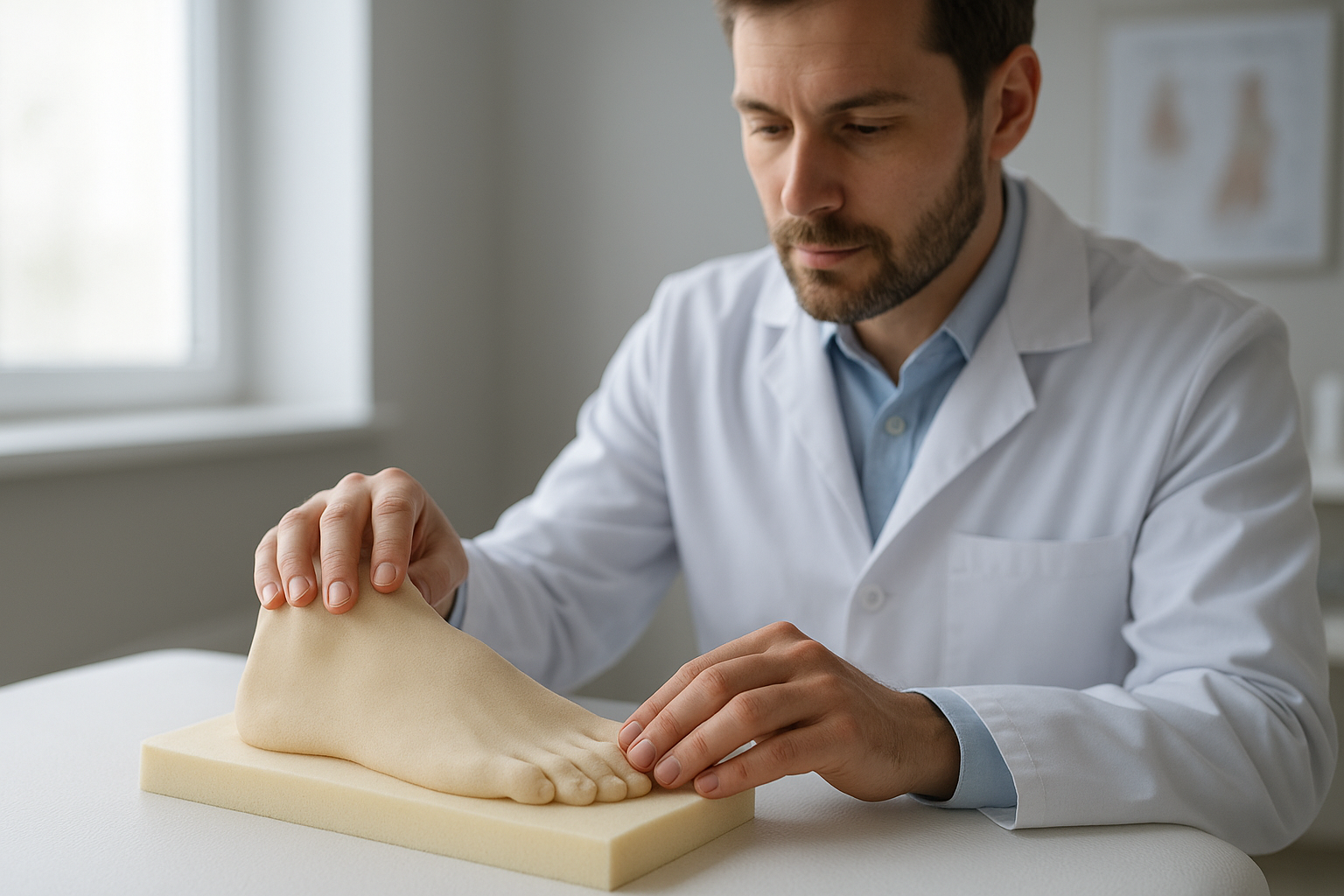
A precise foot mold is the foundation of effective high-performance insoles for athletes.
Key Benefits of Sports Insoles for Peak Performance
Well-fitted sports insoles offer measurable advantages beyond simple comfort. Specifically, athletes who switch to custom insoles often report the following improvements:
- Reduced heel, arch, and ball-of-foot pain during and after training
- Improved balance and stability during quick directional changes
- Lower risk of overuse injuries such as plantar fasciitis and shin splints
- More efficient energy transfer, which can translate into less fatigue late in competition
- Faster recovery between intense training sessions
In contrast, generic insoles tend to flatten quickly and lose their supportive shape within months. Research published through the National Institutes of Health has linked proper foot support to reduced lower-limb injury rates among physically active populations, reinforcing why many athletic trainers recommend a podiatrist evaluation before competitive seasons begin. For a deeper look at sport-specific recovery benefits, see this guide on custom insoles built to support speed and recovery.
How to Get Fitted for Custom Orthotic Insoles
Getting properly fitted is straightforward when working with an experienced provider. Below is the typical process from first contact to final fit.
- Schedule a consultation. Contact a podiatrist-owned practice to discuss your foot pain, sport, and training goals before any mold is taken.
- Get a mold of your feet. The podiatrist captures a precise mold or digital scan while you stand in a natural, weight-bearing position.
- Discuss sport-specific needs. You review your sport's demands, preferred footwear, and recurring pain points so the design can be tailored accordingly.
- Insoles are custom fabricated. Technicians build your insoles directly from the mold using materials chosen for your activity level and body weight.
- Fit, break in, and follow up. You receive the finished insoles, gradually break them in, and schedule a follow-up adjustment if needed.
Most athletes can complete this entire process without missing significant training time. You can learn more about this process directly through customorthotics.com, where a free podiatrist consultation is available by phone or online.
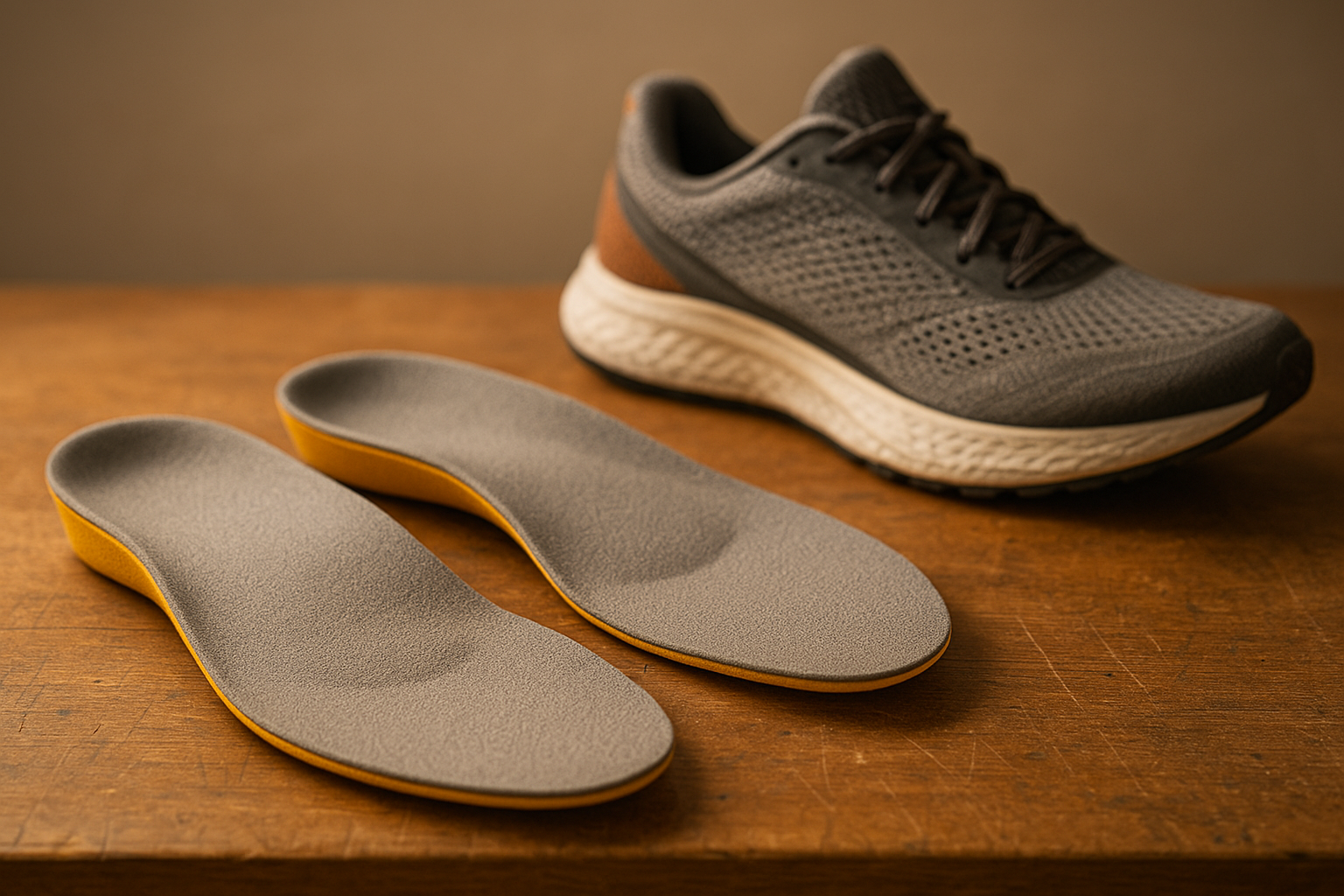
Finished insoles are shaped around the athlete's exact foot mold for a precise fit.
Choosing the Right Insoles for Your Sport
Not every athlete needs the same type of foot support. Runners, for example, typically benefit from insoles optimized for forward propulsion and shock absorption, while basketball and soccer players need insoles that stabilize lateral movement.
Budget is another consideration, but it should never come at the expense of fit quality. Fortunately, affordable options exist that still deliver a genuinely custom mold rather than a generic shape; this guide to affordable custom insoles without compromising quality breaks down what to look for. Above all, working with a podiatrist rather than guessing at an off-the-shelf size tends to produce far more reliable results. This overview of podiatrist-recommended insoles explains why professional evaluation matters so much for active individuals.
Common Mistakes to Avoid When Selecting Athletic Insoles
One common mistake is choosing insoles based on price alone, which often leads to disappointing results. Similarly, many athletes assume one pair of insoles works for every sport, when in reality different activities place stress on different parts of the foot.
Skipping a professional fitting is another frequent error. Without a proper mold, even a well-marketed insole may fail to address the specific imbalance causing pain. For a complete comparison of sport-specific options, this complete guide to custom orthotic insoles for sports covers additional details worth reviewing before making a purchase.
Proper fit and sport-specific design matter before every training session.
Frequently Asked Questions About High-Performance Insoles for Athletes
What are high-performance insoles for athletes?
High-performance insoles for athletes are custom-molded foot supports built to match an individual's foot shape, gait, and sport-specific movement patterns. They improve shock absorption, energy return, and alignment compared to generic insoles.
How do high-performance insoles improve athletic performance?
They improve performance by correcting biomechanical inefficiencies, reducing wasted energy with each stride, and stabilizing the foot during sudden direction changes. As a result, athletes often experience less fatigue and more consistent power output.
How are custom athletic insoles different from store-bought inserts?
Custom athletic insoles are fabricated from an actual mold of the athlete's foot, while store-bought inserts use generic sizing templates. This means custom insoles address specific imbalances that mass-produced products cannot correct.
How much do custom performance insoles cost?
Custom performance insoles typically range from roughly $150 to $500 depending on materials and the complexity of the mold. Some providers offer more affordable custom options without sacrificing fit quality.
How long does it take to get fitted for custom insoles?
A typical fitting appointment takes 30 to 45 minutes, including the consultation and molding process. After that, fabrication usually takes two to four weeks before the finished insoles are ready.
Can high-performance insoles prevent sports injuries?
Yes, properly fitted insoles can reduce the risk of overuse injuries such as plantar fasciitis, shin splints, and stress fractures by correcting alignment issues. However, they work best alongside proper training and footwear.
What sports benefit most from custom orthotic insoles?
Running, basketball, soccer, tennis, and other high-impact or multidirectional sports tend to benefit most from custom orthotic insoles. These activities place repetitive stress on the feet that generic insoles rarely address.
How long do athletic insoles last before they need replacing?
Most custom athletic insoles last between one and three years depending on training volume and materials used. Athletes training daily may need replacements closer to the one-year mark.
What is the break-in period for new performance insoles?
Most athletes need one to two weeks to fully adjust to new performance insoles, gradually increasing wear time each day. Rushing this process can cause temporary discomfort as the foot adapts.
What common mistakes do athletes make when choosing insoles?
Common mistakes include choosing insoles based on price alone, skipping a professional fitting, and assuming one pair works for every sport. These shortcuts often lead to poor results and wasted money.
Does insurance cover custom orthotics for athletes?
Some insurance plans partially cover custom orthotics when prescribed for a diagnosed medical condition, but coverage varies widely by provider. It is best to check with your plan and the orthotic provider directly.
How do I know if I need new athletic insoles?
Signs you need new insoles include visible compression of the cushioning, new or returning foot pain, and uneven wear patterns on your shoes. Replacing worn insoles promptly helps prevent injury.
Final Thoughts
Ultimately, high-performance insoles for athletes offer a practical way to reduce pain, prevent overuse injuries, and support more efficient movement during training and competition. Because every foot and every sport places different demands on the body, a custom-molded fit from an experienced podiatrist typically outperforms generic, off-the-shelf alternatives. Therefore, athletes serious about long-term foot health should consider a professional evaluation rather than guessing at a one-size-fits-all solution. For more information on scheduling a consultation and exploring custom options, visit customorthotics.com, a podiatrist-owned practice with more than 20 years of fabrication experience and an A+ Better Business Bureau rating.