

Custom orthotics for flat feet are podiatrist-designed shoe inserts, molded directly from a patient's own foot structure, that correct arch collapse, reduce strain, and restore natural alignment. Unlike the mass-produced insoles sold in drugstore aisles, these devices start with an individual mold or digital scan, so every ridge and pressure point matches the exact contours of your foot. As a result, people with flat feet typically notice less heel pain, reduced fatigue, and better posture within just a few weeks of consistent wear. In this guide, we go far beyond a simple product list — we explain how custom orthotics for flat feet actually work, what the fabrication process looks like step by step, how much they cost, how they compare with off-the-shelf arch supports, and how to know if a custom device is genuinely the right call for you.
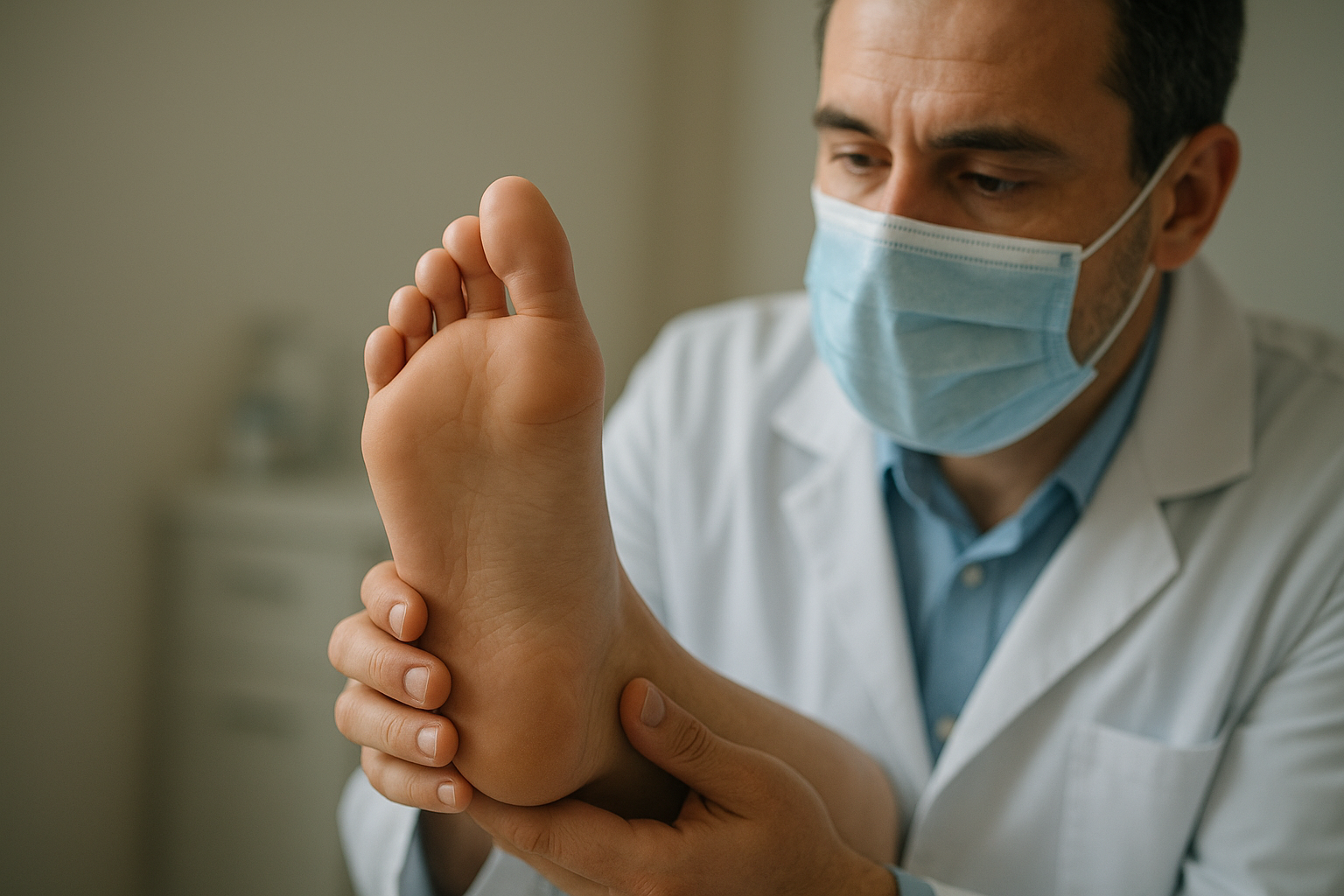
A podiatrist evaluates arch structure before recommending custom orthotics for flat feet.
What Are Custom Orthotics for Flat Feet?
Custom orthotics for flat feet are prescription-grade insoles, molded from a cast or 3D scan of your foot, designed to support a collapsed arch and correct abnormal pronation — the inward rolling of the foot during walking. Because they are built to your unique foot shape, they deliver targeted correction that off-the-shelf insoles simply cannot replicate. Podiatrists typically recommend them for chronic pain, structural imbalances, or mobility limits linked to flat feet, also known clinically as pes planus.
Specifically, these devices differ from generic drugstore inserts in both accuracy and durability. In addition, they can be rigid, semi-rigid, or cushioned depending on how much correction a foot needs. According to the Wikipedia entry on flat feet, pes planus can be flexible or rigid, and treatment approaches vary considerably based on that distinction — a nuance that generic insole shopping rarely accounts for.
Flexible vs. Rigid Flat Feet: Why the Type Matters
Before choosing any arch support, it helps to understand which type of flat foot you actually have. A flexible flat foot shows a visible arch when sitting or standing on tiptoe, but the arch flattens under weight-bearing load. In contrast, a rigid flat foot stays flat in every position, which usually points to a structural or bony cause rather than a muscular one.
Consequently, a podiatrist will often test both positions during an exam before recommending a device. For example, a flexible flat foot may respond well to a semi-rigid custom orthotic that gently guides the arch back into alignment, whereas a rigid flat foot may need a firmer, more corrective build. Adults who develop sudden arch collapse later in life — a condition sometimes called adult-acquired flatfoot or posterior tibial tendon dysfunction — should be evaluated promptly, since this type can progress if left unsupported.
Why Flat Feet Need Personalized Arch Support
Flat feet occur when the arch collapses fully or partially, causing the sole to sit close to or flat against the ground. Consequently, weight distributes unevenly across the foot, which can strain the plantar fascia (the thick band of tissue along the bottom of the foot), ankles, knees, and even the lower back. For example, someone standing for long shifts at work may notice aching arches by midday, while a runner might develop shin pain from repeated impact on an unsupported foot structure.
Generic insoles attempt to address this with a one-size-fits-most shape. However, because every flat foot collapses differently, a personalized mold captures pressure points that mass production simply cannot. Therefore, custom orthotics for flat feet tend to relieve symptoms more reliably than generic alternatives, particularly for chronic or severe cases.
Research summarized by the National Library of Medicine's MedlinePlus resource notes that untreated foot alignment issues can contribute to secondary joint problems over time. Similarly, the Mayo Clinic's overview of flatfeet points out that most flat feet cause no problems at all, but persistent pain is a signal worth investigating rather than ignoring. As a result, addressing flat feet early with proper support may help prevent compounding strain elsewhere in the body.
Custom Orthotics for Flat Feet vs. Over-the-Counter Insoles
Walk into any pharmacy and you'll find shelves of pre-molded arch supports and gel insoles promising instant comfort. These products can genuinely help with mild, temporary discomfort. However, they are built from a generic last, meaning they fit an "average" foot rather than yours specifically. The table below breaks down the practical differences.
In short, off-the-shelf products mask symptoms temporarily, while custom orthotics for flat feet are designed to address the underlying mechanical cause. Above all, if you've tried a generic insole for several weeks with little improvement, that's usually a clear sign your feet need a more precise solution.
Signs You May Need Custom Orthotic Inserts
Not everyone with flat feet needs a custom device right away. In particular, watch for these signals that a personalized fit could help:
- Persistent arch, heel, or ankle pain after standing or walking
- Uneven wear patterns on the soles of your shoes
- Knee, hip, or lower back discomfort with no other clear cause
- Visible arch collapse when standing barefoot
- Little relief from generic drugstore insoles after several weeks
- Swelling along the inner ankle, which can indicate tendon strain
If any of these sound familiar, a podiatrist consultation is a reasonable next step. Above all, an accurate diagnosis helps determine whether flat feet, and not another condition, is the root cause of your discomfort.
How Custom Orthotics for Flat Feet Are Made
Fabrication follows a fairly consistent process across most reputable providers. Below is the general sequence used when producing custom orthotics for flat feet.
- Schedule a consultation: A podiatrist reviews your symptoms, walking pattern, and medical history to confirm flat feet as the underlying issue.
- Take a foot mold or scan: The provider captures a physical cast or digital 3D scan of each foot to record its exact arch shape and pressure points.
- Select materials: You and the podiatrist decide on rigid, semi-rigid, or cushioned construction based on activity level and severity of arch collapse.
- Fabrication: A technician builds the device layer by layer from the mold, shaping it to correct pronation and redistribute weight evenly.
- Final fitting: You try the finished orthotics with your regular shoes, and adjustments are made for comfort or pressure points.
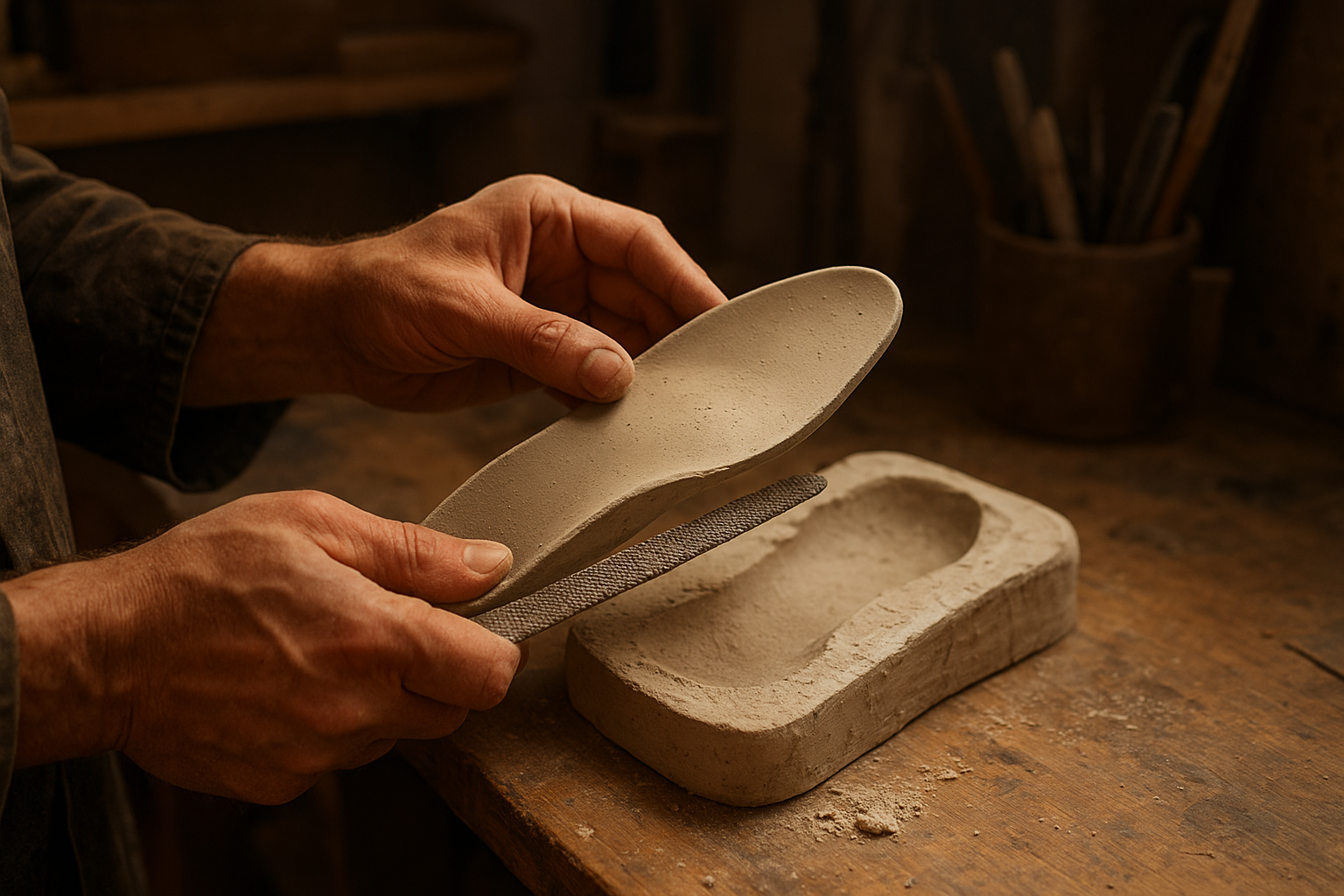
Skilled fabrication turns a foot mold into a finished custom orthotic device.
Materials Used in Custom-Molded Orthotics
Material choice directly affects how a custom orthotic feels and performs. Rigid orthotics, often built from polypropylene or carbon fiber, offer maximum control and are typically prescribed for significant arch collapse or biomechanical correction. Semi-rigid orthotics blend a supportive shell with cushioned top layers, making them a popular choice for runners and active adults who need both control and shock absorption. Meanwhile, soft or accommodative orthotics, usually made from EVA foam or cork composites, prioritize comfort and are often used for diabetic foot care or arthritic joints.
Your podiatrist will weigh your daily footwear, activity level, and pain pattern before recommending one construction over another. In contrast to generic insoles, which offer no material customization at all, this decision is made specifically around your foot mold and lifestyle.
Benefits of Custom-Molded Orthotics Over Store-Bought Inserts
Custom-molded orthotics offer several advantages compared with mass-produced insoles. First, they distribute pressure precisely where your foot needs support, rather than applying generic cushioning everywhere. Second, they tend to last longer, since materials are chosen specifically for your weight, activity level, and gait.
In contrast, store-bought insoles wear out quickly and rarely correct structural issues; they mostly add temporary cushioning. Furthermore, a properly fitted custom device can reduce compensatory strain on the knees and hips, addressing the root cause rather than masking symptoms. This is why many podiatrists, including practices with decades of hands-on fabrication experience, recommend custom devices for chronic or moderate-to-severe flat foot cases.
Cost, Insurance, and What to Budget For
Cost is often the first question people ask, and understandably so. Custom orthotics for flat feet generally range from a few hundred dollars per pair, depending on materials, complexity of correction, and whether the provider includes gait analysis or follow-up adjustments in the price. In contrast, drugstore insoles cost far less upfront but require repeated replacement every few months, which can add up over a year or two.
Some insurance plans partially reimburse custom orthotics when a podiatrist documents medical necessity, and many patients use FSA or HSA funds toward the cost. Therefore, it's worth confirming your specific benefits before your appointment, since coverage rules vary widely between insurers and plans.
Choosing the Right Flat Foot Support Option
Selecting the right device depends on lifestyle, foot flexibility, and budget. For instance, an active runner may need a semi-rigid design that balances support with shock absorption, while someone with a rigid flat foot may require firmer correction.
It also helps to compare guidance from trusted sources. For example, our detailed breakdown of which orthotics are recommended for flat feet covers material differences in more depth, and our expert guide to customized flat foot support walks through fitting considerations step by step.
According to the American Podiatric Medical Association, flat feet affect a significant portion of adults to varying degrees, though many cases remain untreated simply because people assume the discomfort is normal. Consequently, a professional evaluation often reveals options patients did not know existed.
What to Expect During Your Consultation
A typical consultation starts with a conversation about your pain history, footwear habits, and daily activity level. Afterward, the podiatrist examines your standing and walking posture to observe how the arch behaves under load.
If custom orthotics for flat feet seem appropriate, the provider explains mold-taking, expected timelines, and pricing before moving forward. You can review our podiatrist's complete guide to the best custom orthotics for flat feet for a deeper look at what questions to ask. Many practices, including this one, offer a complimentary phone consultation so you can ask questions before committing to an order through customorthotics.com.
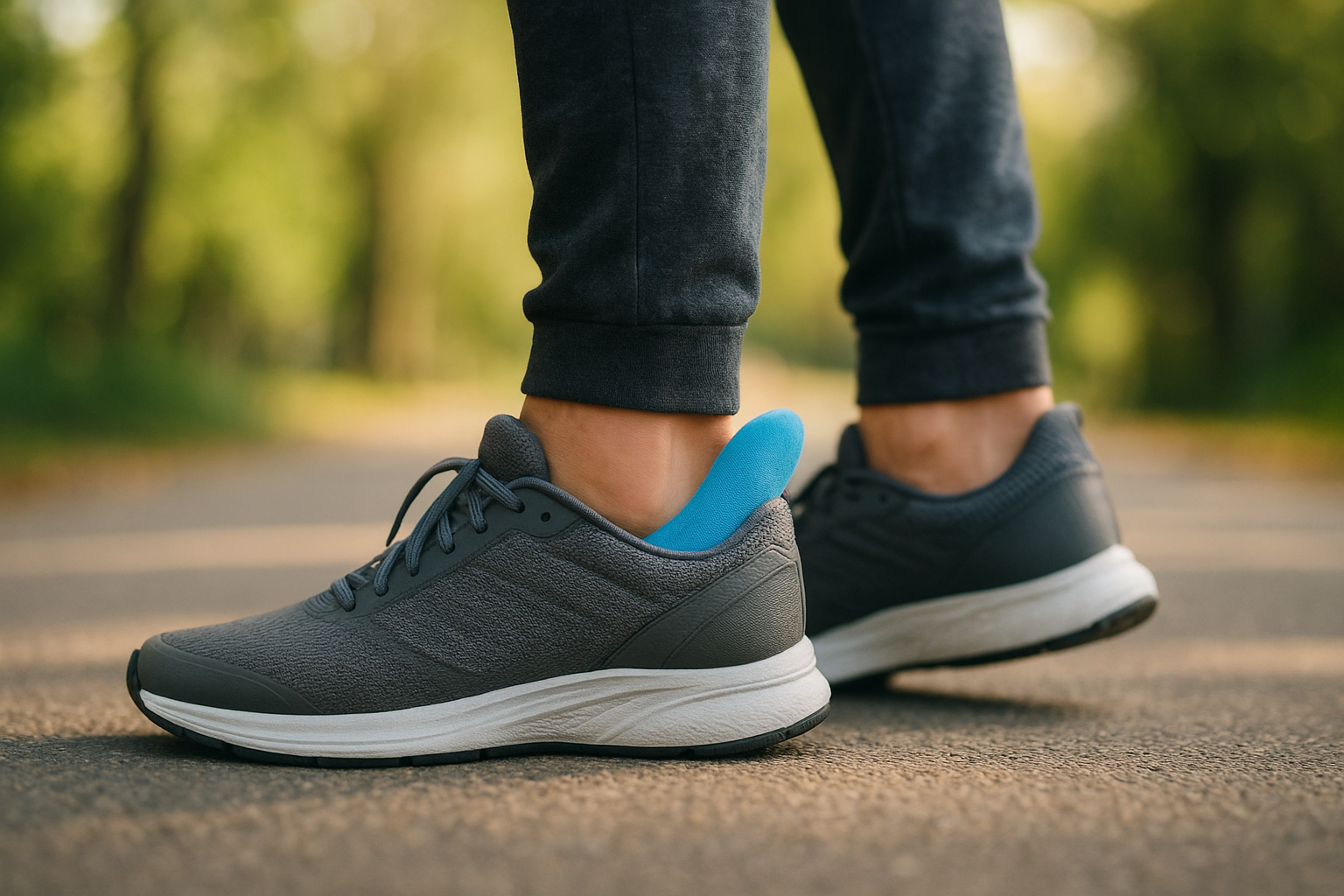
Properly fitted custom orthotics for flat feet support natural movement throughout the day.
Caring for and Maintaining Your Custom Orthotics
Proper care extends the life of your investment. Wipe orthotics with a damp cloth rather than soaking them, since prolonged moisture can warp certain materials. In addition, remove them from shoes to air out overnight, and avoid direct heat sources like car dashboards or radiators, which can distort rigid shells over time. Most providers recommend a check-up every one to two years to confirm the fit still matches your foot, especially if your weight or activity level has changed.
Living Comfortably With Flat Feet Long Term
Once fitted, most patients gradually increase wear time over one to two weeks to let the foot adapt. In the meantime, pairing orthotics with supportive footwear and occasional stretching can further ease strain on the arch.
For ongoing symptom management, our related article on foot support options and relief tips for flat feet offers additional at-home strategies. Similarly, if you want to understand root causes more fully, see our overview of flat feet causes, symptoms, and solutions.
Flat Feet in Children vs. Adults
Flat feet look different depending on age. Most toddlers have flat feet naturally, since the arch typically develops between ages three and six as ligaments tighten. Therefore, pediatric custom orthotics usually aim to guide healthy development rather than "correct" a problem outright. In contrast, adult flat feet — whether present since childhood or acquired later through tendon strain, injury, or weight change — often need orthotics to manage existing pain and prevent further joint stress. Above all, a podiatrist experienced with both populations can tailor the mold and material accordingly.
Frequently Asked Questions About Custom Orthotics for Flat Feet
What are custom orthotics for flat feet?
Custom orthotics for flat feet are prescription insoles molded from an individual foot cast or scan to support a collapsed arch and correct abnormal foot motion. They are fabricated for one specific foot shape rather than mass-produced.
How do custom orthotics differ from over-the-counter insoles?
Over-the-counter insoles use generic shapes meant to fit many foot types loosely, while custom orthotics are built from a mold of your own foot. As a result, custom devices target specific pressure points that generic pads cannot address.
How long does it take to get custom orthotics made?
Most custom orthotics take two to four weeks from the initial mold to final delivery, since each pair is hand-fabricated. Rush options are sometimes available depending on the provider.
How much do custom orthotics for flat feet cost?
Custom orthotics for flat feet typically range from a few hundred dollars per pair, depending on materials and correction complexity. Many providers offer free consultations before any purchase.
Why do flat feet cause pain?
Flat feet cause pain because a collapsed arch shifts weight unevenly across the foot, straining the plantar fascia, ankles, knees, and lower back. Over time, this imbalance can lead to chronic inflammation.
How are custom orthotics fabricated?
Custom orthotics are fabricated by taking a mold or 3D scan of the foot, which a technician uses to build a device from durable materials. The final piece is shaped to match the exact arch and pressure pattern of that foot.
What conditions can custom orthotics help besides flat feet?
Beyond flat feet, custom orthotics can help plantar fasciitis, bunions, diabetic foot complications, and general joint misalignment. They are also used for sports-related overuse injuries.
How long do custom orthotics last?
Custom orthotics generally last three to five years with regular use, though this varies by material and activity level. Athletes or heavier users may need replacements sooner.
Can children wear custom orthotics for flat feet?
Yes, children with flexible or rigid flat feet can wear custom orthotics, often to guide healthy arch development. A podiatrist should evaluate growth patterns before fitting a child's device.
What common mistakes do people make when choosing orthotics?
A common mistake is choosing generic drugstore insoles instead of a properly molded device, which can mask symptoms without fixing the imbalance. Another mistake is skipping a podiatrist evaluation altogether.
Are custom orthotics covered by insurance?
Some insurance plans partially cover custom orthotics when prescribed for a diagnosed medical condition, though coverage varies widely. It is best to confirm benefits directly with your insurer before ordering.
How long is the break-in period for new orthotics?
Most people need one to two weeks to fully adjust to new custom orthotics, gradually increasing wear time each day. Mild discomfort during this period is normal and usually fades.
When should I see a podiatrist about flat feet?
You should see a podiatrist if flat feet cause persistent pain, swelling, or difficulty walking that does not improve with rest. Early evaluation can prevent secondary issues in the knees, hips, and lower back.
Do custom orthotics work for all shoe types?
Custom orthotics are typically designed to fit specific shoe categories, such as athletic, dress, or casual footwear, since depth and volume vary. Discussing your typical footwear during the fitting helps ensure a proper match.
Is it normal for my feet to feel odd before they feel better?
Yes, mild pressure or awkwardness during the first few days is common as your foot adjusts to a new alignment. However, sharp pain that does not improve after two weeks should be reported to your podiatrist for an adjustment.
How do I know if my flat feet are flexible or rigid?
A simple at-home check is to sit down and lift your foot off the ground; if an arch appears, your flat foot is likely flexible. In contrast, if the arch stays flat in every position, a podiatrist should assess for a rigid flat foot, which often needs a different orthotic approach.
Final Thoughts on Custom Orthotics for Flat Feet
Ultimately, custom orthotics for flat feet offer a more precise, lasting solution than generic insoles because they are built directly from your own foot structure. In particular, working with an experienced podiatrist ensures the mold, materials, and fit are matched to your specific pain points and activity level. Whether you are dealing with mild arch fatigue or significant structural imbalance, a personalized device can address the root cause rather than simply covering up discomfort.
If you are ready to explore your options, consider scheduling a complimentary consultation through customorthotics.com, where an experienced, podiatrist-owned team fabricates each pair from an individual foot mold. With over 20 years of craftsmanship behind every device, taking the first step toward relief from flat feet does not have to be complicated.